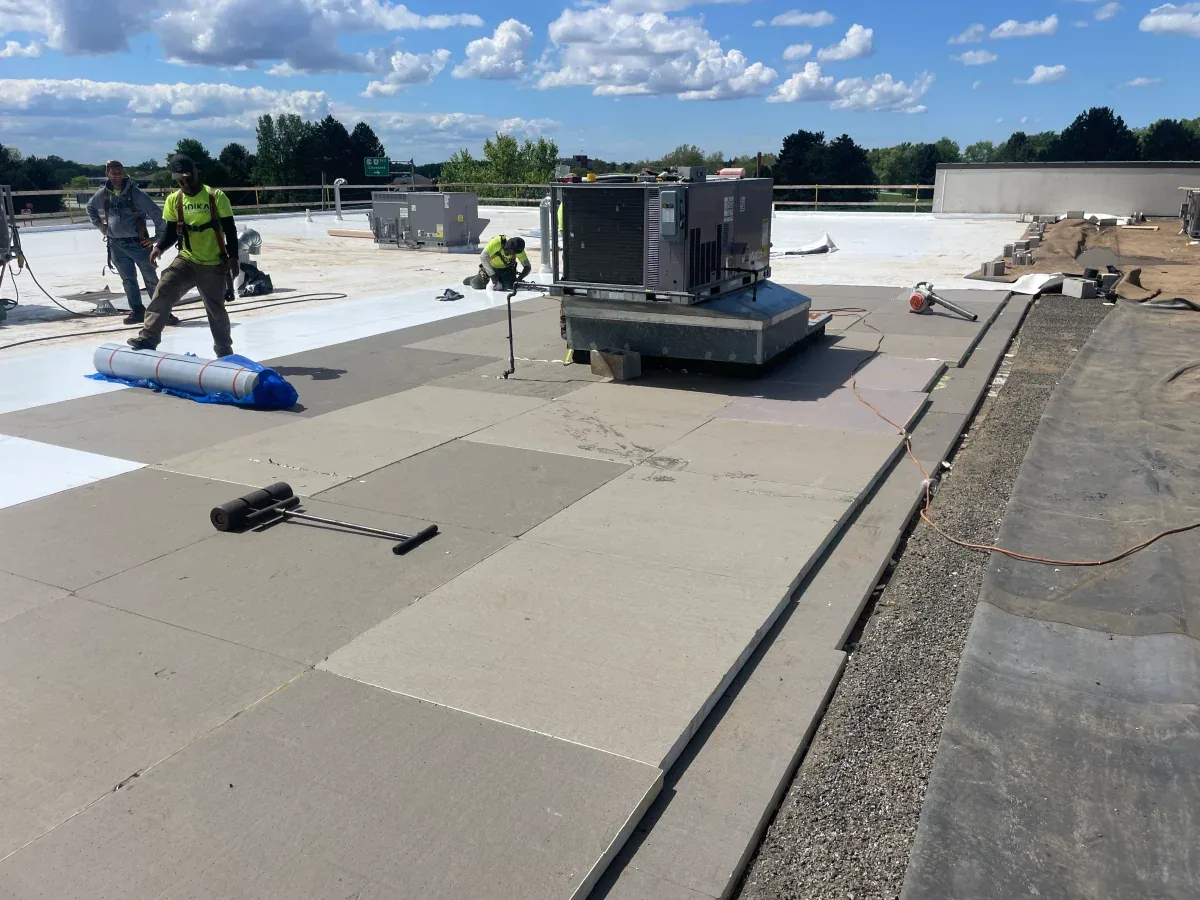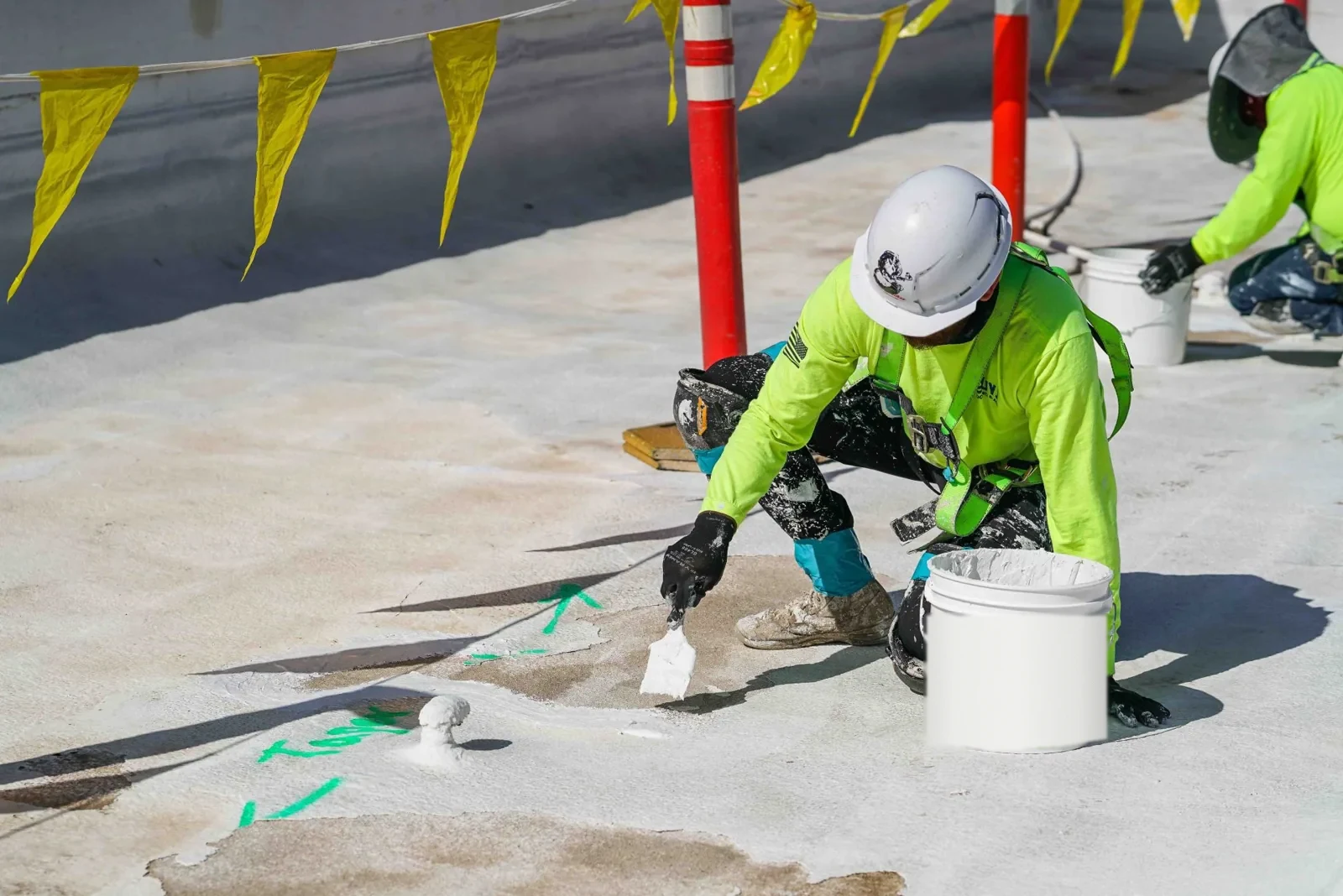
Water at an occupied building’s roof curb gives the crew a concrete starting point. We check the flashing and adjoining seam before mapping the interior report. We trace the water path, inspect adjoining seams, and mark the roof zone before setting a repair limit. Commercial Roofing Georgetown handles low-slope and metal roofing for owners, property managers, facility teams, and general contractors across Georgetown, TX and nearby Central Texas communities.
Our work includes inspection, repair, replacement, recover, restoration, coating, and preventive maintenance. The field condition sets the scope. We record what was reached, what remains concealed, and where approval is needed before the work boundary changes.
A ceiling stain, active leak, loose edge, or damaged curb starts a different inspection route. We compare the reported location with the roof above, nearby penetrations, drains, and membrane transitions. A stain can help narrow the search, but it does not prove that the opening sits directly overhead. We mark confirmed defects separately from possible water paths so the owner and general contractor can see what supports the recommendation.
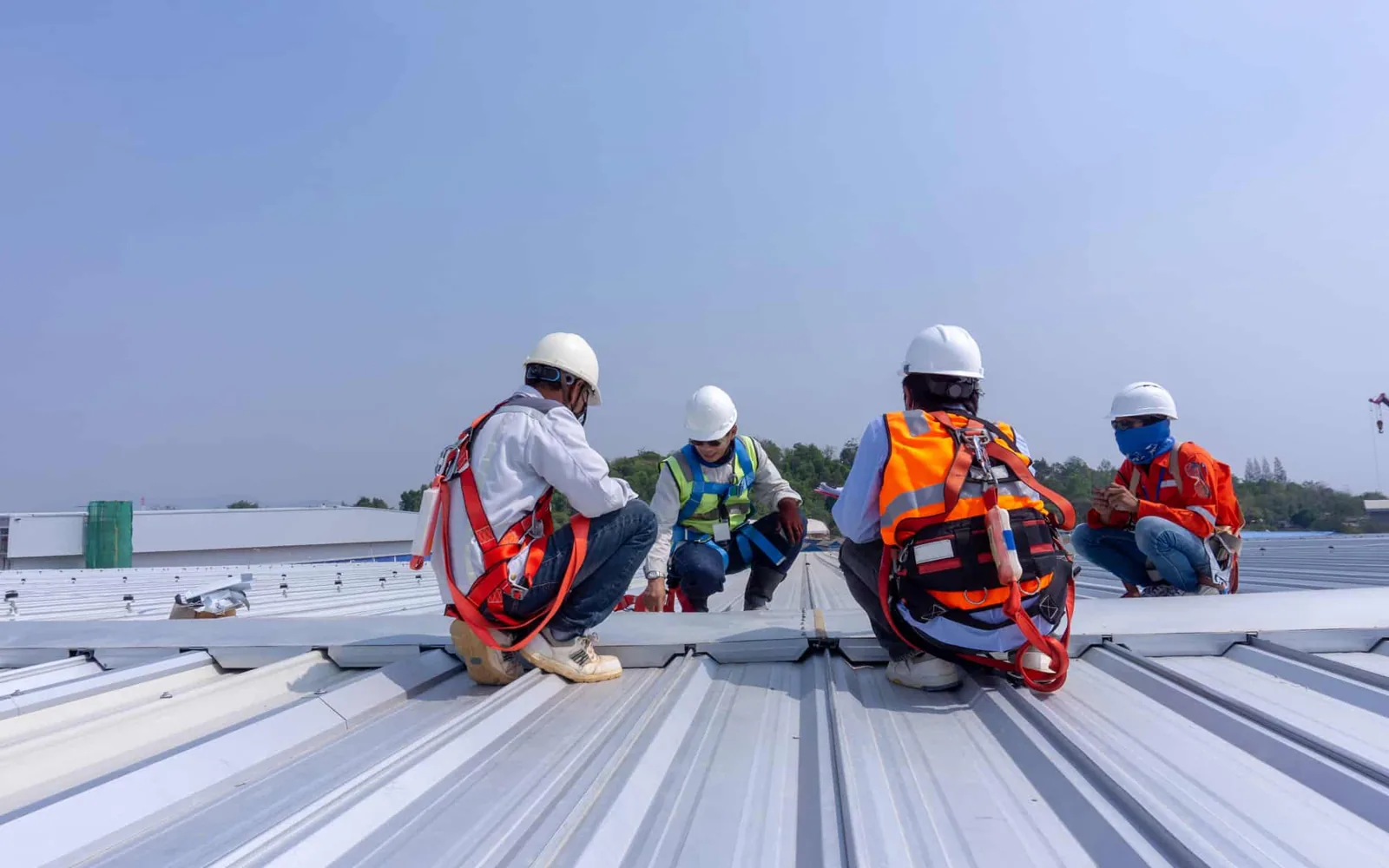
Access is part of the inspection. We confirm ladders, roof hatches, fall protection, interior rooms, equipment restrictions, and the operating window with the site contact. Photos carry a roof-zone reference. If a test opening is needed, we mark the limit and approval point before exposing concealed layers. A commercial roof inspection leaves a baseline that can support repair planning, maintenance, or a later capital decision.
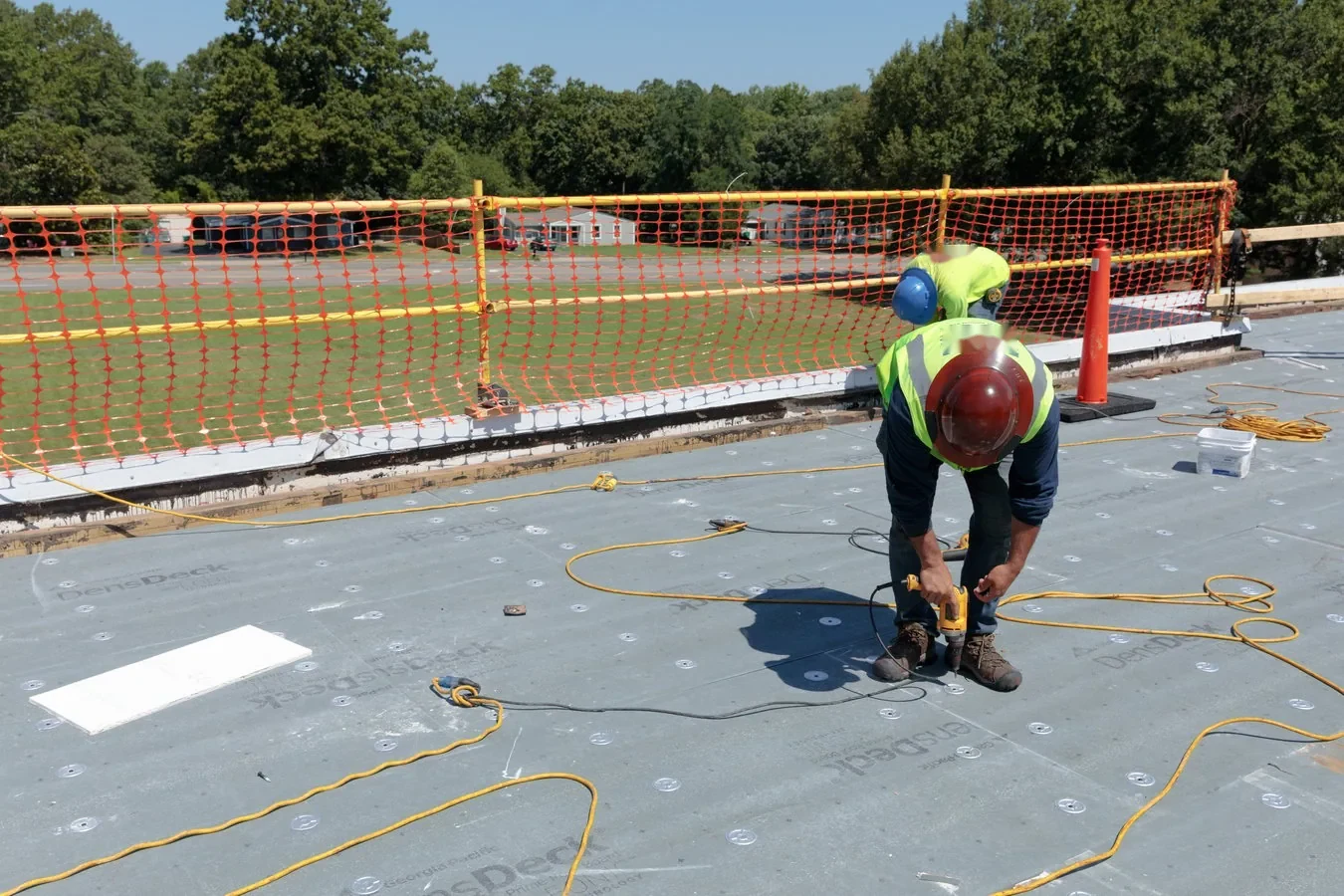
Our written condition reports pair photographs with the detail inspected, the observed condition, and any access or test limit. A report can identify an open lap, loose fastener, split flashing, blocked outlet, or moisture concern without claiming more than the field evidence shows. Where temperature patterns suggest possible moisture, an infrared survey can prioritize test areas. The test confirms the result; an image alone does not establish wet insulation.
We use the roof map again at closeout. It shows completed repairs, remaining questions, and details assigned to another trade. For an owner with several properties, condition reports keep each building’s assembly and repair history distinct. A finding at NorthPark35 does not become a condition at Berry Creek Business Park just because both properties sit in Georgetown’s industrial market.
A local repair may fit when surrounding material is sound and a compatible tie-in can be made. Repeated leaks, wet insulation, failed attachment, or deteriorated deck can require a wider review. We separate membrane work from access, interior protection, staging, testing, and temporary cover. The owner receives the observed condition, proposed boundary, and any unresolved item that could change the amount of work.
A recover or coating proposal starts with moisture, attachment, layer count, drainage, edge height, and substrate condition. A surface treatment cannot correct a wet or unstable base. Replacement planning includes tear-off, insulation, drains, curbs, equipment, tie-ins, and phased dry-in. Our replacement work follows the assembly and approved project documents, not an assumed roof life or a sales target.
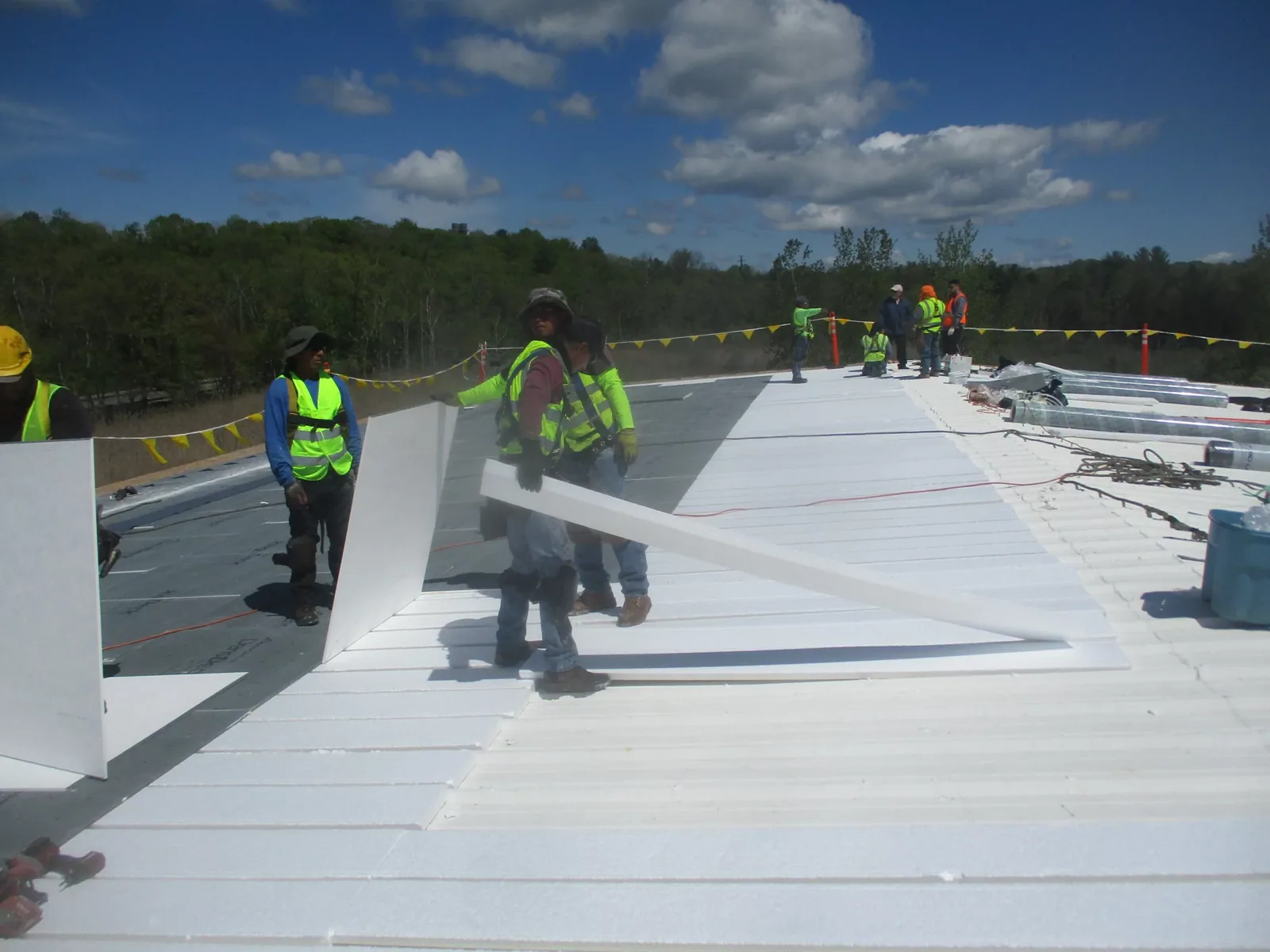
Georgetown summers bring sustained heat, and the local weather station has recorded days above 100 degrees. Heat can affect work windows and exposes sealants, flashing, and membrane details to repeated thermal stress. We inspect the material at the building rather than assigning a defect from the season alone. Hail and severe spring storms also affect the inspection calendar. A regional event prompts a roof walk; it does not prove damage at one property.
A 2022 tornado path ran from the Round Rock area across Williamson County toward Granger. That regional history informs readiness and temporary protection planning. After an event, we photograph observed dents, splits, displaced metal, and open seams separately from ordinary wear. Claim documentation can tie those conditions to roof zones, tests, and the work performed without treating a storm date as a damage finding.
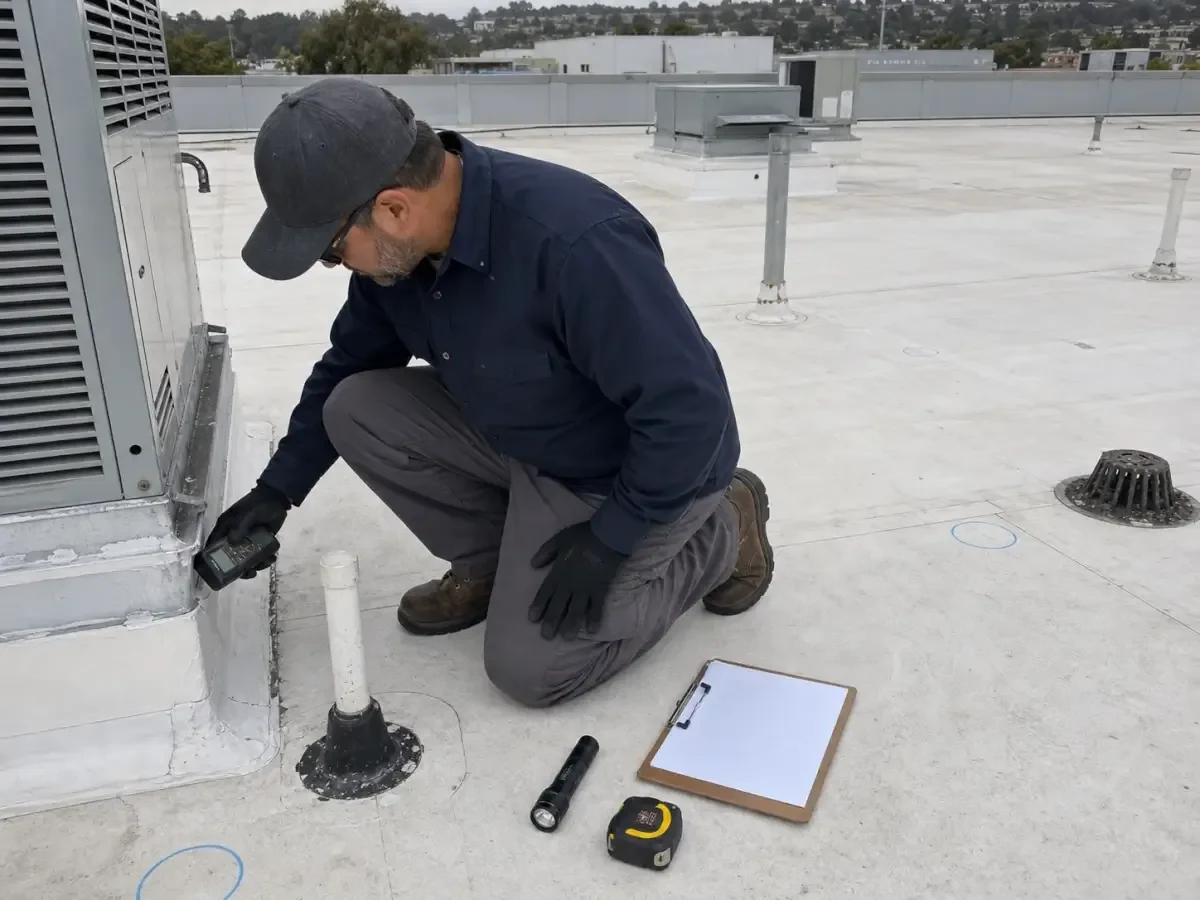
Roof work happens over people, inventory, equipment, and active service areas. Before mobilization, we confirm delivery routes, parking, lift placement, interior protection, fire lanes, and any area that must remain open. A hospital, school, warehouse, and retail center do not share one operating plan. We set the access route and daily opening with the site contact, then keep the work area small enough to protect the assembly before weather or shift changes.
In Georgetown’s courthouse-centered downtown, mixed commercial, residential, county, and municipal uses can make staging different from a newer industrial building. NorthPark35 and Georgetown Logistics Park are part of the region’s industrial growth areas near I-35 and SH 130. The area names help locate the work, while each property still needs its own gate instructions, roof plan, operating window, and staging review. Our occupied-building sequence marks the handoff between phases.
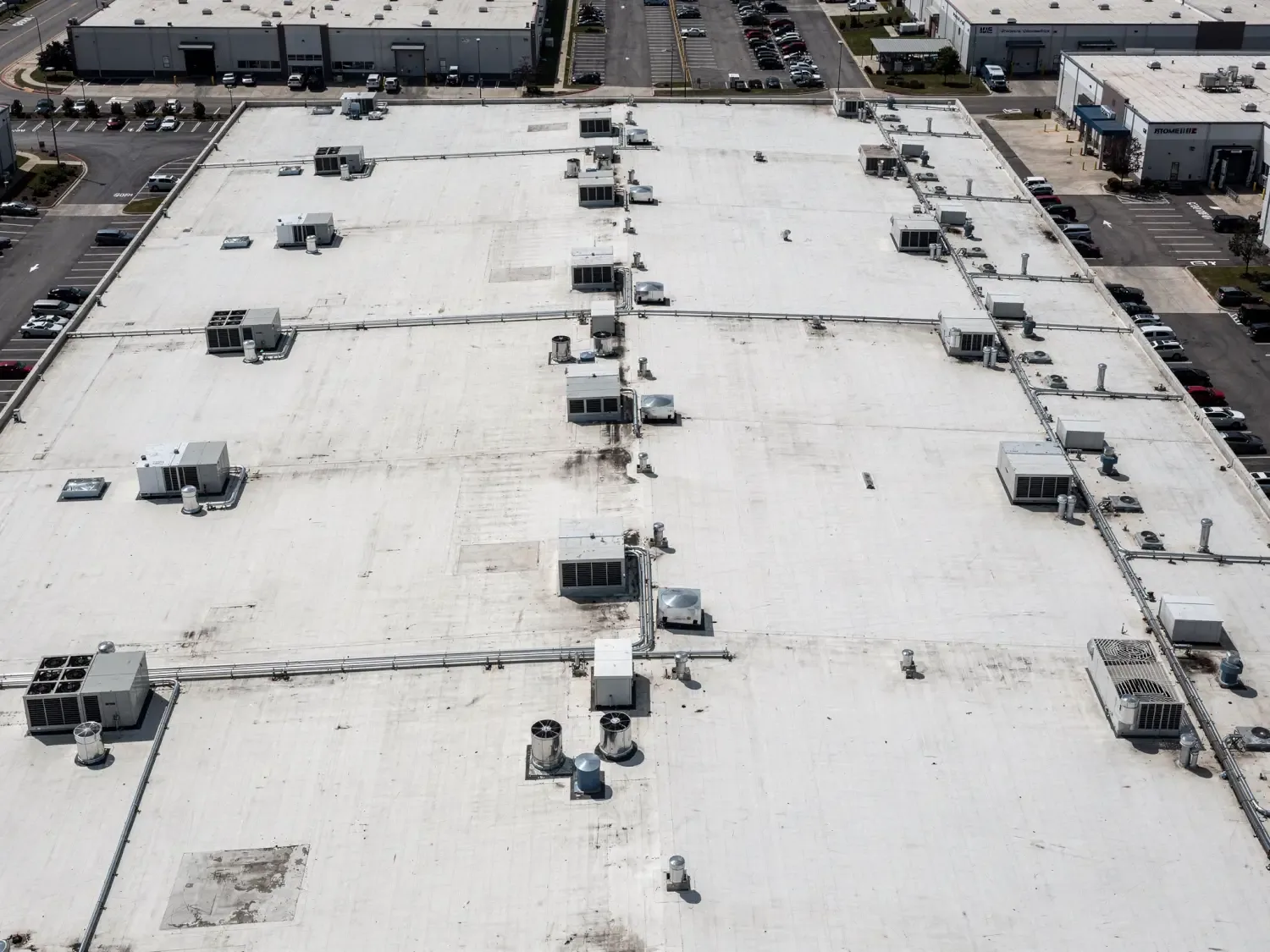
Before removal begins, the crew identifies the roof assembly, planned opening, temporary tie-in, drain protection, and dry-in limit. If concealed layers differ from the available record, work pauses at the agreed hold point. We photograph the exposed condition, review the change with the owner or general contractor, and proceed only with an approved scope. That control keeps an unexpected deck or wet insulation from silently expanding the job.
For recurring service, preventive maintenance returns to drains, curbs, seams, and prior repairs. A capital plan can use those records to separate near-term protection from later replacement planning. Repair and alteration projects in Georgetown follow the city’s 2021 existing-building code, with approved project documents governing the specific roof assembly.
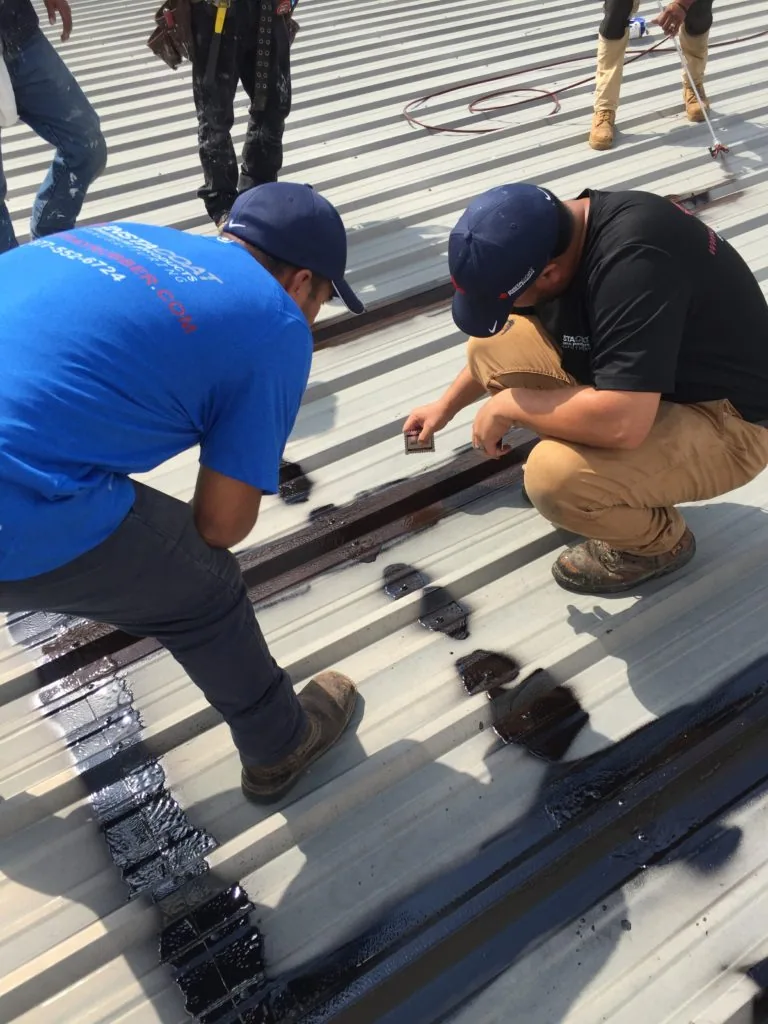
At closeout, we provide photos, a marked roof map, the completed repair detail, and items that remain open. The general contractor can see where the work stops, what material was installed, and what another trade must finish. If access prevented part of the walk, that limit stays in the record. We do not treat an unseen area as inspected or a temporary cover as a permanent repair.
To set the first walk, send the building location, roof plan, reported condition, access window, and field contact. We will confirm the route and work boundary before staging. For active water entry, response is available around the clock, including weekends and holidays. The next step is a roof condition that has been checked, mapped, and handed off clearly.