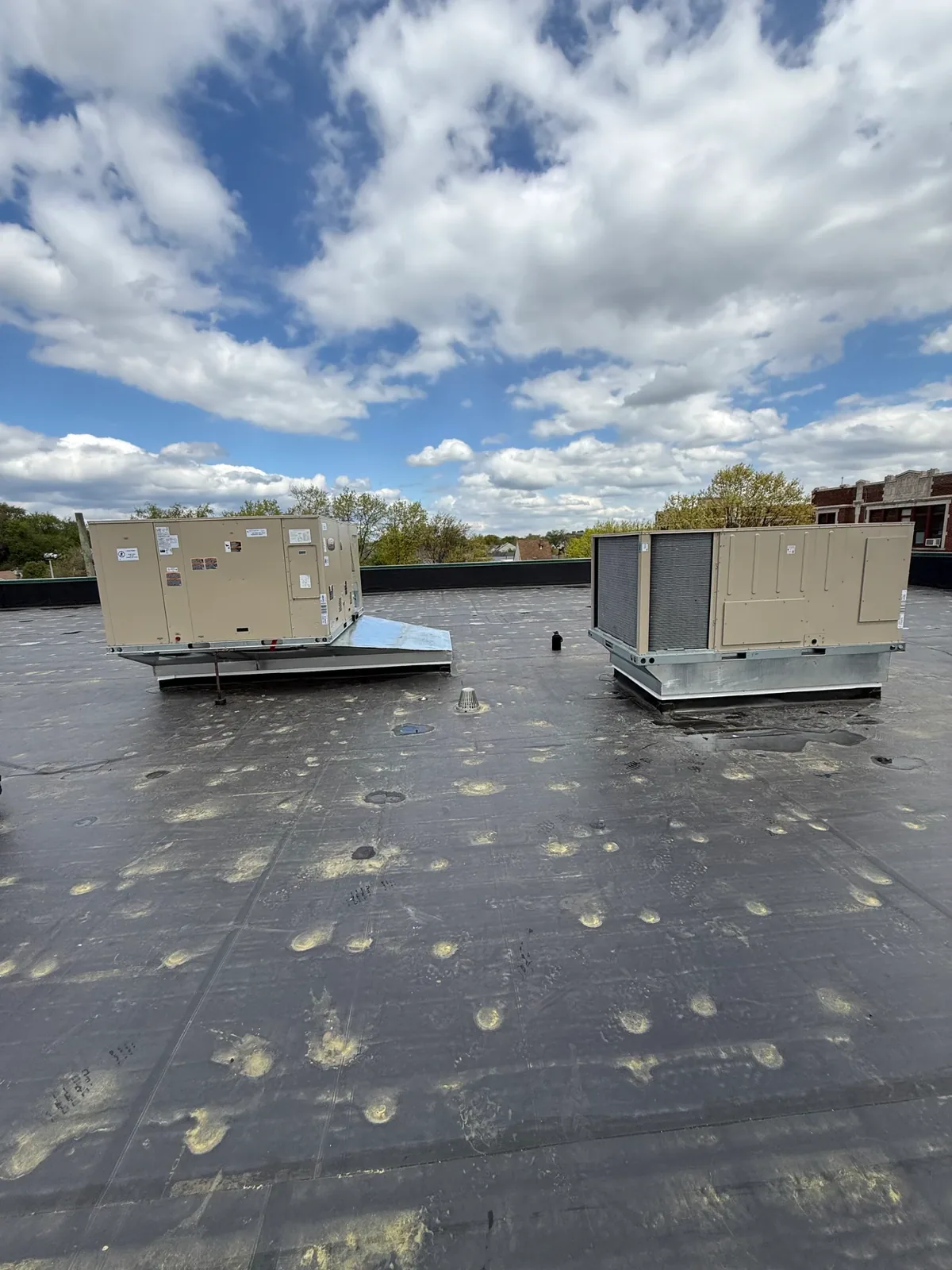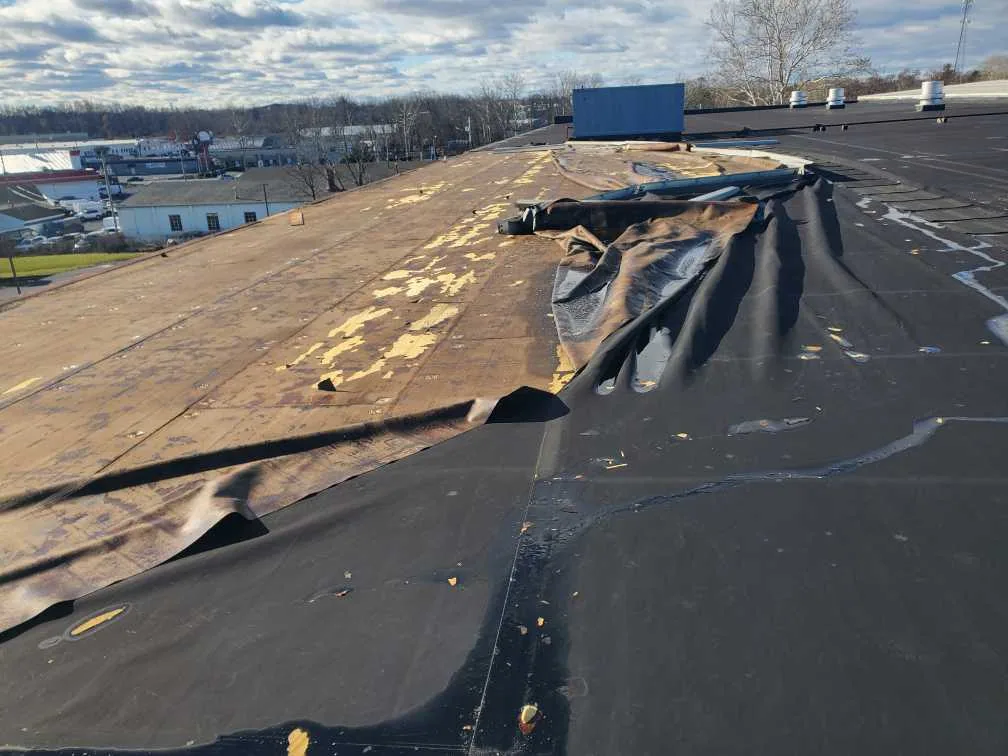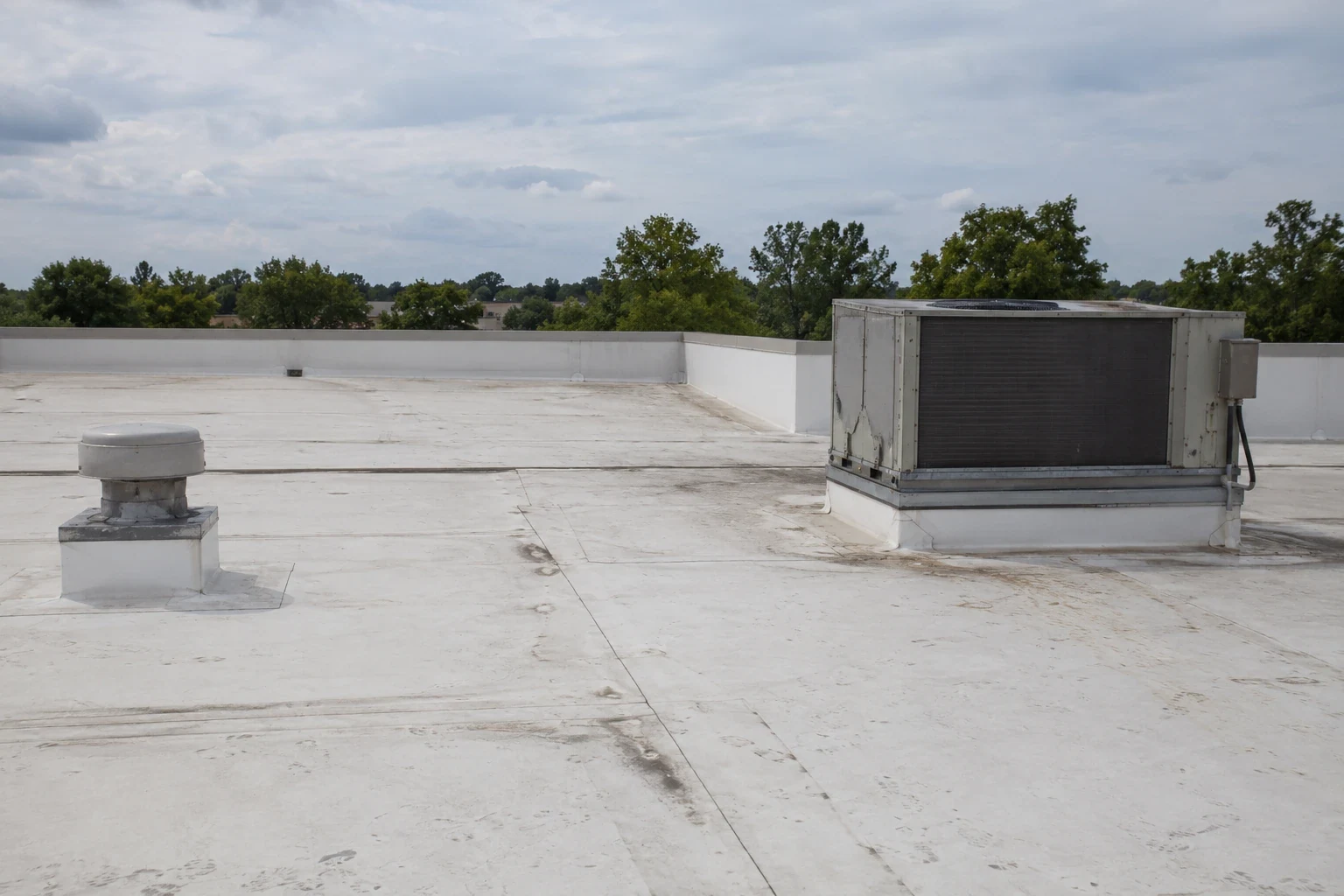
A curb-side membrane split can hold water beside the flashing before it reaches an interior finish. We start at the reported interior area. We check the roof directly above it, then trace the path toward seams, walls, penetrations, and drains. In Georgetown, heat and severe storms add reasons to inspect exposed details. The leak repair must stop the entry point, not only dry the stain.
We photograph the roof condition and mark the suspected path before opening or patching anything. The work boundary shows what we confirmed, what remains uncertain, and where a test or repair will occur. For a building near Berry Creek Business Park or Westinghouse Road, access and staging still follow the site’s operations and roof assembly.
We compare the ceiling report with roof slope, deck direction, insulation joints, and the closest roof details. Water may move sideways before it appears indoors. So the point above a stain is only one place to inspect. We check curbs, pipes, wall transitions, edge metal, seams, drains, and prior patches for openings or movement.
Rain timing can help narrow the search. But it does not establish the cause. A leak that appears during wind-driven rain may point to a different exposure than one that follows long ponding. We record the symptom, weather timing, and roof findings separately. If more than one opening could explain the water path, we use a controlled test rather than applying material across every suspect detail.
Across Georgetown's industrial sites, the arrival route and roof access depend on the property's loading plan. We confirm staging and operating limits before tracing the reported leak to roof details. Each confirmed finding goes on the roof map.
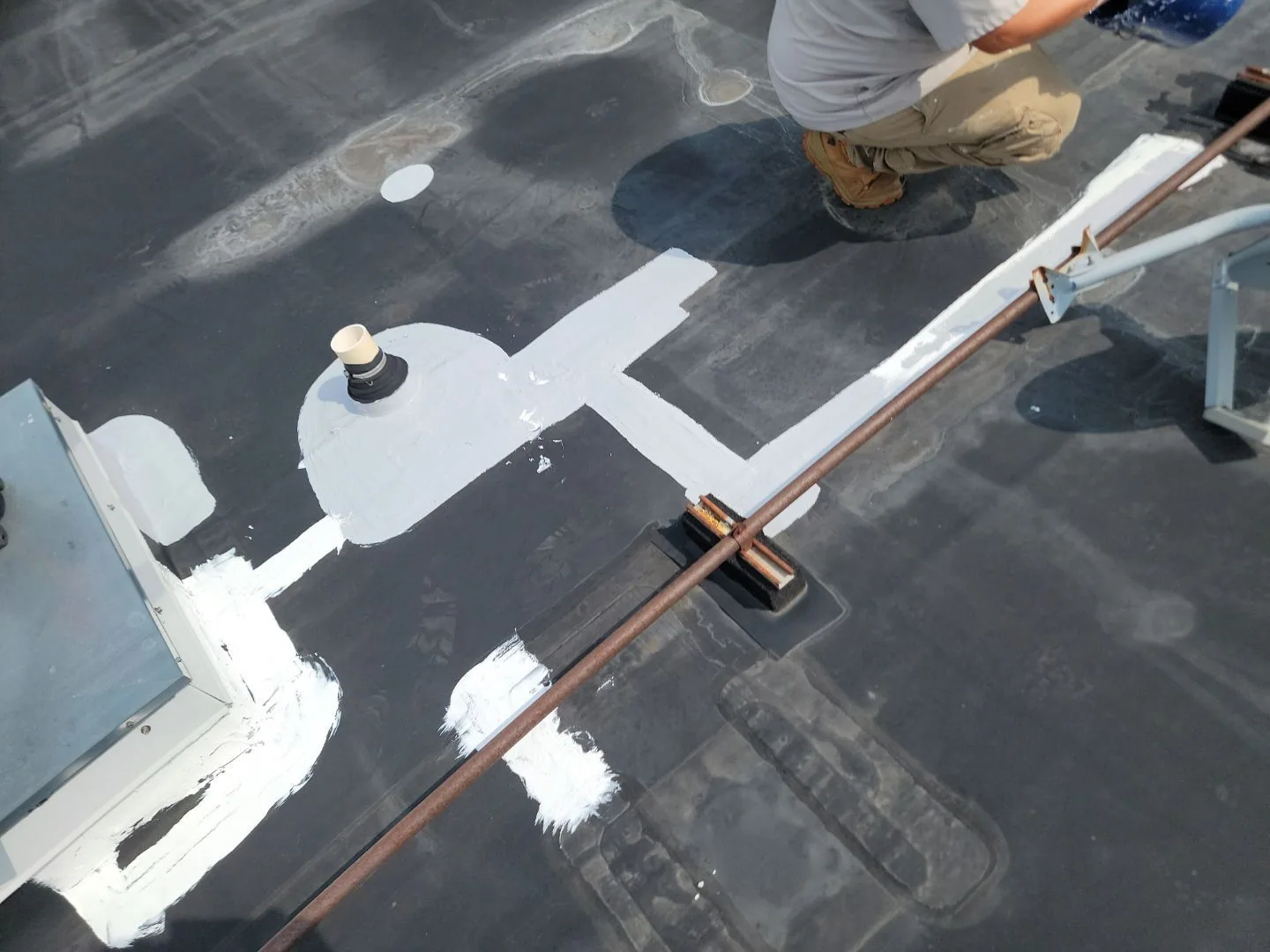
The repair method depends on what failed. A split membrane may need a compatible patch; an open lap may need seam correction; a curb leak may require new flashing or counterflashing. We clean and prepare the surface, remove loose material, and confirm the substrate can hold the repair. Sealant alone does not correct movement or restore a failed attachment.
For a thermoplastic membrane, compatible welding and flashing details can close the opening when the material and conditions allow. An existing TPO roof and a PVC assembly require product-specific surface preparation. EPDM, modified bitumen, built-up, and metal systems need different materials and tie-ins. We identify the roof type before ordering supplies.
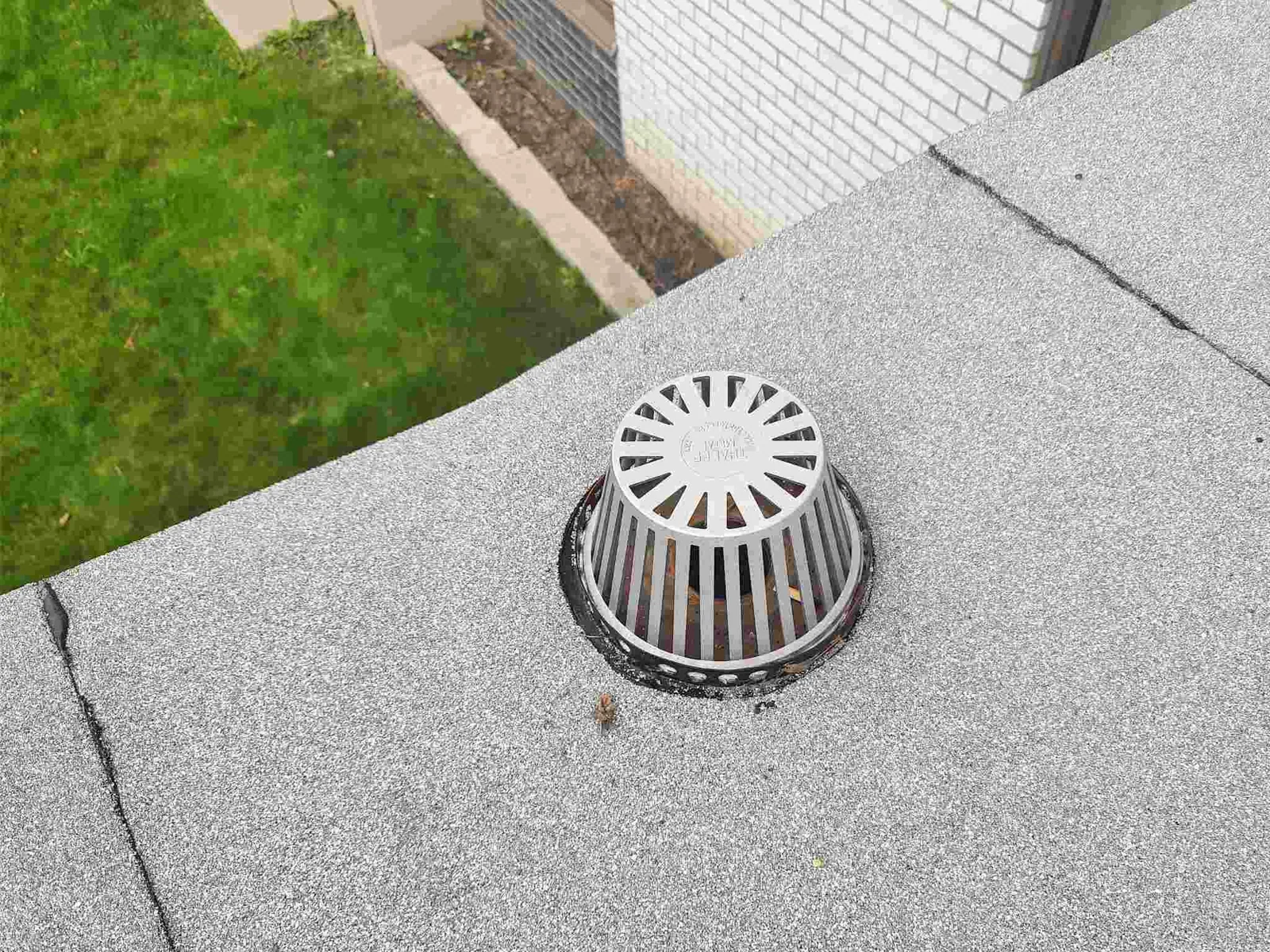
If the entry path begins at drainage, we inspect the drain bowl, strainer, scupper, and nearby membrane. A blocked drain can keep water at a low point. At the same time, a failed detail may let it pass below the roof. Drain and scupper repair can be included when those components are part of the confirmed leak path. We list a broader drainage correction separately if it extends beyond the opening.
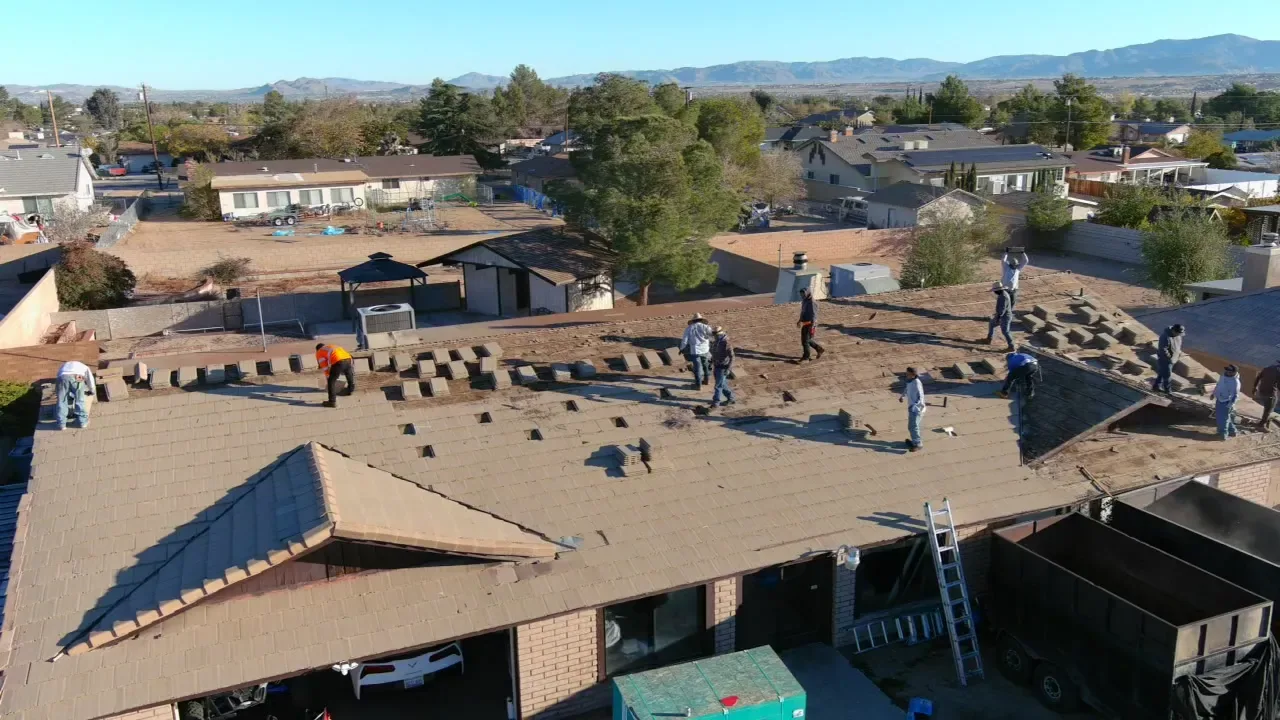
A leak call may come from an active building with equipment, tenants, and other trades moving below the roof. We confirm the ladder or lift point, fall protection, travel path, material staging, and access window with the site contact. The crew keeps the work area controlled and protects interior equipment beneath the repair. A brief roof visit still needs a handoff plan.
Georgetown industrial growth areas such as NorthPark35 and Georgetown Logistics Park are served by active utility and business development. At an operating property, loading lanes and delivery periods can shape the route to the roof. We coordinate with the general contractor or facility contact before mobilizing and keep the agreed access path clear when the work is done.
The property team controls any interior hazard while we address the roof. Interior cleanup does not confirm that the roof is repaired. The handoff connects the roof detail, interior report, and temporary protection.
Georgetown summers bring sustained heat, and regional storm records include hail and a 2022 tornado track through Williamson County. These conditions support checking exposed seams, edges, flashing, and penetrations after weather passes. They do not prove that a storm caused a particular leak. We describe the condition observed and keep cause separate unless inspection supports it.
If rain is approaching, we set a safe temporary dry-in before leaving an opened area. The repair material also needs a suitable surface and installation conditions. If those requirements cannot be met, we protect the opening and schedule the permanent patch when the roof can be prepared correctly. Temporary protection is marked as temporary in the work record.
After severe weather, we inspect the reported area for splits, displaced metal, punctures, or loose flashing. The work boundary follows those findings, not the storm date. A hail damage review or tornado damage assessment can document broader conditions.
The leak ticket states the confirmed opening, repair method, material, and limit. It also notes any area that could not be inspected or any moisture that needs a second review. The general contractor can approve added work if testing finds a larger defect.
Repair time depends on roof access, surface preparation, material cure or weld requirements, nearby equipment, and whether the leak path has one source or several. A wet assembly, failed deck, or multiple penetrations can require added investigation and a separate proposal. We report those differences before covering concealed conditions.
When repeated repairs point to broader membrane failure, we compare the repair history with a full roof inspection and a replacement scope. A repair remains the right choice when the defect is isolated and the surrounding roof can support it. The decision follows the field record, not the age of one patch by itself.
At completion, we photograph the repaired detail, mark its location, and note the method used. The record connects the interior report with the roof entry point and identifies any follow-up inspection. That gives the property team a clear answer about what was repaired and what remains open.
If water returns, the prior map helps us check whether the same detail opened again or a second path is involved. A roof condition report can capture the wider surface, drains, and other details when the repair visit identifies related concerns. The written handoff should not hide unresolved moisture or work outside the approved boundary.
Send the interior location, when the leak appears, roof access details, and a site contact. We can arrange the walk, mark the suspected path, and set the repair limit. For active water entry at night or on a weekend, our response is available every day, holidays included.
Water can travel through insulation or along a deck flute before it reaches the ceiling. We trace the reported area toward drains, seams, walls, and penetrations. We confirm the likely entry point. The repair follows that path instead of patching only above the stain.
We can protect an active opening with a temporary dry-in when conditions permit. We mark that measure as temporary and continue the inspection to identify the permanent repair. A temporary cover does not close the investigation.
Include the interior report, roof location, photos, observed entry detail, repair method, and any area left for follow-up. The roof map helps the general contractor and facility team connect the repair with later work or another report.
No. Regional hail and tornado records guide where we look. But the field walk determines what is present on your roof. We document splits, displaced metal, punctures, or loose flashing only when inspection finds them.
Repeated openings, widespread moisture, or failed attachment can show that a local patch will not address the condition. We compare the repair map and moisture findings with the surrounding assembly. If the failure extends beyond the defect, we outline the next scope for review.