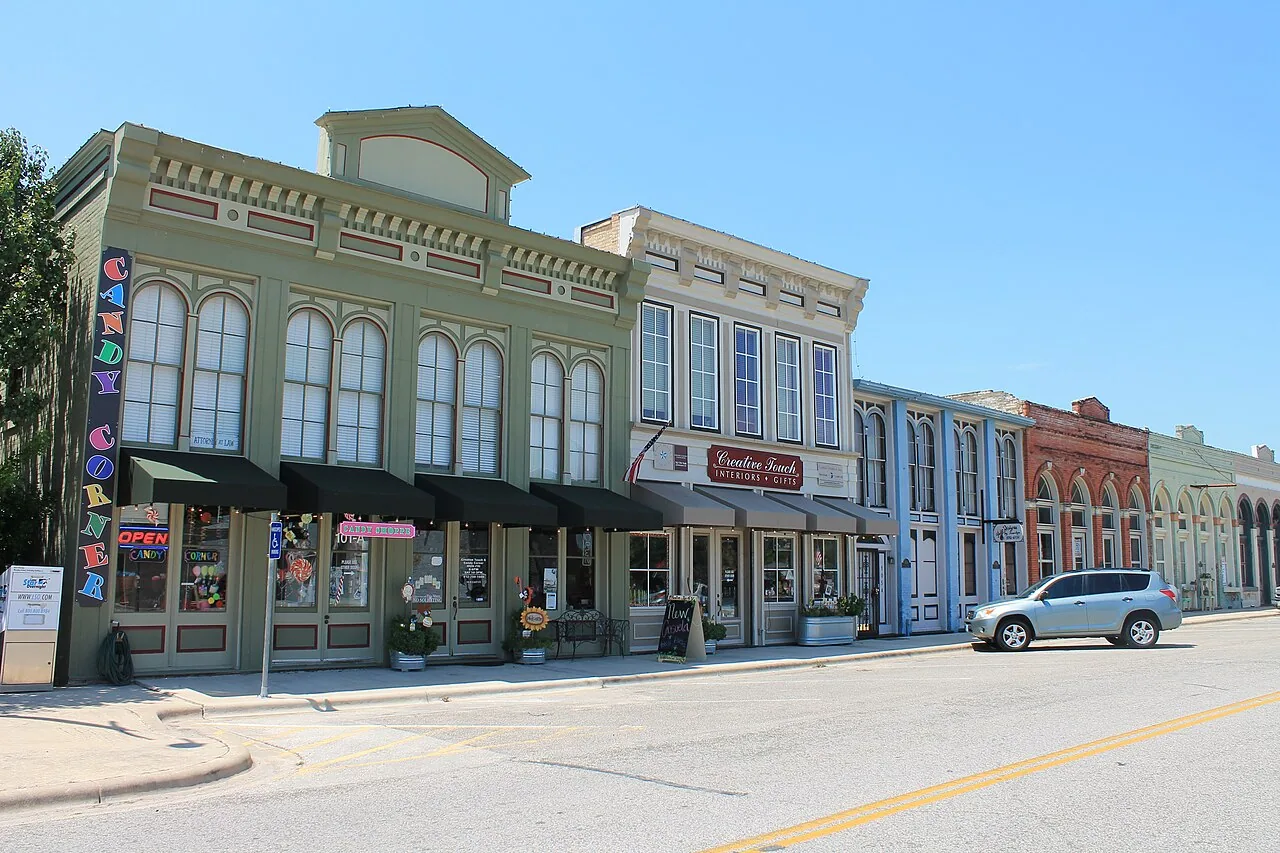
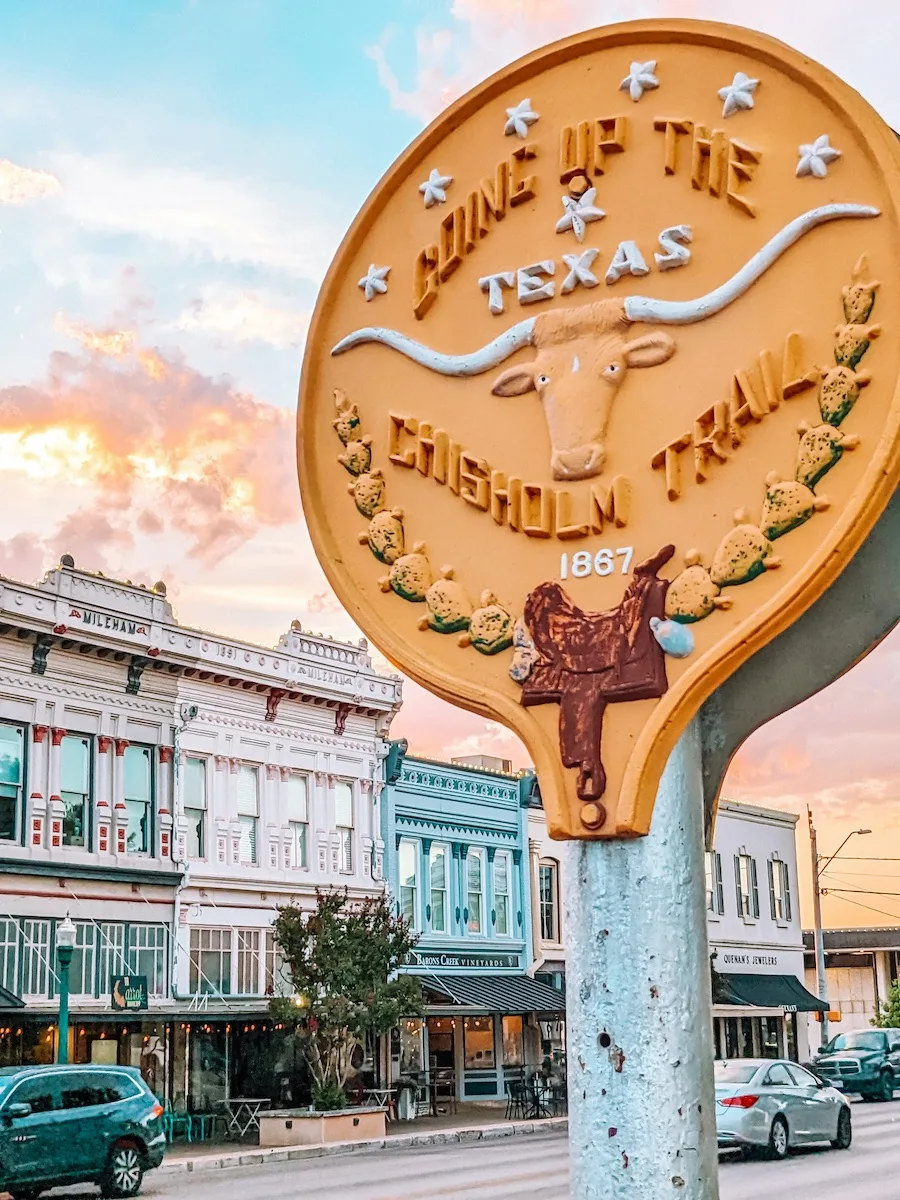
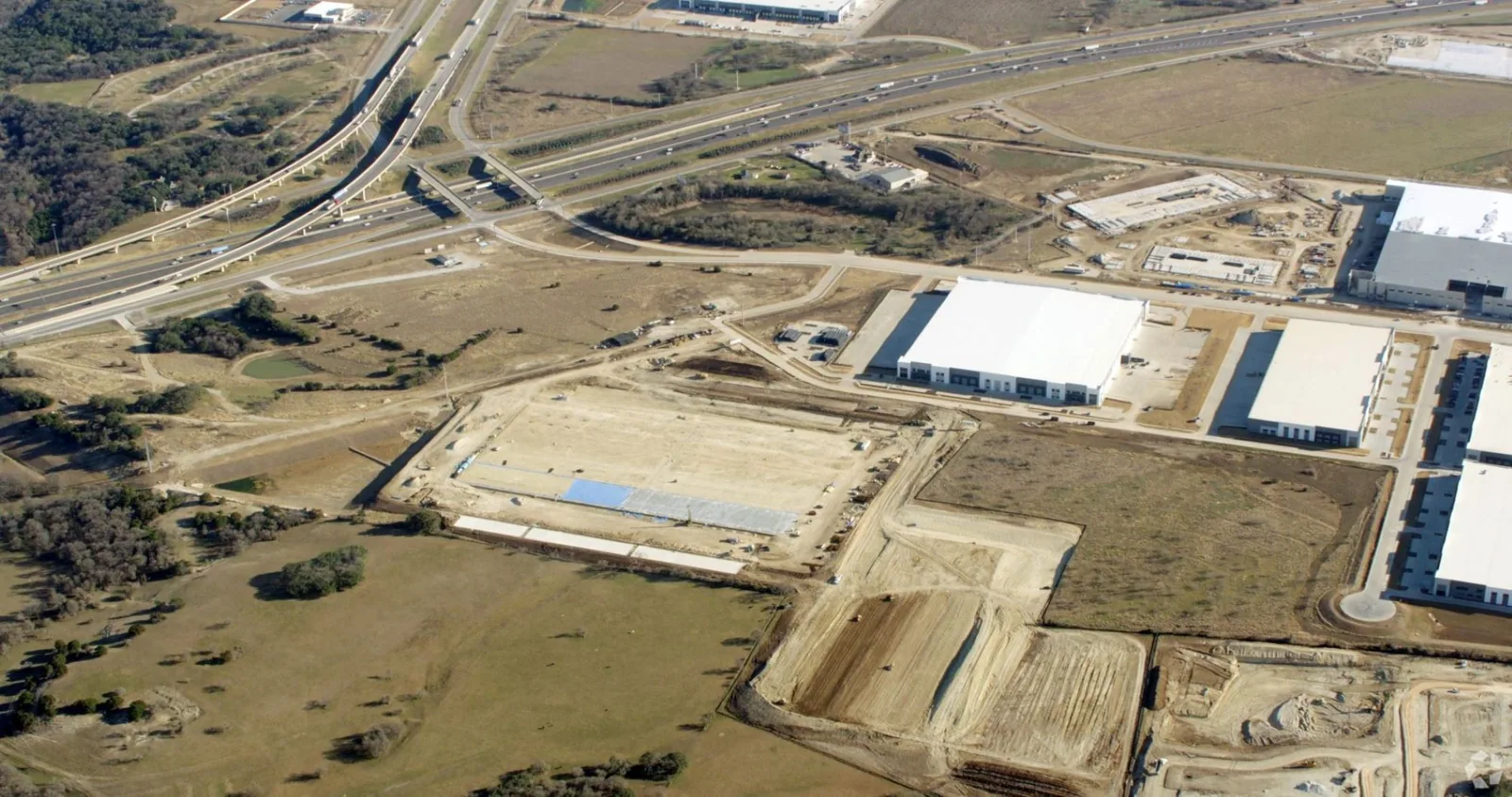
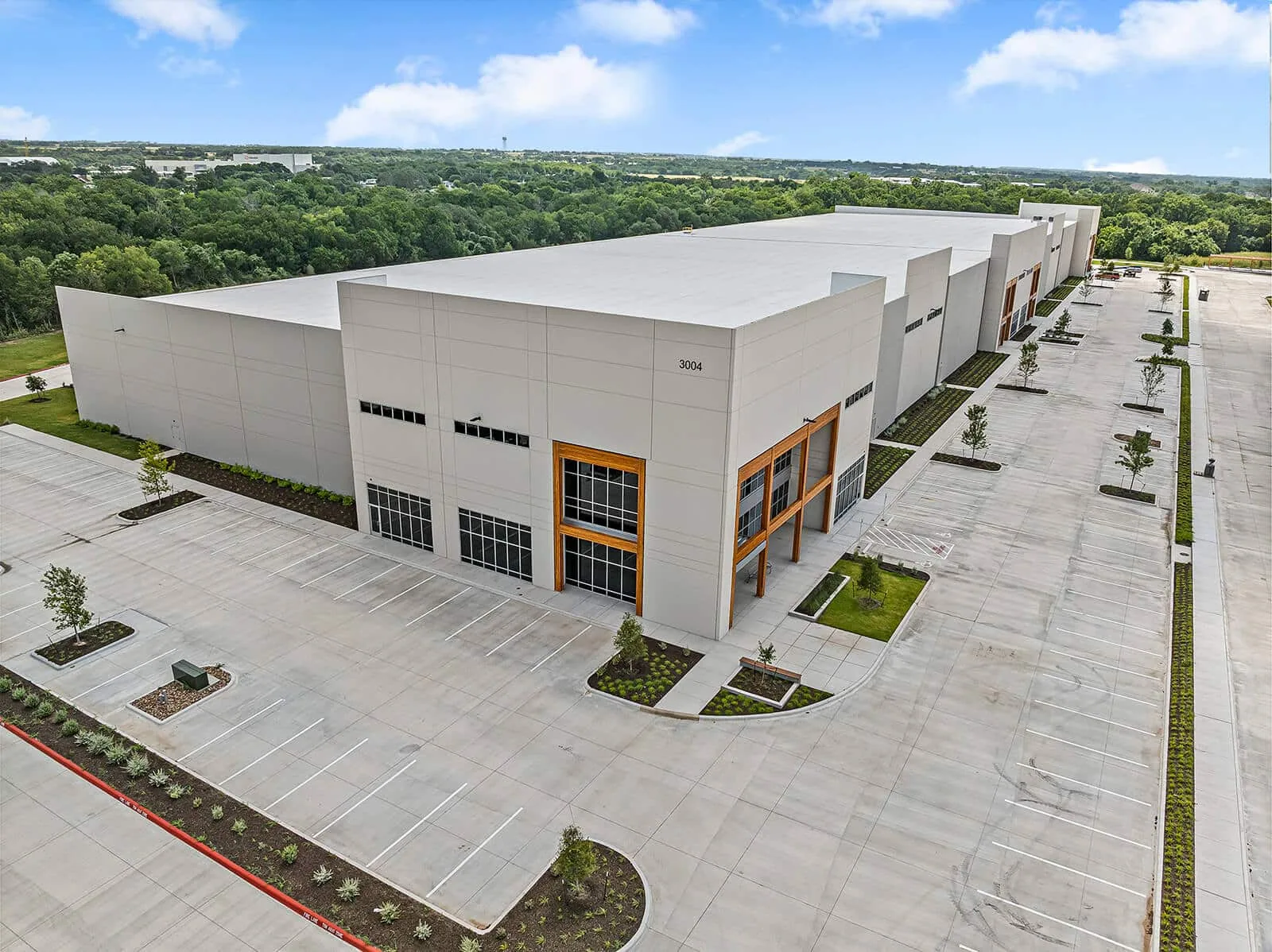
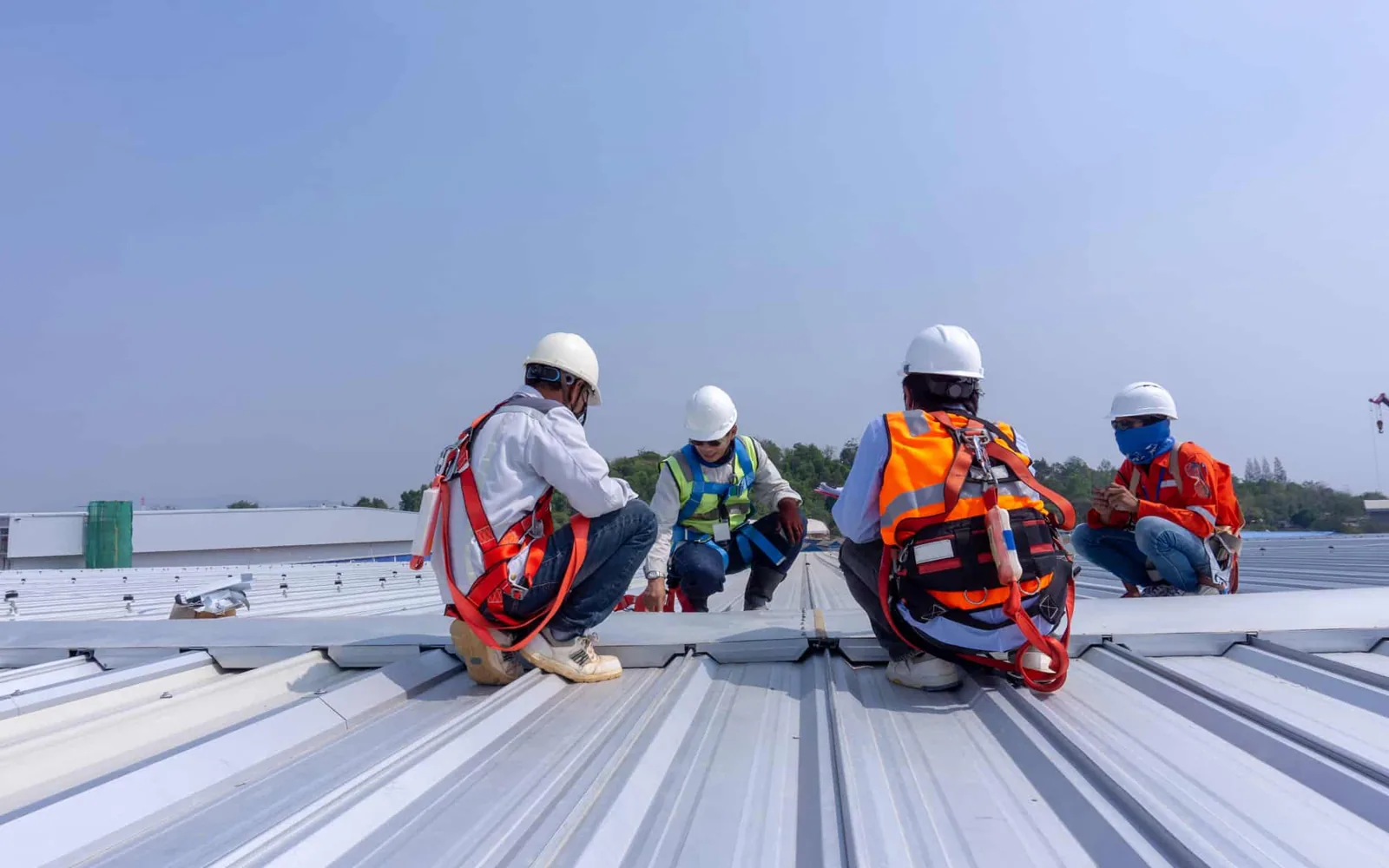
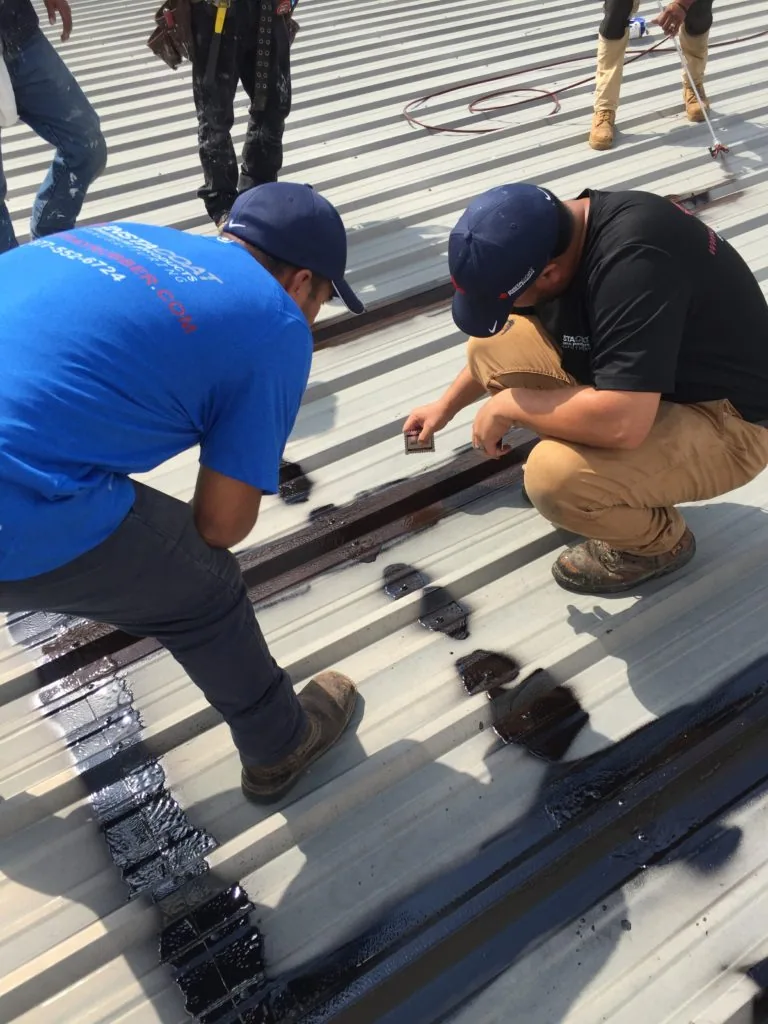
Heat and sudden storms test exposed seams and curb transitions. We check the edge, trace the lap, and mark the first inspection limit on a roof map. In Georgetown, TX, commercial work spans a courthouse-centered downtown, industrial development near I-35 and SH 130, and business activity across several sectors, including NorthPark35 and Berry Creek Business Park. The roof system and field condition set the scope. A town name does not.
We inspect, repair, replace, recover, restore, and maintain low-slope and metal commercial roofs. A commercial roof inspection can establish present condition before a repair decision. When a leak needs attention outside normal hours, our emergency response runs around the clock, including holidays. The goal is a defined work boundary, a sound dry-in plan, and a handoff the next trade can use.
Water near a drain does not prove the drain caused it. We inspect the bowl, clamping ring, nearby membrane, and low points where debris can slow flow. A seam or penetration uphill may be the entry. The roof map separates observed damage from the path we still need to test.
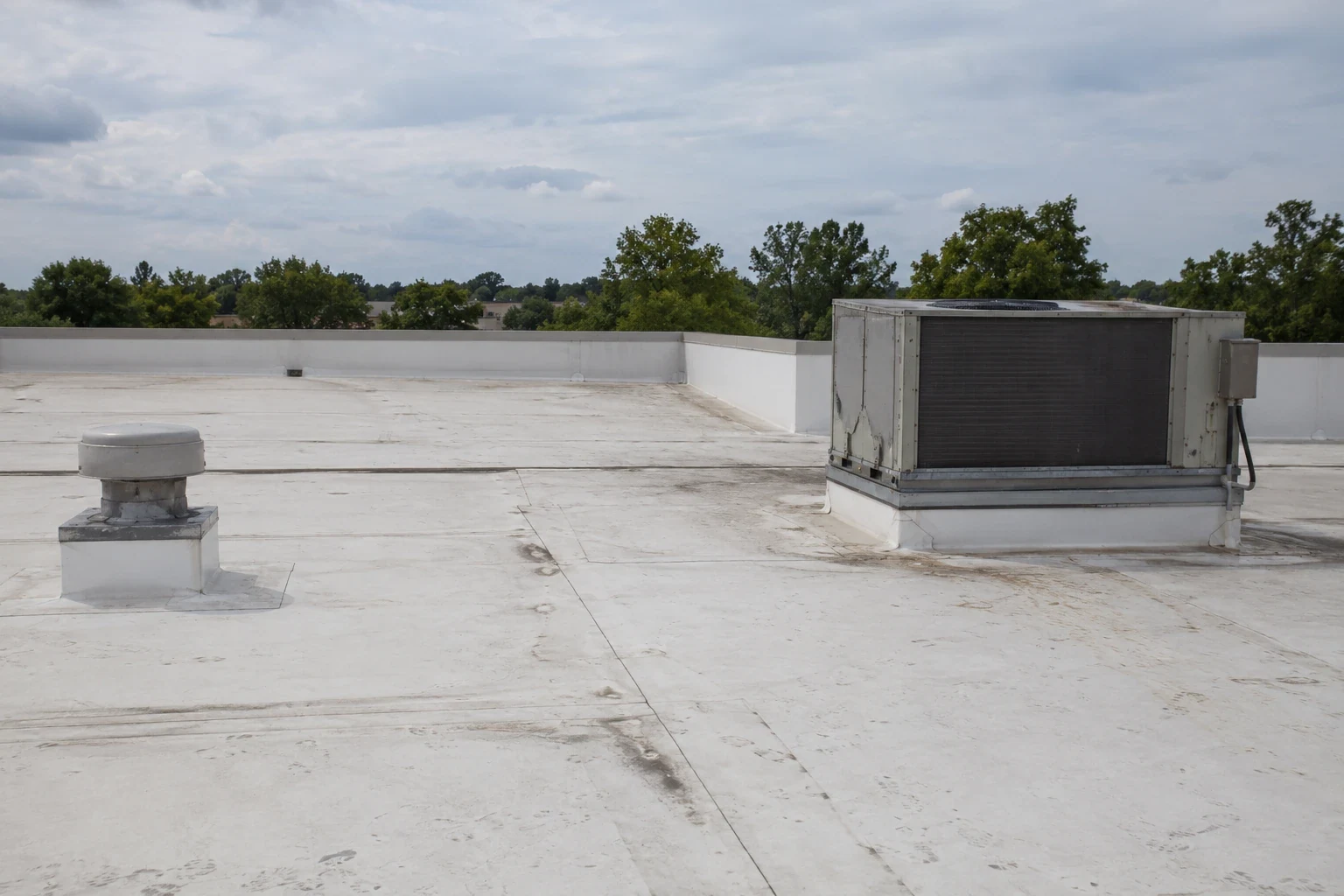
At a curb, we check flashing height, corners, sealant condition, and movement at the joint. Along the roof perimeter, we check cleats, fasteners, coping joints, and membrane termination for movement. On metal roofs, we inspect panel laps, fasteners, closures, and transitions. Photos show the finding in context, then close enough to support a repair scope.
A split seam, puncture, or failed flashing gets a different repair detail. We clean and prepare the affected surface, make the patch or flashing connection, then inspect the tie-in. A repair should close the path into the building while preserving the sound surrounding material. We document any condition that could undermine that connection.
For recurring leaks, we compare the reported interior location with roof-level evidence. Water can travel along insulation, deck flutes, or framing before it appears inside. The inspection follows the likely route and checks nearby curbs, wall transitions, penetrations, and drains. A leak repair scope states which area is included and which needs further access or testing.
Georgetown sits in a Central Texas heat and storm environment. Georgetown’s summer heat routinely passes 90°F, with triple-digit afternoons in recent years. Heat can accelerate aging in exposed membranes and sealants. We look for brittleness, open laps, surface wear, and flashing that no longer flexes with movement. Those observations matter more than a calendar age alone.
Hail can mark metal accessories or damage a membrane surface, but a storm report by itself does not identify roof damage. We photograph dents, cuts, displaced components, and questionable seams separately. A spring 2022 tornado crossed Williamson County after moving past Round Rock. After severe weather, we check edge attachment, seams, curbs, and metal transitions at the property.
A localized defect with dry, stable material around it may support a repair. Widespread wet insulation, repeated seam failure, or deteriorated attachment can change the decision. We inspect representative areas and identify any limits before recommending a larger scope. A written roof repair separates immediate water control from later capital work.
When the existing assembly is eligible and suitable, a roof recover may add a new system without removing every existing layer. Conditions below the surface still matter. We verify moisture, deck condition, drainage, and details that will be covered. If those checks reveal trapped water or weak substrate, removal and replacement may be the safer route.
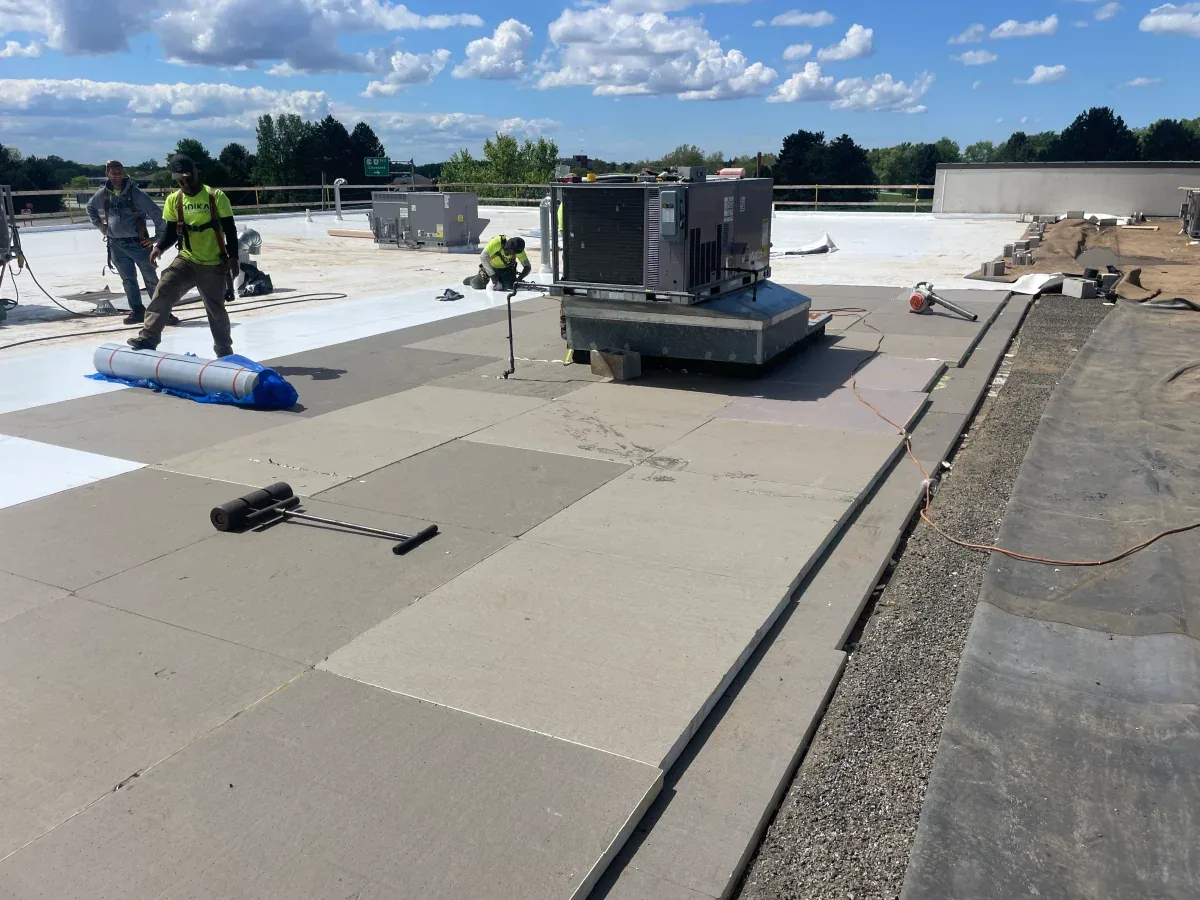
For replacement, the sequence includes tear-off or approved recover preparation, substrate review, insulation and cover-board decisions, membrane attachment, flashing, and tie-ins. System choice depends on the existing assembly, building use, drainage, exposure, and design requirements. Options include TPO membrane roofing and standing-seam metal, among other systems. We describe the proposed assembly and its details instead of treating a product name as a complete scope.
For existing-building work, Georgetown adopted the 2021 International Existing Building Code. Its provisions address repair, alteration, occupancy change, additions, and relocation. Texas lists the 2015 IECC for commercial and industrial work, with local amendments affecting which requirements apply. The project team confirms the permit scope before roof work begins.
Before mobilization, we need the roof area, access window, and general-contractor contact. The access route determines where materials can be brought up and where a lift or staging area can operate. Georgetown is served by I-35, SH 130, and FM 971, which connects the two highways. Those routes help frame regional logistics, while each property still needs its own gate, loading, and roof-access plan.
For a roof with active equipment, we mark units and service clearances before membrane work begins. Curbs and supports need coordinated flashing details. A curb and support review can define which trade handles disconnects, lifts, and final tie-ins. We also identify areas that must remain available to facility staff during the workday.
Georgetown's mixed civic and commercial core differs from industrial development near the highway network. We plan around the actual building and approved work area, rather than assuming access from the area's general character. A pre-job walk sets the route, staging limits, protection, and daily handoff. If a field condition changes the sequence, the hold point keeps the open roof protected while the scope is reviewed.
A useful condition record shows location, finding, and next action together. Our written report pairs roof-map references with dated photos and notes on access. Each item is marked for repair, monitoring, or additional investigation. The record can support maintenance planning, a replacement budget, or insurance documentation without treating every mark as a covered loss.
A preventive program can schedule recurring walks, drain clearing, and follow-up on open items. The interval should fit the assembly, building use, storm exposure, and the owner's record needs. A maintenance plan can track completed work and unresolved findings. It also gives facility staff a clear way to report a new leak or damaged detail.
At closeout, we walk the repaired area, check seams and flashing, remove debris, and record any item that remains open. The handoff identifies the completed boundary, the material used, and any condition that needs another trade or owner decision. If work stops at a hold point, the roof is protected and the next step is documented.
For a replacement, the same record follows the work from substrate review through final tie-ins. It can show where insulation changed, how drains were reset, and which penetrations were flashed after equipment coordination. A roof condition report preserves the baseline and helps track later inspections across properties.
Send the building location, roof area, access window, and general-contractor contact to set the first walk. We can review active leaks, storm concerns, planned replacement, or a maintenance need. For urgent water entry, call any time. Our response stays available through nights, weekends, and holidays.
The access route, roof assembly where visible, active water paths, and a first work boundary. We mark what was reached and what needs another test.
Yes, when the entry point and surrounding material can be confirmed. We can control active water first, then document whether nearby areas need a broader inspection.
No. We inspect the actual membrane, metal, seams, and flashings. A report records damage found on the building, not the storm date alone.
Georgetown station data includes numerous summer days in the 90s and recent readings above 100 degrees. We inspect exposed sealants and flashing for heat-related wear.
Weather, material delivery, substrate condition, drainage work, access windows, and equipment coordination can move the date. We flag each dependency before the crew opens a larger area.