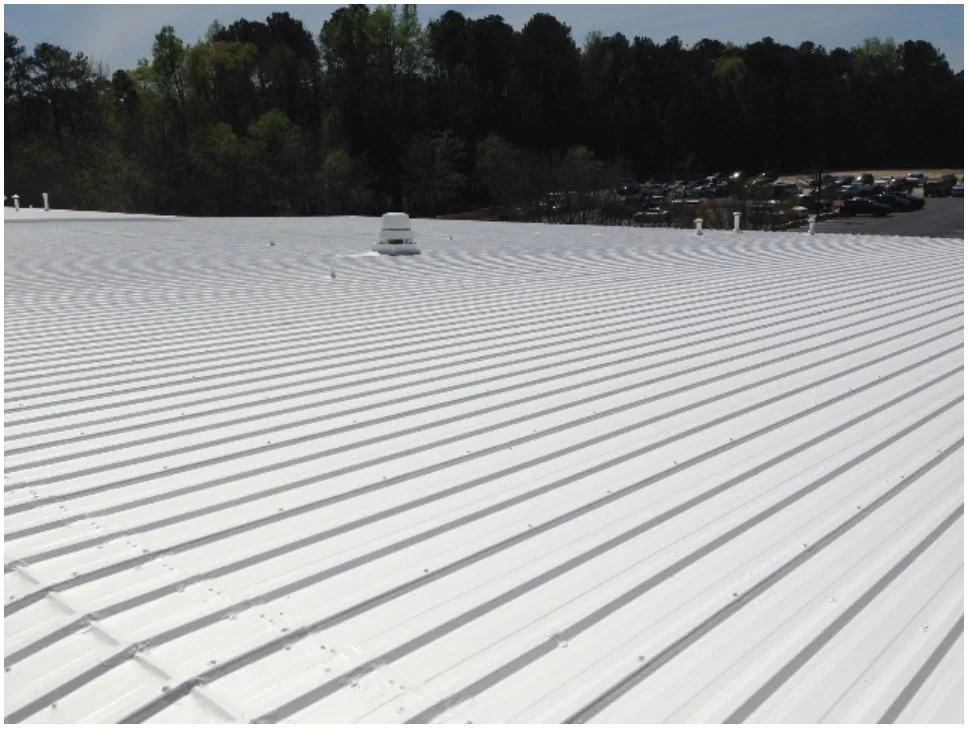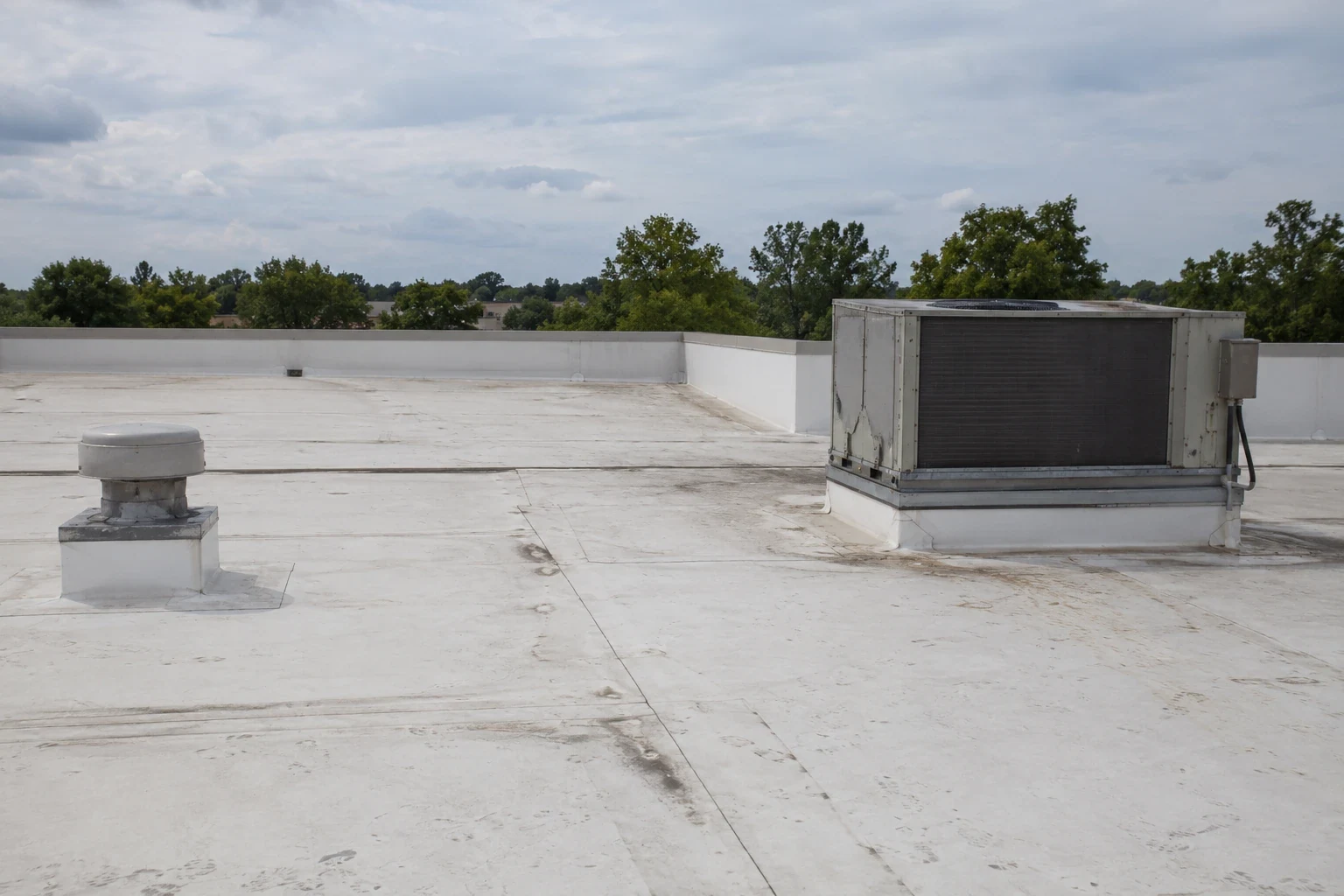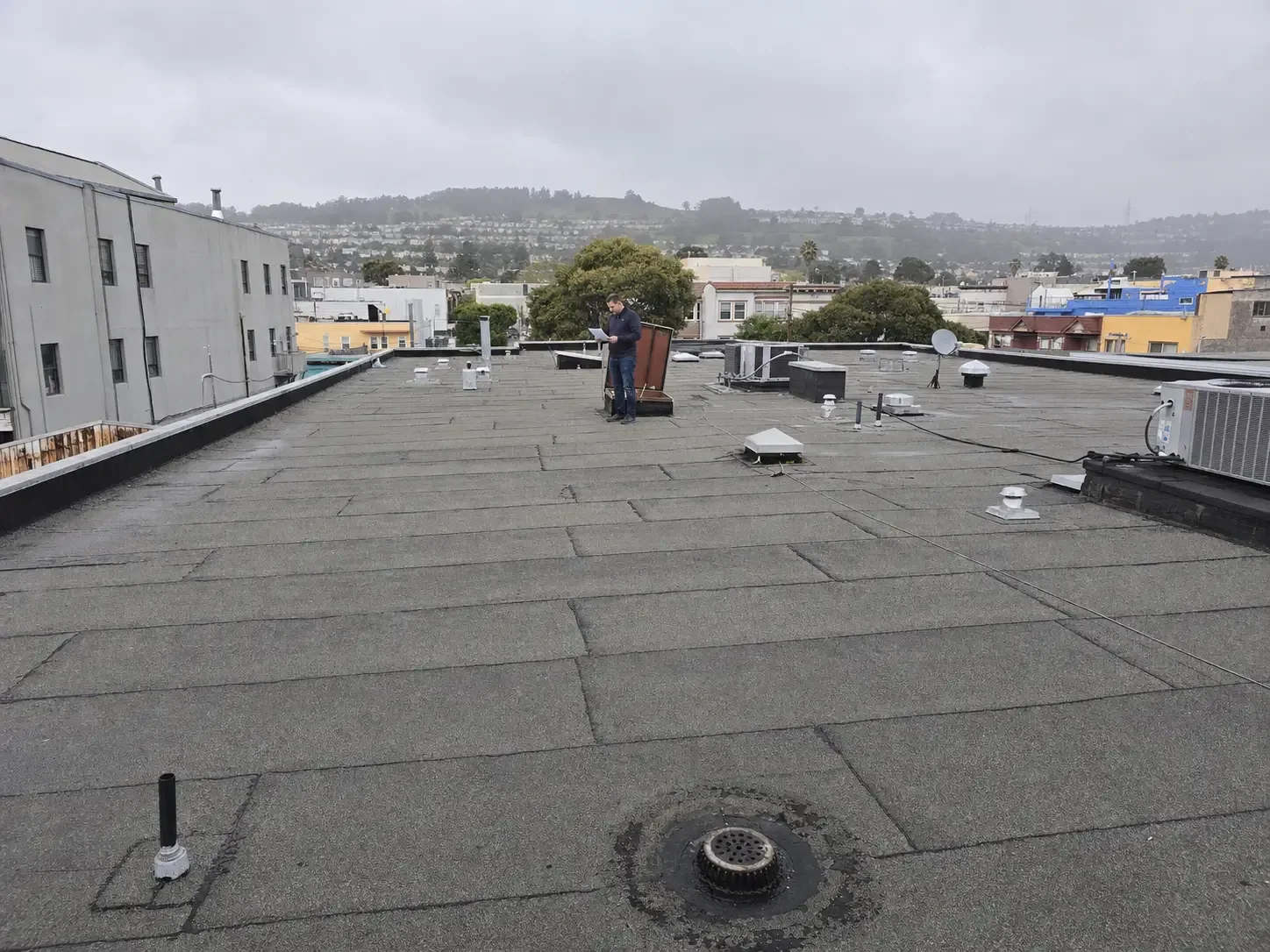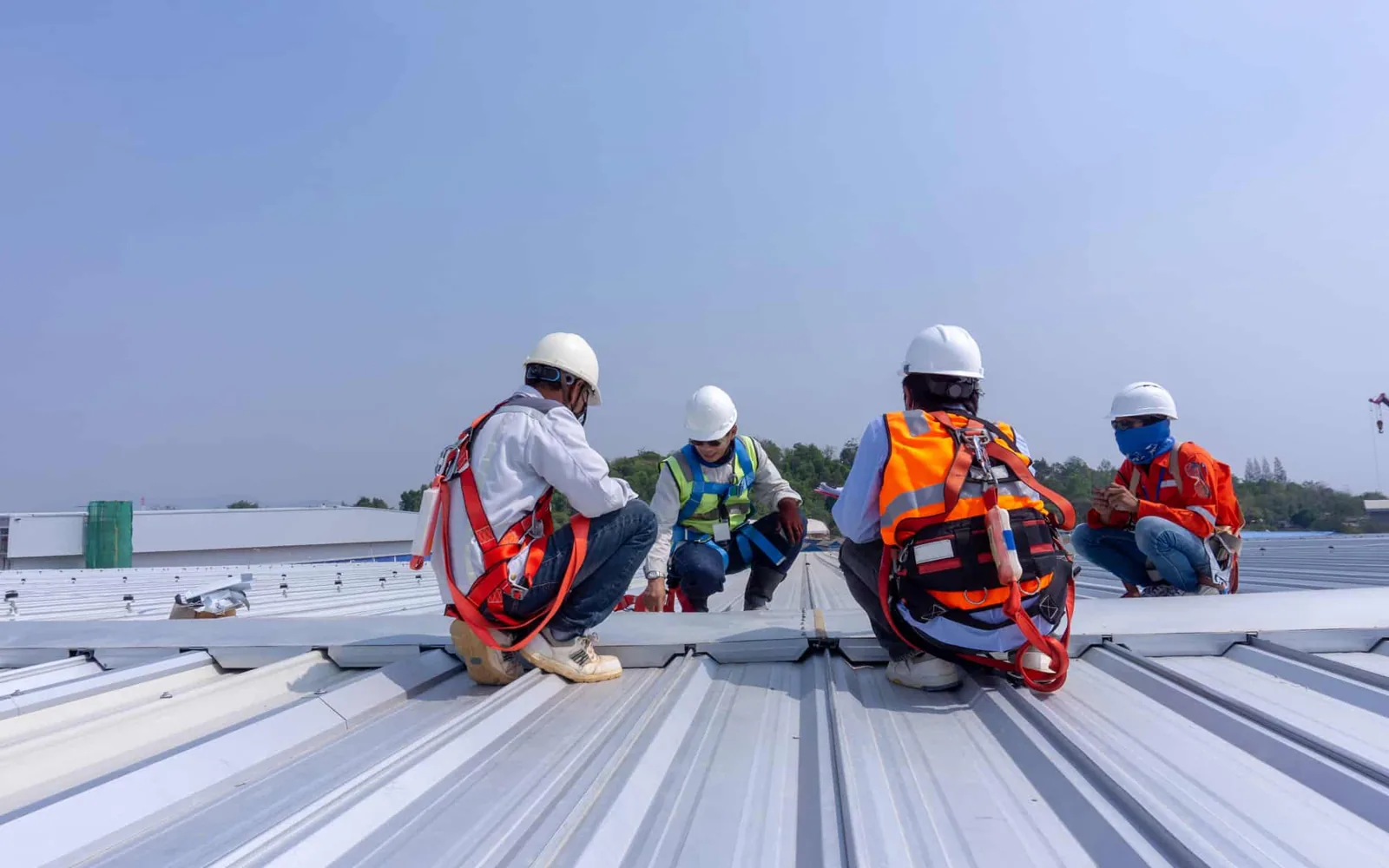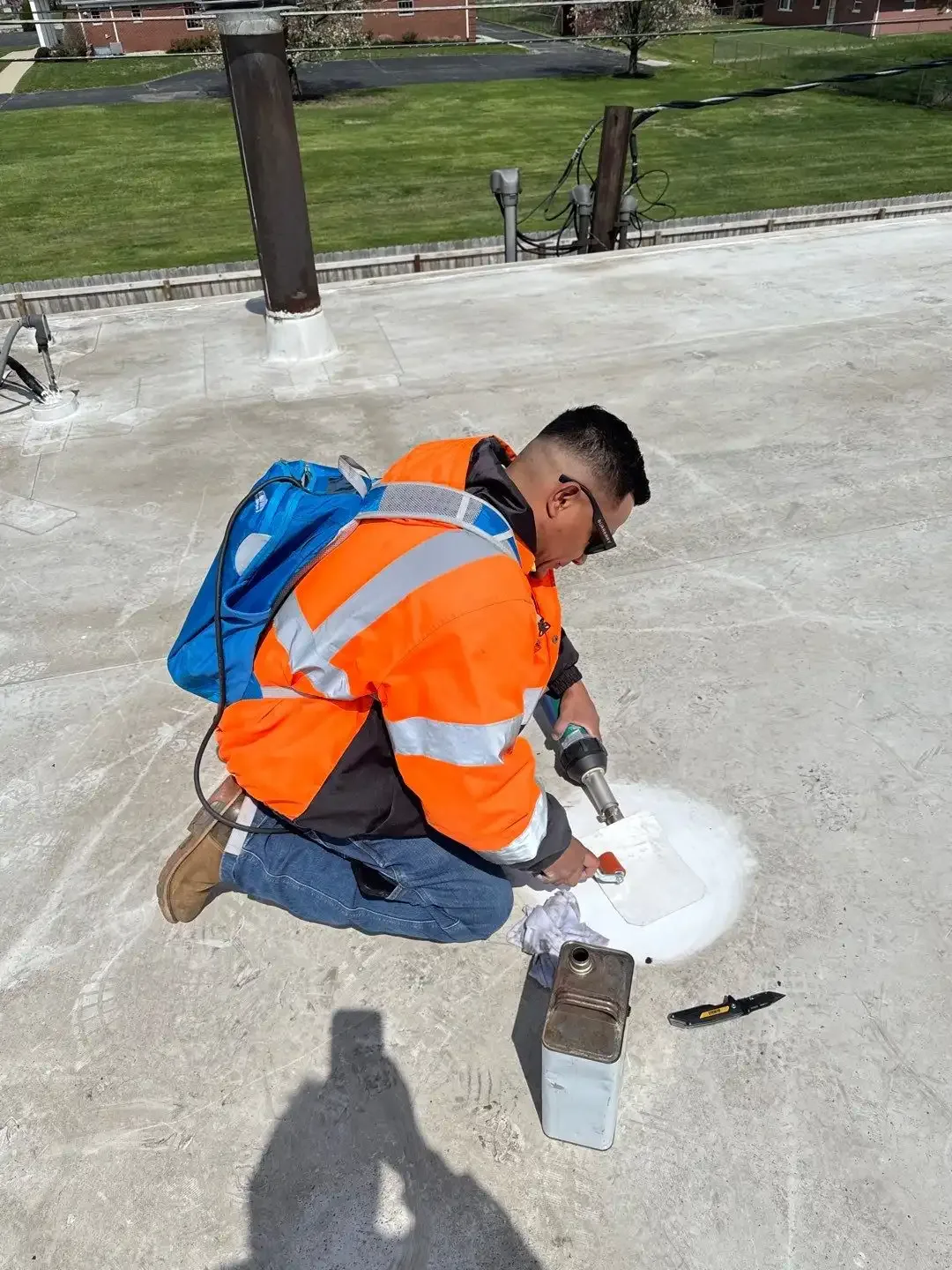
A split cap sheet at an inside corner can send water beneath several plies. We inspect the surface, lap, and flashing transition before setting a repair limit. The roof map records how far the visible distress runs. That first boundary helps distinguish a single failed detail from a wider assembly issue.
Georgetown summers bring high roof temperatures, while hail and tornado exposure can affect surfacing and perimeter details. We inspect the membrane, edges, drains, and penetrations at the building and mark any area outside the safe walk.
Modified bitumen uses asphalt sheets strengthened with modifiers and reinforcement. SBS and APP products differ in formulation and installation method. A system may use multiple plies with a surfaced cap sheet. We identify the actual layers and attachment before selecting heat, adhesive, or cold-applied repair materials.
At a lap, we check for fishmouths, open edges, exposed reinforcement, and movement. At a curb, the base flashing must transition into the field without a break in the water path. A roof blister can signal trapped air or moisture, but it needs inspection before it is cut. We mark each finding and avoid opening the assembly without approval.
Georgetown's historic downtown covers 40 blocks around the courthouse square and mixes business, civic, county, and residential uses. Where a commercial roof remains active, we coordinate access and staging before setting the repair boundary. We verify every modified-bitumen section and record its own plies, drainage, and repair history. A roof inspection can establish the condition map and test points.
A small tear in the cap sheet may need a compatible patch that bonds beyond the damaged edge. If the underlying ply is wet or separated, a surface patch can leave the actual failure in place. We check for soft areas, open laps, and drainage problems around the defect. A test cut is made only after the project approves the opening and dry-in plan.
Repairs around pipes, curbs, and drains need a continuous tie-in. We remove loose material, prepare the surface, and rebuild the detail with compatible components. Heat work requires fire controls and checks for concealed combustibles. Cold-applied materials require the specified substrate and cure conditions. The method follows the installed system and work environment.
Repeated leaks at several laps can point to more than one failed patch. We compare each location with roof slopes, ponding, and prior repairs. A defined repair scope can address isolated defects. If the field sheet and base plies have broad deterioration, a replacement review may be warranted.
Summer surface heat affects safe access and the application limits of repair materials. Georgetown summer heat can exceed 100 degrees Fahrenheit, so we check surface and product limits before opening a work area. We check the roof temperature, wind, and product requirements before opening a work area. A shift ends with a protected tie-in that sheds water if conditions change.
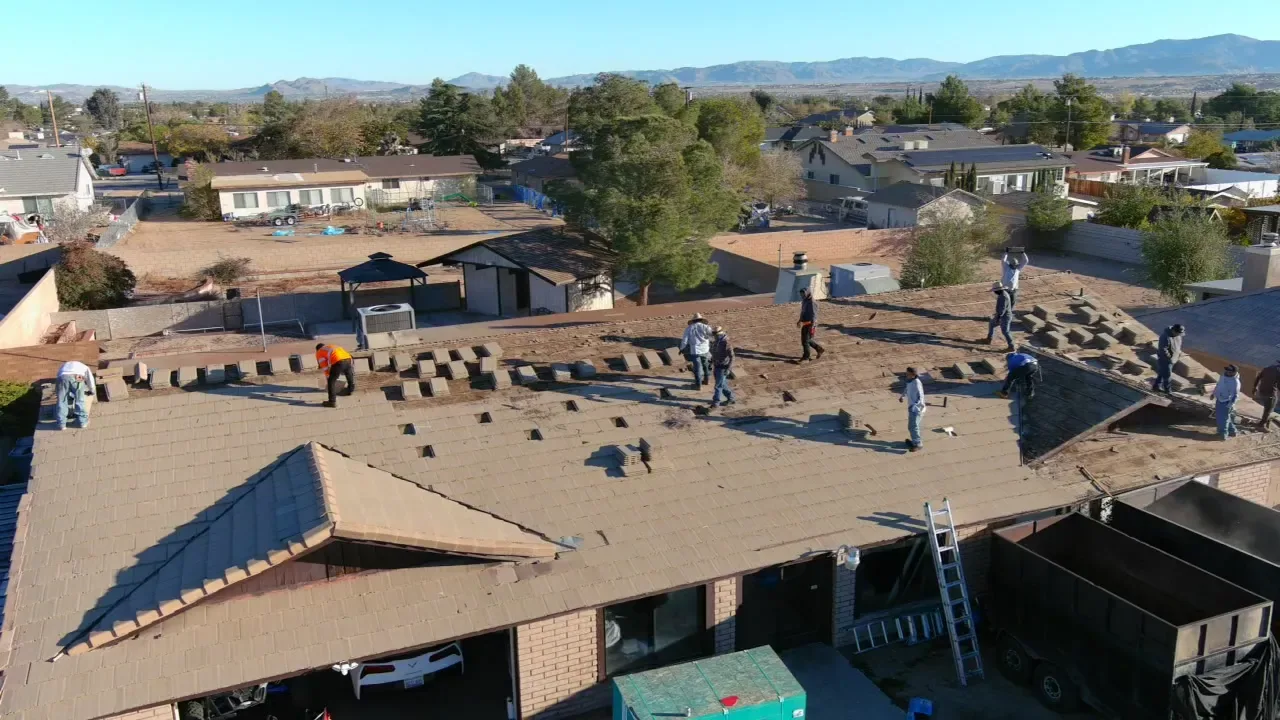
Hail can bruise or puncture surfaced sheets. Wind can stress perimeter flashing or lift an already loose lap. In spring 2022, a tornado crossed Williamson County from the Round Rock area toward Granger. After a severe storm, we photograph visible impact and inspect edges, drains, and penetrations. The report separates observed storm effects from wear and older repairs.
FM 971 joins Georgetown's I-35 and SH 130 corridors and serves commercial areas alongside housing, schools, and a regional park. That route is useful for planning material delivery. We still confirm each property's truck access, staging, and loading hours with the general contractor. A hail check can document separate findings after an event.
A modified bitumen surface can conceal wet insulation or a damaged deck. We look at seams, penetrations, drainage, and interior reports together. If the project authorizes an opening, we photograph the cap, base plies, insulation, and deck as exposed. Any wet or deteriorated layer becomes a scope item before the area is closed.
Recovery may be possible when the existing layers are dry, secure, and compatible with the new assembly. Added load and attachment still require review. Replacement involves removal, disposal, substrate inspection, and a new dry-in sequence. A recover assessment compares those conditions. Another system such as built-up roofing or a single-ply assembly can be considered against the building's requirements.
We keep the options tied to observed evidence. A general estimate cannot settle whether hidden insulation is wet. The report lists confirmed conditions, unknowns, and any testing needed before pricing. The general contractor can then compare scope and schedule on a consistent basis. That record also prevents the repair crew from treating a temporary cover as a permanent correction.
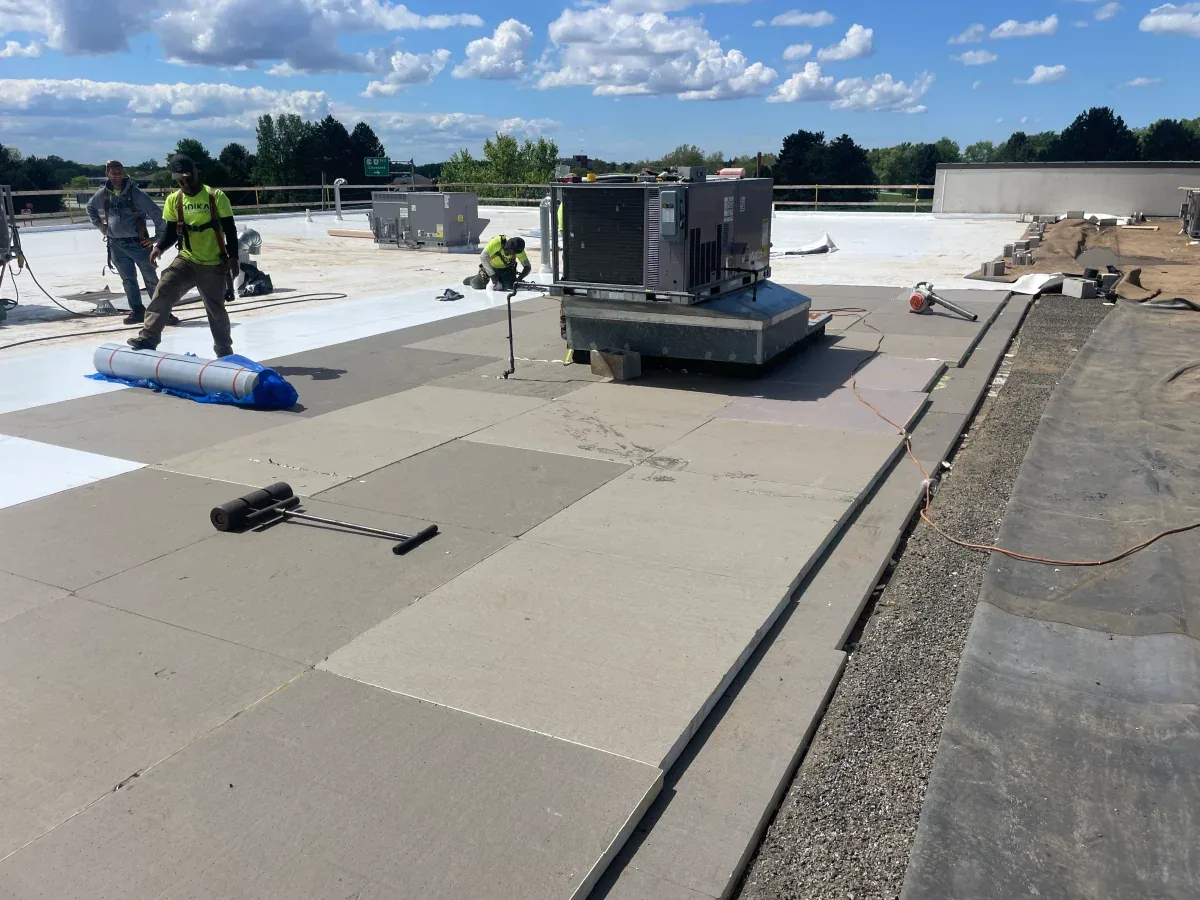
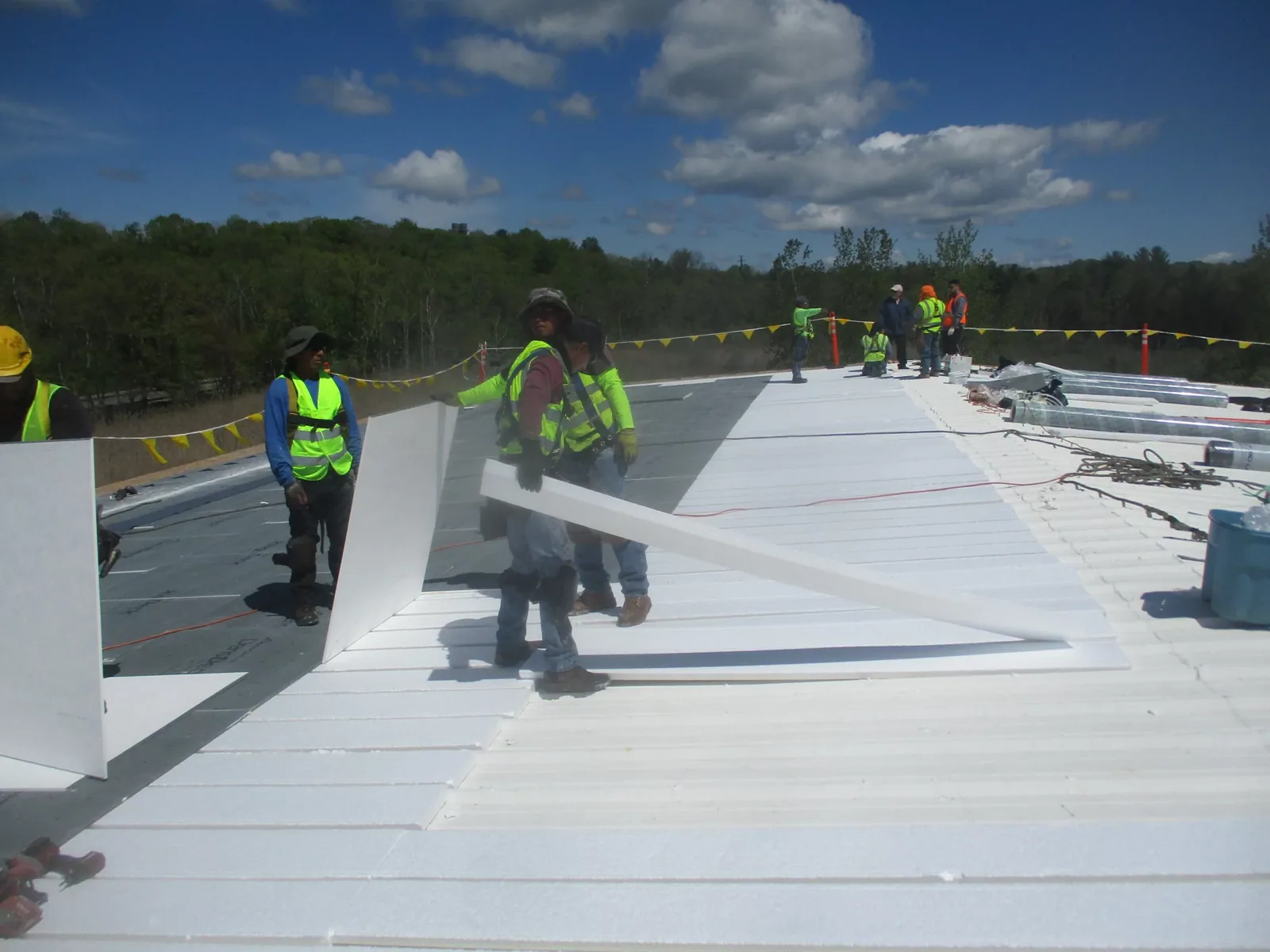
Before work starts, we confirm the section limits, staging area, access rules, and protection for occupants and equipment. The crew removes only the approved section and checks the substrate. New plies follow the specified bonding or attachment method. We inspect laps, base flashing, drains, and perimeter details before advancing the work boundary.
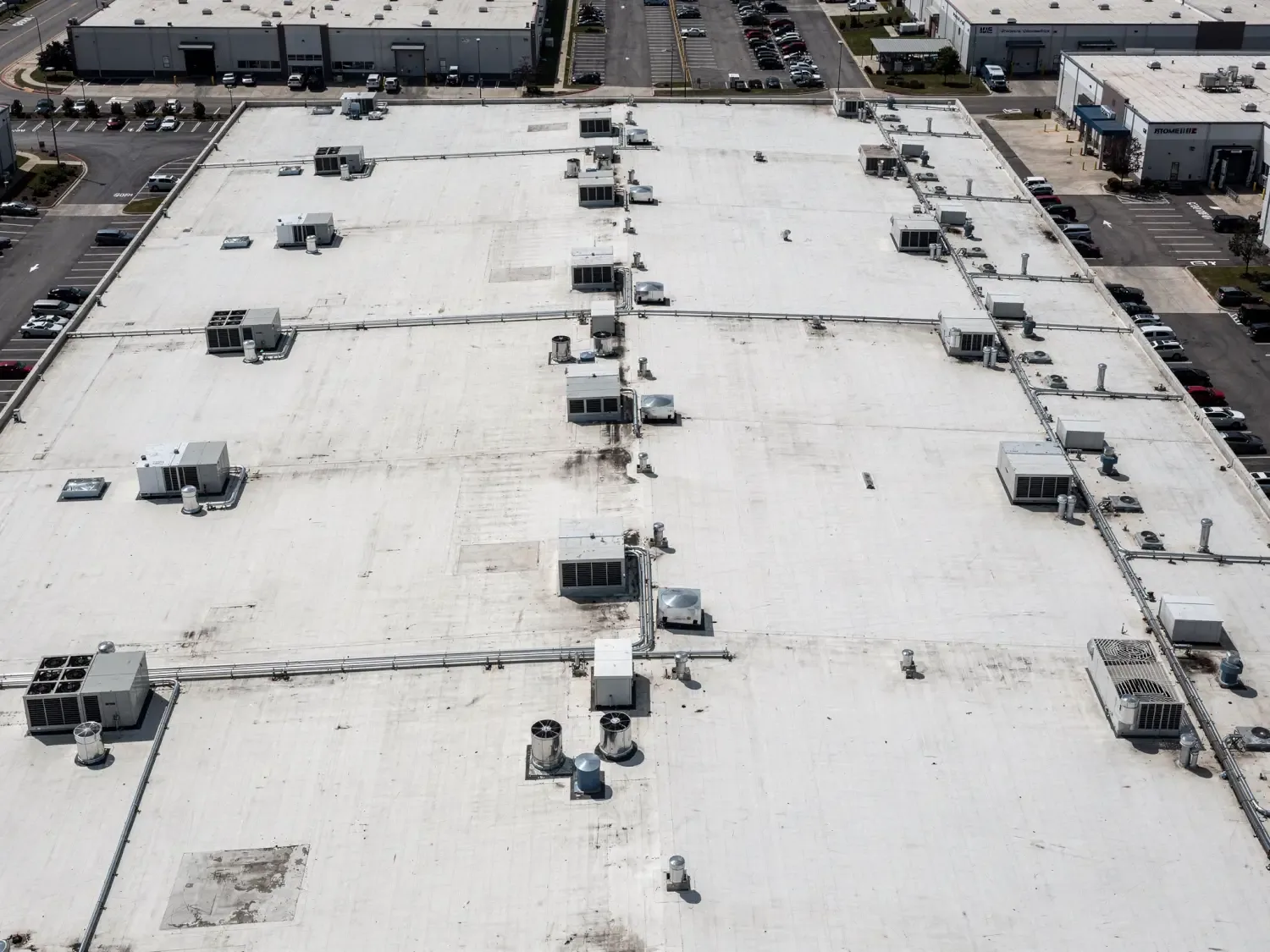
Commercial activity in Georgetown spans manufacturing, aerospace, retail, entertainment, and restaurants. Building operations can keep loading bays and service routes active during reroofing. We coordinate those routes with the property contact and general contractor. Temporary closures or delivery changes should be identified before material is raised to the roof.
Occupied work proceeds in sections with a defined end-of-shift tie-in. If rain approaches, the crew closes the open area and checks the protection before leaving. A phased roofing sequence can coordinate tenant access and roof-trade boundaries.
Closeout notes the system installed or repaired, work areas, materials, and field changes. Photographs show seams, flashings, drains, and tie-ins. The roof plan identifies excluded areas and pending items. A later inspection can then distinguish new conditions from those left outside the scope.
A planned utility extension is intended to support businesses and industrial buildings at NorthPark35 and Georgetown Logistics Park. For projects serving multiple buildings in those areas, we keep separate roof maps and access records. Each building receives its own repair history and next-inspection route. At a property near NorthPark35, the field walk confirms the assembly, access route, and repair boundary.
Send the existing roof plan, known leak locations, access period, and general-contractor contact. We can inspect the modified bitumen layers and mark the repair or replacement boundary. Emergency response is available around the clock, including weekends and holidays. The final work record states what was completed and which roof conditions remain open.
We determine whether it contains air, moisture, or a separated layer before opening it. The repair must extend to sound material and close with a compatible detail.
No. The installed product and roof conditions control the method. We identify the assembly and apply fire controls before heat work is considered.
The existing layers must be dry and secure, and the assembly must allow the added load and attachment. We document those checks before comparing recovery with removal.
No. We inspect the surfaced sheet, laps, edges, and penetrations. The repair boundary follows visible damage and any confirmed moisture below the surface.
List the roof zones, ply work, flashing and drain details, and any open conditions. Photos and access notes make the next inspection easier to direct.