A loose edge beside a loading bay can change the work boundary. We start at that corner, check perimeter attachment, and follow the seam toward the drain. The roof map marks the condition and access route. Georgetown heat, hail, and spring storms make that walk useful. The inspection records what the roof shows today. A storm date alone does not set the repair limit.
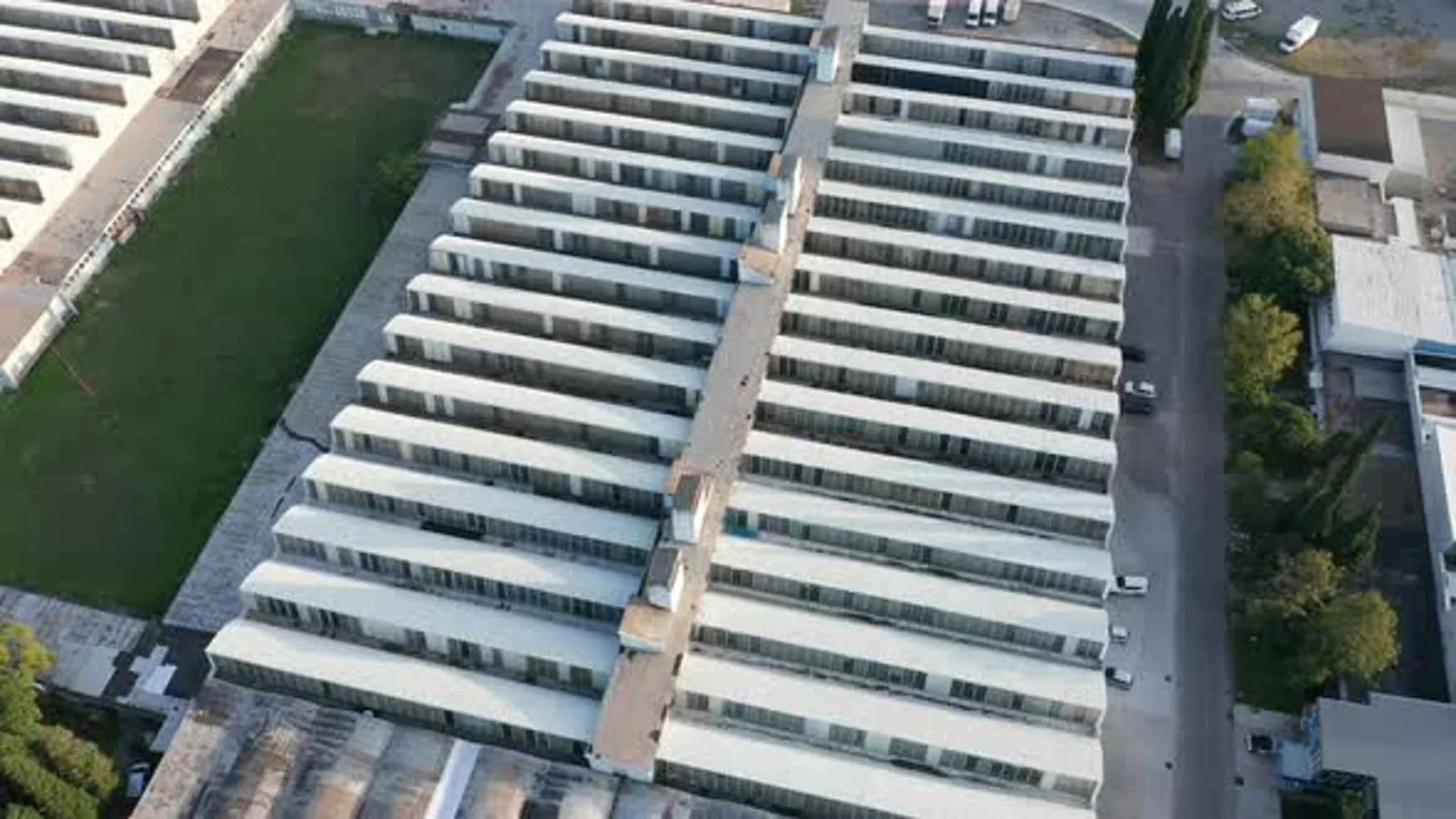
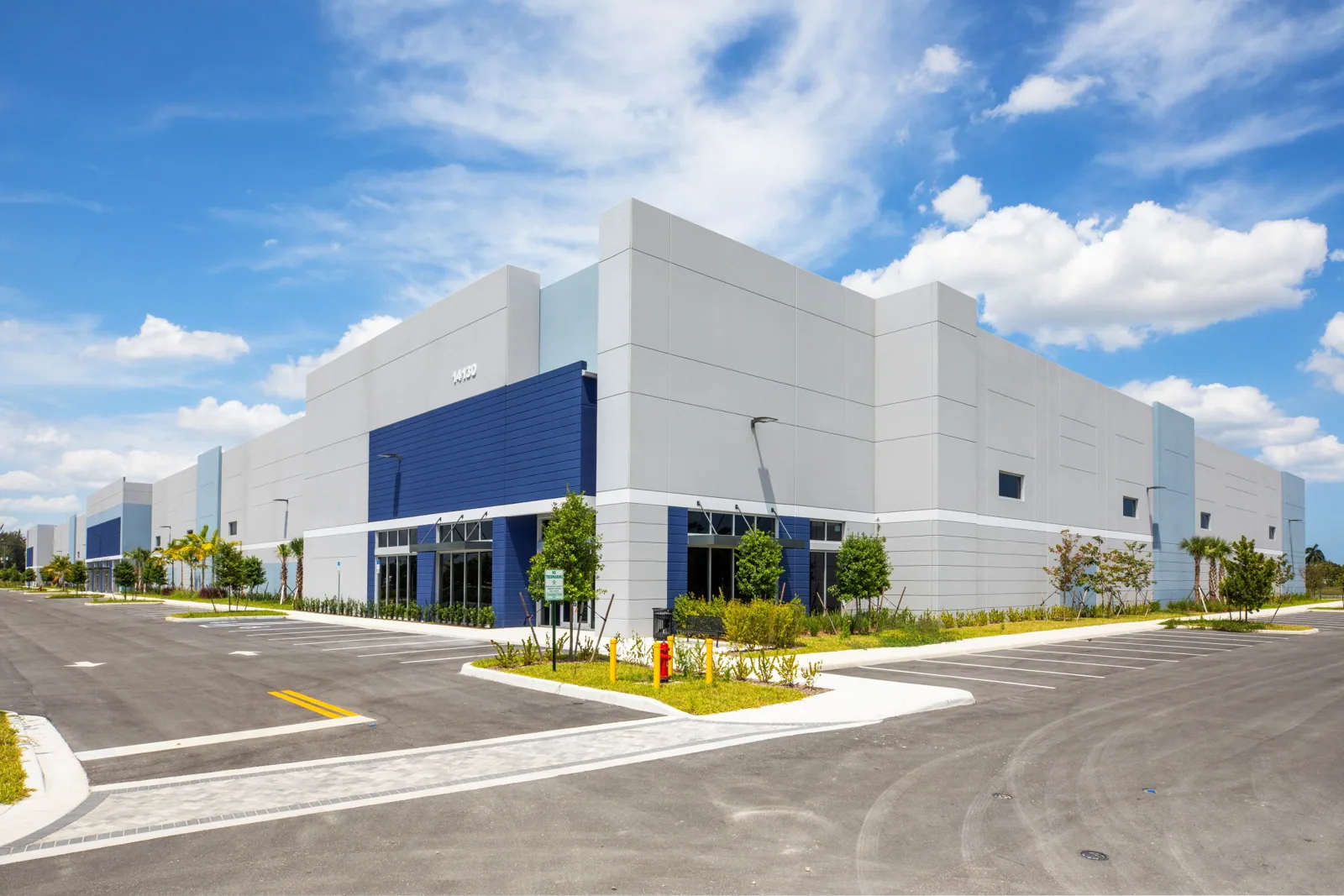
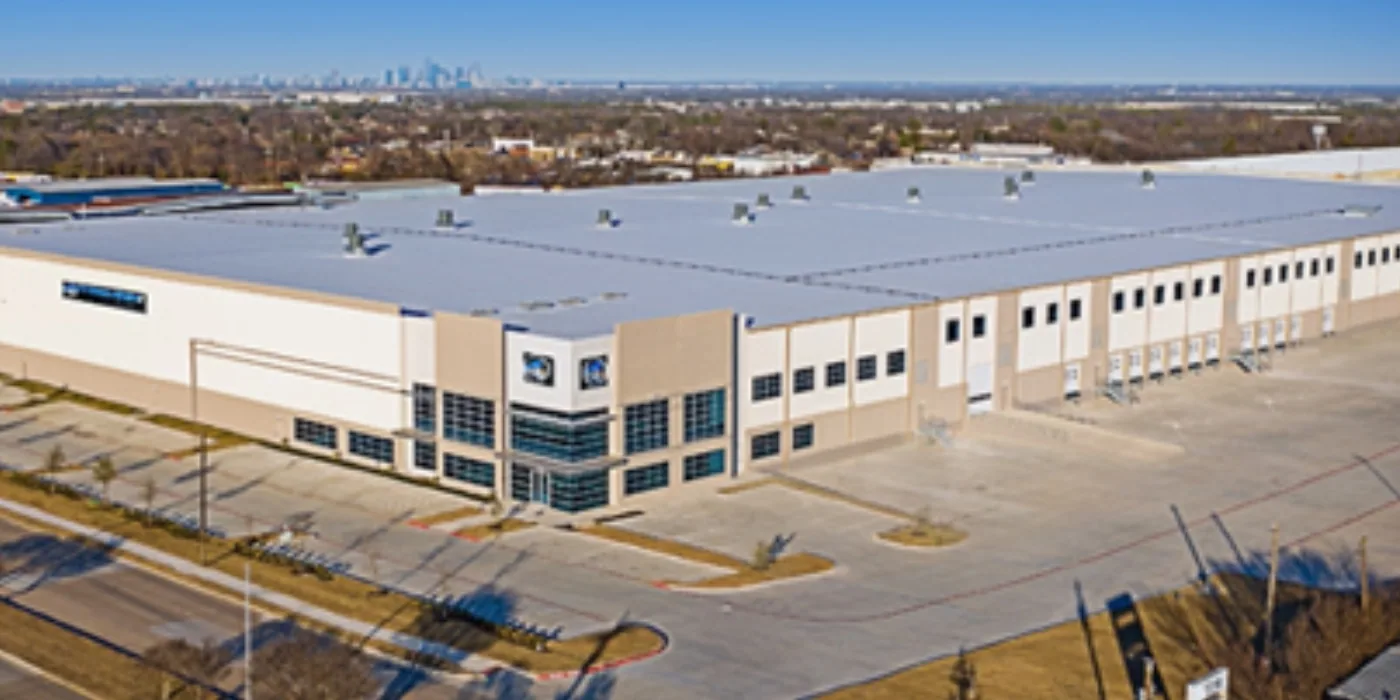
Warehouses can have long membrane runs, rooftop units, skylights, and active loading areas. We identify the assembly before choosing a repair method. A visit near NorthPark35 still begins with the building's own conditions and operating window.
At a warehouse perimeter, we inspect metal cleats, fasteners, laps, and terminations before walking the open field. Wind can work at a loose edge and carry stress into the adjacent seam. We note whether metal has lifted or separated from the membrane. A narrow condition may call for a defined repair. Movement across several zones can require a wider attachment review.
Inside, we look for open welds, punctures, wrinkles, displaced patches, and water marks. Each observation gets a roof-zone reference and photograph. A ceiling stain helps locate the search, but water can travel along deck flutes or framing. We compare the mark with the roof above and nearby penetrations. The report separates confirmed openings from possible paths.
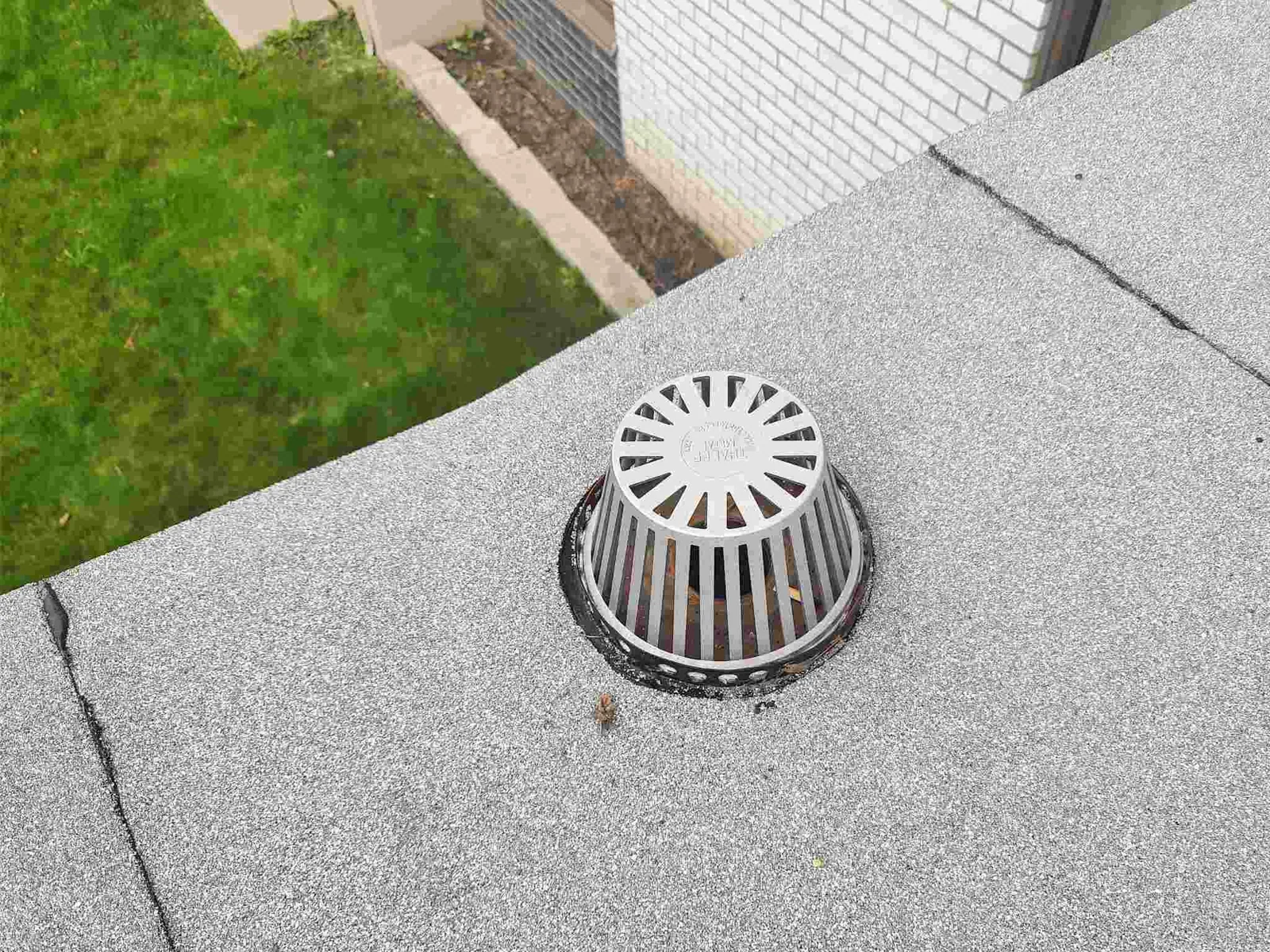
We check strainers, bowls, scuppers, gutters, and the route water takes toward each outlet. Debris or a low spot may hold water against a seam. We record standing water and visible restrictions without treating every dark area as a drainage failure. A focused drain and scupper review can define work at those details.
Before a repair price or replacement boundary is set, we identify existing layers and visible attachment. A warehouse may have single-ply membrane over insulation and cover board, metal panels, or an older built-up assembly. Appearance does not confirm what sits below. We review records, then use authorized test openings when concealed conditions could change the decision.
Moisture matters because a patch over wet insulation can leave the cause in place. Infrared screening can identify temperature patterns, then targeted testing confirms suspect areas. An image is not proof by itself. We mark confirmed wet material, dry comparison areas, and portions not checked. That gives the general contractor a hold point before removal expands.
Repair may fit when failures are local and surrounding material can hold a sound tie-in. Widespread seam problems, recurring leaks, wet insulation, or failed attachment can support a larger project. We compare those limits with replacement or recover options only after the assembly is understood. Related building needs can differ at a distribution center or a manufacturing plant.
The Georgetown station logged multiple recent afternoons above 100°F, while its typical summer maxima already run into the 90s. That makes an early roof walk safer and can narrow the installation window. We inspect sealants, flashing, and membrane without assuming heat caused a particular failure. Product limits still govern.
After hail, we check edge metal, curbs, seams, skylights, and rooftop equipment. Weather records across the Austin area include hail and severe storms, but they do not establish damage at one warehouse. We photograph impact marks and ordinary aging separately. A hail damage review can document what is visible without assigning cause from the event report.
Before opening the roof, we set the daily removal area, temporary tie-ins, and drain protection. The crew must be able to finish insulation, membrane, and flashing before shift end or a weather change. If that window narrows, we reduce the area or hold. The dry-in line stays visible to the next trade.
Warehouse work has two routes to protect: the path across the roof and the path below. We confirm ladders, lift position, staging, debris removal, and fire lanes. The site contact identifies loading hours, truck movements, and doors that cannot be blocked. Those details shape sequencing more than a calendar estimate.
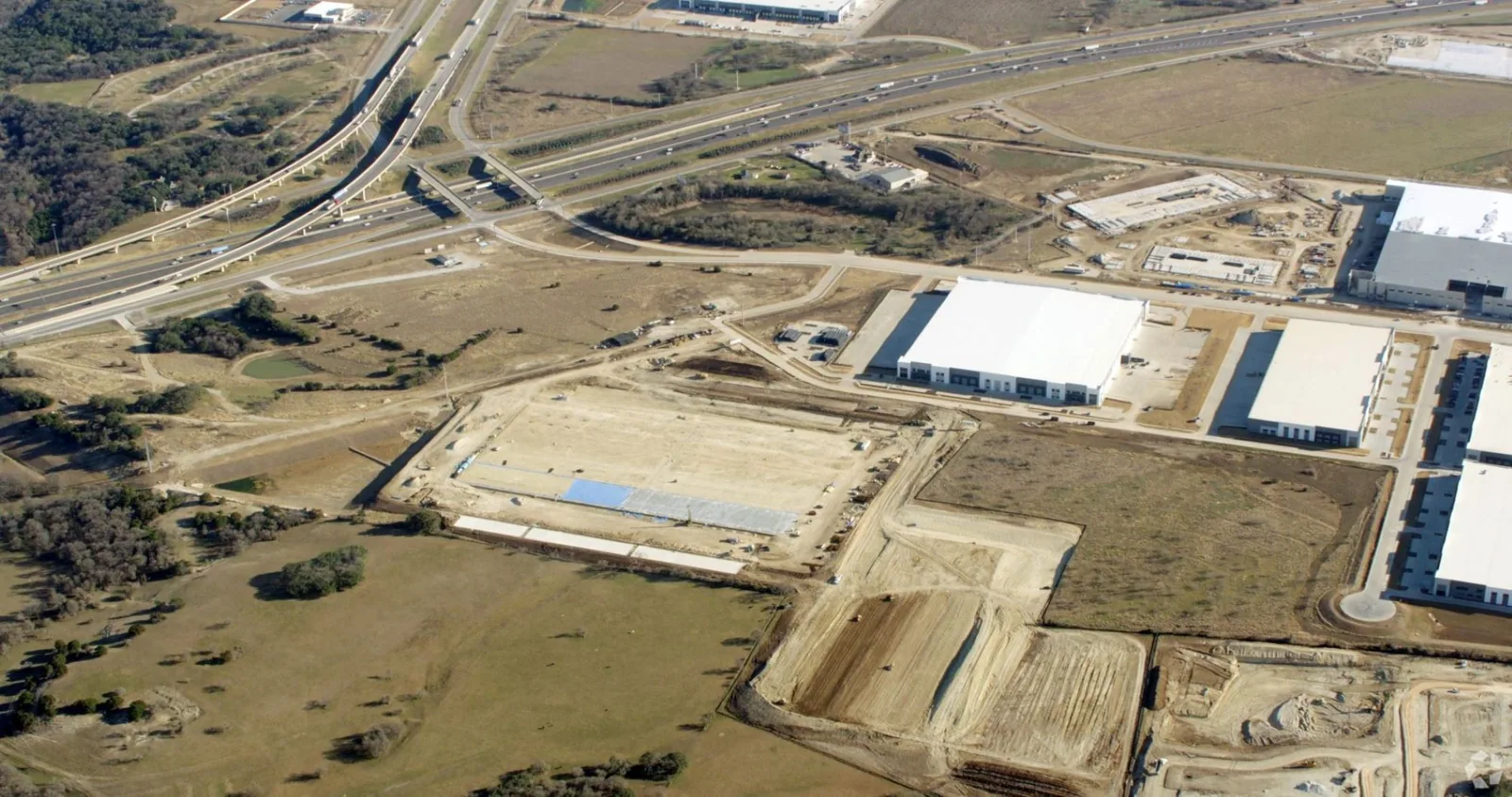
Georgetown's industrial areas include Berry Creek Business Park near I-35 and SH 130, plus NorthPark35 and Georgetown Logistics Park. The highway context helps frame delivery planning, but does not tell us how one site handles trucks. We verify the gate, turning area, delivery window, and roof access with the general contractor.
On a multi-zone warehouse, one section can stay in service while another is repaired if the assembly and weather allow it. We mark the work boundary, temporary protection, and any route shared with equipment contractors. A phased occupied-building sequence can keep handoffs clear while operations continue.
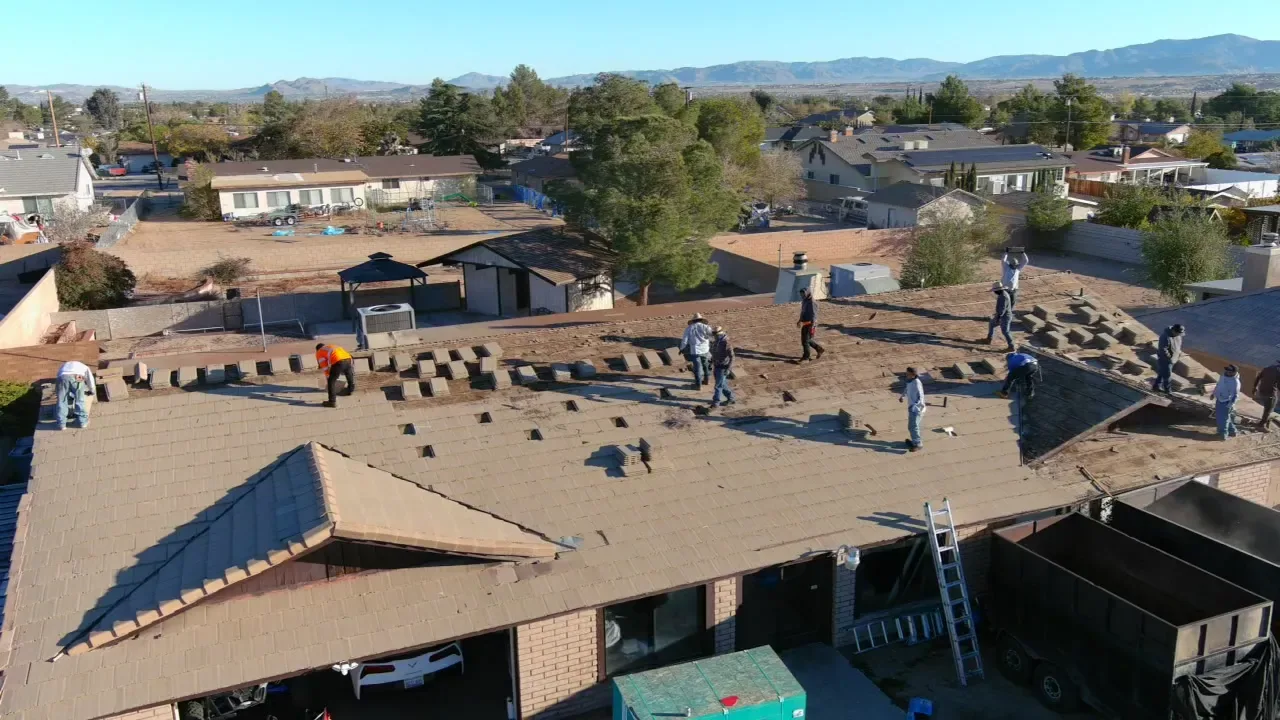
A sound substrate with isolated seam or flashing damage may support local repair. We prepare the area, replace incompatible material when needed, and complete a compatible tie-in. The repair is checked and photographed against its roof-zone reference. If a test opening finds damaged deck or concealed moisture, we set a hold point. We show the condition before adding work beyond the boundary.
Replacement decisions involve membrane, insulation, cover board, deck, drainage, edges, and equipment details. A replacement scope should show what comes off, what remains, the proposed assembly, and each dry-in phase. Where layers are stable and code permits, a roof recover assessment may fit. We check moisture, load, and attachment before recommending another layer.
Single-ply warehouse roofs may use TPO, EPDM, or PVC; older assemblies may use built-up roofing or modified bitumen. Metal panels require a separate fastener and seam review. Selection follows deck, slope, drainage, use, and project requirements. Georgetown's existing-building code is the 2021 edition. Texas commercial energy rules use the 2015 IECC baseline, subject to local amendments. The approved permit set governs the final build-up.
At closeout, we provide photos, a marked roof map, repaired details, and boundaries outside the scope. The record names open items and concealed conditions needing another decision. A maintenance visit can return to the same seam, drain, or curb. If another trade changes a penetration, the roof map gives that crew a clear handoff point.
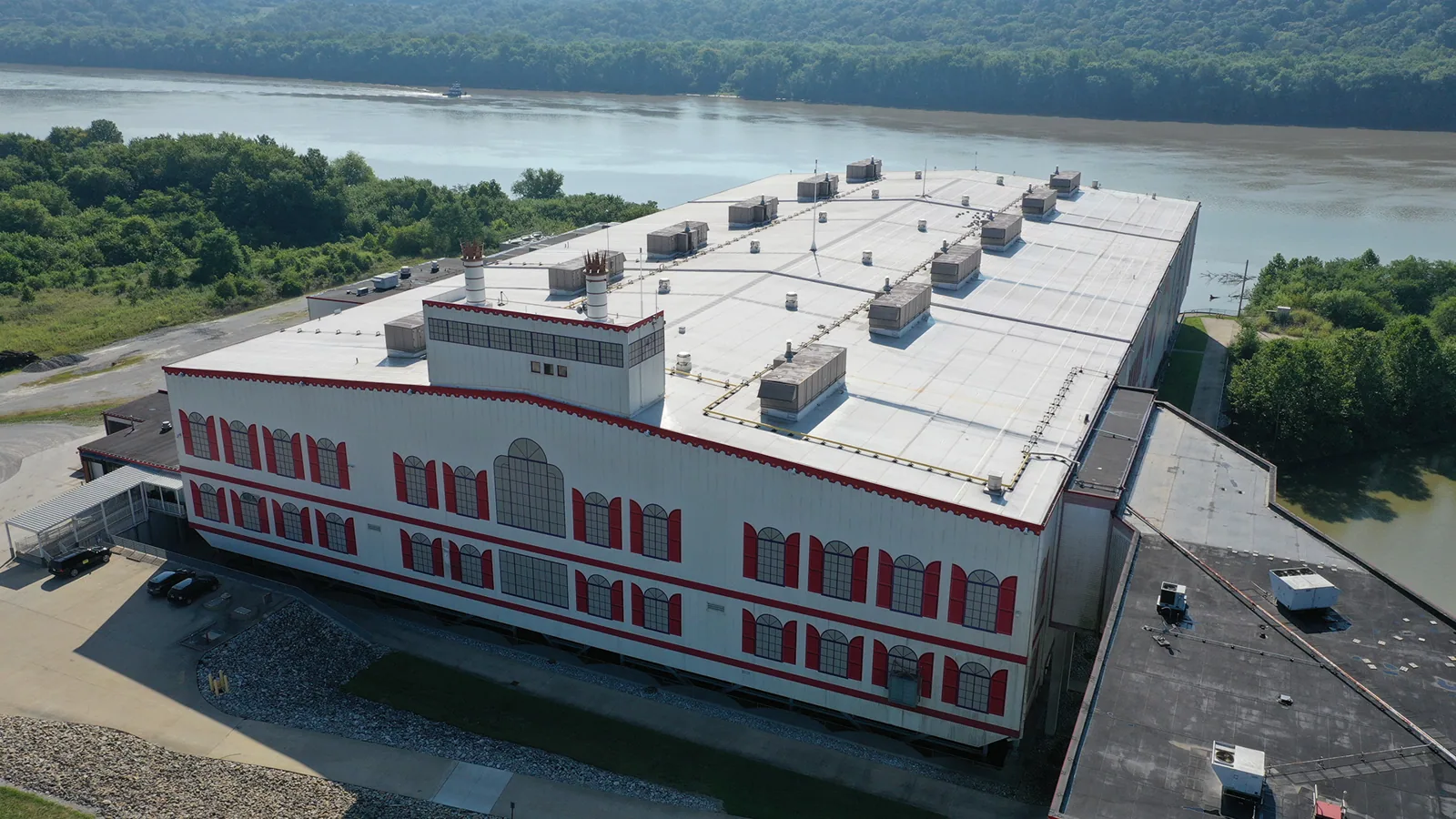
When more than one warehouse is in scope, we label each building separately. A condition on one structure does not establish the same assembly or repair need on another. The project contact confirms each roof and access route before work is scheduled.
Provide a marked roof plan, a current leak report, permitted access hours, and the field supervisor's contact. We will confirm staging and set a safe walk limit before delivery. For urgent water entry, contact us at any hour, holidays included. Permanent repair follows safe access and the condition confirmed on the roof.
We check accessible membrane or metal areas, seams, edges, drains, curbs, skylights, and rooftop equipment. The report identifies roof zones reached, visible conditions, photos, access limits, and any recommended testing. Interior review can be included when the site contact provides access.
Often, the sequence can work around loading windows. We confirm truck routes, doors, fire lanes, staging, and lift locations with the site contact. The daily work boundary must also fit the weather and dry-in plan.
We map recurring failures, attachment, moisture, deck condition, and repair history. Isolated damage with sound surrounding material may remain a repair. Wet insulation or system-wide breakdown can change the scope after testing.
No. A regional hail report does not establish damage at this building. We inspect the membrane, edges, flashing, and rooftop details, photograph visible conditions, and keep observed damage separate from ordinary wear.
Share the roof plan, access rules, loading schedule, known leaks, and any areas that must stay clear. We use those details to set staging, daily opening size, temporary protection, and the general-contractor handoff.