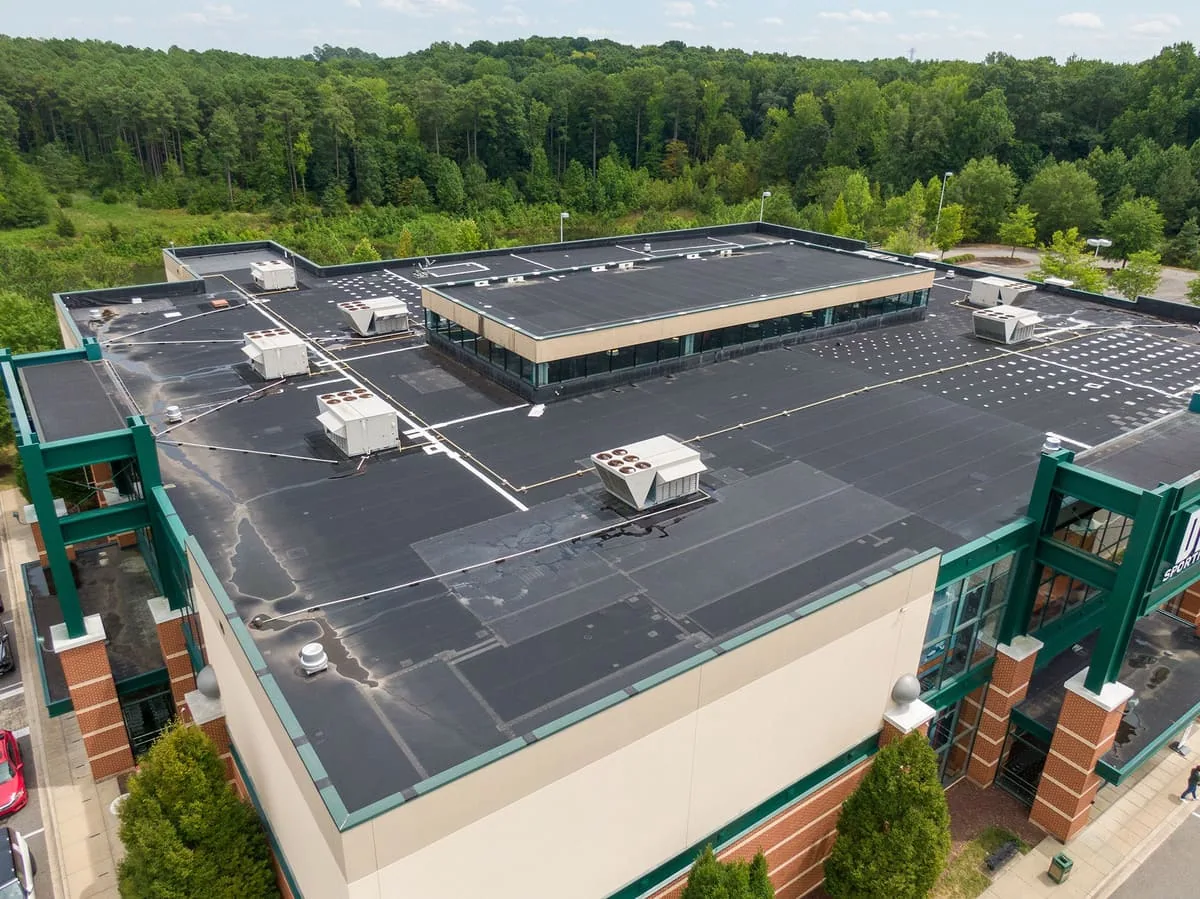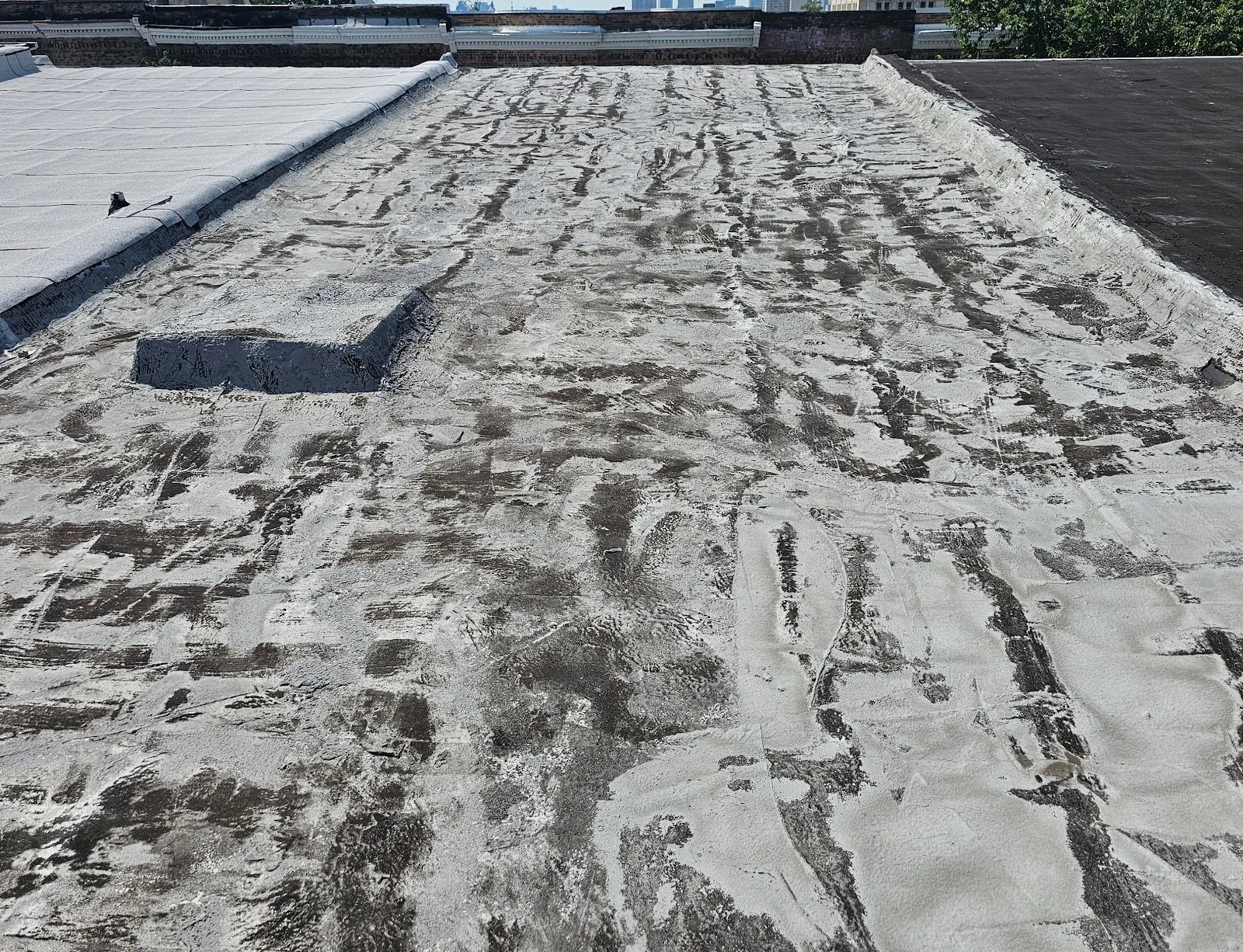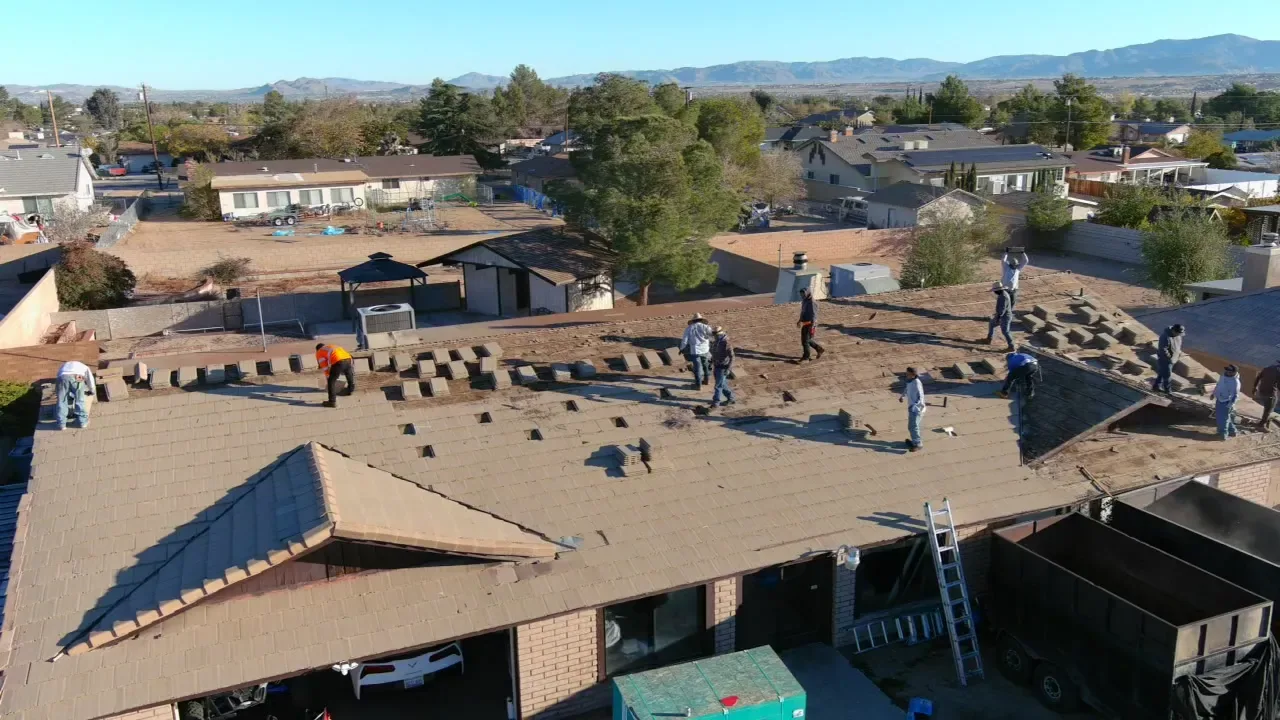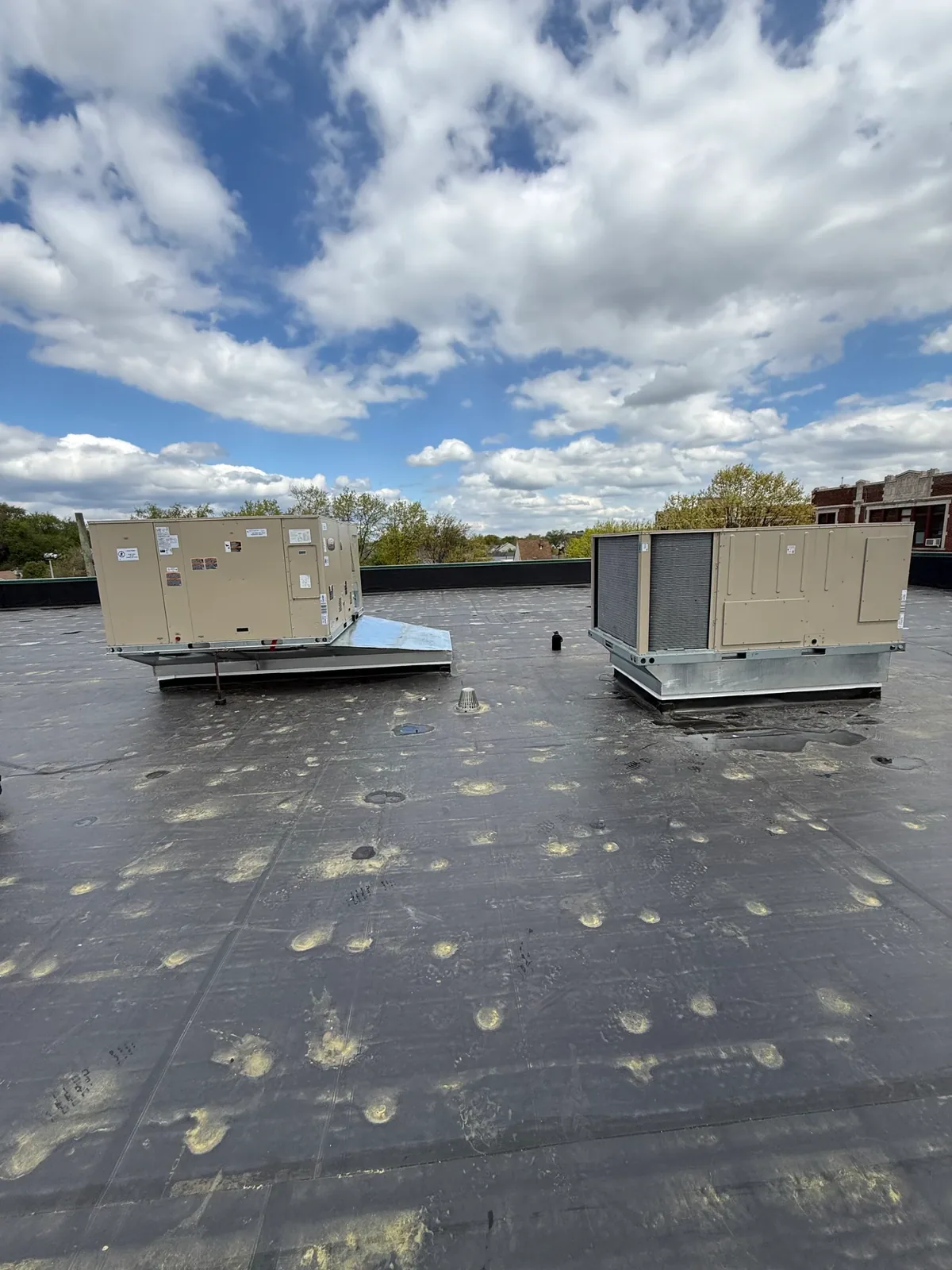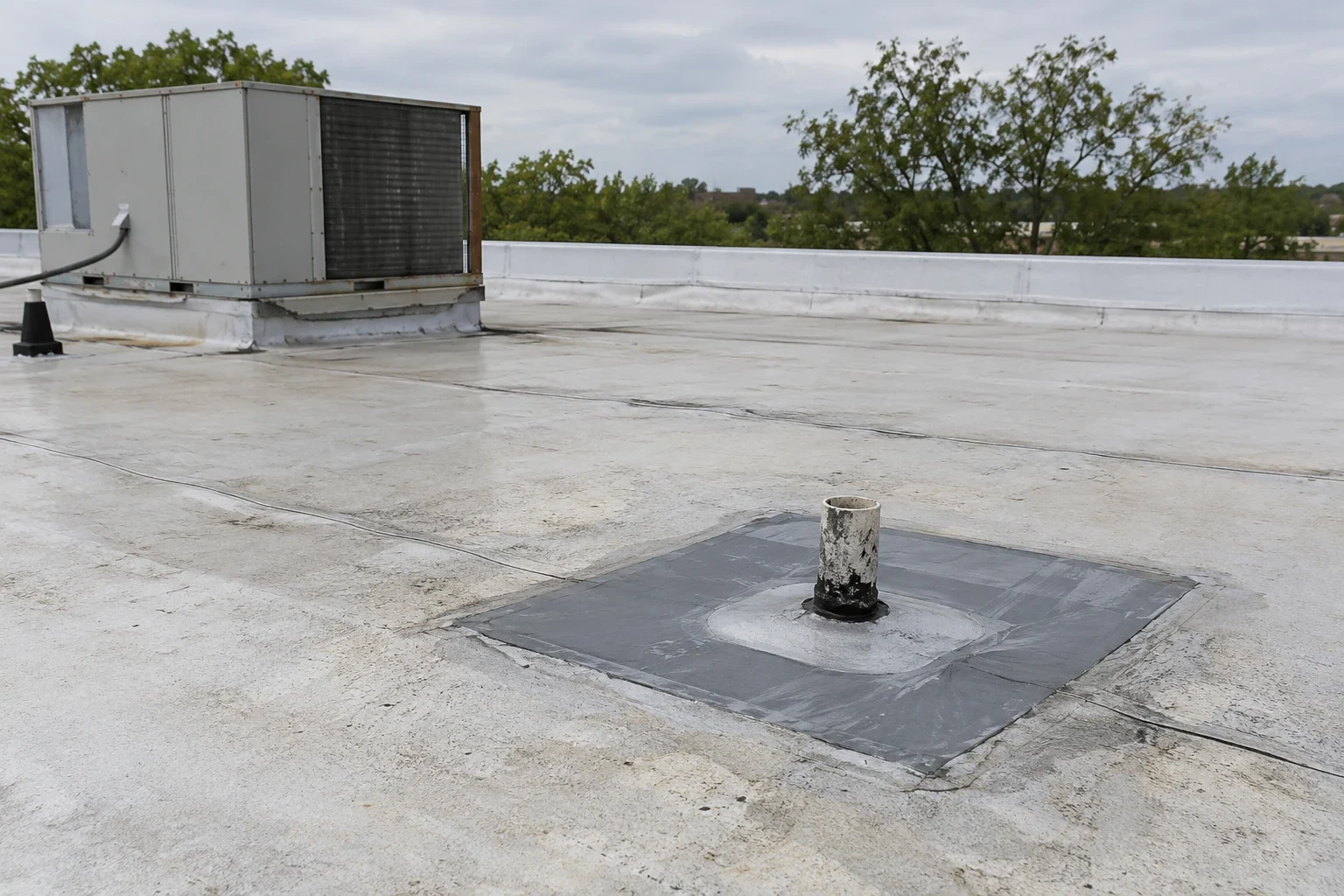
A fresh mark on a metal rooftop unit is a reason to inspect, not a roof conclusion. We check the nearby membrane, seams, edge metal, skylights, and flashing for punctures or displaced material. Hail can leave different marks on different surfaces. The report maps each observation and distinguishes the visible hit from an opening that admits water.
The National Weather Service has documented hail reports across the Austin and San Antonio forecast area, including Round Rock. Georgetown's regional storm exposure makes a post-event walk useful, but a county or metro report does not prove damage at an individual roof. The building's current conditions and the inspection date set the repair scope.
We inspect membrane field areas, laps, terminations, metal panels, rooftop units, skylight frames, and exposed accessories. On single-ply roofs, we look for punctures, splits, scuffs, and seam separation. On metal, we document denting, coating damage, loose fasteners, and panel movement. A dent is not automatically a leak. The detail and function determine whether it needs repair.
Roof-mounted units can show impact before the membrane does. We record a unit mark separately and inspect the roof around its curb, supports, and condensate route. If the unit contractor needs to open a panel or disconnect equipment, we coordinate that work. A curb and equipment detail review can identify a separate flashing issue without combining it with the hail quantity.
We compare roof observations with prior condition photos and repair records when available. Existing coating loss, brittle sealant, or older patches may predate the storm. We note those conditions in their own category. This avoids assigning storm cause to a defect that was already present or treating cosmetic impact as a membrane failure.
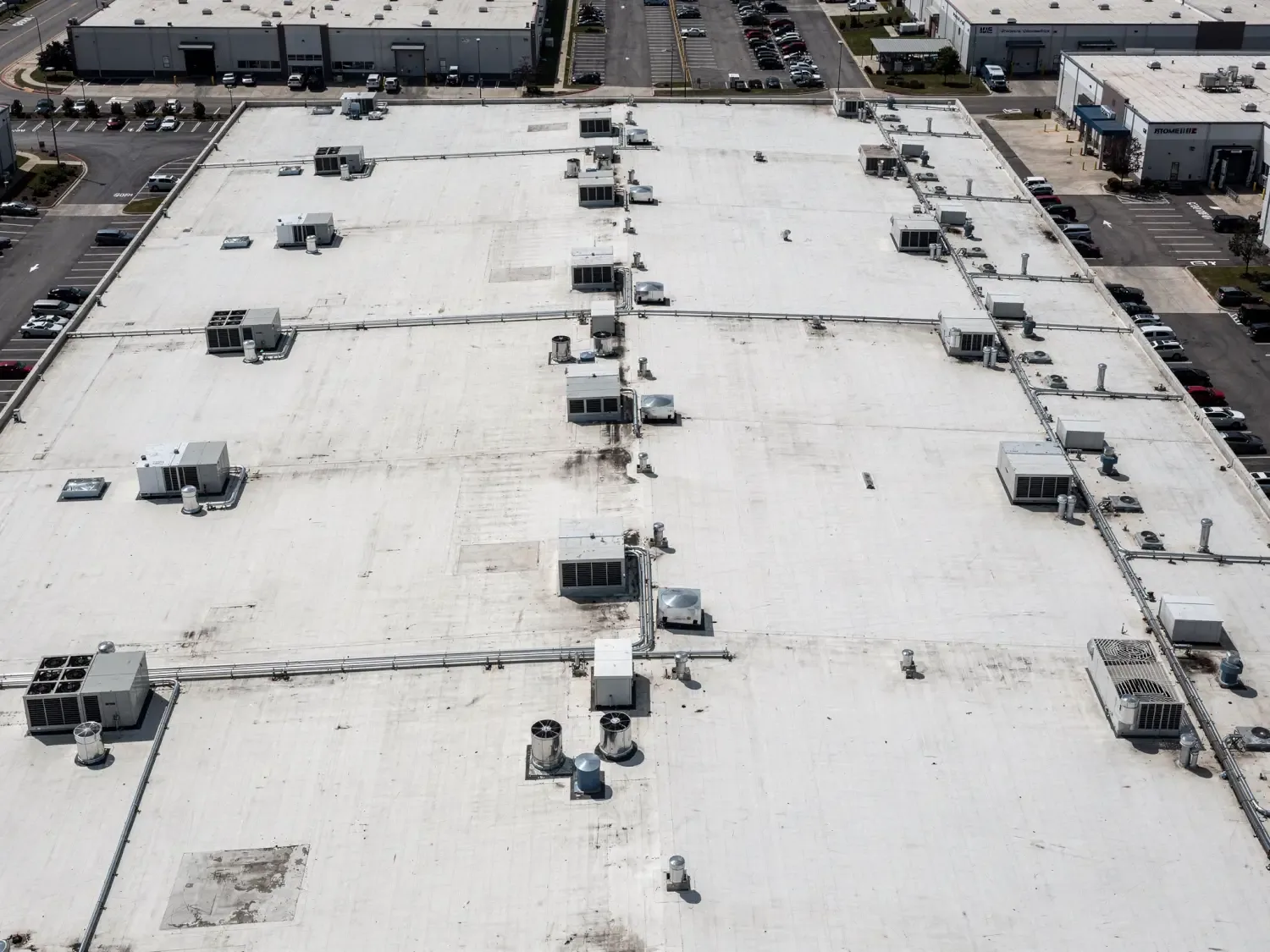
A complete walk needs a consistent route across roof sections rather than a few close-ups at the obvious marks. We record the field surface, perimeter, corners, penetrations, skylights, drains, and rooftop equipment. If a surface cannot be reached, the report names the limitation. Those distinctions matter when an owner compares a repair bid with a later inspection or asks another professional to review the same condition.
A small puncture can admit water that travels under the membrane before appearing indoors. We compare reported stains with the roof zone, nearby curbs, drains, and seams. The water path and impact mark may not be the same location. We map the confirmed opening and note any suspected route that needs additional testing.
Georgetown's industrial development includes NorthPark35 and Berry Creek Business Park near the I-35 and SH 130 corridor. Active operations may require a scheduled access window to inspect loading areas or equipment roofs. The site contact identifies the route and ground controls. The local business area informs logistics, not the roof diagnosis.
When subsurface moisture remains uncertain, we propose a specific core location and name the layer that needs verification before setting removal quantity. A thermal scan can flag candidate zones, but it does not establish wet insulation by itself. A moisture survey may help prioritize an approved core or cut. The owner reviews that test before removal.
The repair follows observed damage. A puncture can receive a compatible membrane patch; a separated lap needs seam repair; bent edge metal may require replacement at a measured length. We document each condition and distinguish repairable material from surface marks that do not affect weather protection. A puncture repair may be listed as its own line when a direct opening is confirmed.
Regional hail reports do not establish a damage date or cause at one building. We identify the inspection date, roof zones reached, photo references, and areas not inspected. If a claim is being considered, the owner or adjuster determines coverage. Our report provides observed roof conditions and an estimate for the verified repair, not an insurance decision.
Recent summer observations at the Georgetown station include days above 100 degrees Fahrenheit. After a storm, heat can affect work timing and material application. We check product limits and surface conditions before a patch or coating. If the substrate is wet or too hot for the specified method, the crew protects the area and returns under acceptable conditions.
A small number of confirmed openings can stay within a patch scope when the surrounding field is stable. Several separate failures, wet insulation, or weak attachment suggest that the owner should compare a larger correction. We identify confirmed quantities and assumptions separately. A roof repair estimate states the work area and any exclusions.
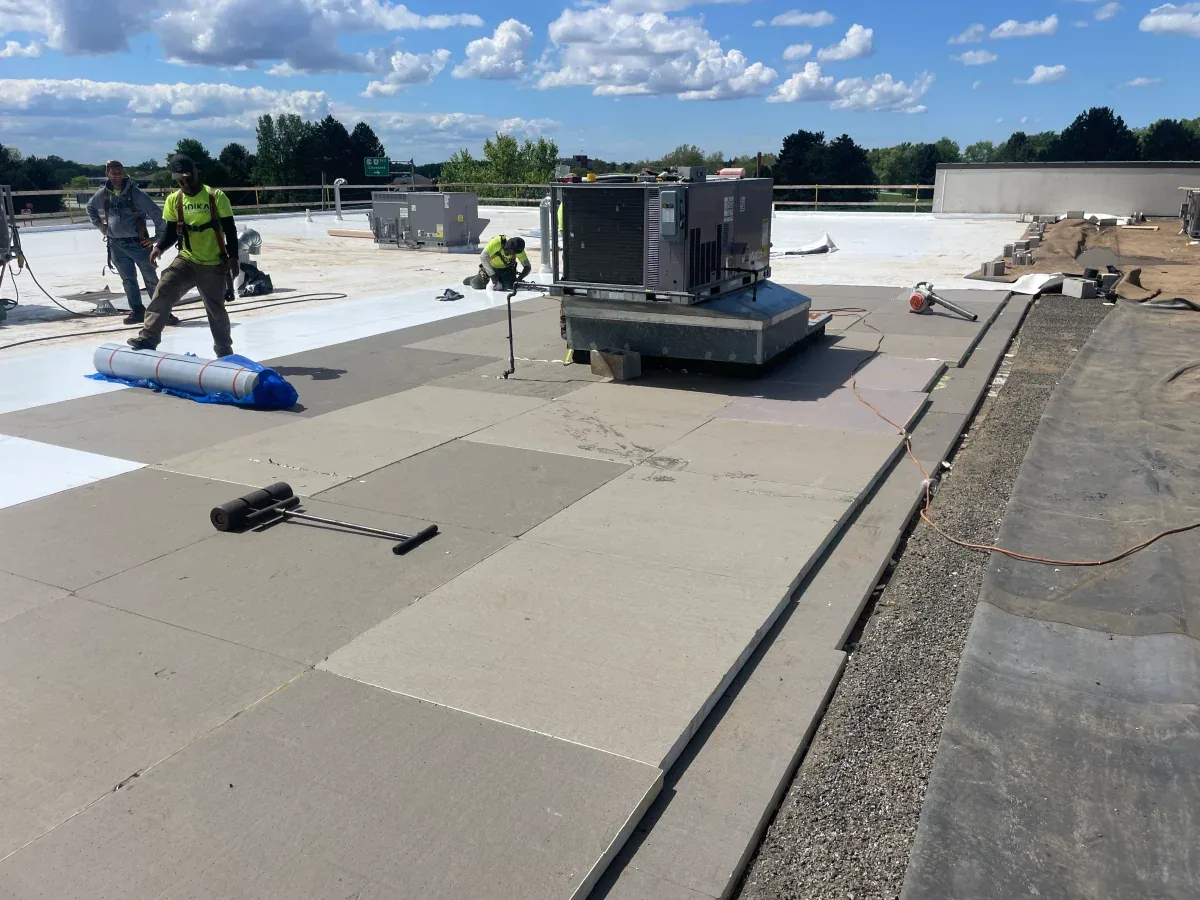
Recover is considered after checking roof layers, attachment, moisture, drainage, edge height, and compatible system details. Tear-off may be needed where the substrate or insulation is damaged. A replacement review compares those options when evidence indicates that spot repairs will not address the condition. We include protection, staging, disposal, and sequencing costs as supported by the site.
Timing depends on access, roof height, material availability, testing, and whether the facility can release a work zone. If removal reveals a larger wet area or damaged deck, we stop at a hold point. The owner receives photos and revised quantities before the crew extends the scope. No concealed condition is priced as confirmed without evidence.
When several buildings share one owner, each report should keep its own address, roof map, and inspection date. We do not carry a storm observation from one property to another. A site near Round Rock may be within the documented hail area, but its roof still needs independent inspection. The scope remains tied to what we see and test at that building.
We close the job with photos of the impacted detail, completed repair, roof-zone reference, materials, and any test result. The report notes conditions left outside the scope. If an accessory mark did not affect the roof, that observation remains distinct from membrane repairs. The record can be compared with a later inspection or maintenance visit.
Properties near Round Rock or Georgetown may share regional weather, but each roof needs its own field review. The site representative supplies the roof plan, known leak areas, access rules, and prior repair records. A wind inspection may be a separate scope if the event also moved edges or attachment.
For a storm-related estimate, provide the inspection date, available photos, roof plans, and the contact authorized to approve access. We will document what can be confirmed and identify any additional test needed before repair quantity is set.
No. Exposure and assembly vary by building. We inspect the actual membrane, metal, seams, equipment, and flashing, then document observed conditions by roof zone.
They are a reason to inspect the nearby curb and membrane. We record the equipment mark separately and look for a puncture, open seam, or displaced flashing before recommending roof work.
We can provide dated photos, observed conditions, repair quantities, and access limits. Coverage decisions belong to the owner and insurer; the report does not promise a claim outcome.
We compare the pattern and condition across the assembly, review prior records if available, and note older patches, coating loss, or brittle material separately from fresh impact evidence.
We identify candidate areas and propose an approved test. A thermal image is not confirmation. The repair boundary waits for the owner to authorize a core, cut, or other verification step.