Hail exposure puts the first attention on exposed metal and membrane, then attachment, flashing, and drainage. We check accessible areas, seams, and transitions. We tie each finding to a roof zone and priority. In Georgetown, summer heat and severe spring storms make a dated condition record useful for planning. But the inspection is based on the roof we see that day.
We coordinate access with the person responsible for the building. We confirm which roof sections, equipment zones, and interior concerns belong in the visit. A FM 971 corridor facility may have a different access window from a downtown Georgetown property. The inspection route follows the actual building and operating schedule, not an assumed site layout.
Before the walk, we confirm the roof plan, available records, known leak locations, and access rules. The building contact identifies occupied areas, restricted equipment, and any condition needing attention. We note whether the visit is routine, leak-related, or prompted by a storm. That purpose shapes the route and report.
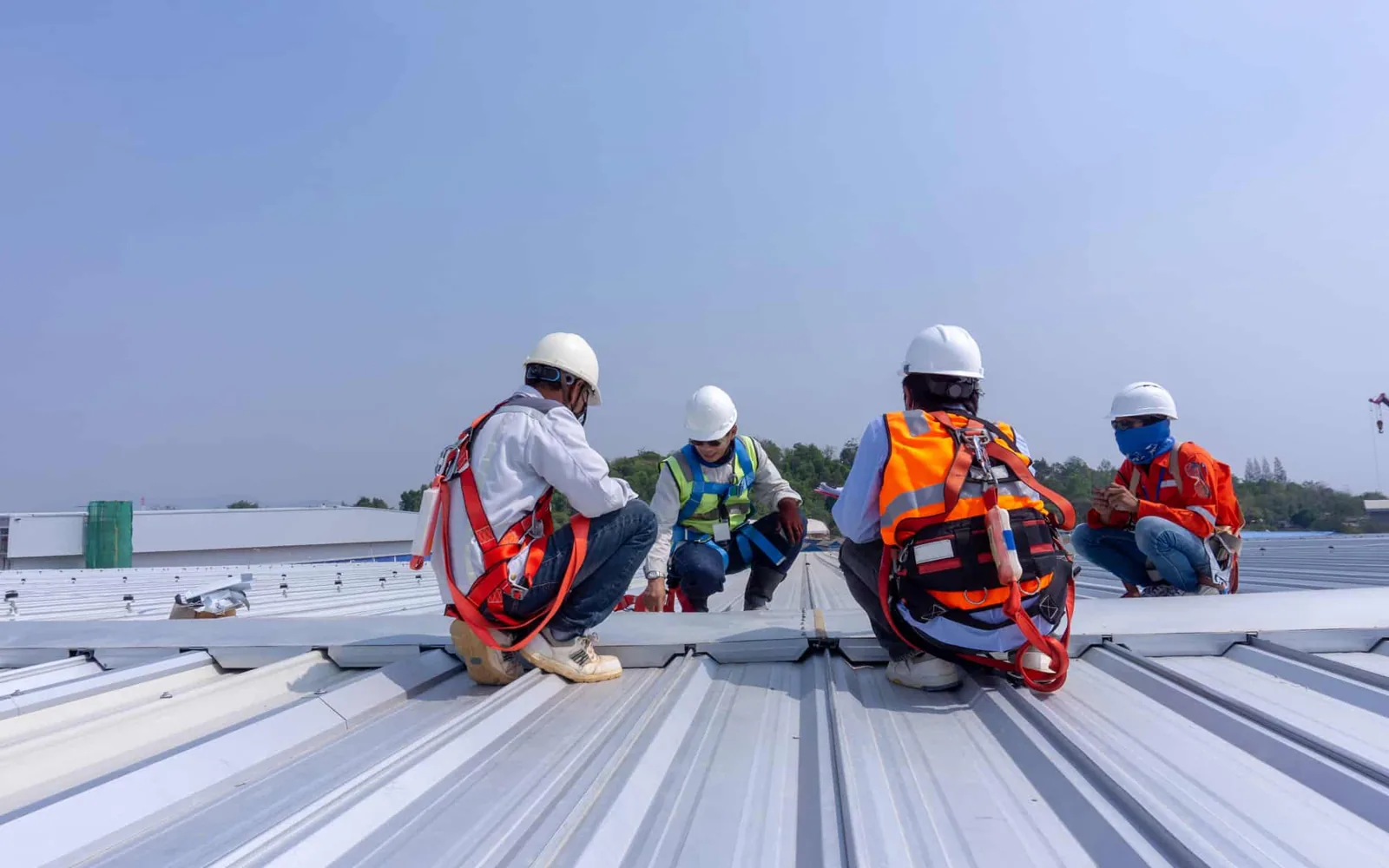
We check the access point and safe travel path before carrying tools onto the roof. We check guardrails, ladders, and tie-off systems used on the route. An area we cannot reach safely is listed as uninspected. Weather, standing water, or active work may limit what can be assessed, and the report states that boundary.
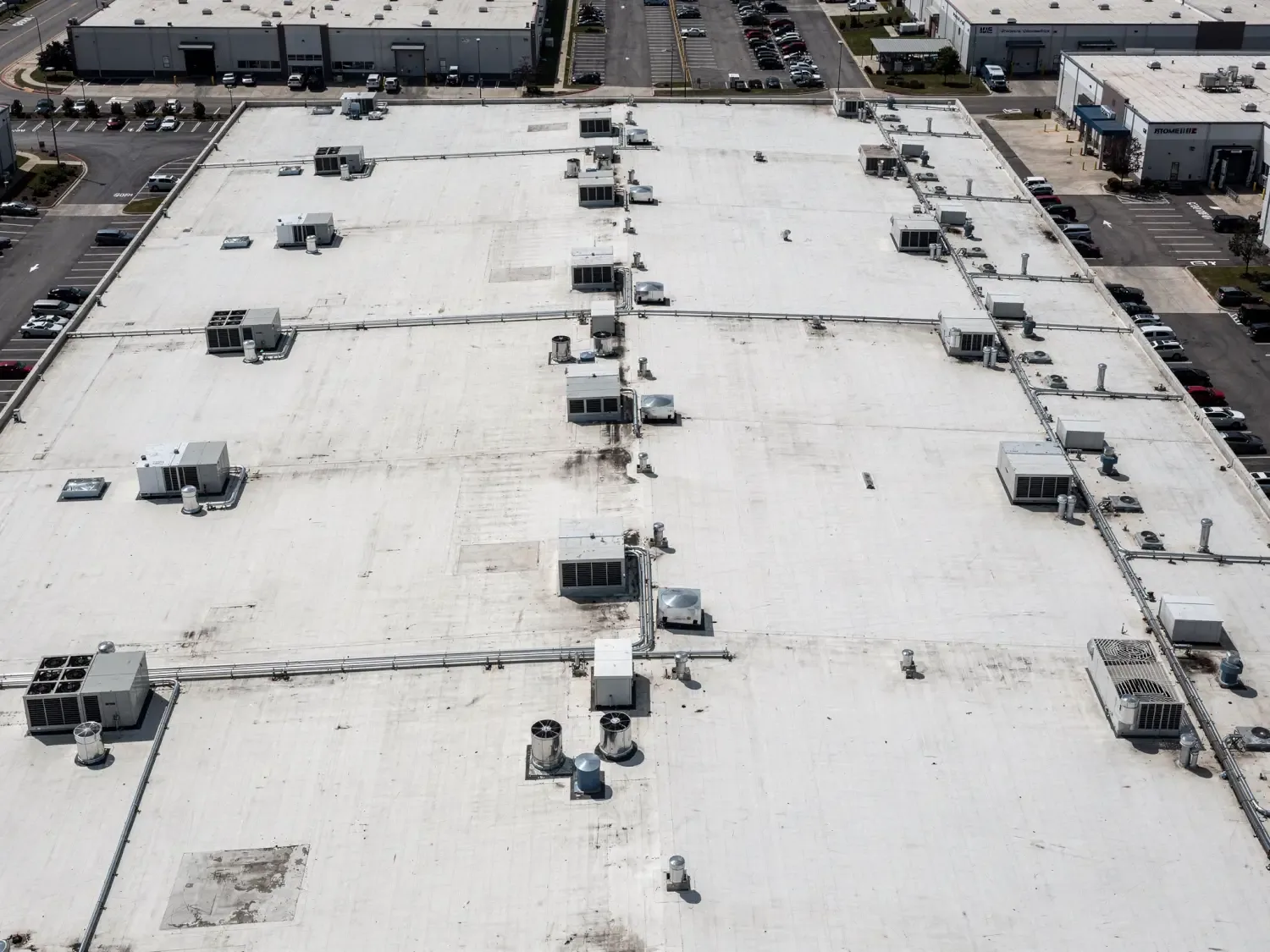
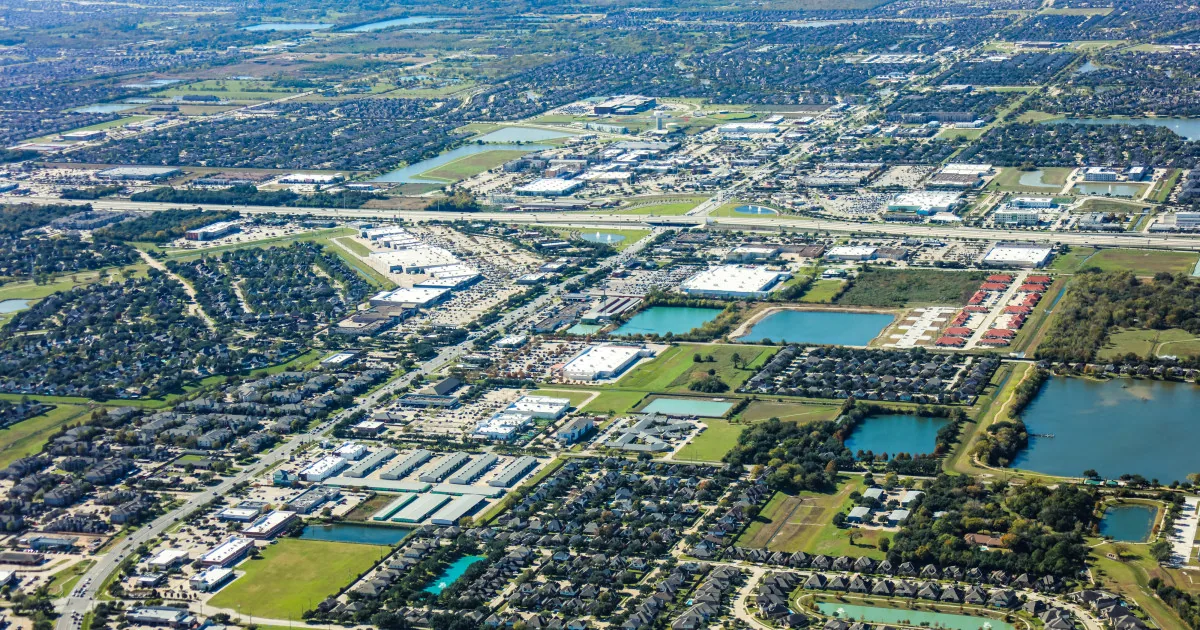
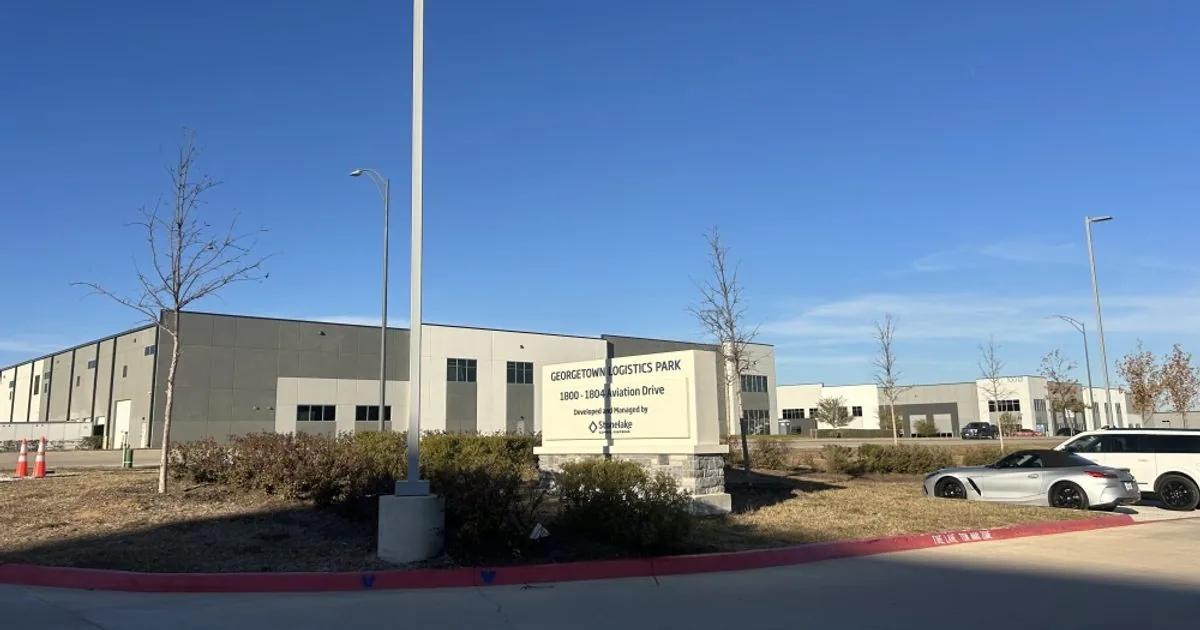
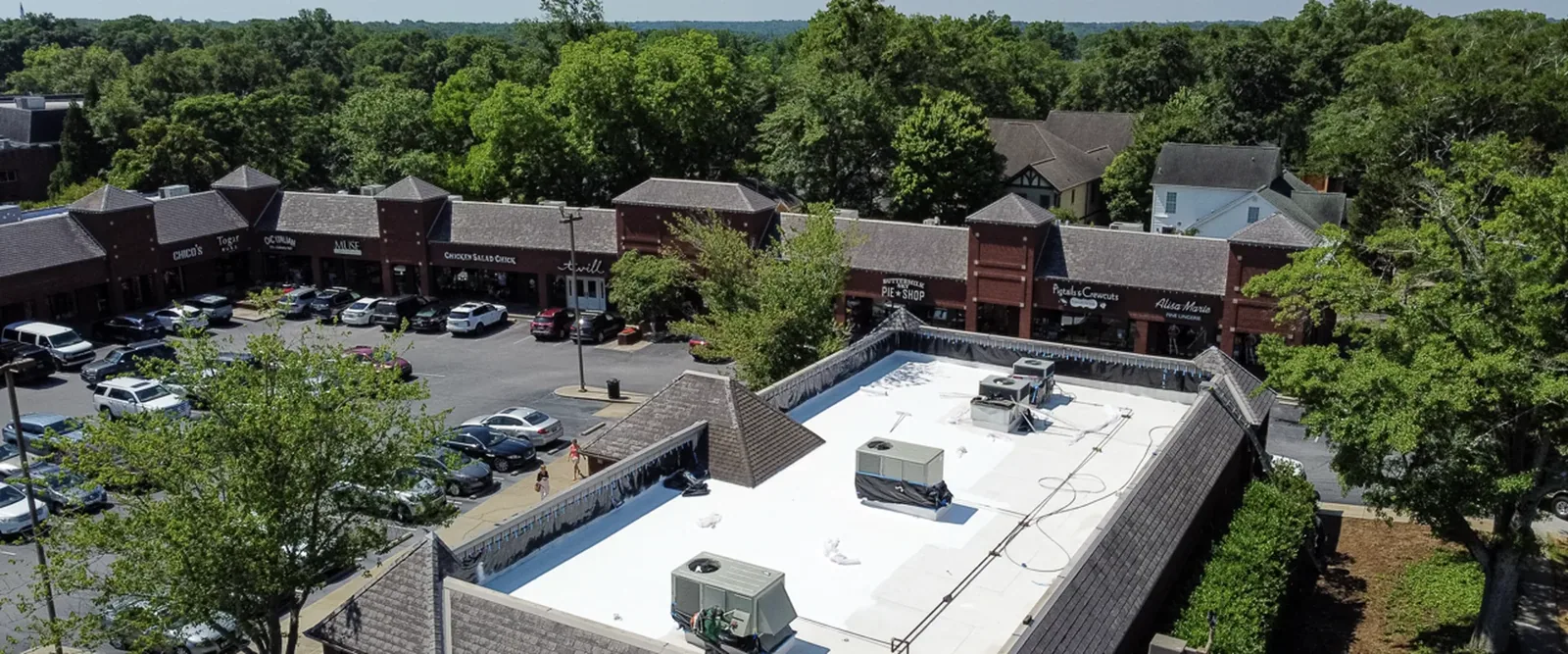
Georgetown's industrial growth includes NorthPark35 and Georgetown Logistics Park, where larger roof areas can involve several access zones and active operations. We distinguish roof sections on the plan so a repair crew can return to the right loading zone, office roof, or equipment pad.
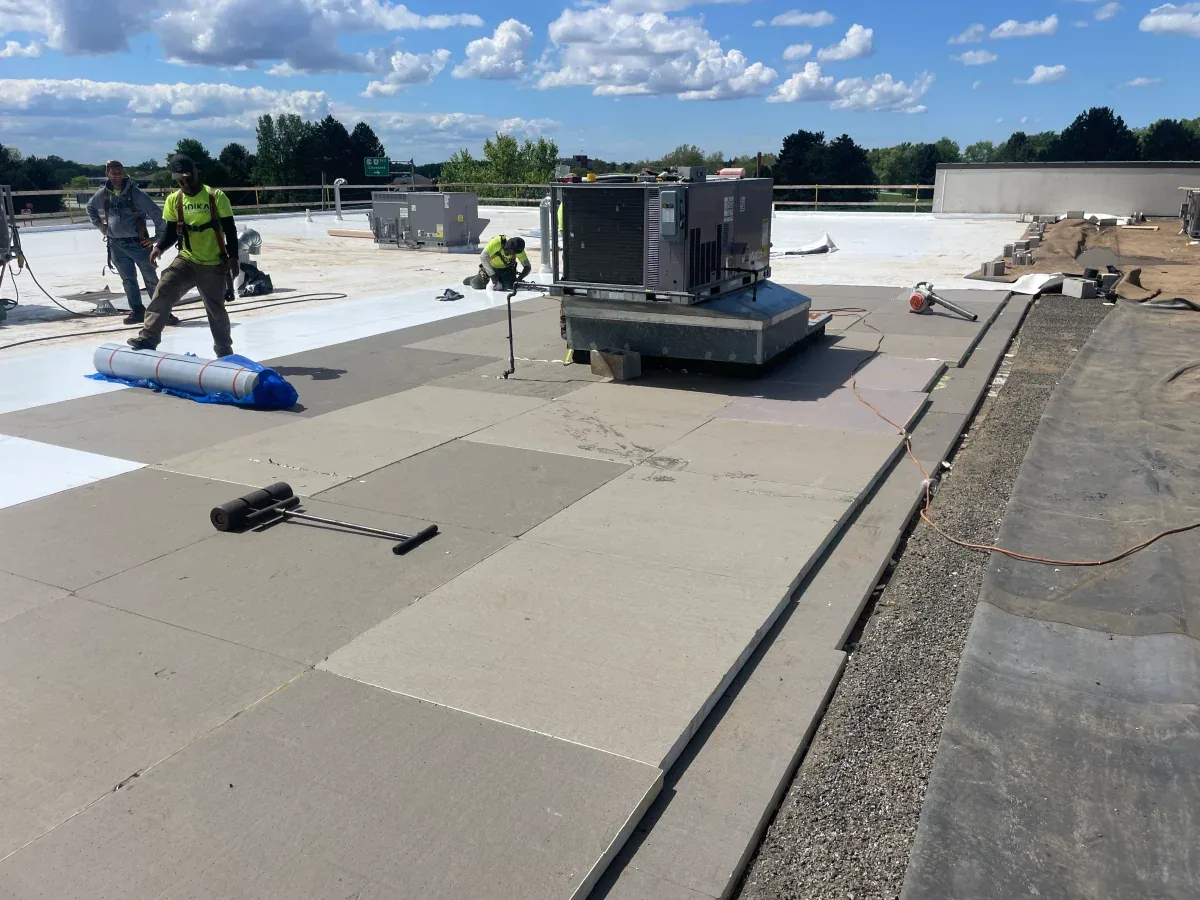
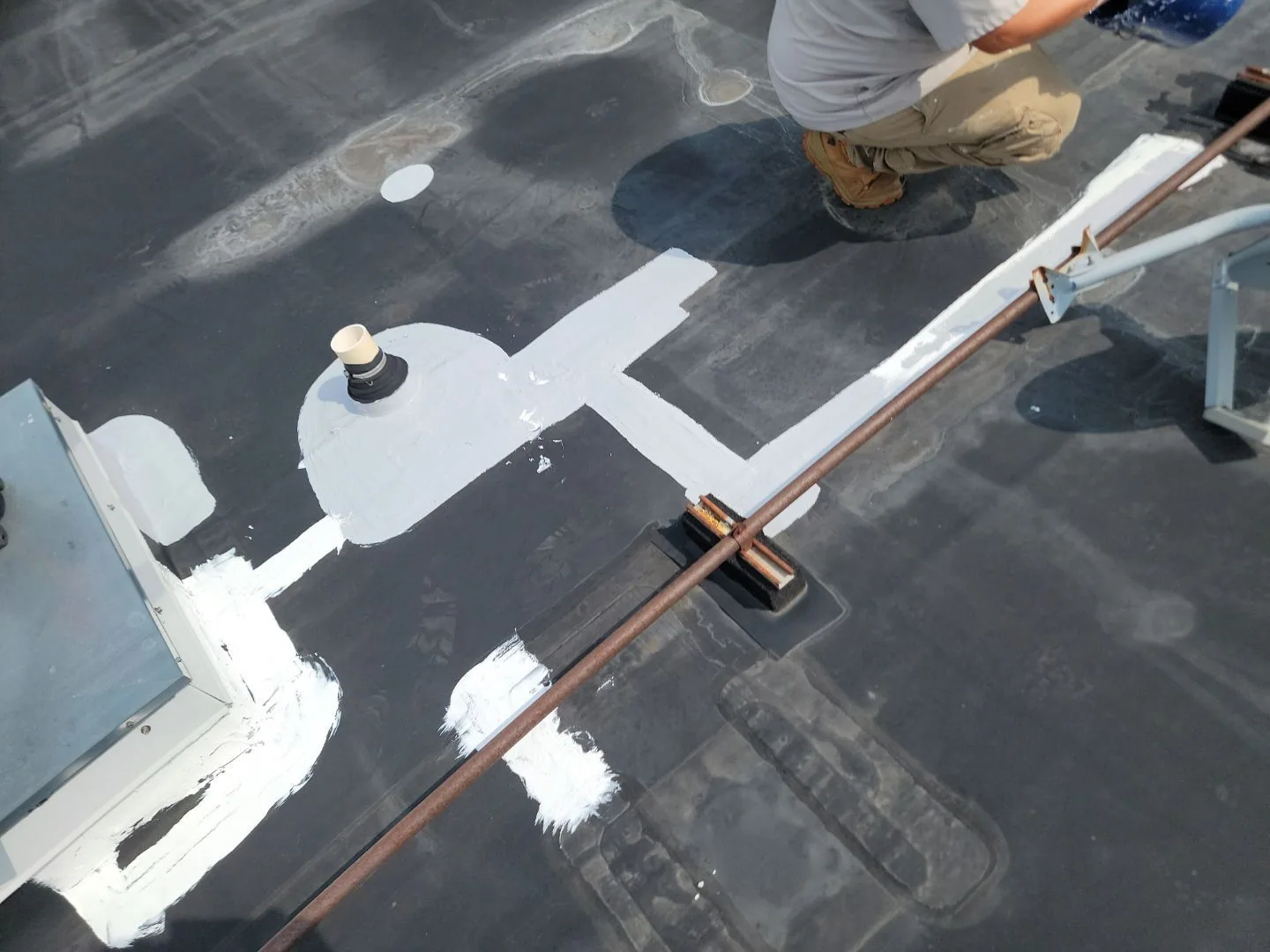
The hands-on review follows the installed system. On a single-ply roof, we look at field seams, end laps, perimeter attachment, penetrations, curbs, and edge metal. On a built-up or modified-bitumen roof, we check surfacing, laps, flashing transitions, and visible movement. Metal roofs need attention at panel seams, fasteners, sealant lines, and terminations. We identify the system before recommending material or repair methods.
Drainage gets its own review. We check drains, scuppers, gutters, and flow paths for blockage, damage, or ponding evidence. We look for low areas, debris lines, staining, and water held against curbs or walls. The report separates observed ponding from a confirmed drainage defect and notes follow-up needs.
We also inspect rooftop equipment and its support details. Movement, loose conduit, sharp contact points, and failed flashing can strain nearby membrane. We record the detail and location. We identify whether a roofer, equipment contractor, or another trade should review it. Equipment stays in place unless the site contact directs otherwise.
When interior access is included, we compare reported stains or active drips with the roof area above them. Water can travel along a deck, beam, or insulation layer before it appears indoors. So a ceiling mark does not automatically identify the roof opening. We photograph the condition and ask when it appeared or changed.
In Georgetown's 40-block downtown district, commercial, residential, county, and municipal uses sit close together around the courthouse square. That mix makes a clear access and occupant plan useful when an inspection includes interior spaces. We coordinate with the property contact on where staff or tenants can work while we check the reported area. The report keeps roof observations separate from interior conditions that may need another trade.
If the roof walk reveals an active opening, we mark it and explain whether immediate protection is needed. A separate leak repair visit can trace a water path and stop an active entry. A temporary dry-in response may be appropriate when weather or operating risk makes the condition urgent. The inspection record states the reason for that next step.
Regional weather records include large-hail reports across the Austin and San Antonio forecast area. In 2022, a tornado began near Round Rock, crossed Williamson County, and continued toward Granger. Those regional facts help explain why owners schedule roof reviews after severe weather. They do not prove damage at an individual building. Our findings come from visible conditions, measurements where appropriate, and the inspection date.
We look for displaced edge metal, punctures, bruising, open seams, split flashing, and impact marks on rooftop components. We compare those observations with ordinary aging such as surface erosion, brittle sealant, or repeated repair patches. If a mark cannot be classified from a visual walk, we say so and recommend the next inspection method rather than assigning a cause without evidence.
After a storm, the report can identify which areas deserve a closer review and preserve a dated photo record. A hail damage assessment or tornado damage review can address a broader event-related scope. We keep the routine condition inspection distinct from any claim, code, or engineering determination.
Each finding includes a location reference, a description, a photo when useful, and a suggested priority. Immediate concerns include active water entry, open seams, loose perimeter material, blocked drains, and details that can damage the roof or create a hazard below. Other items may be monitored, scheduled for planned repair, or included in a capital review. Priority reflects the condition and its likely consequence. Hidden damage may remain.
We distinguish repair candidates from areas that need more information. A localized flashing defect may support a defined repair. Broad wetness, deck movement, repeated failures, or an unknown roof assembly can require additional testing before a system decision. We may recommend a moisture survey or targeted core cuts where conditions and authorization support them. We do not treat an infrared image alone as proof of wet insulation.
For a replacement discussion, the report should show why spot repairs may no longer address the pattern. We document the number and distribution of recurring conditions, visible system deterioration, and limitations in the inspection. A separate replacement evaluation can then compare repair, recover, and tear-off options using the verified assembly and project requirements.
The report includes the inspection date, areas reached, access limits, photos, and findings by roof zone. It identifies immediate concerns and items for planned maintenance, helping the facility contact assign work or compare a later visit.
For a roof with several sections, labels and directional references help staff find each item again. If repairs or layout changes occur, a later inspection can update those references.
For owners managing buildings near the Georgetown Logistics Park or along the FM 971 corridor, a condition record can help coordinate access between site staff and contractors. We review key findings with the contact and identify any prompt decision.
The scope covers accessible membrane or panel areas, seams, flashing, penetrations, drainage, edges, and rooftop details. Interior review is included when requested and available. The report identifies the roof sections reached, conditions found, photos, and recommended next steps.
The interval depends on system, age, maintenance plan, prior findings, and owner requirements. Add a review after severe weather or a reported leak. We can recommend a schedule after seeing the roof and how the facility operates.
A visual visit cannot promise that a roof will remain leak-free. We document accessible conditions on the inspection date and identify visible openings or warning signs. Hidden moisture, intermittent leaks, and concealed defects may need targeted testing or monitoring.
Interior review can be included when the site contact provides access and identifies the reported areas. We compare stains or active drips with the roof above. Water may travel before appearing indoors. The report distinguishes roof findings from conditions that need another trade.
We contact the designated representative, show the condition, and explain the immediate risk. If safe access and weather permit, we can discuss a separate protective or repair step. The inspection record notes what was completed and what remains open for follow-up.