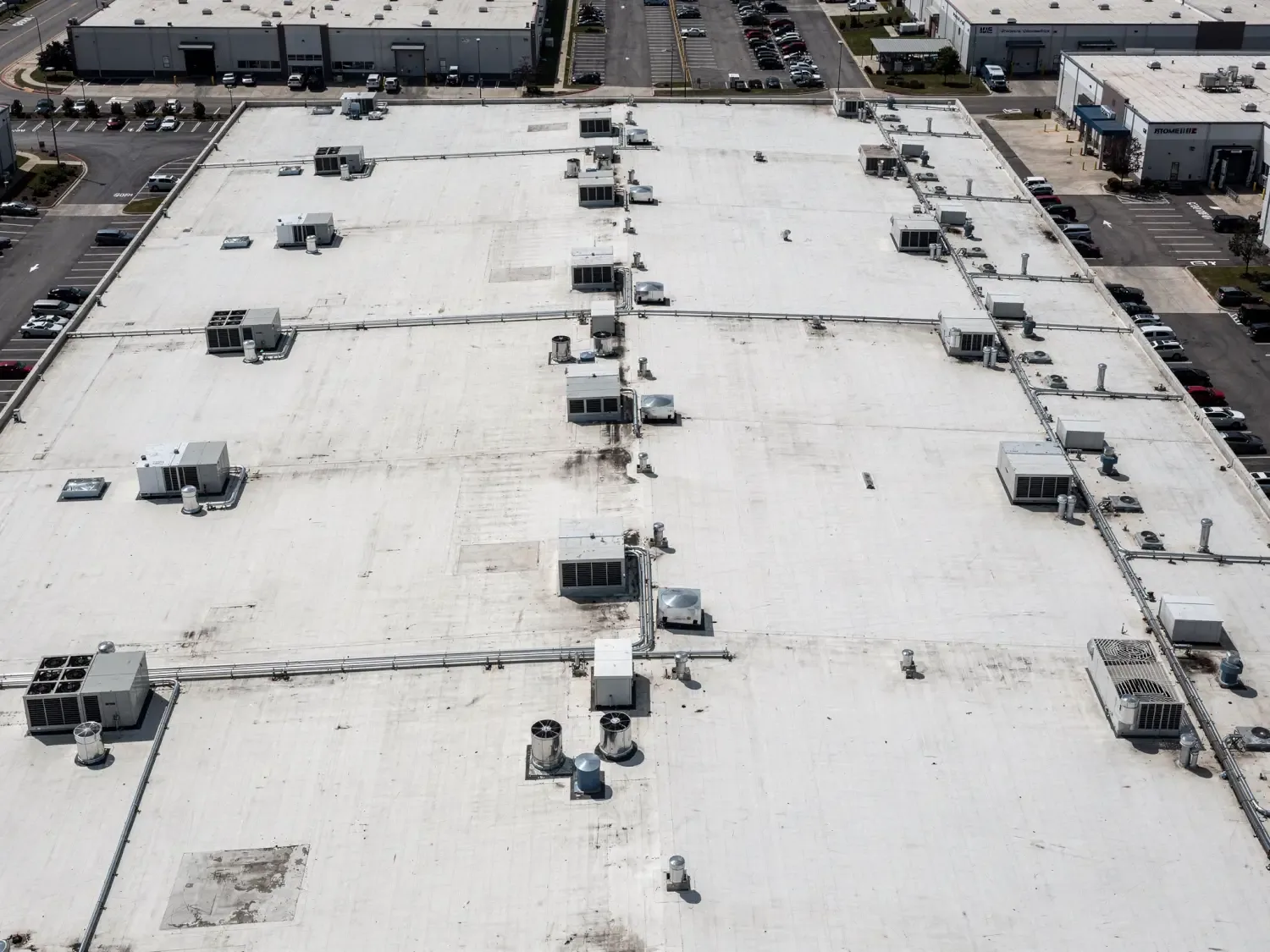
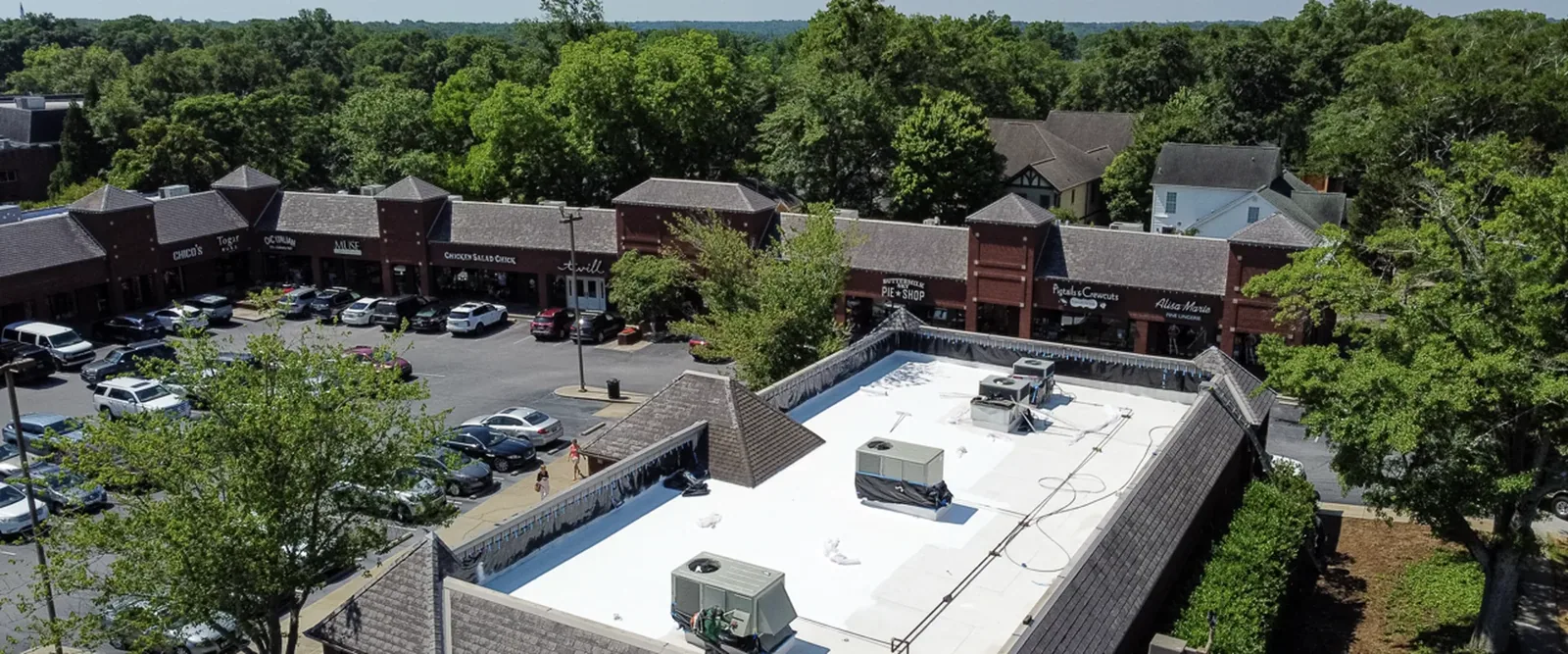
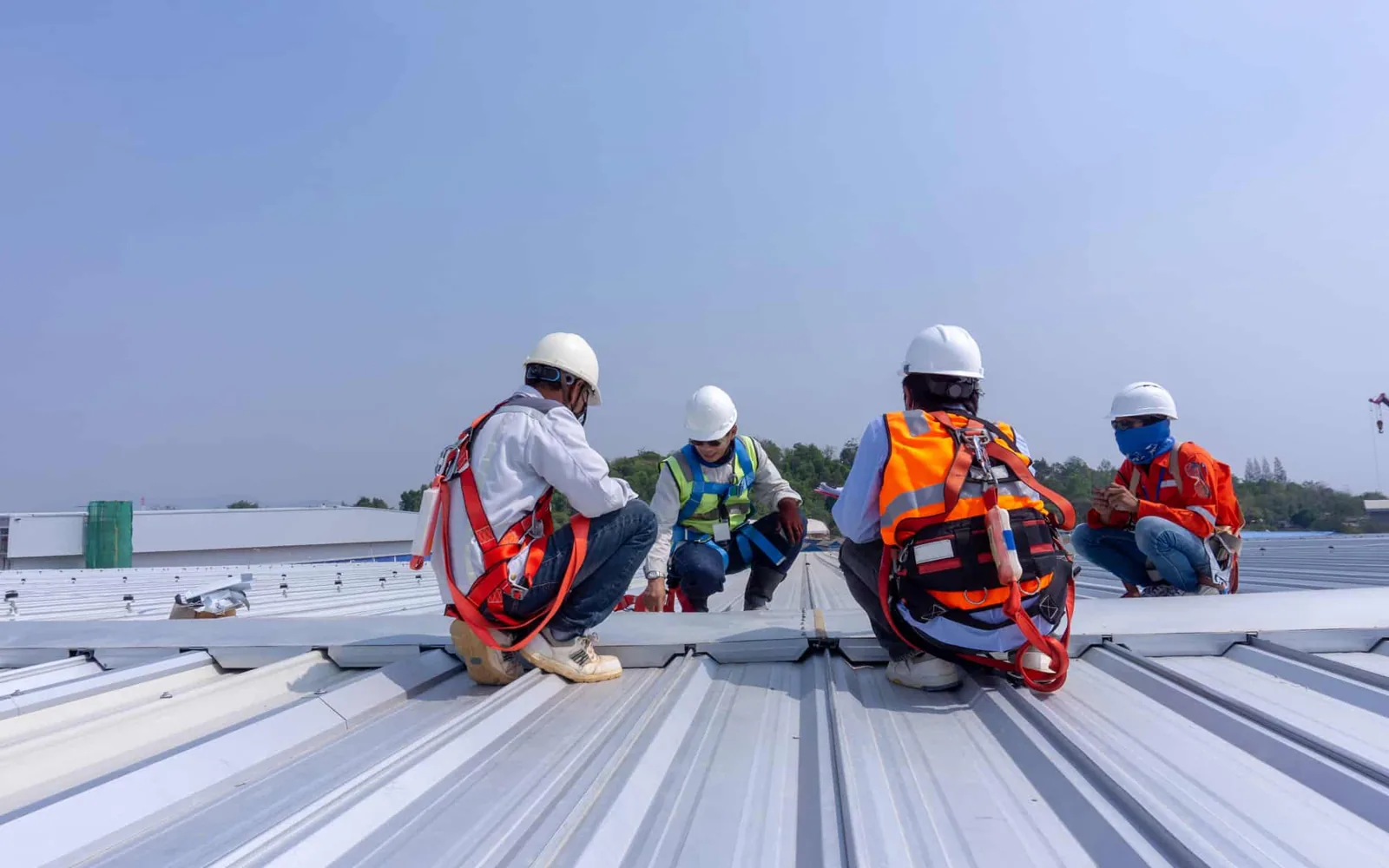
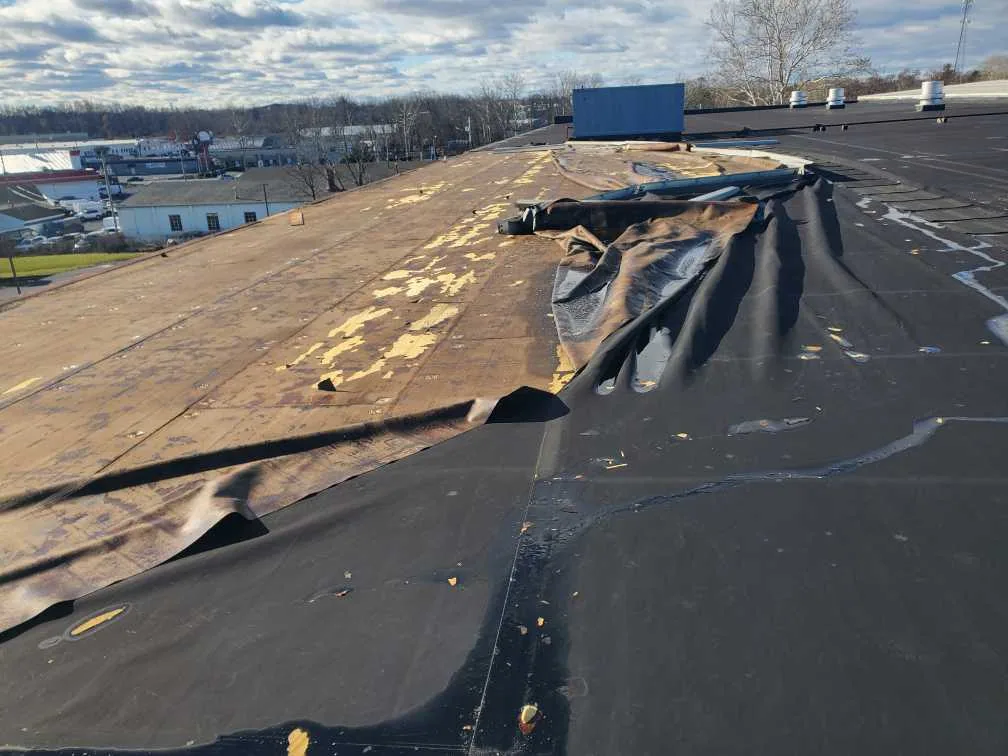
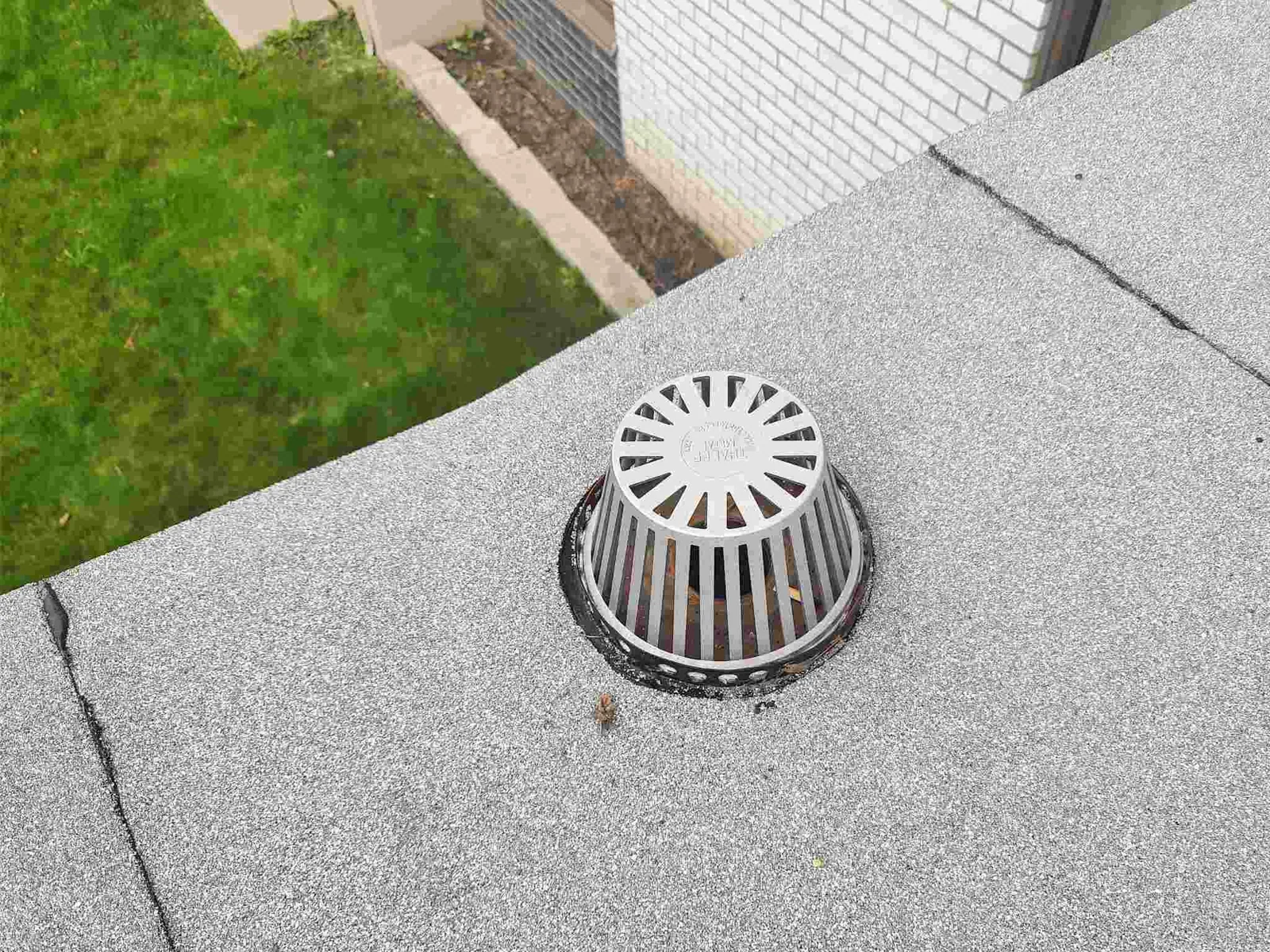
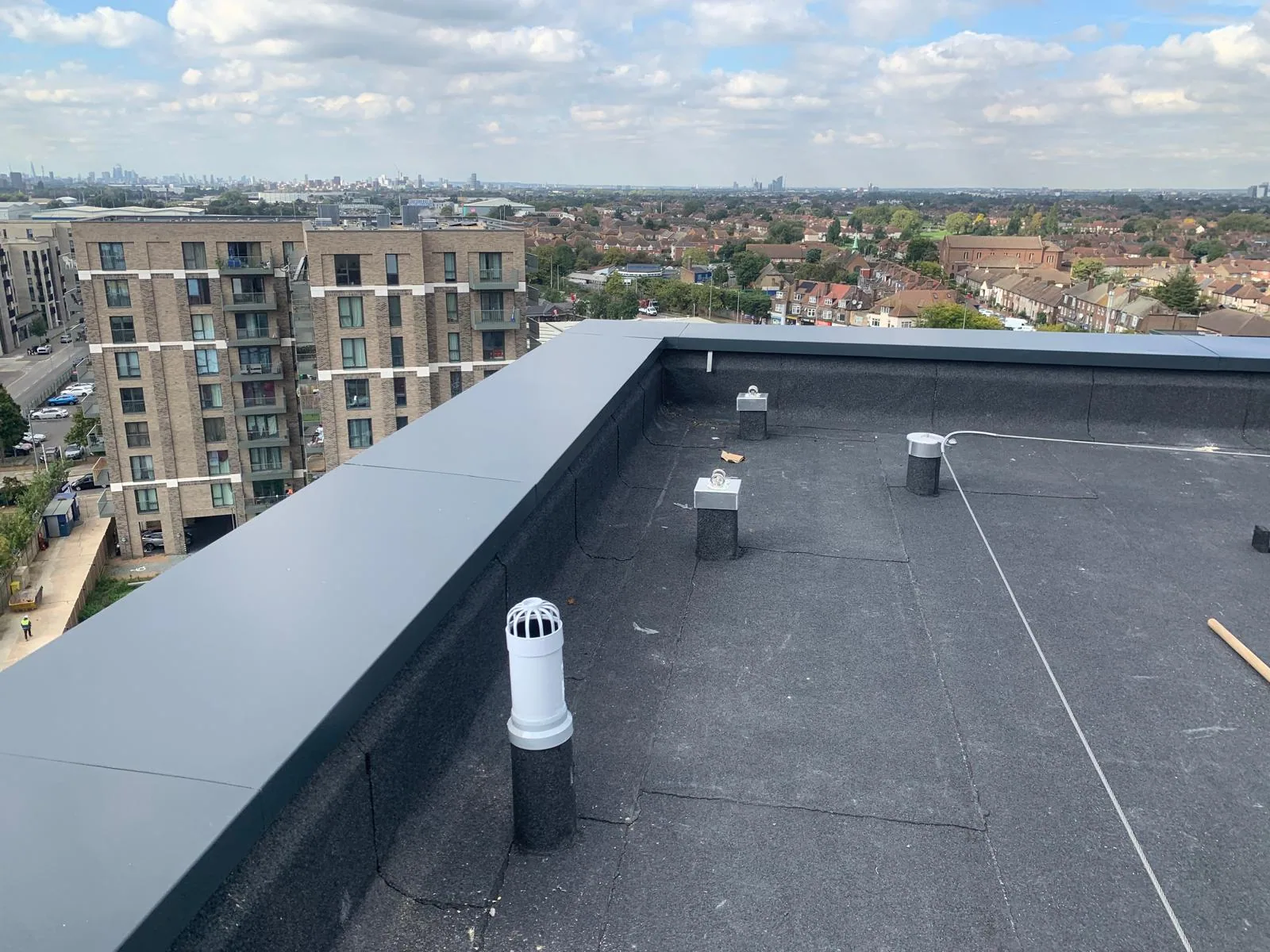
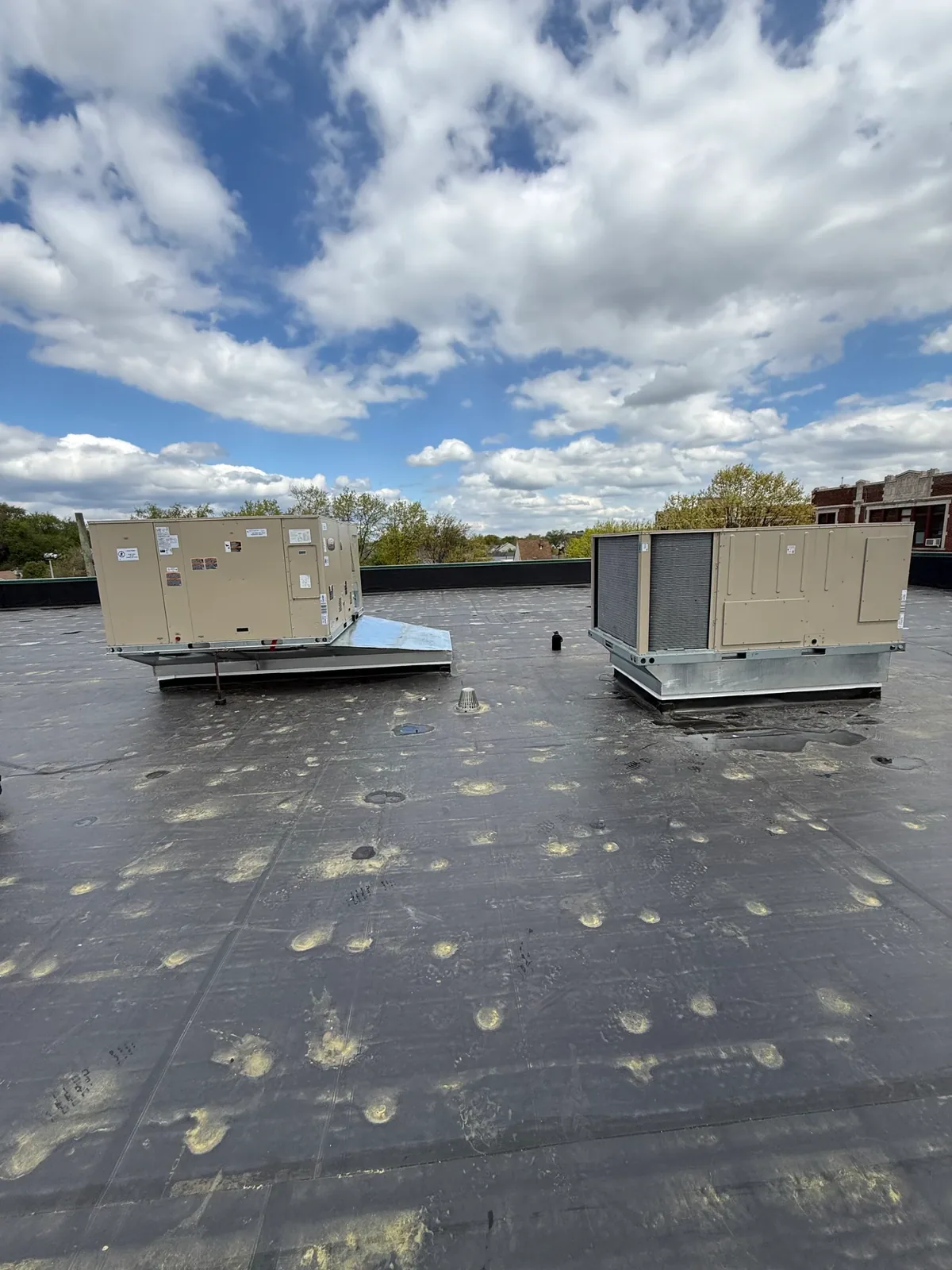
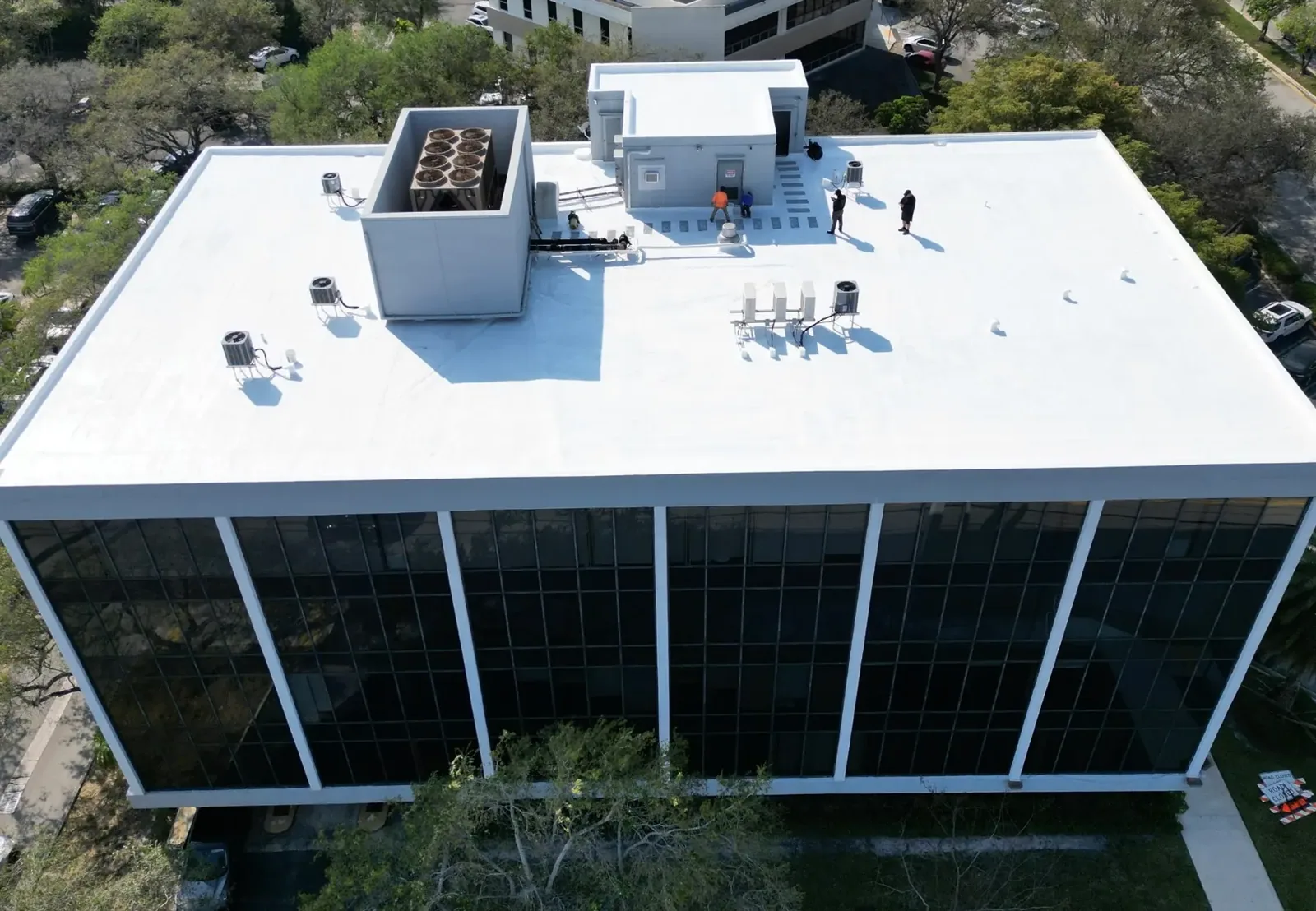
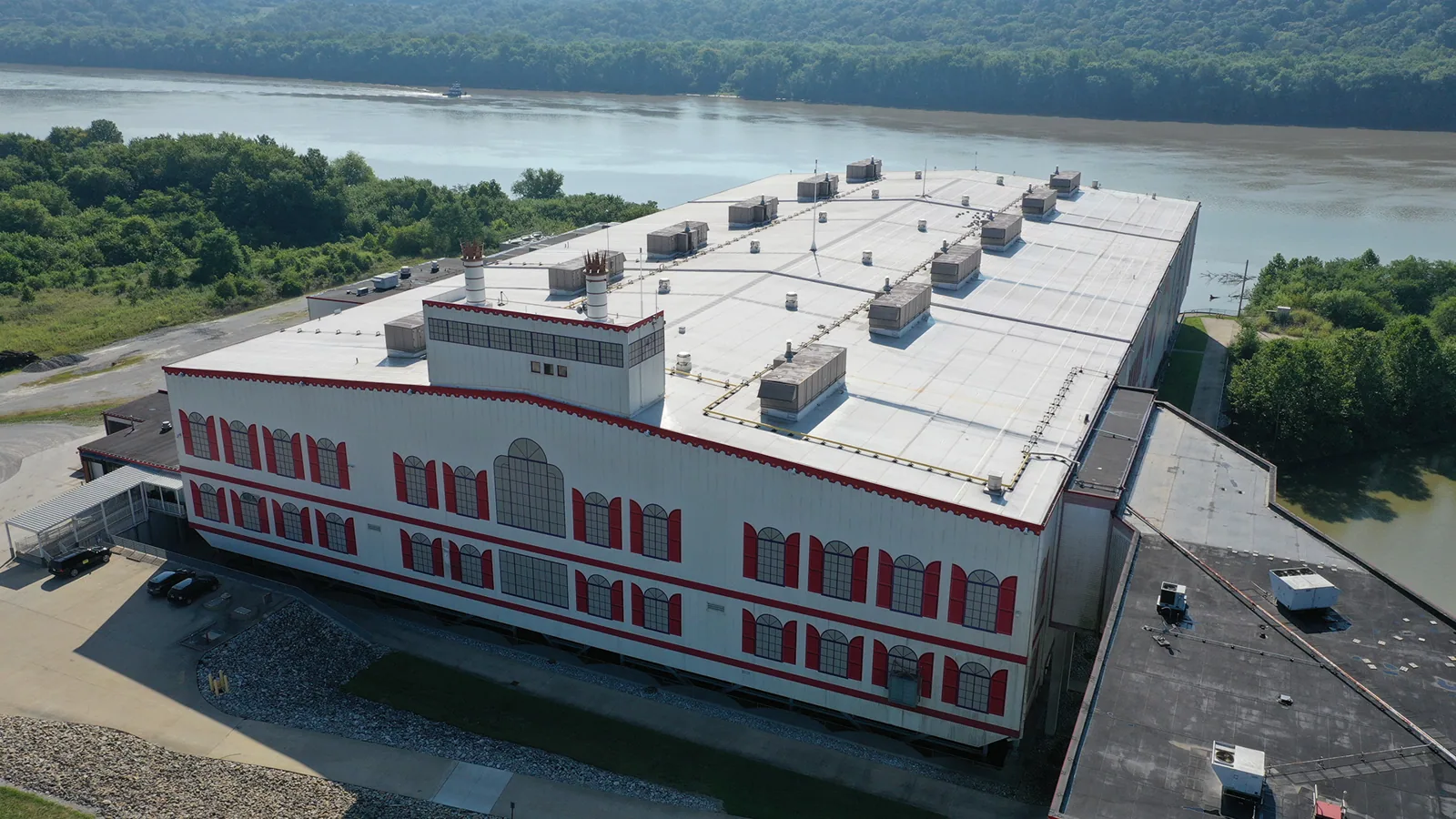
Storm debris beside a rooftop unit marks an inspection zone. We check nearby flashing, membrane, attachment, and drains, then trace the reported water path before setting the first work limit. Our Georgetown crews repair, replace, recover, restore, coat, inspect, and maintain low-slope and metal systems. Each visit ends with a field condition, a work boundary, and any test still needed.
For a planned project, commercial roof inspection sets the baseline before a repair or capital decision. For active water entry, emergency roof repair is available around the clock, including weekends and holidays. The first response protects the building; permanent scope follows what the roof shows.
Call 555-555-5555 or send the property details. We walk the roof, photograph what we find and explain the options before any work is approved.
Request a Roof Assessment
A leak report points to a room or ceiling stain, but the opening may sit at a seam, penetration, edge, or drain. We compare the interior report with the roof above and adjacent details. Photographs and roof-zone references keep confirmed openings separate from possible water paths.
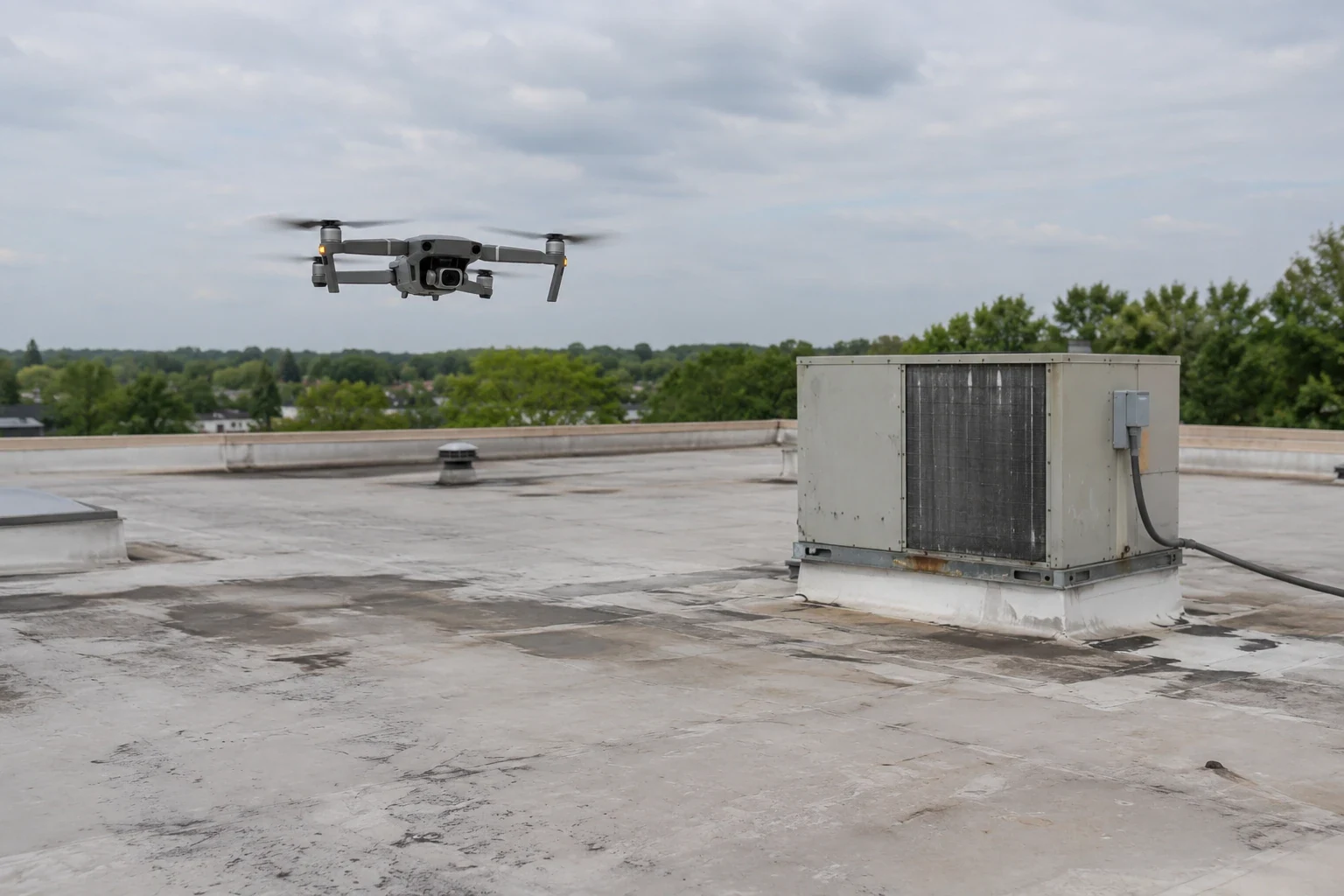
Where moisture may be concealed, infrared moisture screening can help target test openings. The image guides the next check; it does not replace a field test. We mark dry comparison areas, confirmed wet material, and portions that could not be reached.
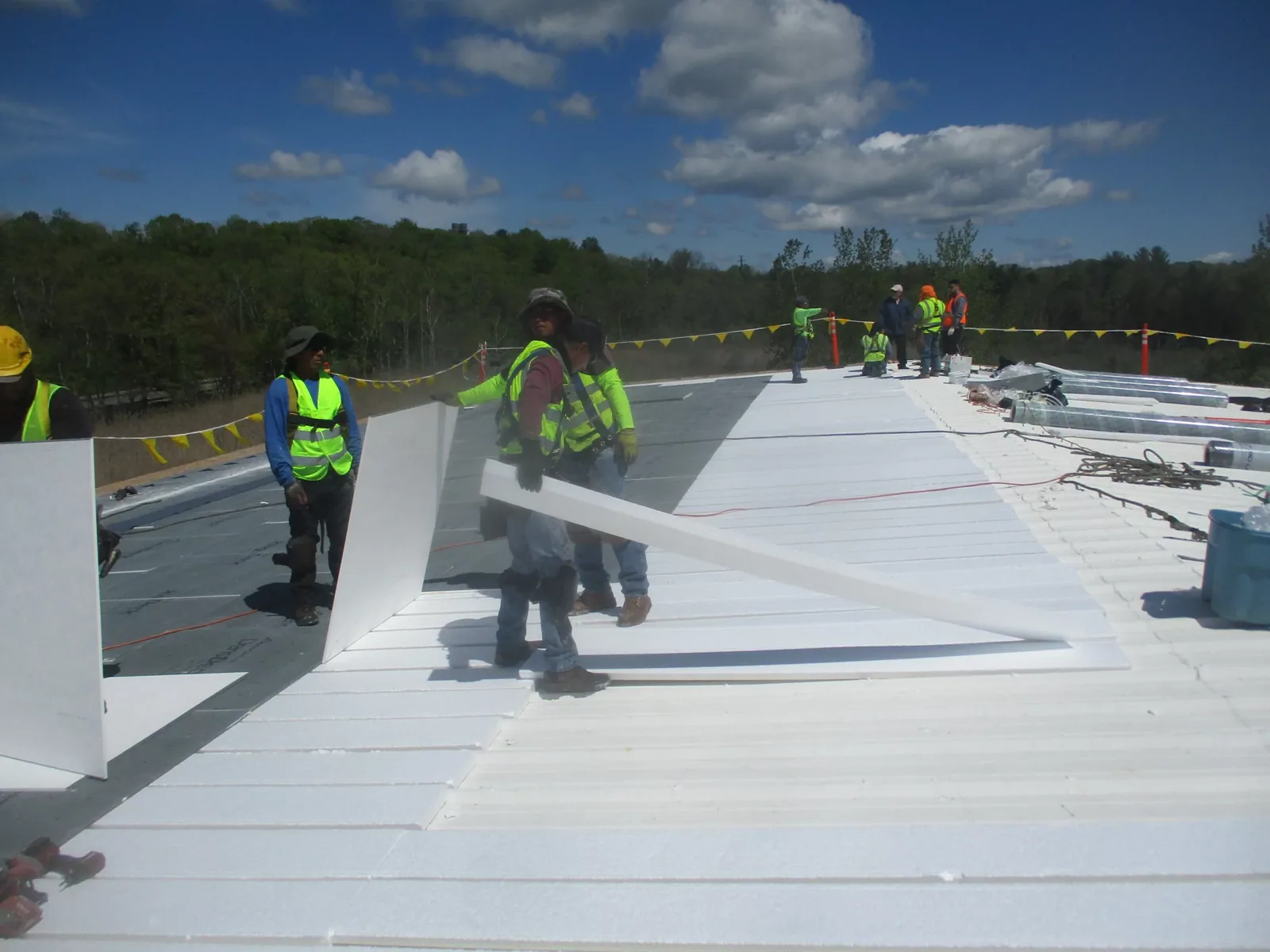
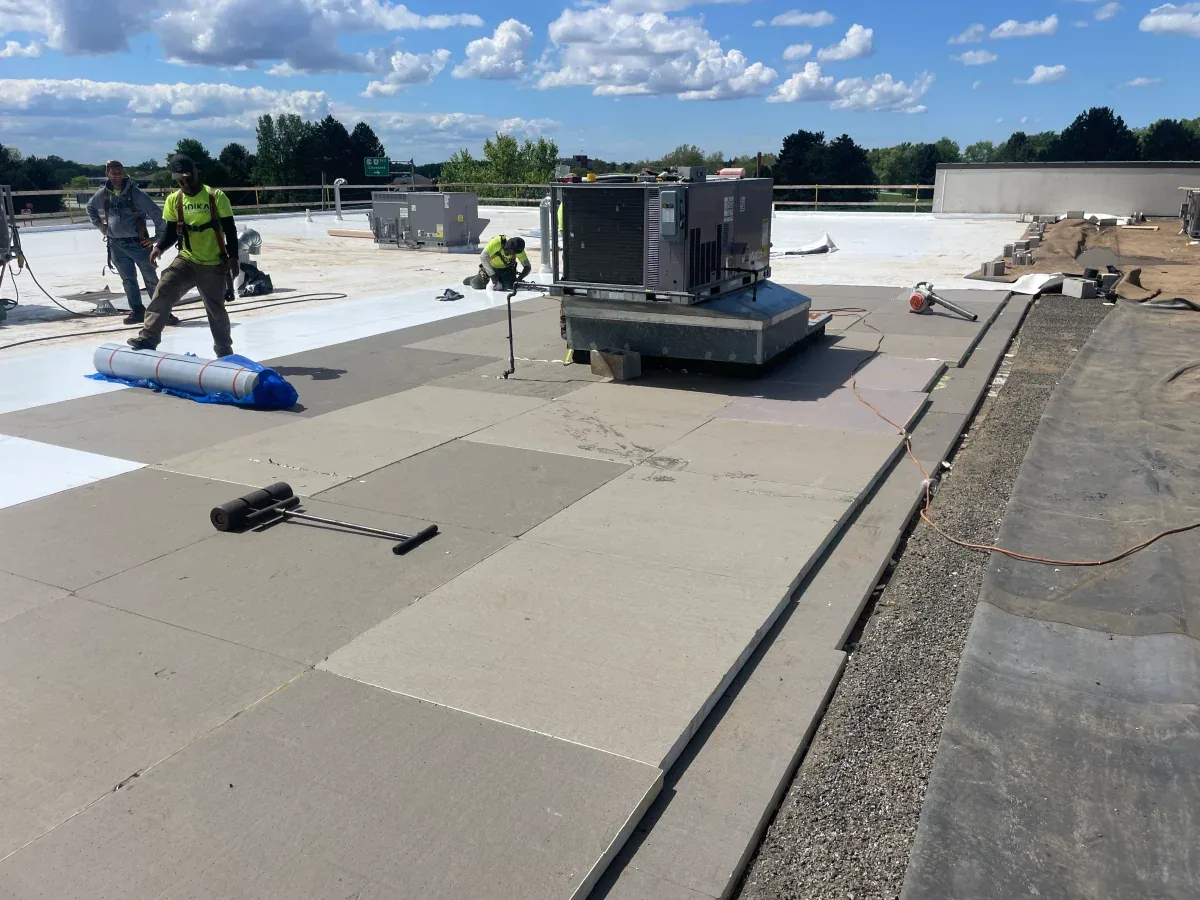
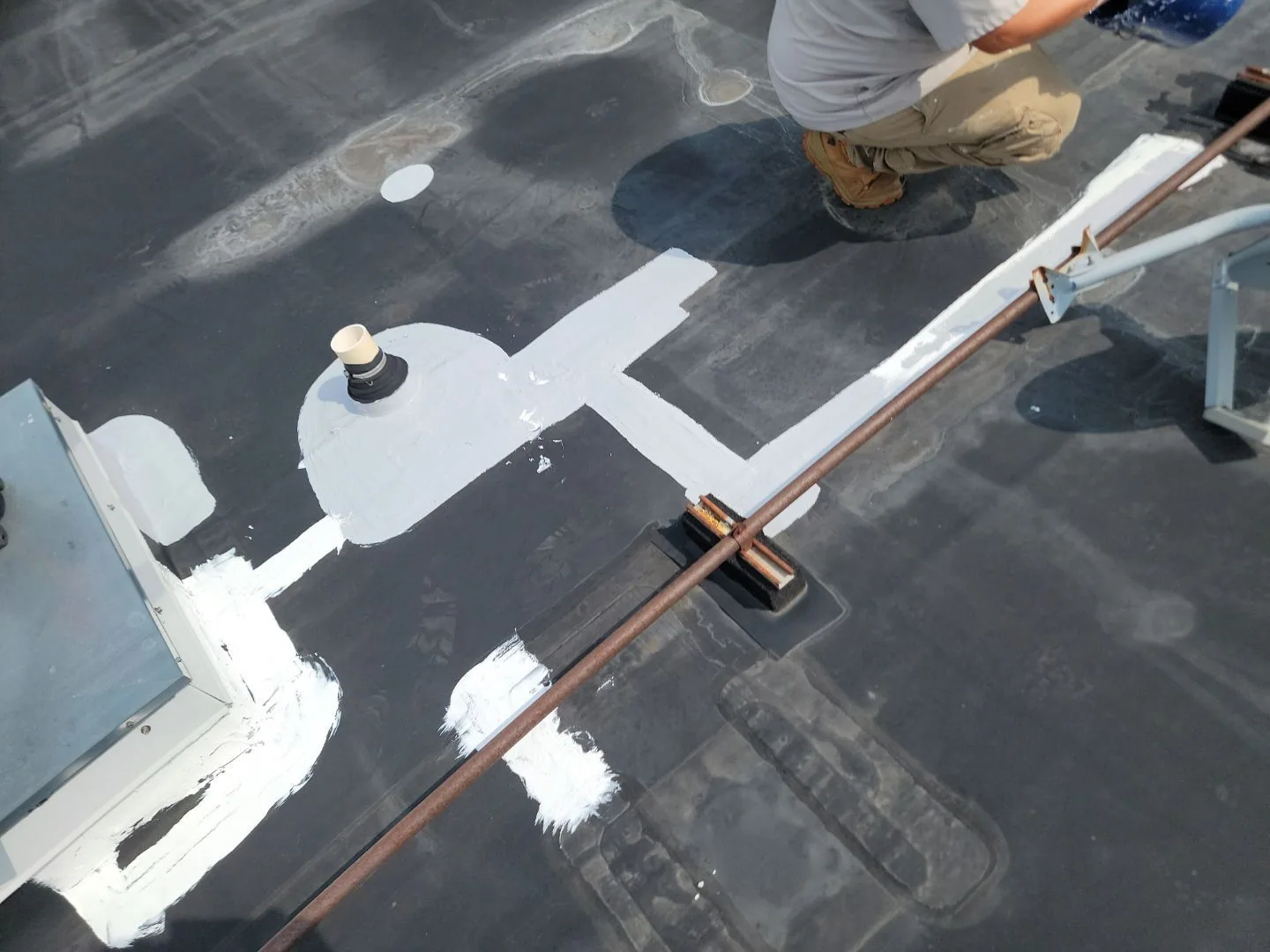
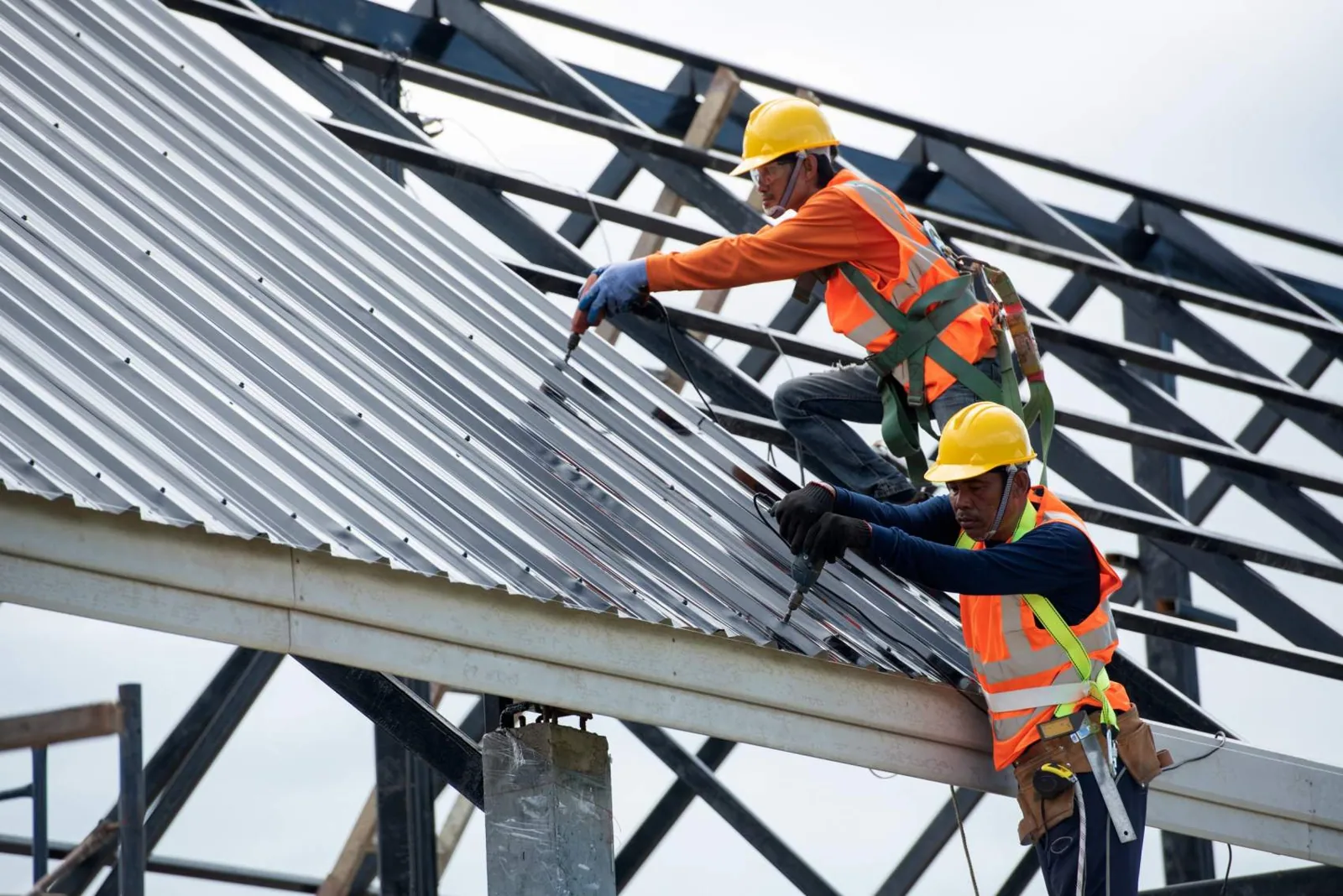
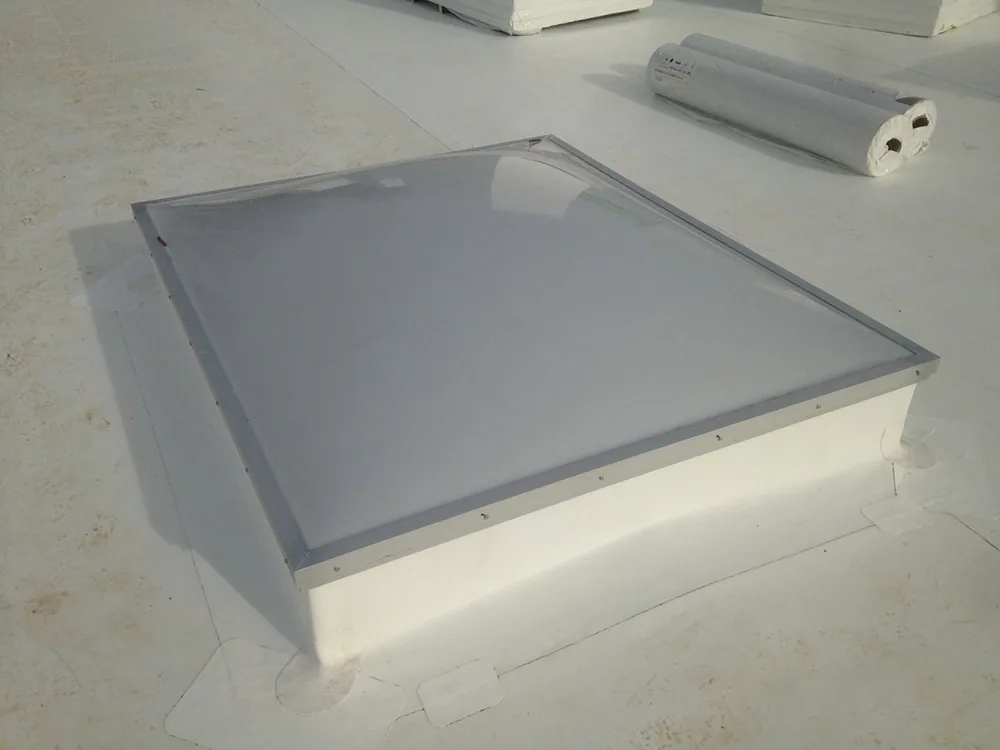
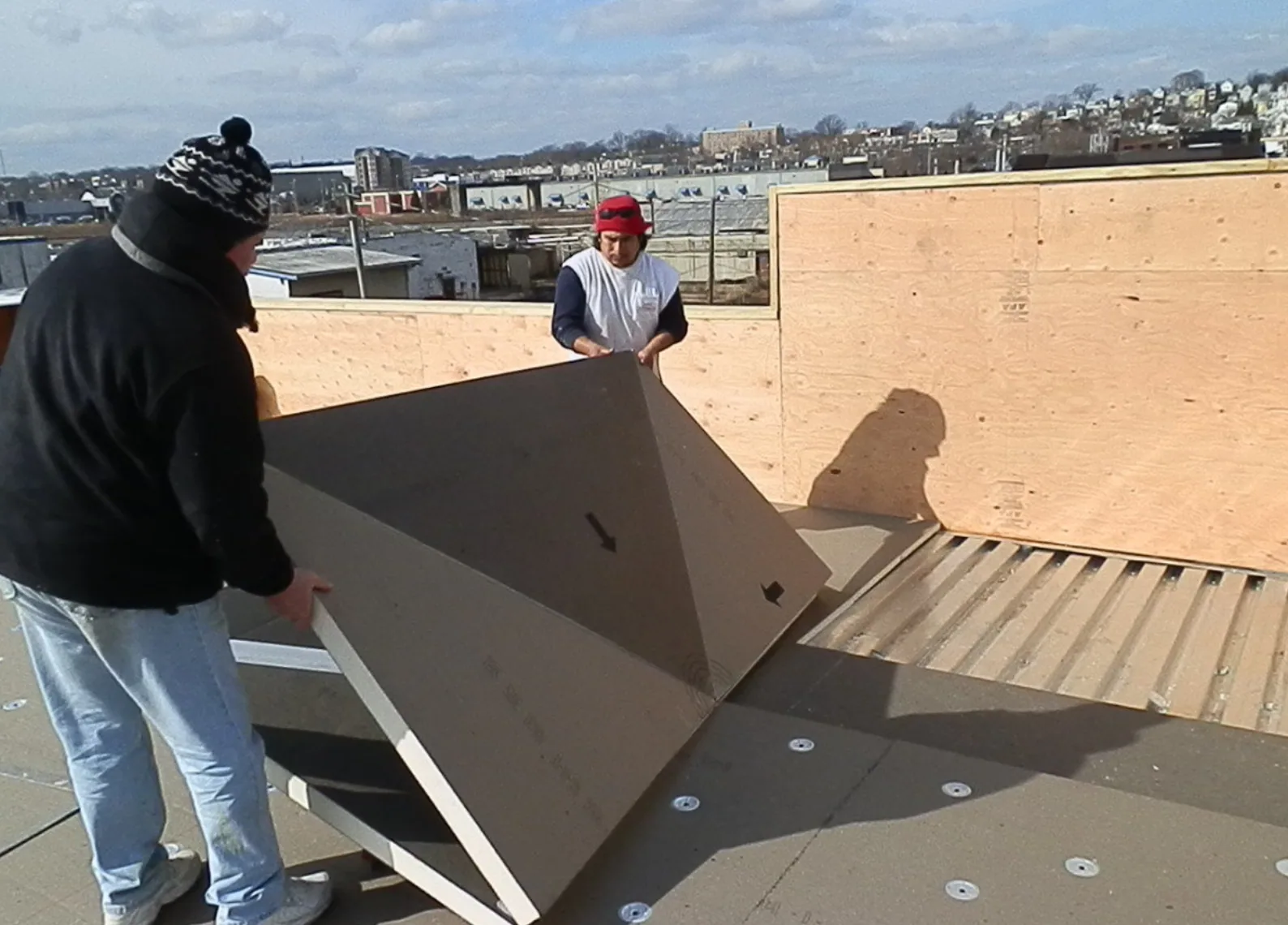
A sound assembly with a local seam or flashing failure may support commercial roof repair. Repeated leaks, wet insulation, failed attachment, or deteriorated deck can widen the scope. A replacement review accounts for tear-off, insulation, drains, curbs, tie-ins, and the order of work around occupied space.
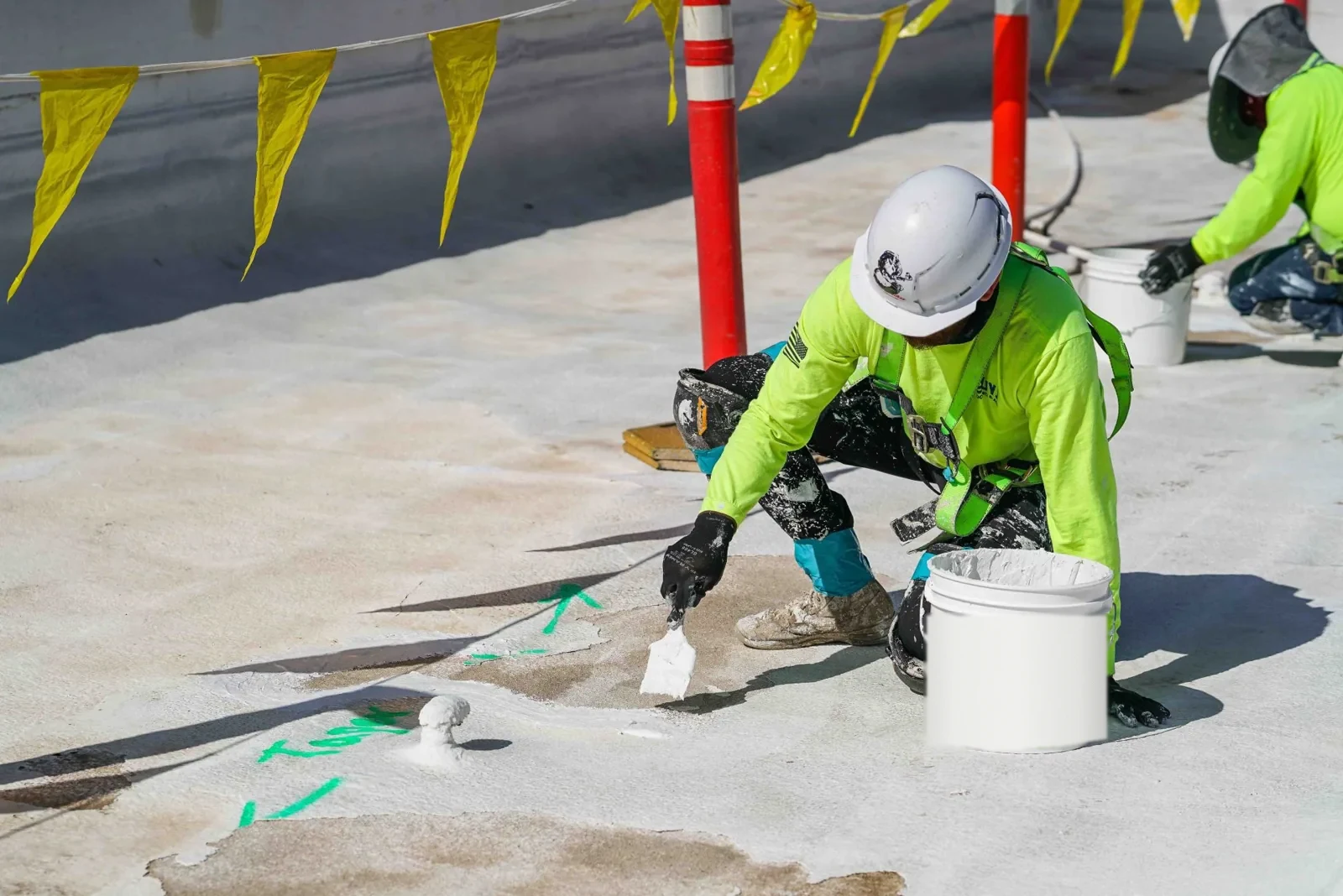
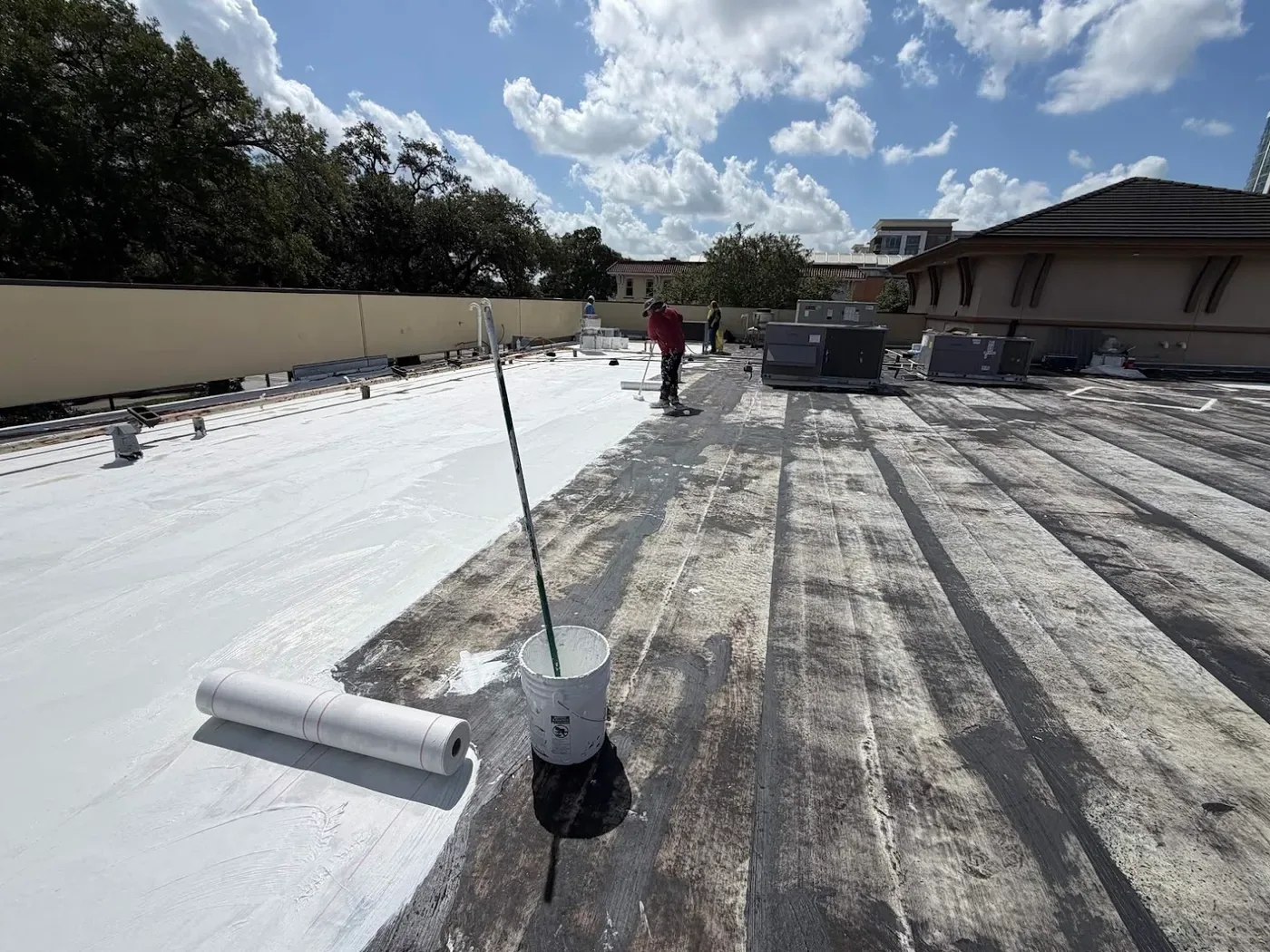
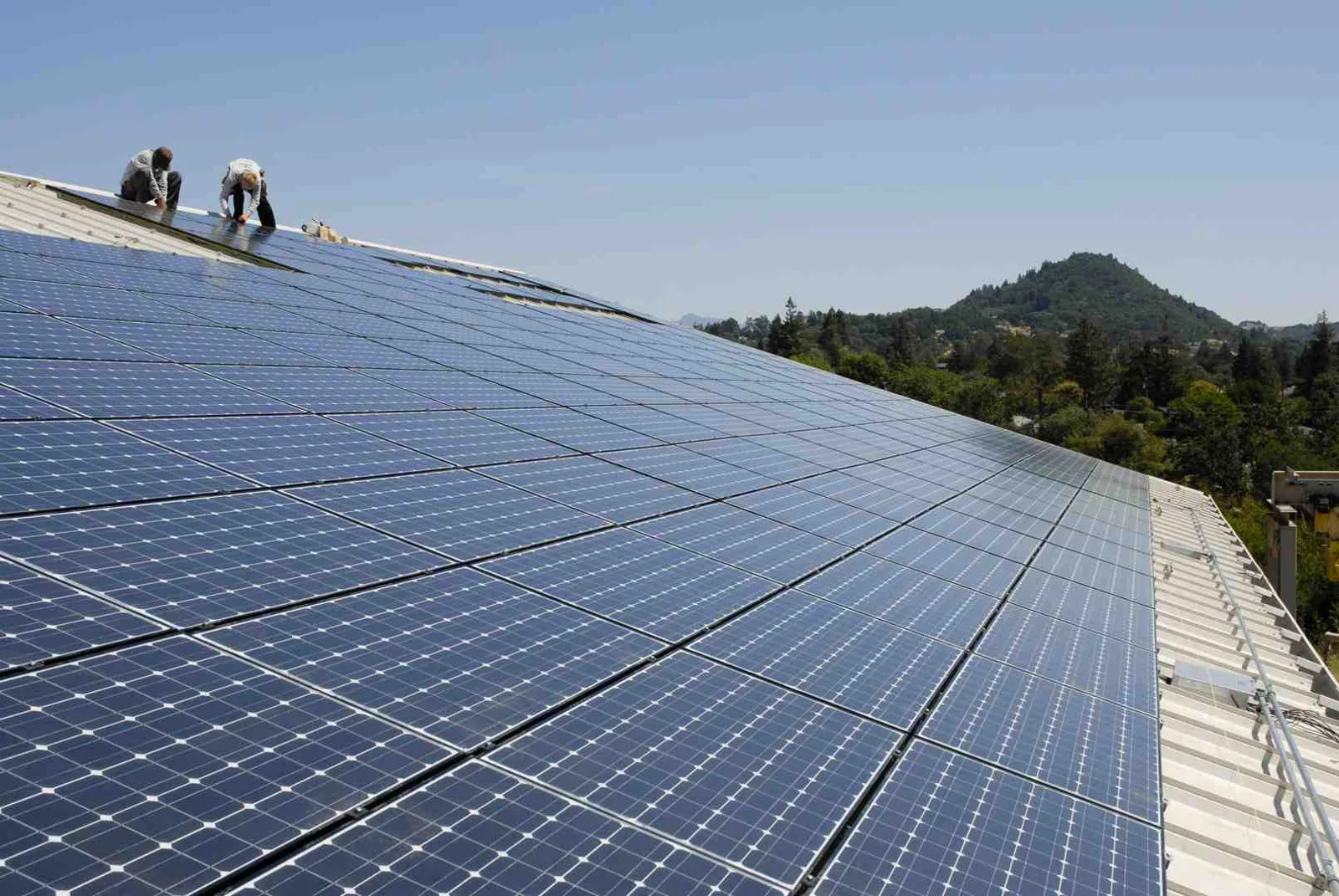
Where the existing layers remain suitable, a roof recover assessment checks moisture, attachment, load, and edge height before another assembly is considered. Coating work also needs a test area and verified substrate. A surface treatment does not resolve trapped water or loose material below it.
Central Texas heat can narrow installation windows, while hail and severe spring storms can leave impact marks that need separate documentation. We record the visible condition rather than assigning damage from a storm date. Before removal, the crew sets the daily opening, temporary tie-in, drain protection, and dry-in limit.
A phased occupied-building sequence can coordinate roof work with tenant access, deliveries, and equipment. For evidence after a storm, claim documentation pairs photos and roof zones with observed conditions. The owner and general contractor receive a clear hold point before concealed work expands.
Closeout identifies the completed area, material and detail repaired, unresolved tests, and any excluded zone. For multi-building programs, a roof condition report gives each property its own map and photo record. That keeps a finding at NorthPark35 from being treated as a condition at Berry Creek Business Park.
Send the building location, roof plan, reported issue, access window, and general-contractor contact. We confirm the access route and first work boundary before mobilization.
Yes. We protect the active opening when access and weather allow, then document the repair limit and any adjacent condition that still needs review.
Widespread wet insulation, recurring failures, unstable attachment, or deck damage can change the decision. We show the test result or observation behind that change.
No. We inspect the actual membrane, metal, seams, and flashings. The report records physical conditions found on the property, not the storm date alone.
A roof plan, access window, known leak areas, operating limits, and the field contact help us set the route, staging, and first work boundary.