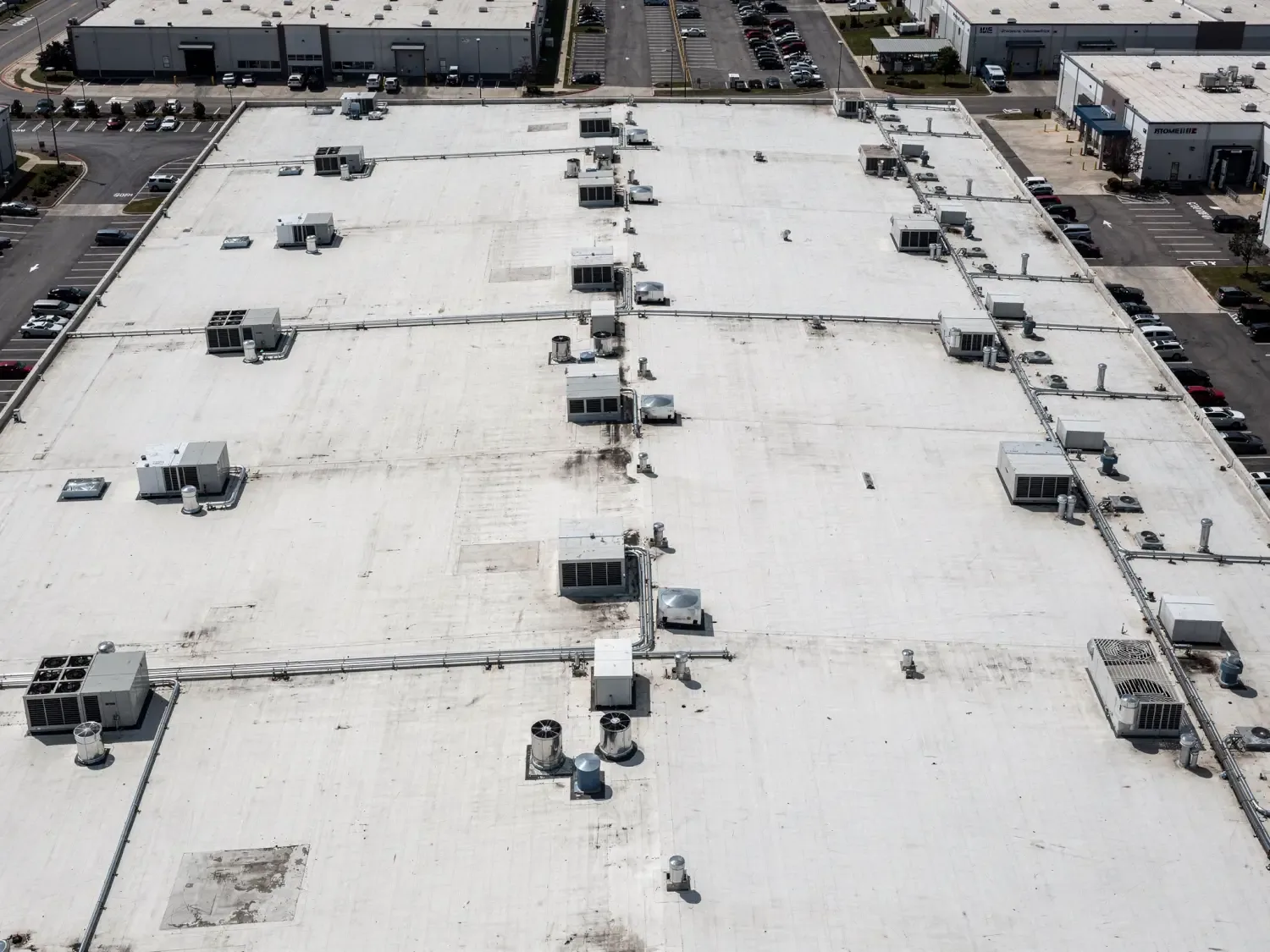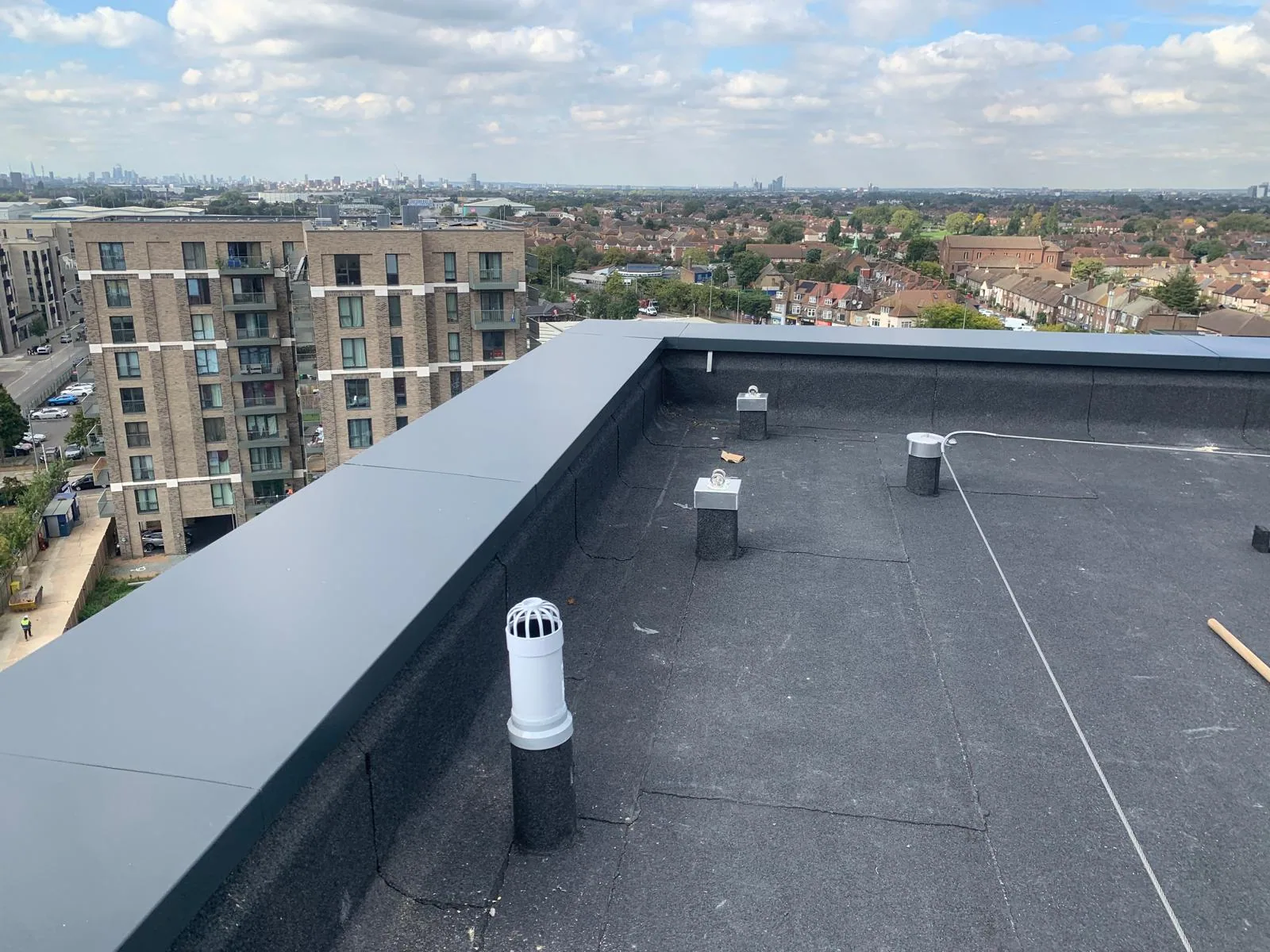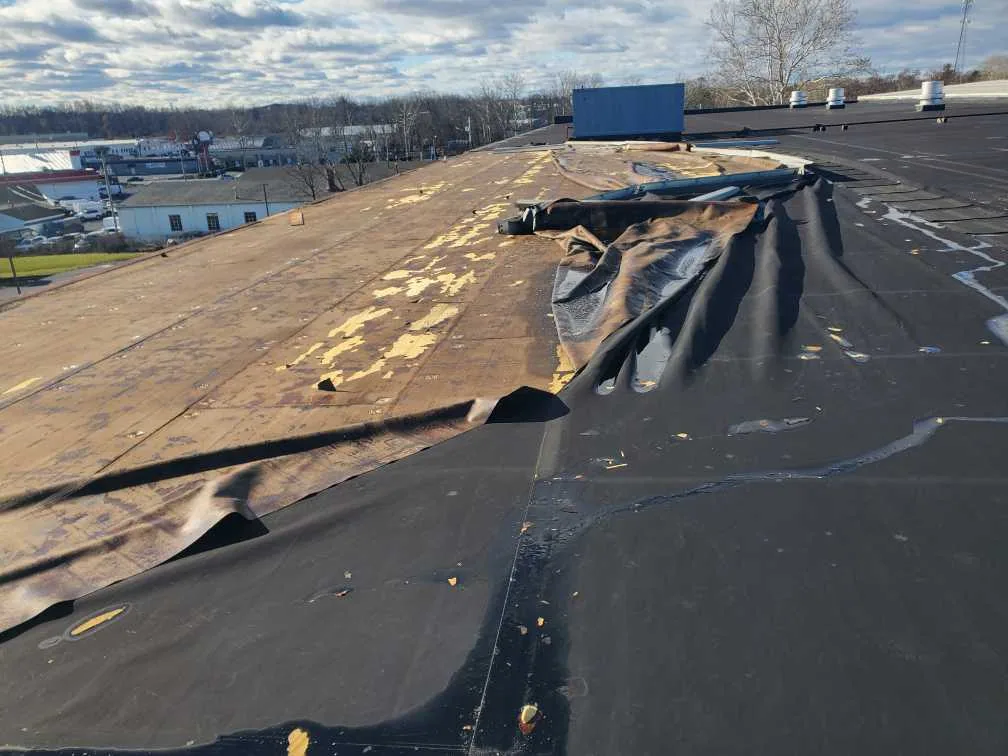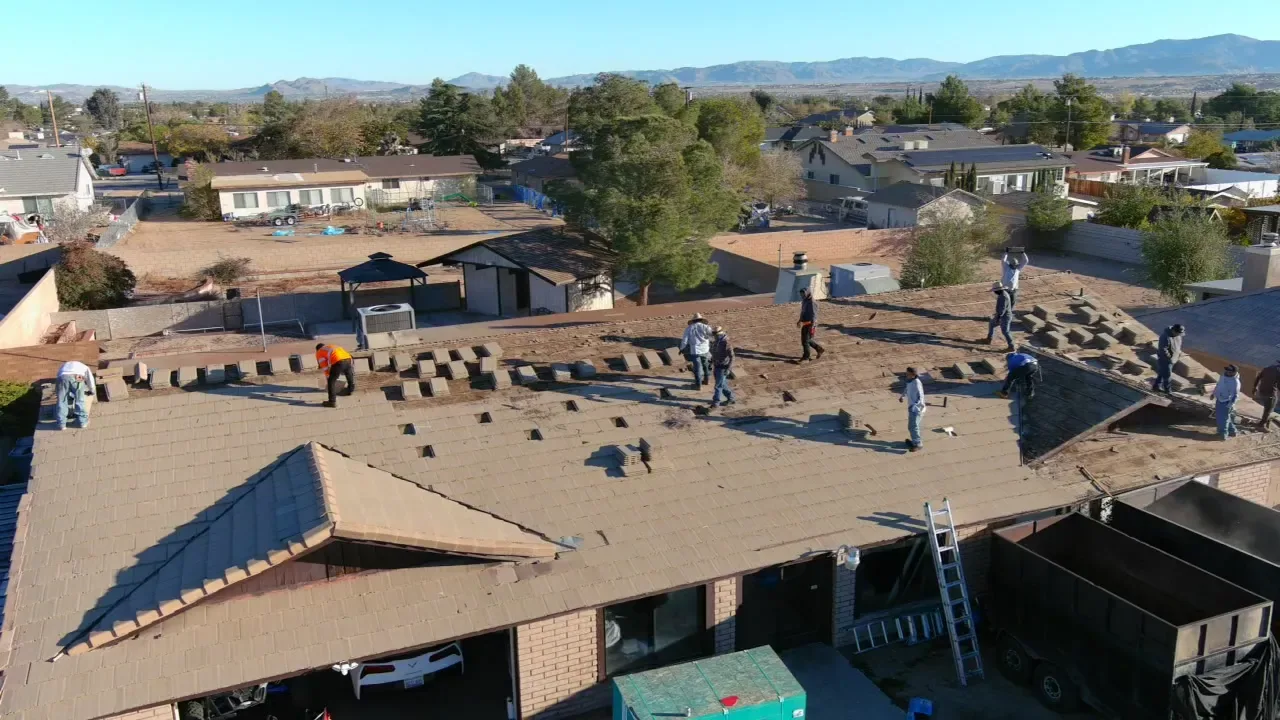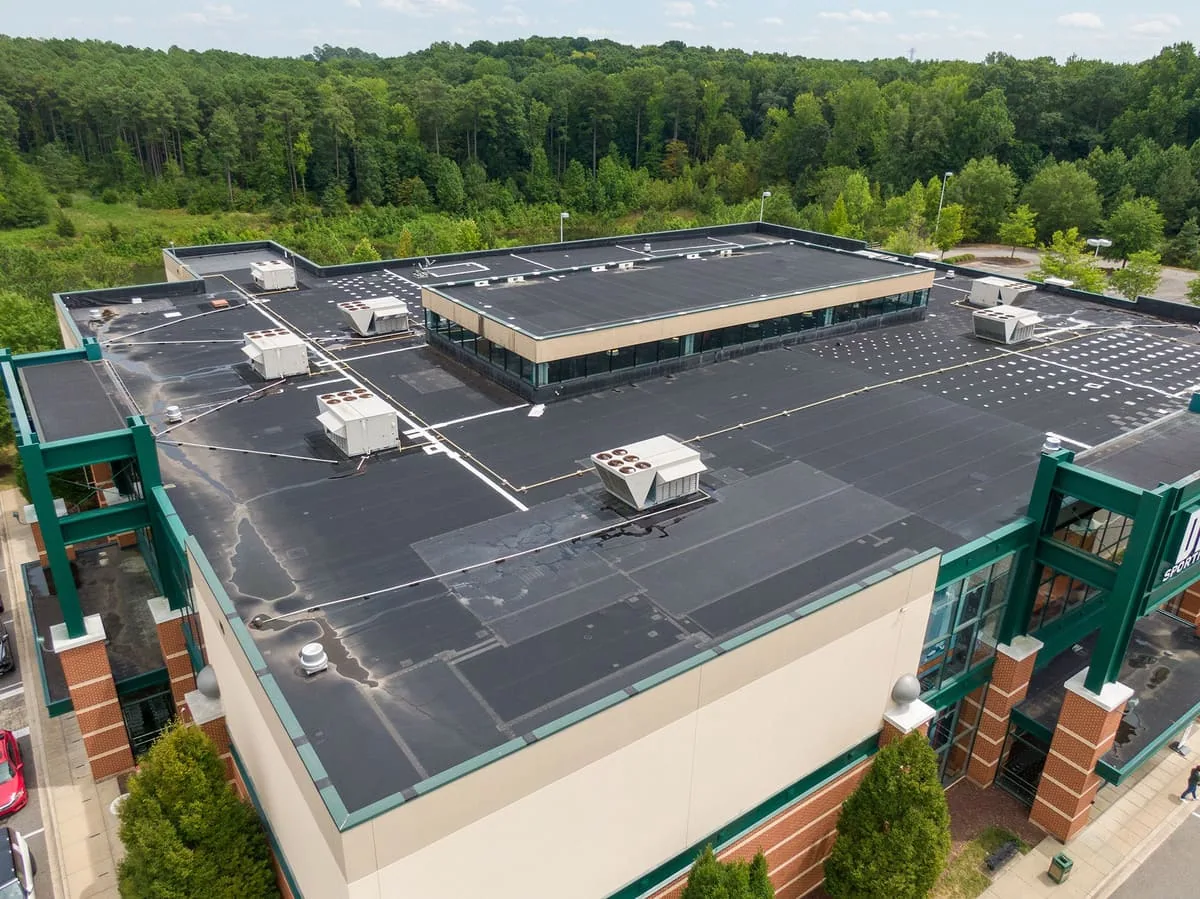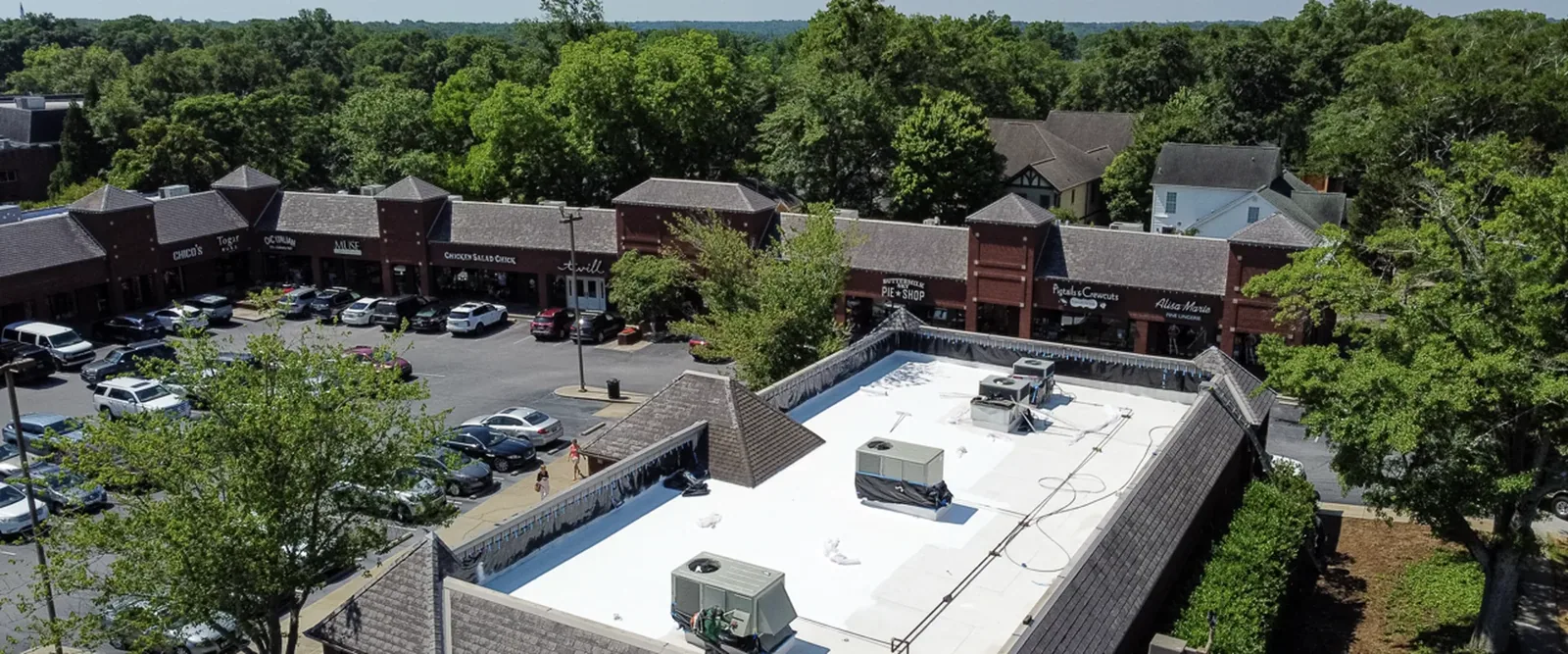

A wet ceiling can hide the roof opening that matters to a claim file. We start with a safe roof walk and mark each visible condition by section. Photos show the detail and its location. Then we separate emergency protection, confirmed repair, and questions that need another inspection.
The National Weather Service documented a 2022 tornado track from near Round Rock across Williamson County toward Granger. Hail reports also cover the Austin forecast area. Those events give local context, not proof of damage at a specific Georgetown property. We record the roof condition and inspection date. The insurer or its representative makes the coverage decision.
We confirm the building, roof zones, access route, known leaks, and person coordinating the review. The roof plan becomes the index for photographs and measurements. Each image gets a section reference and a short description. We record whether a condition is open, displaced, punctured, stained, or under review.
For a multi-building facility near NorthPark35 or Georgetown Logistics Park, records need a separate label for each roof and elevation. City materials describe industrial activity in both areas. We inspect the visible roof system, map confirmed damage, and record access limits for each building. A commercial roof inspection can set the baseline before claim-related repair is scoped.
Interior photos help when water has entered a tenant or work area. We note the room, approximate time reported, and visible effect. The roof opening may be elsewhere. We compare the interior observation with the exterior route without claiming a cause until the evidence supports it. Any concealed area remains a question for follow-up. We keep original photographs and Diligence Notes with the inspection date. If a later visit changes a finding, the new entry references the earlier roof zone instead of replacing its record. That chronology helps explain what the first crew could see, what was protected, and which area was opened after authorization.
Weather records can establish that a regional storm occurred. They cannot establish the condition of a roof. The inspection records visible damage, ordinary wear, earlier repairs, and details that could not be reached. We photograph metal dents, loose edge pieces, split flashing, open seams, and damaged rooftop components as separate observations.
Georgetown's summer heat can affect sealants and the time available for repairs. Hail and tornado exposure increase the value of a dated inspection after a reported event. We use the event information to frame timing, then tie every claim-related item to the roof map. A storm repair scope can define immediate work. A hail assessment or tornado damage review can organize the related roof findings.
Do not discard damaged materials or conceal a detail before it is documented if a claim review is pending. When immediate protection is needed, photograph the condition first when safe, then record the temporary work and what it covered. We can preserve that sequence in the job record.
A useful repair estimate identifies roof sections, materials, quantities, preparation, access needs, and the work boundary. It separates temporary dry-in from permanent repair. It also states what is excluded, such as concealed insulation or deck work that cannot be verified before opening the roof. Those limits help keep claim documentation tied to observable conditions.
When an adjuster estimate and field scope use different quantities, compare them at the same roof zone and access assumptions. Record the evidence behind the difference so the parties can discuss it without predicting the insurer’s coverage decision.
The FM 971 corridor links Georgetown's two highway spines and serves a mix of business and community uses. At a building along the route, delivery windows and site operations set how a repair crew reaches the roof. The property's own access rules set the work plan. We identify staging, protection below, weather holds, and the person who can approve added scope.
If the roof has multiple systems or prior patches, we record what is confirmed and what needs testing. A moisture survey may locate areas for further review, but it does not alone prove wet insulation. The estimate can hold those areas for targeted testing. We list test locations, access equipment, and any interior protection required before opening the roof. These items affect labor and schedule. A clear scope separates confirmed repair quantities from pending investigation so the general contractor can coordinate the next decision without treating an allowance as completed work. A temporary dry-in can protect an active opening while the claim file is assembled.
We organize dated photos, roof-map marks, inspection notes, repair estimates, and temporary-work records in one sequence. The file shows which item is completed, which remains open, and which requires review by an adjuster, engineer, or another trade. We can walk the findings with the general contractor and identify each approval hold point. We label each photograph with the same roof-zone code used in the estimate. A consistent index makes later review faster.
Georgetown's downtown district includes commercial, residential, county, and municipal uses around the courthouse square. In that setting, interior access, tenant communication, and staging may need separate coordination. We confirm the affected rooms and roof zones with the property contact. The record avoids treating an entire building as one undifferentiated claim area.
Repair decisions may depend on material availability, weather, access, and hidden conditions. We update the scope when an approved opening reveals new information. A condition report can preserve the wider roof status, while the repair scope tracks the agreed work. Documentation supports review. It does not promise payment or replace the policy terms.
At closeout, we add photographs of the completed repair, material and preparation notes, and any work left outside the approved boundary. We note whether temporary protection was removed or remains in place. If the repair uncovered wet material or a deck concern, the file records the location and the decision made at the hold point.
Keep the claim record with the roof map and future maintenance notes. A later inspection can distinguish new damage from a condition already documented. For sites around NorthPark35 or FM 971, clear roof-zone labels help contractors return to the same area despite different access paths.
Send the roof area, event date if known, access window, and general-contractor contact. We can document the conditions, prepare a repair scope, and identify follow-up questions. For active water entry outside normal hours, response is available every day, including holidays.
We can document visible conditions, roof locations, photographs, measurements, temporary protection, and a repair estimate. The record distinguishes observed damage from areas needing further review.
A regional report provides weather context. The roof inspection must establish conditions at the property. We do not infer building damage from a storm track or hail report alone.
No. We describe roof conditions and repair work. The insurer and policy documents govern coverage decisions. Our estimate does not promise payment or establish policy terms.
Yes. We photograph the opening when safe, record the temporary materials and location, and keep that protection distinct from the permanent repair scope.
Provide the roof plan, access rules, leak locations, event date if known, interior observations, and current project contact. Those details help set the inspection route and work boundary.