A damp mark beside a refrigeration curb can point to more than one roof condition. We inspect flashing and the adjacent seam, then compare the roof with the interior report. The map marks the test area and hold point. Cold storage has a demanding temperature boundary. Georgetown heat adds load to the exterior assembly. We check both sides before defining repair.
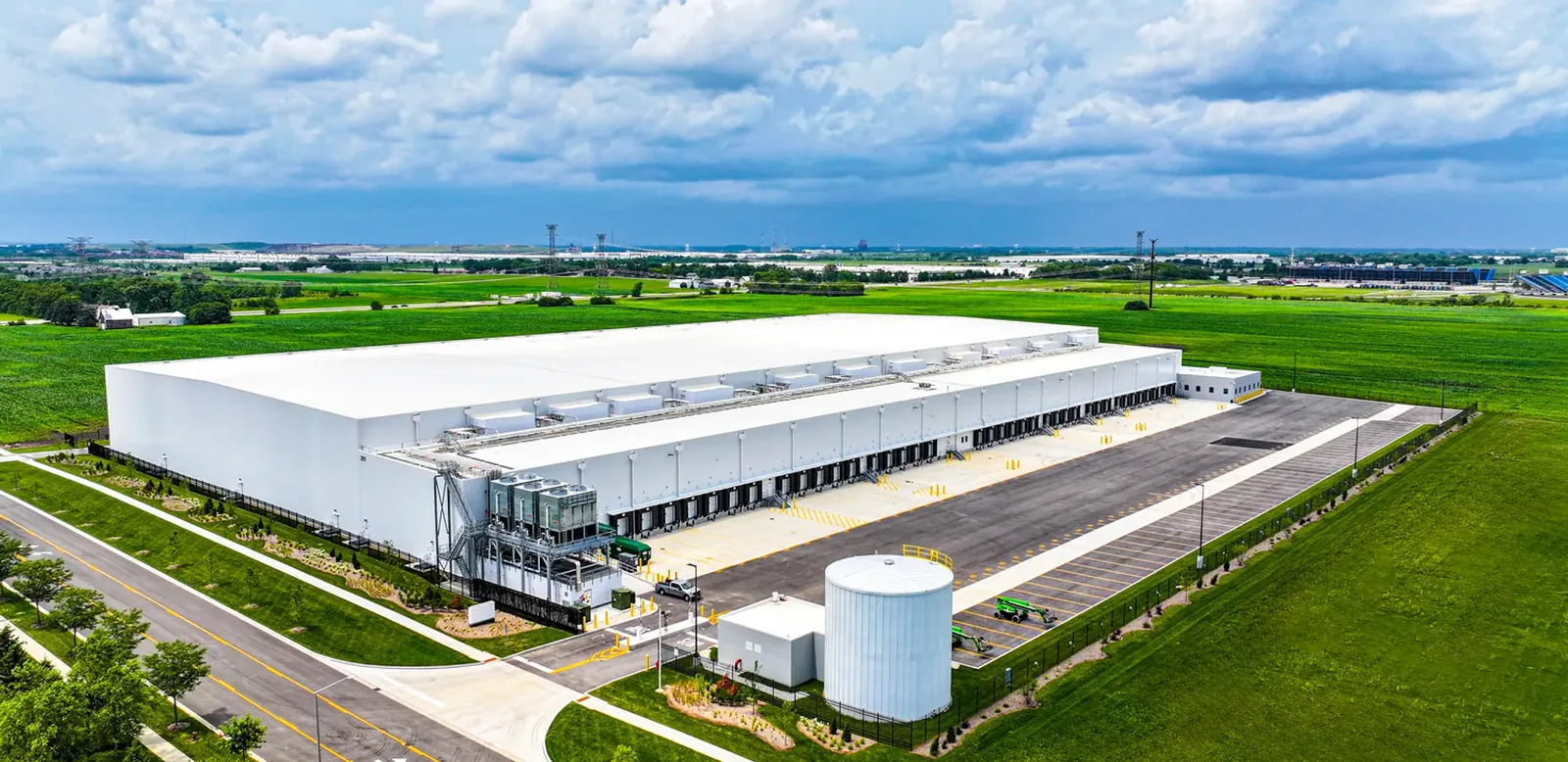
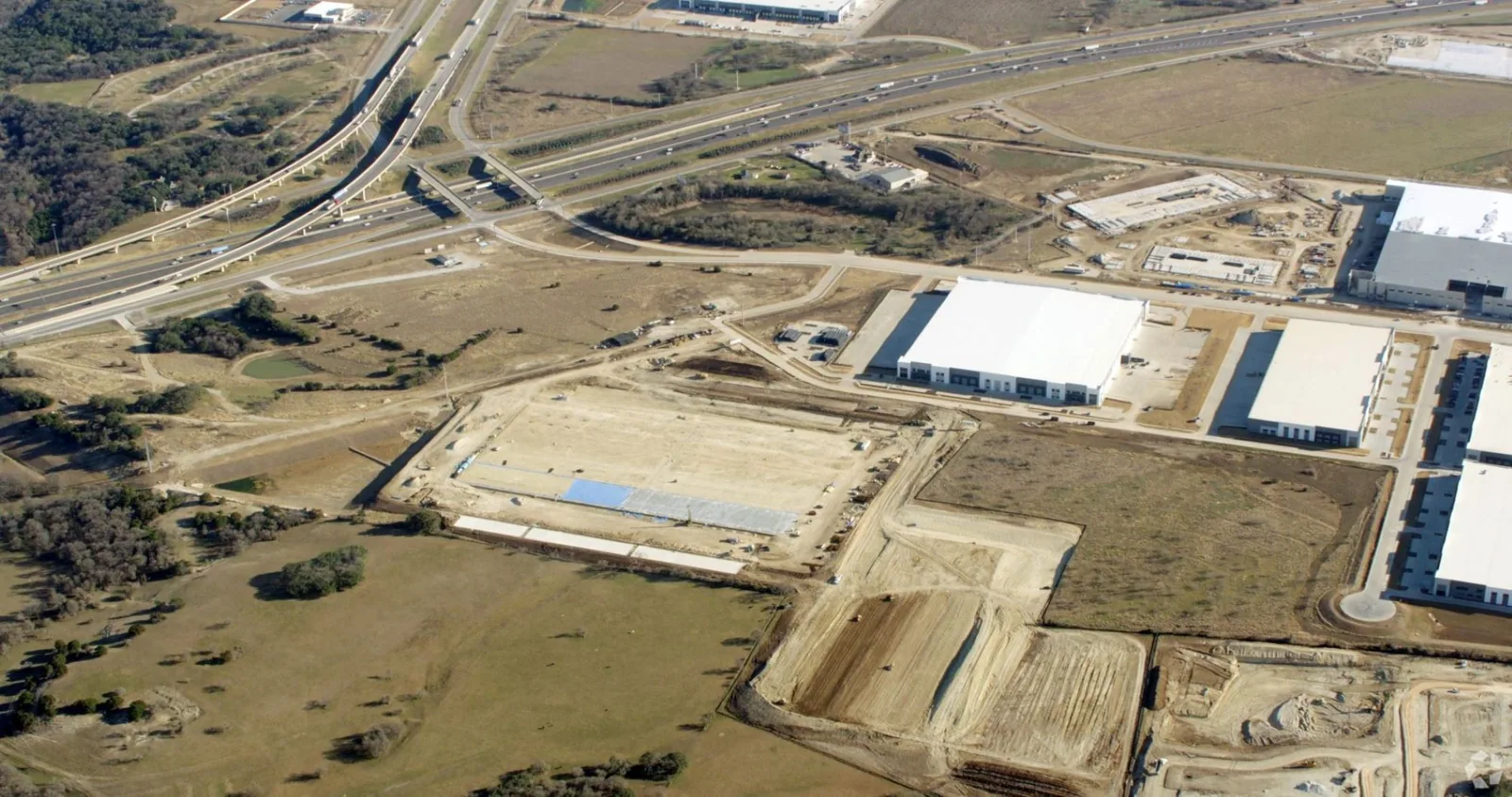
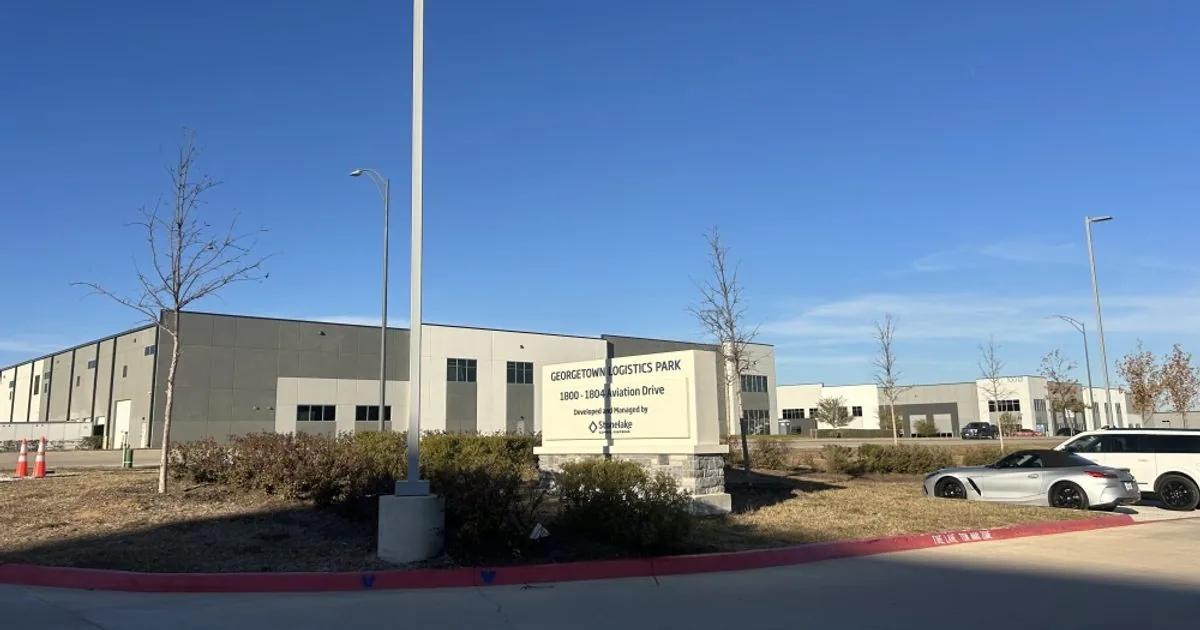
Cold rooms, freezer zones, loading areas, and offices may sit beneath one roof but operate differently. We confirm the layout and access limits with the facility contact. NorthPark35 and Georgetown Logistics Park are part of Georgetown's industrial growth. The building's records and field conditions determine the work.
A cold interior can make a small air leak or failed seal more consequential. We inspect roof penetrations, pipe supports, refrigeration curbs, joints, and perimeter transitions. We look for condensation staining, frost evidence, wet insulation, or corrosion, then separate observations from suspected causes. The report records where the condition appears and what access was available.
Interior signs do not always sit directly below the roof opening. Air movement, deck flutes, and insulation layers can carry moisture away from the entry point. We compare the reported area with the roof above, inspect nearby details, and map possible paths. If a test opening is authorized, we record each exposed layer before closing it. A suspected condition does not become a confirmed finding until field evidence supports it.
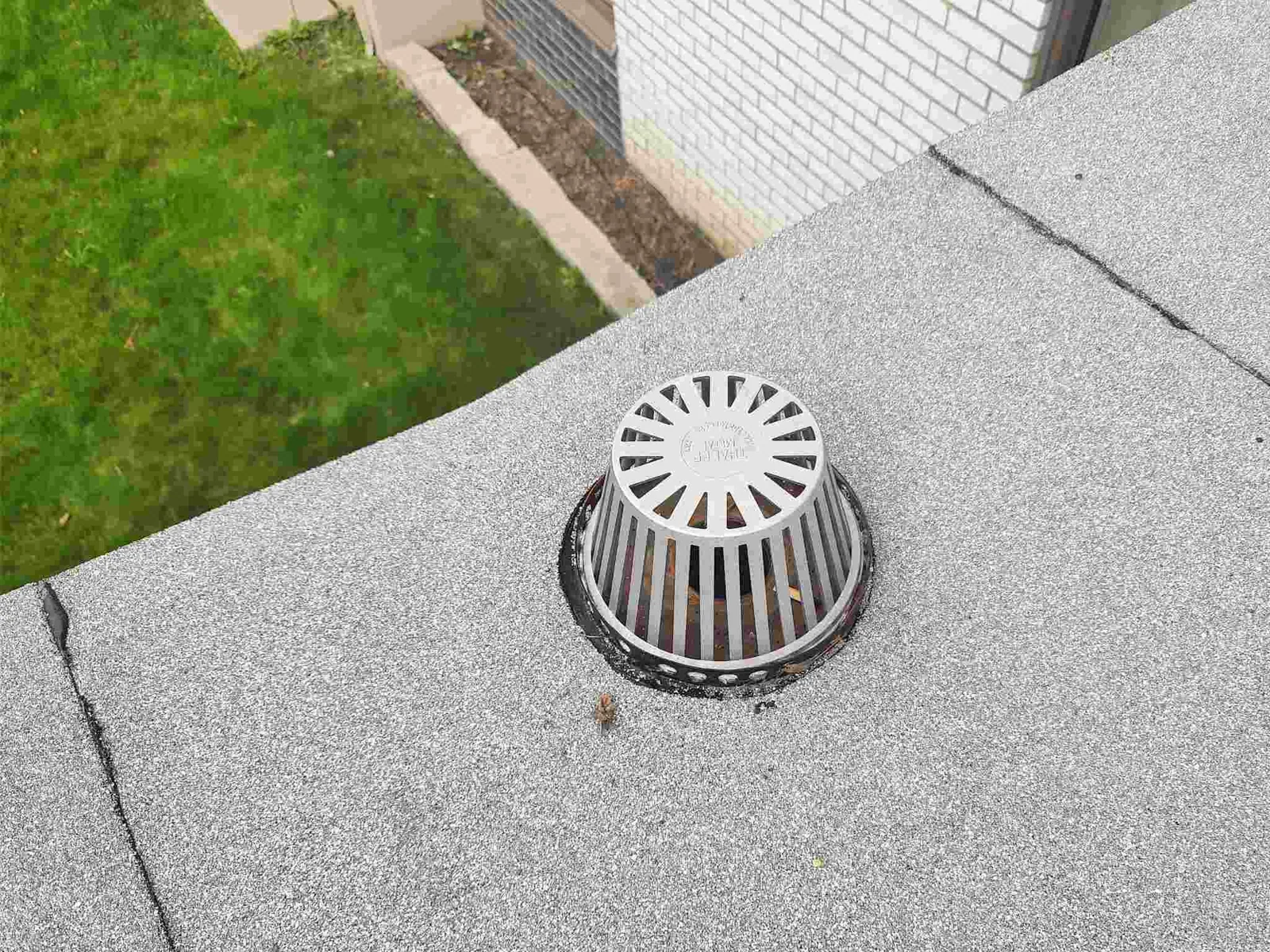
Drainage remains part of the inspection. We check outlets, scuppers, gutters, and roof areas where water may stay against curbs or walls. Ponding can stress seams and complicate access for service technicians. We photograph blockage and visible deterioration separately. A dedicated drain review can set a repair limit around the outlet and surrounding membrane.
Cold-storage assemblies can include insulation, vapor-control components, cover board, membrane, and deck. The exact build-up depends on the facility and past work. We identify visible layers and review available drawings before recommending removal or another roof layer. If the assembly is undocumented, a test cut may be needed to verify what sits below the surface.
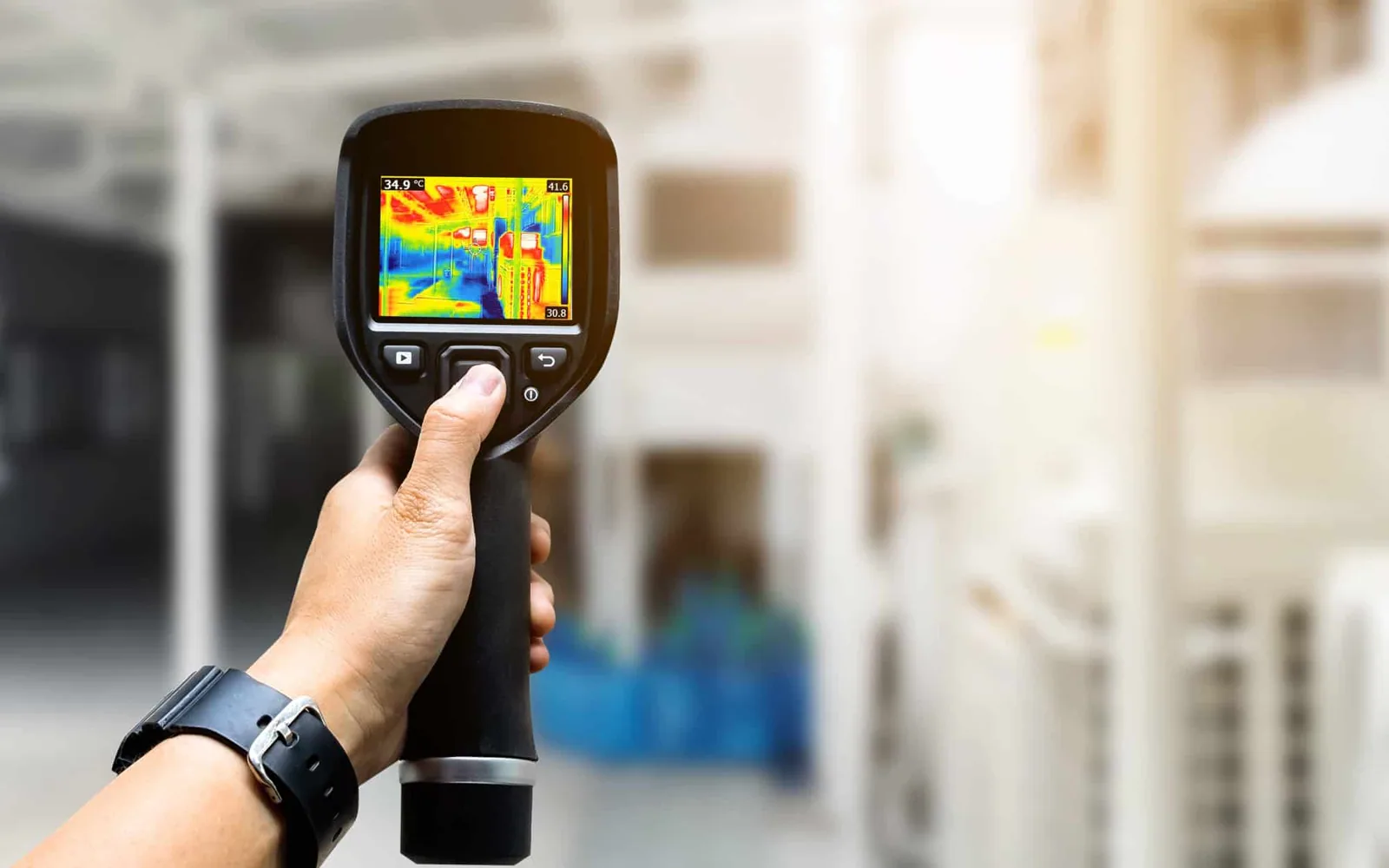
Moisture testing needs care. An infrared scan can flag temperature patterns, but a cold room, operating equipment, or changing indoor conditions can also affect the image. We compare suspicious areas with references and confirm with an authorized opening or other suitable method. Wet insulation, failed vapor control, and condensation from a mechanical system require different decisions. The report labels what is confirmed and what needs another trade to review.
A localized flashing defect may support a repair if the surrounding membrane and insulation are sound. A broad wet area or repeated leaks can point to an assembly problem. We identify a hold point before covering concealed materials. A moisture survey can guide testing, while a warehouse roof review may have simpler thermal boundaries than a freezer building.
A refrigerated interior meets Georgetown's summer roof heat across the same assembly. The Georgetown station records summer highs commonly in the 90s and several recent readings above 100°F. That heat makes vapor control, insulation continuity, and penetrations worth checking. We inspect for separation or moisture before assigning a cause.
NOAA and NWS records include large-hail reports across the Austin-San Antonio forecast area, including Round Rock. We use the regional record to time an inspection, then check edge metal, curbs, lines, and membrane for visible impact or ordinary wear. Georgetown roof conditions still need to be confirmed at the property.
Heat and storm timing affect repair methods and daily work limits. Product instructions govern installation temperature and substrate condition. We set a safe opening size, temporary tie-in, and dry-in point before removing material. Cold rooms also require coordination if the opening could affect product protection or ventilation. The facility contact sets those limits before mobilization.
We identify which storage zones, loading doors, refrigeration lines, and rooftop units must stay protected. The general contractor and facility lead confirm roof access, material staging, delivery windows, and any sanitation or temperature-control procedures that affect work. Roof crews do not move refrigeration equipment or change system controls. Those items stay with the responsible mechanical trade.
For a larger repair, we divide work into sections that can be safely exposed, inspected, and dried in. The sequence includes removal, deck review, insulation, vapor-control repair where specified, membrane, flashing, and closeout. Each section has an inspection hold point before it is covered. If exposed conditions differ from the plan, we photograph them, protect the opening, and ask for direction before expanding the boundary.
Timing depends on the assembly, removal depth, deck condition, curb count, staging, and operating restrictions. Work near freezer access may require shorter windows or coordination around loading. A phased roof plan can define those handoffs. A distribution center may share dock pressures, but cold-room temperature control adds separate sequencing questions.
A surface patch can close a split seam, but it will not correct wet insulation or a failed vapor detail beneath it. We locate the defect, inspect surrounding materials, and choose compatible work. If evidence points to mechanical condensation, we coordinate with the equipment contractor before assigning roof scope. The work record separates roofing from other systems.
Replacement planning reviews insulation thickness, vapor-control continuity, drainage, deck, perimeter height, and curb transitions. A replacement evaluation documents layers removed and the approved build-up. The new design must address the cold-side vapor boundary as well as exterior water shedding.
Another layer is not a remedy for a hidden moisture problem. We check attachment, load, transition height, and insulation condition before considering recovery. Georgetown's adopted code for existing-building changes is IEBC 2021; Texas commercial energy guidance references IECC 2015, subject to local amendments. The permit documents govern the project detail.
Closeout records completed roof zones, exposed conditions, test openings, repairs, and details left for another trade. Photos tie each item to a fixed reference. We list areas inspected and access limits. The facility lead can use the record to plan refrigeration work without assuming a curb or pipe penetration was in the roofing scope.
Georgetown's industrial development near I-35 and SH 130 includes NorthPark35 and Georgetown Logistics Park. For a cold-storage roof, we record the assembly, refrigeration details, test results, and mechanical follow-up confirmed at the inspected property.
Send the roof plan, temperature zones, known condensation or leak locations, refrigeration contact, and access window. We can set the walk, identify test areas, and agree on hold points. For water entry outside normal hours, call for immediate containment; permanent work follows the verified condition and approved scope.
Yes. Interior temperature patterns, mechanical operation, vapor-control details, and roof leaks can affect the same area. We compare interior signs with roof conditions and confirm suspect layers before assigning cause.
No. It highlights temperature differences for closer testing. We compare readings with reference areas and use an authorized test opening or other suitable verification before setting removal quantities.
We coordinate the opening size, work window, access, and temporary dry-in with the facility lead and general contractor. The facility identifies product-protection procedures and temperature-sensitive zones before mobilization.
Possibly, if the assembly is dry, stable, and acceptable under project requirements. Moisture, vapor-control failure, attachment, loading, and curb height must be checked before another layer is considered.
Include roof zones, confirmed moisture findings, test openings, repaired curbs and seams, areas not inspected, and any mechanical follow-up. The record should distinguish roofing work from refrigeration-system work.