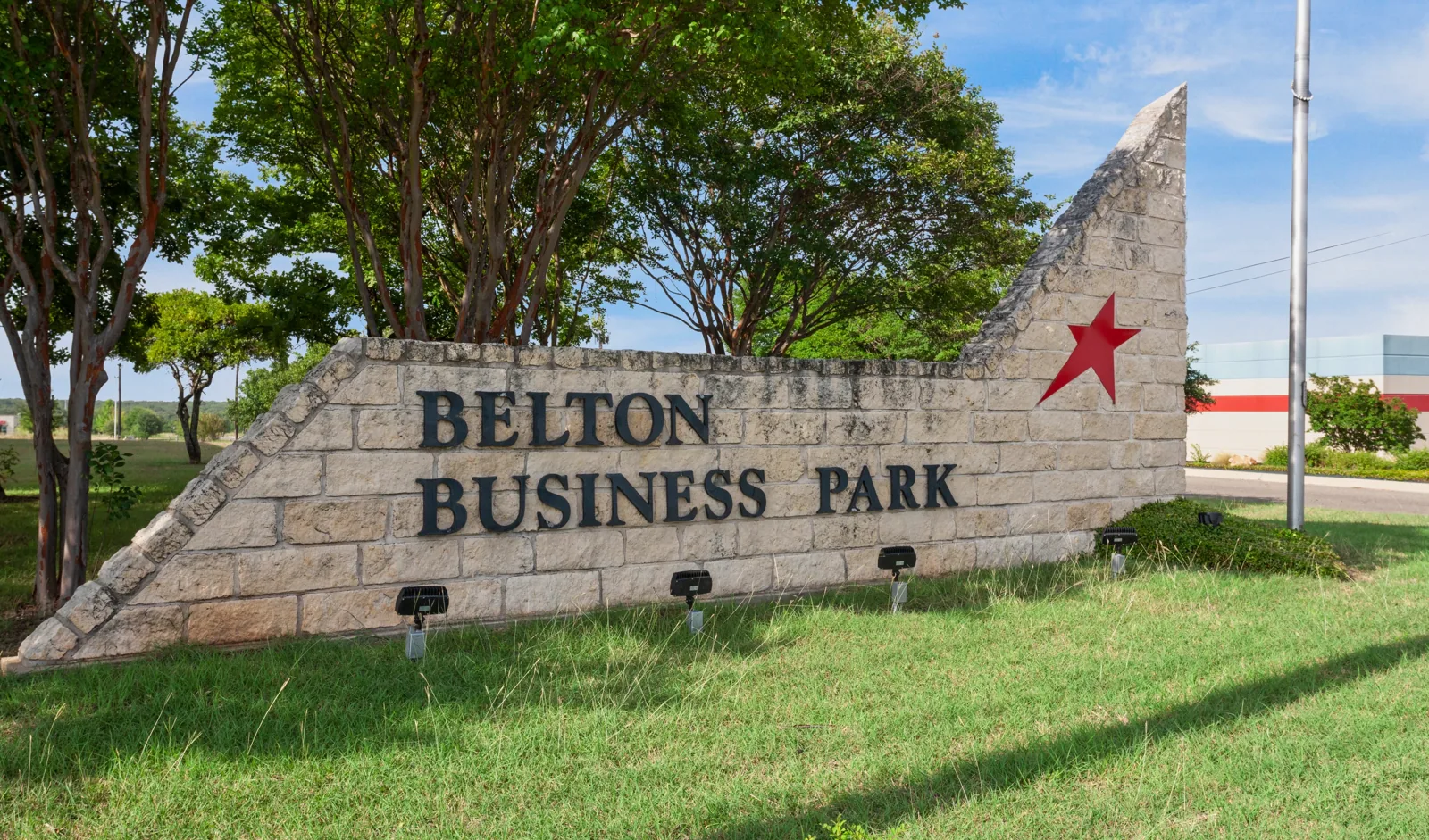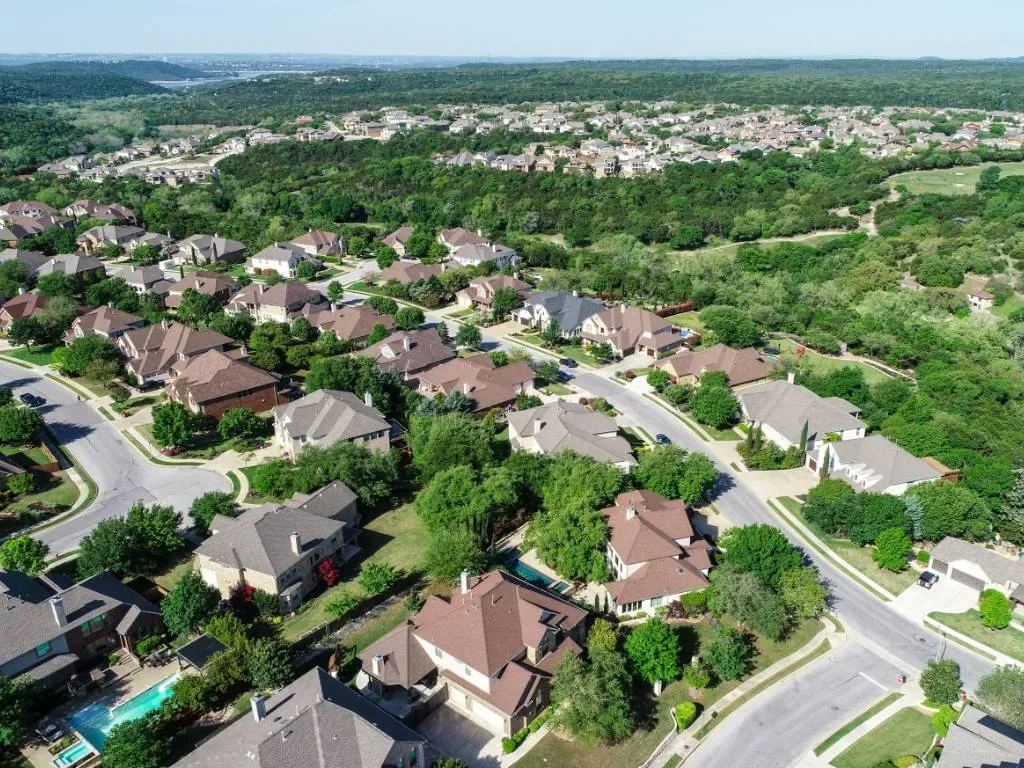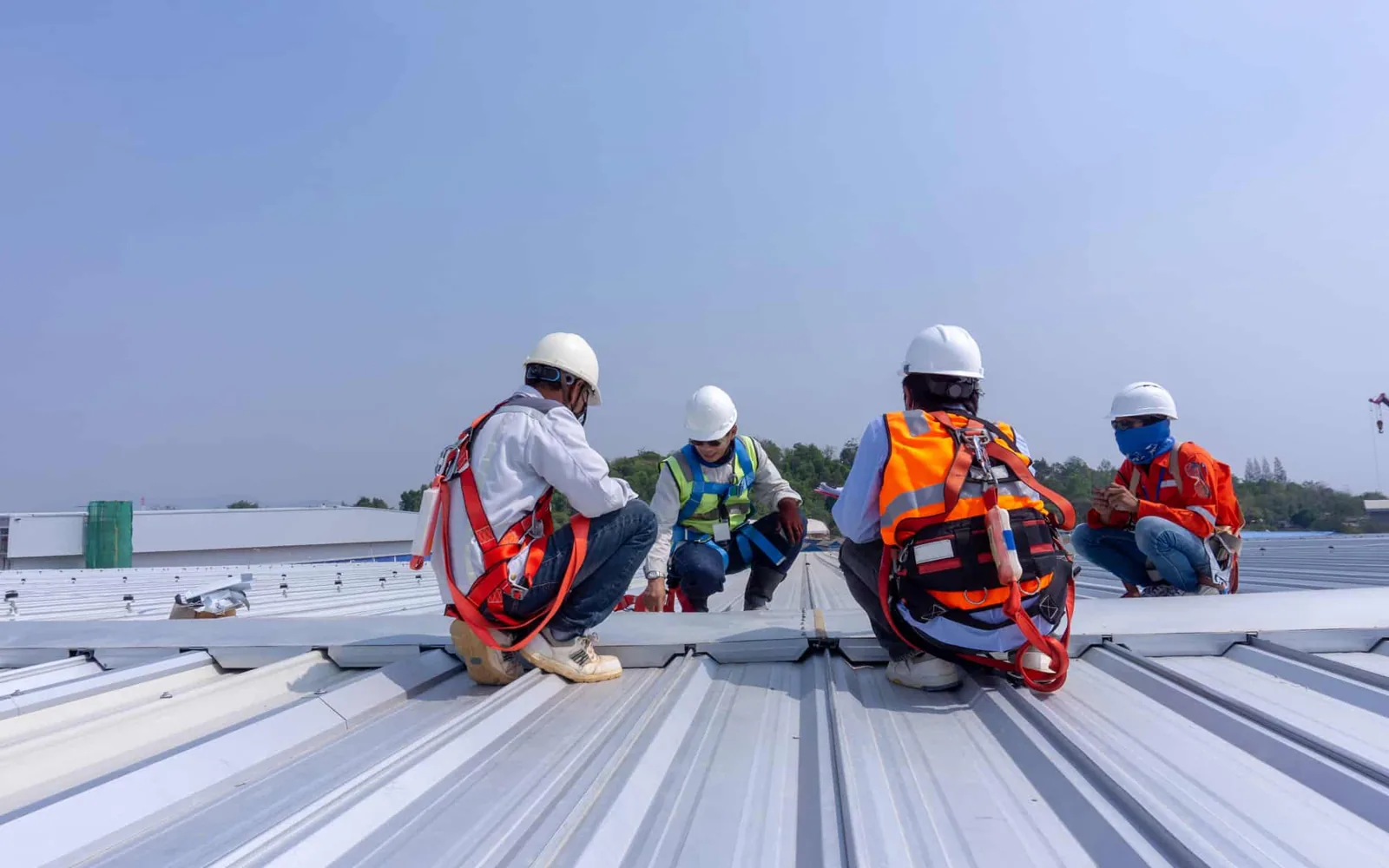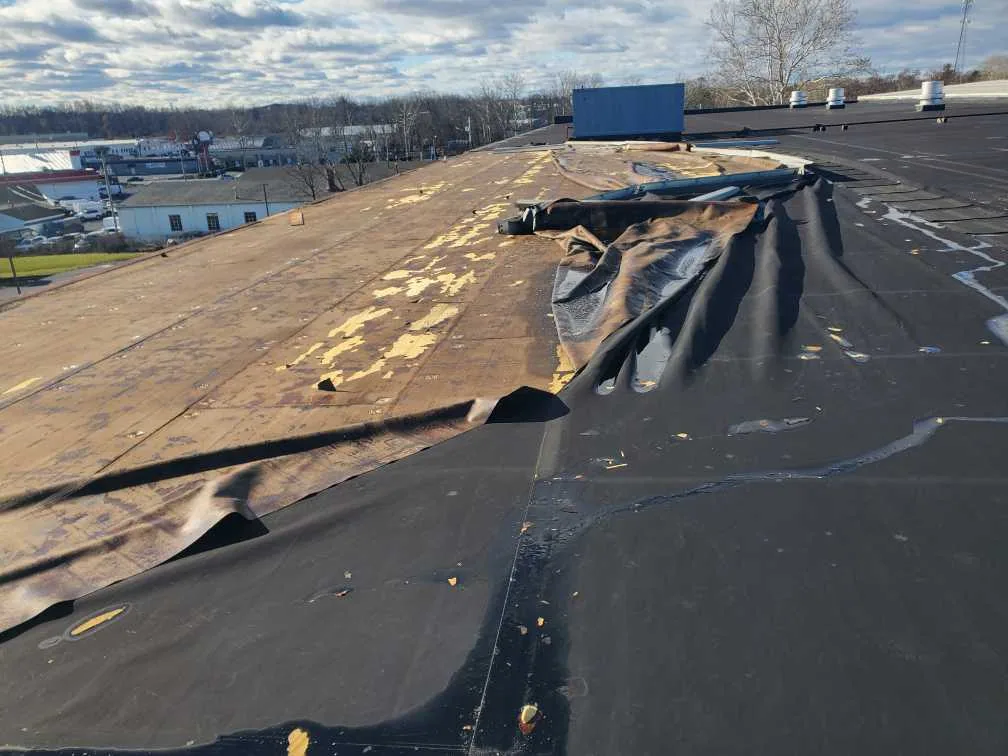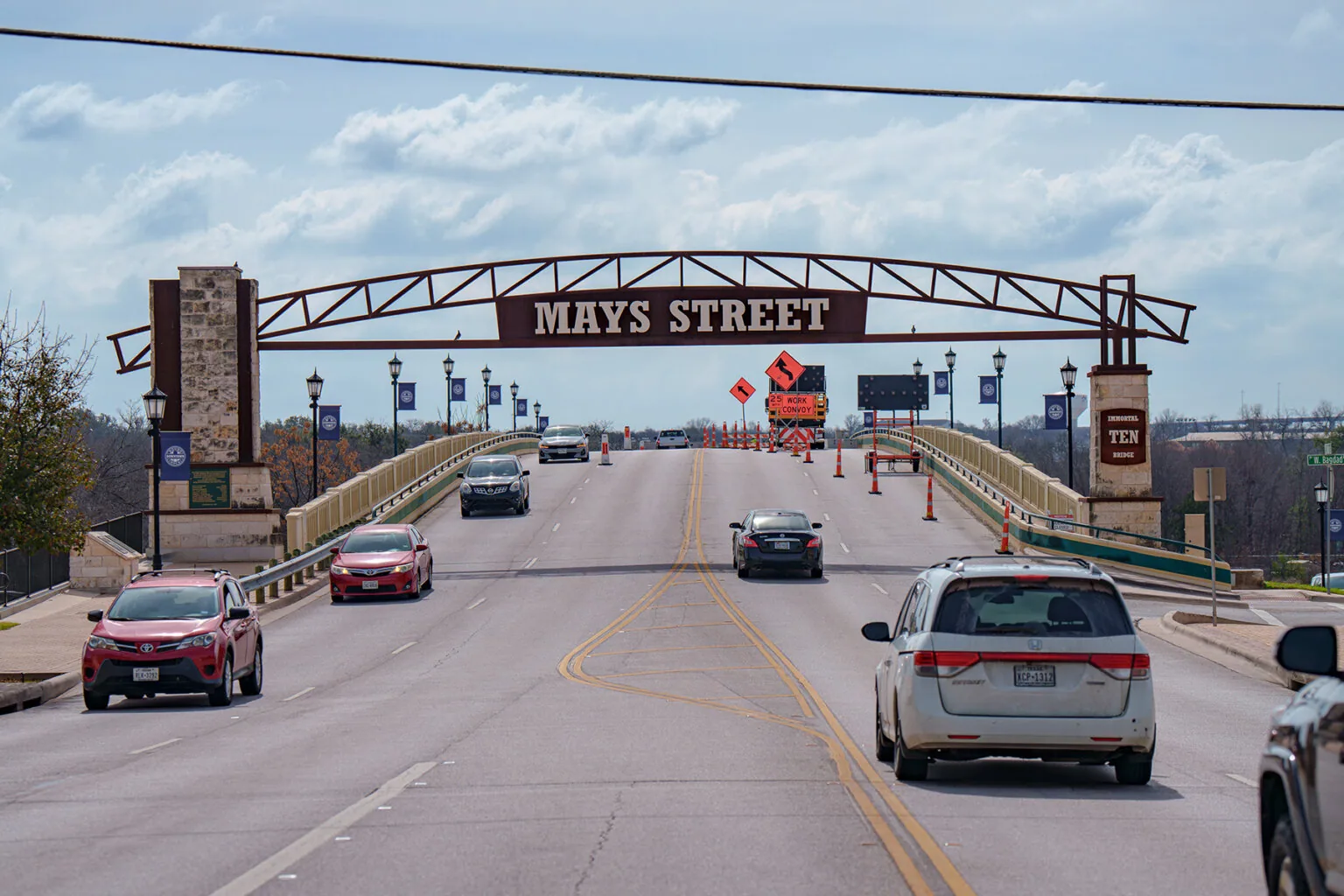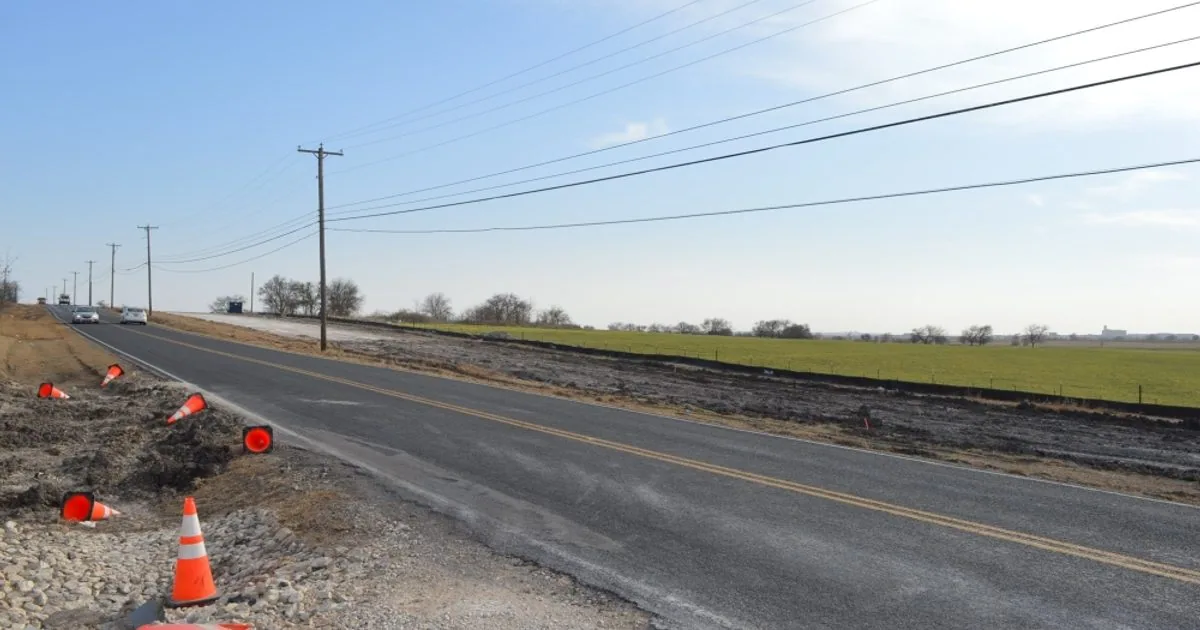
Loose edges and open curb joints on commercial properties near Westinghouse Road set the first inspection point. We trace the seam, check attachment, and mark the limit on a roof map. The Mays Street extension connects Round Rock with Westinghouse Road and southeast Georgetown, supporting commercial and office development. The property and roof condition still decide the work scope.
Georgetown, TX, has commercial activity across manufacturing, aerospace, retail, entertainment, and restaurants. The Westinghouse Road corridor is part of that southeast commercial connection. We start with the building access route, reported leak, roof system where visible, and any operating limits. A commercial roof inspection records the condition before we recommend repair or broader work.
The first visit needs an approved roof access point, a site contact, and a route that does not cross an active loading or tenant area without coordination. We mark the ladder or hatch, travel path, restricted zones, and equipment clearances. Those details matter along a corridor connecting city areas, but they remain specific to each property.
The corridor can help coordinate a site visit from either side of the city boundary, but it does not establish roof type or condition. The owner’s roof plan, entry rules, and reported issue set the walk. We identify a staging point before carrying tools or materials onto the building.
At a multi-tenant commercial property, work may affect deliveries, customer entries, or rooftop equipment service. We confirm those constraints with the general contractor and property contact. If interior access is needed to trace a leak, schedule it before the crew starts. An unavailable room or locked roof area remains an explicit inspection limit rather than a presumed sound condition.
At a reported leak, begin near the interior mark, then inspect the roof area above and uphill. Water can travel along a deck, insulation joint, curb, or membrane lap. We check drains, seams, wall transitions, penetrations, and edge metal that connect to the path. The map distinguishes observed opening from suspected travel route.
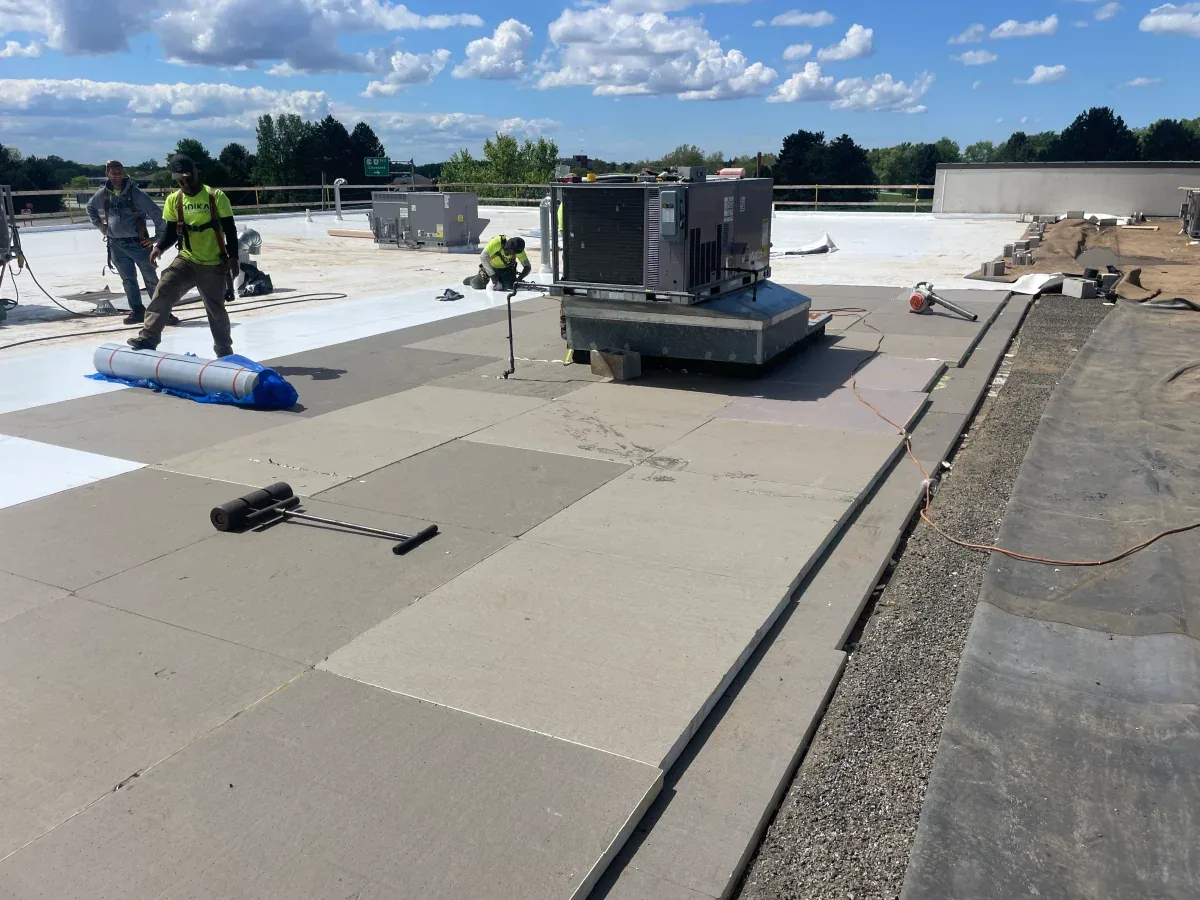
On low-slope systems, inspect the membrane and its details as separate parts of the assembly. A loose lap may need a compatible seam repair. A curb corner may need new flashing. A slow outlet may need cleaning or a bowl connection repair. We photograph each finding with enough context to locate it later. The drain review records the outlet, ring, and adjoining membrane when drainage is involved.
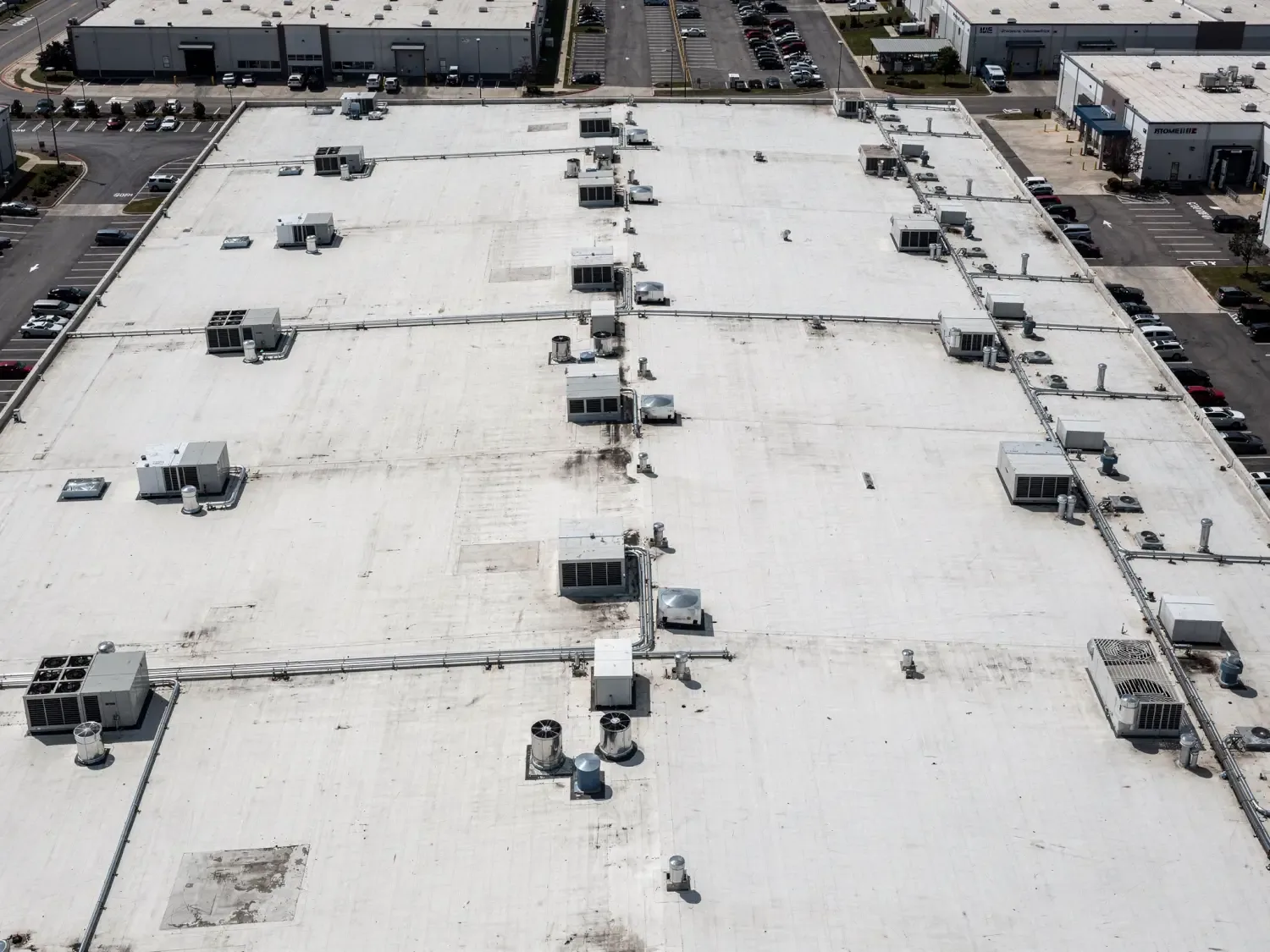
For metal roofing, check panel laps, fasteners, closures, and transitions instead of applying a membrane detail. If the system cannot be confirmed from records or exposed edges, note the uncertainty and identify what inspection would resolve it. A repair estimate should not assume hidden layers that have not been checked.
The roadway project is intended to support commercial and office development in southeast Georgetown. That context is useful for planning access and tenant communication; it does not tell us what a particular roof contains. We ask where deliveries move, which entries must stay open, and whether any equipment has a scheduled service window.
The Mays Street extension also improves the connection between Georgetown and Round Rock retail destinations along University Boulevard. That broader route can affect how a general contractor coordinates people and material. The site contact still controls the gate, parking, lift location, and roof access. We write those limits into the daily plan before work begins.
On an occupied building, keep the repair area and ground protection aligned. Secure tools, control debris, and protect entries below the roof. If a test opening is needed, agree on its location and temporary dry-in before cutting. The crew stops at a hold point when the exposed assembly differs from the expected stack-up. A repair scope names what is included and which condition would change it.
Summer station data for Georgetown show many daily highs in the 90s, with recent readings topping 100°F. Roof surfaces can run hotter than the air. We check temperature, product limits, and adhesive conditions before choosing the day’s work area and tie-in duration.
Central Texas also has documented hail and tornado exposure. A regional event can set an inspection date, but it does not prove damage to a building along Westinghouse Road. We record visible punctures, displaced edges, open seams, or damaged flashings where found. A storm inspection separates roof evidence from event history.
Before opening a membrane, verify forecast, materials, access, and dry-in plan. If conditions change, close and protect the exposed area at a defined boundary. The closeout notes what was completed, what remains open, and whether weather interrupted the tie-in. That gives the next crew a practical handoff instead of a vague return instruction.
A localized defect with sound material around it may support a patch or flashing correction. Multiple failures, wet insulation, recurring leaks, or a deteriorated deck can push the scope wider. We identify the confirmed condition and any test still needed. The owner can compare immediate water control with longer-term work against the same roof map.
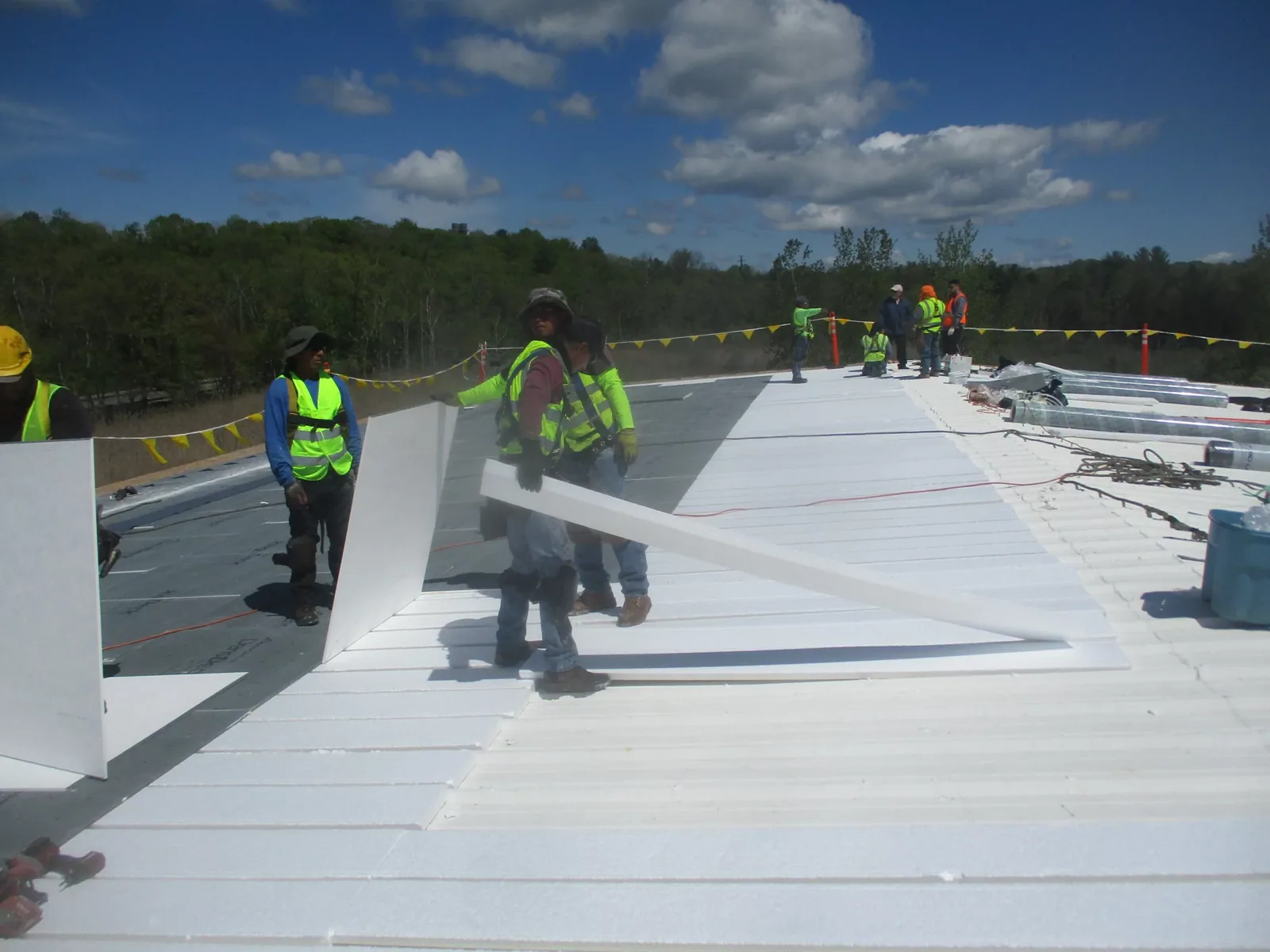
An overlay or coating moves forward only after we probe the retained assembly for moisture, verify attachment and drainage, and confirm added height at edges. A surface treatment cannot stabilize a moving deck or weak base. A recover review can determine whether the existing roof is a candidate, while a replacement plan considers tear-off, insulation, penetrations, and sequencing.
The applicable project review depends on the planned work. We map the roof alteration and coordinate each tie-in with the general contractor before setting mobilization. The project team can then resolve permit and design requirements against the actual scope.
Schedule depends on access, material lead time, test results, weather, and how much area can be safely opened in one shift. We state the work zone, staging need, temporary protection, and any hold point. If concealed conditions change the assembly, stop and review the finding before adding quantities.
At closeout, record the material used, repaired zone, test result, photos, and any area not inspected. Keep temporary dry-in distinct from permanent correction. If another trade must move equipment or support, show the interface and the contact responsible for coordinating it. The roof map should let a later crew return to the same location.
Owners with work on both sides of the city connection can group visits when access allows, but findings stay with the property inspected. A Mays Street corridor visit can follow a different access route and work boundary. The Round Rock service area has its own property contact and roof plan. For Round Rock properties, the local operating contact and roof plan govern the inspection there.
Send the building location, reported issue, roof plan, access window, and general-contractor contact. We confirm the first route, note any interior access needed, and set the repair boundary before work is staged. For active water entry, call to set an immediate response and interior protection plan.
The extension links Round Rock with Westinghouse Road and southeast Georgetown. We confirm the property location and access contact before assigning the inspection route.
We check the reported leak path, membrane or metal system, drains, curbs, seams, edges, and access limits. The roof map marks what was reached and what needs a test.
No. It can help set inspection timing. We document only the physical conditions found on the building, such as a puncture, open lap, or displaced edge.
Often. We plan access, staging, ground protection, and work hours with the property contact and general contractor. Restricted entries or equipment routes go in the daily plan.
Roof access, system type, repair quantity, wet materials, test openings, weather, and staging all affect the scope. We identify unknowns as hold points before expanding work.