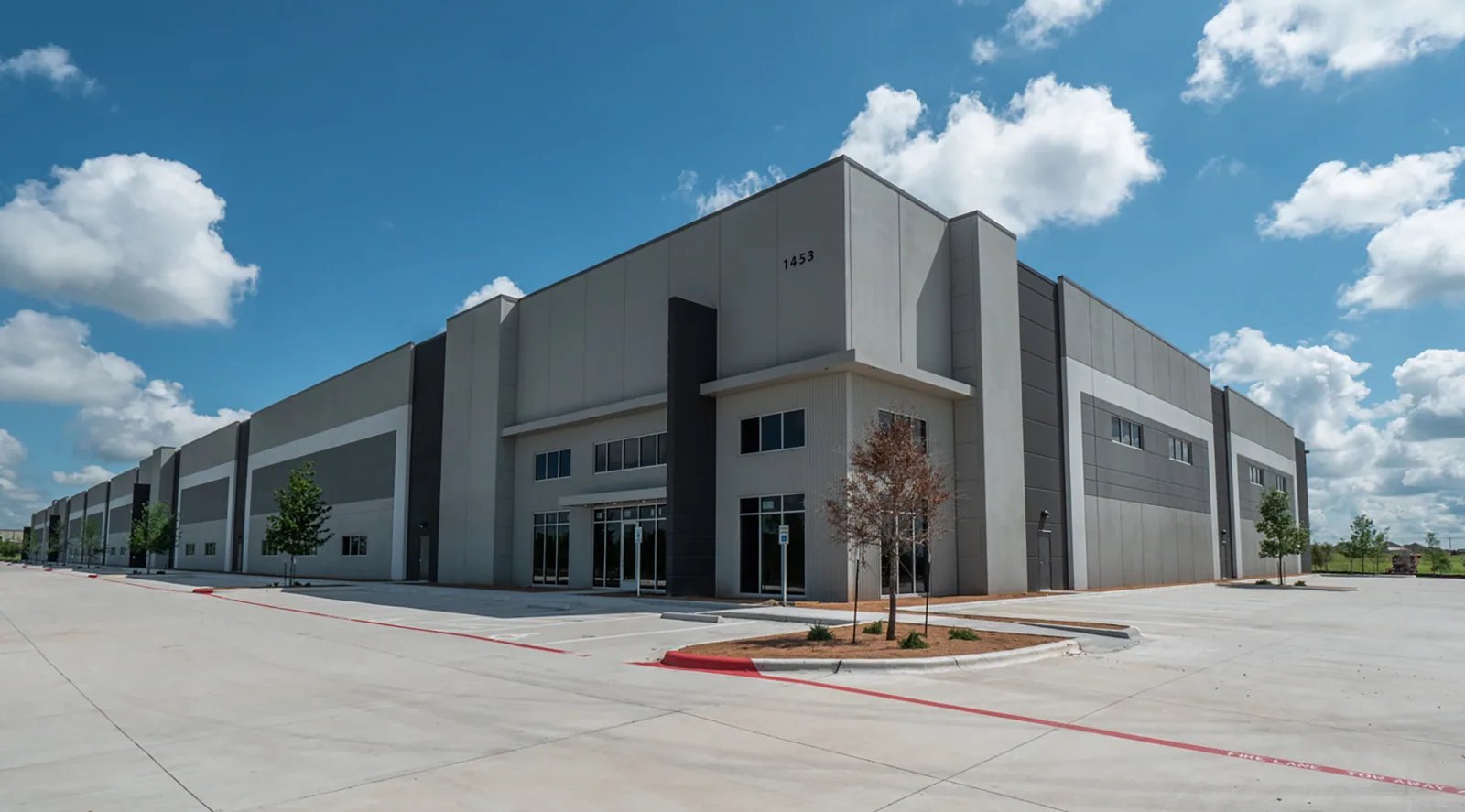
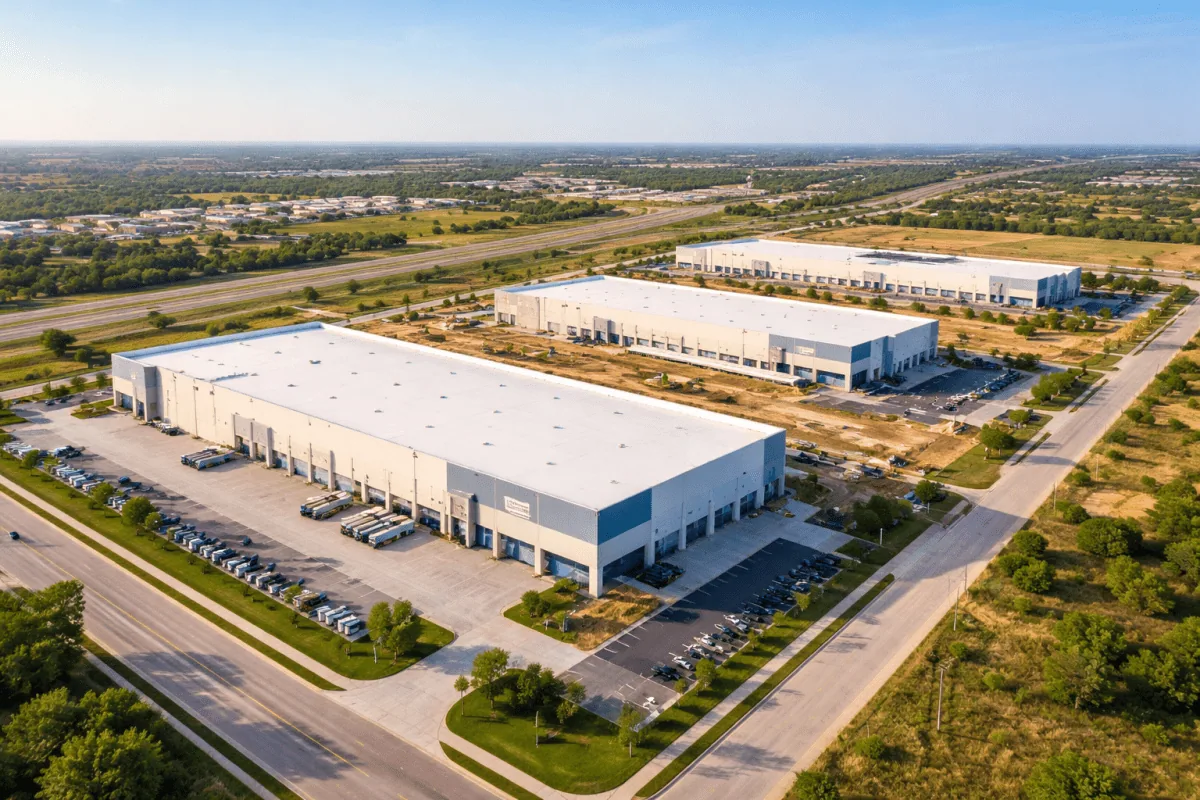
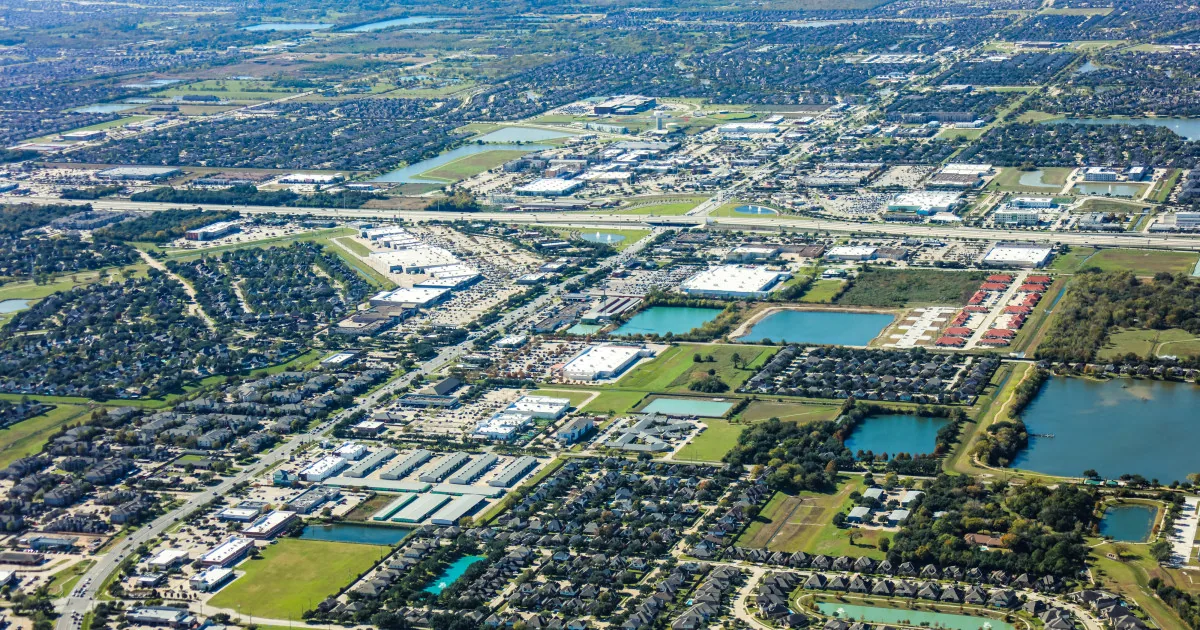
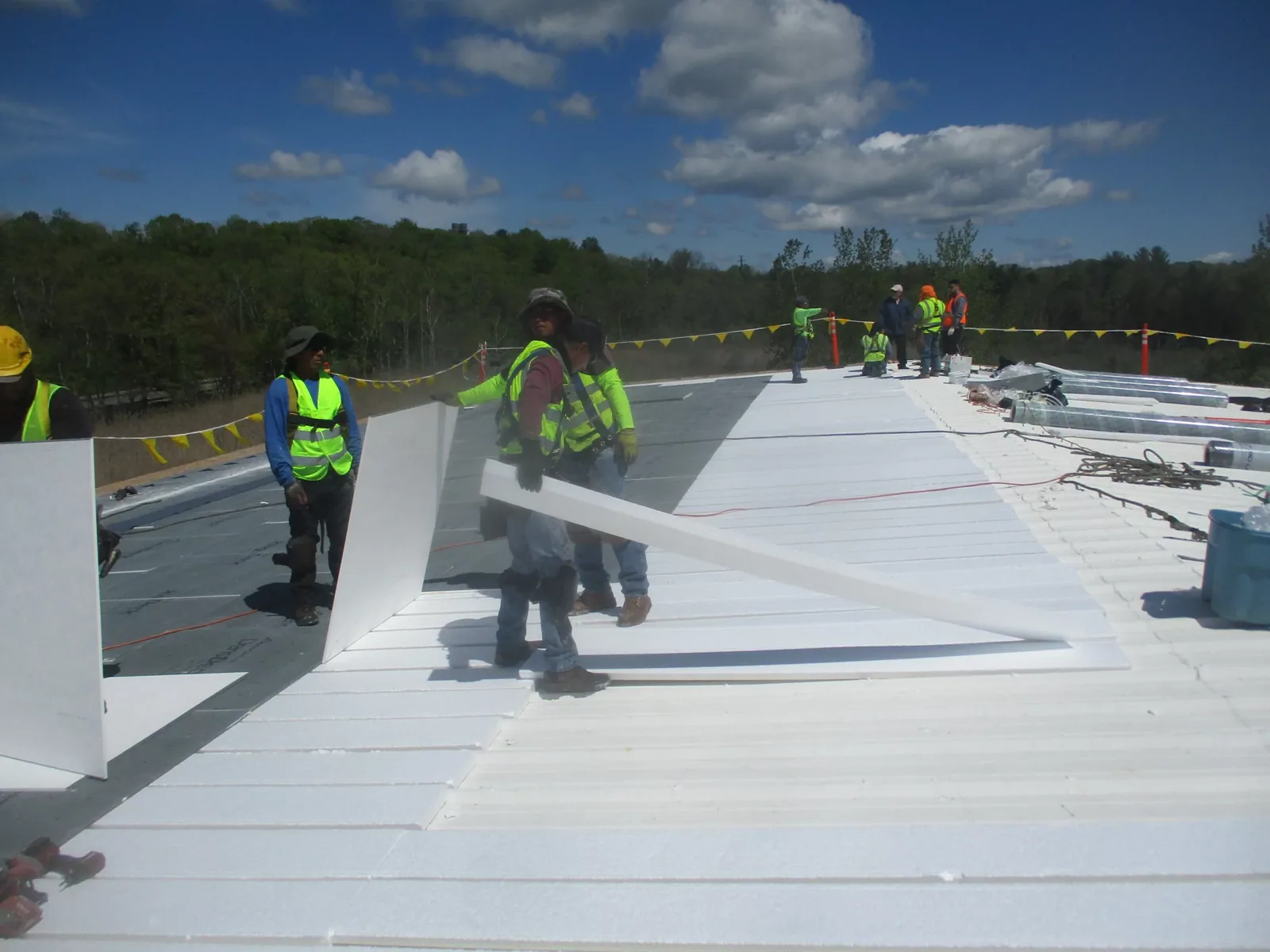
A slow drain or open lap near FM 971 needs a roof-level check before a repair limit is set. We trace the water path, inspect nearby details, and mark the area reached on the roof map. FM 971 links I-35 with SH 130 and serves commercial development, a regional park, homes, and schools. The route is broad; each property’s roof and access plan define the job.
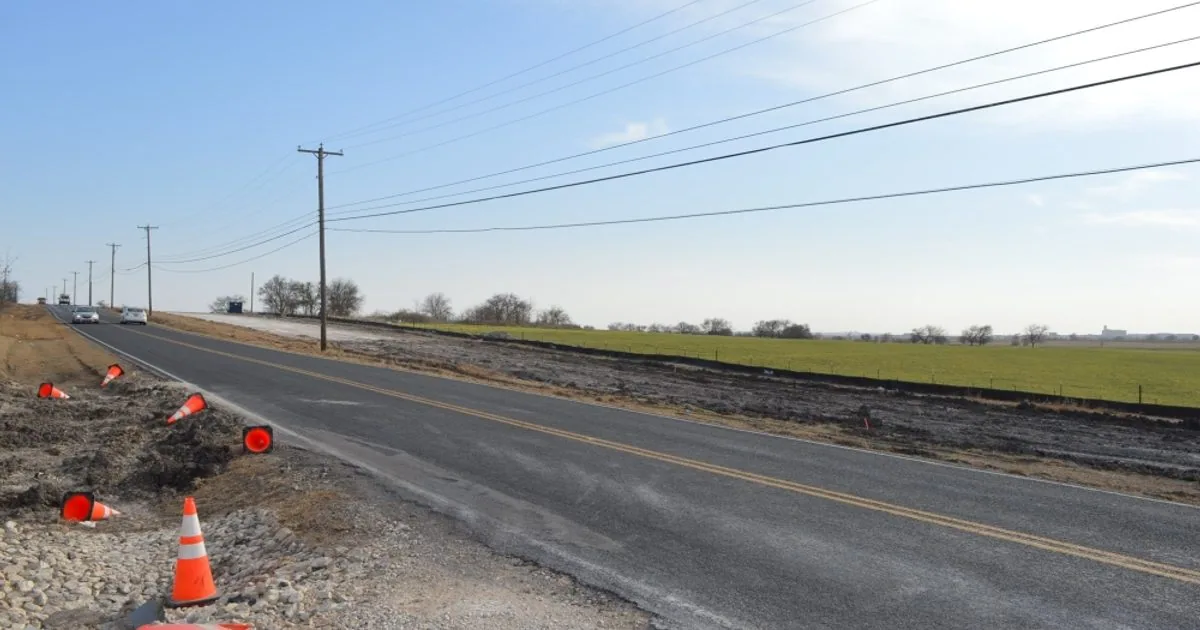
FM 971 traffic is growing, and plans call for widening the road from two lanes to four between Gann Street and SH 130. For a scheduled visit, the property contact confirms site access and delivery timing; the inspection identifies the building’s roof assembly and condition. A commercial inspection starts with the actual assembly and reported issue.
FM 971 connects two major highway routes. A visit can involve commercial property, a regional park, residential areas, or schools along the corridor. We confirm the exact property, roof access, loading rules, operating hours, and contact before mobilization. The approved work zone follows the access limits the property contact provides.
The planned widening between Gann Street and SH 130 may change the approach as the project advances. Before dispatch, the property contact confirms the current entrance, lift position, crane route, and material drop.
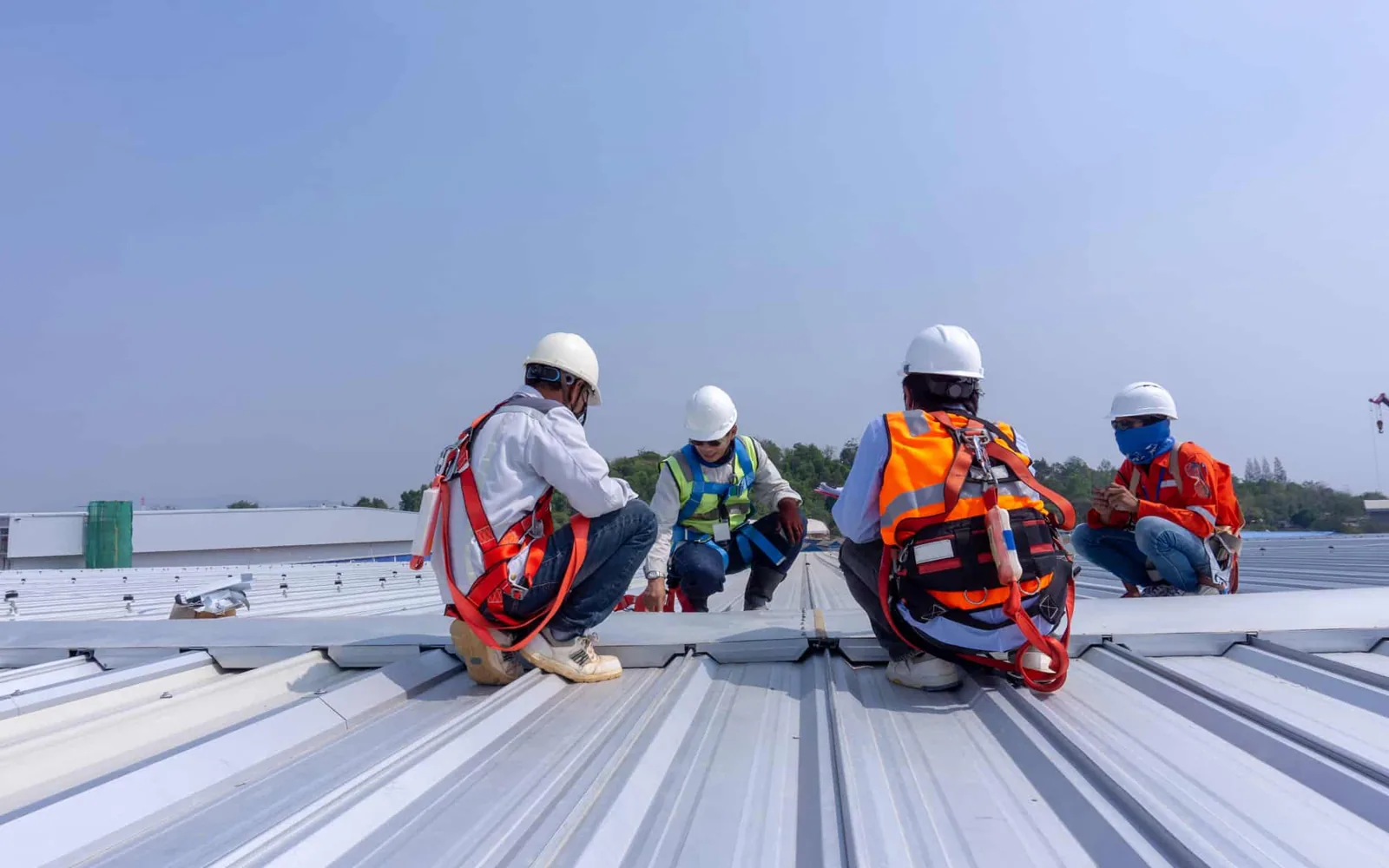
For an occupied property, identify entries, classrooms or work areas, vehicle circulation, and roof equipment that cannot be interrupted. The roof walk can be divided into zones so the crew has a controlled travel path. If interior access is needed to follow a leak, arrange it with the site contact before the visit.
Start near the reported leak, then inspect uphill and across the roof plane. Water can move under a membrane, follow deck flutes, or travel along a curb before appearing indoors. We check seams, penetrations, drains, edge metal, walls, and prior patches that connect to the likely path. The roof map separates a confirmed opening from a suspected route.
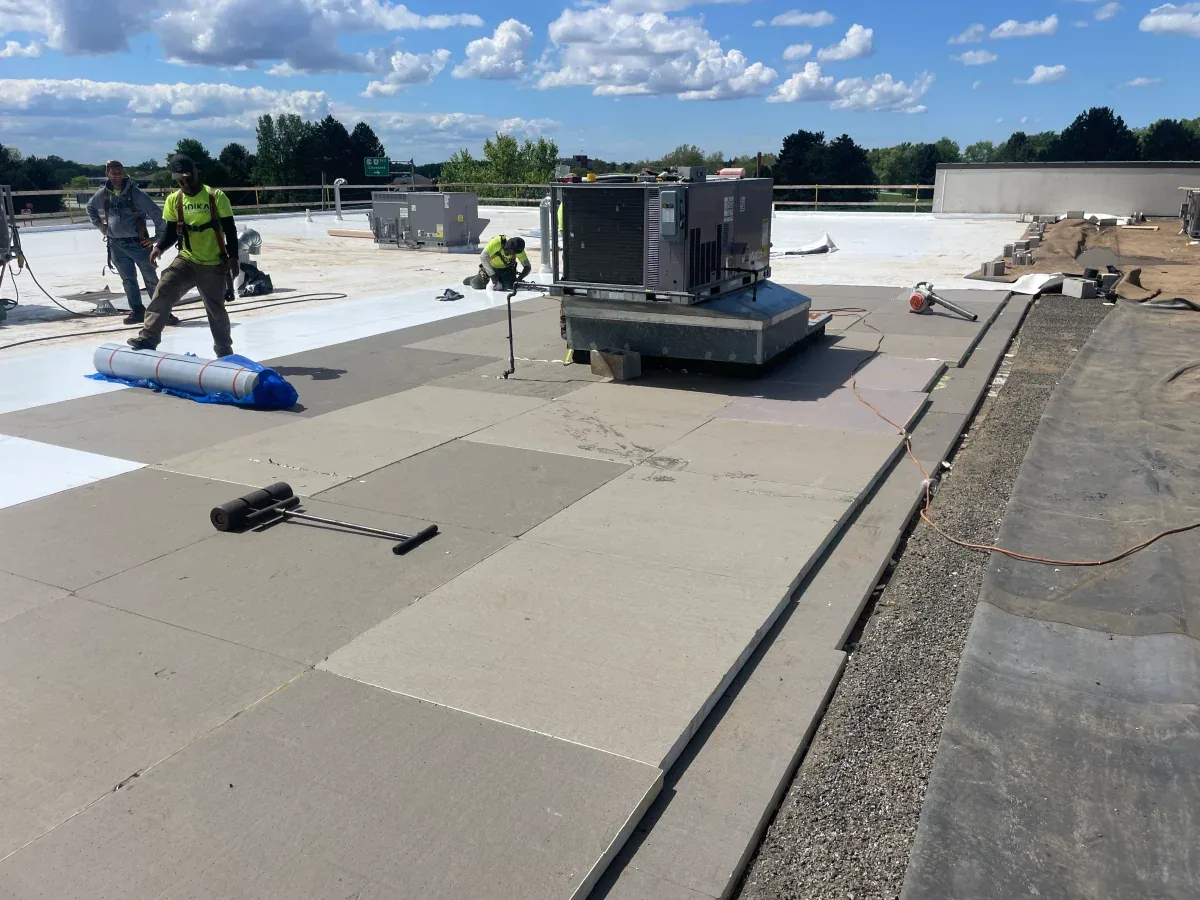
On low-slope roofing, the membrane, attachment, insulation, and deck all affect the repair. On metal roofs, panel laps, fasteners, closures, and flashing require a different inspection. If records do not identify the assembly, we inspect exposed edges or arrange a controlled test, then record the details found at this property.
The property contact confirms operating hours and access, while the crew records the assembly and conditions in the inspected roof zones.
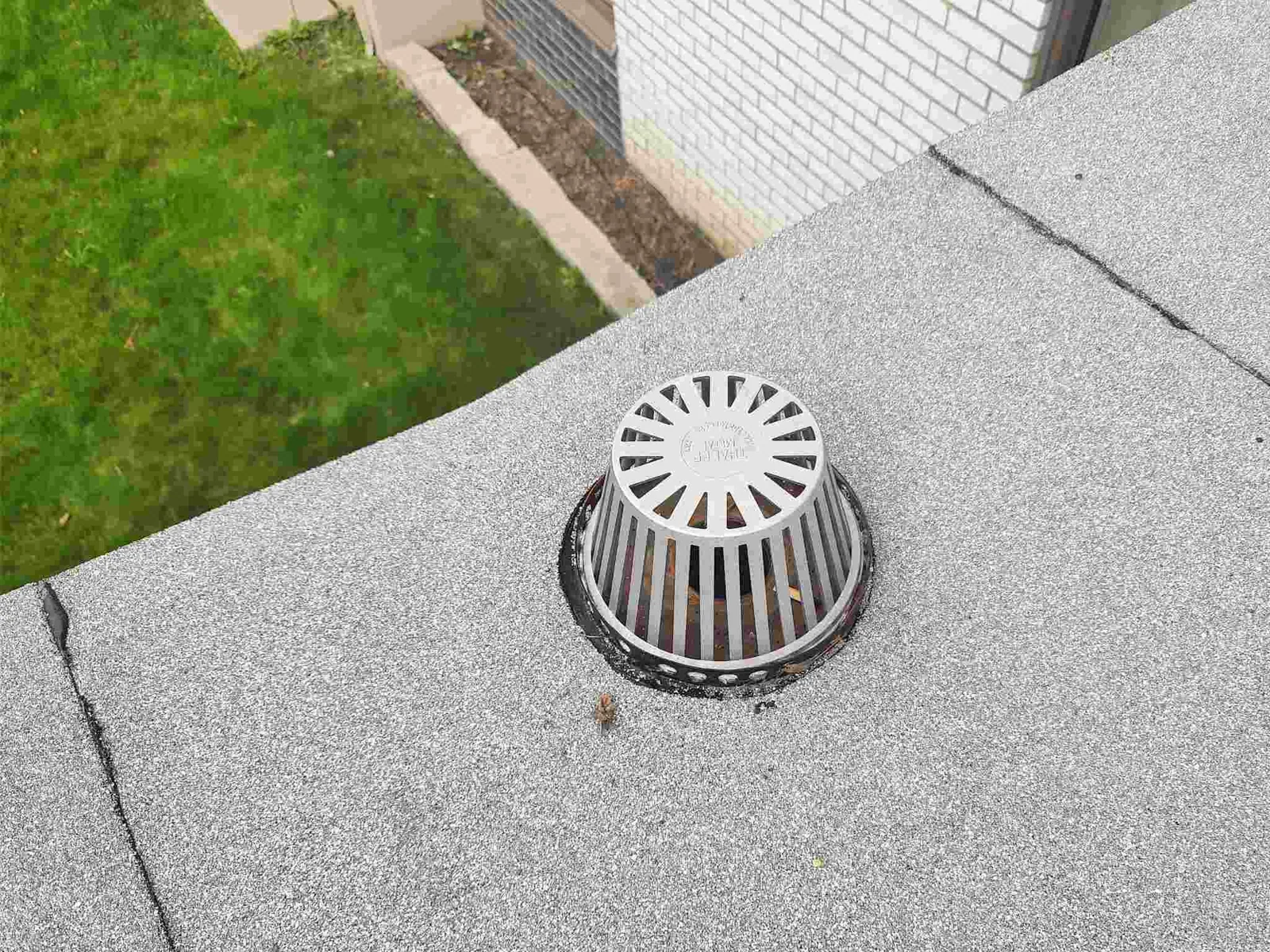
At a drain, note the outlet, ring, strainer, slope, debris, and membrane connection. A clogged strainer may need maintenance; a loose flange may need repair. The drain and scupper check identifies which issue is present before the crew prices a membrane correction.
The widening project can affect how a crew reaches the property. The site representative supplies the current entrance and restrictions for the visit.
Georgetown’s broader commercial activity includes advanced manufacturing, aerospace, retail, entertainment, and restaurants. Those sectors may create different scheduling needs, but a corridor page does not substitute for a building inspection. We ask whether the property has active deliveries, sensitive equipment, or public-facing entrances and set a work boundary around those operating needs.
Round Rock is connected to Georgetown by roads that serve employment and retail areas. An owner with properties in both cities may coordinate site windows, but each building retains its own roof map and service history. A Westinghouse Road corridor visit follows separate site access and roof limits in southeast Georgetown.
If a repair crosses an occupied space, protect the interior, confirm who can authorize a test opening, and stage temporary dry-in. The general contractor receives a clear hold point before the crew opens concealed layers. A repair scope lists the area, materials, exclusions, and conditions that may change the quantity.
Summer daily maximums at the Georgetown station often land in the 90s; recent observations passed 100°F. Roof-surface heat governs safe access, adhesive timing, membrane handling, and tie-in duration. We check the actual surface before selecting the day’s work zone.
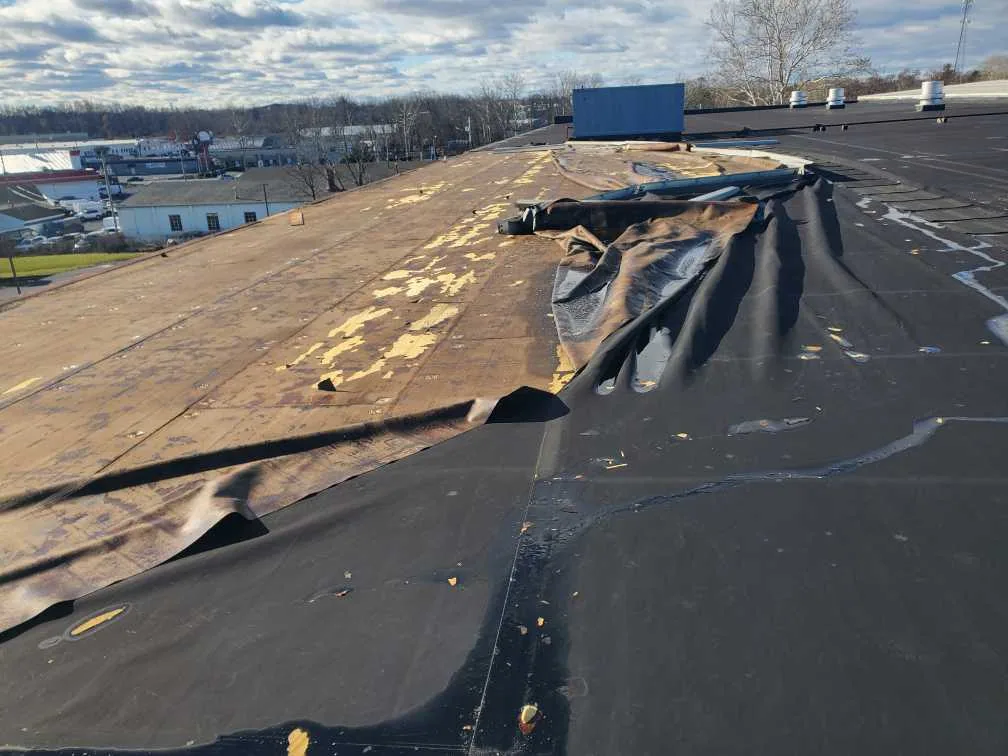
Storm checks focus on impact marks, open seams, and edge movement found on this roof. We inspect for impact marks, open seams, displaced edge metal, punctures, and water entry, then map each finding by roof zone. A storm-damage roof check records the observed condition separately from the event history.
Before opening a roof, review the forecast, access, staging, and dry-in plan. If weather changes, protect the opening and stop at a seam or detail that can be secured.
A local seam, flashing, or drain correction can resolve a defined defect when surrounding material is sound. Repeated leaks, wet insulation, loose attachment, or broad membrane deterioration may change the recommendation. We show the finding and its boundary, then list any test needed before a larger quantity can be set.
A recover or coating option needs checks for existing layers, moisture, adhesion, drainage, edge height, and substrate condition. A surface product cannot stabilize a loose deck or remove water trapped below the membrane. A recover evaluation can test suitability. A replacement review can compare tear-off, insulation work, and tie-in details if the assembly is no longer a sound base.
The project team checks permit and design requirements against the proposed work. We define roof tie-ins and the crew boundary with the general contractor.
Cost and timing depend on access, roof system, repair length, material availability, test results, weather, and daily production area. We separate confirmed work from concealed conditions. If an opening reveals unexpected wet insulation or deck damage, stop at the agreed hold point and review before extending the scope.
At closeout, mark repaired zones, material used, photos, test results, access limits, and remaining issues. Keep a temporary cover distinct from completed repair. If another trade needs to move equipment or supports, show the interface and name the coordination contact. That gives the next crew a defined start point.
For owners following several locations, a Round Rock service-area inspection can be scheduled around a separate building contact. On FM 971, the plan remains specific to the actual property even though the corridor connects several types of use. A condition report can preserve the roof map and inspection limits.
For an FM 971 visit, identify the parcel entrance and any current road-work restriction. The site contact confirms the gate and staging area; the crew marks the first roof zone only after access is cleared. Emergency response is available at night, on weekends, and on holidays when active water entry needs immediate attention.
The corridor serves commercial development, a regional park, residential areas, and schools. We confirm the specific building, operating hours, and roof access before planning work.
It may affect site approach or delivery coordination. We verify access with the property contact for the scheduled visit rather than assume a route is open.
We compare roof records with visible details and field conditions. The inspection documents the assembly and condition at the property.
We inspect the outlet, ring, membrane connection, slope, and nearby seams. That separates a maintenance issue from a roof detail failure.
Broad wet insulation, repeated failures, poor attachment, or an unstable deck can change the scope. We document the evidence and hold before opening more roof.