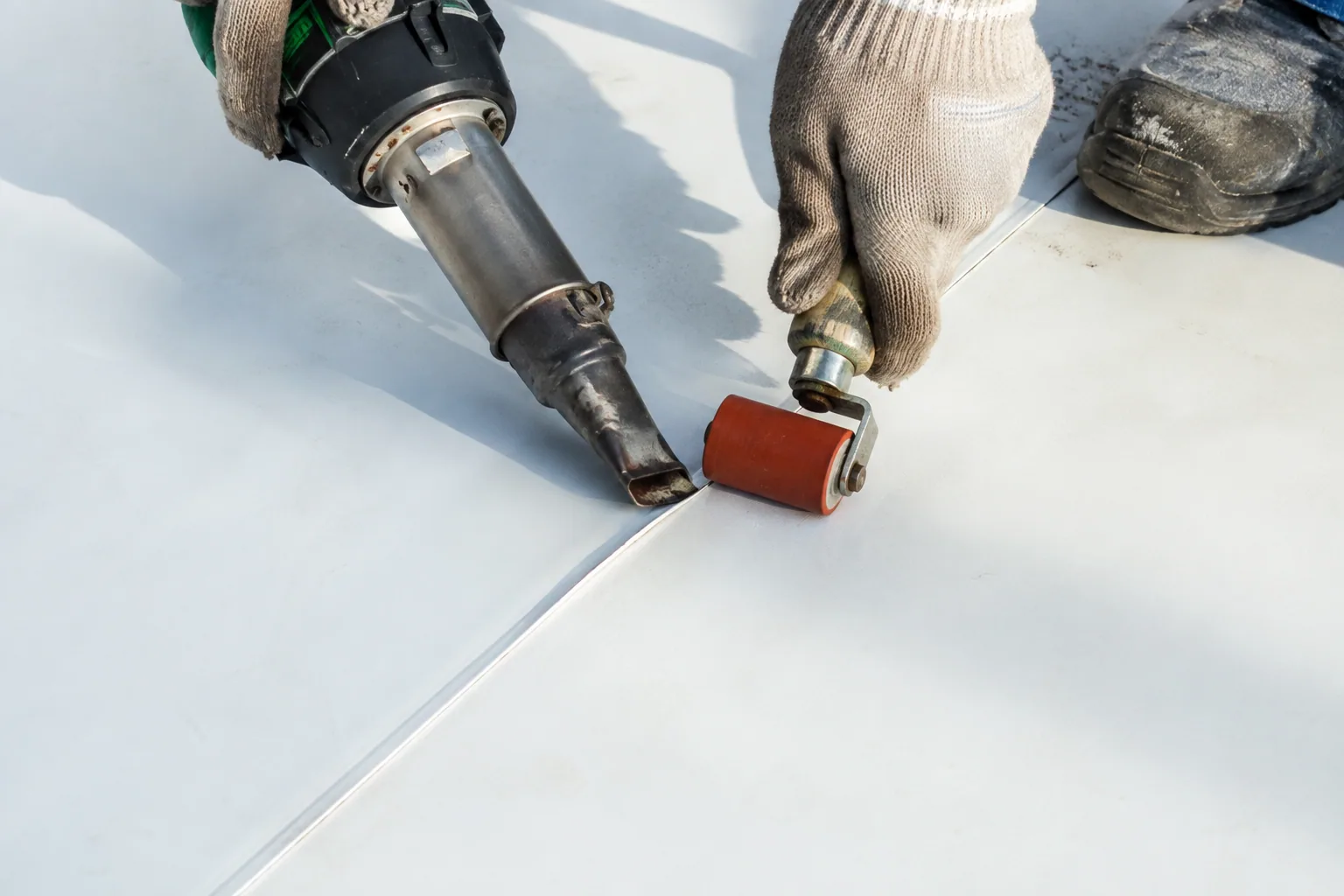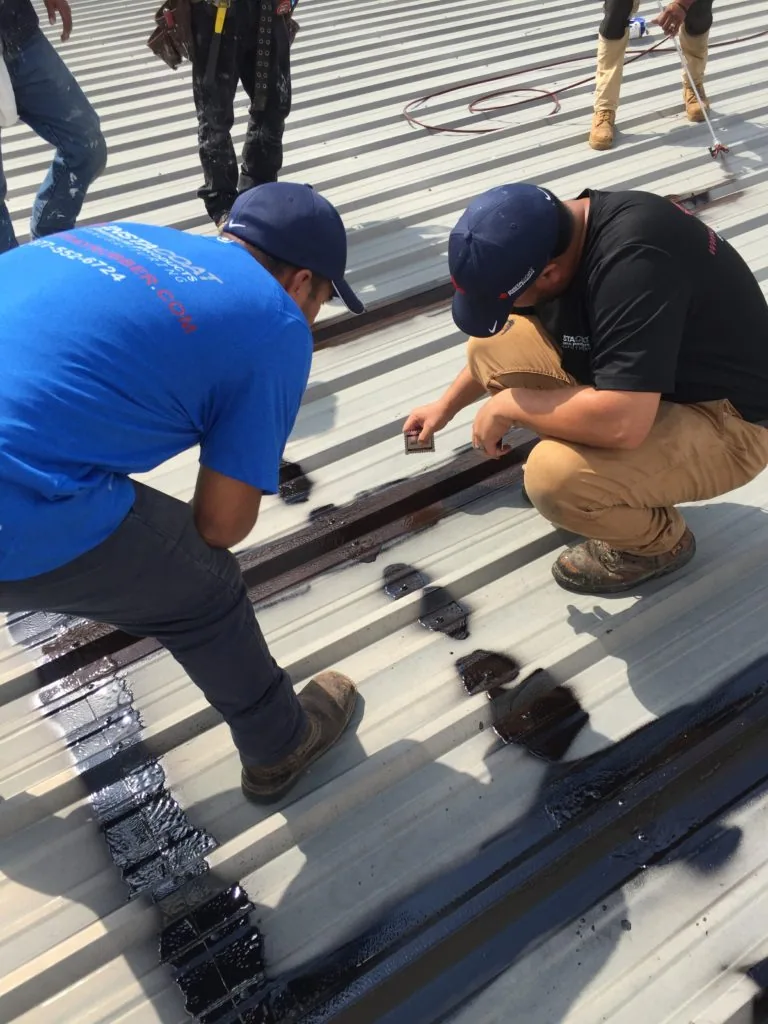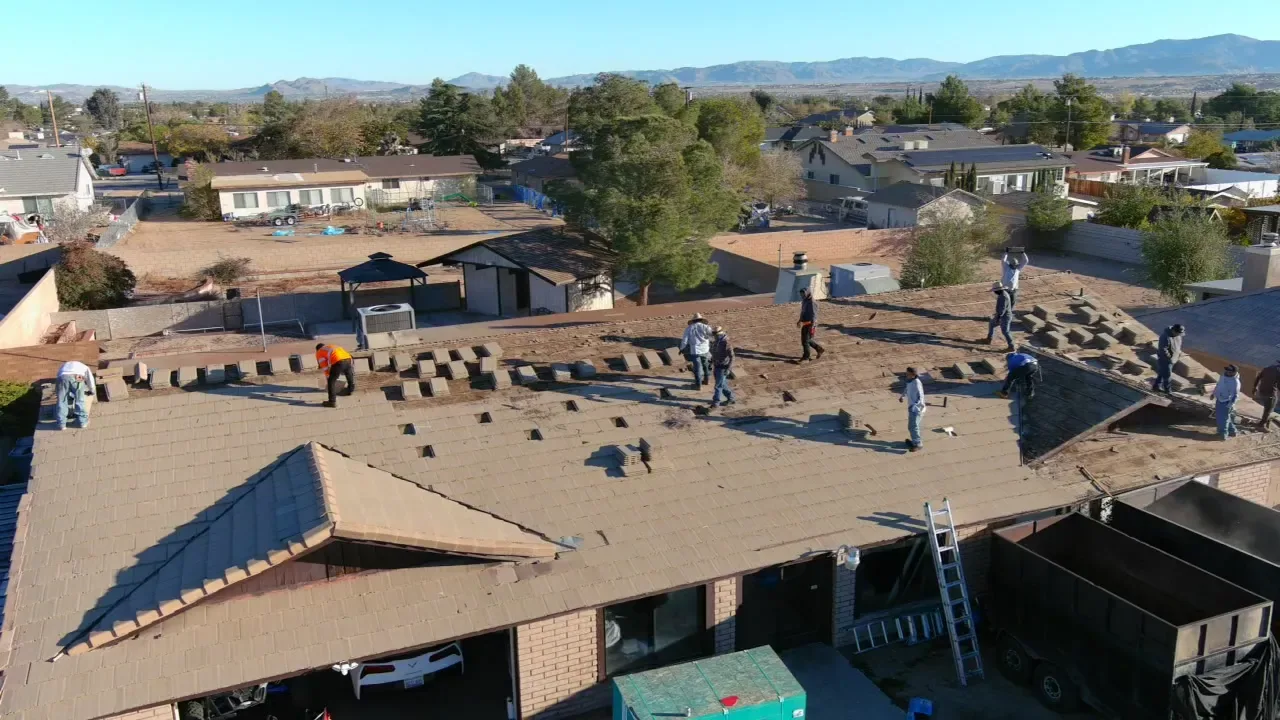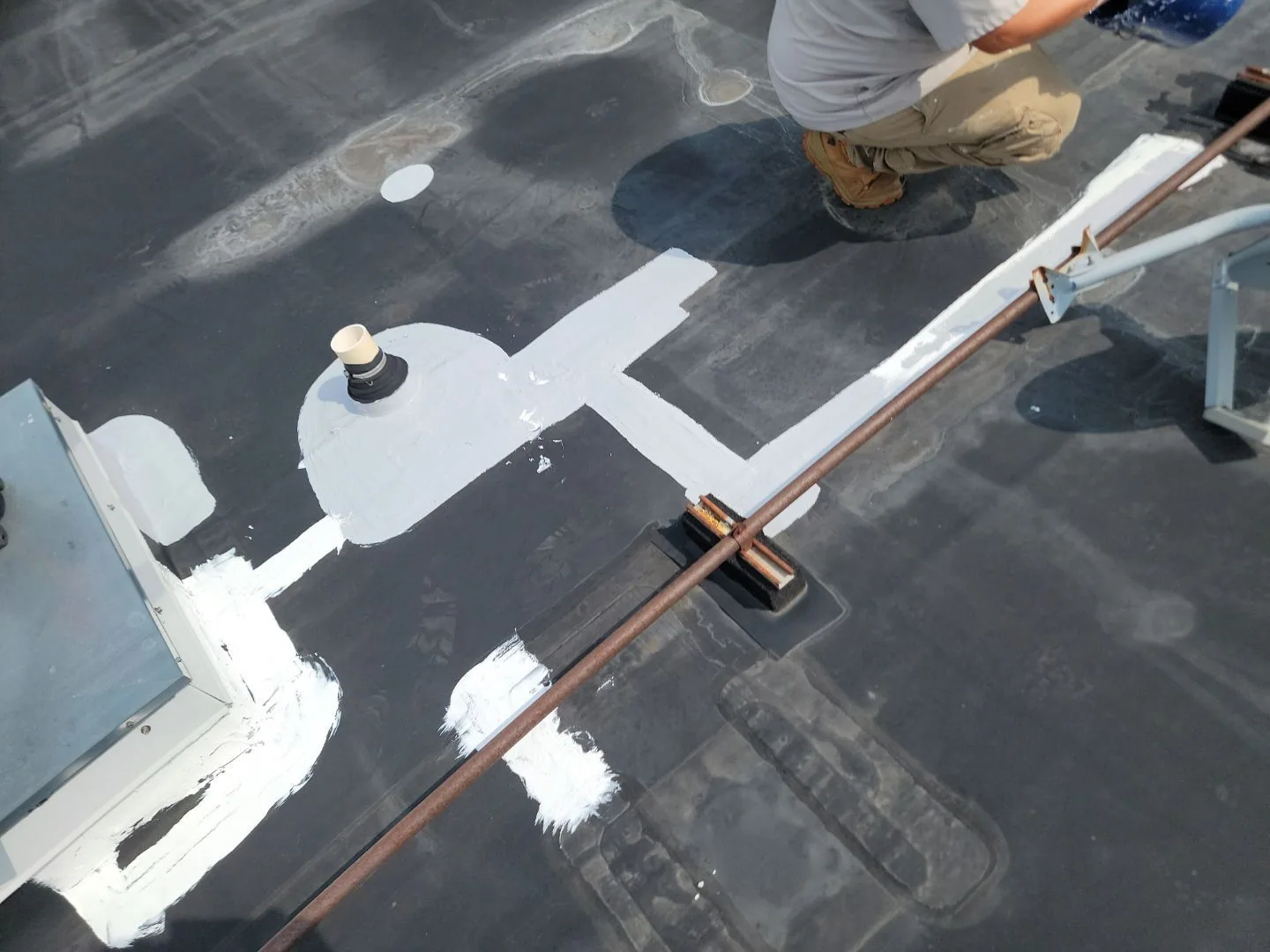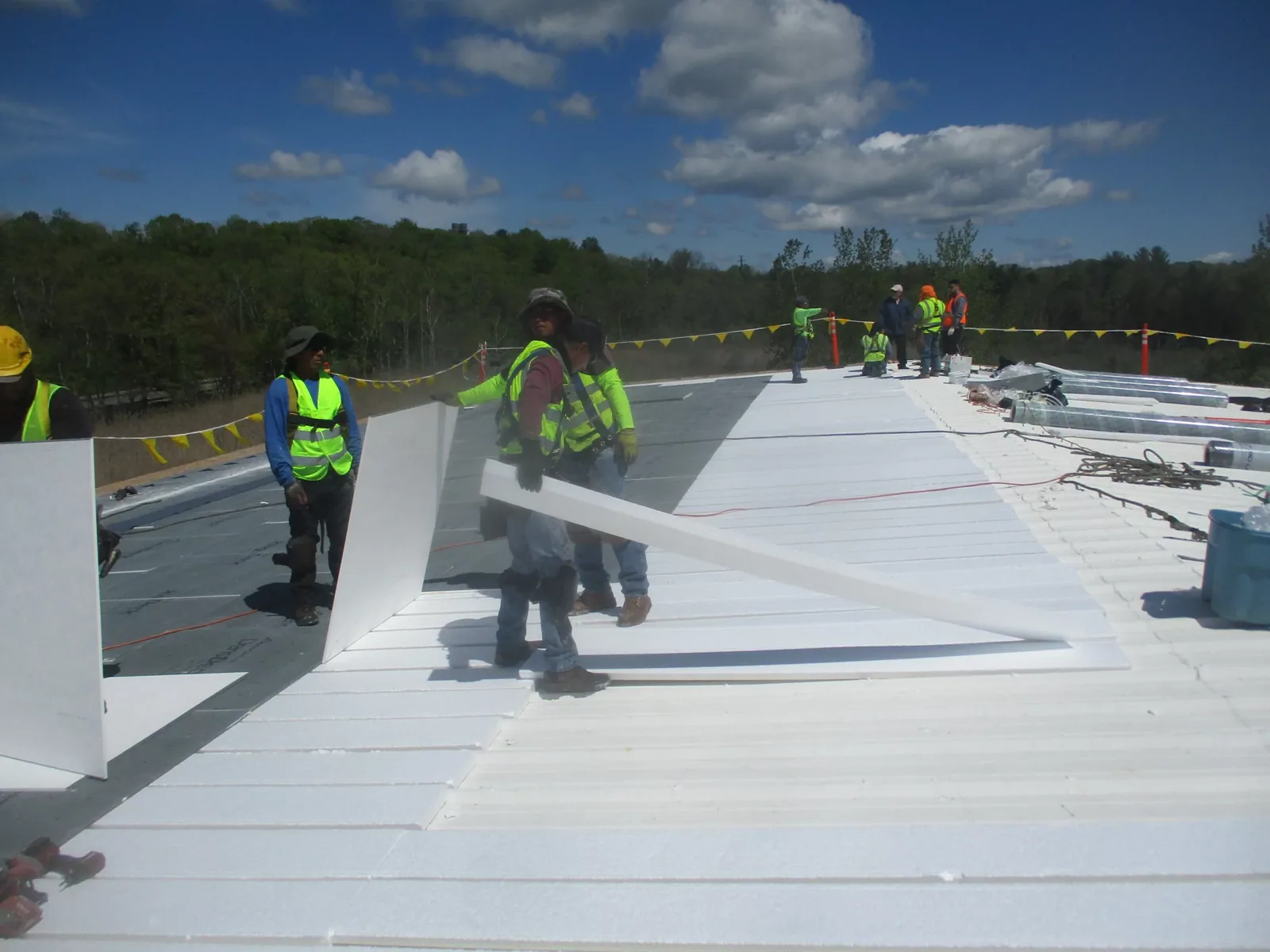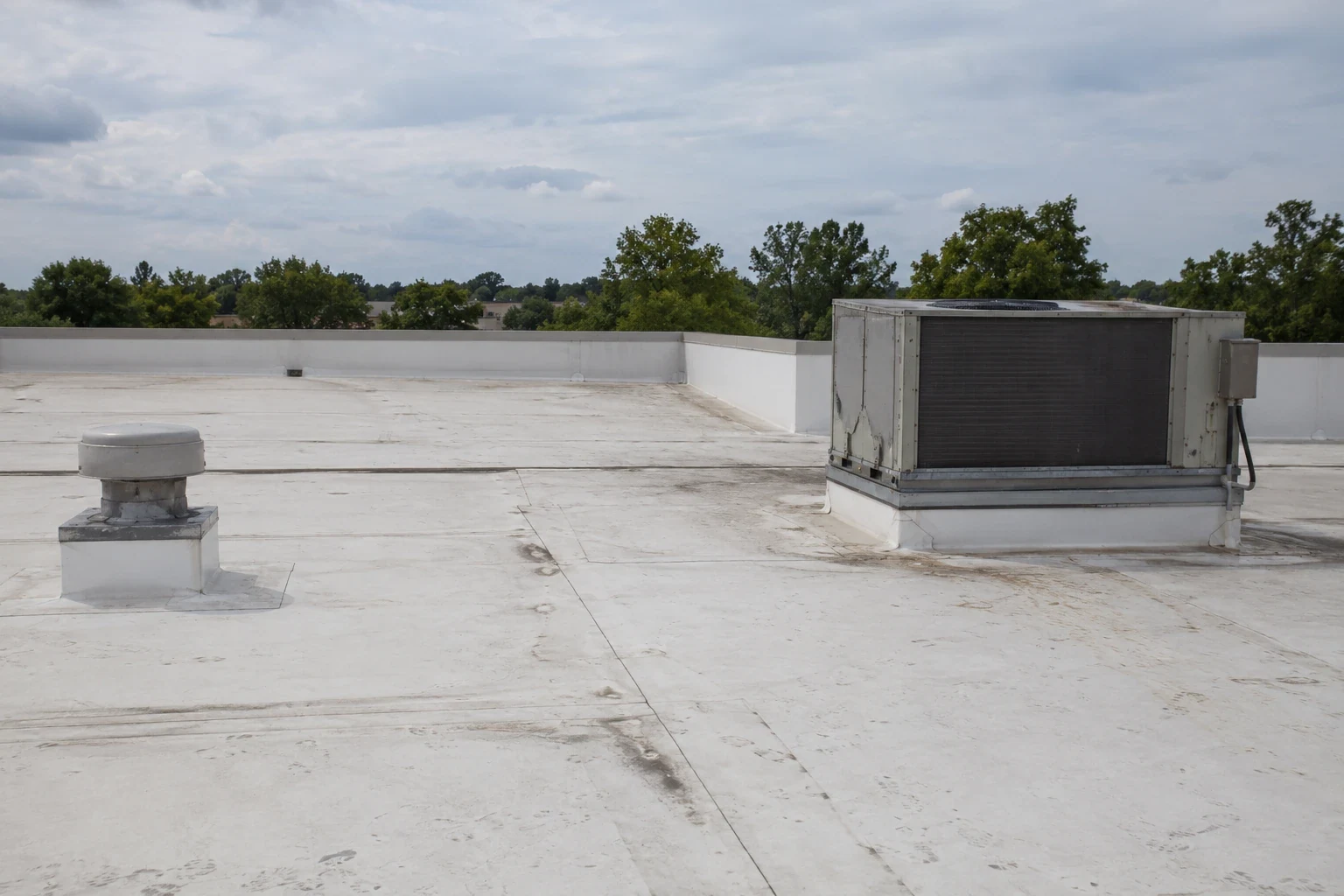
A split at a KEE flashing corner needs more than a surface seal. We inspect the membrane, seam, and adjoining curb detail. The roof map records the exact transition and any earlier repair. That gives the crew a defined tie-in instead of a patch with an unknown edge.
Georgetown's industrial and commercial growth places varied roof assemblies along I-35 and SH 130. Georgetown's NorthPark35 and Georgetown Logistics Park are slated for a utility extension intended to serve additional businesses and speculative industrial buildings. That setting makes clear records useful across multiple facilities. Each roof still requires its own material and condition check.
KEE is a ketone ethylene ester modifier used in some PVC membrane formulations. The actual product construction and instructions govern the repair. We verify the membrane identification from labels, records, or a test area before heating a seam. Similar color does not confirm the same formulation or a compatible repair method.
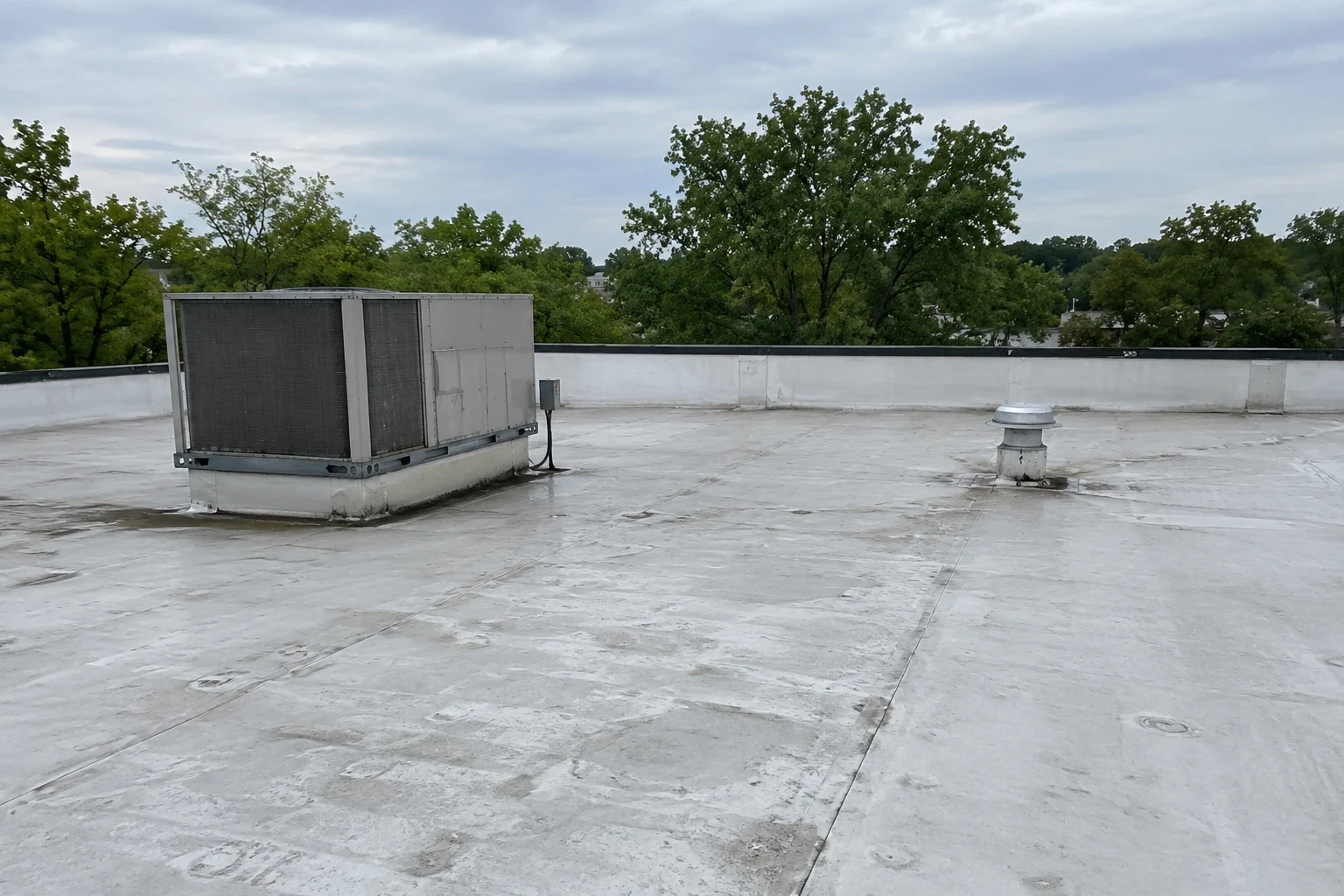
At an existing lap, we check for separation, contamination, heat damage, and movement. A patch should bond to clean, sound material with a prepared edge. At a pipe or curb, corners and terminations need continuous flashing. A PVC membrane review can help compare related single-ply assemblies without assuming that their materials are interchangeable.
We note whether the roof is mechanically attached, adhered, or otherwise secured when the assembly is visible. Attachment influences how field sheets move and how the perimeter must be treated. A seam repair does not correct a loose edge system. We document both findings and identify which trade or design question must be resolved before the area is closed. On a sample weld, we record preparation, heat setting, cooling, and probe results before repeating the method across the roof.
A KEE-modified membrane may be considered for demanding rooftop conditions, but the product data must match the exposure. We ask what contacts the roof, where exhaust discharges, and how cleaning occurs. Oils, grease, chemicals, or frequent service traffic can change the design review. We keep any chemical-resistance statement tied to the actual product and documented use.
Georgetown's local economic-development activity includes advanced manufacturing, aerospace, retail, entertainment, and restaurants. Different operations create different rooftop conditions. We inspect exhaust outlets, kitchen equipment, service paths, and drainage before discussing a membrane option. The tenant category alone does not establish which chemicals or temperatures reach the roof.
Previous coatings and repair compounds also matter. A surface may look intact while failing a weld test. We clean a small test area and check how it accepts the proposed patch. If the bond remains uncertain, we stop and review the material record. A condition report can capture the finding and the area that needs further review.
Georgetown has seen multiple summer afternoons above 100 degrees Fahrenheit in recent years. We compare roof temperature with the specified weld range and stage sheet goods in shade when practical. The crew advances only as far as it can prepare and close under those conditions.
Hail affects the Austin forecast region; in March 2022, a tornado tracked across Williamson County from Round Rock toward Granger. After a storm, we look at KEE laps, corners, perimeter metal, and rooftop equipment for visible movement. A regional event directs the roof walk, while observed conditions define any repair.
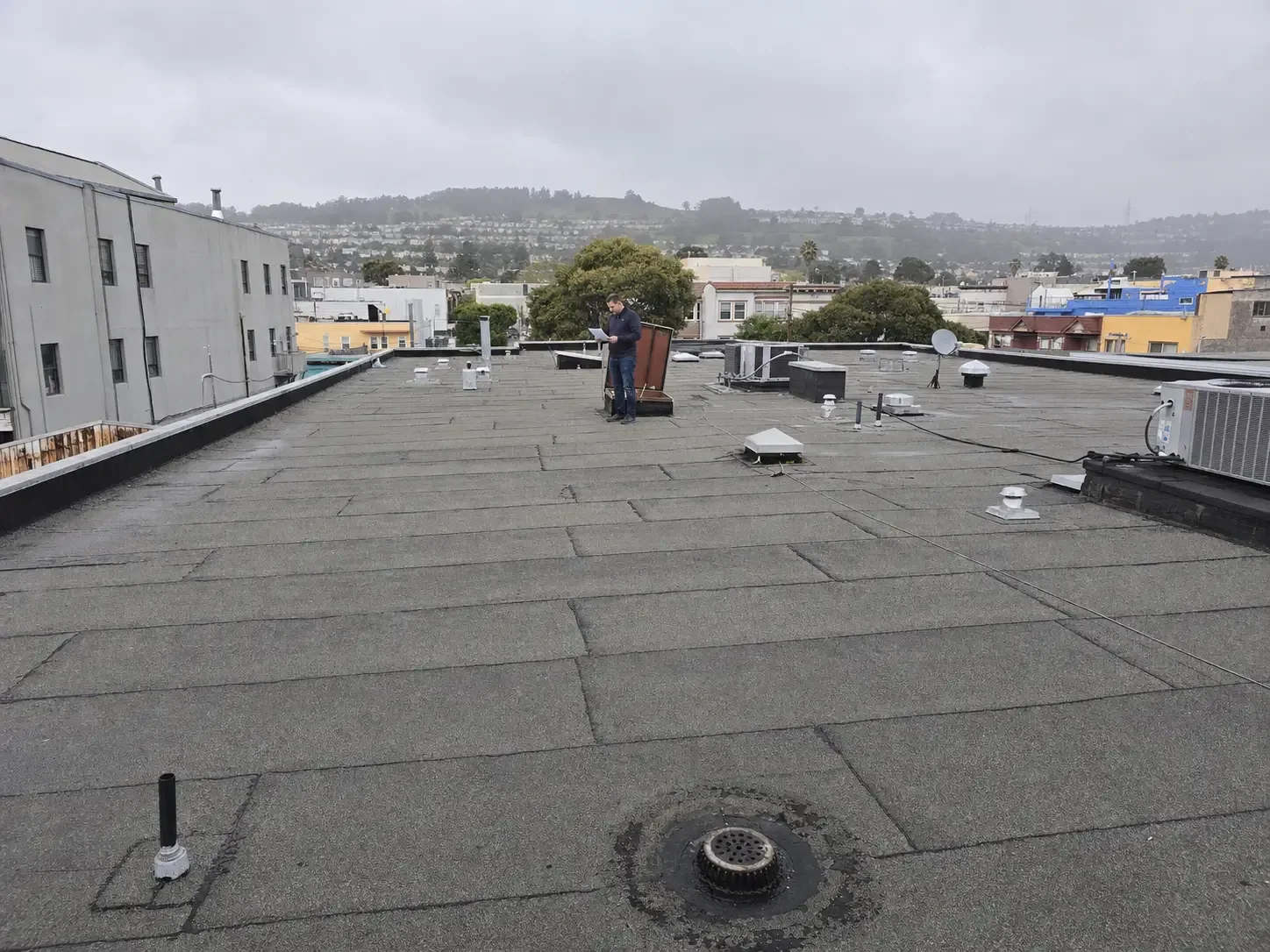
At the walk, we photograph punctures, open seams, and edge movement separately. We check drains and overflow routes so a storm-related defect is not confused with standing water. A hail assessment can identify observed impact. If water is entering, leak tracing follows the path before a permanent patch is chosen.
A roof with an intact KEE membrane may need only a local flashing or seam correction. Widespread open laps, wet insulation, or a failing substrate point to a larger scope. We review accessible edges, drains, penetrations, previous repairs, and available records. If the project authorizes a test opening, we protect it and document each layer before closing it.
Recovery can be considered only when the existing assembly, attachment, moisture, and added load allow it. Replacement may be needed where the deck or insulation requires broader correction. A recover review checks those conditions. Another TPO assembly or a compatible PVC system may be compared against the project specification and use conditions.
We identify cost and timing drivers without turning them into a premature estimate. Access, tear-off, disposal, substrate repair, staging, and tie-in complexity all affect the work. The scope should show what stays, what comes off, and where the general contractor needs a hold point. That provides a fair comparison between repair, recovery, and replacement options.
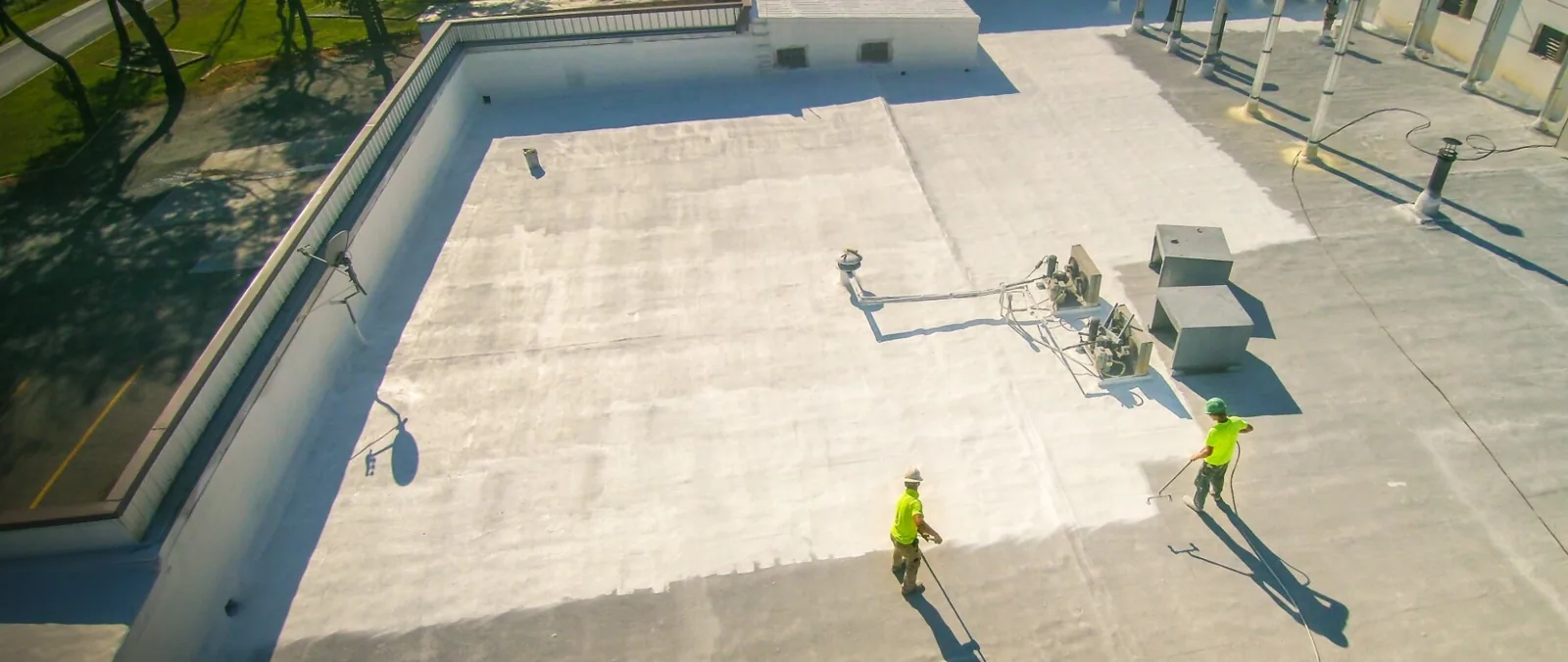
Before installation, we confirm material delivery, roof access, fall protection, equipment shutdowns, and the daily work boundary. The crew removes only the planned area and checks the substrate. New insulation and cover board follow the approved assembly. Membrane seams and flashing details are completed before moving the boundary.
NorthPark35 and Georgetown Logistics Park are among the areas intended to receive expanded utility service for business and industrial buildings. For a KEE project there, we confirm the delivery approach and staging area with the property contact. Public development plans do not set roof access rules, crane locations, or occupied routes.
On active buildings, we separate roof work from tenant access and equipment service. Temporary tie-ins are inspected at close of shift and after a weather interruption. A phased reroof plan can help maintain dry-in while the crew moves across sections. Emergency protection remains available if a new opening needs immediate attention outside normal hours.
Closeout records the system identified, the roof areas repaired or renewed, and the seams and flashings completed. We photograph each completed transition and label any excluded field. Notes identify test areas, approved changes, and remaining access restrictions. A later service crew can then tell where the project stopped.
For a portfolio near Berry Creek Business Park, do not combine the roof maps for separate buildings. Berry Creek is a multi-building industrial area near I-35 and SH 130. Each roof can have a different membrane, equipment arrangement, and maintenance history. The record must match the roof inspected.
Send the roof plan, system information, use conditions, and access window. We can identify the KEE material and set the seam or flashing scope with the general contractor. Active leaks can be reported any hour, including holidays and weekends. Permanent repairs follow the condition verified at the roof.
No. KEE describes a modifier used in some PVC formulations. We identify the installed membrane and follow its product requirements before selecting a repair.
We first confirm the material and test whether the surface accepts the intended weld. If identification or compatibility remains uncertain, we pause for review.
Inspect the membrane, seams, corners, perimeter attachment, and rooftop equipment. We map visible impact separately from wear or damage caused by service traffic.
That depends on the verified layers, moisture, attachment, and added load. We inspect accessible conditions and identify any test opening needed before recommending recovery.
Provide membrane product records if available, leak locations, roof drawings, access rules, and the general-contractor contact. We can then set a test area and work boundary.