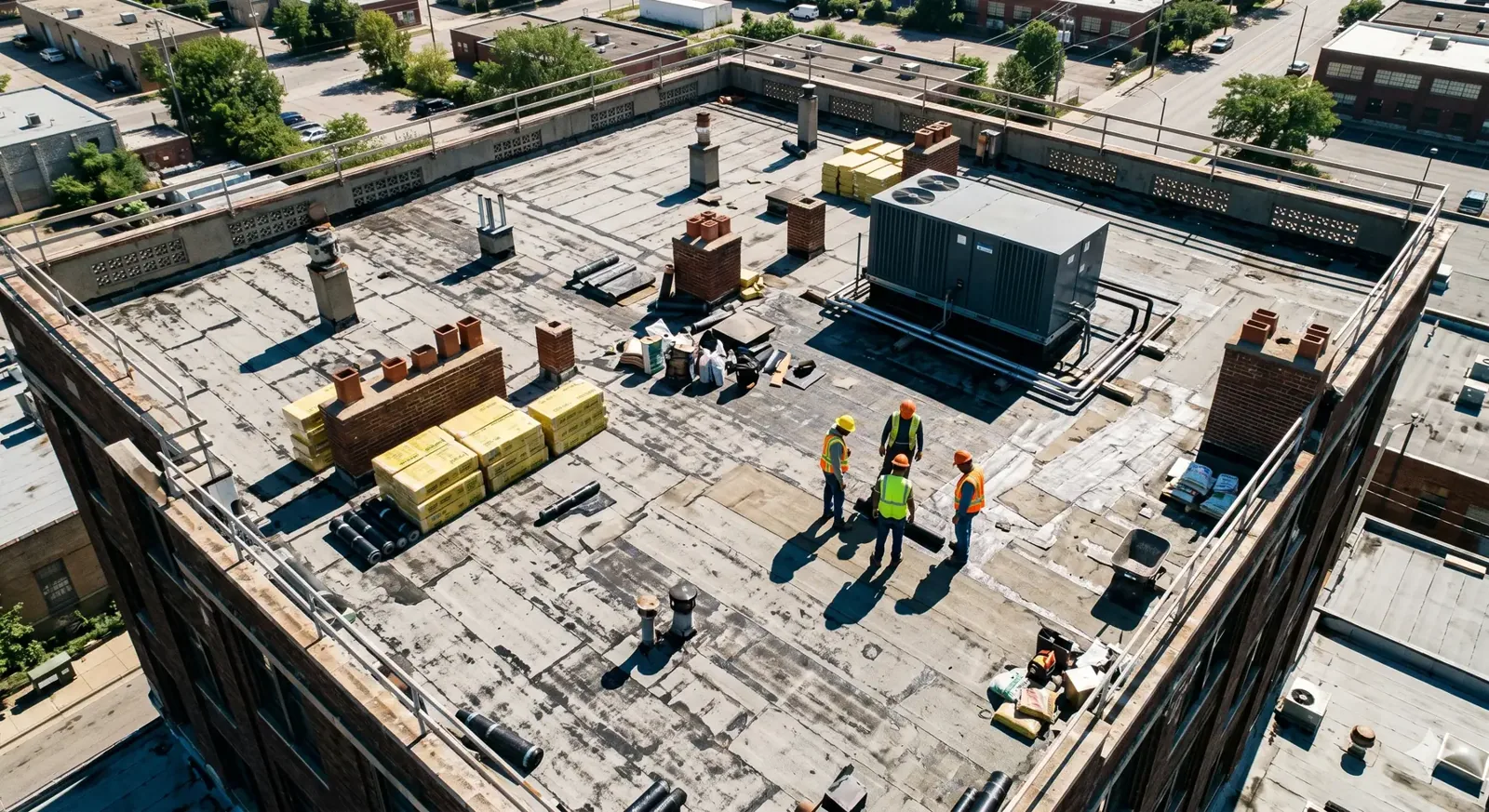
A wet test area beside a parapet changes an acquisition review. We start by mapping that area and checking the roof layers. The roof record separates visible damage from concealed conditions. It also marks the hold point before more assembly opens. That gives an investor a defined question, not a broad allowance.
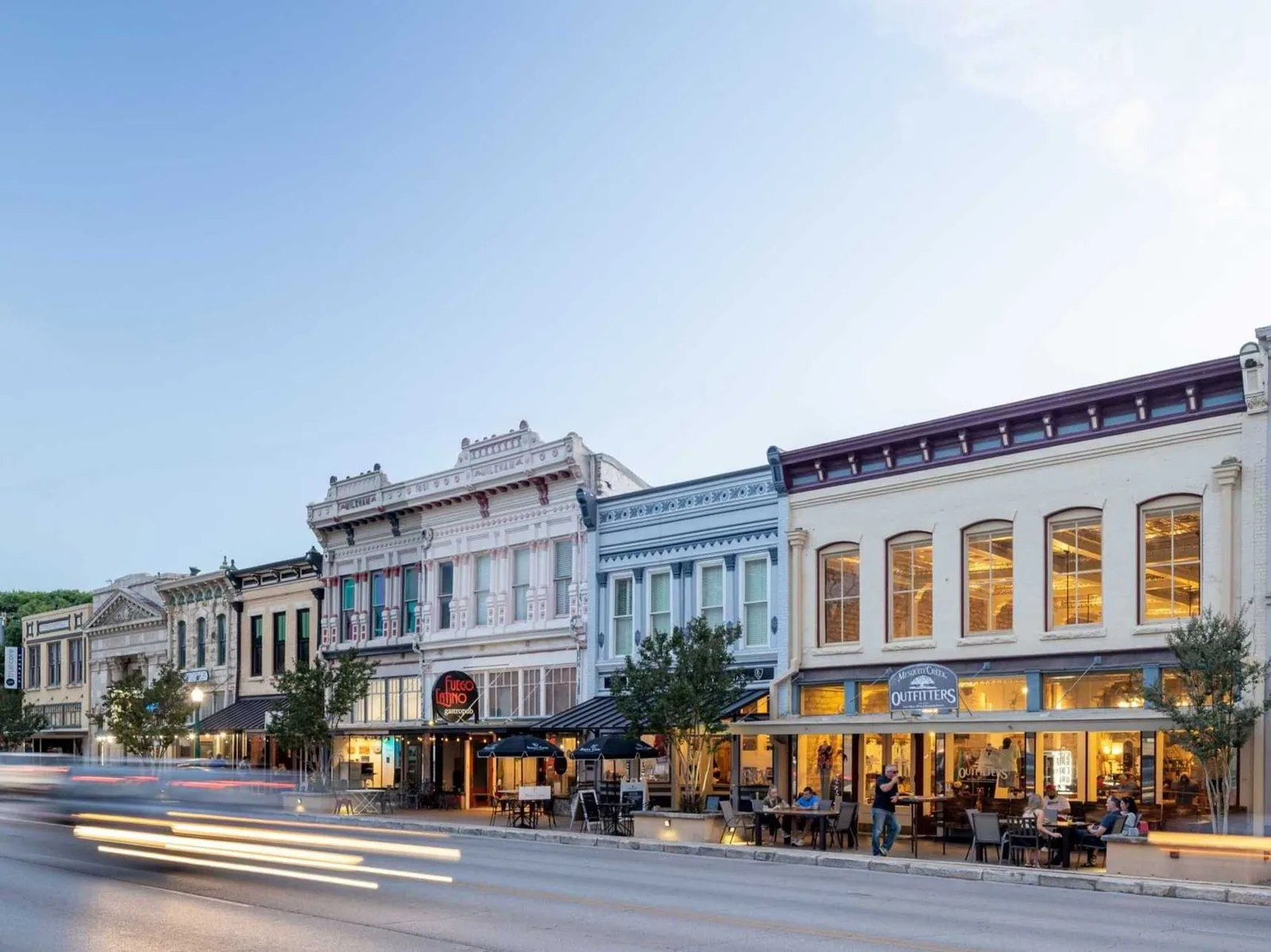
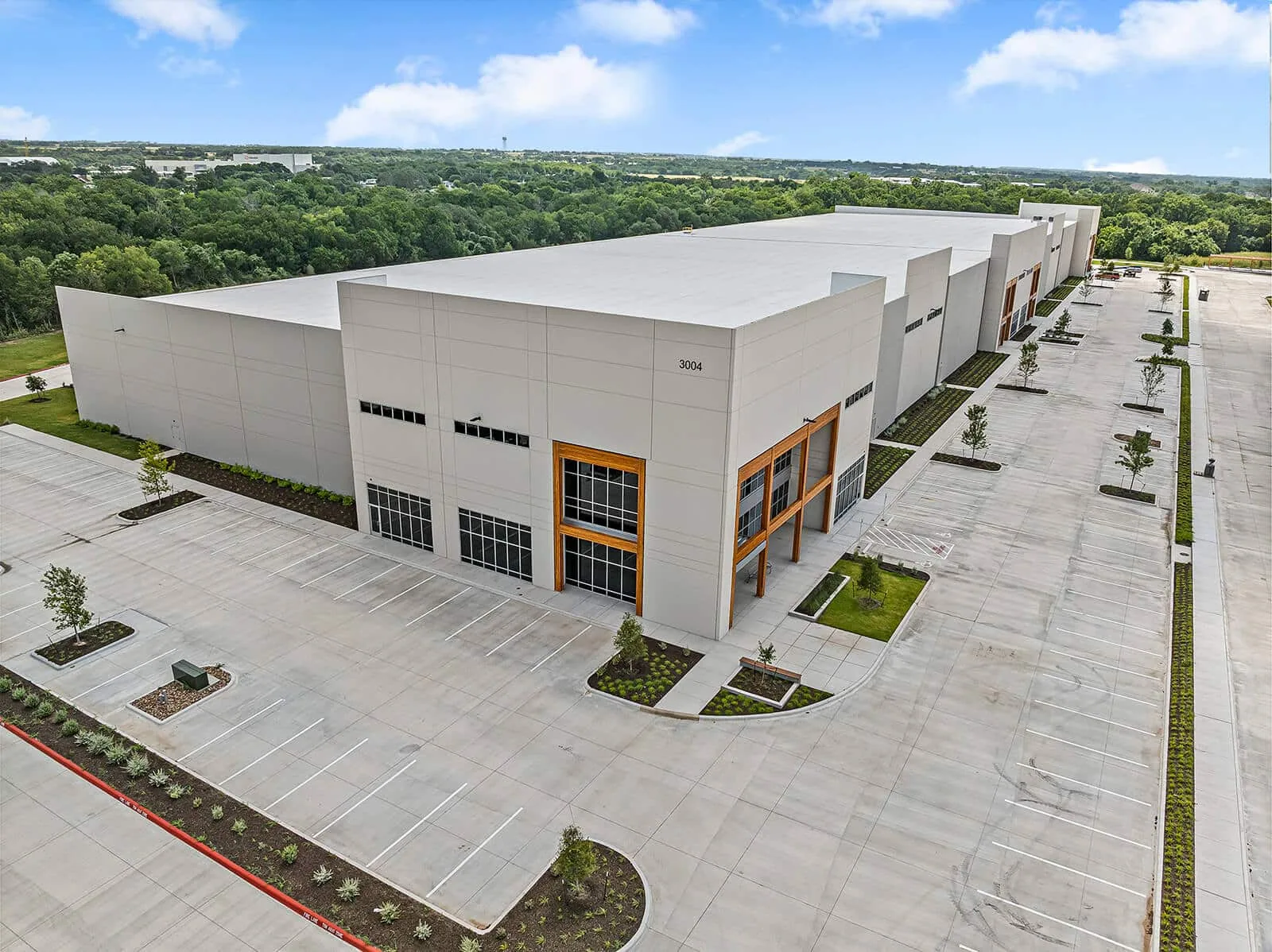
Georgetown's downtown is a mixed-use, 40-block district around the courthouse square. Berry Creek Business Park serves a different industrial market near I-35 and SH 130. Those settings bring different roof assemblies and tenant conditions. We inspect each asset in place. Portfolio comparisons start with equivalent records, not assumed roof types.
Investors need to understand immediate repair, deferred exposure, and capital timing. Our roof due-diligence survey maps visible conditions, access limits, and areas requiring a test opening. Property management teams can use the same roof zones for work orders after closing. The inspection boundary remains attached to the property.
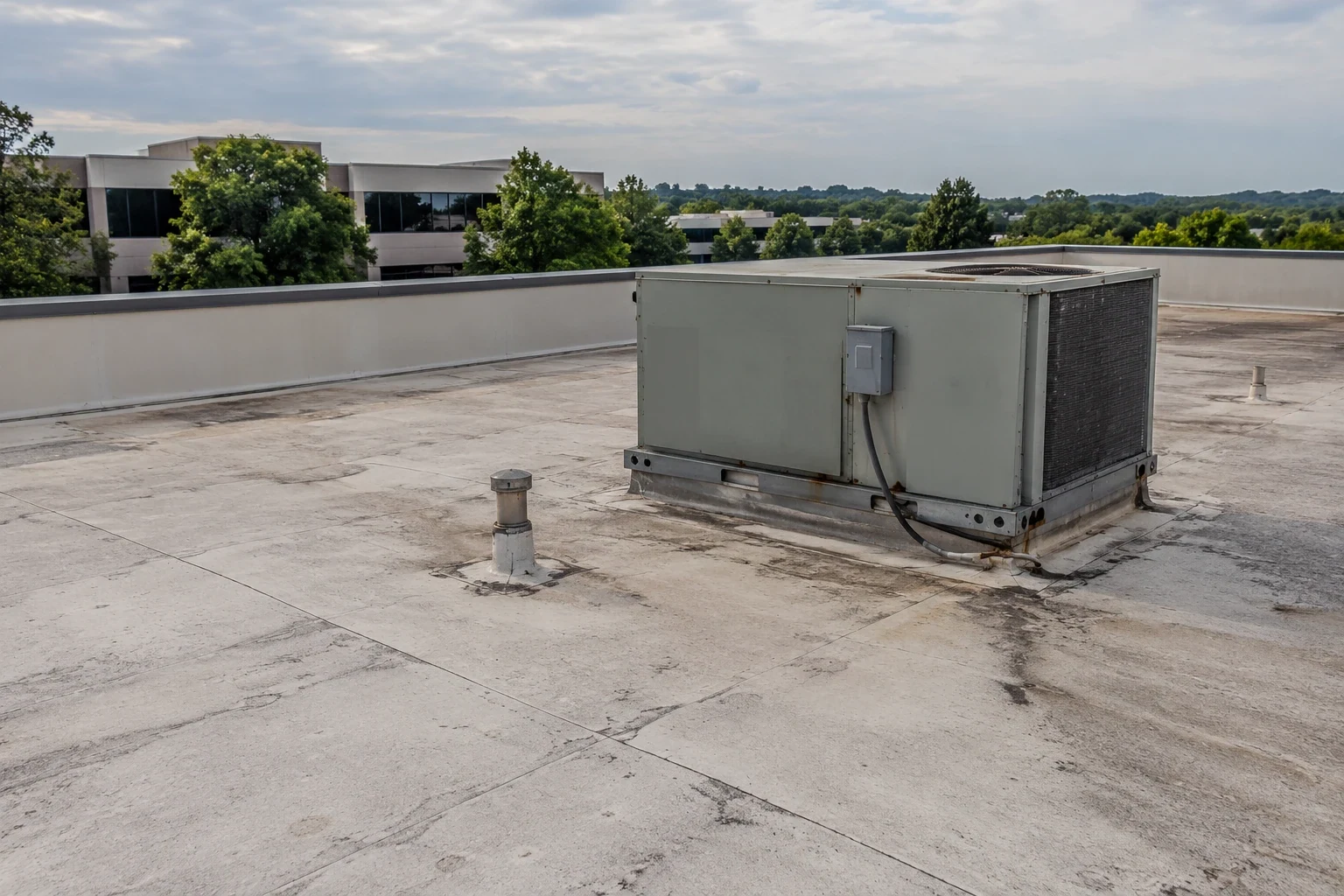
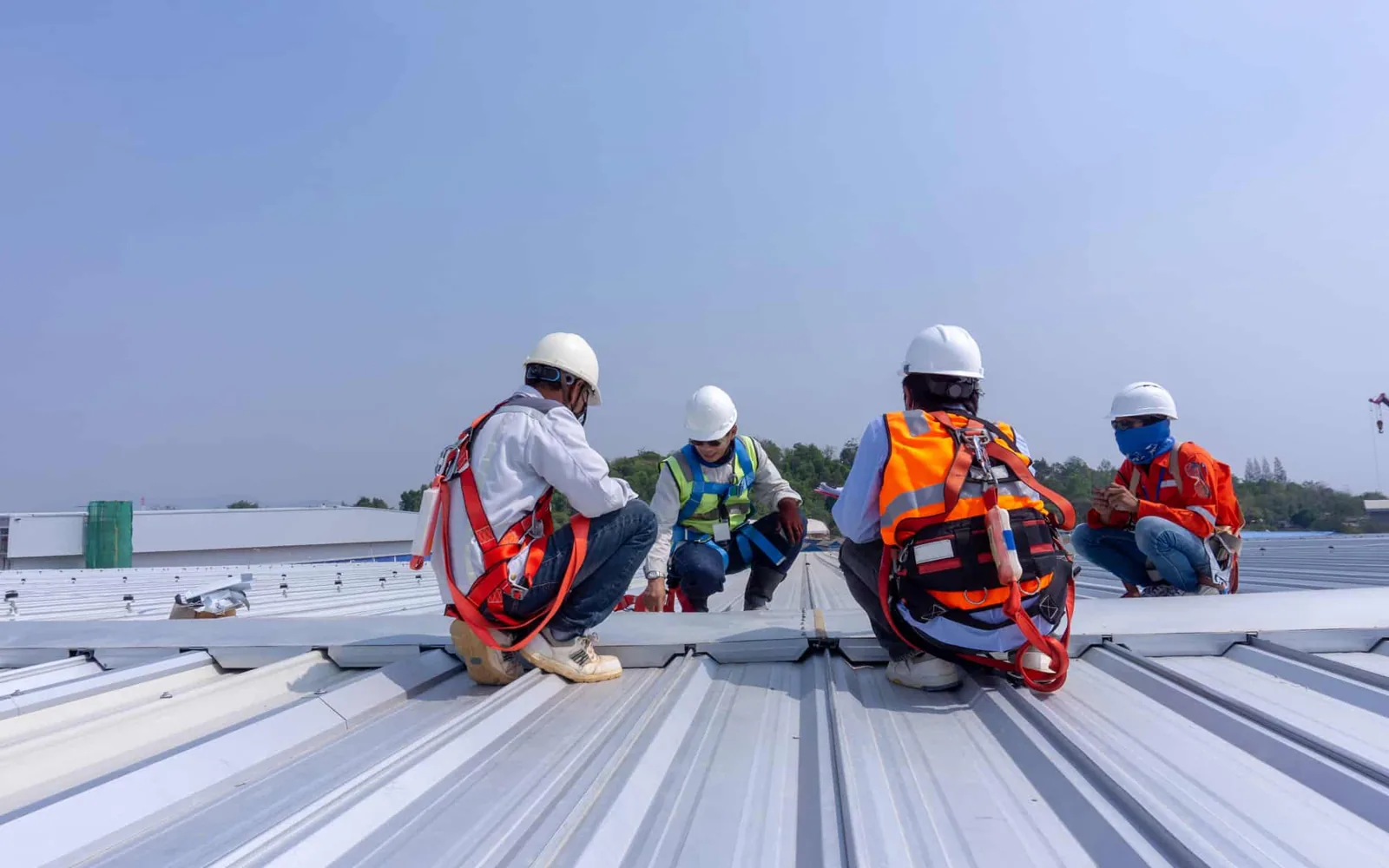
Before a transaction decision, we document accessible roof sections, visible assembly, repairs, drains, curbs, and perimeter conditions. Photos identify each finding and its location. We note whether the observation is active, stable, or unresolved. Areas that remain covered stay marked as unverified. That boundary helps the buyer distinguish a confirmed repair from an investigation allowance.
In Downtown Georgetown, contributing historic structures and design review shape exterior changes in the overlay district. A transaction team should identify where roof details touch protected exterior elements. We record those interfaces for design coordination. The roof inspection does not replace the separate review required for exterior changes.
Lease and ownership terms can divide roof duties. We record the visible condition without assigning responsibility from a roof walk. The asset manager can compare the lease, maintenance history, and field findings. If a tenant controls rooftop equipment, we note the service interface. The repair boundary should still identify the roofing work required.
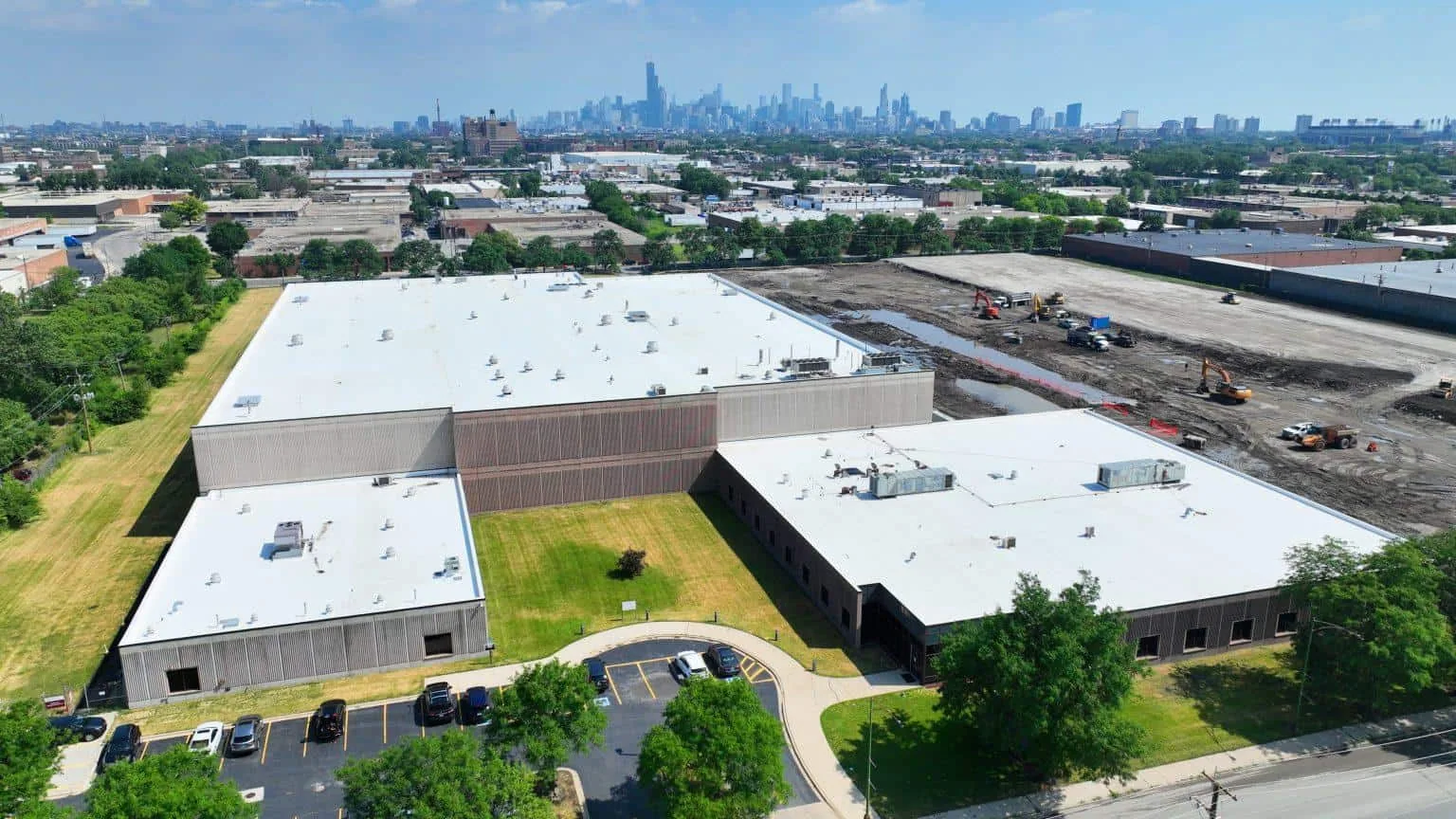
Berry Creek Business Park offers a local example of industrial assets spread across more than one building. A buyer may assess multiple properties with different access conditions. We keep each building's map separate. Similar location or use does not prove that roof assemblies match. The condition record states what we reached and what requires another visit.
A stain inside can point toward a roof zone, but it cannot show how far water traveled. We compare the interior report with seams, drains, curbs, and previous repairs. If hidden insulation could change the valuation, a targeted test opening can show the layers at one point. We mark that point and its limits. The buyer can price confirmed work separately from follow-up testing.
Recent summers in Georgetown have brought 90-degree days and occasional readings above 100. Heat affects roof access and repair windows. It also makes material condition and sealants worth documenting at observed transitions. A hot afternoon is not a diagnosis. We inspect the assembly and record what it shows that day.
Large hail can leave dents or splits without opening a membrane. We photograph each mark and compare it with seams, curbs, and equipment. The record distinguishes cosmetic impact from a functional opening. If the roof surface is wet or access is restricted, we record that limit and schedule a return when the condition can be assessed.
Williamson County’s spring 2022 tornado path ran from the Round Rock area toward Granger. On an investment property, the roof walk checks for displacement, punctures, water entry, and debris impact before defining the affected zone.
A limited repair may fit a defined seam, flashing, or drain issue. Replacement may be appropriate when moisture or deterioration crosses several zones. Recover depends on stable existing layers and project requirements. We compare options on the same roof map. Each option lists what stays, what opens, and what could change after testing.
Georgetown's industrial pipeline includes NorthPark35 and Georgetown Logistics Park, with utility infrastructure planned for added industrial buildings. That growth may bring new acquisitions and changing tenant operations. It does not establish a roof's size or condition. We confirm access, assembly, occupancy, and roof area at the asset before making a scope comparison.
Capital timing also depends on equipment relocation, tenant windows, structural review, staging, and temporary dry-in. Georgetown’s 2021 International Existing Building Code applies to existing-building review. For commercial energy questions, Texas SECO's 2015 IECC reference is a starting point; local amendments and project details still need confirmation. A roof capital plan can record that decision with remaining assumptions.
Investment committees need concise evidence and a traceable boundary. The report identifies roof zones, findings, priority, photos, access limitations, and recommended next steps. It separates urgent dry-in from planned replacement. When a concealed condition triggers a change, we mark a hold point for owner review. That makes the approval record easier to reconcile with the final scope.
Our commercial inspection can establish the initial record. A replacement scope can then use the same map for quantities and sequencing. If a general contractor takes the project forward, a GC handoff names tie-ins and adjacent trade boundaries. Each document points to the same observed roof condition.
For approval, state the expected field hold point before removal begins. The owner should know who reviews concealed layers and how changed quantities are documented. We photograph the opening and pause at the agreed boundary. Additional work starts after the scope is updated and authorized. That sequence keeps the asset record aligned with the final invoice and closeout.
Do not combine several buildings into one undifferentiated risk line. List the asset, roof section, condition, and open question. For a multi-property owner, multi-site roof tracking can retain each building's record while supporting a portfolio view. The closeout file should reflect work completed and findings that remain open.
After closing, the property manager needs the inspection map, photo log, repair limits, and any test-opening result. We also state which areas were not reached. That handoff prevents a new maintenance team from treating an uninspected zone as cleared. The asset record becomes the starting point for work orders and later review.
Send the transaction schedule, property contact, available roof plans, known leaks, and access window. We confirm the route and identify the first hold point. A repair visit can proceed once the owner approves that boundary. The final record gives investors a usable view of condition without extending findings beyond the roof areas inspected.
We map accessible zones, assembly details, drains, seams, penetrations, prior repairs, and visible damage. The report also identifies access limits and concealed areas that could affect scope.
A surface walk may not resolve concealed moisture. We can identify a test area or other investigation when that result would change the repair or valuation decision.
Use a separate roof map and dated findings for each asset. Then compare repair limits, open testing, access, and capital needs without assuming similar buildings have identical assemblies.
No. The event provides regional hazard context. The roof walk must document actual impacts, openings, and water entry at the property before assigning a storm-related scope.
Keep the roof map, photos, repair boundaries, test results, access limits, and unresolved conditions with the property file. The operating team can then convert findings into work orders.