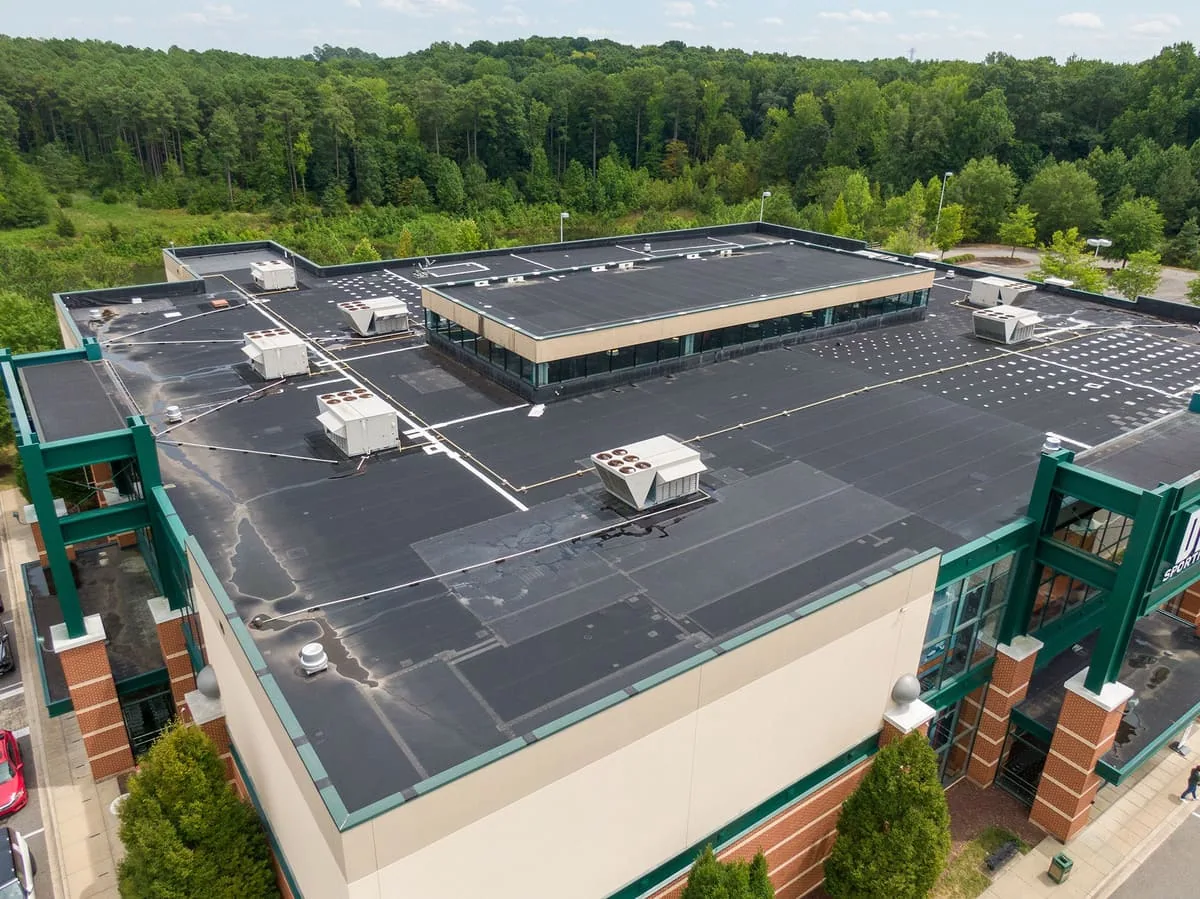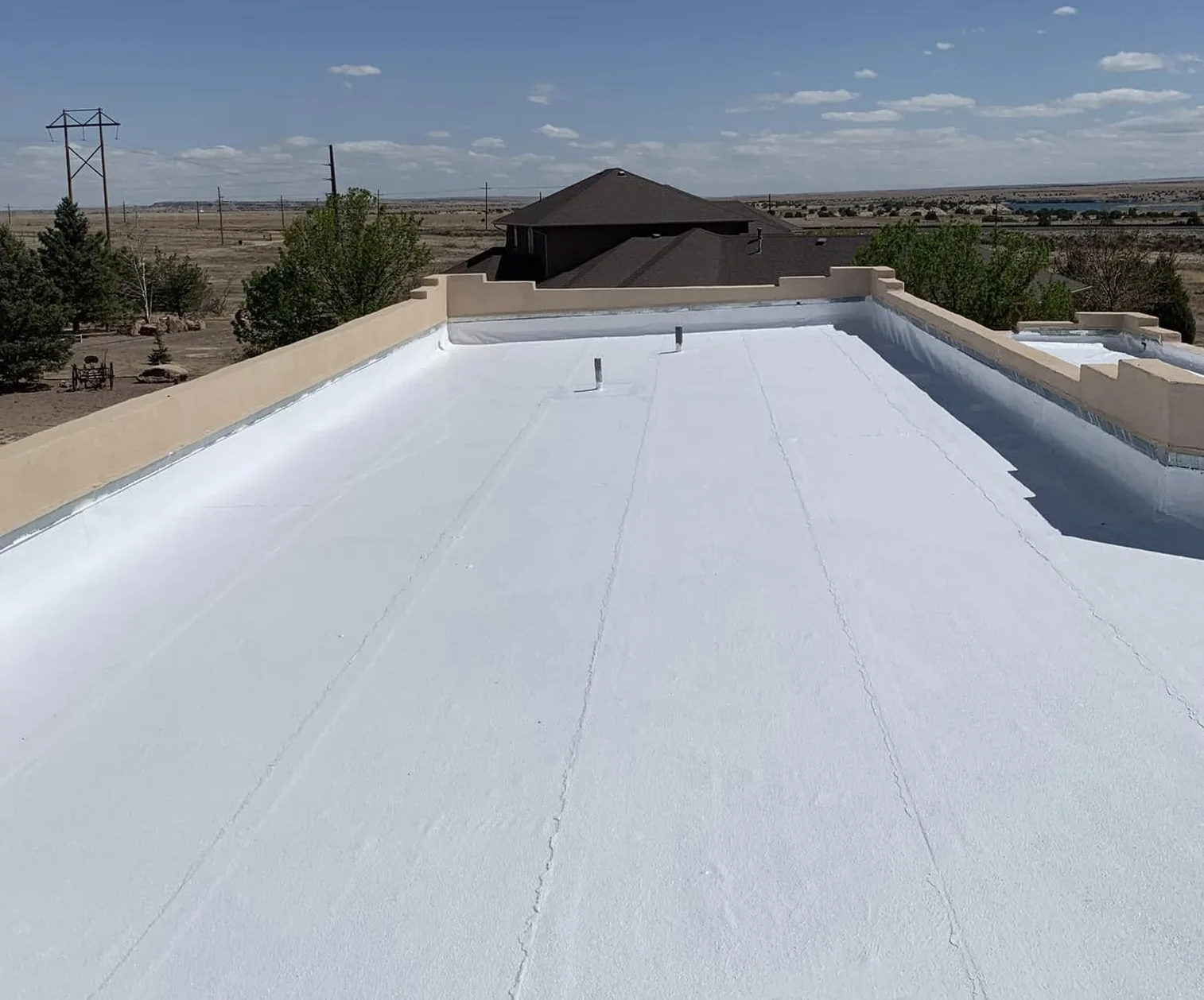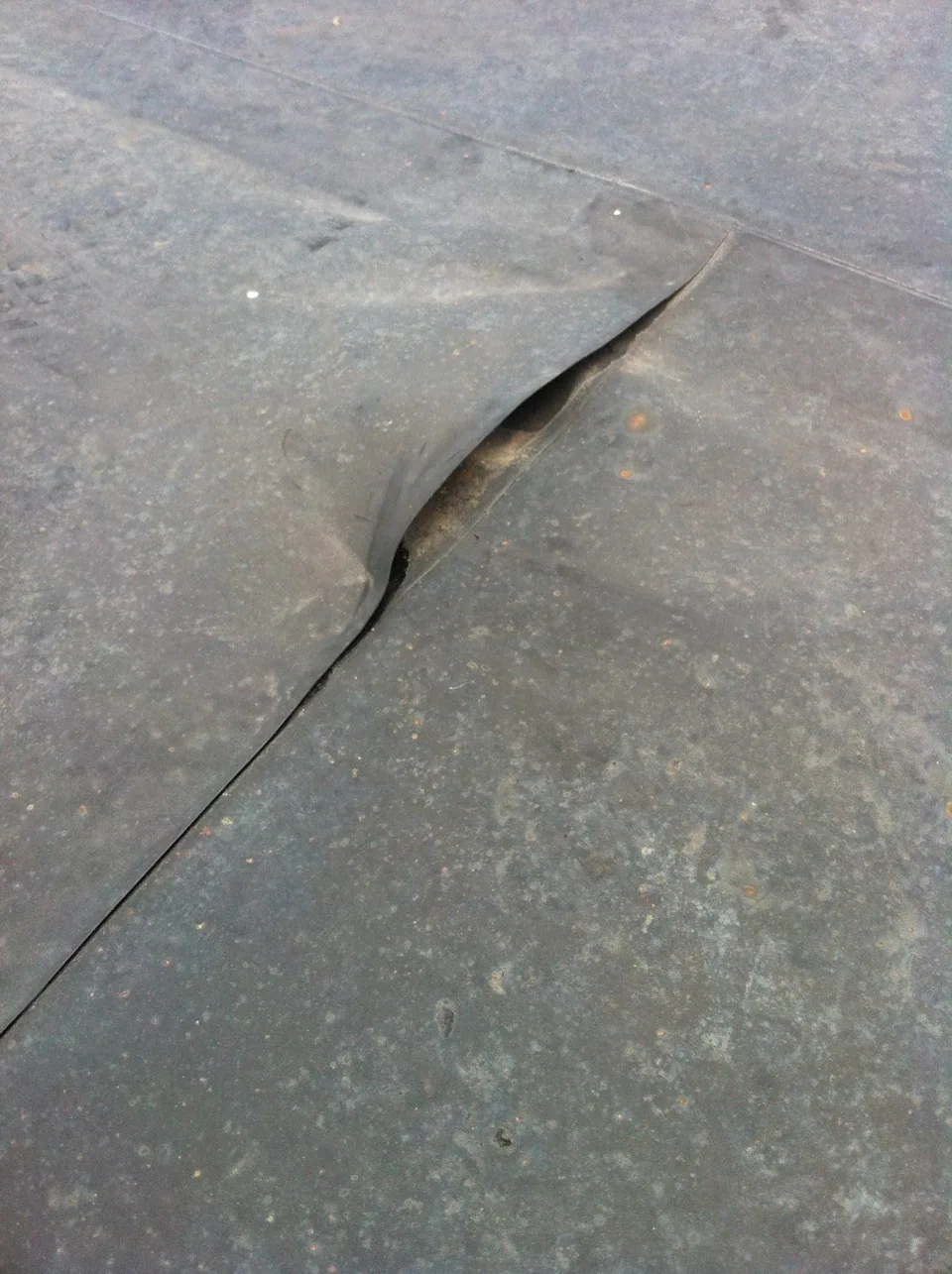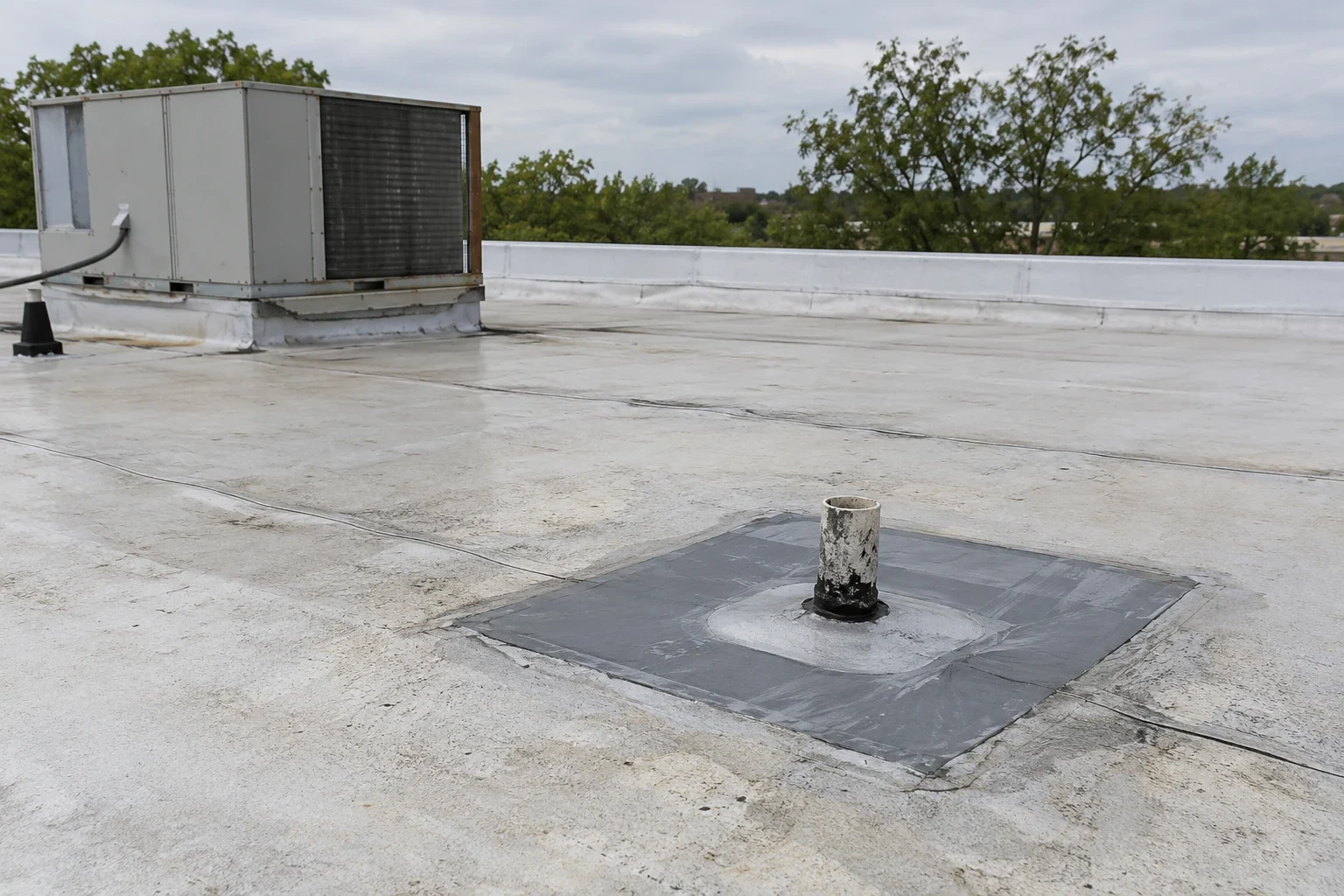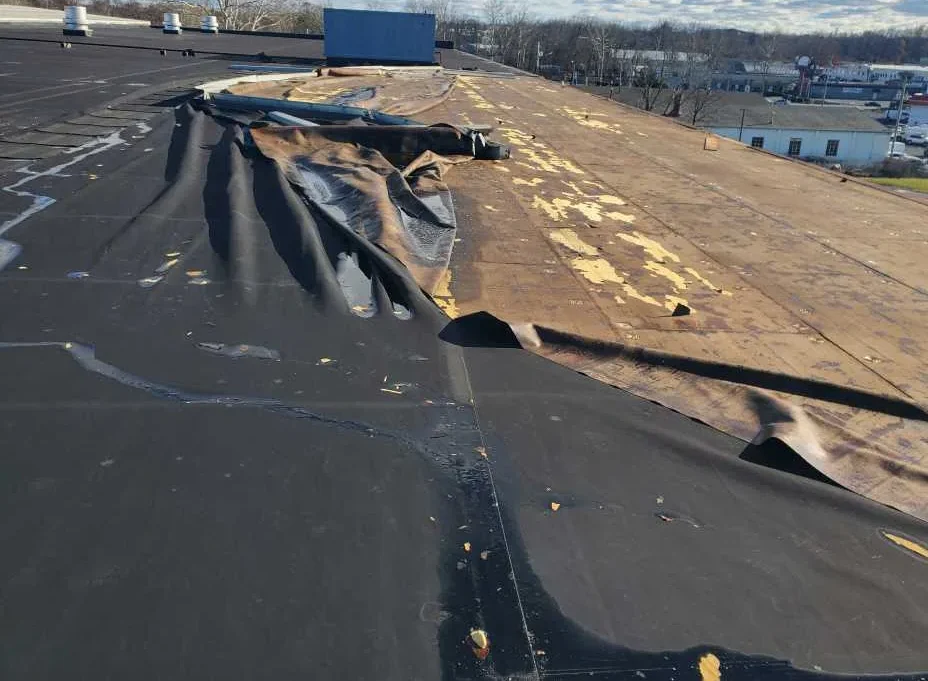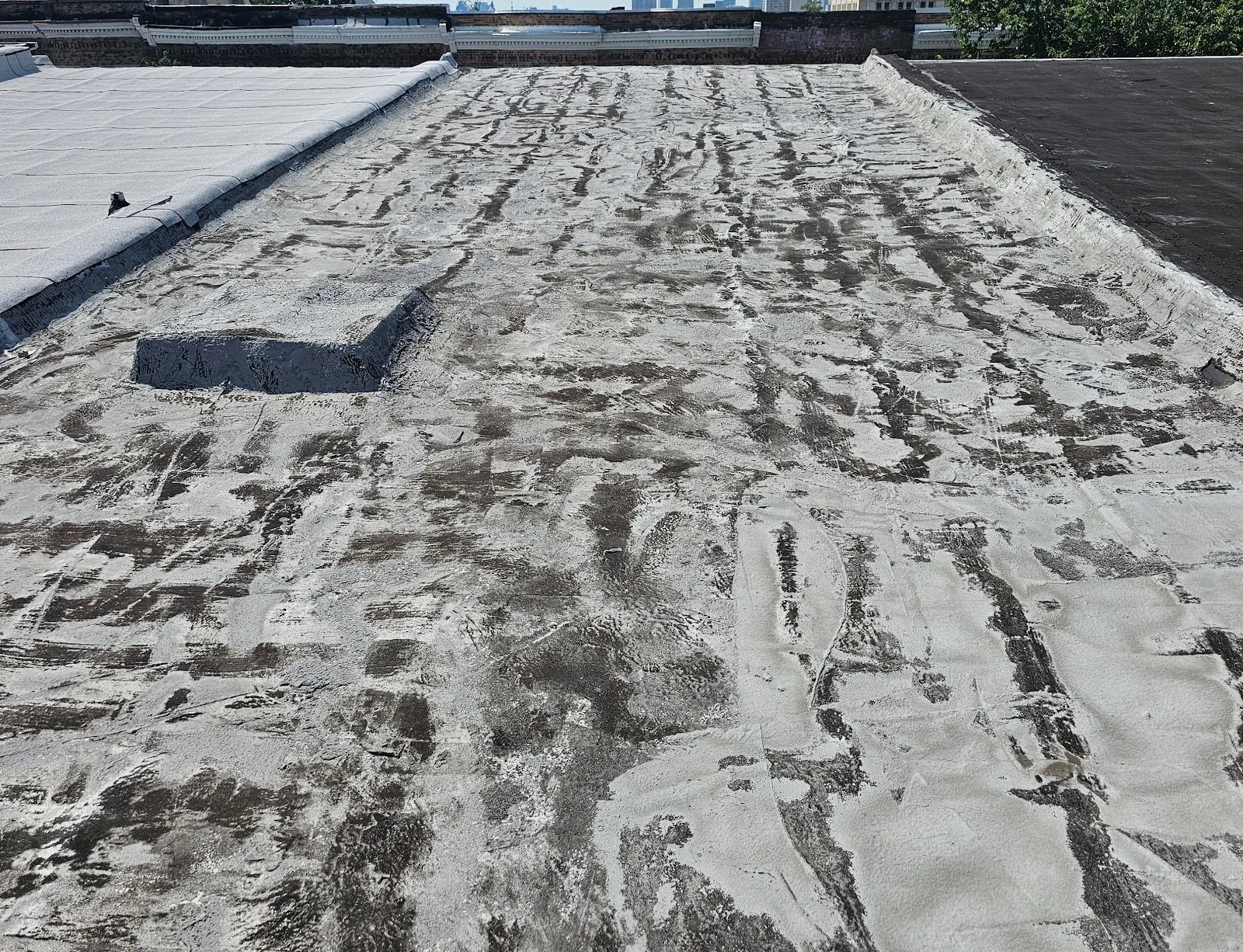
A lifted edge, split seam, or puncture gives the inspection a starting point. We check nearby attachment, flashing, and drainage, then mark the affected roof zone. Georgetown has hail and tornado exposure, but a regional event does not establish damage at an individual property. The report records the roof condition we can verify.
For a wind event, wind damage review checks edges, fasteners, and membrane transitions. After a hail report, hail inspection separates impact marks from existing wear.
Call 555-555-5555 or send the property details. We walk the roof, photograph what we find and explain the options before any work is approved.
Request a Roof Assessment
We photograph open seams, displaced metal, punctures, and compromised flashing by roof zone. A stain inside can help locate the search, but the entry may be at a curb, lap, or drain some distance away. We compare the reported area with the assembly overhead and adjacent details.
The 2022 tornado track through Williamson County and documented hail across the region inform inspection readiness. They do not establish which roof was affected. A claim record ties observed damage, photos, and test areas together without treating the event date as the scope.
A flashing failure may remain local when the surrounding membrane is sound. A seam opening needs a compatible tie-in that reaches bonded material. Punctures near rooftop equipment require review of the curb, service path, and any temporary protection.
When water may be below the surface, we mark a test area and hold removal at the agreed limit. Wet insulation, loose attachment, or deck damage can change the repair boundary. We show the finding before extending work.
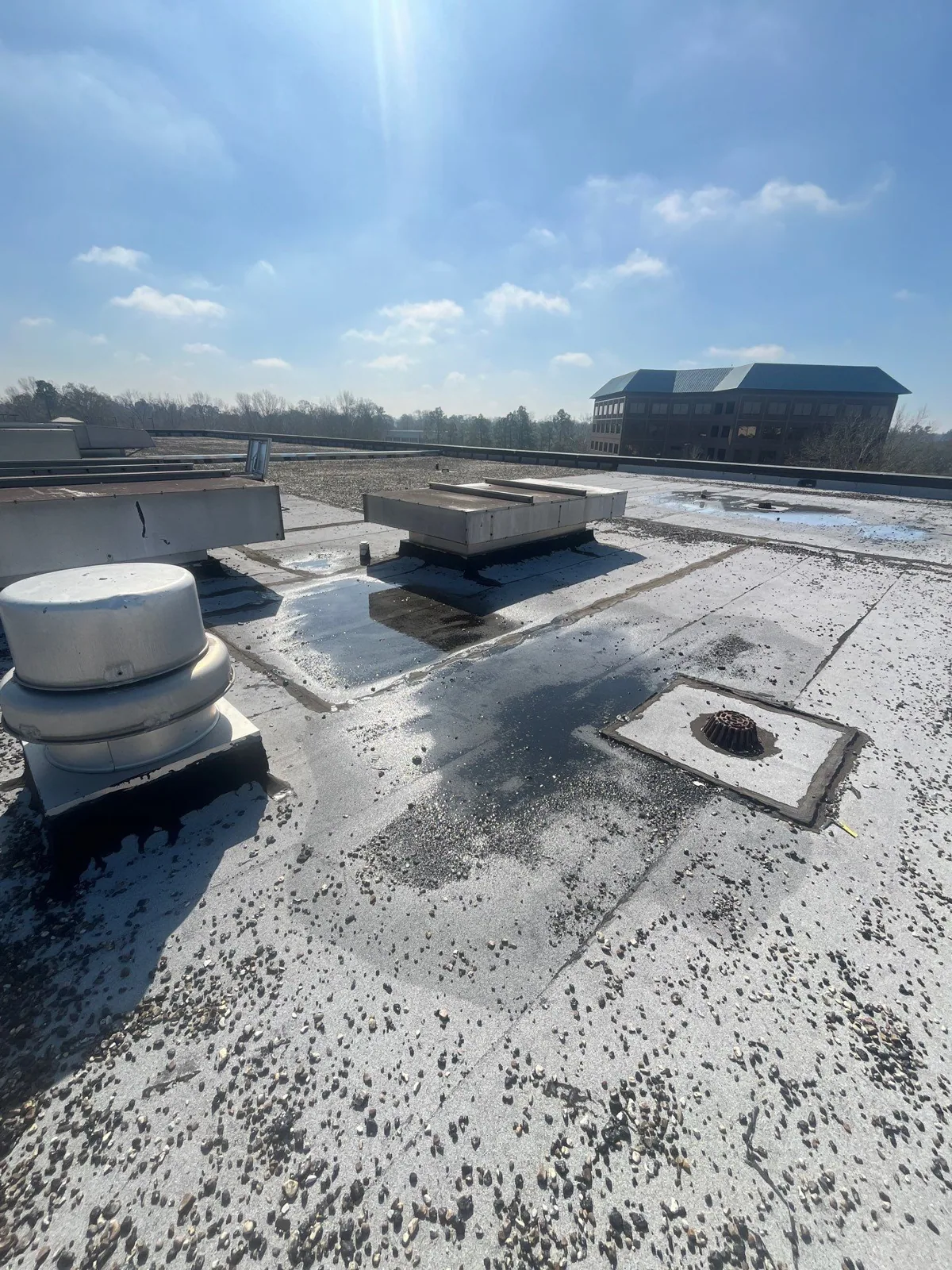
Standing water can expose drainage or deflection issues, but a dark mark alone does not confirm ponding. We check the drain, scupper, low point, and path to the outlet. A ponding-water assessment separates blocked drainage from broader slope or substrate concerns.
Georgetown summer heat can stress sealants and exposed flashing; heat and ultraviolet review focuses on the actual material condition. We do not assign every split or brittle edge to one cause without supporting field evidence.
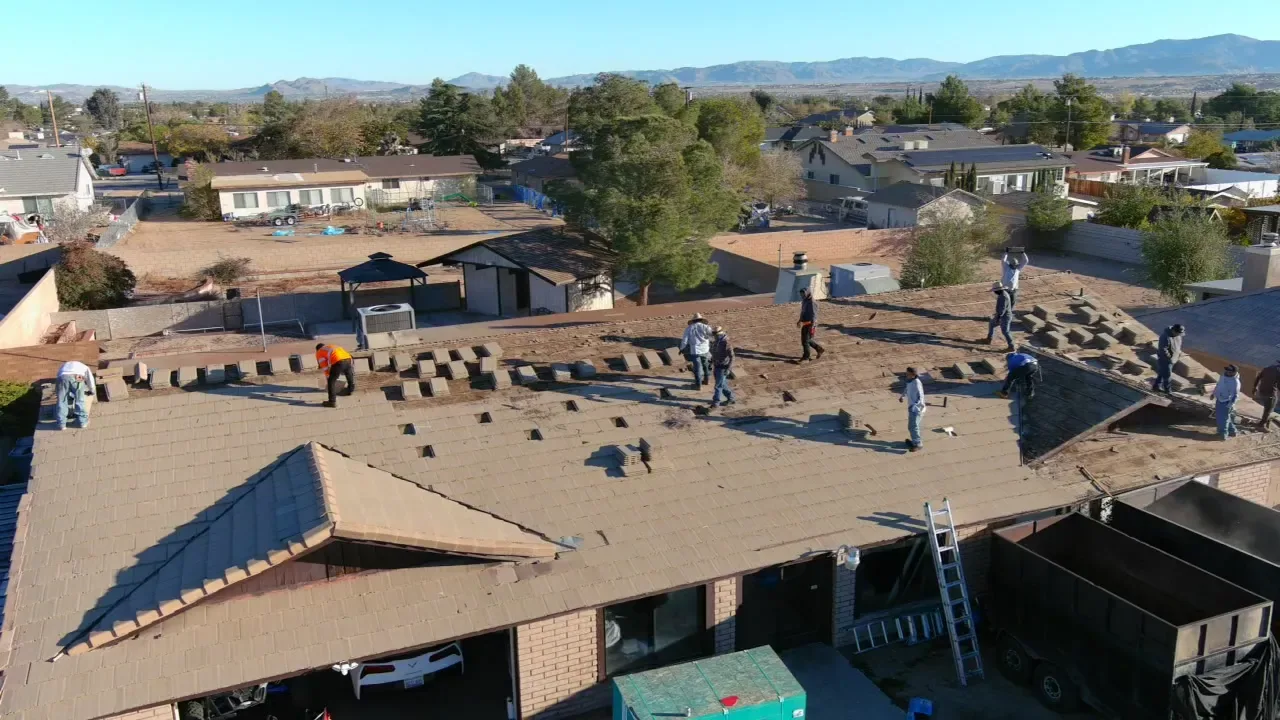
Storm repair needs a dry-in boundary that can be secured before weather changes. We set the daily removal area, temporary tie-in, drain protection, and access route. Tornado exposure can bring debris and displaced rooftop items; the roof walk checks the specific membrane and edge details before permanent work is priced.
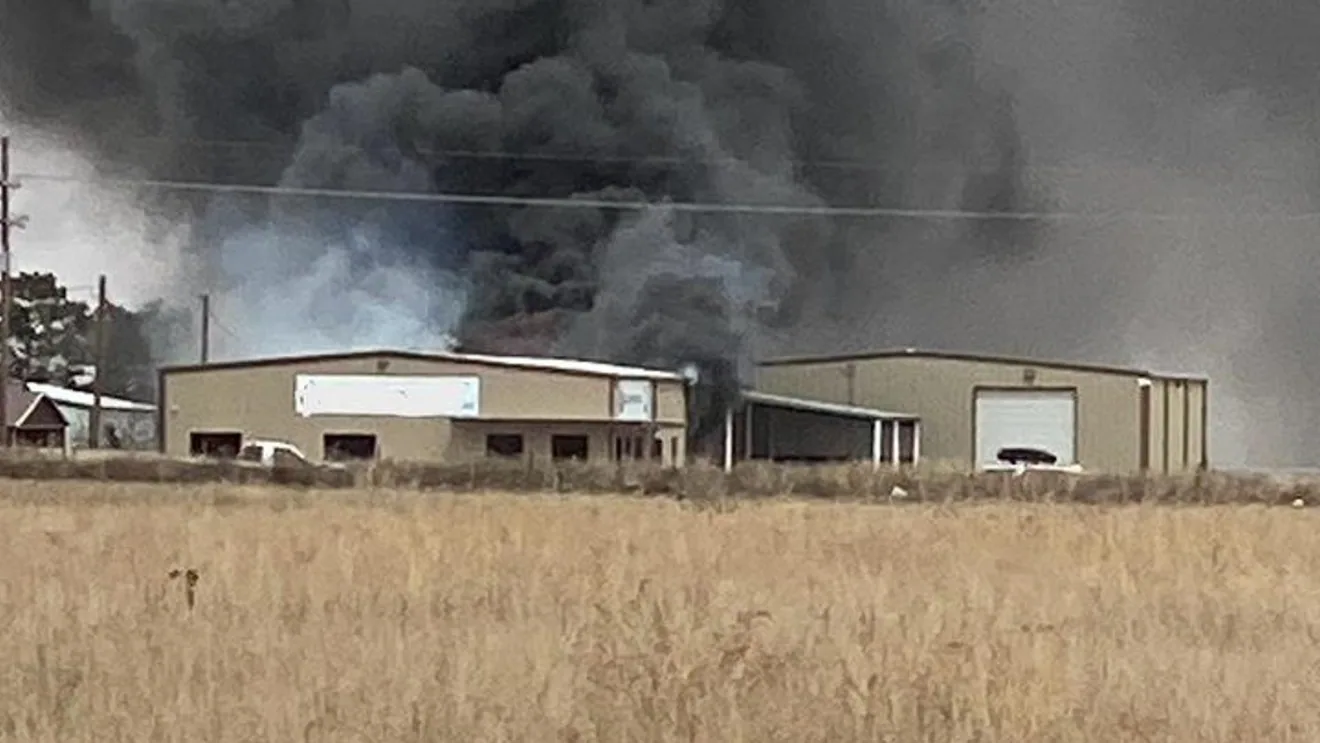
Where a larger section is involved, a tornado damage sequence separates emergency protection from permanent restoration. Fire or impact damage may need coordination with other trades, so the roof opening and interior protection stay identified.
At closeout, the owner receives the repaired zones, photos, material details, tests, and any open hold point. A roof condition report can preserve the post-event baseline for maintenance. If another trade alters a penetration, the roof map shows the tie-in that still needs inspection.
Provide the reported location, roof plan, access limits, and general-contractor contact. We will confirm the first safe inspection route. Emergency response is available around the clock, including holidays.
No. It helps set inspection timing. We document the membrane, edges, curbs, seams, and drainage found at the property.
We can work to protect an active opening when access and weather permit. The permanent repair boundary follows the field condition and any required test.
Photos, location, material condition, and repair history help distinguish observed conditions. We label uncertainty rather than assigning a cause the roof cannot support.
We stop at the agreed hold point, record the exposed layers, and review the revised limit before removal continues.