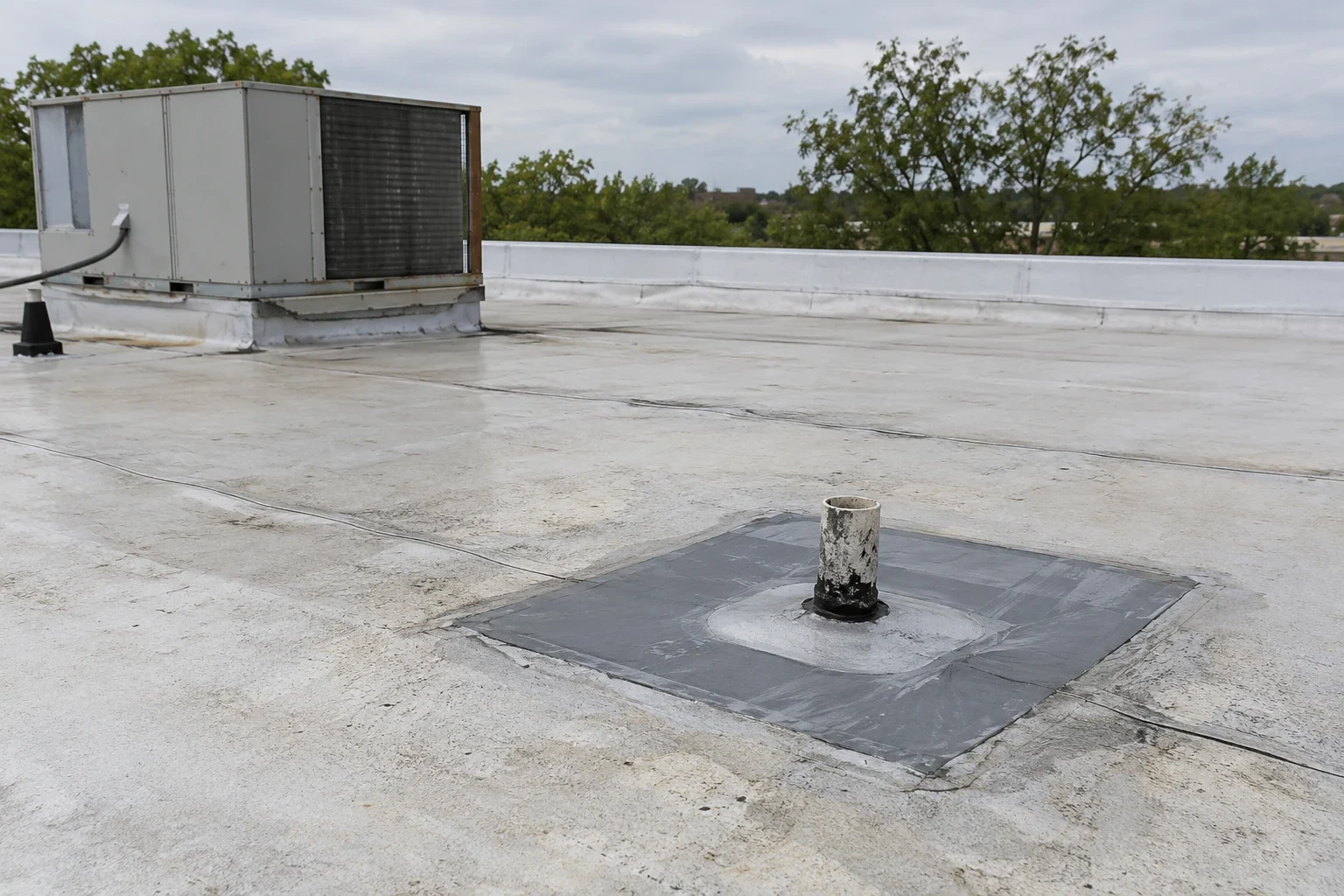
A brittle sealant bead beside a sun-exposed curb is the first inspection point. We check the seal, flashing, and membrane for cracks or separation, then trace nearby seams and drainage. Heat aging can reduce flexibility gradually; a split at the detail is a separate finding. We map the affected roof zone before choosing a repair or coating.
On hot Georgetown days, temperatures commonly reach the 90s, with recent highs above 100 degrees Fahrenheit. Buildings around NorthPark35 and Georgetown Logistics Park add industrial roofs to the local mix, while the downtown courthouse district includes civic, county, commercial, and residential structures. We use the climate and property setting to plan access; the assembly and current condition determine the work. The assembly and current condition determine the work.
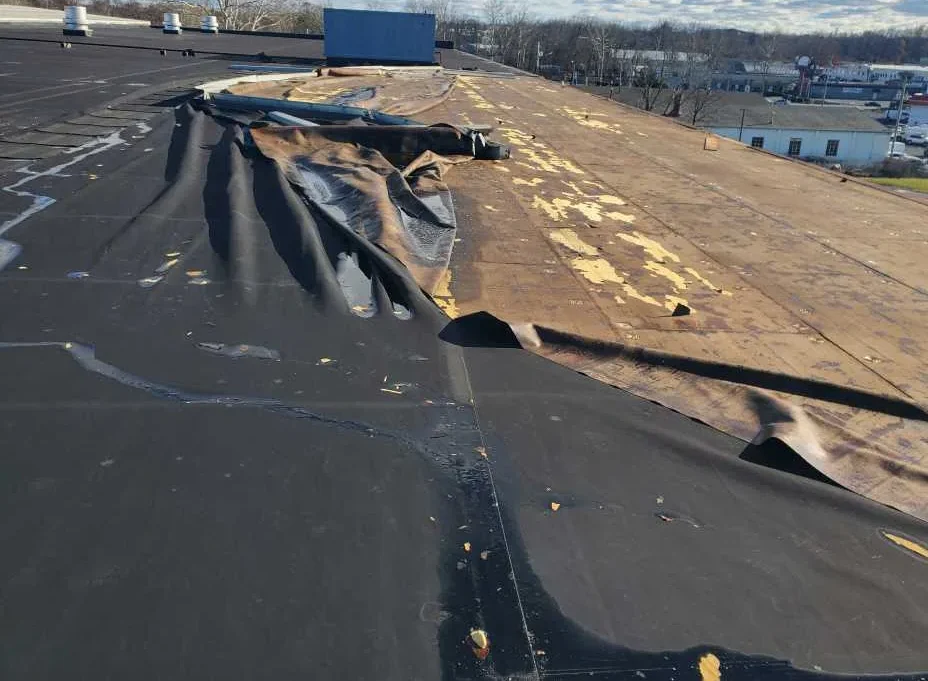
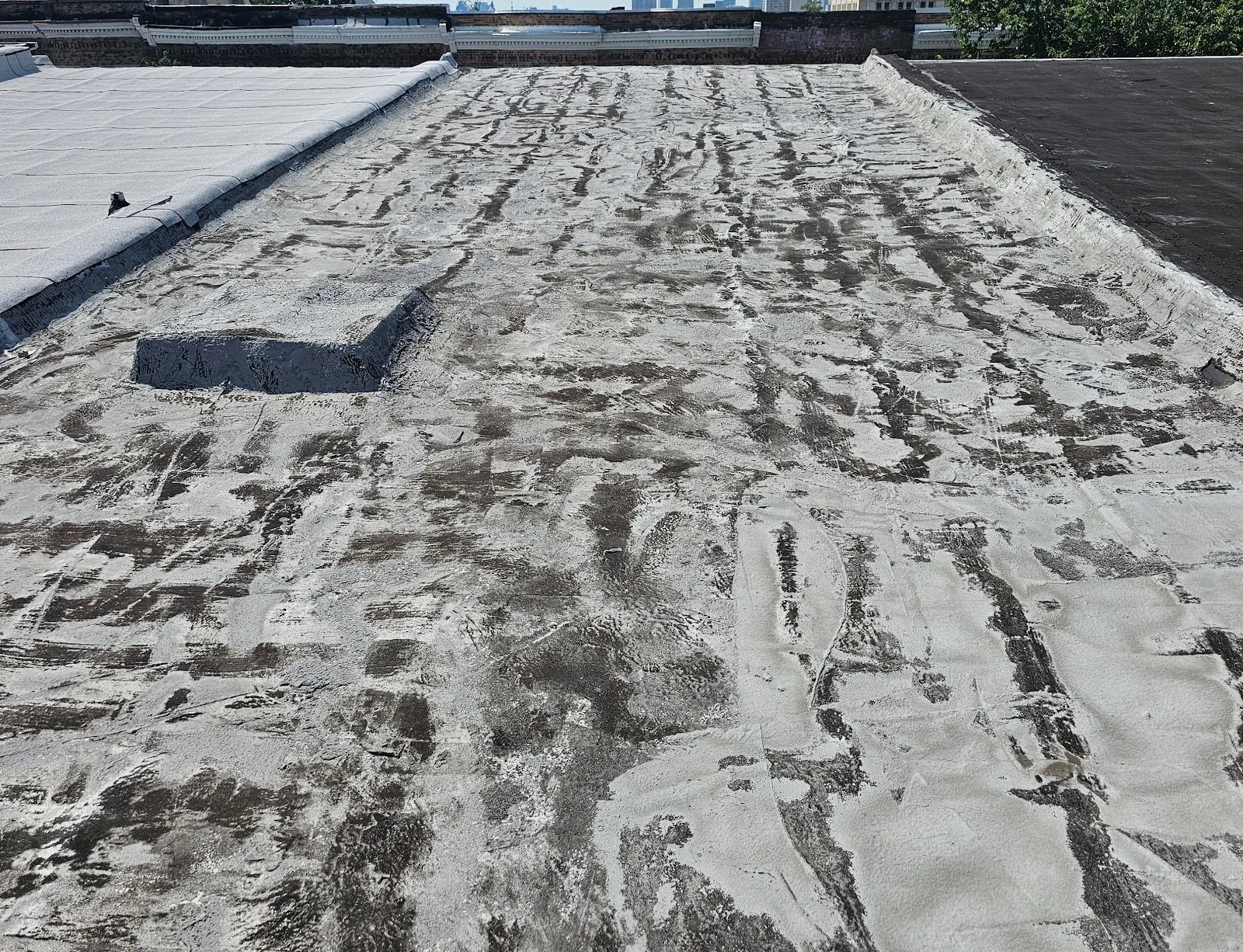
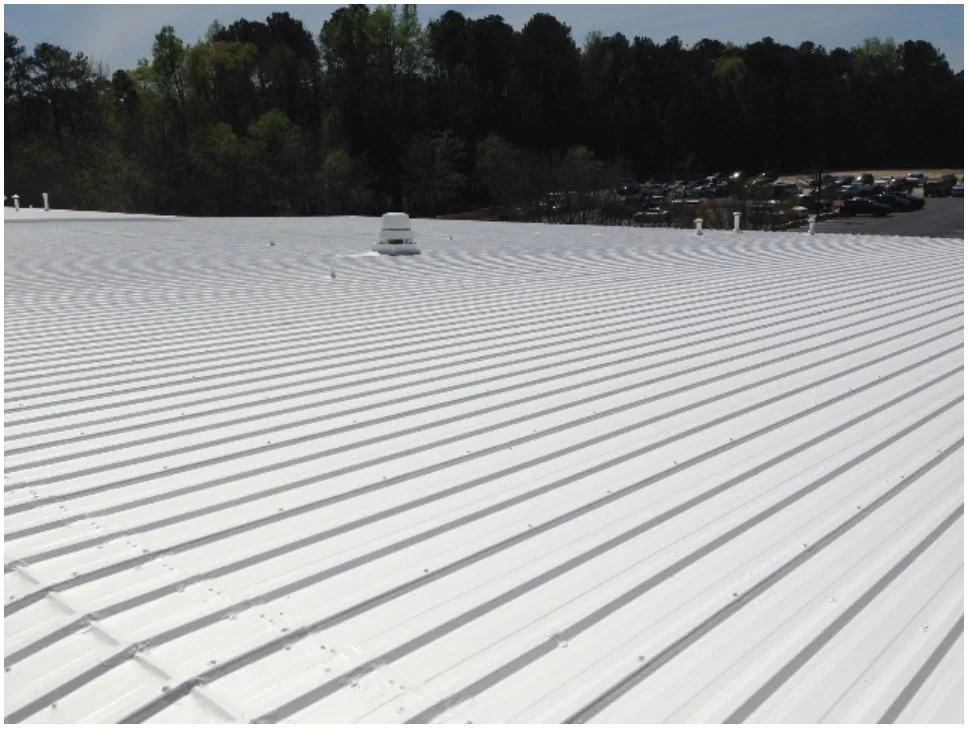
We inspect the membrane or coating for chalking, loss of granules, checking, cracks, blisters, open seams, and exposed reinforcement. Metal roofs need a review of coating, fasteners, panel movement, and sealant at joints. Spray foam requires attention to surface protection and exposed areas. Each system ages differently. We identify the material before recommending a patch or restoration.
Heat can affect sealants at curbs, skylights, drains, and wall transitions. We check whether the material has become brittle, pulled away, or lost adhesion. An aged bead alone does not prove water entry. We compare the detail with interior reports and nearby roof conditions. A flashing-failure repair can address a confirmed transition defect, while broader surface deterioration needs a separate assembly review.
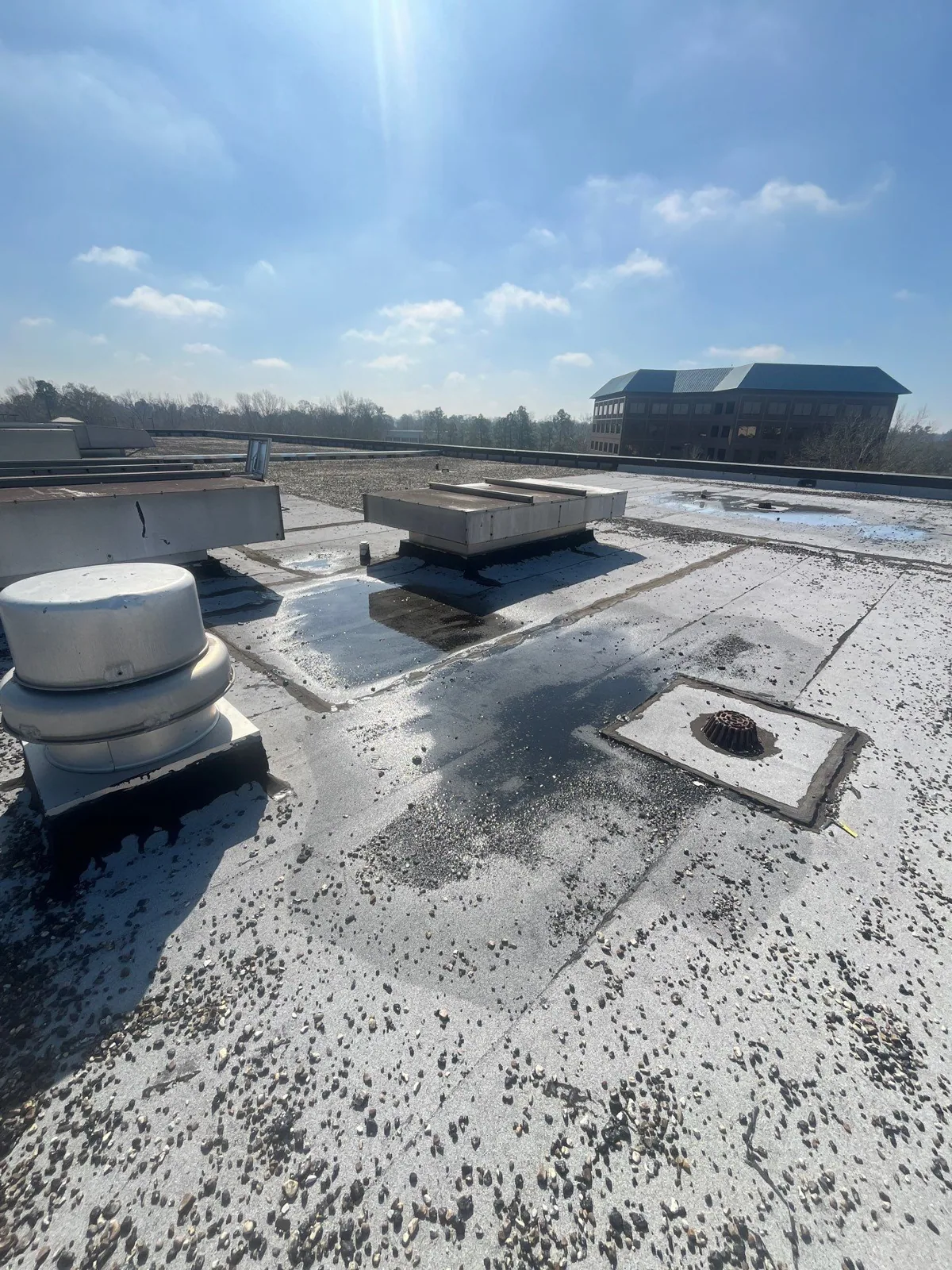
We also check drainage and water paths. Ponding can keep a low area wet while sun heats surrounding material, creating different wear patterns. A blocked outlet and a membrane crack are not the same repair. If the low area appears to move or deflect, a structural review may be needed. A ponding-water assessment can trace a confirmed drainage issue.
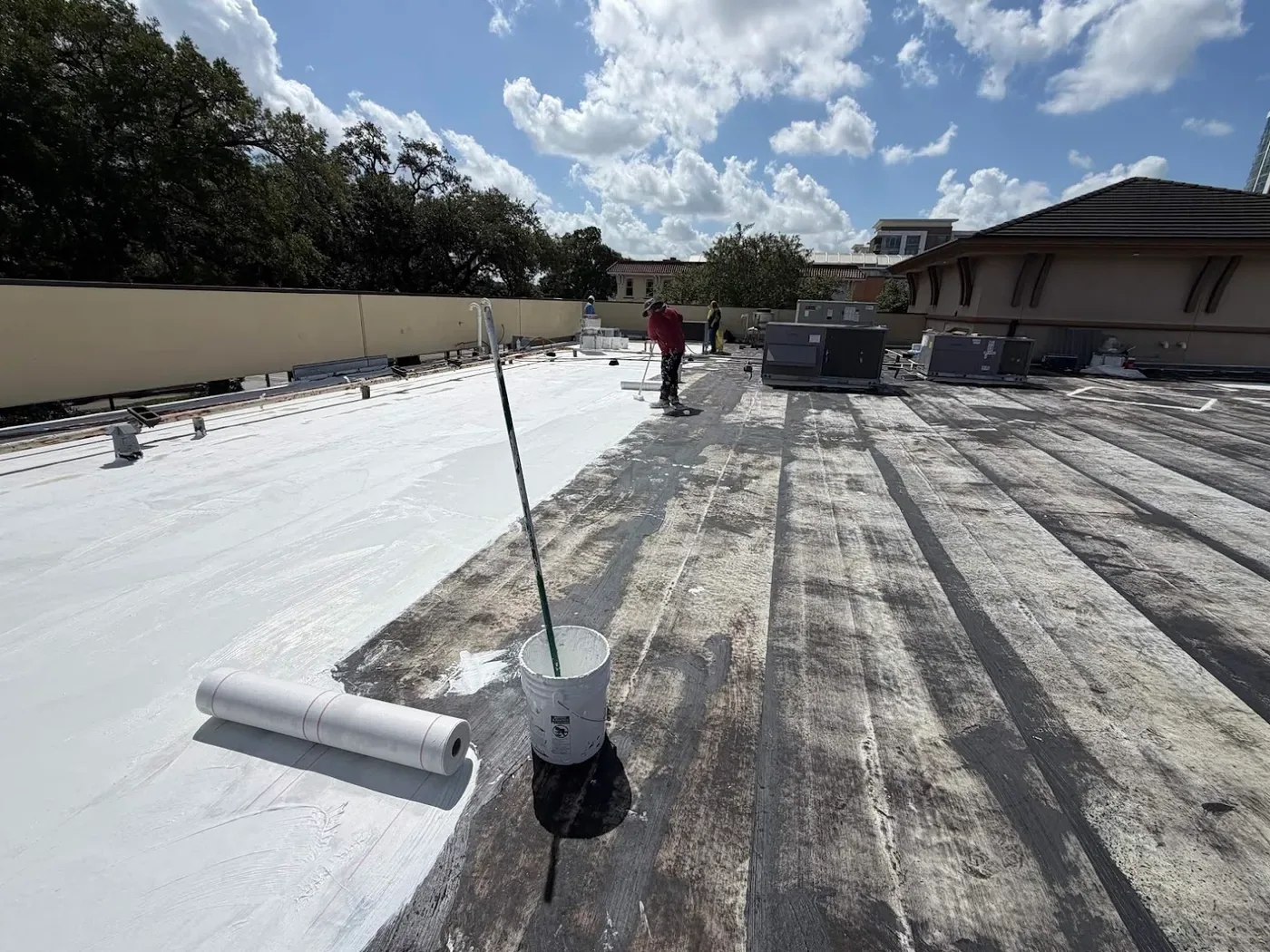
Surface preparation can take more time than the application itself. We remove loose coating, clean the repair zone, and confirm the substrate is ready for the selected material. At a transition, the repair has to tie into sound flashing rather than stop at the visible crack. We document prep and application as separate steps so the owner can see what was treated and where the work ended.
Recent Georgetown summers have included afternoons above 100 degrees Fahrenheit. Roof-surface temperature, substrate moisture, and product limits all matter when preparing a bond or applying a coating. We set the work window based on the material instructions and actual surface conditions. A repair that cannot cure or cool correctly should not be installed just to keep the schedule.
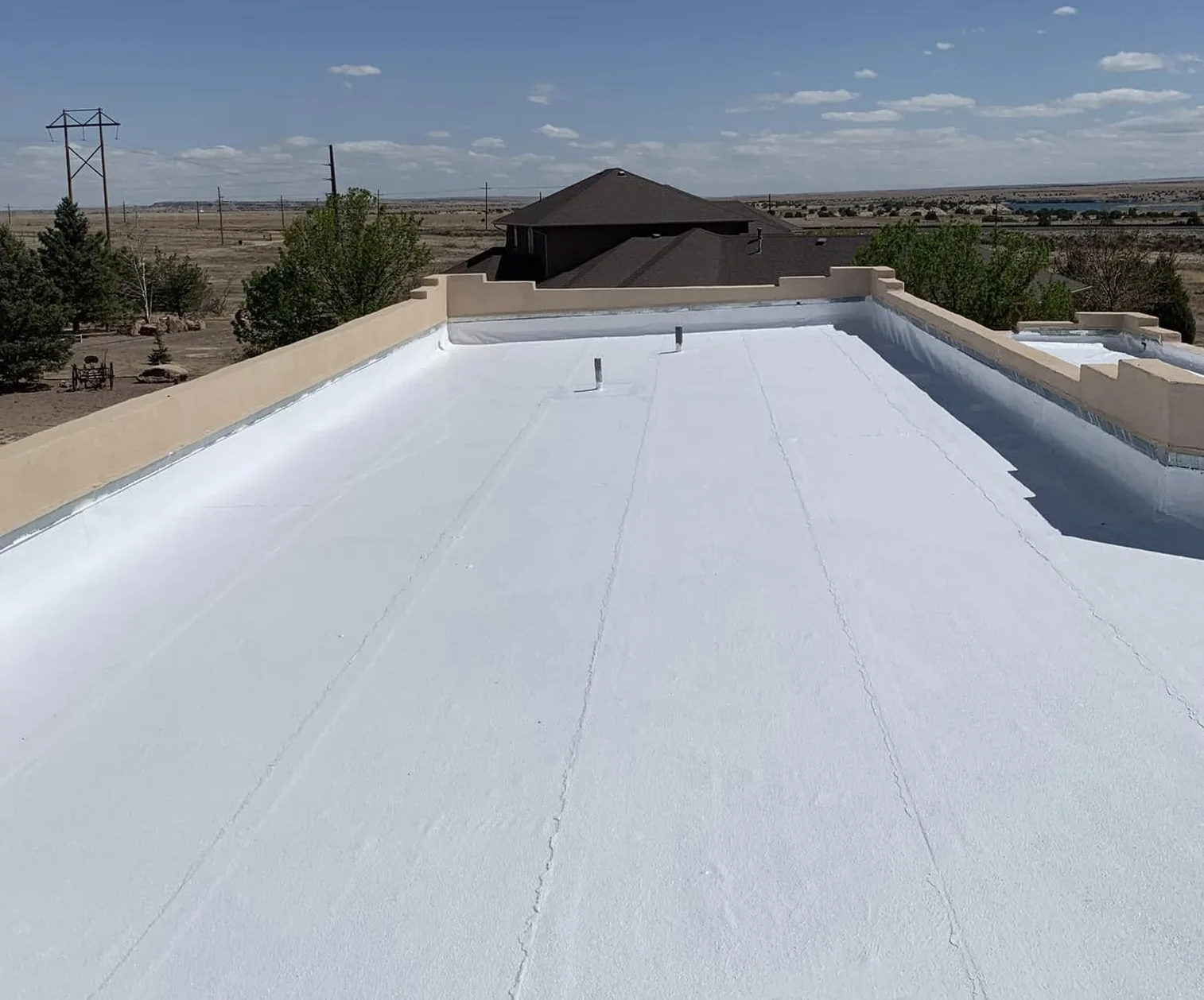
A compatible patch on TPO, PVC, or EPDM uses different preparation from repair on modified bitumen, metal, or a coated surface. We confirm the system, age if records support it, and the condition around the repair. A silicone coating system or acrylic coating system may suit a restoration only after adhesion, wet insulation, drainage, and existing layers are reviewed.
Surface temperature can vary between an exposed field and a shaded area beside equipment. We inspect both the sun-facing and protected details where the repair crosses them. A coating cannot correct wet insulation or unstable attachment. We identify test areas and confirm surface preparation before applying material beyond a small repair.
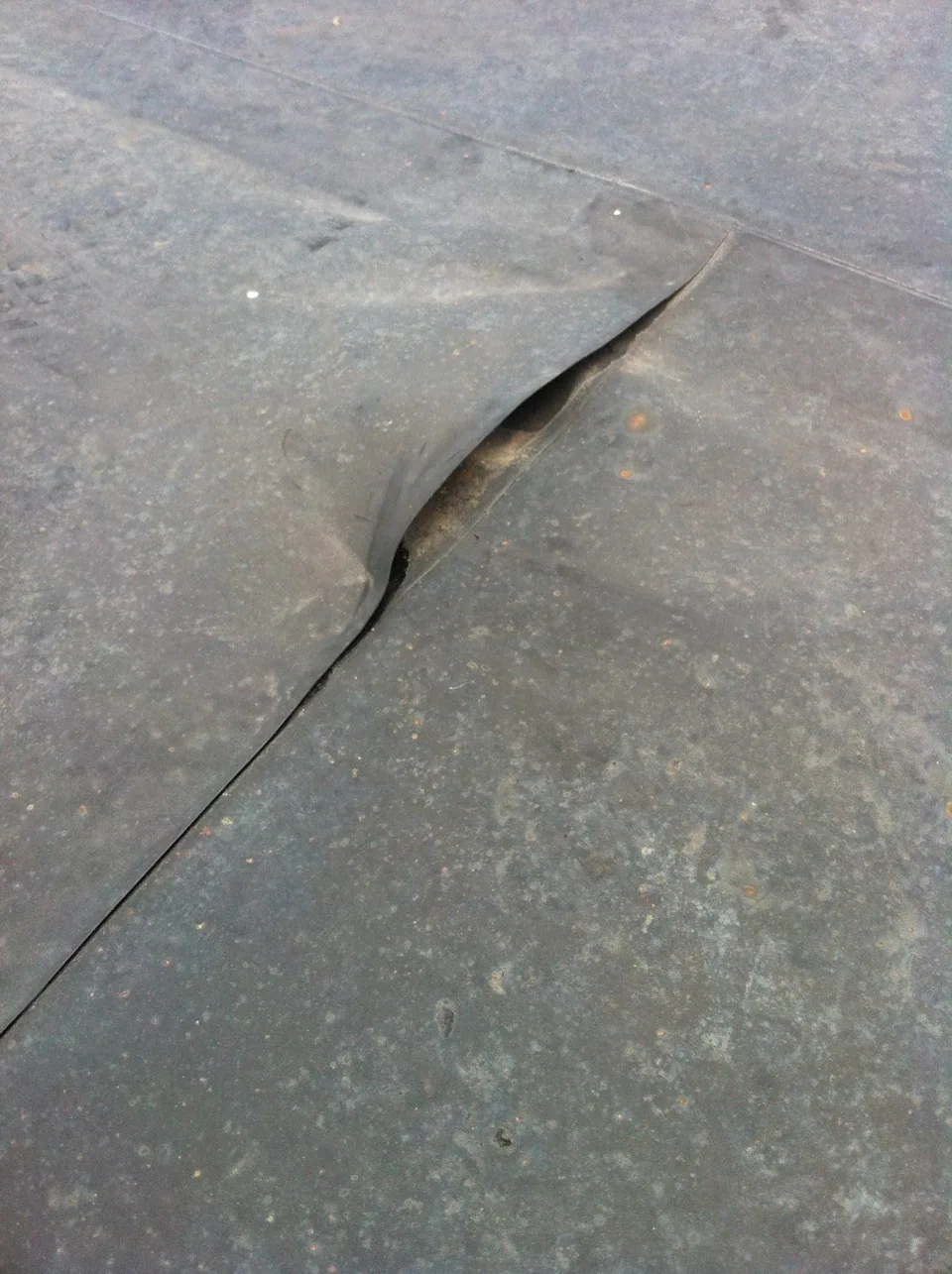
Surface chalking or color change may not require immediate replacement if the membrane remains intact and the roof drains. Cracks, split seams, exposed reinforcement, and recurring leaks need a closer repair plan. We document the condition by area and distinguish cosmetic wear from defects that compromise water shedding. A seam repair can address an open lap; a puncture repair addresses a direct opening.
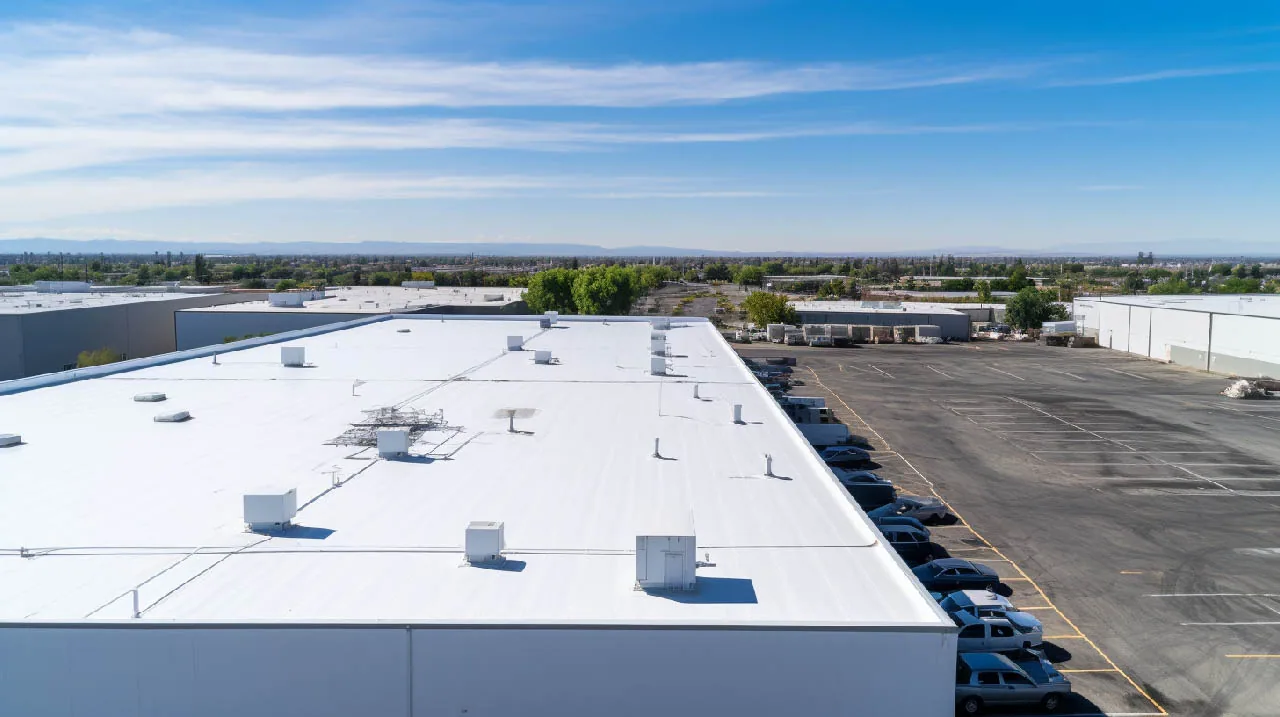
Restoration may be considered when the existing roof is dry, attached, and suitable for the proposed system. We verify adhesion, moisture, detail compatibility, edge height, and drainage first. If the assembly has multiple layers, wet insulation, or broad substrate deterioration, replacement may be the better path. The estimate lists confirmed areas and testing assumptions rather than treating all discoloration as failure.
Cost and timing depend on roof area, preparation, system type, moisture testing, access, and how much detail work is needed. Coatings require a clean, dry surface and the right application conditions. Repair may be smaller but still require removal to sound material. If testing reveals concealed damage, the crew pauses at a hold point and the owner reviews the new boundary before the scope changes.
Where multiple layers or prior coatings are present, we confirm adhesion and compatibility before putting a new system over them. A small test area can reveal peeling, contamination, or a surface that needs more preparation. The test and acceptance criteria are identified in the scope. If the result fails, the proposed system changes before the crew applies it across a larger roof zone.
Roof work in Georgetown's about 40-block downtown district may require pedestrian controls and limited staging. A property near the industrial routes serving Berry Creek Business Park may have truck and loading movements to preserve. The facility contact sets the site rules. We coordinate lift placement, material storage, and daily closeout with those conditions rather than assuming one access plan fits every building.
Central Texas severe storms can expose an already brittle detail, but the event does not establish the cause of an individual crack. We inspect the current surface and note whether a split, open lap, or impact mark is present. A hail review may be separate when the roof shows impact. We keep the age-related condition and storm observation distinct.
During work, the superintendent sets the opening and dry-in limit each day. Heat can shorten the safe period for roof labor and affect materials in the staging area. We monitor the surface, keep products protected, and stop at a secure boundary if conditions change. The site contact receives the revised plan before the work resumes.
The closeout notes the roof system, treated areas, preparation, material, date, and any section excluded from work. Photos show the surface before and after treatment. If a coating is applied, the record can include test results and application conditions. The maintenance team receives any area that needs another inspection or remains outside the warranty or project scope.
Near NorthPark35 or Downtown Georgetown, property access can be different, but the roof condition report remains zone-specific. Share prior repair records, roof plans, leak history, and access restrictions. A coating restoration assessment can compare a compatible restoration with repair or replacement where the evidence supports it.
When the repair is complete, we review the documented boundary with the owner contact and identify any future observation point. A dated record helps distinguish a new crack from the treated area during later maintenance.
No. We inspect the membrane, seams, surface protection, flashing, and moisture condition. Color change alone does not establish failure. The system and active defects guide the repair decision.
Only after checking adhesion, moisture, existing layers, drainage, and detail compatibility. A coating cannot correct wet insulation or unstable attachment. We test the surface before setting the restoration scope.
Heat and movement can affect sealant flexibility, especially at a curb or transition. We inspect the full detail and surrounding membrane, then use a repair material compatible with the installed assembly.
They can leave different signs. We document surface aging, cracks, impact marks, and openings separately, using the current roof condition rather than the event date to set quantity.
The product instructions, surface temperature, substrate moisture, and crew safety limits determine the work window. If those conditions do not support a sound application, we protect the area and reschedule the repair.