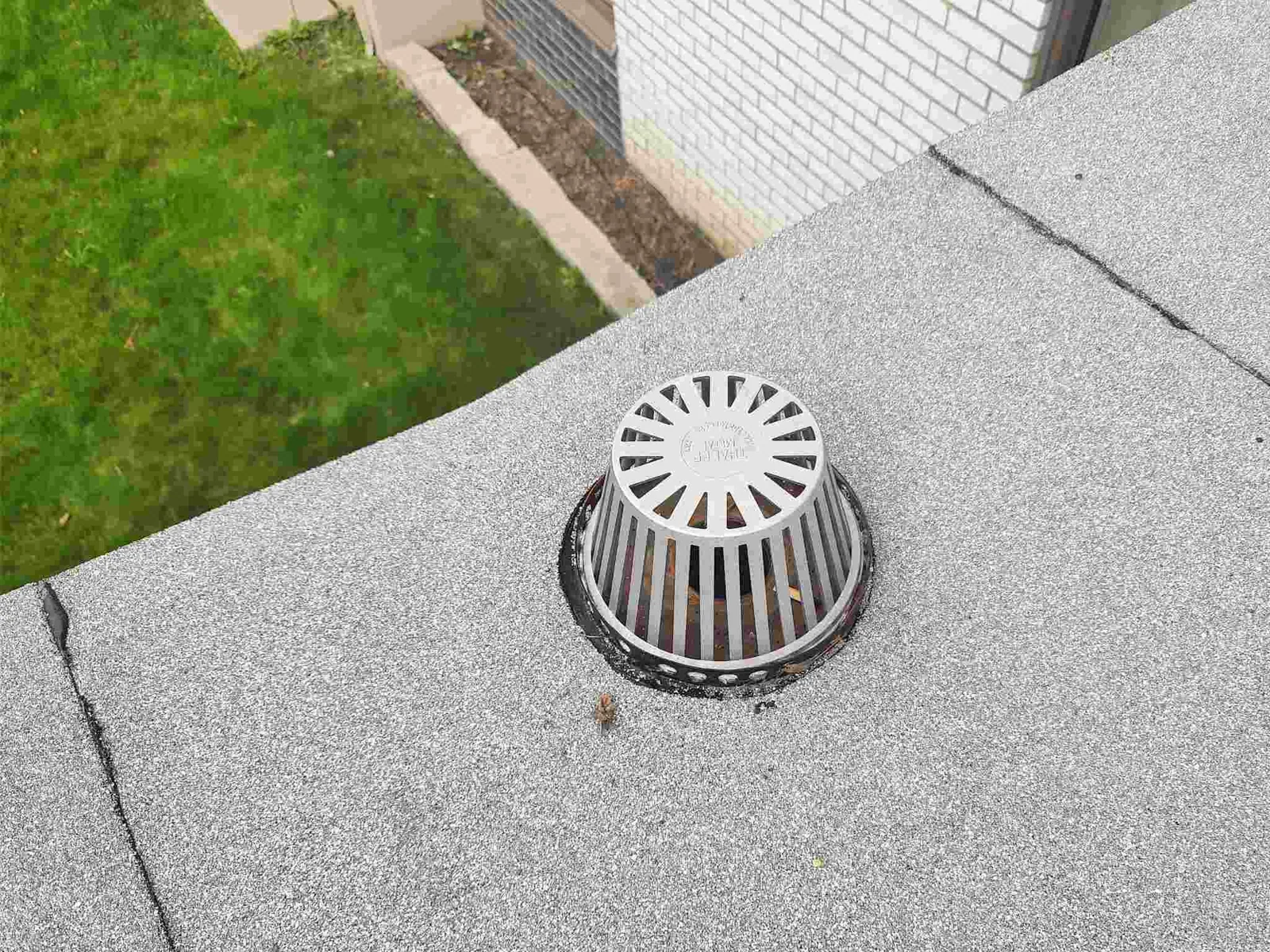
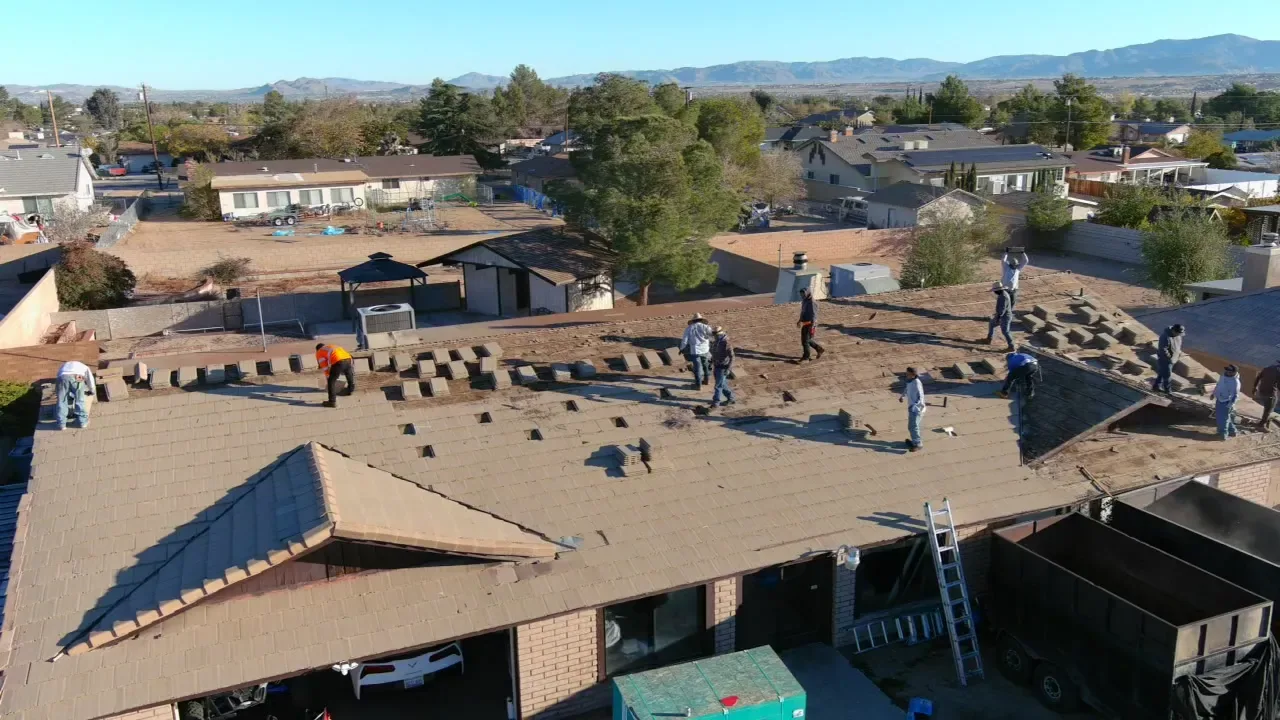
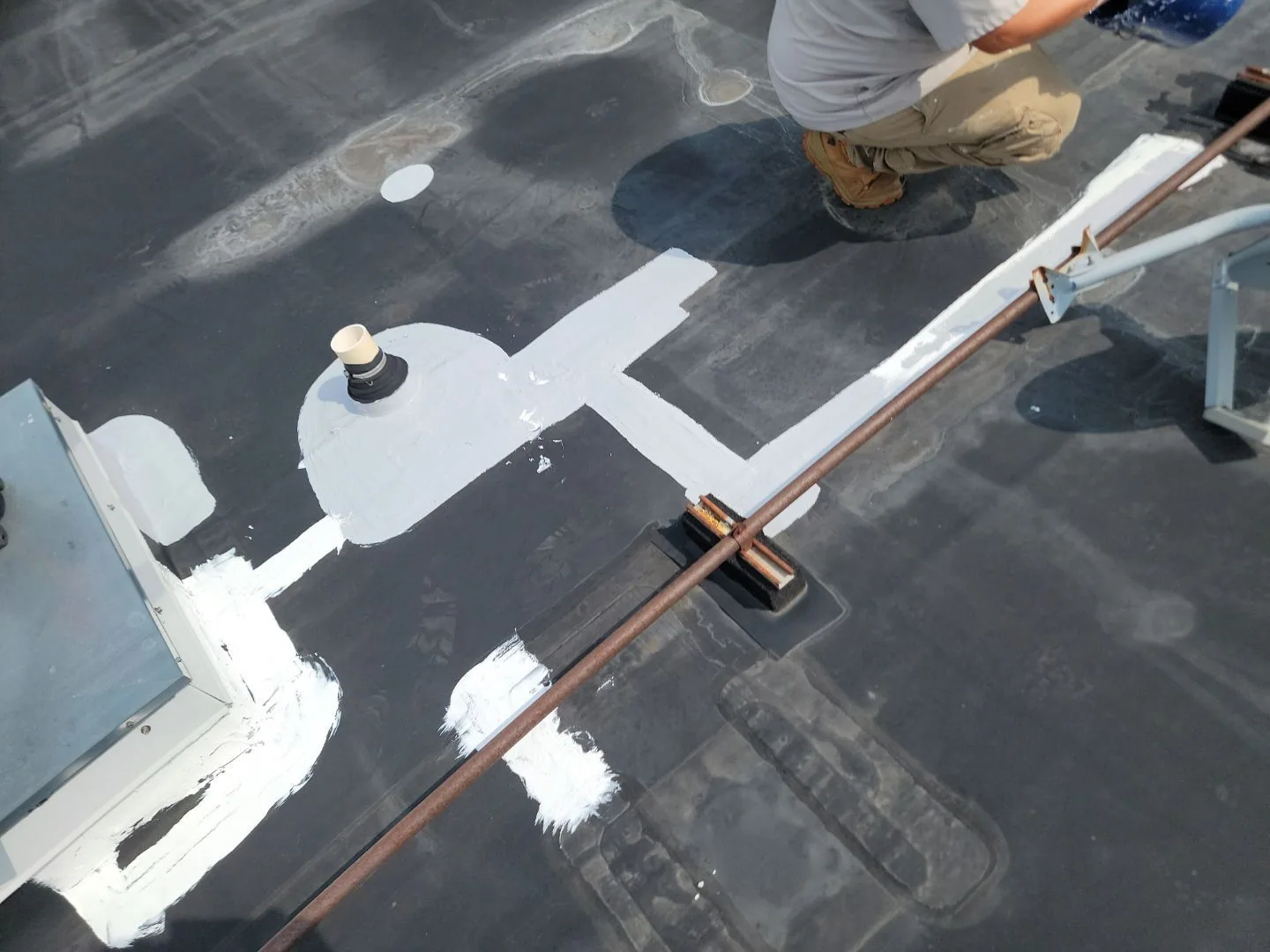
A peeling coating beside a drain can let water reach the roof below. We inspect adhesion, ponding, and the existing surface before recommending another coat. The roof map marks failed areas and any test location. That boundary prevents a new layer from hiding a condition that needs repair.
Georgetown's hot summer conditions affect surface temperature and coating cure. Local station records include readings above 100 degrees Fahrenheit. We check weather, substrate dryness, and product instructions before scheduling an application. The existing assembly still decides whether a coating is suitable.
A silicone restoration begins with the roof beneath it. We identify the membrane or existing coating, then inspect adhesion, cracks, blisters, and repaired areas. Loose material must be removed to a stable edge. Dirt, oils, or incompatible products can interrupt the bond and need suitable preparation before coating begins.
We apply a test area when records do not establish compatibility. The result guides primer, preparation, and the planned coating limits. We check seams, curbs, penetrations, and edge transitions separately. A coating across the field cannot correct a loose termination or a leaking curb. Those details need a compatible repair before the surface layer is applied.
Round Rock's Mays Street extension connects the city with Westinghouse Road and commercial development in southeast Georgetown. That regional connection can inform crew routing, but it does not settle which roof coating fits a building. We inspect the actual substrate, prior surface work, and access path before writing the application scope. A restoration scope starts with that condition map.
Silicone coatings are often selected for water resistance, but ponding still needs attention. We trace the roof's low points and confirm drains, scuppers, and overflow routes remain open. A coating should not reduce drainage or cover a failed outlet. If water remains after normal drainage, we identify the area and discuss whether slope correction belongs in the project.
At curbs and roof penetrations, the coating must maintain the required thickness and connect to compatible flashing. We protect equipment and mask surfaces that should not receive coating. Drain bowls, walk pads, and service paths remain visible in the plan. A drainage review can clarify repairs needed before application.
Georgetown's commercial base spans manufacturing, aerospace, retail, entertainment, and restaurant prospects. Rooftop exhaust and equipment service can leave grease, oil, or foot traffic on a surface. We clean and test affected zones instead of assuming a uniform bond. The actual maintenance pattern informs preparation and future inspection intervals.
Coating work depends on temperature, humidity, wind, dew, rain, and substrate condition. We check the product range and roof surface before staging material. Georgetown station records include recent summer days above 100 degrees Fahrenheit. Hot surfaces may change work timing, and a wet substrate can prevent proper adhesion. The crew follows the approved application sequence.
Hail and wind can damage the roof beneath a coating. The NWS tracks hail across the Austin forecast area and documents tornado activity in Williamson County. We inspect the membrane, seams, edges, and penetrations before applying a restorative layer. A hail condition check records visible impact separately from routine coating wear.
Where the existing surface has a leak, we trace and repair the source first. A leak investigation helps distinguish a failed membrane detail from water held by a blocked drain. We do not coat over an active defect and treat it as closed. The repair and coating limits are recorded as separate steps.
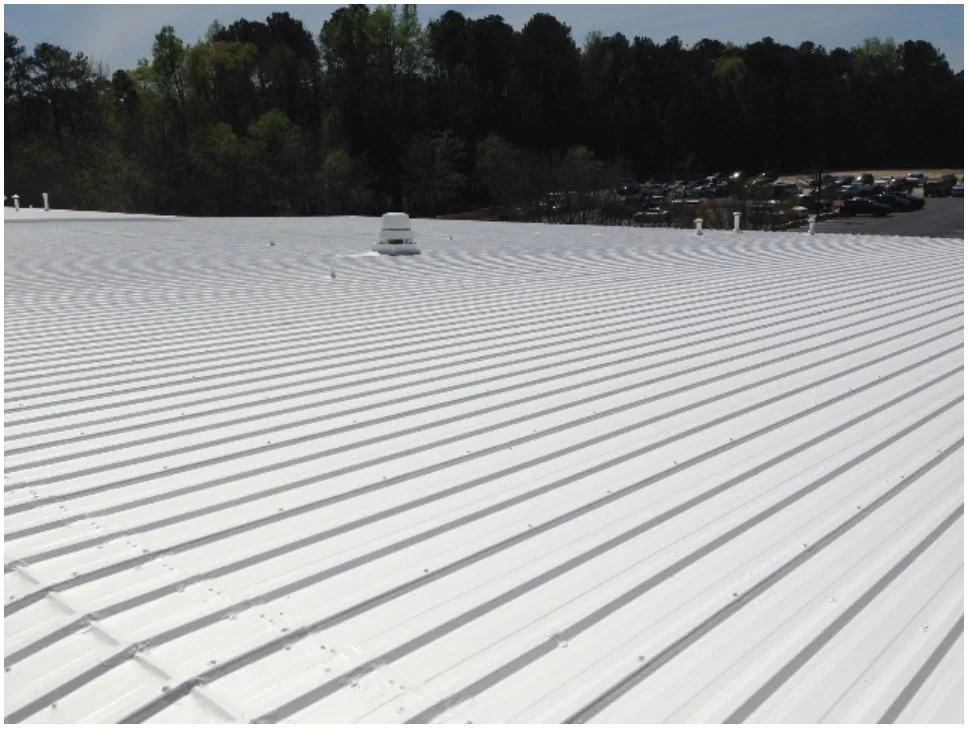
Silicone and acrylic coatings are not interchangeable. Product data, exposure, slope, prior materials, and expected maintenance all affect selection. Silicone is often considered where persistent water exposure is part of the review, while acrylic products have different application and weather requirements. We compare the specified product with the actual roof and test results.
A acrylic coating system may suit a roof where its exposure and cure requirements fit. A foam roof has its own substrate and protective-coat needs. We explain these differences without promising energy savings or a service life unsupported by product and field data.
Coating can preserve an eligible roof surface, but it does not solve wet insulation, failing attachment, or deck deterioration. If those conditions appear, we consider removal or replacement. Recovery also requires a review of existing layers and added load. A replacement scope can correct conditions that coating cannot reach. Restoration timing depends on cleaning, removal of loose material, repairs, masking, application passes, and cure conditions. We identify equipment that needs protection and routes that must remain open. A test area may add a separate review step before broad preparation begins.
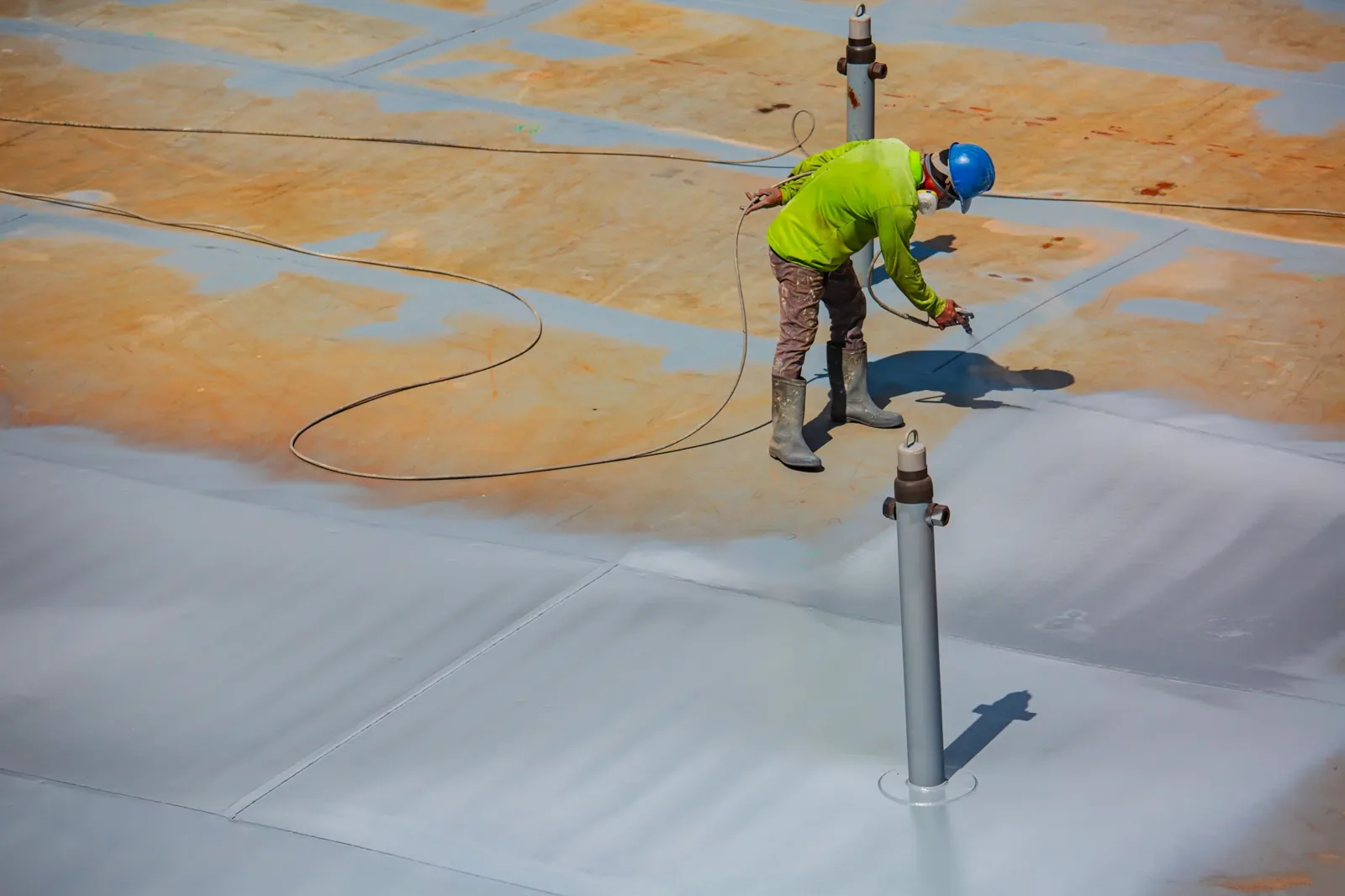
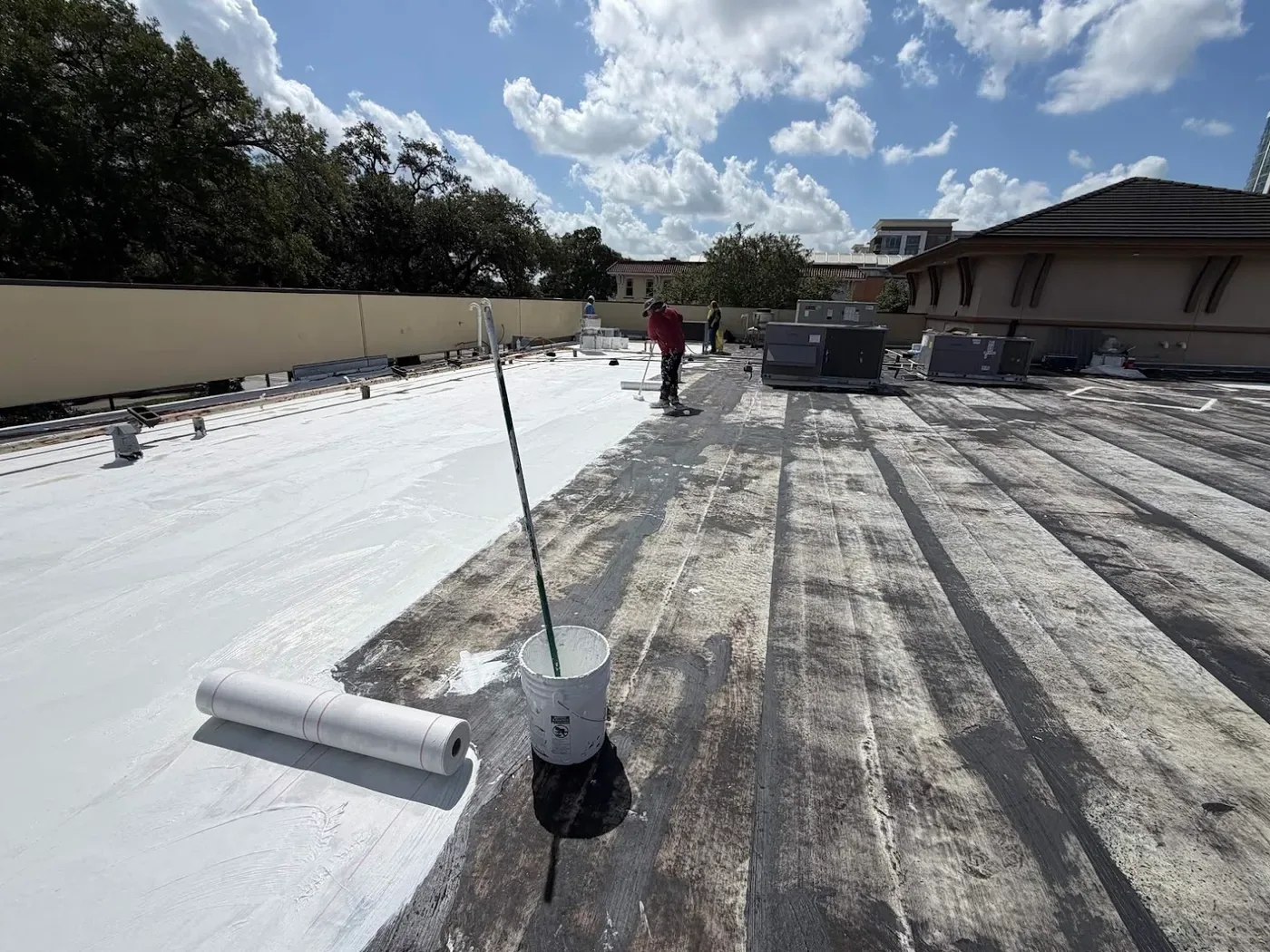
Preparation includes cleaning, removal of loose coating, masking, and repair of seams or flashings. The crew stages material and keeps drains open. Each pass receives a thickness and coverage check. We mark areas that need another coat and hold them from traffic until product instructions allow access.
FM 971 links Georgetown's I-35 and SH 130 corridors and serves commercial development alongside housing, schools, and a regional park. Delivery routes can use this regional context, but property access rules control staging. The general contractor confirms gates, lift placement, equipment protection, and active pedestrian routes before work begins.
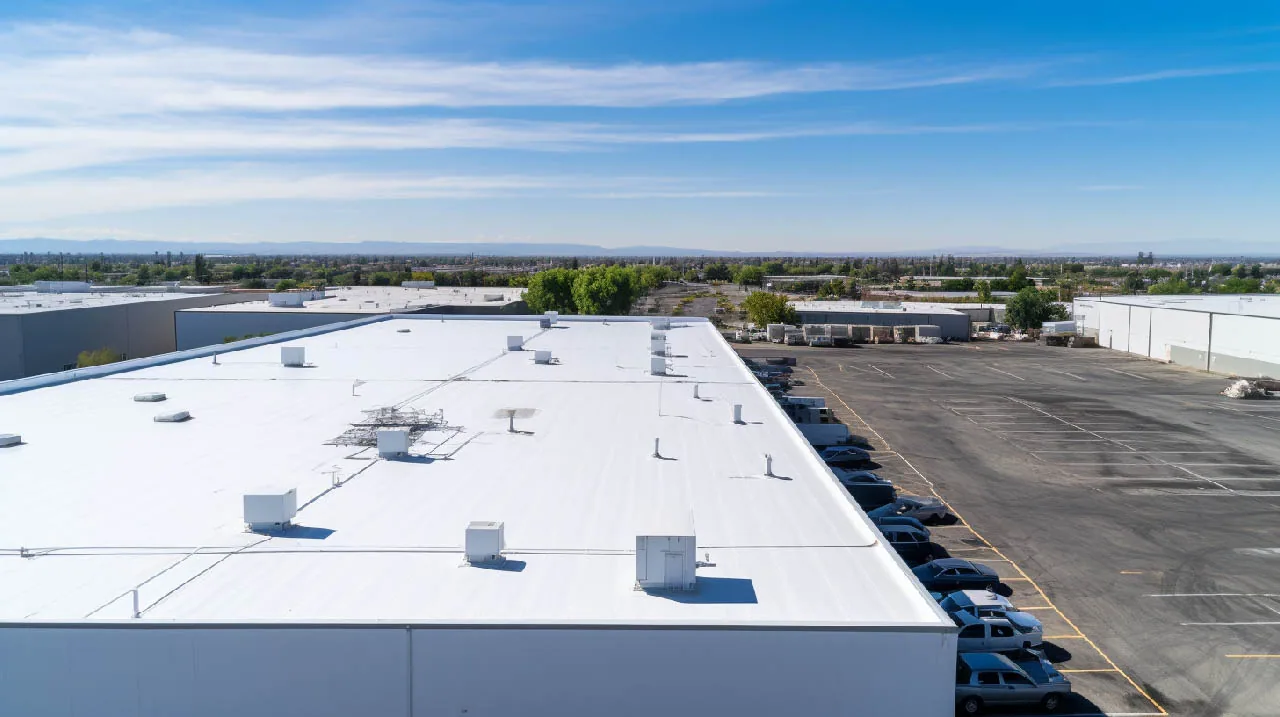
On occupied buildings, we coordinate odors, rooftop intakes, service access, and temporary closures. Sections are protected at the end of each shift. If rain or high wind approaches, we stop at a boundary that can be secured. A phased roof plan can coordinate the application with tenant and maintenance schedules.
Closeout records the preparation, test area, product system, applied sections, and locations excluded from coating. Photos show edges, drains, seams, curbs, and any repairs. The roof map identifies service paths and areas that need periodic review. That record helps maintenance staff spot a new split or traffic mark later.
For a facility near Berry Creek Business Park, roof records should name the building and coating section. The park includes multiple industrial buildings serving Georgetown. A coating applied on one roof does not establish compatibility on another. Each roof gets its own substrate check, test result, and maintenance route.
Provide existing coating records, leak history, roof plans, and the access period. We can inspect adhesion, drainage, and the substrate before setting restoration limits. Emergency response remains available overnight, on weekends, and on holidays for active water entry. Permanent coating work follows the roof condition and product requirements.
Only after compatibility and adhesion are checked. We review the existing product, prepare a test area when needed, and set the application limits from the result.
The coating can protect an eligible surface, but it does not correct poor slope or a blocked outlet. We map ponding and drainage before proposing the work.
We wait until the substrate meets the product requirements. Moisture can affect adhesion, so the crew checks the surface before coating each section.
We locate and repair the leak source first. The coating scope begins after seams, flashings, and substrate conditions are ready for the selected system.
Keep the test result, coated limits, thickness checks, and photos with the roof plan. Later reviews should check drains, seams, edges, and areas exposed to service traffic.