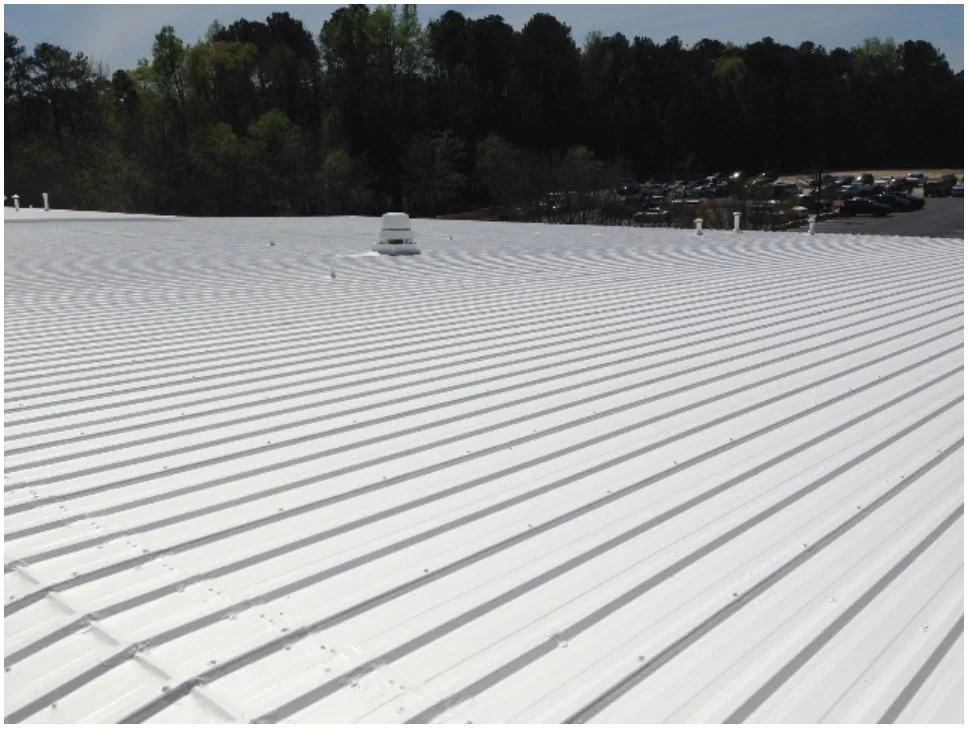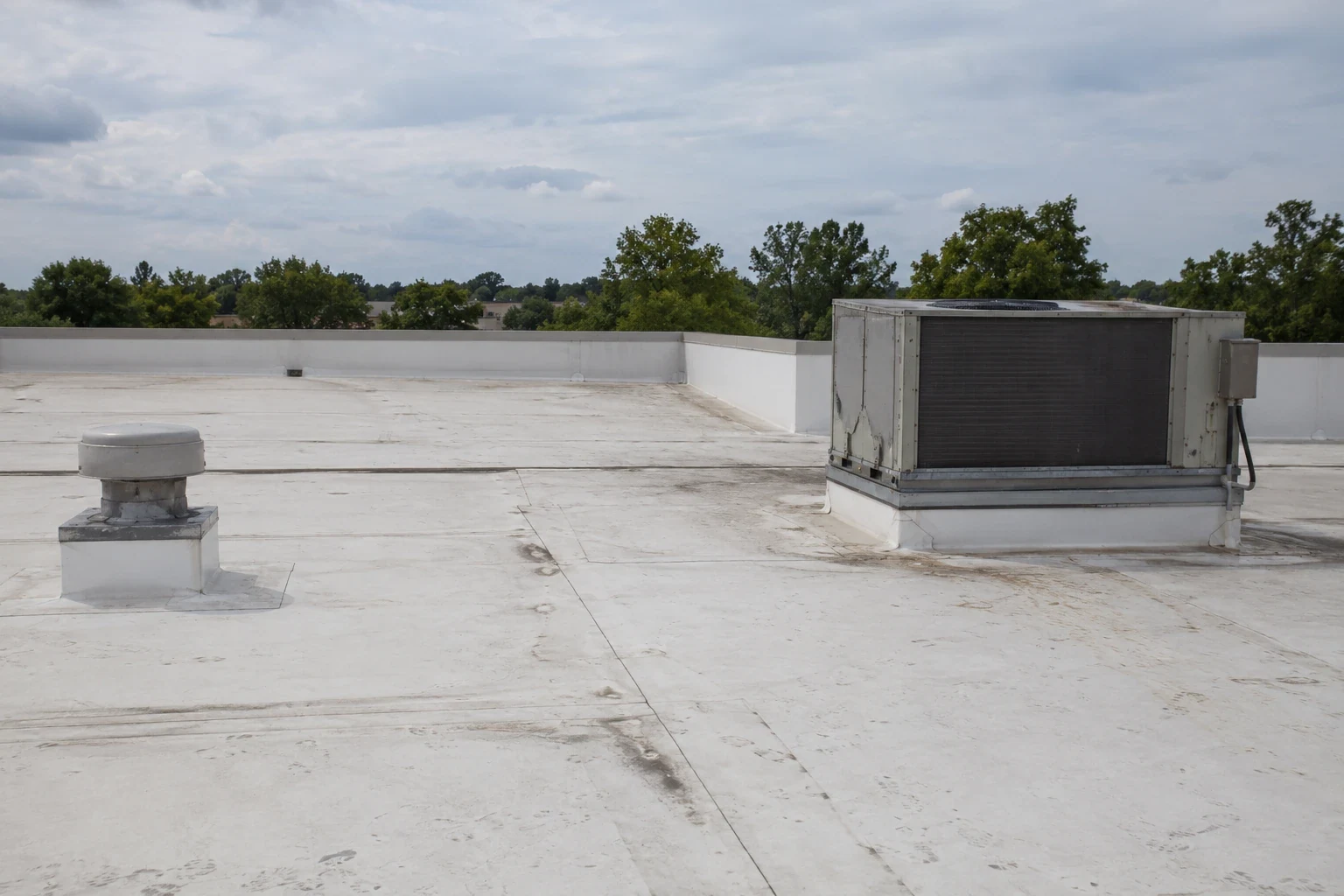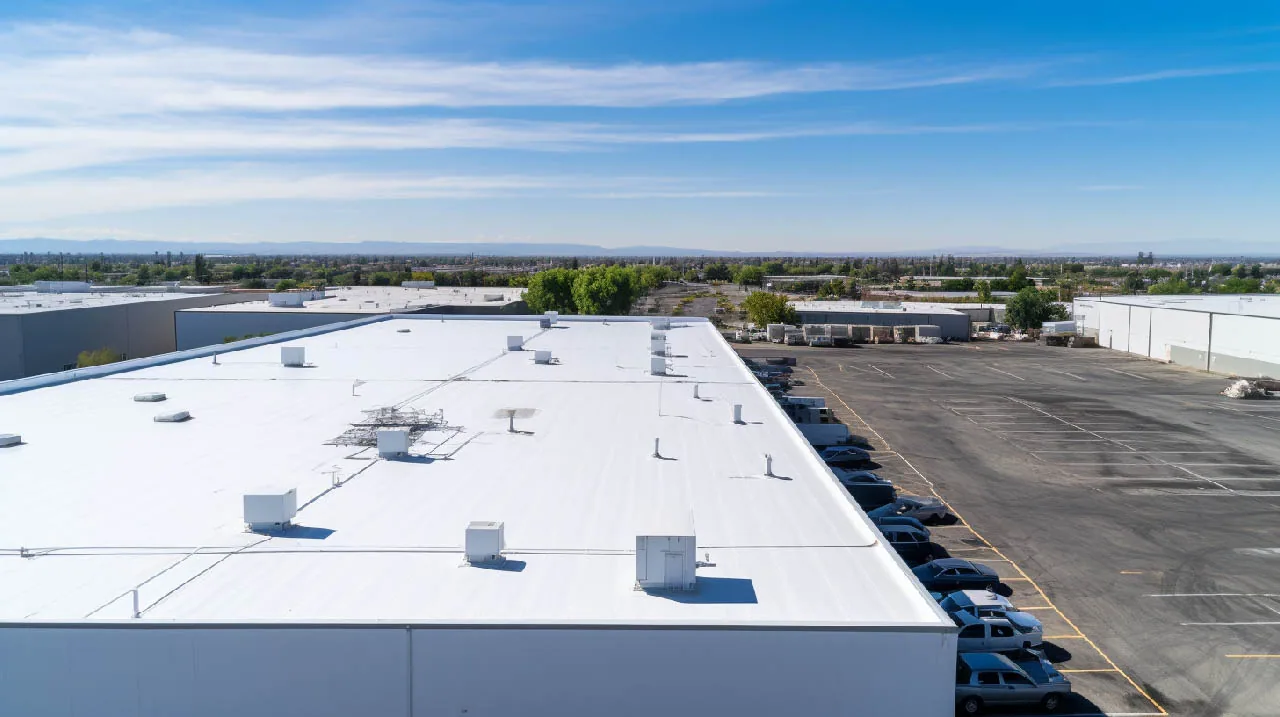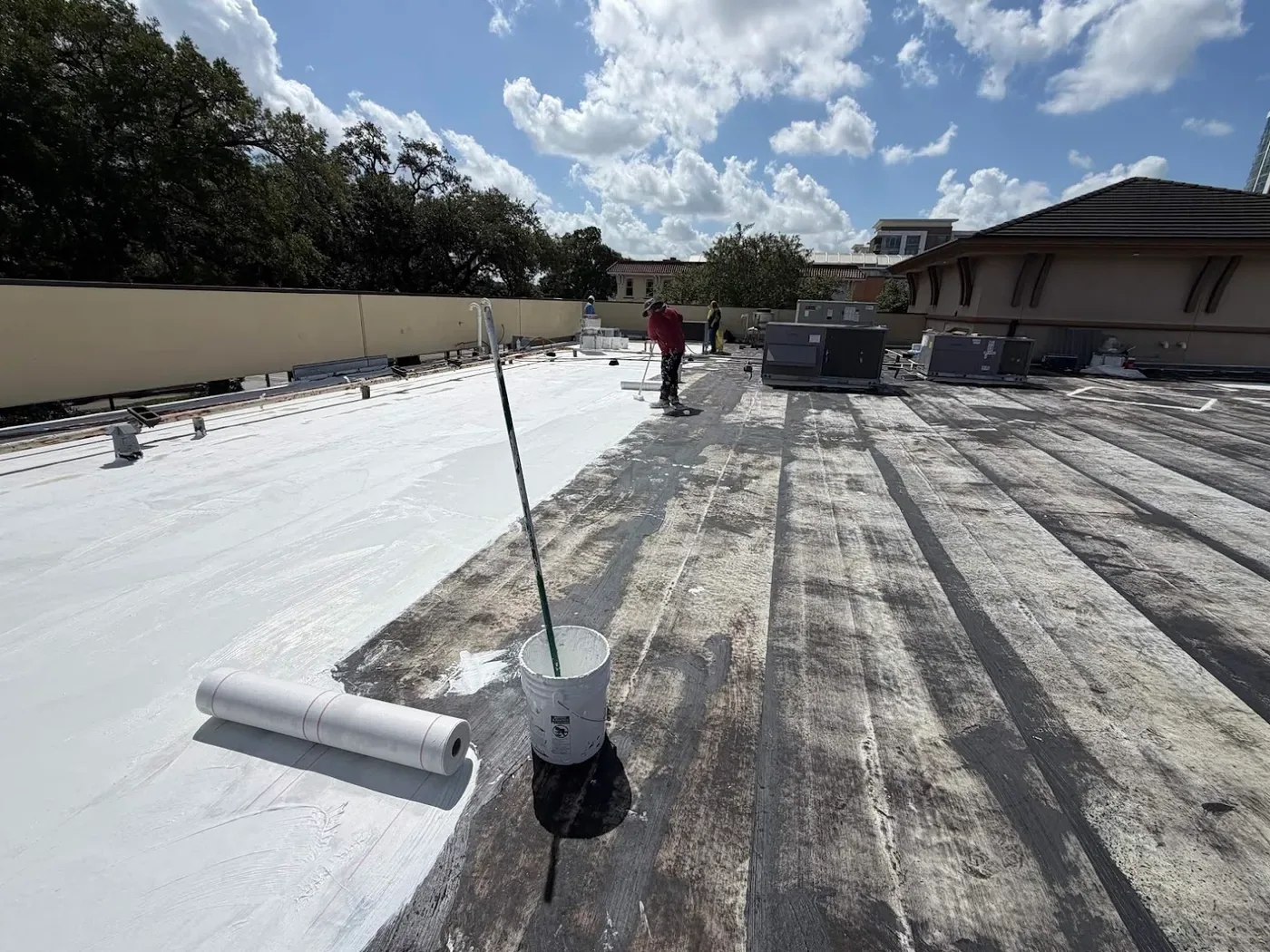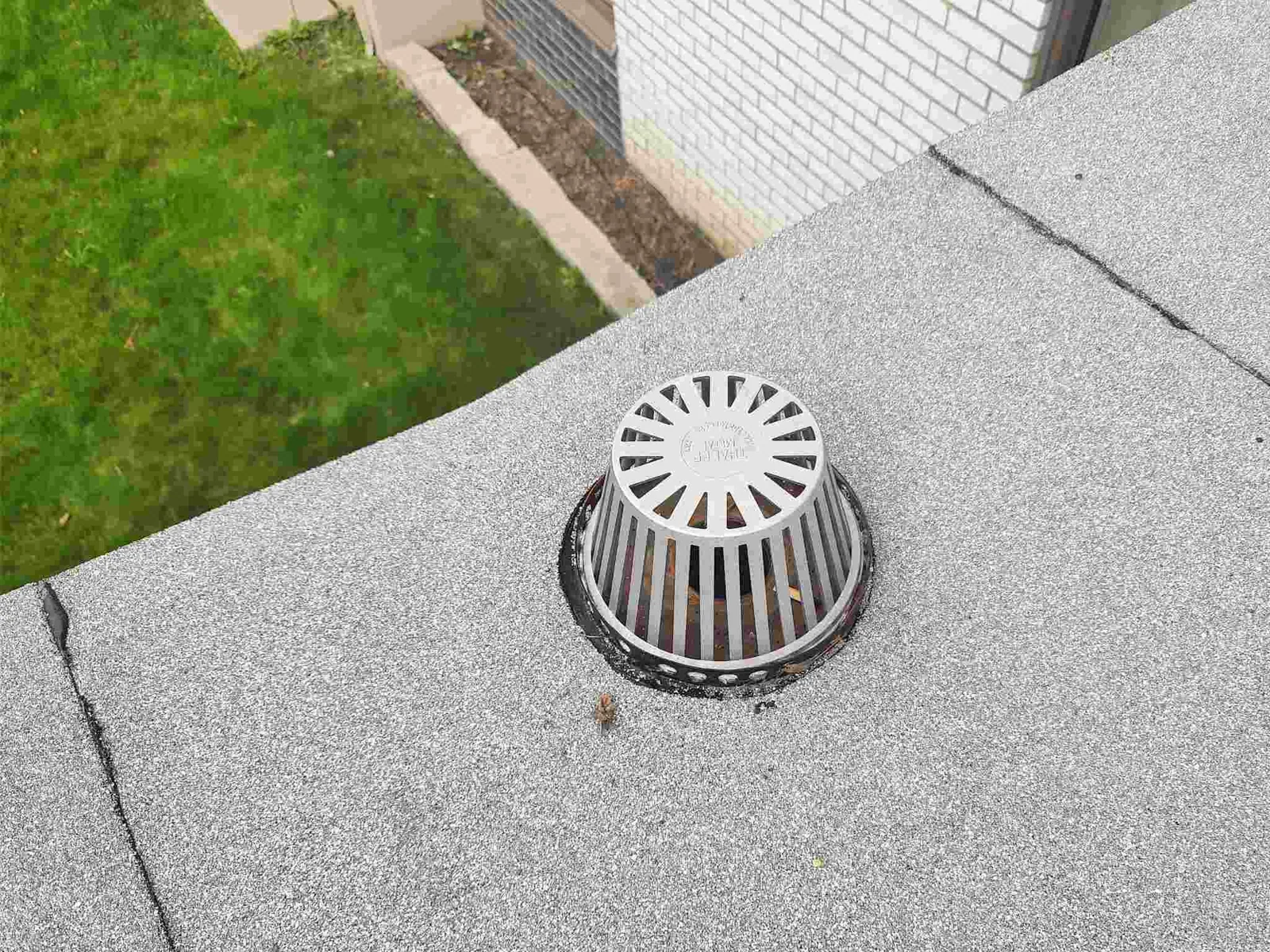
A chalking acrylic surface beside a parapet needs a bond check before another coat. We inspect the existing film, edge detail, and roof slope. The roof map marks any split, worn area, or test location. That inspection shows where coating may be suitable and where repair comes first.
Georgetown station readings include recent days above 100 degrees Fahrenheit. Hot roof surfaces can change the application window and cure. We check the substrate and product range before staging material. Weather and roof condition both control whether the crew can complete a section safely.
Acrylic coatings form a protective layer over a prepared roof surface. We check adhesion, thickness, cracks, blisters, dirt, and exposed substrate before planning restoration. A coating that peels at the edge needs removal back to material that remains bonded. Dirt or residue can prevent the new film from adhering evenly.
We identify the existing membrane or coating and confirm compatibility from records or a test area. The product instructions set preparation, primer, and application requirements. We inspect seams, curbs, drains, and edge transitions separately. A field coating does not repair a failed flashing or replace missing metal closures.
Georgetown's industrial growth includes NorthPark35 and Georgetown Logistics Park, areas receiving planned utility infrastructure for additional business activity. A project in a multi-building industrial area still needs an individual roof inspection. We verify the actual substrate and previous coating history before carrying a specification from one facility to another. A restoration inspection defines the treatment area.
Acrylic systems need the right conditions for drying and cure. Persistent ponding can affect performance, so we inspect slope, drain locations, and overflow routes before selecting a product. We clear debris and note low spots. If a drain or scupper is blocked or damaged, the outlet needs attention before surface coating proceeds.
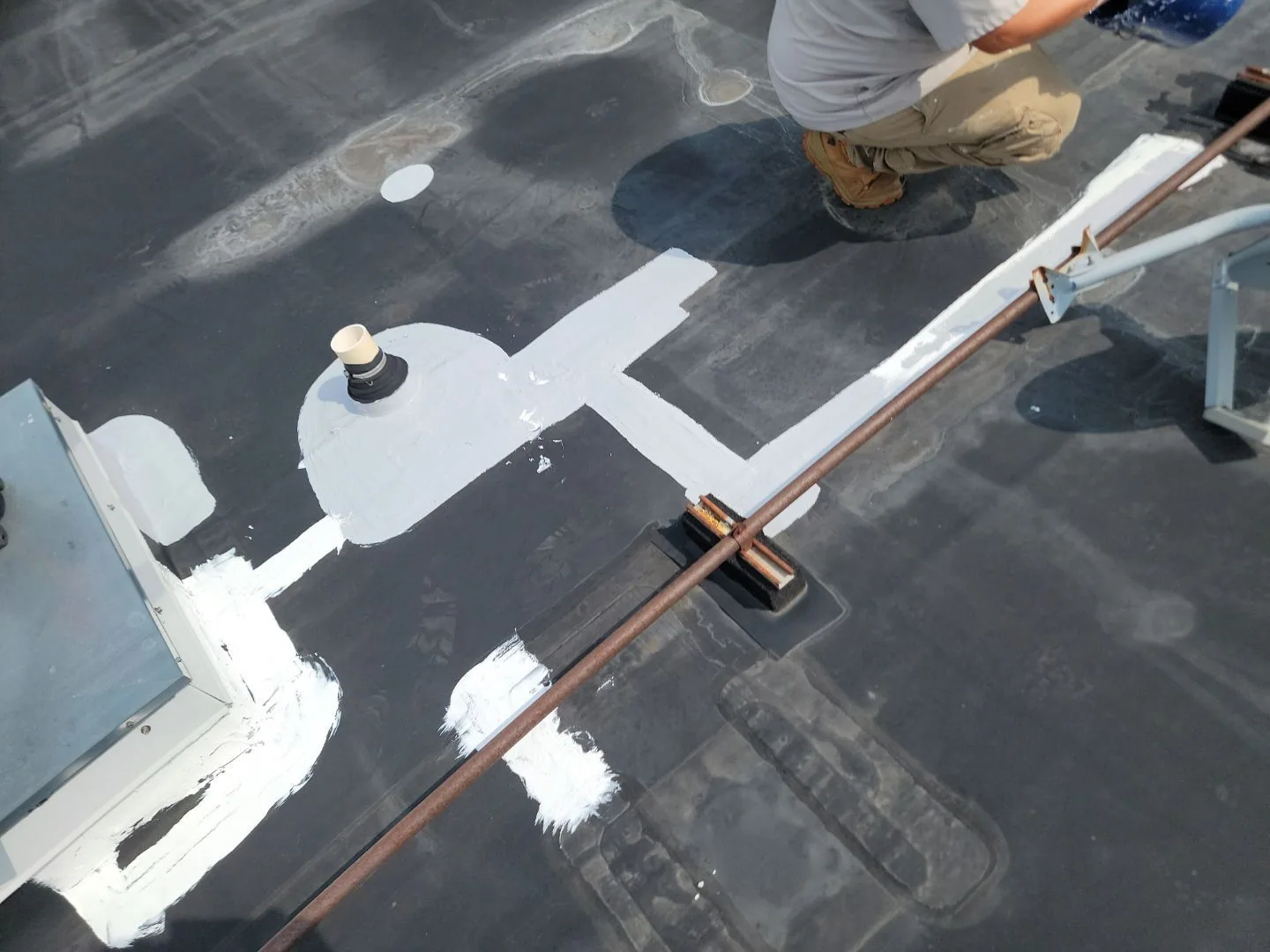
At penetrations, we look for cracks, loose flashing, and gaps that a field pass would not fix. The coating detail must meet the system requirements at every transition. We protect equipment and control overspray. Service paths and roof hatches stay available unless the general contractor approves a temporary closure.
Georgetown station climate records point to strong summer heat. We also account for dew, humidity, wind, and rain because the application needs an appropriate drying window. The crew checks the roof each day instead of relying on a calendar estimate. A drainage review can identify corrections that should happen before coating begins.
We locate and repair leaks before applying a broad coating layer. A leak can begin at a seam, curb, drain, or wall transition. Water may then travel beneath the surface before appearing indoors. We follow the roof details and compare them with the interior report. The coating boundary does not substitute for that investigation.
Hail events are tracked across the Austin forecast area, and NWS records show tornado activity in Williamson County. After a storm, we inspect for punctures, displaced edges, and damaged flashings. The weather record directs attention but does not prove a particular building was hit. A hail inspection can separate new impacts from worn coating.
If the substrate is wet or the membrane is splitting, repair or removal may be required first. Leak tracing establishes where water enters. A repair scope can correct a local defect before the acrylic system is applied. The crew records each step and the roof zone it covers.
Acrylic and silicone coatings differ in water exposure, cure behavior, and product requirements. Selection depends on roof slope, drainage, prior layers, and the specified system. We compare the product data with the field condition. A coating should not be selected by color or one claimed performance feature alone.
Silicone coating may be considered where the project evaluates persistent water exposure. An existing foam roof needs review of both protective coating and foam integrity. We do not promise an energy result or service interval without evidence tied to the roof and selected product.
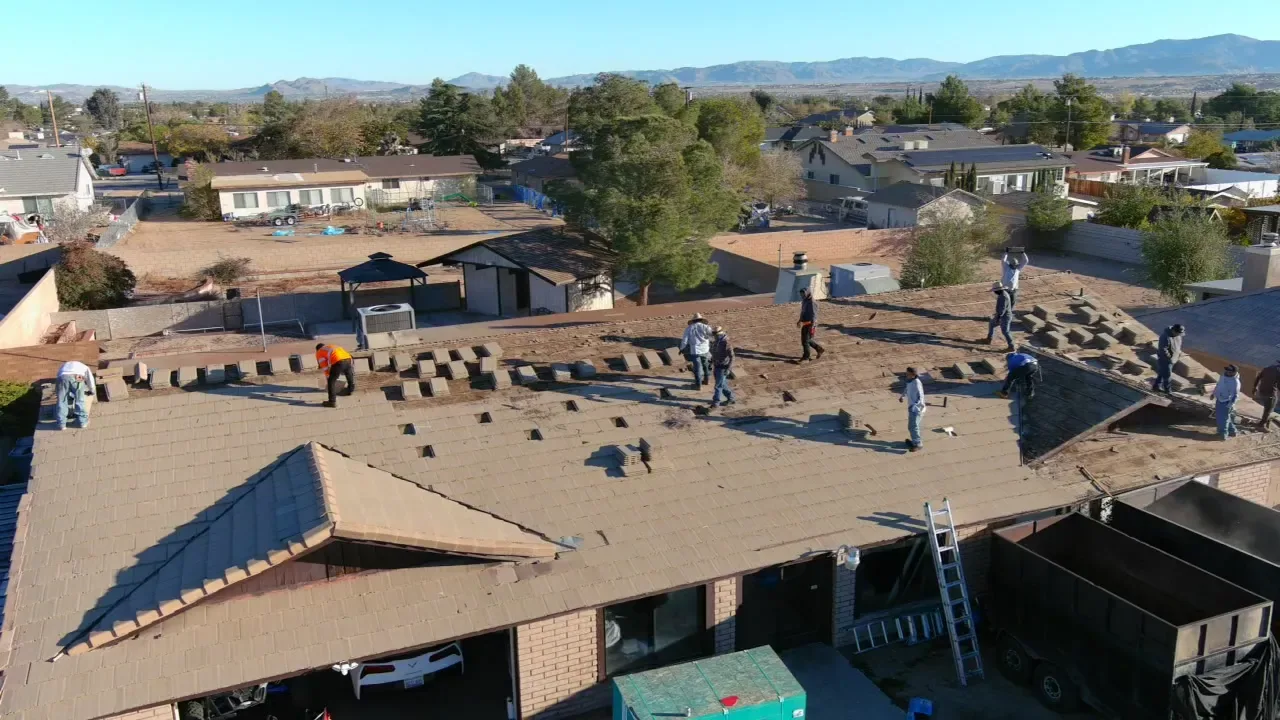
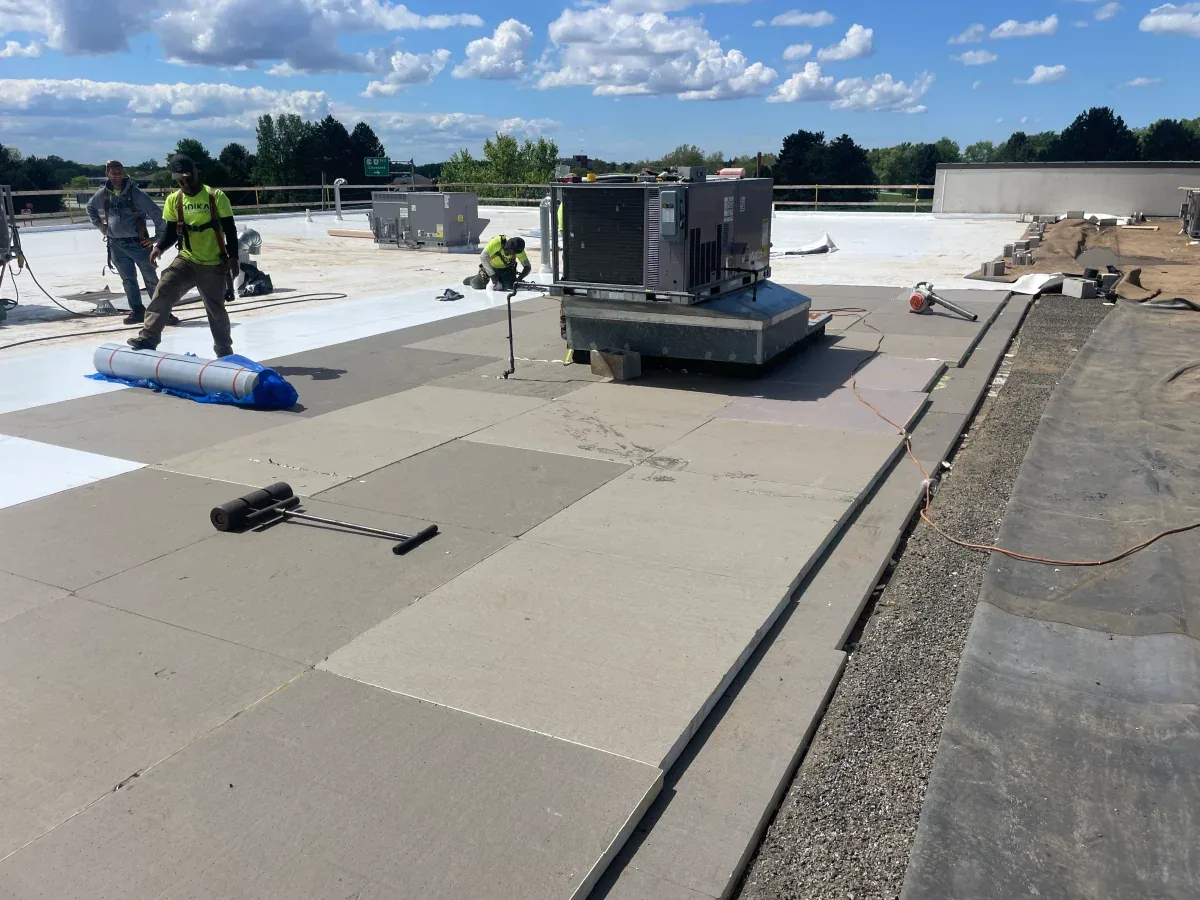
If the roof has widespread wet insulation, poor attachment, or deck deterioration, a coating is not the right correction. We compare repair, recovery, and removal after inspecting the assembly. Recovery would require a separate check of the existing layers and added load. A replacement plan can address defects below the surface. The project scope should also account for washing, surface preparation, material delivery, masking, and cure time. We identify what needs to move or remain protected before coating starts. A test area can add time before broad application, especially when the old product record is incomplete.
Preparation may include washing, removing loose material, drying, patching, and priming. We protect drains and nearby equipment. Coating is applied in planned passes, with coverage and thickness checked against product requirements. The crew marks any area that needs another pass and keeps foot traffic off until it can accept use.
FM 971 links Georgetown's I-35 and SH 130 corridors. The route serves commercial areas as well as housing, schools, and regional park activity. It may help with material deliveries, while property access and staging must be confirmed with the site contact. We identify where the lift can sit and which paths remain open.
At an occupied property, the application plan accounts for ventilation intakes, service calls, and customer routes. Work can be phased by roof section, with each edge secured before the crew moves. A phased schedule coordinates roof access with operations. If an unexpected opening develops, emergency response remains available after hours and on holidays.
Closeout records preparation, test results, material applied, roof sections coated, and any area withheld from work. Photos show drains, seams, terminations, and repairs. The roof map should identify maintenance paths and locations where the coating needs later review. That record provides a baseline for the next roof walk.
For a Georgetown project near Berry Creek Business Park, label each building separately. Berry Creek includes several industrial buildings serving the local market. Their shared location does not establish compatible coating or equal roof condition. We document each substrate, test area, and access plan on its own.
Provide existing product records, roof drawings, known leaks, and the access window. We can inspect slope, adhesion, and transitions before setting an acrylic restoration scope. Active water entry can be reported around the clock, weekends and holidays included. Permanent coating work begins after the roof is ready for the specified product.
Compatibility must be confirmed for the specific products and surface. We inspect the existing coating and use a test area where records do not answer the bond question.
The roof's slope and drainage need review. We address blocked outlets and persistent low areas before selecting a coating system.
The roof temperature and product limits set the application window. We also check wind, humidity, dew, and rain before opening the section. We record the limits before work begins.
Yes. We trace active water entry and correct failed seams or flashings first. The coating work then follows the prepared surface and approved limits.
Include preparation, test results, applied areas, excluded sections, and drain details. Photos help the next inspection compare wear and repair history.