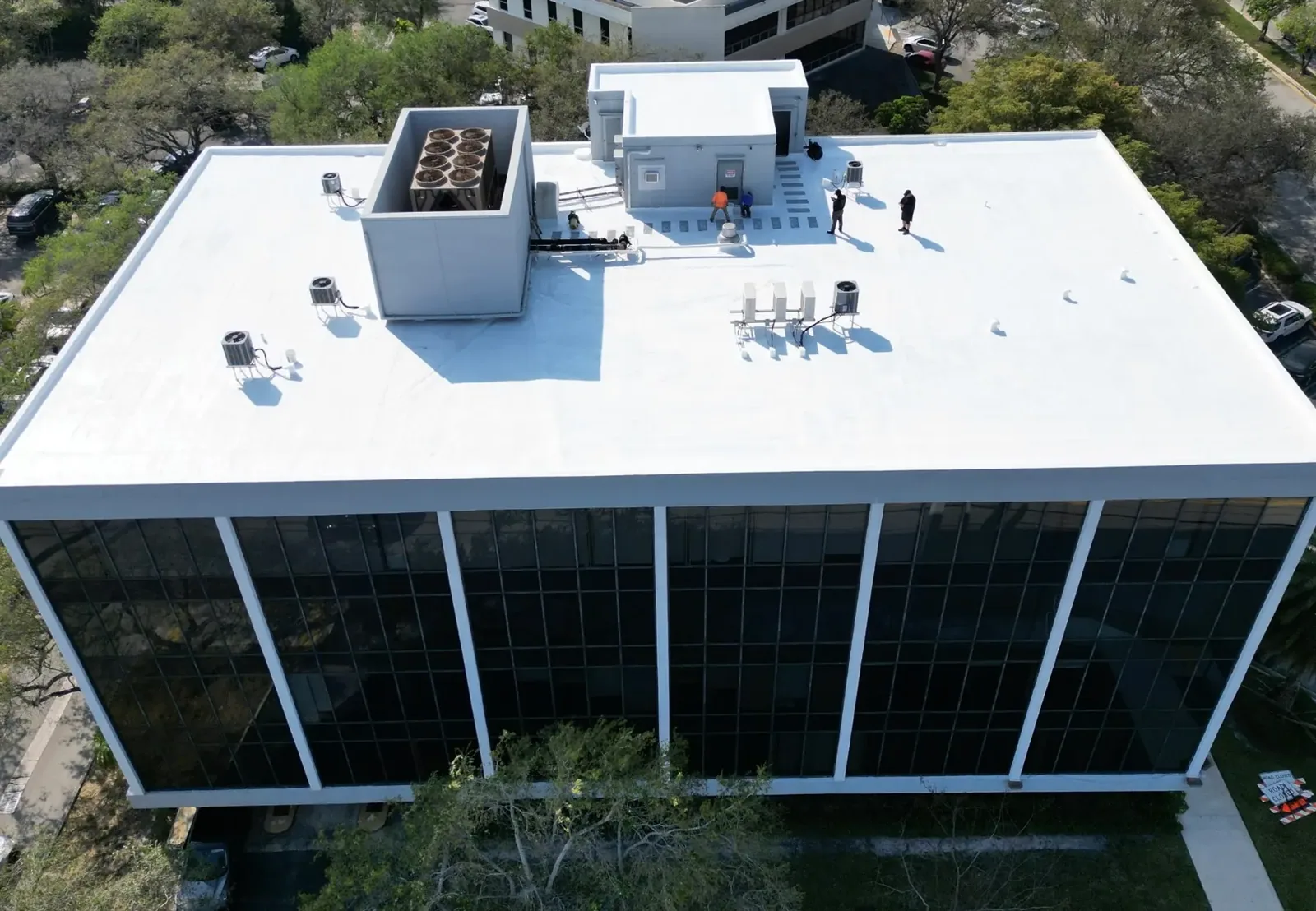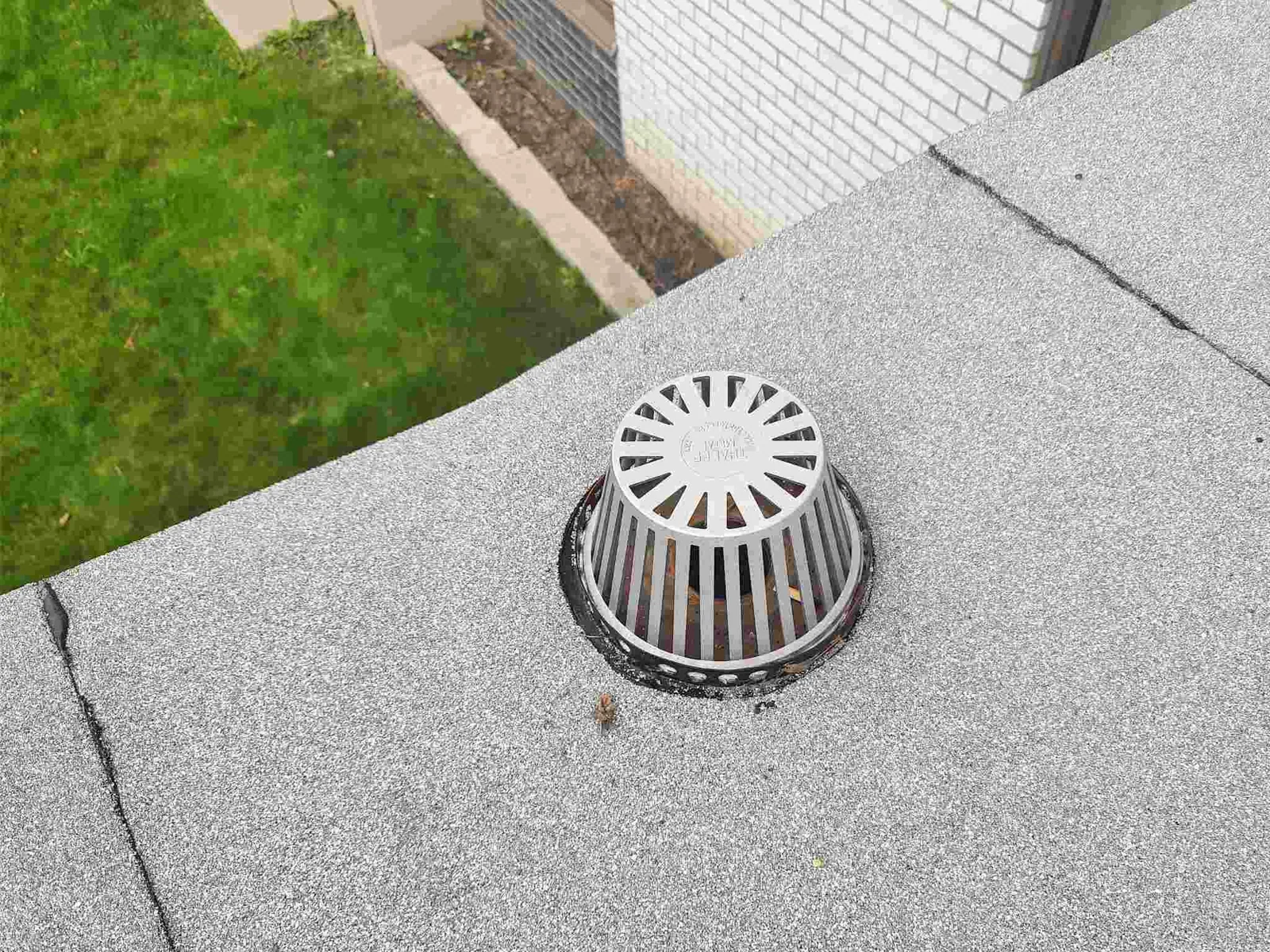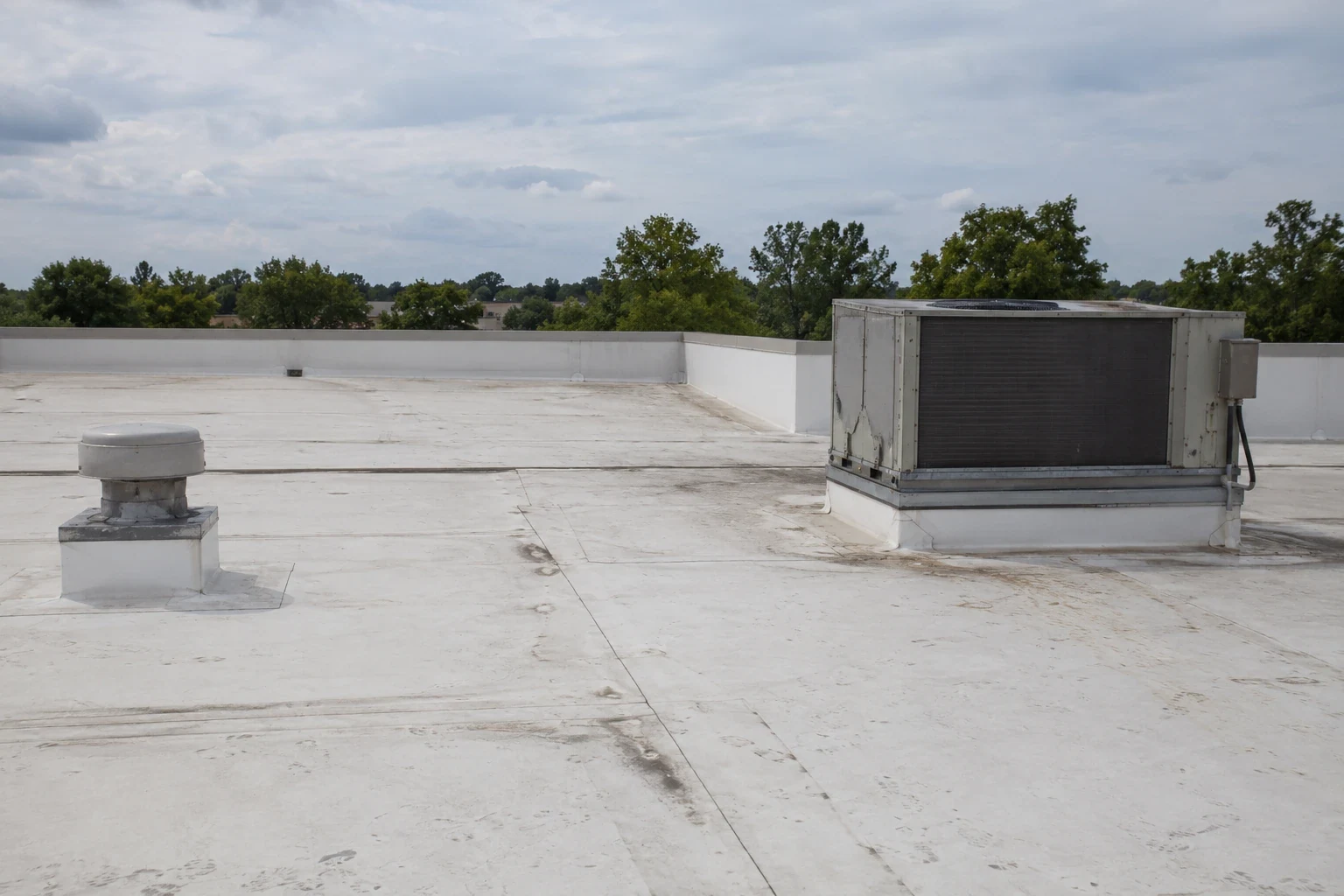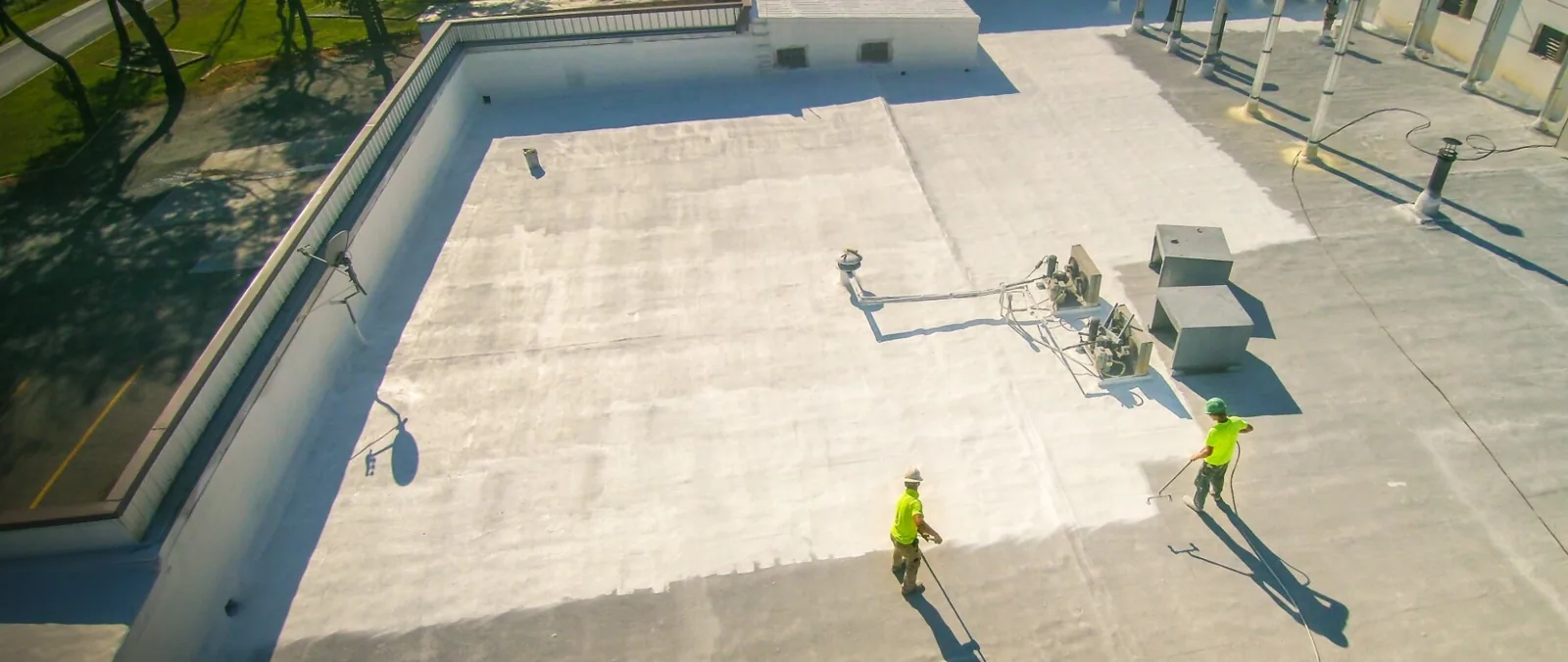
A raised lap beside a drain can change whether the existing roof can accept a recover. We check the surface, drainage, attachment, and moisture before setting a recover boundary. Georgetown’s heat and hail exposure make the condition review matter. A recover can reduce tear-off only when the existing roof remains sound and the new system ties in cleanly.
For a commercial building, the decision comes from the field condition and code path, not from the calendar or a preference to avoid removal. We compare recover with full replacement and write down what stays, what gets removed, and where the new work stops. That gives the general contractor a usable scope before material is ordered.
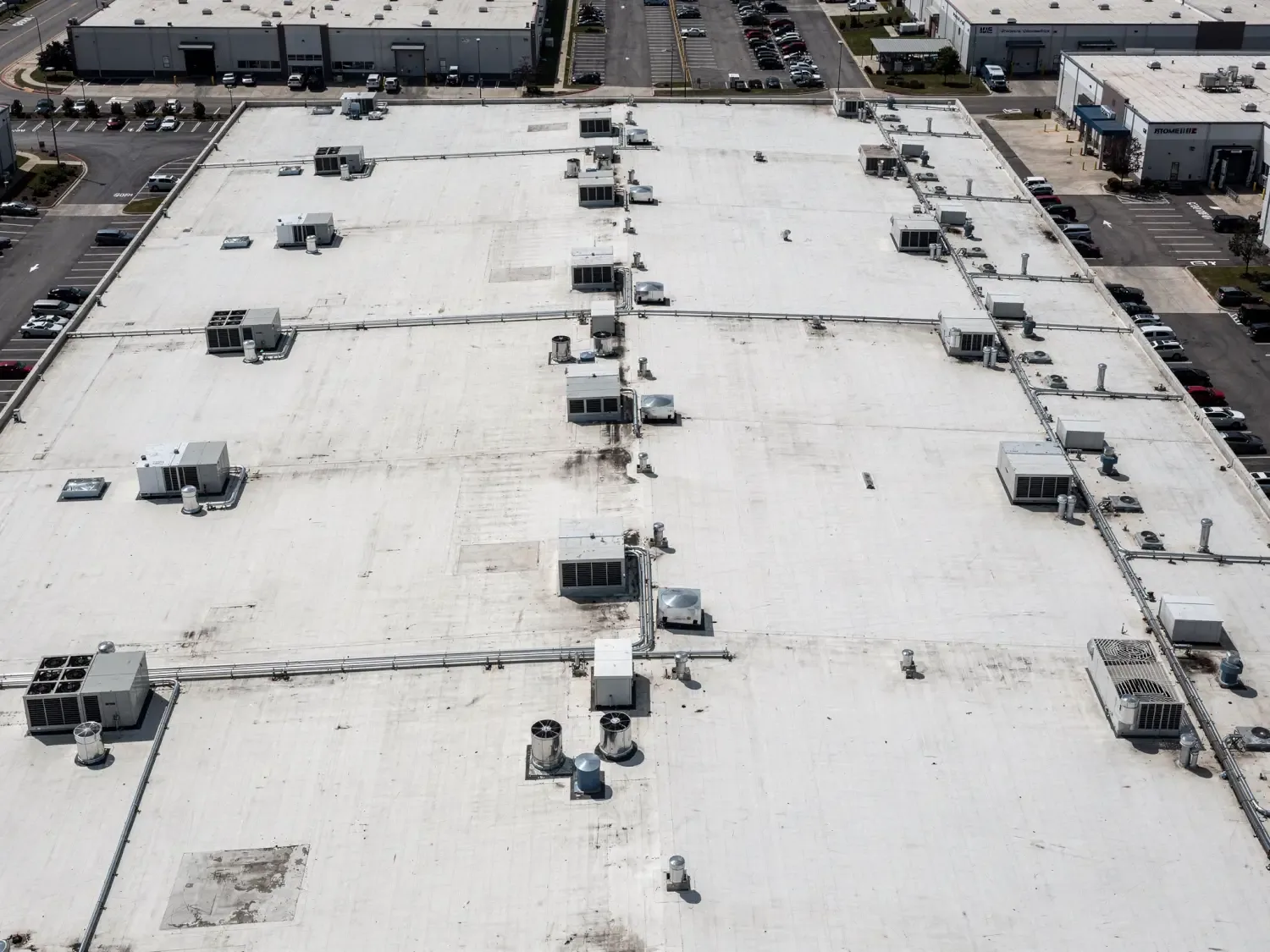
A recover begins with a roof map. We identify the existing membrane, visible repairs, rooftop equipment, drains, and edges. We check the areas with recurring leaks or movement. Test openings or core samples can confirm how many layers are present and whether insulation is wet.
Moisture must be addressed before another system covers the roof. Wet insulation can lose performance and compromise attachment. If moisture is localized, removal and replacement of those areas may be possible within a recover plan. If wet material or failed attachment is widespread, a tear-off may provide a more reliable base. The work boundary follows the results, with a hold point when concealed layers differ from the records.
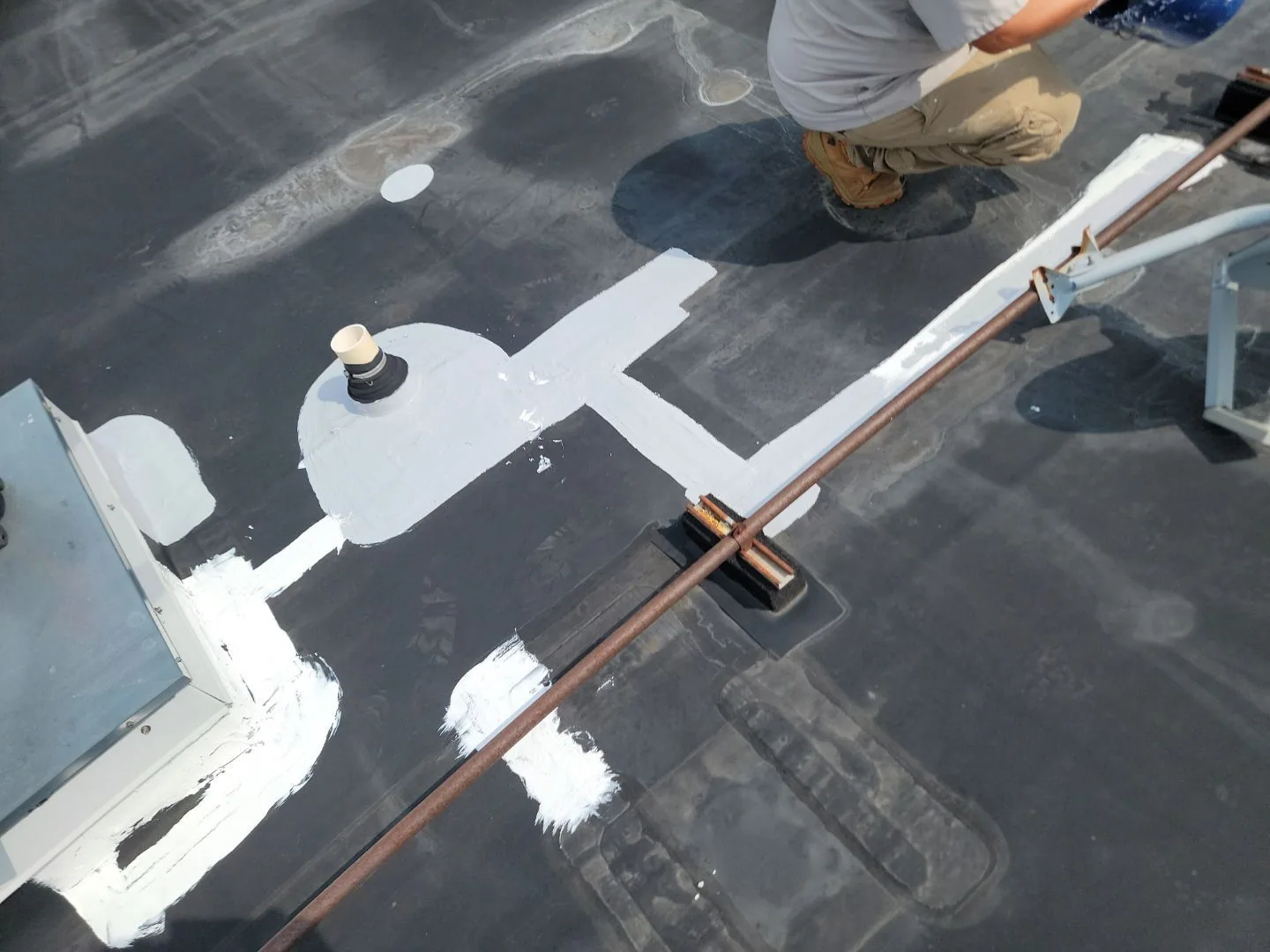
We inspect penetrations, drains, walls, and edges. The new membrane needs a compatible termination at each one. If a curb cannot support a proper tie-in or a drain needs correction, that item belongs in the scope before field work begins.
Existing roof layers affect the code review and the load calculation. Georgetown’s adopted 2021 existing-building code governs applicable alterations. The 2015 IECC is the statewide commercial energy-code baseline, subject to local amendments. The design team confirms how those requirements apply to the assembly.
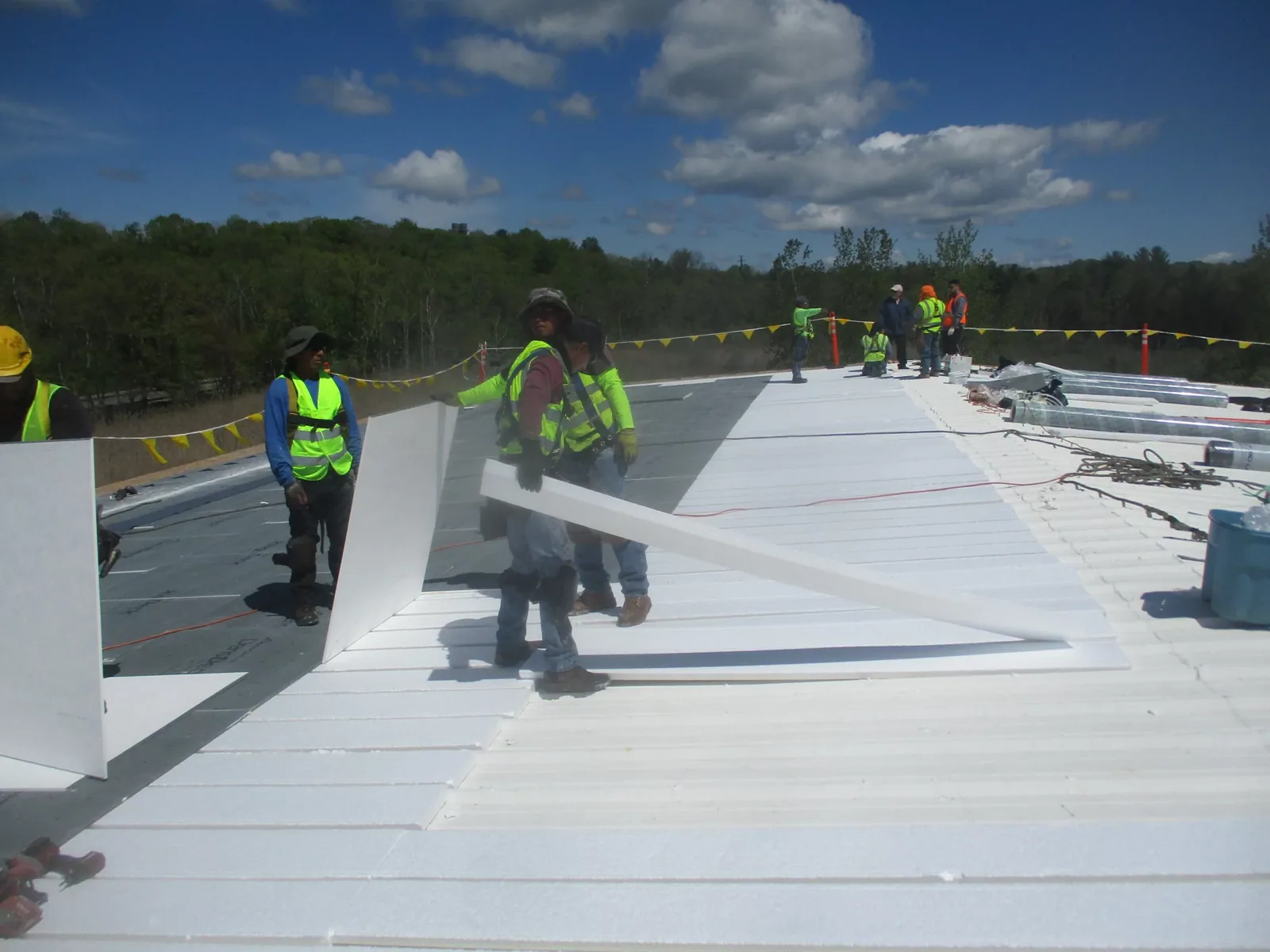
We document the known layers, proposed cover board and insulation, attachment method, and edge details for review. Unexpected layers trigger the agreed hold point. The general contractor and design professional can decide whether the added weight and details remain acceptable. A recover scope should identify that decision before new materials cover the evidence.
NorthPark35 and Georgetown Logistics Park are slated for utility expansion to serve additional businesses and industrial buildings. Each roof receives its own inspection and load review.
A recover adds a new surface. So every penetration becomes a tie-in decision. We check equipment curbs, pipes, skylight edges, walls, scuppers, and existing metal. Loose flashing, damaged metal, and deteriorated curb conditions have to be corrected or detailed into the new system before the field membrane goes down. Leaving a weak transition underneath the new roof can make later access harder.
Drainage needs the same attention. Ponding water can remain a problem after a recover if the slope or drain path is not corrected. We check for low areas, drain height, scupper openings, and pathways that debris may block. When a correction changes the proposed build-up, we show that condition and the resulting tie-in before the work proceeds. We can scope drain and scupper repairs when those components need separate work.
The top system must match the substrate and attachment plan. A TPO membrane or EPDM system has different seam and flashing details. So product compatibility matters. We identify the system, cover board, and transitions in the approved scope rather than treating all recover assemblies as interchangeable.
Georgetown summers put heat on exposed roofing and sealants. Georgetown’s regional weather exposure includes Austin-area hail and the 2022 tornado that crossed Williamson County after starting near Round Rock. We check the seams, edges, and flashings at the property before setting any repair limit; a weather alert does not measure roof damage.
Weather still controls the daily work limit. We review the forecast, material placement, temporary tie-ins, and the route to drains before opening a work area. If wind or rain could compromise the new membrane or temporary edge, the crew closes the area or holds work. The dry-in plan must cover the section that is open, not only the material that has been installed.
At close of shift, we secure materials, keep drainage paths clear, and verify all temporary edges. We do not bury a new finding under the next layer. The general contractor receives a location, photos, and a proposed correction before the recover sequence continues.
The scope should state the roof area, existing layers, moisture findings, removal areas, substrate preparation, new assembly, attachment, edge work, and tie-ins. It should also identify inspections or approvals that must happen before covering. That detail lets the project team compare recover with replacement using the same roof map rather than comparing a complete tear-off price with an incomplete overlay description.
Cost and duration depend on preparation, wet-area removal, insulation or cover-board work, penetrations, drains, edge metal, and access restrictions. A recover may reduce disposal and tear-off work where the existing assembly qualifies. It may add complexity at curbs, walls, and transitions because the new roof raises the finished surface. If those conditions require extensive removal and re-detailing, replacement can be the cleaner sequence.
The Westinghouse Road corridor provides a route between Georgetown and Round Rock via the Mays Street extension. For a recover project, access still depends on the individual building: confirm truck turns, lift placement, occupied entrances, and material staging before mobilization. For any Georgetown property, we establish its own access route, stage materials outside active lanes, and agree on the handoff before crews mobilize. A Georgetown roof walk can set that first boundary.
The decision record should leave the next crew with the roof map, test locations, moisture findings, removed areas, and new tie-ins. Photos show what was visible before covering. The handoff also lists any area held for later review. So maintenance staff can track it without reopening the entire decision.
If an active leak continues while the recover is being evaluated, we can make a local repair to protect the building when conditions allow. If water is entering during a storm or after hours, leak response can locate the entry path and establish a safe dry-in. Those actions do not replace the recover review. They keep the building protected while the permanent scope is set.
Send the roof area, recent leak locations, access window, and general-contractor contact. We can arrange the inspection, mark test areas, and confirm the first hold point before material is released.
A recover is considered when the existing layers, moisture condition, attachment, load review, and code path support it. We verify those items with a roof walk and test openings where needed. If the base is wet or unstable beyond repairable areas, removal may be required before new roofing can proceed.
No, not by itself. We inspect slope, drains, scuppers, and low areas before setting the new build-up. If water will still collect after installation, the scope needs a drainage correction or a different roofing plan.
The crew stops at the hold point and records the exposed layers. We share photos and the location with the general contractor and design team. They can review code and load implications before approving the next step.
Service life depends on the existing base, moisture, attachment, selected system, and quality of the tie-ins. We report those conditions and explain the limits of leaving layers in place. The proposal should compare the expected assembly and maintenance needs for each path without promising a fixed outcome.
Heat, hail, and severe wind exposure shape inspection and installation planning. The crew checks seams, edges, and flashing. The crew then sets a daily work limit that can be dried in safely. Regional event context can set inspection timing; the roof walk determines which areas need repair. So findings stay tied to the inspected property.