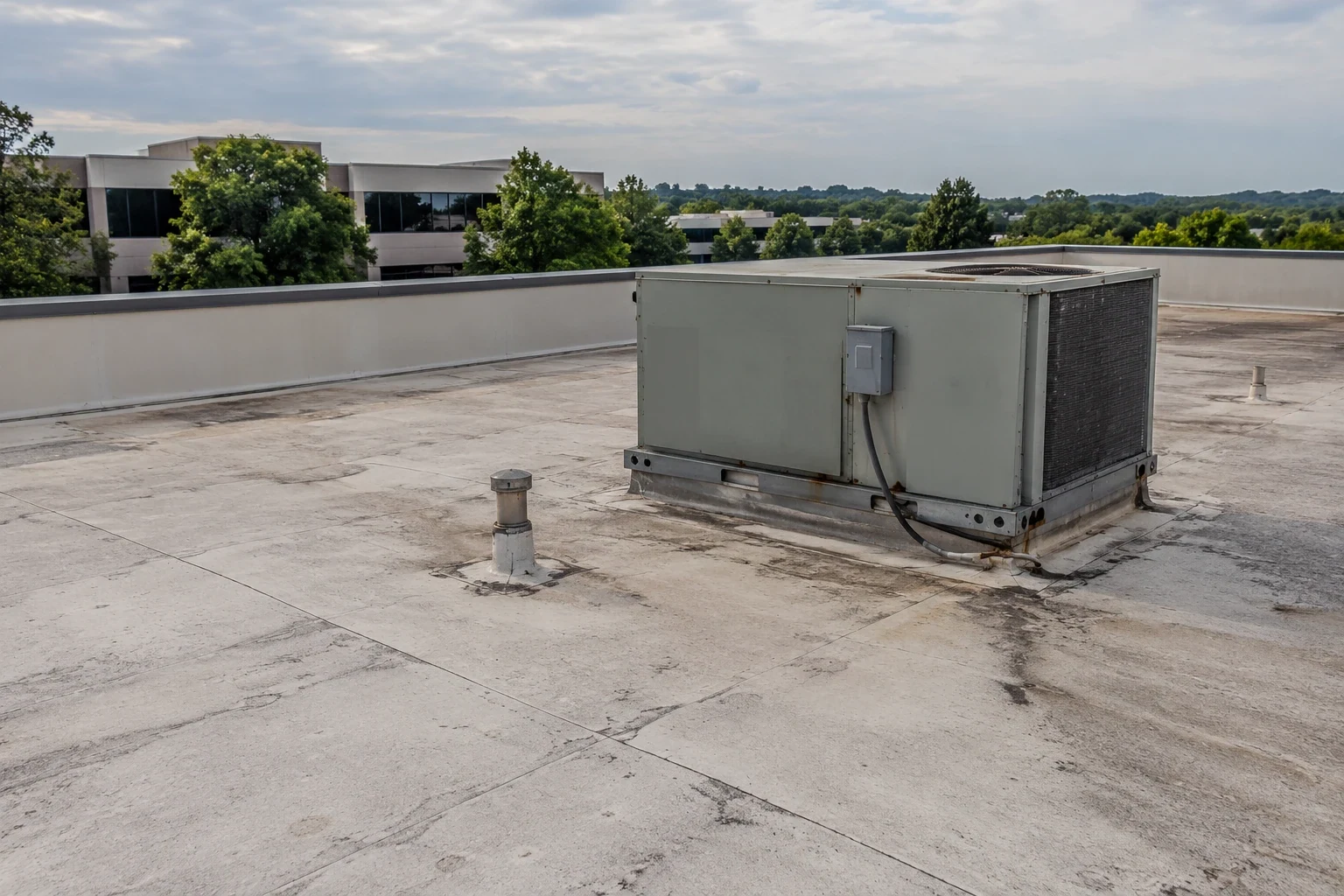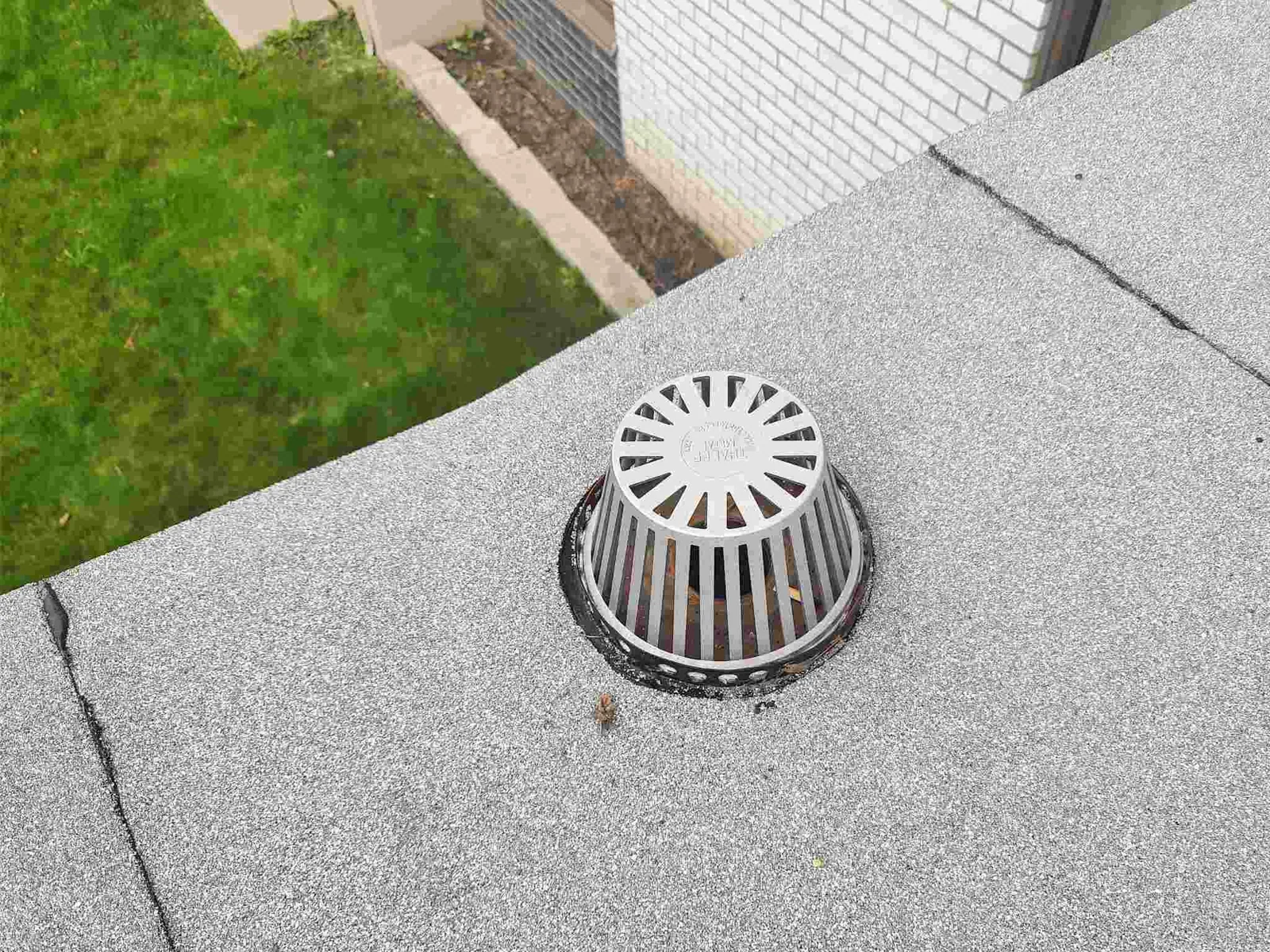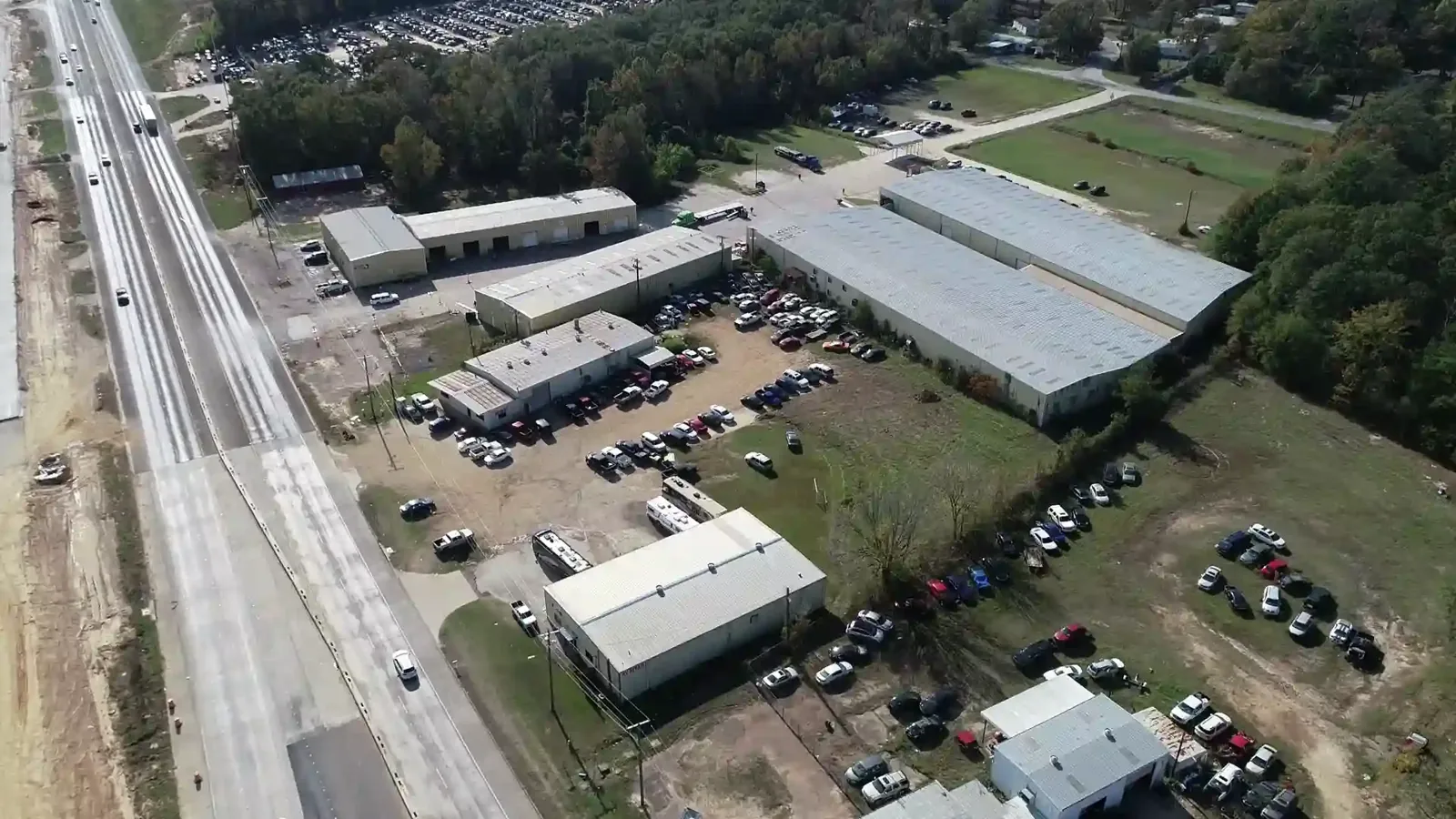
An exhaust curb above an active production line needs an inspection that respects process limits. We check the outlet flashing and the closest seam first. The roof map notes where staff access stops and where temporary protection may be needed. The production lead can confirm that route before the crew enters the marked zone.
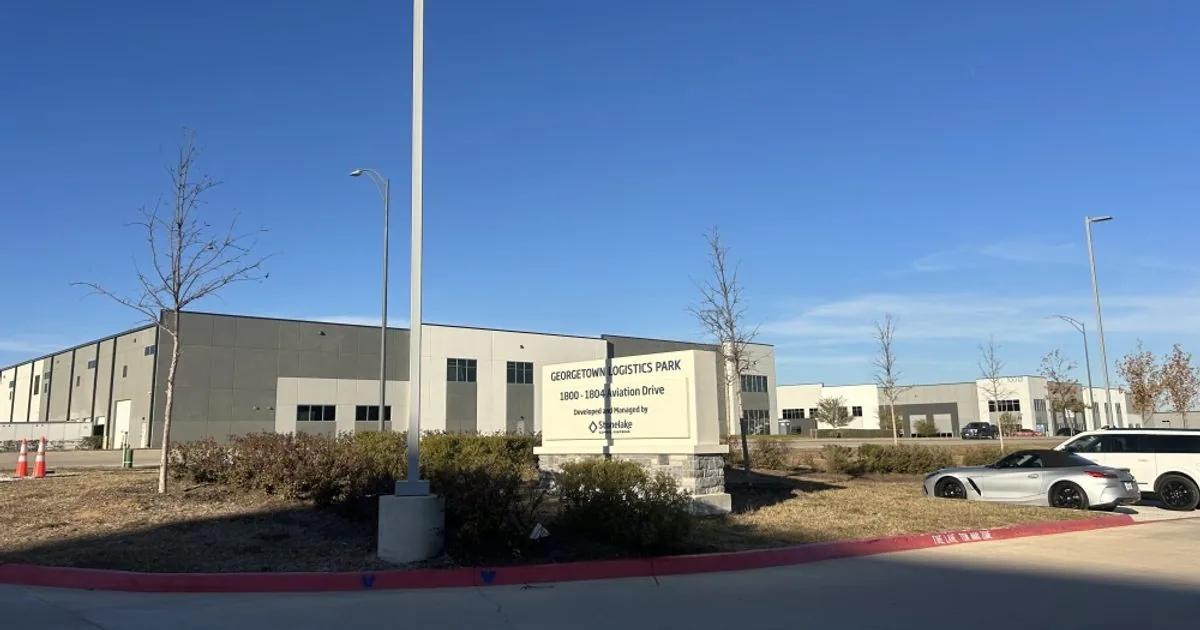
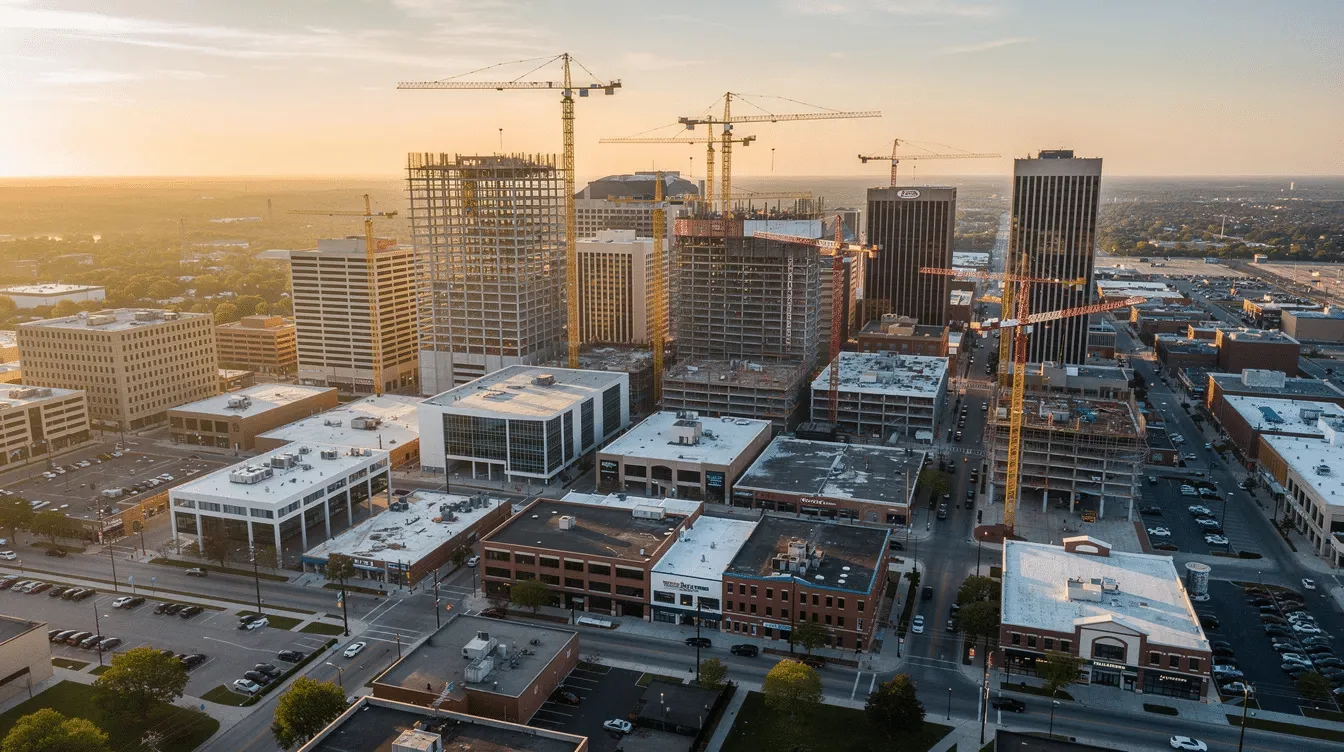
Georgetown's economic-development activity includes advanced manufacturing and aerospace prospects. NorthPark35 and Georgetown Logistics Park are named in the city's industrial pipeline. Those facts show a changing commercial setting. They do not identify the equipment or assembly at a specific plant. We inspect each manufacturing roof where the work occurs.
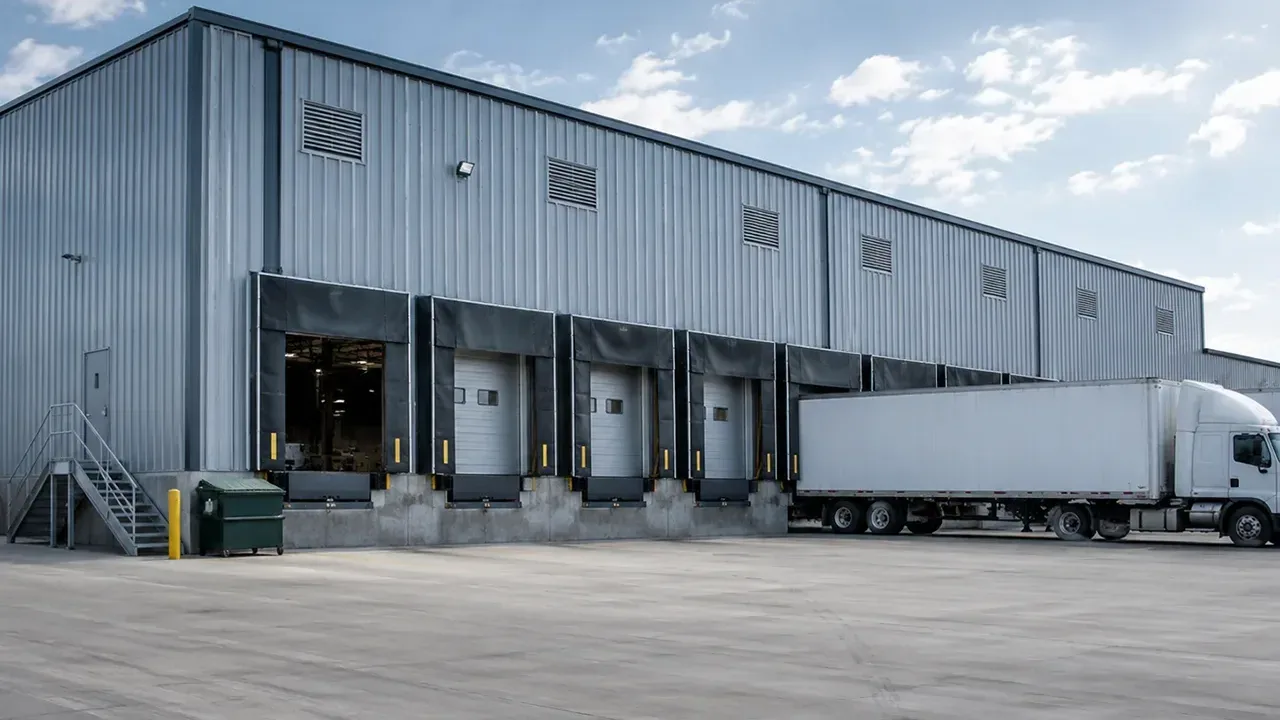
Several industrial buildings make up Berry Creek Business Park, positioned near I-35 and SH 130. Those highway connections can inform delivery planning That context matters for staging, but the access route must be confirmed at the facility. A commercial roof inspection records the existing assembly before work begins.
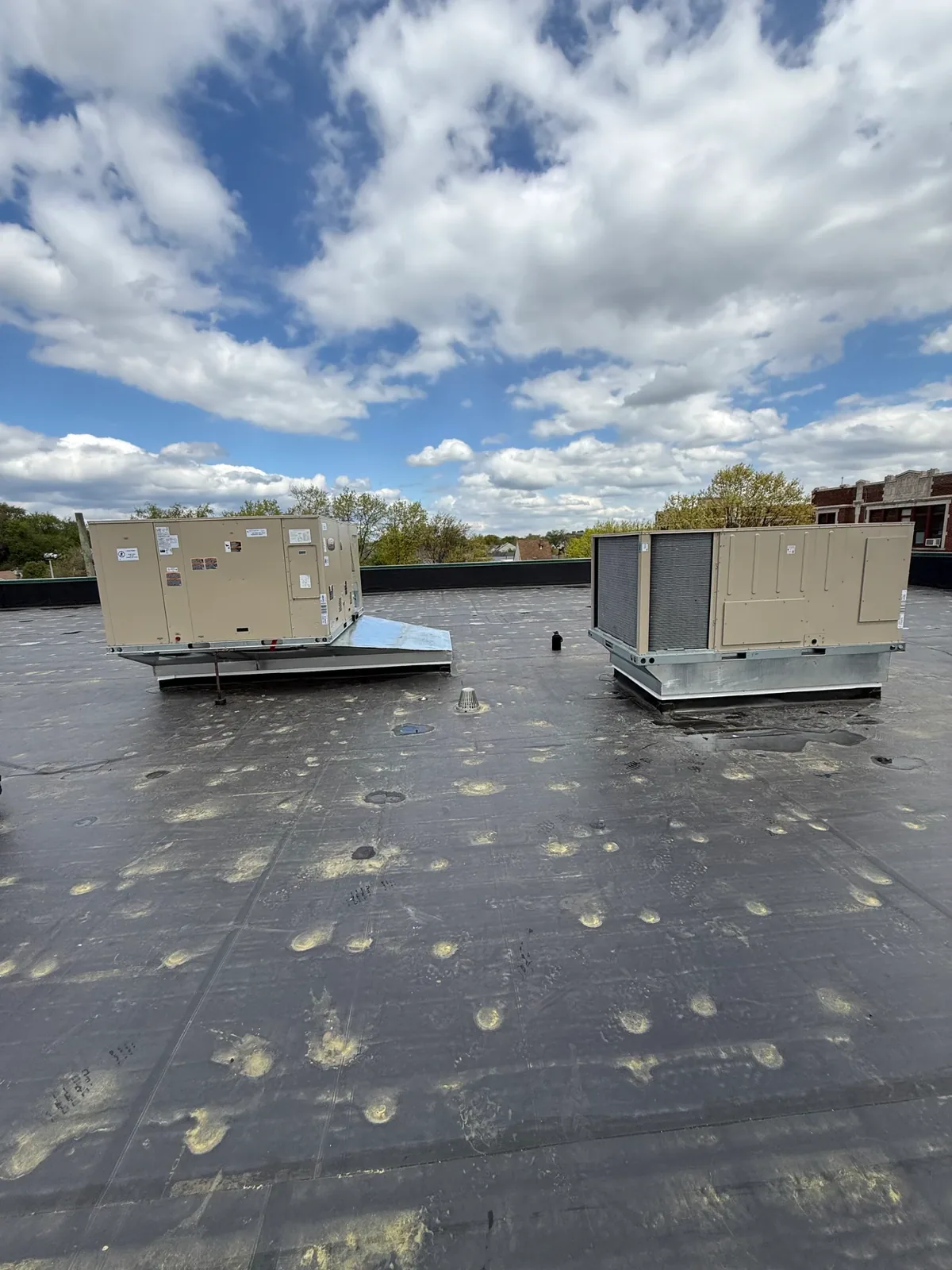
Manufacturing operations can create exhaust, heat, dust, vibration, or chemical contact near the roof. We record the observed discharge points, rooftop equipment, and service paths. The facility contact identifies any process limits for access. Product compatibility questions go to the system designer or manufacturer. We do not infer material suitability from the business type alone.
A leak near an exhaust does not identify the entry point. We inspect the curb, flashing, membrane, nearby seams, drains, and previous repair. If moisture could extend beneath the sheet, a test opening can show layers at one location. The roof map records that point and its limits. Production staff can then review the proposed boundary before the crew opens more area.
NorthPark35 is a Georgetown industrial park near I-35 and Airport Road. City utility work is intended to support additional industrial buildings. For a facility in that area, active construction may affect access and staging. The roof record still starts with the specific building. We confirm gate rules, lift locations, and production windows with the site contact.
Fans, ducts, condensers, skylights, pipe supports, and solar equipment can create separate tie-ins. We mark each curb and service route before setting a repair boundary. A new unit may require a roof opening and flashing change. The sequence should name who handles the equipment disconnect and who inspects the roofing tie-in. No equipment moves ahead of the agreed hold point.
At Berry Creek Business Park, several industrial buildings sit in a multi-building development. Portfolio context can help coordinate material delivery. It cannot substitute for a structural or roof assessment at an individual facility. We record visible attachment, penetrations, and deck information, then identify what requires engineering review. The report keeps confirmed conditions separate from assumptions about loads.
Hutto's target industries include advanced manufacturing and life sciences. Hutto and Georgetown are connected through regional routes, including SH 130 and I-35. That broader market may bring suppliers and operators across city lines. Each roof still needs its own access route and inspection record. A Georgetown Logistics Park visit follows the site contact's rules.
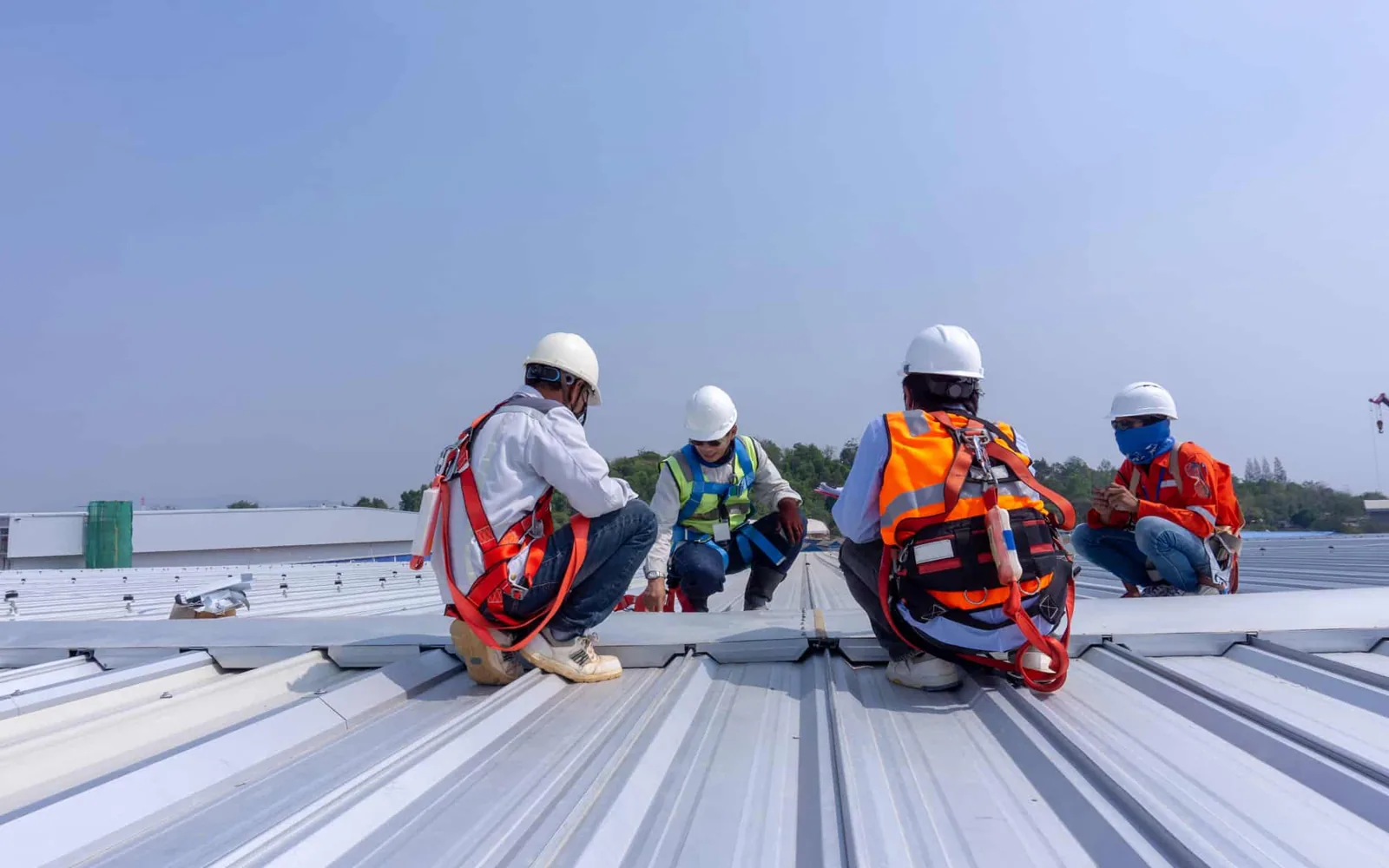
Georgetown has recorded summer temperatures above 100°F. That can shorten safe production-area roof access. We inspect the membrane and flashing under the conditions present. The field log records pauses caused by surface heat or weather, and the shift plan defines how the open area will be protected until work resumes.
The NWS documented hail events across the Austin forecast area, including Round Rock. It also recorded a 2022 tornado path across Williamson County. Those hazards support post-event review. They do not prove that a plant roof was struck. We photograph dents, punctures, open laps, and displaced edge details where found.
Drainage can become a production issue when water reaches rooftop electrical or process areas. We trace drains, scuppers, overflows, and low spots. A blocked outlet and a roof defect are separate findings. The report names each condition and its location. A drain and scupper scope can be priced independently from membrane work.
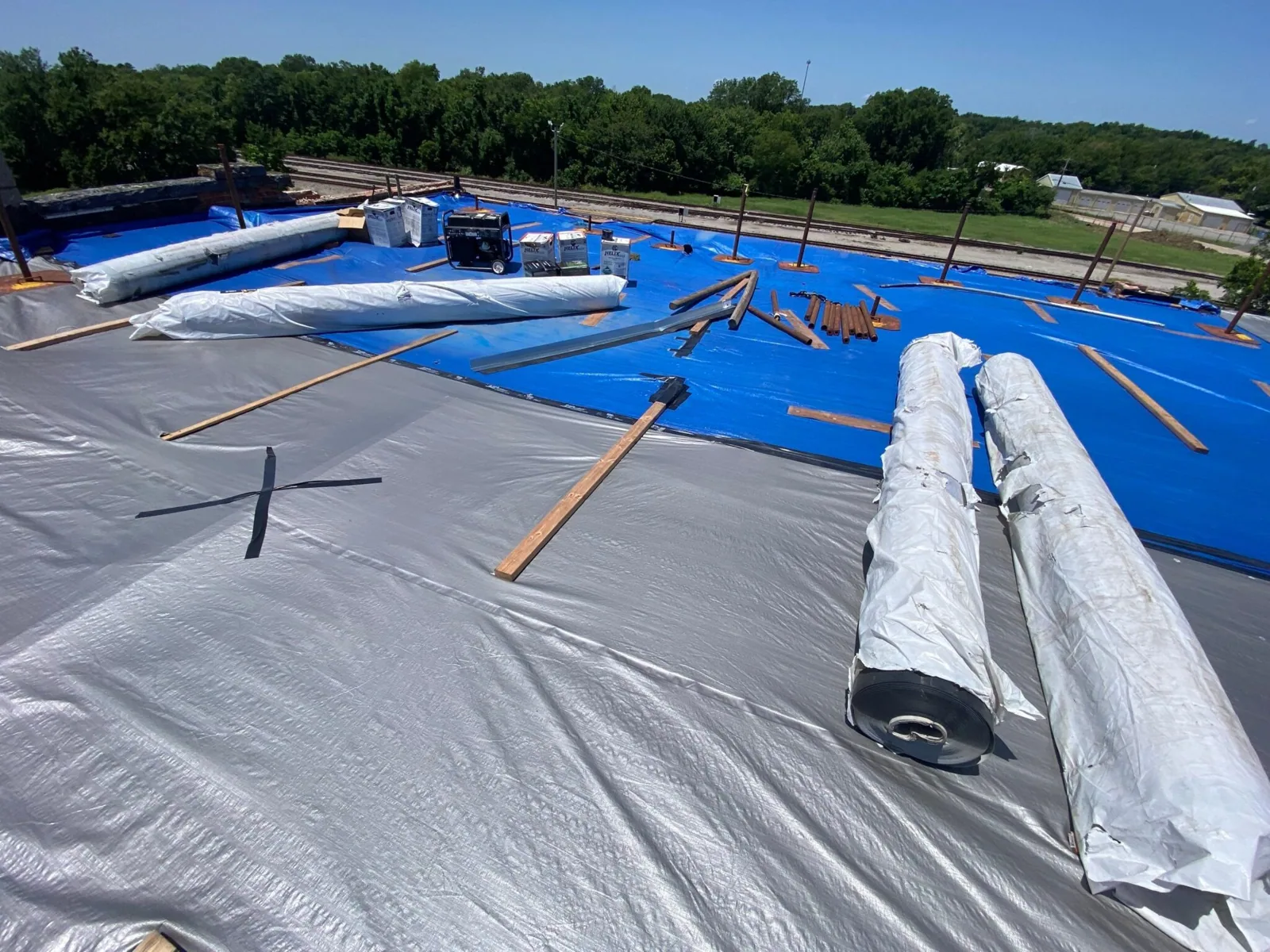
A localized repair may address one flashing, seam, or puncture. Wet insulation or recurring openings can require more testing. We price the confirmed repair area, a recover approach, and full replacement as separate scopes. Each states the layer affected, access needs, and the condition that could alter quantities. A concealed finding remains a review hold before removal continues.
Manufacturing schedules affect cost and duration. We coordinate shutdowns, lift access, dust control, exhaust service, crane timing, and interior protection. If the roof can be opened only during a maintenance window, the sequence must show a daily tie-in. The owner sees which areas remain exposed and who verifies dry-in. That boundary protects production planning.
For alteration work, Georgetown's adoption of the 2021 IEBC is part of the permit review. Texas's commercial energy-code reference is 2015 IECC, subject to local amendment. The design team checks which provisions govern the plant project. We identify roofing details for that review, then follow the approved assembly documents.
A general contractor may coordinate roofers, mechanical trades, electrical work, and production maintenance. We mark each tie-in and access route before mobilization. Submittals and field dimensions must match the installed conditions. If equipment plans change, the roof boundary changes too. A general contractor work plan can keep these handoffs visible.
Logistics operators face similar dock and access questions. Georgetown's industrial parks and I-35/SH 130 connections create a regional distribution context. A logistics roofing scope may share sequencing concerns, but manufacturing work also needs process shutdown and equipment coordination. We keep those priorities specific to the plant.
A curb and equipment review can document the roofing interface. If a full assembly is proposed, a replacement scope should include access, tie-ins, staging, and daily dry-in. The roof map travels with each revised scope. That gives the facility a clear approval point.
At completion, we return the roof map with dated photos and repair limits. The file lists materials, drains, curbs, and transitions addressed. It also names zones that remain uninspected. Production maintenance can use the same locations during follow-up. No verbal handoff should replace the marked roof boundary.
Send the roof area, access window, production contact, and known equipment restrictions. We confirm the inspection route before mobilization. A condition report can retain the findings for capital review. A portfolio owner can use the same asset record across sites without blending their conditions.
The work plan should show the last safe stopping point each day. We identify who confirms the tie-in before production resumes. Any concealed damage remains a separate hold point. The owner receives the photos and change boundary. This keeps the field record aligned with completed work.
We confirm the operating window, equipment restrictions, roof access, and affected work zones. The inspection records visible conditions and any area that requires a hold before opening.
It can create a product-compatibility question at the roof surface. We document the discharge and request system-specific guidance before selecting a repair material or new assembly.
We stop at the agreed hold point, photograph the opening, and map the extent exposed. The owner reviews the change before additional removal or replacement proceeds.
No. It supplies regional context. The site inspection must show actual displacement, punctures, or water entry before we assign storm-related repair work.
Keep the roof map, tie-ins, material records, photos, work limits, and unresolved hold points. The next shift can then coordinate maintenance without guessing which zone was opened.