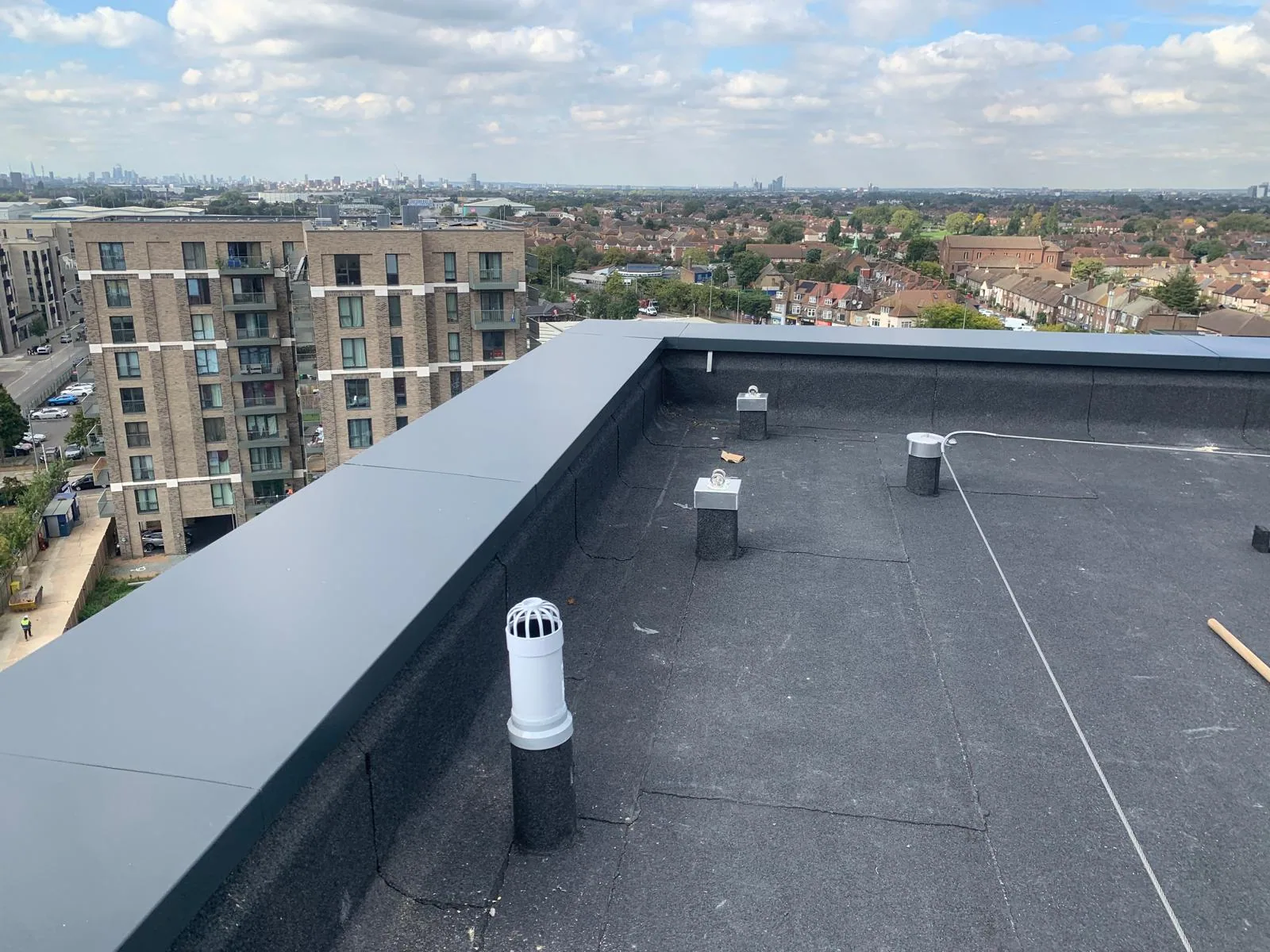
A curb shimmed above the roof can leave its flashing too short. We check the unit base, support, and membrane height before the mechanical crew sets equipment. The roof map marks each curb, pipe stand, conduit path, and service route. Then we set the tie-in point and hold point.
Station records for Georgetown put recurring summer highs in the 90s, and recent measurements have crossed 100°F. Around equipment, we account for that heat when choosing sealants, adhesives, and handling windows. Berry Creek Business Park includes multiple Class A industrial buildings. Each roof section can have different equipment bases, so we map the curb locations and verify every support in the field before the mechanical crew mobilizes.
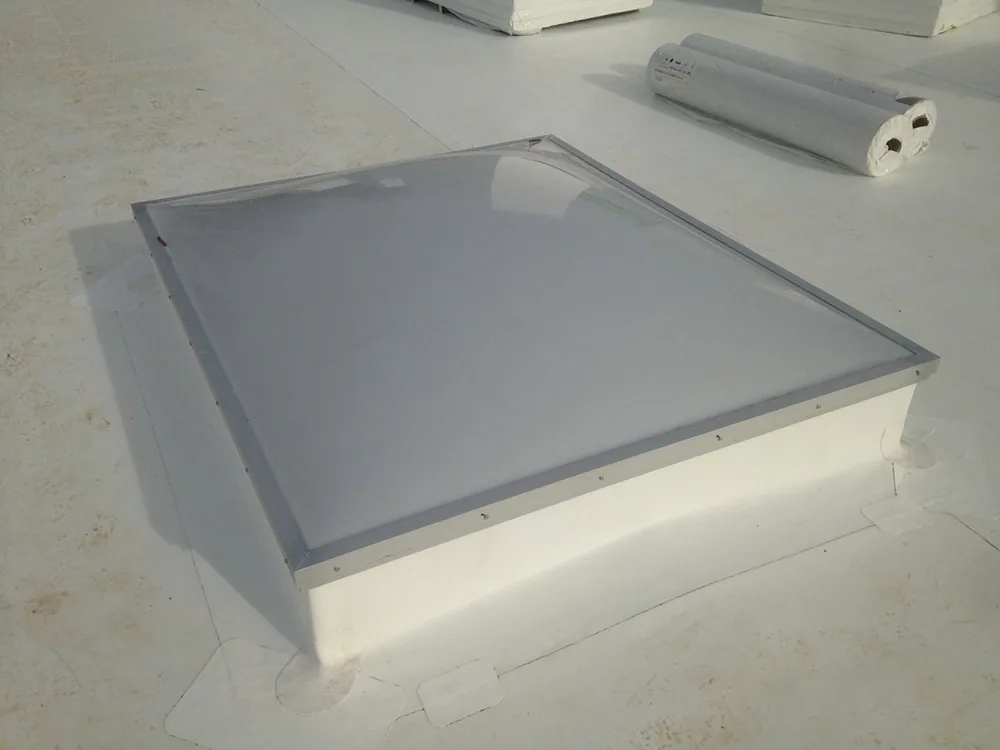
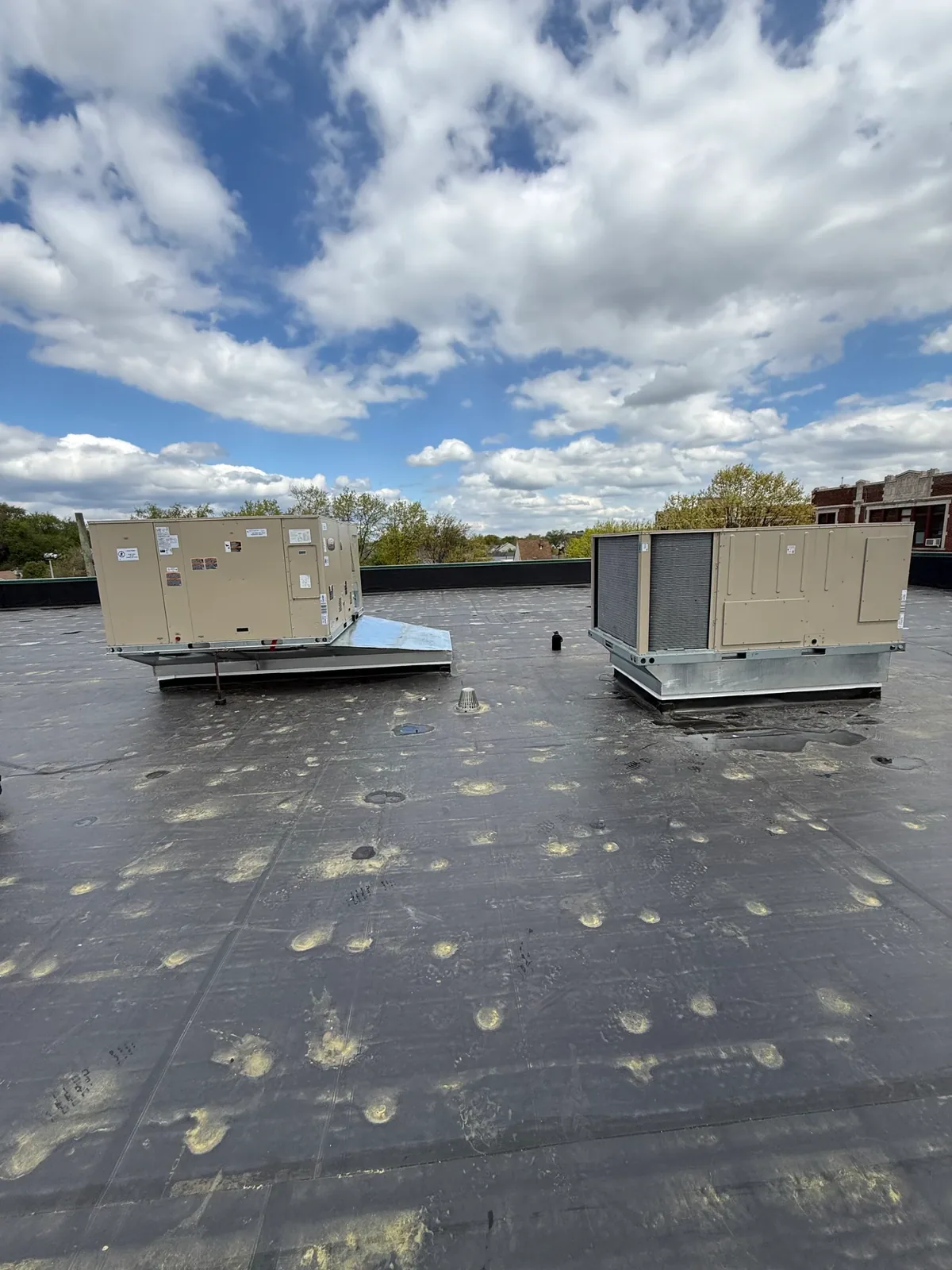
We measure curb height above the finished roof and check its attachment to the deck. We inspect corners, counterflashing, membrane termination, and nearby seams. If the assembly will gain insulation or cover board, we calculate the added elevation before approving the curb detail. The tie-in must stay high enough for the selected membrane and project requirements.
Existing equipment records may not match what is on the roof. A prior unit can leave an abandoned curb, patched opening, or support frame. We mark active, unused, and uncertain details separately. The general contractor can then coordinate removal, infill, or reuse with the mechanical scope. A roof inspection can map conditions before equipment is released for installation.
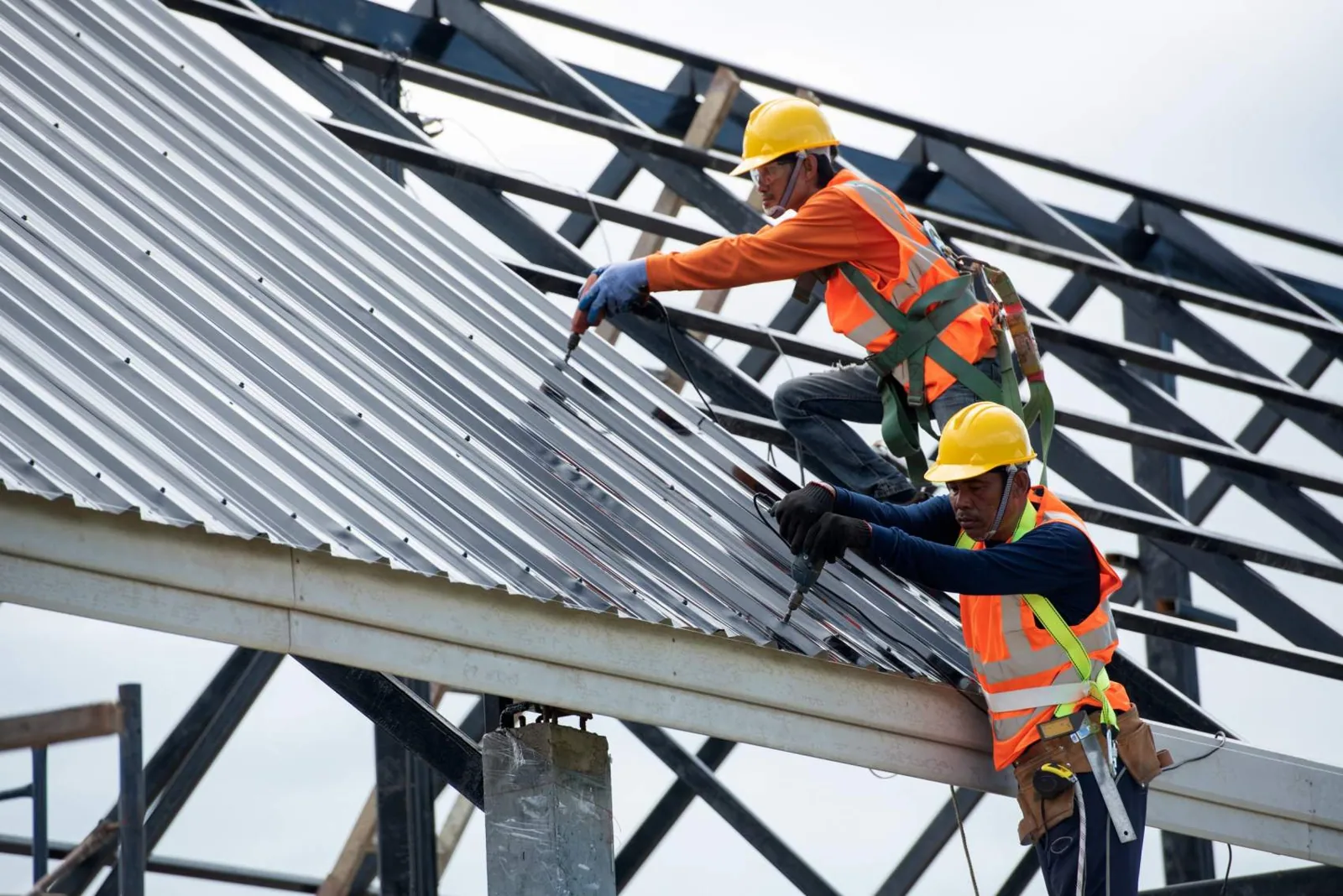
Access matters too. We identify the route for the crane, rigging, materials, and service crew. We keep equipment paths away from fragile seams when possible. If the route crosses the roof, we mark protection and staging limits. That lets the roof and mechanical teams work from the same plan.
Pipe supports and unit rails carry more than equipment weight. They must resist movement and avoid concentrated pressure on the membrane. We inspect the support base, bearing surface, fasteners, and nearby flashing. A loose stand can abrade the roof or pull against a pipe. We document the condition and identify which trade owns the correction. We note whether a unit is operating, whether the support moves under load, and whether contact has worn the membrane. We also check for compressed insulation or a base that shifts when the equipment cycles. Those observations set the repair scope and prevent an unrelated support correction from being buried in a flashing allowance.
Conduit, refrigerant lines, and gas piping need stable routing with clearance from drains and service paths. We note unsupported runs and sharp contact points. If a support needs relocation, the work plan identifies the new location before the roofer patches the old one. The penetration flashing scope can coordinate a related opening. The edge detail service may be needed when equipment sits near parapet or coping.
NorthPark35 and Georgetown Logistics Park are included in Georgetown’s industrial growth plans, with utility extensions intended to serve future buildings. On an active project, we map the installed units, supports, and roof assembly before setting the curb scope.
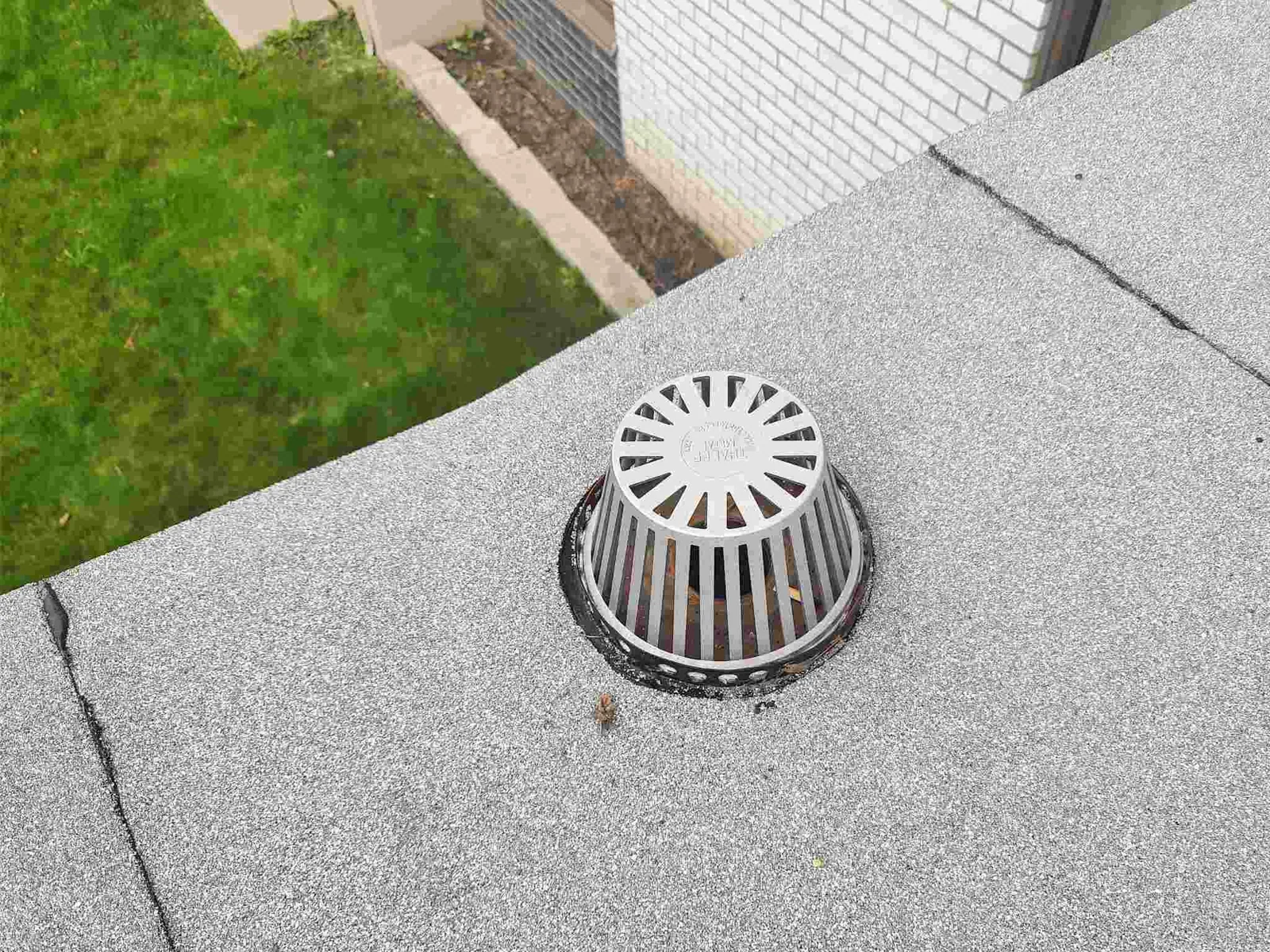
Water can enter at a curb corner, pipe boot, abandoned fastener, or counterflashing seam. We check the uphill side first, then follow laps and drainage paths around the base. A stain below a unit does not prove that the curb above it failed. We record interior symptoms separately and test only where the findings justify it.
Hail is a documented regional hazard across the Austin forecast area. After a reported event, we inspect equipment screens, curb corners, roof seams, and support bases for visible change. The weather record does not confirm damage at a Georgetown building. The roof walk establishes that. The drainage service can address water held near a unit after we confirm the flow path.
Heat also changes the work window. We check surface temperature and product instructions before preparing a membrane tie-in. A wet or dusty surface can prevent a reliable bond. If weather interrupts the work, the crew protects the opening and notes where the permanent detail will resume.
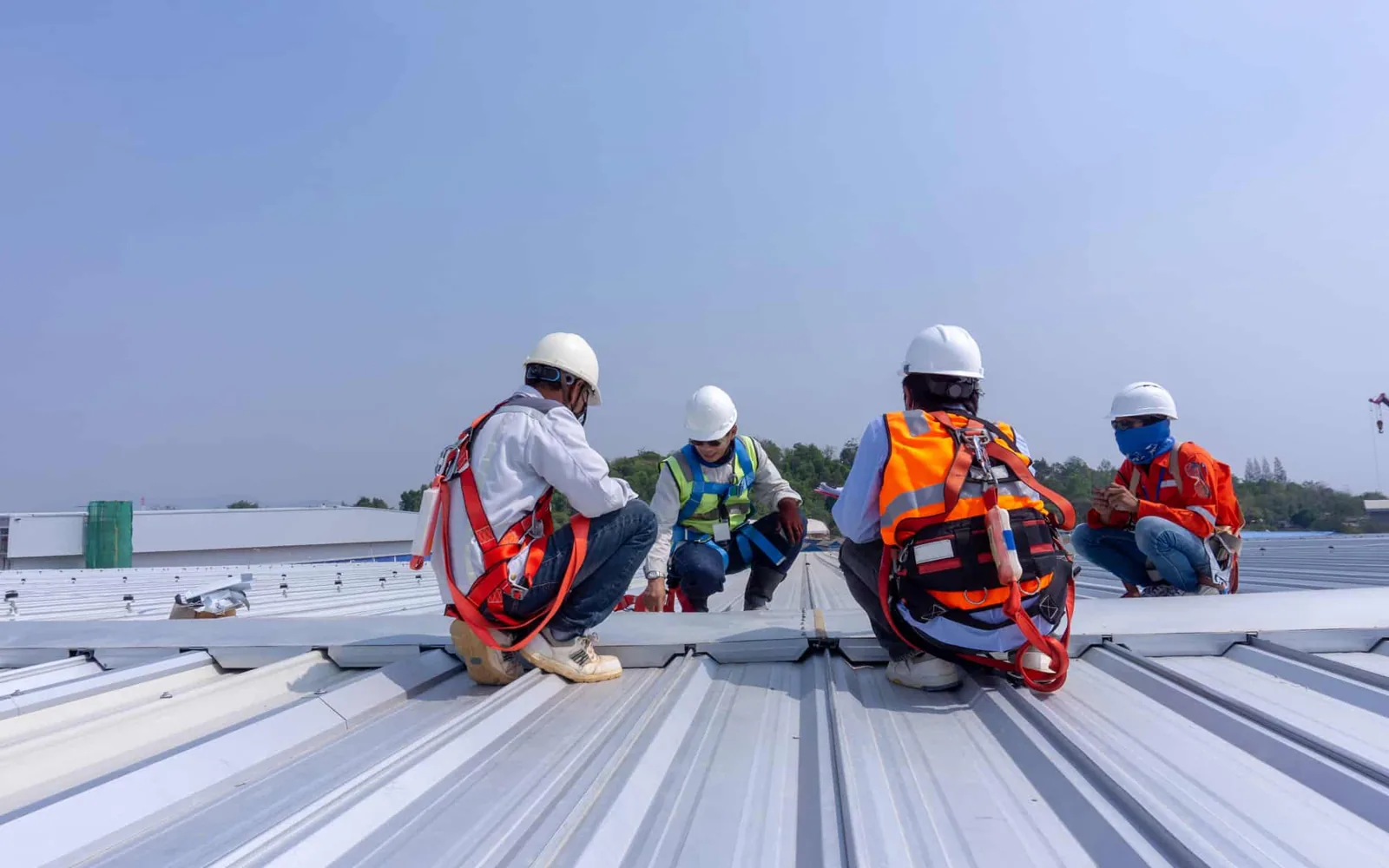
We set the sequence before a new unit is lifted. The mechanical contractor identifies the final base and line locations. The roofer confirms curb height, flashing, and perimeter details. The general contractor assigns a hold point for inspection before equipment blocks access. That order avoids a finished roof detail hidden under a unit rail. It also sets who signs off on curb dimensions, line locations, and the roof tie-in before the lift proceeds. If the field layout changes, the plan is revised before drilling new penetrations or setting rails.
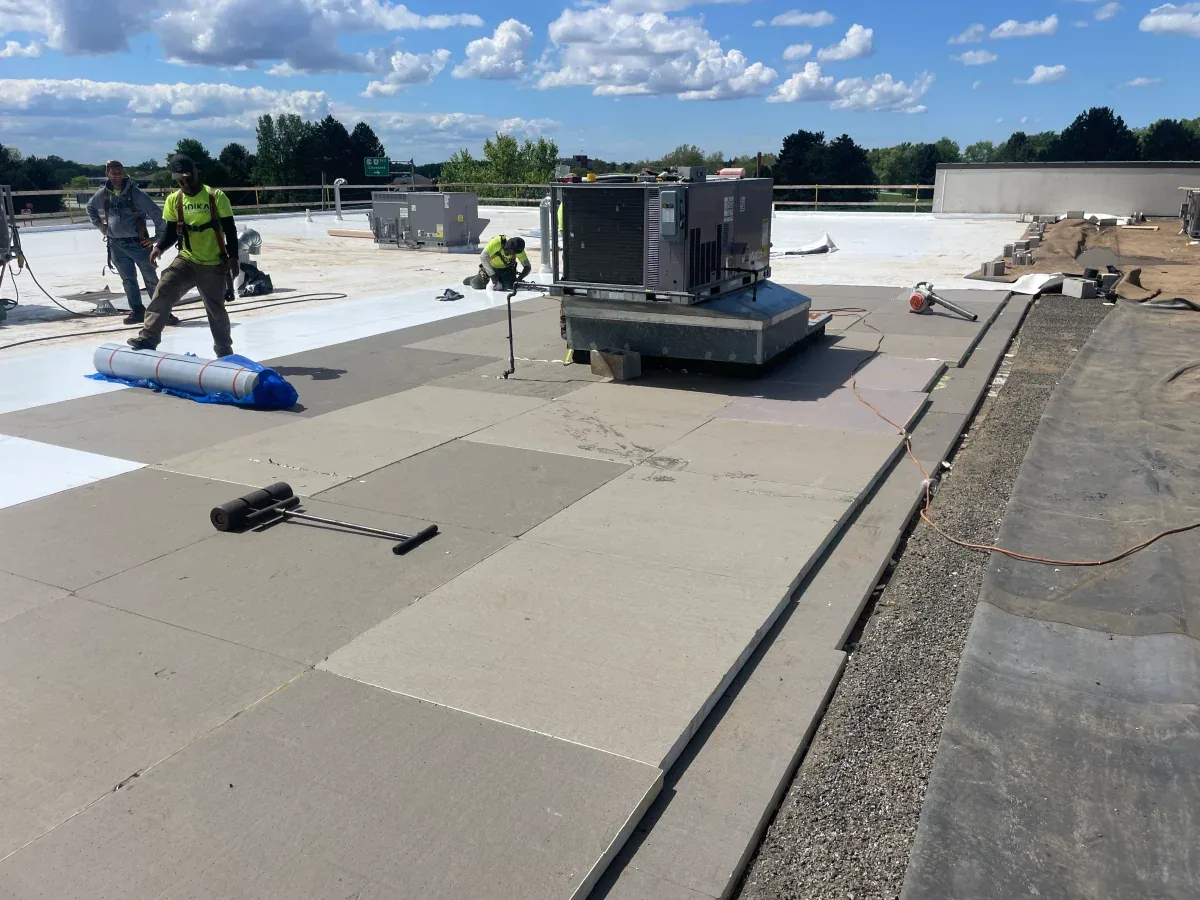
For an occupied building, we coordinate lift time, access below, rooftop service needs, and areas that must stay open. A crew needs space to remove old equipment without damaging adjacent membrane. The work plan shows the crane zone, material staging, temporary protection, and dry-in sequence. A roof height review can catch elevation changes before curbs are set. A repair scope can document existing damage before new work begins.
Cost and timing depend on curb count, height, support design, access, membrane type, and whether hidden deck or nailer repairs appear. We list the confirmed work and identify allowances. If removal exposes deterioration, the crew pauses and photographs it before changing the boundary. The general contractor approves the added work at the hold point.
At handoff, we photograph the completed curb corners, support bases, line penetrations, and nearby seams. The roof map identifies removed equipment, reused curbs, new supports, and any open coordination item. We note the membrane preparation and tie-in so future service work can use compatible materials.
Around Berry Creek Business Park and NorthPark35, mark every mechanical curb against that building's roof drawing so service crews can follow the correct access plan. A later inspection can check whether maintenance traffic or equipment changes disturbed the detail. Send the unit locations, roof plan, access period, and general-contractor contact. We can set the field walk and hold point before lifting equipment.
For active water entry, a response crew can be reached day or night, including holidays. Temporary protection stays separate from permanent flashing work. The closeout records which step is complete and which trade returns next. We identify the owner of any open item and the access condition needed to finish it. That keeps the mechanical startup and roof repair from being treated as one untracked task.
We measure curb height, inspect attachment and flashing, confirm the equipment route, and coordinate final unit placement. The roof tie-in needs review before the new unit blocks access.
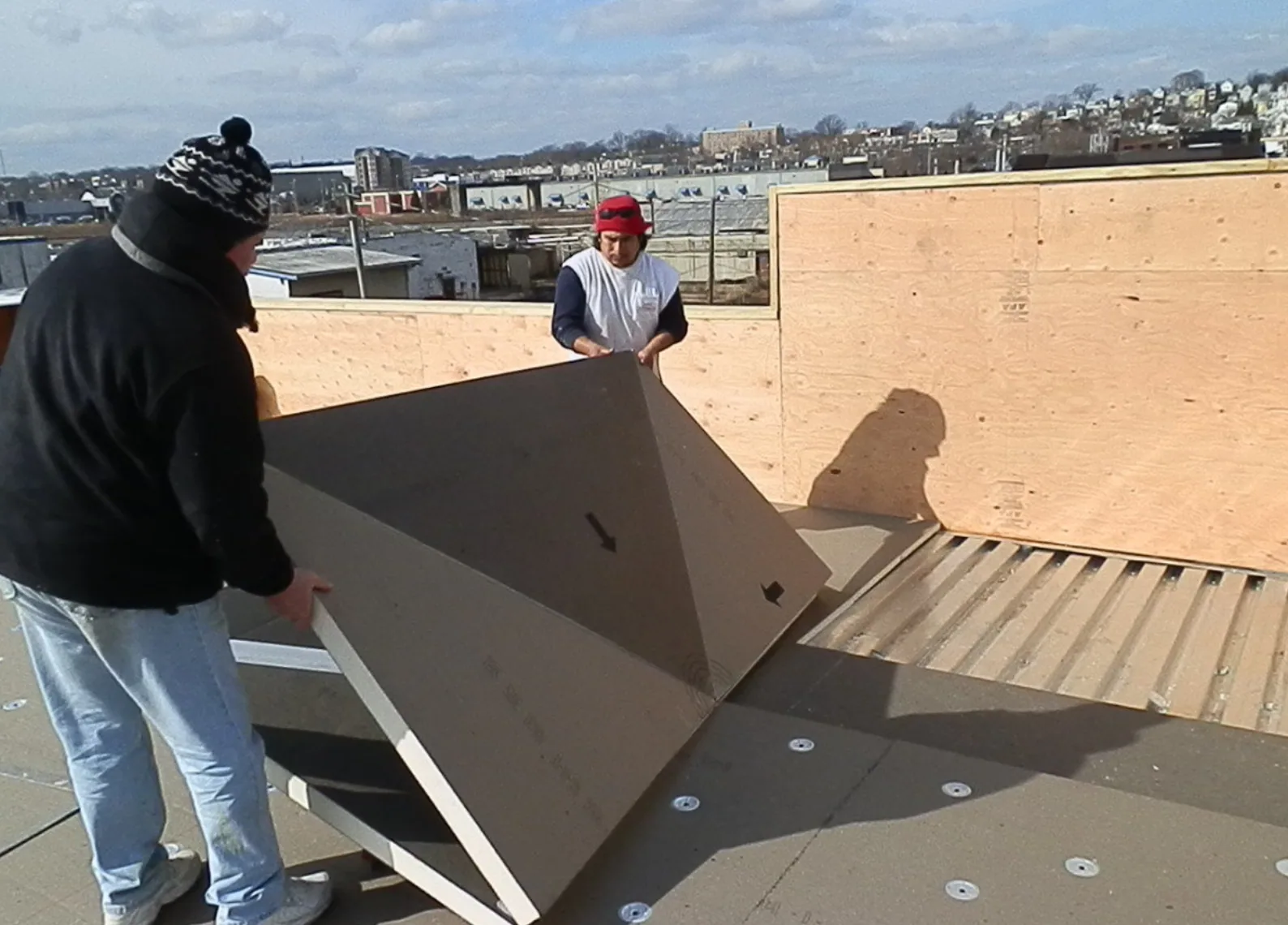
Added insulation or cover board can reduce usable flashing height. We compare the proposed assembly with curb elevation and identify curb changes before materials are installed.
The roofing and mechanical scopes meet at the penetration. We define the roof tie-in, while the general contractor coordinates line support and equipment changes with the responsible trade.
We identify which bases remain active and which openings need removal or infill. The plan records the roof repair and any mechanical or structural work outside that boundary.
Keep the roof map, curb locations, photos, material details, access limits, and open trade items together. Record new equipment routes before maintenance traffic changes the roof surface.