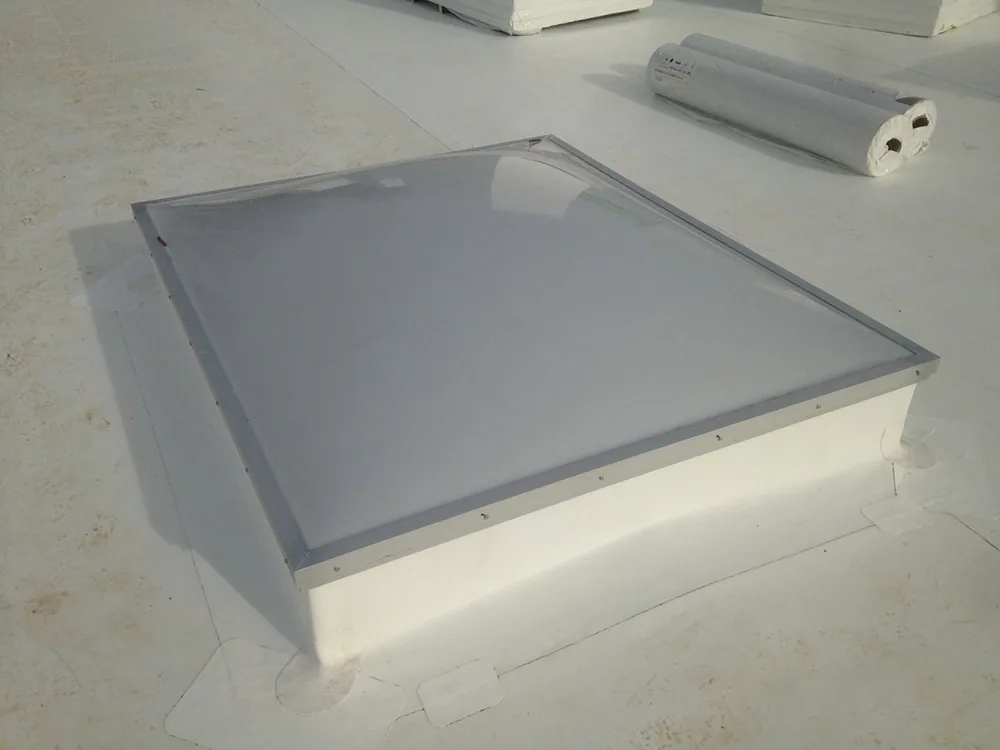
A skylight curb with a split corner can send water under the flashing. We start at the corner and follow each lap to the roof field. The inspection marks the curb, lens, fasteners, and nearby seams. Then we decide whether repair can stay at the opening or needs a wider tie-in.
Georgetown's summer heat can warm exposed roofs, while hail affects the broader Austin area. We separate visible impact from aging or a split at the curb. The inspection records the observed condition and date, and the repair boundary follows that evidence.
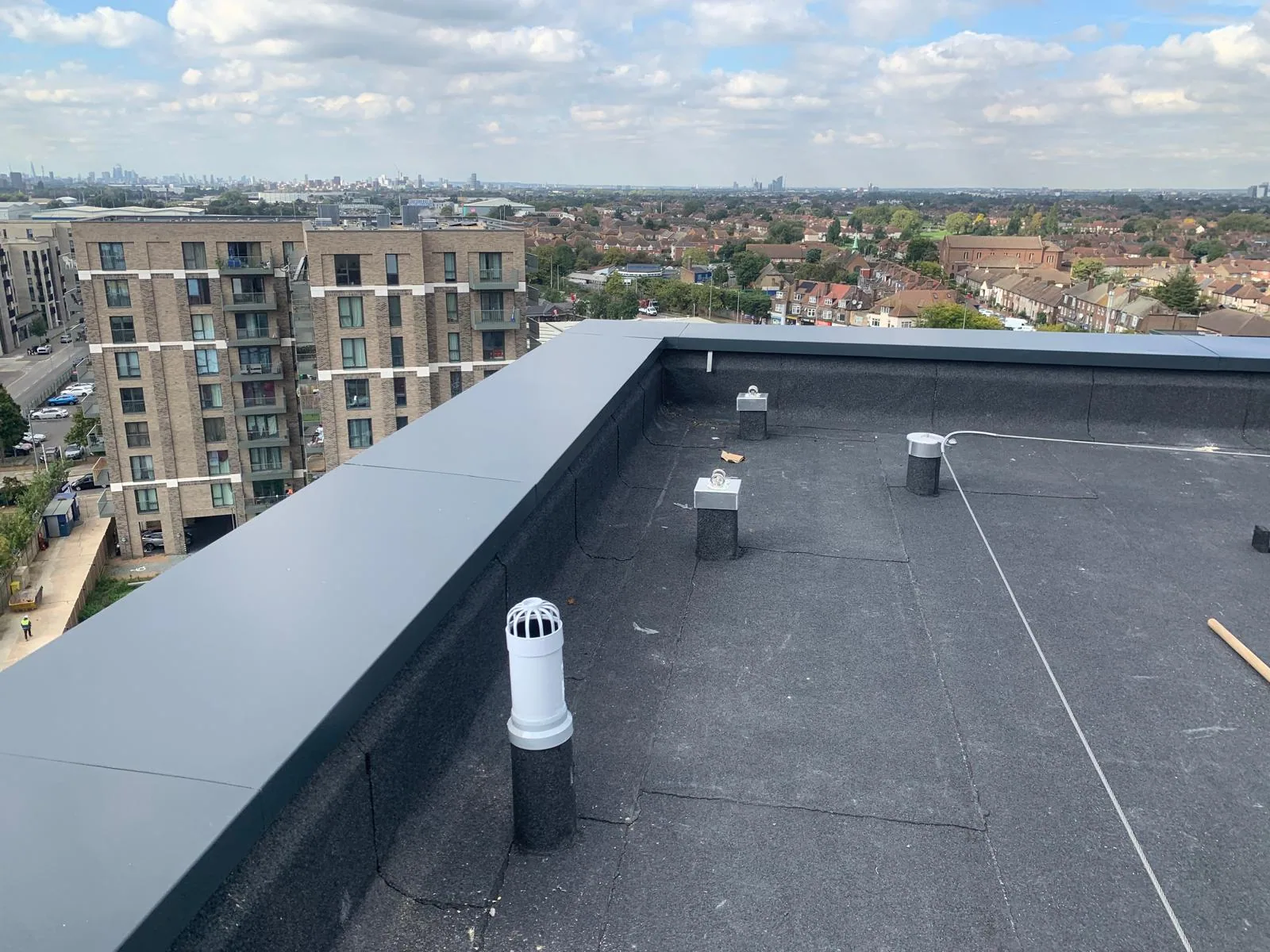
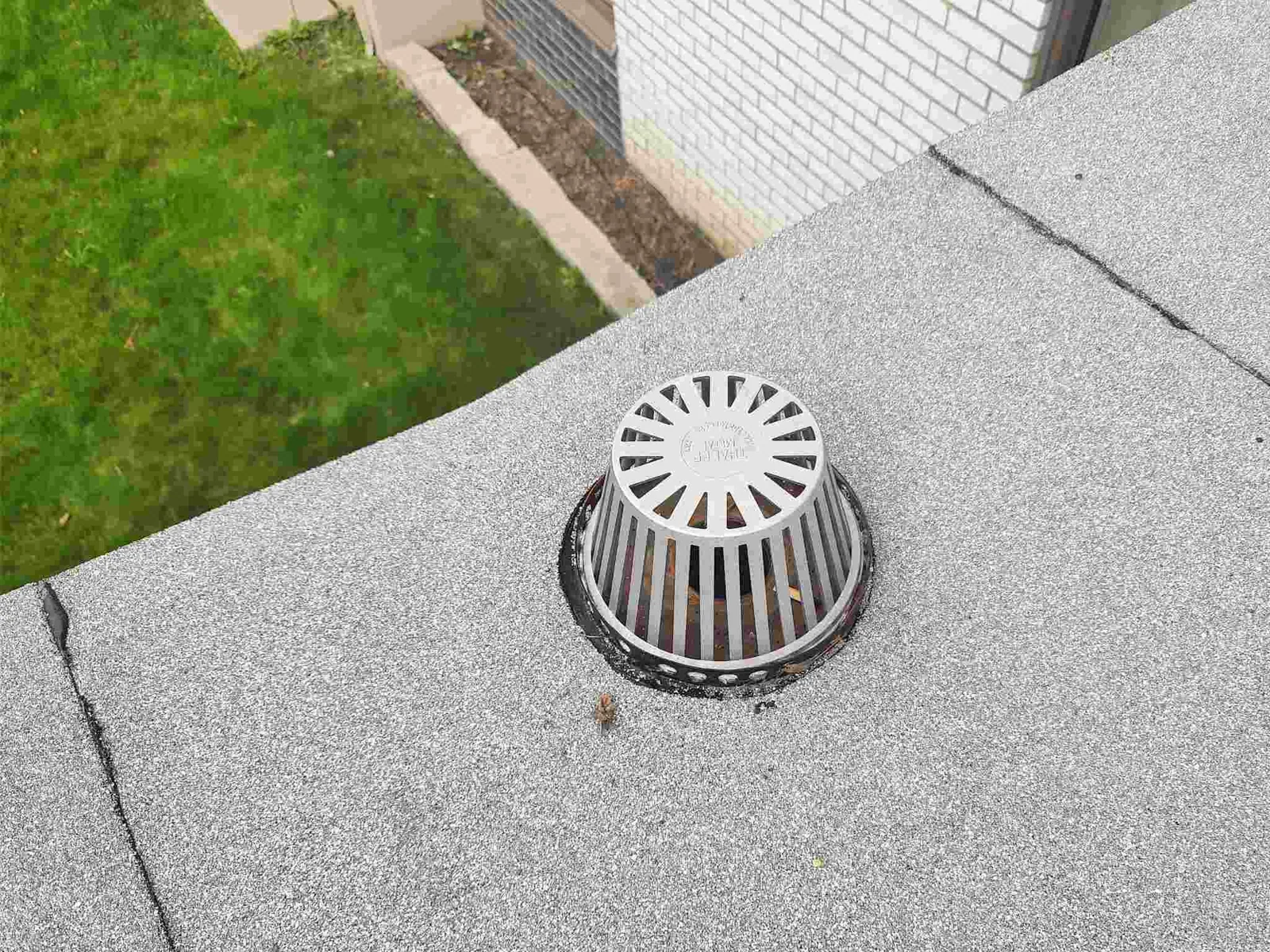
We identify the opening type, curb construction, flashing material, and roof membrane before preparing a repair. Skylights, pipe boots, exhaust stacks, equipment curbs, and conduit penetrations each need a compatible detail. We photograph the opening with enough surrounding surface to show the seam, drain path, and prior patches. A close-up alone can hide the tie-in that failed.
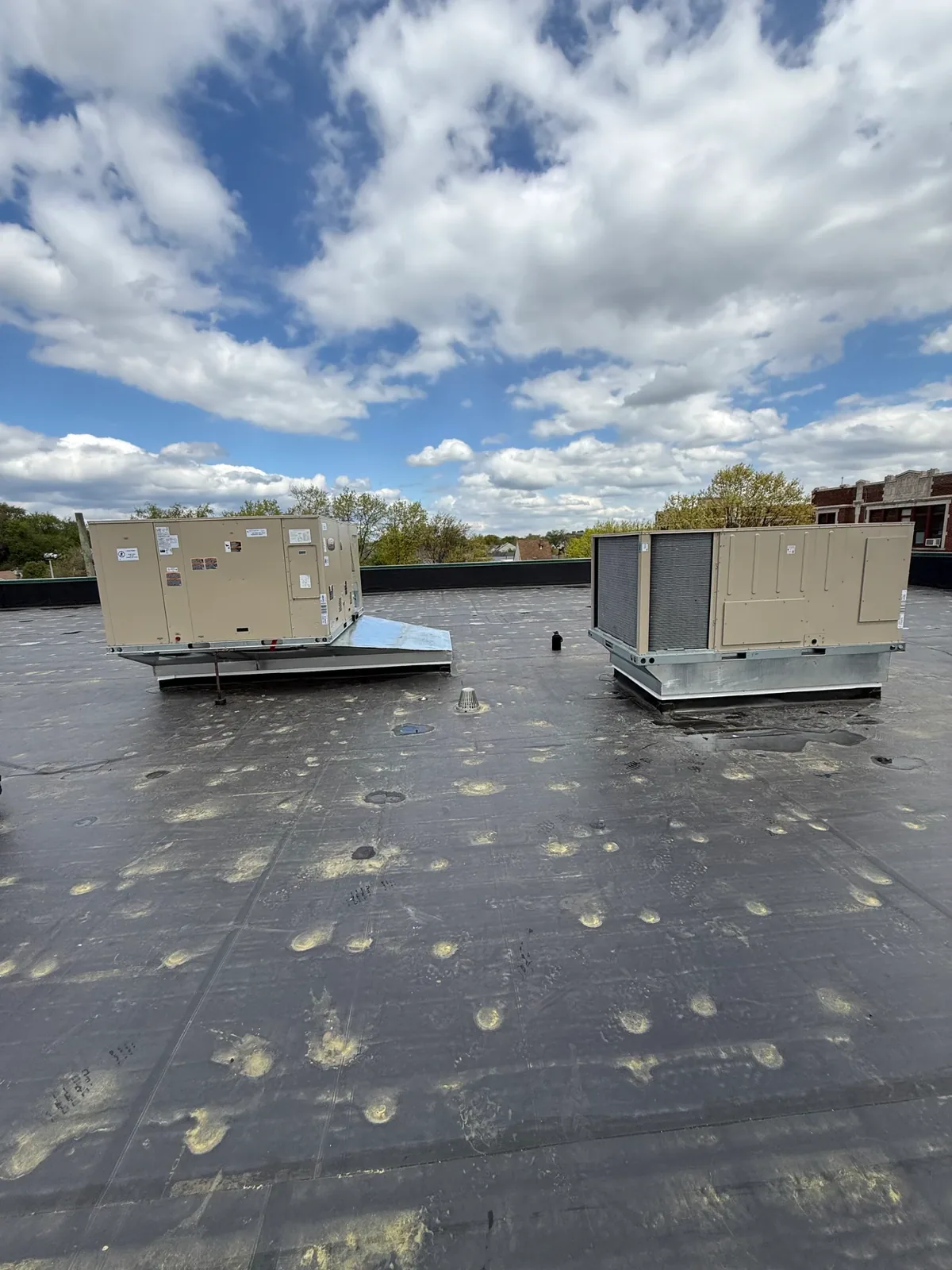
The roof map records the opening by section or grid. We check if the curb is stable and tall enough for the existing assembly. A recover layer can reduce remaining flashing height. A new piece of equipment can change the curb or introduce a new penetration. The scope notes those dependencies before material is ordered. A condition inspection can map multiple openings across the property.
At Berry Creek Business Park, several industrial buildings serve the Georgetown market near I-35 and SH 130. That multi-building setting makes consistent labels useful. We still verify each roof and each opening independently. A detail on one building does not establish the right repair on another.
We check corners, vertical membrane height, counterflashing, sealant joints, and the point where the flashing meets the field sheet. Loose metal or a moving curb can reopen a new patch. We inspect the curb attachment and adjacent deck where accessible. If hidden deterioration is likely, we mark a hold point before removal exposes more of the assembly.
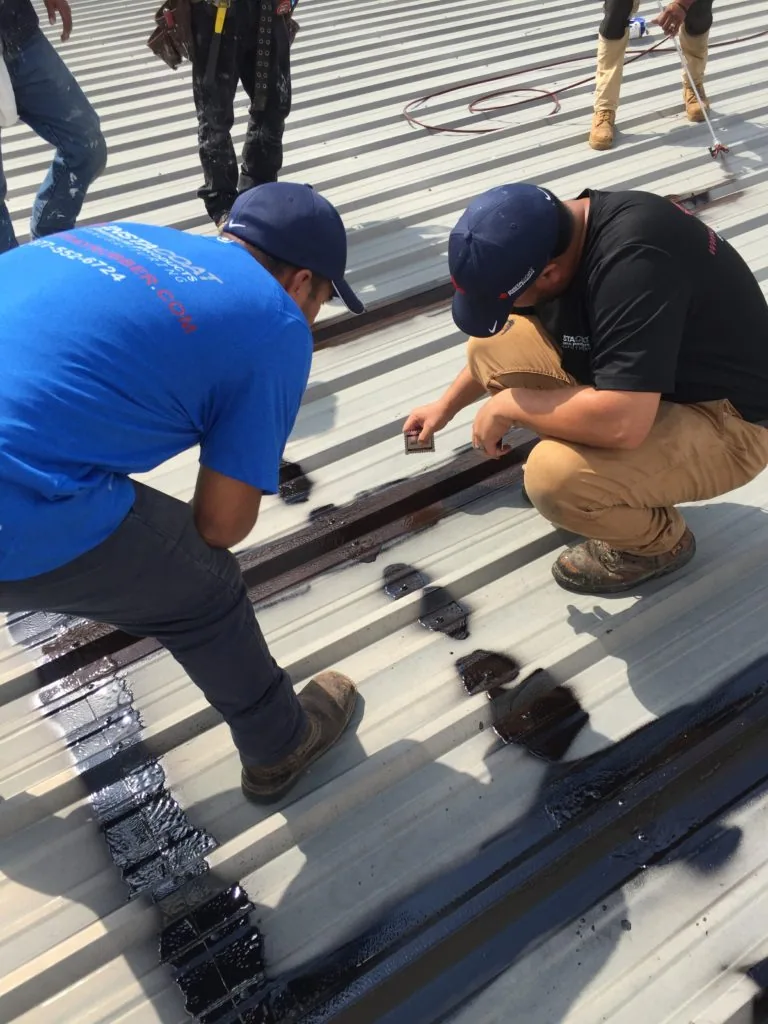
Single-ply membranes need compatible patches and seam preparation. Modified bitumen and metal roofs use different transitions. We verify the system rather than matching color. The repair identifies the material, preparation, attachment, and test required at completion. For rooftop equipment supports, the curb and support service can coordinate work that crosses into mechanical scope. The edge metal repair may also apply when the opening sits close to parapet or coping details.
A skylight may need lens, frame, curb, or flashing work. We separate those components in the estimate. It lists the lens or frame work, curb correction, flashing material, access equipment, and any test opening as distinct items. The general contractor can distinguish included work from tasks waiting on another trade. If removal reveals deteriorated wood or deck, the crew pauses at the hold point and documents the condition before adding scope. If the glazing needs a specialty trade, that boundary is clear before the roofer opens the perimeter. The roof tie-in and the skylight assembly meet at one line, but the responsibilities may differ.
A ceiling mark below a skylight does not always locate the entry point. Water may move along a curb, deck flute, conduit, or insulation joint before it appears indoors. We compare the interior report with roof-level conditions and follow the likely path. The record separates a confirmed opening from a nearby detail that still needs testing.
Where a skylight sits near an expansion joint, we inspect both details before attributing entry to the curb. We check frame fasteners, counterflashing, membrane beyond each corner, and the direction of slope. If the leak path remains unclear, a controlled water test can isolate the opening after the owner approves the method and interior protection.
The city's downtown historic overlay covers dozens of contributing structures and applies design review to changes. When an inspection includes interior rooms, access and occupant coordination belong in the route. We arrange entry with the building contact and note any area that stayed closed. The downtown Georgetown service area provides local context, while the individual work plan names the specific roof section.
We check drainage around curbs and skylights. Debris can collect behind a raised frame. A cricket may direct flow around a larger curb. If ponding is visible, the repair plan treats drainage separately from the flashing. A drainage review can map the outlet and water path.
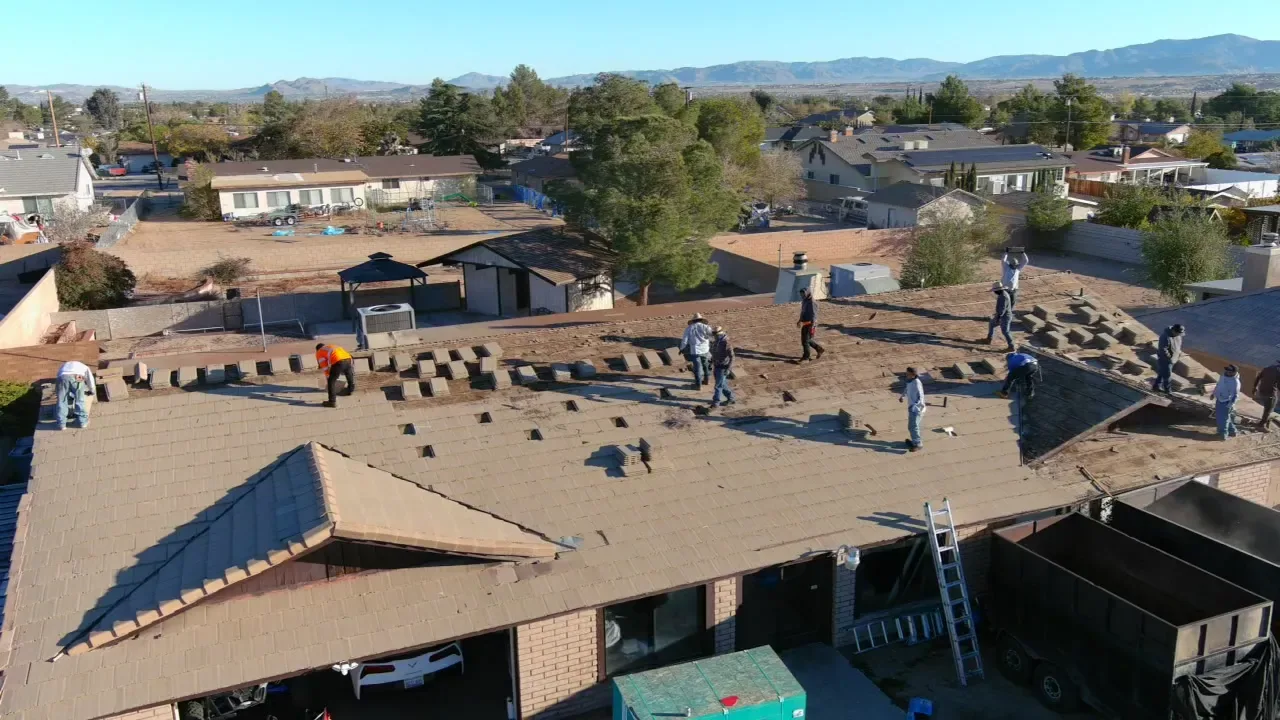
Removing flashing exposes the roof to weather. We open only the area the crew can protect and close within the planned shift. The sequence identifies temporary cover, material staging, and who inspects the new tie-in before it is concealed. Surface moisture, wind, and temperature can change the installation window.
In 2022, a tornado crossed Williamson County from near Round Rock toward Granger. Hail also affects the Austin forecast area. We inspect skylight frames, curb corners, and nearby seams after a reported event. We note visible impact separately from age-related wear, compare the details with prior photographs, and identify any test or repair needed. We keep storm observations, routine wear, and prior repairs in separate roof-map entries. A hail review can address documented impact separately from a flashing repair.
FM 971 serves Georgetown commercial, school, housing, and park uses between the I-35 and SH 130 corridors. Its service area includes commercial and community activity, so we coordinate delivery and roof access with the site contact. We confirm the actual site route, protect people below, and set a hold point if the curb or deck condition changes after removal.
We photograph each completed corner, vertical flashing, field tie-in, and nearby seam. The closeout notes materials, preparation, roof zone, and any surface left outside the repair. If a lens, frame, or mechanical connection remains with another trade, the record identifies that boundary. The roof map helps the next crew return to the same opening.
Keep those notes with equipment changes and later leak reports. A new conduit or replacement unit can affect an otherwise sound flashing detail. A maintenance walk can check the opening and surrounding drainage on a later visit. Urgent water entry can be reported day or night, including holidays. We can protect the curb and note the permanent flashing steps.
Name the curb or penetration in question. Include a current roof plan and the general contractor directing access. We will inspect the tie-in and set a protected sequence. The estimate separates roof work from any glazing or mechanical scope. It also identifies access restrictions, daily dry-in expectations, and who receives the closeout photographs. These items keep the handoff usable after the crew leaves the site.
A split lap, loose curb, failed counterflashing, or water held beside the frame can open a path. We inspect the curb and surrounding roof before selecting a patch.
Roof flashing and skylight glazing can involve different trades. We identify the roof tie-in and coordinate any frame or lens work with the project team.
An added layer can change curb clearance and flashing height. We measure the existing condition and include any curb or transition changes before a recover is approved.
We inspect the lens, frame, curb corners, flashing, fasteners, and nearby membrane for visible impact, cracks, or opened details.
We limit the opening to the area that can be secured, install temporary protection, and record the return point. The closeout identifies what remains temporary.