A coping splice that lifts at one end gives wind a place to pull. We start at that joint and check the cleat, fasteners, and membrane termination below. The roof map marks each loose section and the nearby water path. Then we set a repair boundary that reaches sound attachment.
After the 2022 Round Rock tornado moved through Williamson County, perimeter metal and membrane terminations became critical post-storm inspection points. We check coping attachment and the edge tie-in along the exposed run. The specific roof still determines whether metal moved or a seam opened. We document the actual condition and keep the event record separate.
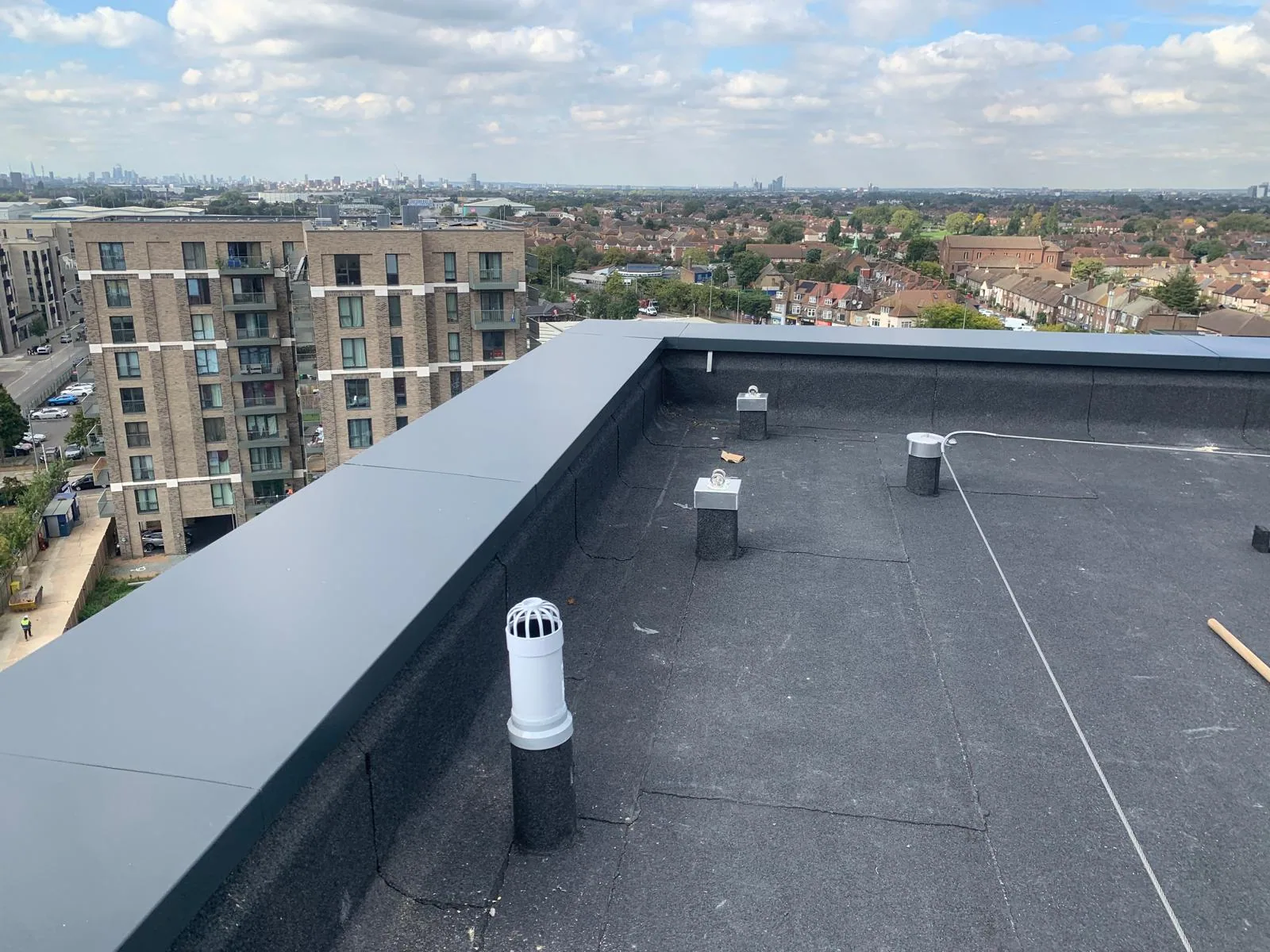
We inspect coping caps, cleats, fascia, gravel stops, drip edge, and termination bars. The detail needs secure attachment and a route for water to leave the roof. We check for open joints, missing fasteners, movement, corrosion, sealant failure, and membrane separation. A loose cap may need more than a surface bead if the cleat or substrate has shifted.
At each change in roof height, we check how the membrane turns up and terminates. Parapet corners, inside corners, and transitions to metal need compatible flashing. We photograph the joint in context and note whether the metal can be safely opened. A roof inspection can map a wider perimeter when one loose section may be part of a longer run. The repair follows the verified condition. We check adjacent corners before closing the run so a loose transition is not left beside new work.
Both NorthPark35 and Georgetown Logistics Park sit in Georgetown’s I-35 and SH 130 industrial growth area. Confirm each building’s loading route and roof access before moving long metal sections. Access may involve active loading and multiple roof zones. We confirm the building, route, and lift position before bringing long metal lengths or tools onto the roof.
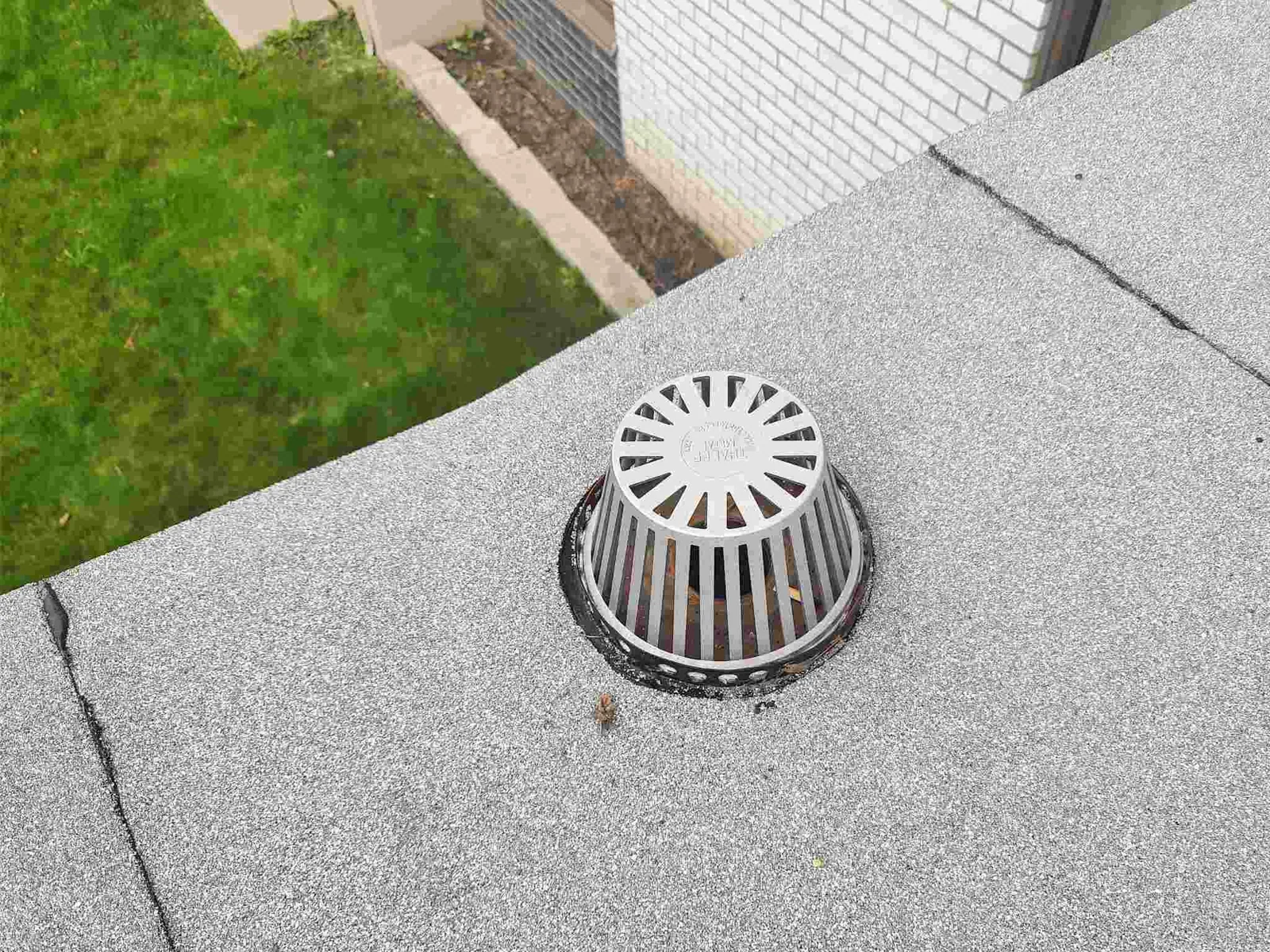
A gutter can hold water because it is blocked, loose, poorly aligned, or disconnected from its downspout. We inspect hangers, seams, outlets, conductor heads, downspout joints, and the point where water discharges. We note overflow stains and wet wall areas, then trace them to the likely source. A damaged drain line may need another trade.
We check how the gutter connects to the roof edge. Membrane termination, drip edge, and fascia all need to shed water into the intended channel. If the gutter is added to a roof edge with no clear support, the attachment design needs review before replacement. A drainage correction can address roof outlets and scuppers. We list gutter, coping, and edge-metal work in one coordinated scope when the repairs meet. That keeps the membrane termination and the metal handoff visible to each trade.
Between I-35 and SH 130, FM 971 serves commercial sites, schools, homes, and a regional park. Confirm truck access and work hours with the property contact. The area includes business sites and community uses, so we confirm truck access and working hours with the property contact. We set the delivery plan with the site contact and protect pedestrians below the repair area. The discharge point also needs a safe route away from entrances, sidewalks, and loading doors. We check whether extensions are secure and whether water returns toward the wall or foundation. The scope identifies any discharge correction separately from gutter replacement.
Before fabrication, we record the metal profile, gauge when available, length, splice locations, corners, and termination details. A replacement cap must fit the roof geometry and secure to the intended cleat or substrate. We do not assume two sides of a building use the same profile. The estimate identifies measured quantities and any location that still needs field verification. We separate straight runs from corners, transitions, and custom end pieces. That lets the general contractor see where field dimensions are firm and where fabrication waits on access. If an existing nailer is concealed, we mark a hold point before setting the replacement metal.
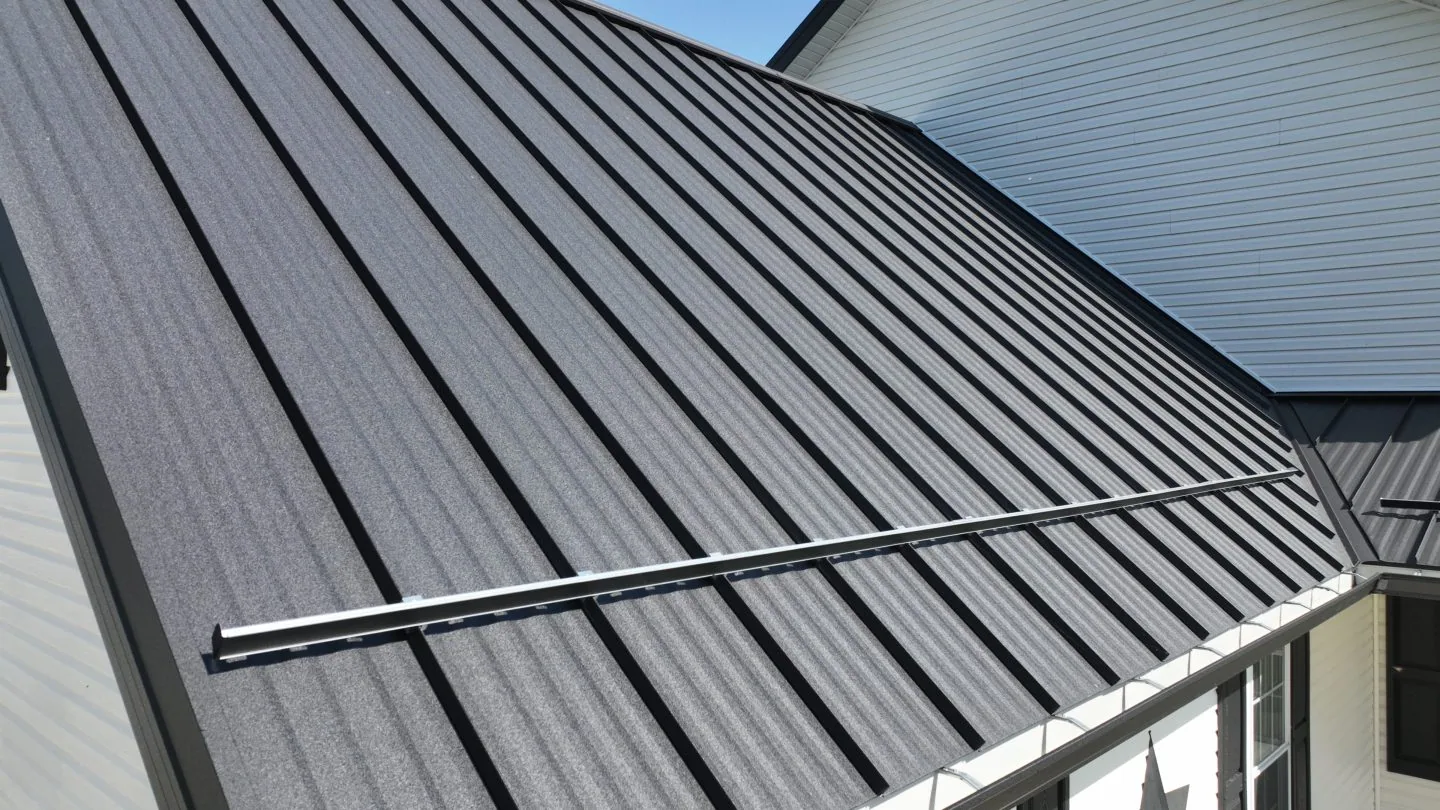
Where the metal meets a membrane, the tie-in follows the membrane system. TPO, PVC, EPDM, modified bitumen, and metal roofs each use different interfaces. A standing-seam roof review can help identify panel-specific work, while the penetration flashing scope covers nearby roof openings that need coordination. The plan states which details are included and which remain with another trade.
Hidden wood nailers, corroded fasteners, or damaged deck can change the scope after metal is removed. We set a hold point and photograph the condition before installing replacement material. That gives the general contractor a chance to approve the added work while the opening is visible.
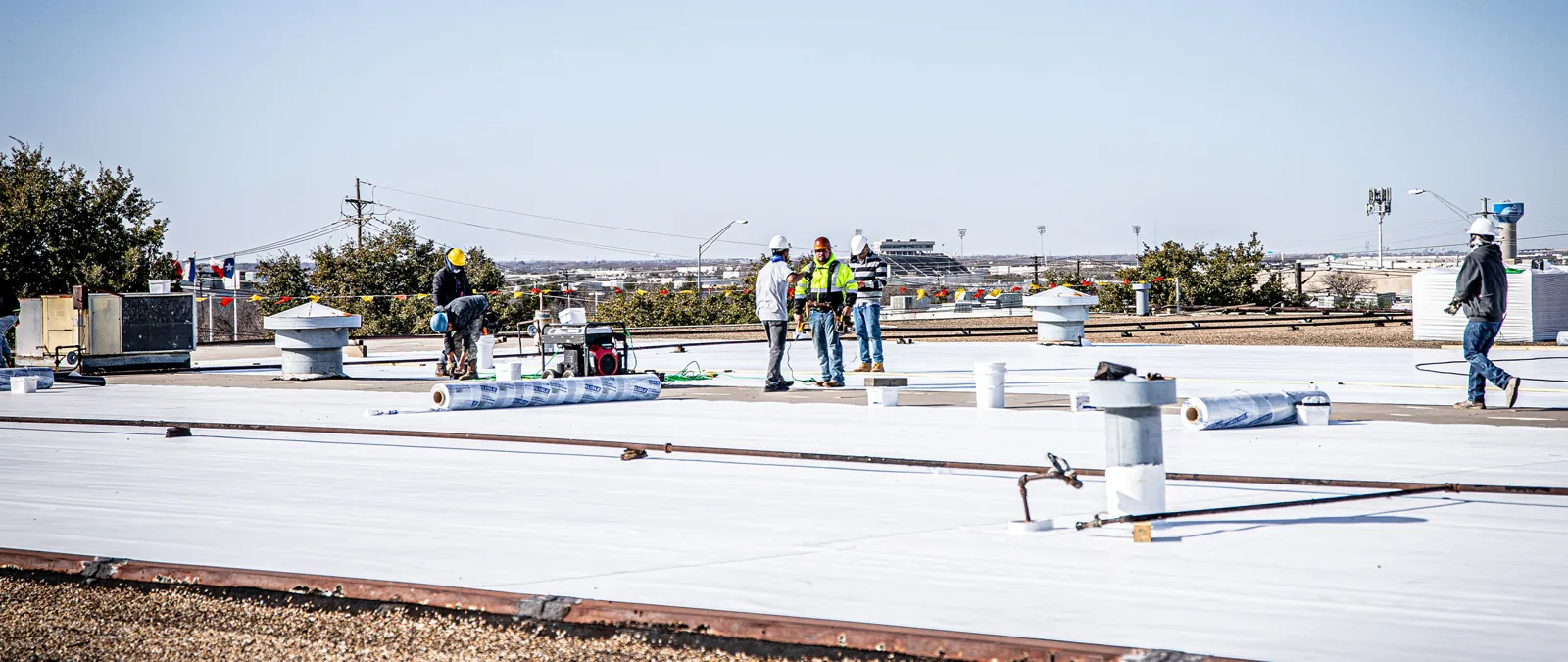
Edge work can leave a temporary opening at the roof perimeter. We stage by manageable sections and secure the exposed membrane at the end of each shift. The plan identifies where metal is removed, how the crew protects the opening, and who inspects the tie-in before it is covered. A daily closeout checks fasteners, exposed membrane, temporary seal, and material storage. If rain or wind shifts the sequence, we notify the site contact and update the open section on the roof map. Wind and rain conditions set the safe work window.
The downtown Georgetown district has commercial, residential, county, and municipal uses around the courthouse square. Public circulation may affect lift placement and exclusion zones. At an industrial location near Berry Creek Business Park, loading traffic can set another access limit. We verify the actual property conditions rather than assume one schedule fits the market.
Cost and timing depend on measured length, corners, profile, access, metal availability, substrate condition, and how much existing material must be removed. A repair scope can define localized attachment or flashing work. If the roof edge is part of a larger renewal, the replacement plan should show metal quantities and the membrane tie-in together.
We photograph completed splices, corners, terminations, downspout connections, and repaired substrate. The roof map records the metal run and identifies any section excluded from the work. We list the attachment or flashing method and any remaining corrosion or drainage concern. That gives maintenance staff a clear point of comparison on the next roof walk. We also record any blocked discharge path or location where the gutter could not be fully tested.
For service in downtown Georgetown or the FM 971 corridor, access notes help the next crew locate the same elevation and route. Keep the repair record with the roof plan and photographs. Give us the measured perimeter, permitted access period, and superintendent contact. We will verify the metal profile and set hold points.
A loose panel or active leak can be reported at any hour, including holidays. We can secure the affected run while conditions are unsafe for permanent replacement.
A failed splice, loose cleat, corroded fastener, or damaged nailer can allow movement. We inspect the attachment and membrane termination before choosing a repair.
The source may be the gutter, roof-edge termination, fascia, or downspout connection. We trace the water path and define which components need correction.
No. It provides regional context. We document dents, displaced sections, open joints, and attachment at the property before assigning repair scope.
Measured length, profile, corners, access, metal availability, and hidden substrate condition all matter. The estimate separates verified quantities from hold-point work.
We sequence manageable sections, secure exposed membrane, and record the temporary tie-in. The crew checks that protection before leaving and returns when conditions allow.