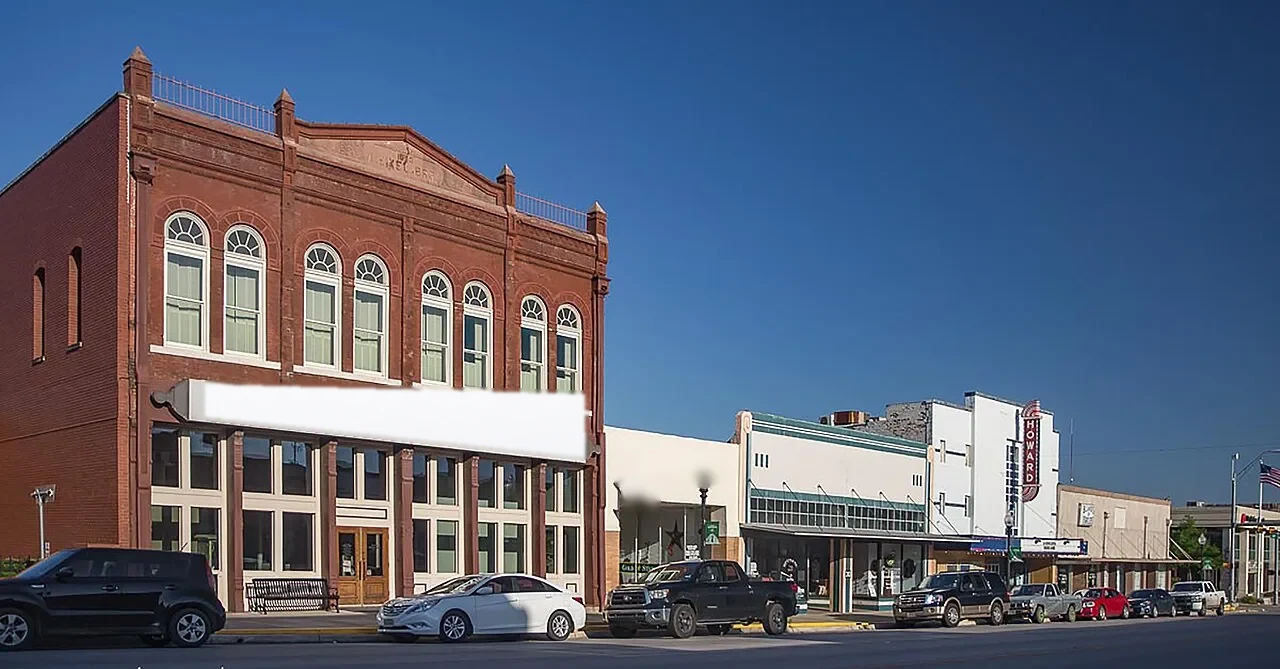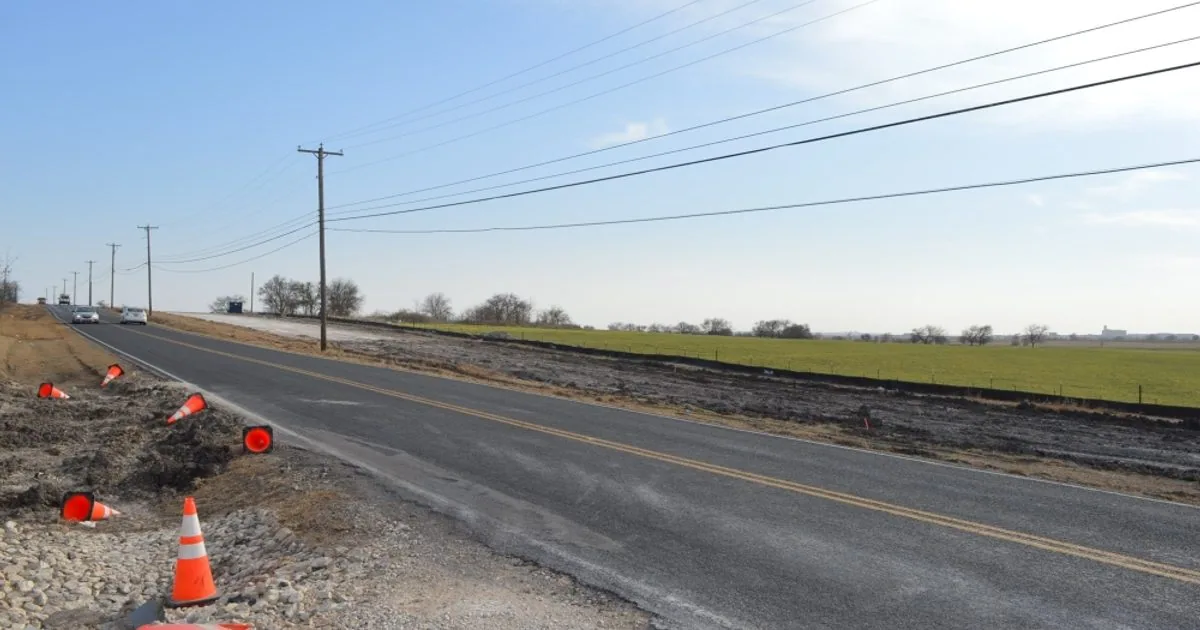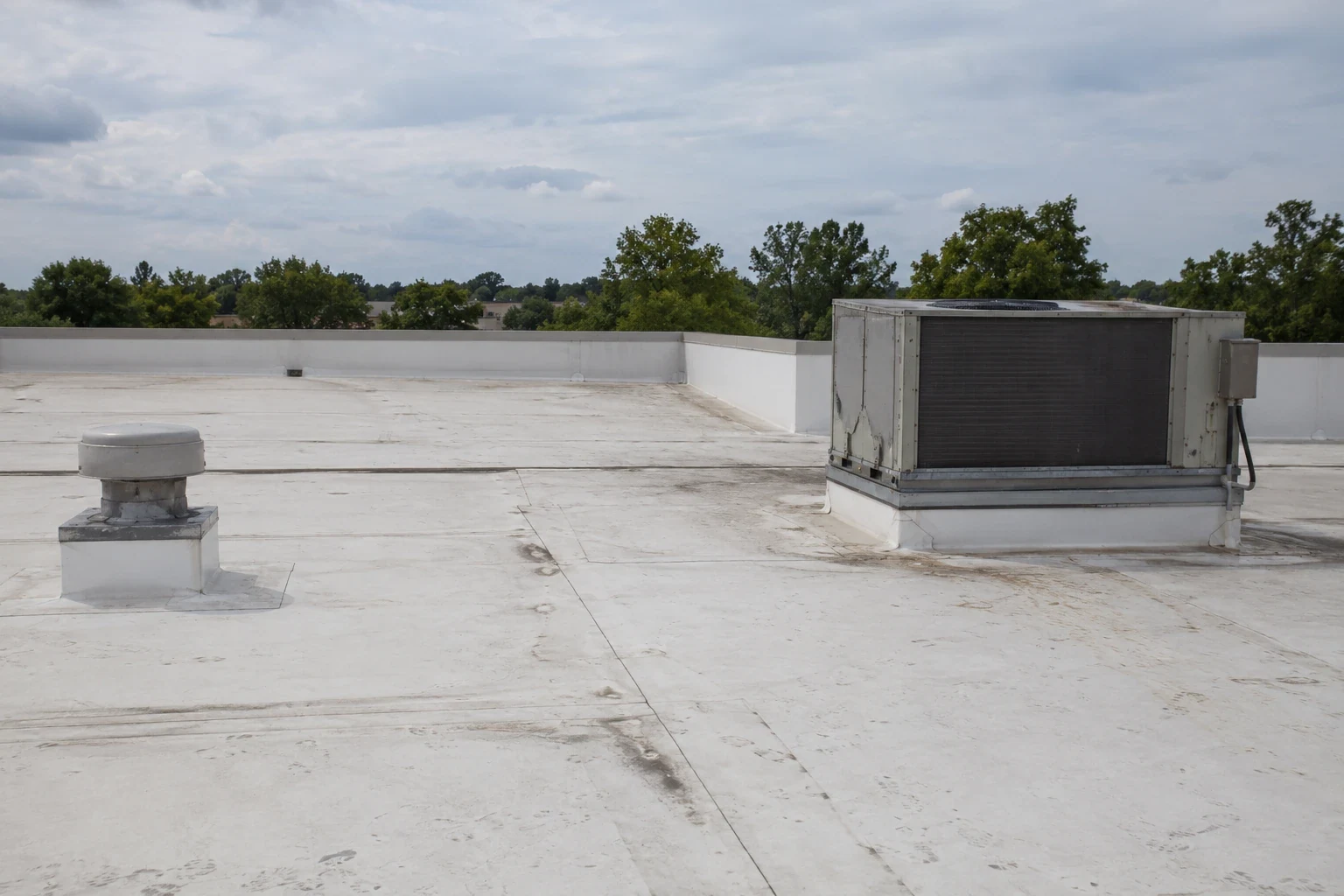
A split flashing at a wall or curb is a clear first inspection point. We check the corner, trace the seam, and mark the roof area reached. The Williams Drive planning area includes highway-commercial, office, civic, suburban mixed-use, and urban mixed-use categories. That range puts different occupancy schedules and roof access constraints along the corridor.
That mix makes it important to inspect the actual property before describing the work. We identify the roof surface where visible, document drains and penetrations, and note access restrictions. A commercial roof inspection can establish the condition, whether the scope concerns a leak, a repair budget, or a planned replacement.
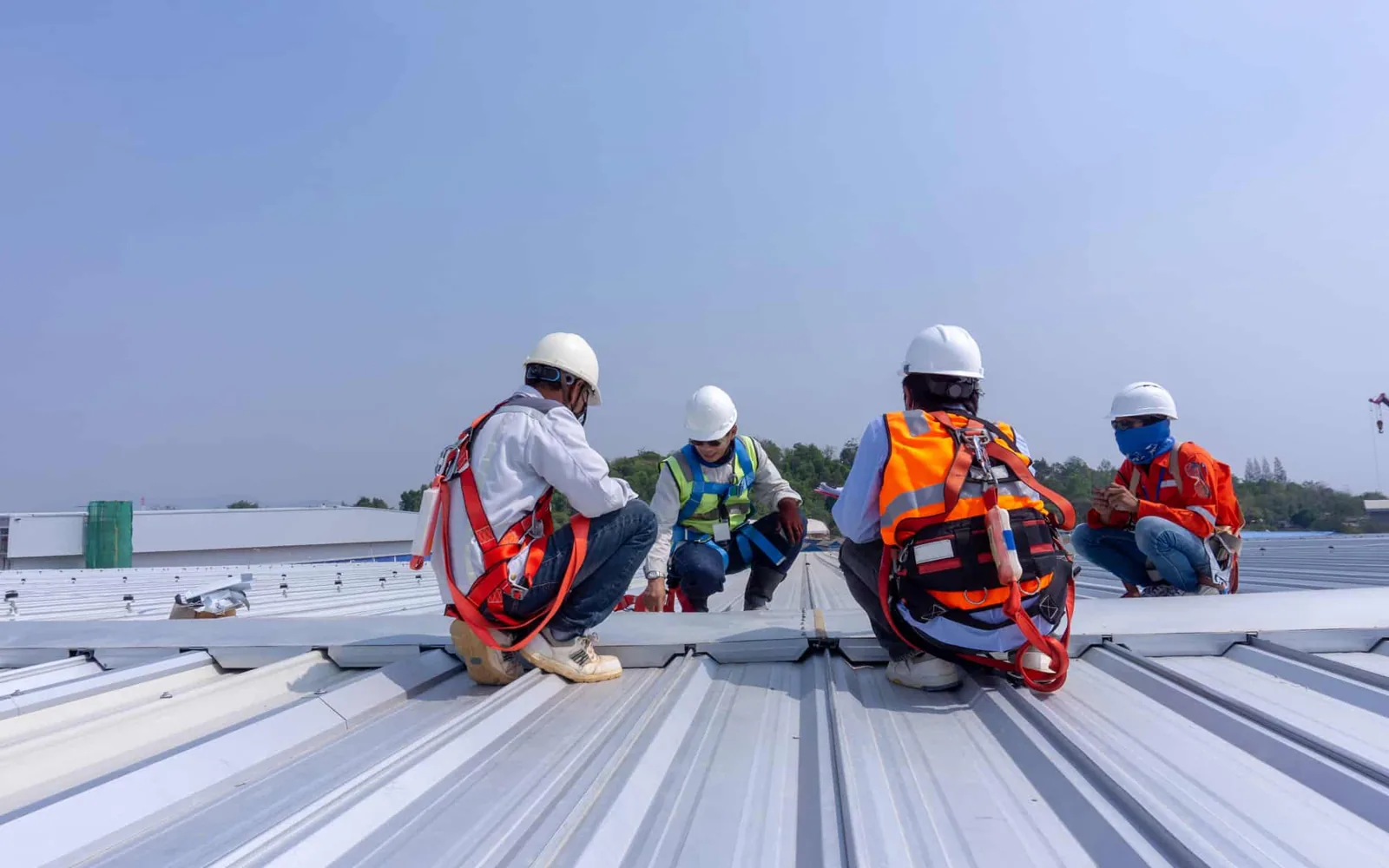
We repair, replace, recover, restore, inspect, and maintain commercial low-slope and metal roofs. The sequence depends on the building, the system, and the owner's operating window. The Georgetown service area also includes the courthouse-centered Downtown district, but each property gets its own roof map and scope. Emergency roof response is available all day and night, weekends and holidays included.
At a parapet, we look at coping joints, termination bars, corners, and membrane turn-up. A split at the corner may let water behind the roof detail. We follow the seam to the next transition and inspect the nearby field membrane. The roof map shows the limit of the walk and the location of each photo.
At a curb, we inspect the flashing base and the corners where materials meet. At a drain, we check the bowl, membrane connection, and low area around it. If water appears inside a suite or room, we compare that location with roof-level paths rather than assuming a straight line through the deck. The report separates observed damage from a suspected route.
The future-land-use map places several distinct categories in the Williams Drive planning area. A commercial roof could have different needs from an office or civic building, but the map alone does not tell us which uses are operating today. We verify access, equipment, tenant hours, and the assembly on site. The inspection record is tied to the property that was actually visited.
Before the walk, we confirm the contact, roof access, work window, loading arrangement, and staging limits. Williams Drive’s employment-center and regional-center designations guide long-range land use. Before mobilization, the site walk confirms the actual service entrance and roof route.
Different uses can call for different access plans. An office may need quiet work periods, while a civic use may require coordination around public hours. A mixed-use property can have more than one contact and separate roof sections. We confirm the property's operating constraints instead of assigning a schedule based on the corridor label.
Where equipment or other trades are involved, we identify who handles disconnects and what clearance must remain. Roof work can be staged in sections, with temporary dry-in and a hold point before the crew moves to another area. Weather, material delivery, and hidden substrate conditions affect timing. The plan records which decision or inspection must happen before that point.
The nearby historic downtown has a different mix of civic, county, residential, and commercial buildings around the courthouse square. We do not carry access assumptions from one district to another. The building contact and approved route decide staging, protection, and daily handoff for each project.
Recent Georgetown summer days have crossed 100 degrees, with typical afternoon highs in the 90s. Heat can stress exposed sealants, membrane seams, and flashing. We inspect those details for brittleness, separation, or a bond that has released. A small opening can admit water even when the rest of the surface looks serviceable.
Round Rock is among the places with documented hail activity in the Austin and San Antonio forecast area. After severe weather, inspect the membrane, metal edges, penetrations, and drains on the specific Williams Drive roof. We check membrane, flashing, and metal trim at the property and map any confirmed opening.
Hail can affect roof membranes and metal accessories in different ways. We photograph each mark and check whether the membrane has opened or the flashing has lost continuity. A visible dent is not the same as a leak path. For a claim review, the roof damage record shows the property, inspected area, photos, and repair recommendation based on field findings.
When a seam or flashing failure is isolated, we prepare and repair the detail, then inspect the tie-in. If multiple openings appear along a run, we check the adjacent membrane and attachment before setting a wider boundary. A commercial roof repair scope names the included areas and any separate test or allowance.
A recover may fit a sound, dry assembly with suitable attachment and drainage. We check insulation moisture, substrate, flashing height, and the details that will be covered. If those checks uncover wet material or weak decking, the proposed approach changes. A recover review documents that decision before a new layer is installed.
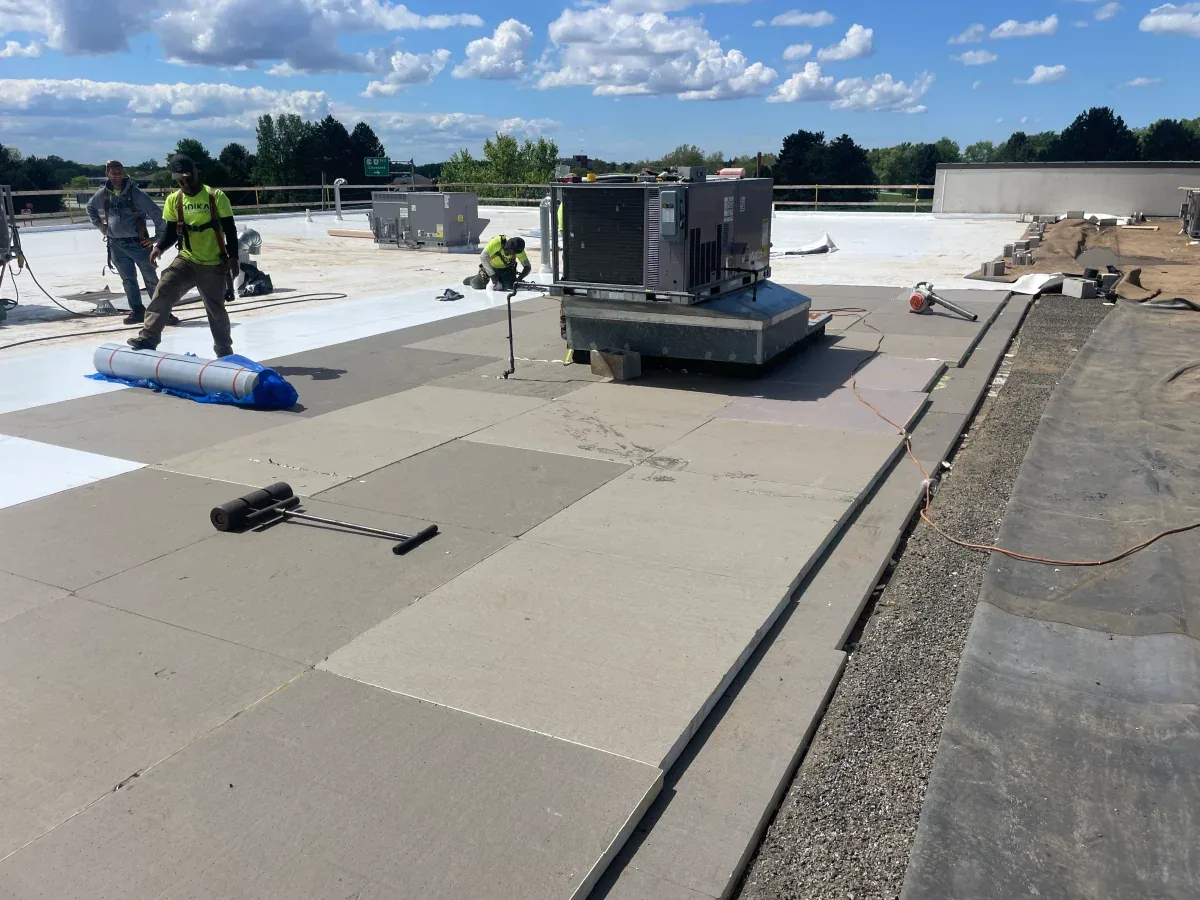
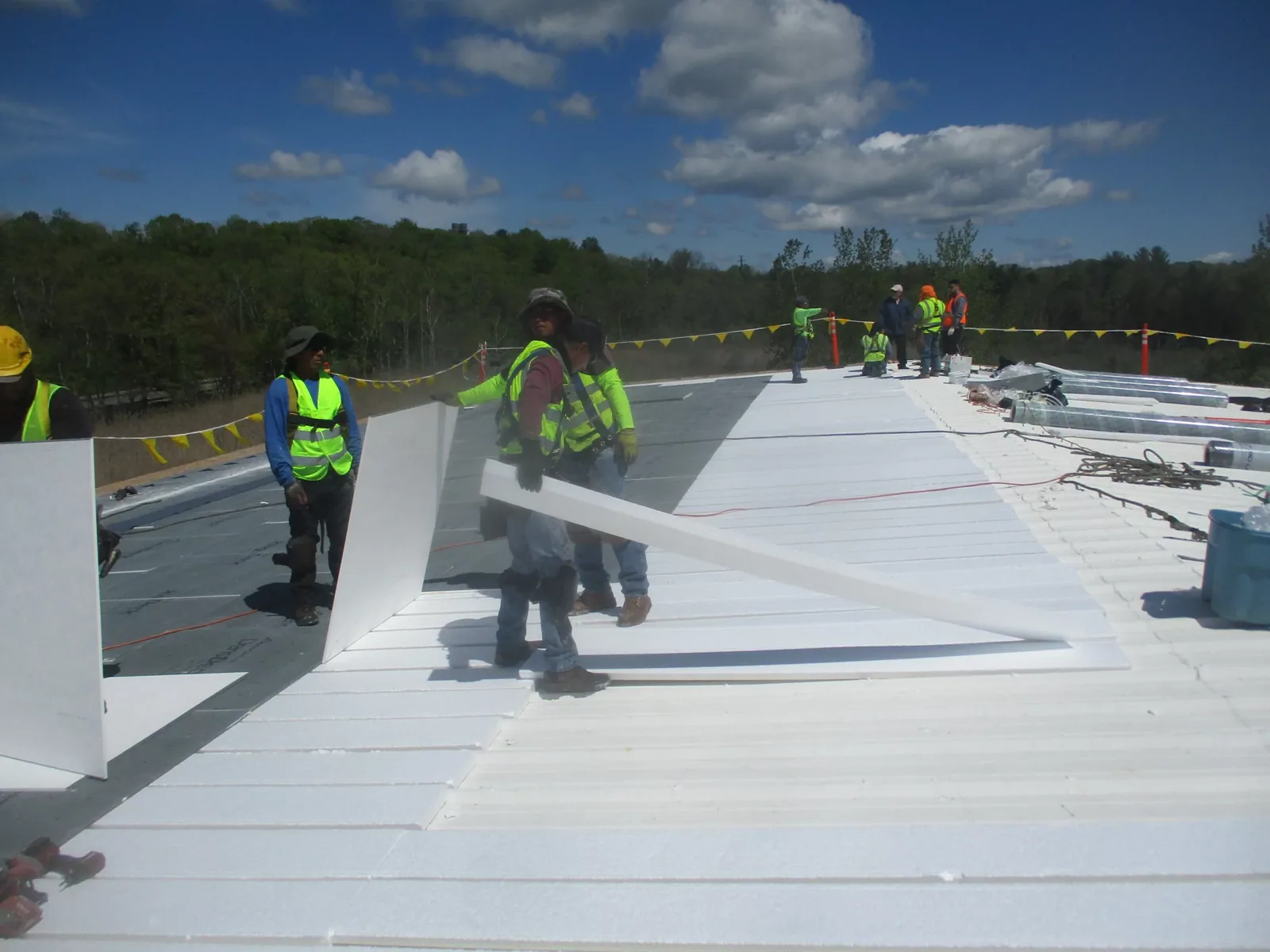
Replacement requires a coordinated sequence: remove or prepare the existing assembly, review substrate, install insulation and cover board as specified, attach the roof system, and complete drains and flashing. TPO, PVC, EPDM, modified bitumen, built-up roofing, and metal systems each have distinct installation details. We explain what the proposed assembly needs at edges and penetrations. A TPO system needs a different seam detail from a standing-seam metal assembly.
For a roof replacement, the project team confirms which existing-building and energy provisions apply to the permit. Georgetown adopted the 2021 International Existing Building Code, while Texas uses the 2015 International Energy Conservation Code for commercial buildings, subject to local amendments. We carry the approved detail into the roof sequence and coordinate any inspection hold points with the general contractor.
Each finding needs a location, photo, and clear next action. We distinguish a leak repair from a condition that needs monitoring or added testing. If a roof area could not be reached, that limit appears in the record. No recommendation should imply that an uninspected area has the same condition.
Recurring maintenance can focus on drains, flashings, seams, and prior repair areas. The visit record notes completed work and any open item, giving facility staff a clear follow-up. A maintenance program does not replace a post-storm check or a response to new water entry. It gives the next walk a baseline.
For multiple Georgetown properties, condition reports help keep maps, photos, and repair notes attached to the correct building. The work scope remains property-specific, even when the owner uses one capital-planning process across the portfolio.
At completion, we inspect the repair boundary, verify the finished tie-in, and remove loose roofing material. The handoff lists completed work, any remaining hold point, and the next action. If the scope required an opening, we record what was found beneath the surface and how the roof was closed.
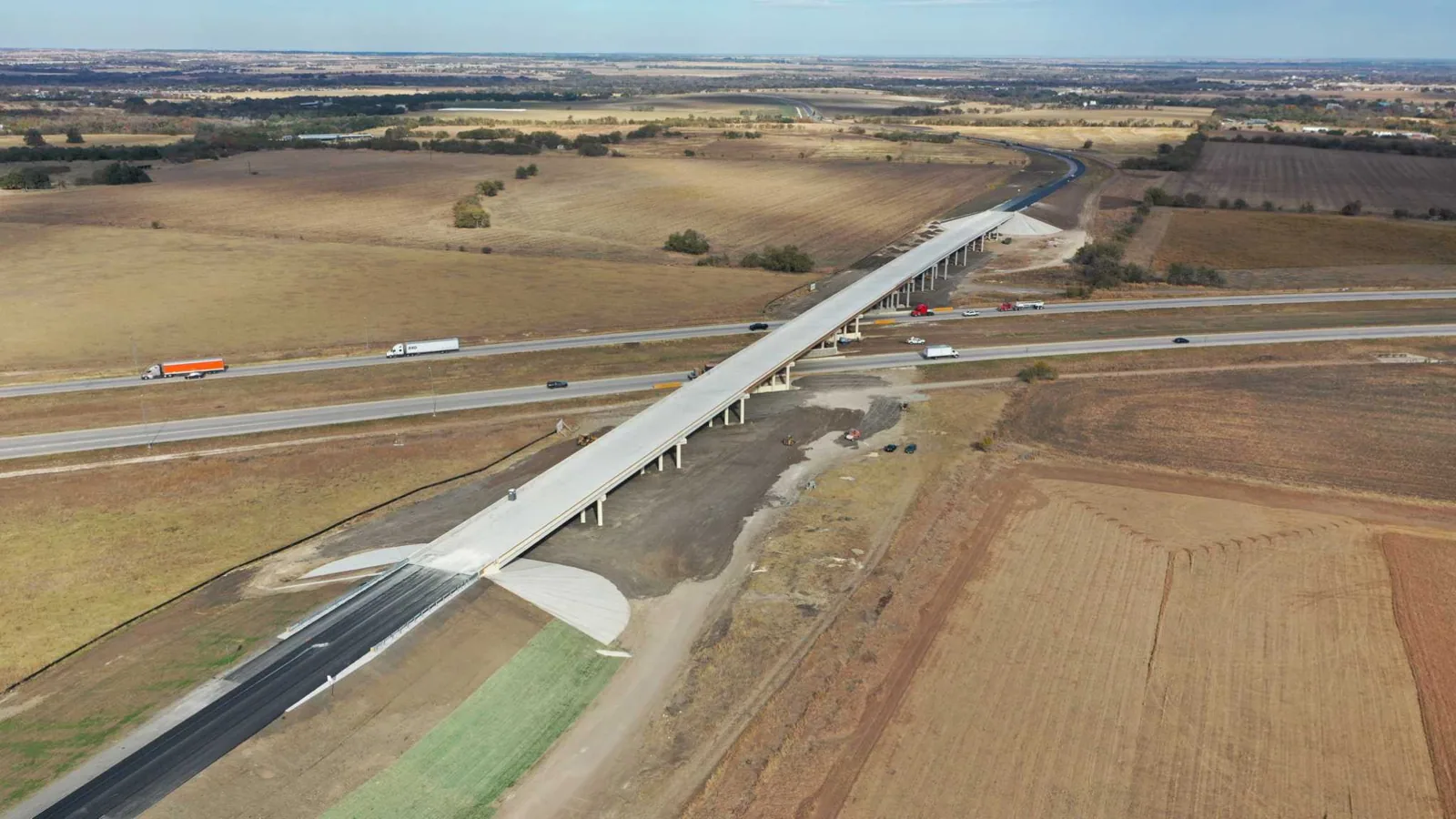
For related industrial work, we also serve NorthPark35. The general contractor can see where the roofer's scope ends and which connection remains for another trade. A mapped record gives the owner a reference for later inspections.
Send the property area, roof concern, available access window, and general-contractor contact to arrange the first walk. We will confirm the route and document the work boundary before material is staged. If water is entering, call any time of day or night, including weekends and holidays.
No. The map describes planning categories. We confirm the roof assembly at the property.
The contact, approved roof route, work window, loading limits, and staging area. We confirm these before mobilization.
Yes. We coordinate the work window, entrances, roof access, and protection with the site contact.
We compare the interior report with roof seams, flashing, walls, curbs, and drains. The scope follows confirmed conditions.
Photos map impact, displaced details, seams, and review areas. A storm report does not define the repair.