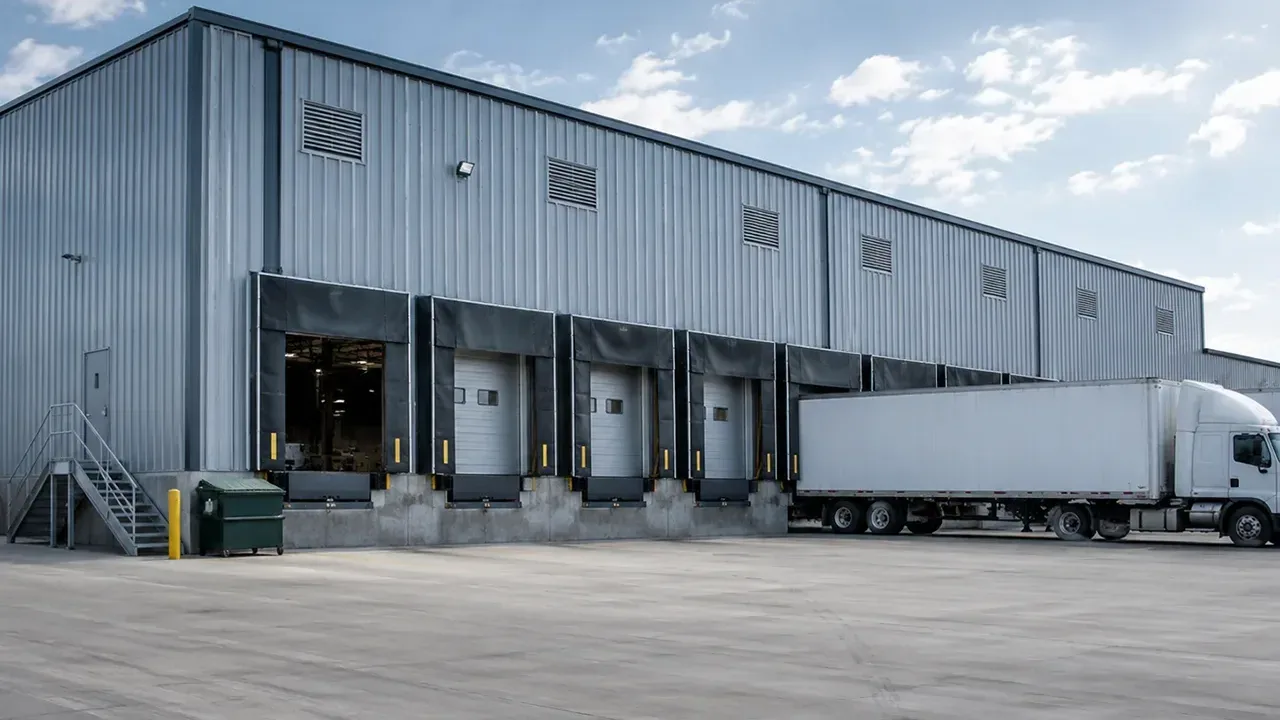
A ponded strip beside a dock-side drain can interrupt a busy shift. We start by tracing the water path and checking the nearby seam. The roof map marks the dock zone, equipment route, and proposed work boundary. A hold point separates visible repair from concealed layers. The operator can see what may affect receiving before work begins.
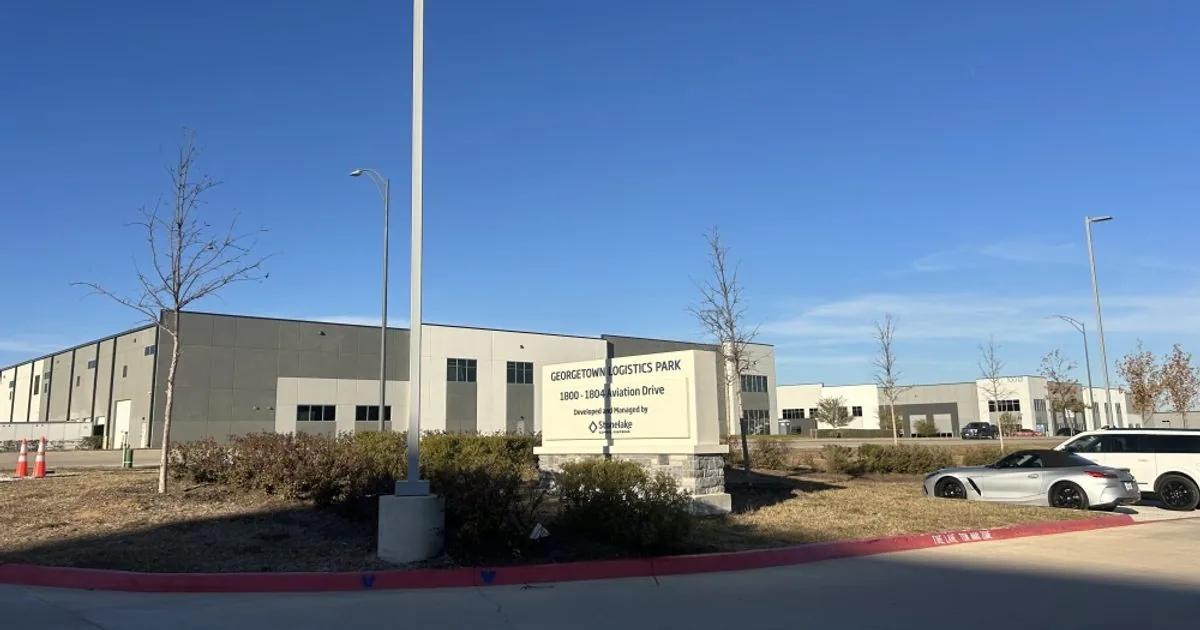
Georgetown's industrial pipeline names NorthPark35 and Georgetown Logistics Park. Planned utility extensions are intended to serve additional industrial buildings in NorthPark35 and Georgetown Logistics Park. Those projects reflect a growing distribution setting. They do not tell us how a specific warehouse is built or operated. Each inspection begins at the actual roof and the access rules for that property.
Berry Creek Business Park contains several industrial buildings in the area near I-35 and SH 130. Regional freight access helps explain why delivery planning matters, but staging must fit the individual site's gates and circulation. We document the roof assembly and available staging area before recommending work. A commercial roof inspection gives the owner a location-based record.
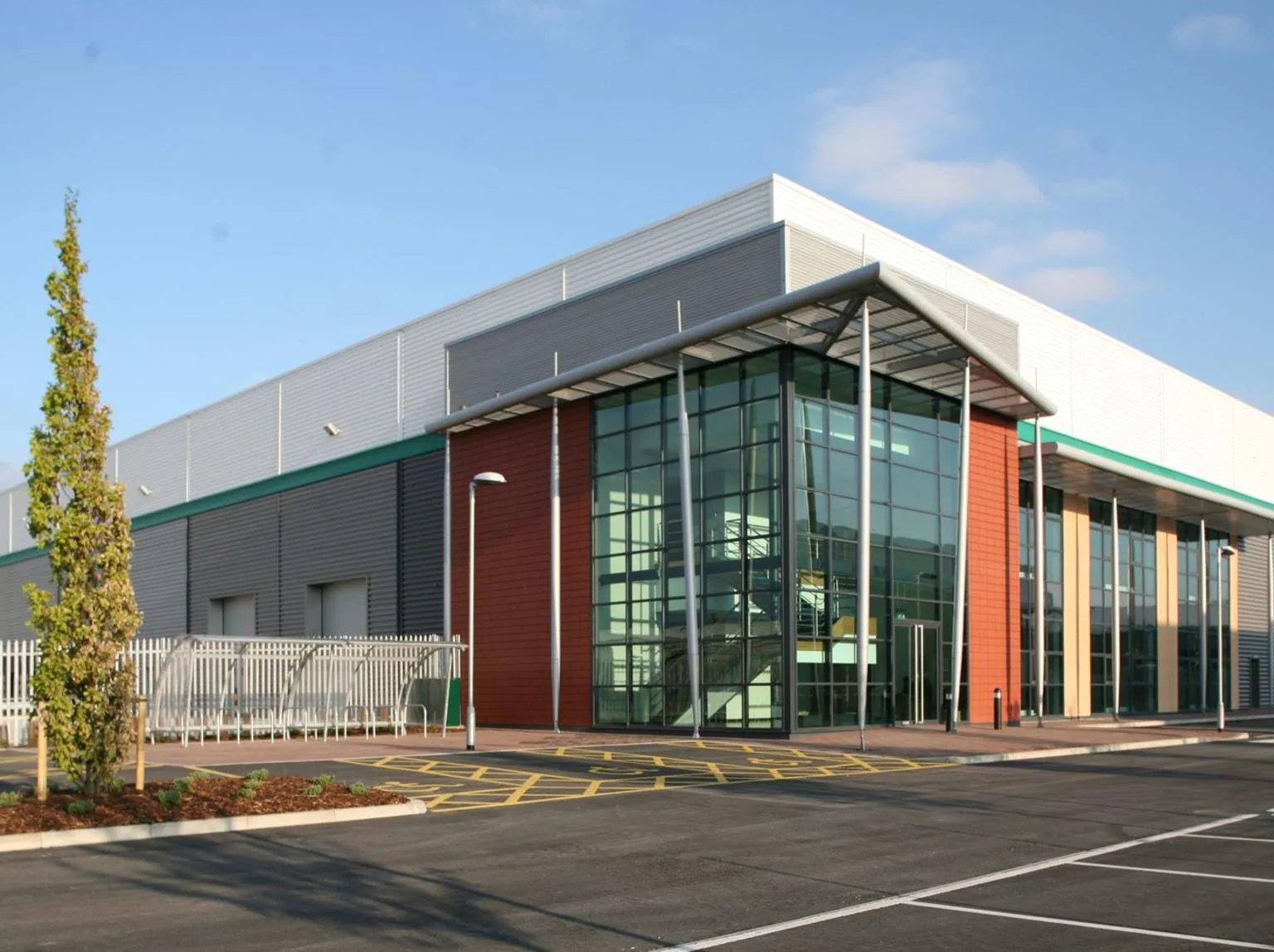
Truck courts, trailer parking, and dock doors can make crane placement difficult. We confirm the roof access point, lift path, delivery window, and any lane that must stay open. The facility contact identifies restricted hours and emergency routes. We record those limits in the work plan so the crew can stage safely without improvising around active freight movement.
A roof repair can also affect loading schedules if debris, tools, or materials pass over occupied areas. The scope should name the staging zone and the route from that zone to the repair. If operations need a clear dock apron, the sequence can shift to a different roof section. Any change in access must be agreed before the crew crosses the work boundary.
Georgetown Logistics Park is one broad industrial location in the city's pipeline. For a site there, the actual building contact still controls access and delivery. A Georgetown Logistics Park roof visit starts with the approved entry point, not assumptions based on a development name. We verify access before scheduling a lift or material drop.
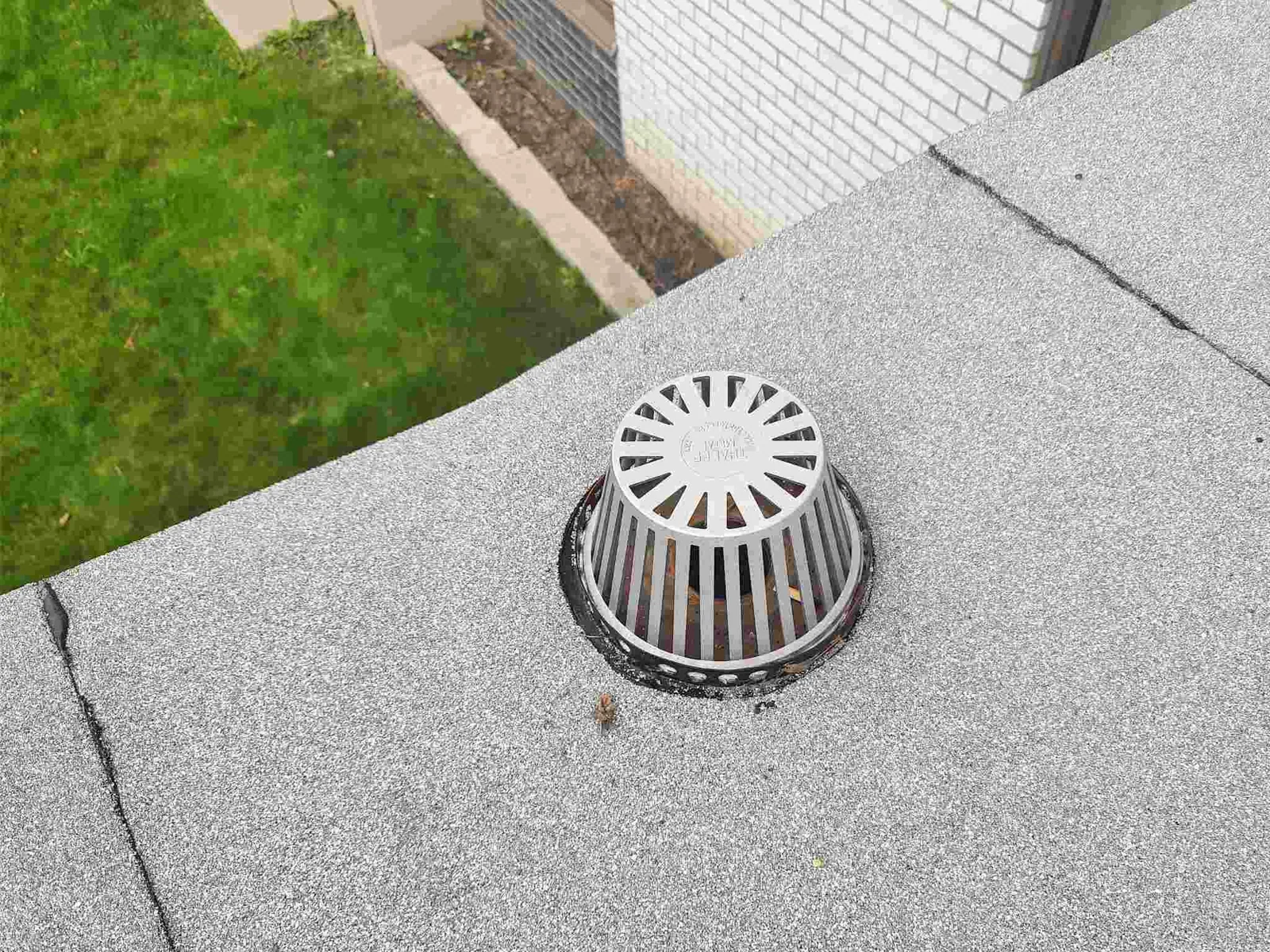
Water near a dock wall may come from a blocked outlet, an open seam, a curb, or a transition. We inspect drains, scuppers, overflows, membrane laps, and wall terminations in a deliberate sequence. The roof map marks each observation separately. That lets the owner compare a drainage correction with a membrane repair instead of combining unlike work in one allowance.
When moisture may extend below the surface, a test opening can confirm conditions at one point. The opening has a stated limit and a dry-in method. If wet material continues beyond that boundary, the crew pauses for review. A drain and scupper scope can address outlets while keeping separate membrane findings visible.
Georgetown summers commonly bring daily highs in the 90s, with recent days above 100°F. Heat changes safe access and the time available for a reliable tie-in. We identify the day's stopping point before opening the roof. The final work record notes any weather pause and how the exposed edge was secured.
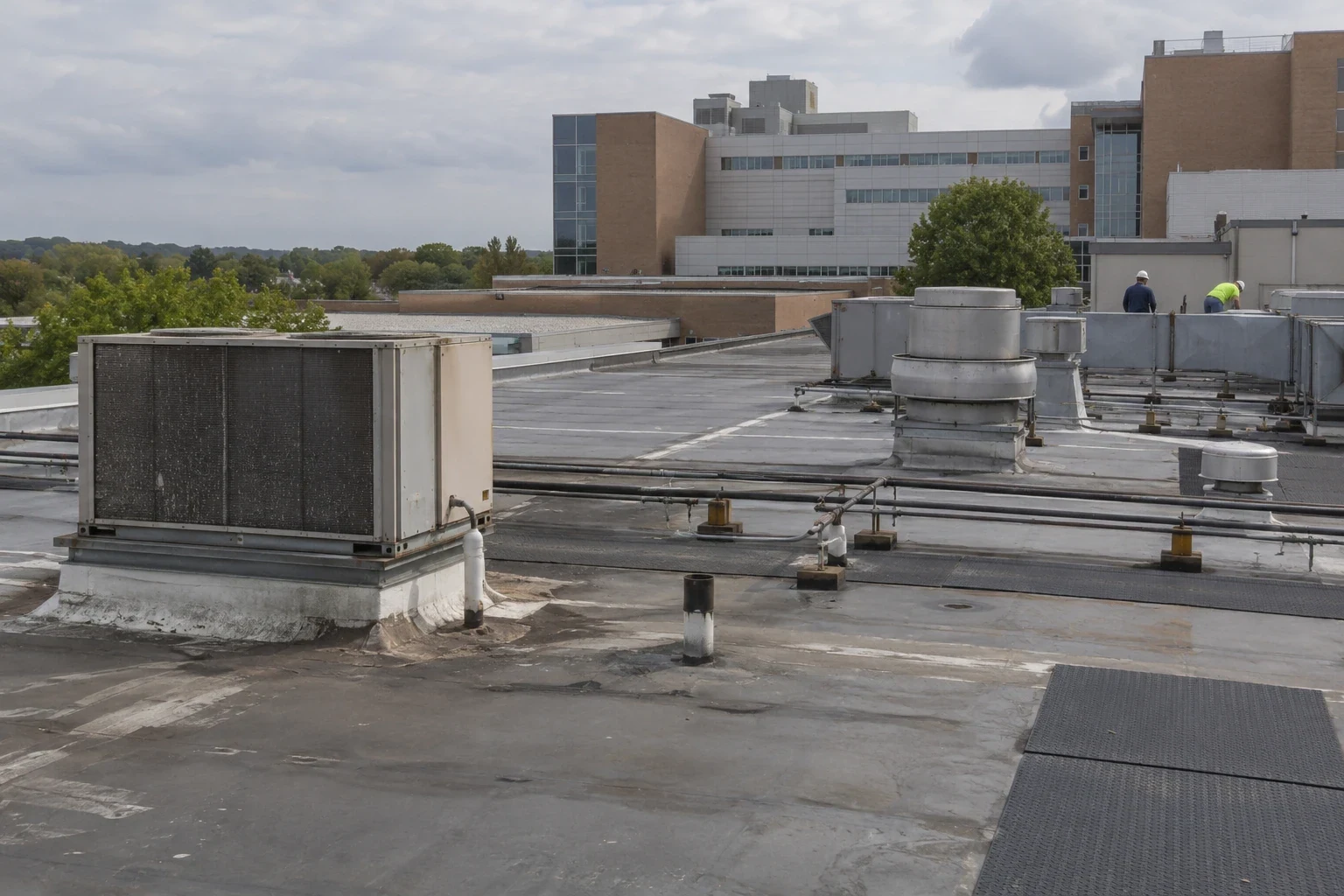
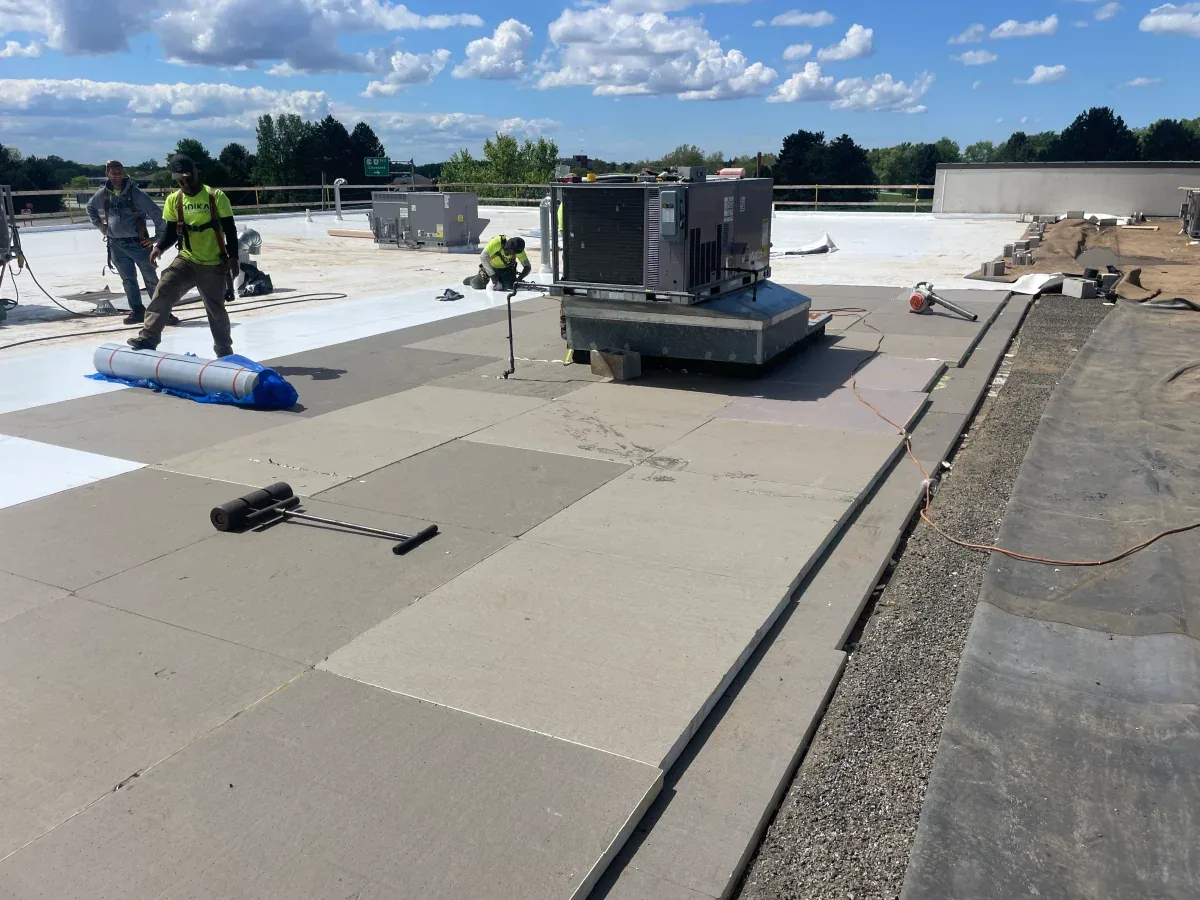
Rooftop units, exhausts, skylights, and service walkways can constrict repair paths. We mark these features before choosing a material staging area. If a unit requires a disconnect or a crane pick, the roofing and mechanical scopes need a shared hold point. The roof map records which trade owns each transition and who verifies the tie-in before the area returns to service.
Industrial parks include different building layouts and tenant operations. Berry Creek's multi-building setting supports portfolio coordination, but it does not establish roof condition or structural capacity at any one building. We record visible deck details and attachment conditions. Engineering review remains separate when loads, equipment changes, or concealed framing require analysis.
NorthPark35 sits in Georgetown's I-35 and Airport Road growth area. That context can help schedule regional deliveries, while a condition report keeps findings tied to one roof. The report lists access limits, active equipment, drain locations, and any area that could not be inspected. It gives operations staff a practical handoff for later maintenance.
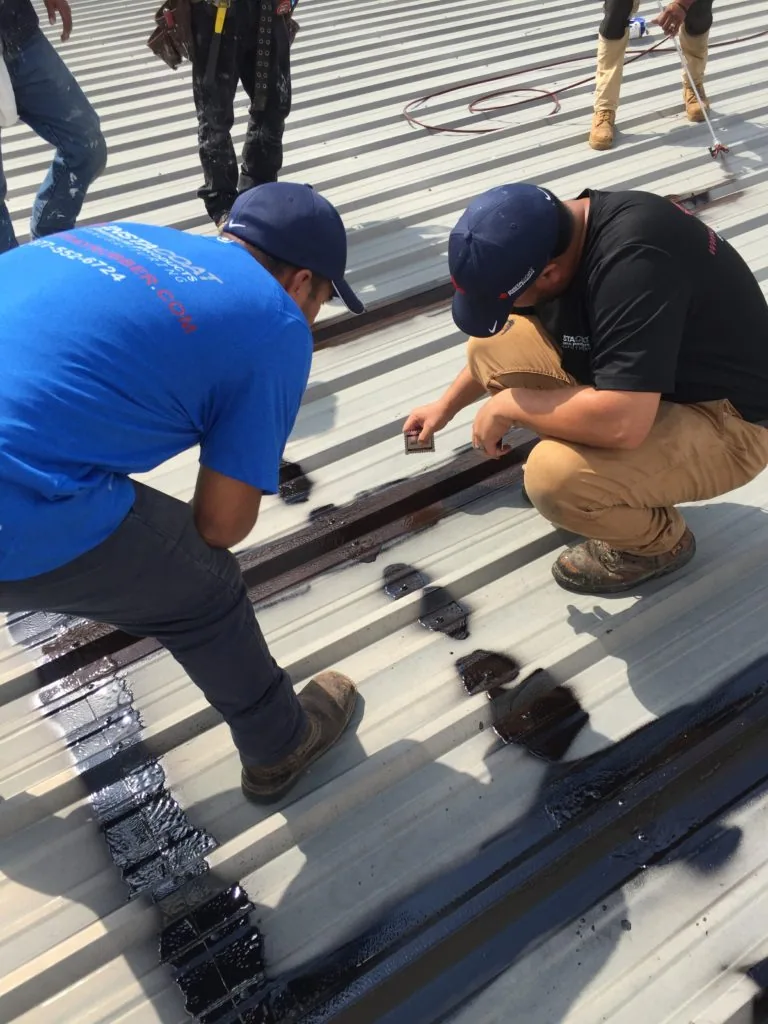
A single seam, curb, flashing, or puncture may support a limited correction. Repeated leaks or wet insulation can require additional investigation. We price the defined repair, a recover approach, and full replacement as different sequences. Each scope identifies retained layers, removal limits, and the threshold for a change. A concealed finding pauses the work before the opening expands.
For active distribution buildings, the daily tie-in matters as much as the material choice. The plan should identify the last safe stopping point, interior protection, debris route, and who confirms dry-in. If receiving hours constrain noise or lift access, those windows belong in the sequence. A commercial repair scope should state whether dock operations can continue in adjacent zones.
City repair work follows Georgetown's local adoption of the 2021 IEBC. The statewide commercial energy-code baseline is the 2015 IECC, subject to local amendments and project review. The design reviewer settles which requirements apply. We note roof interfaces needing that review and use the released details.
A general contractor may coordinate roofing, dock equipment, mechanical systems, electrical work, and fire protection. We mark each roof penetration and transition before mobilization. Equipment drawings should match field conditions. If a curb moves or a new line crosses the roof, the boundary and tie-in plan change. The crew waits at the agreed hold point until the revised scope is clear.
For a multi-building operator, consistent records help compare work across sites without assuming the roofs match. A portfolio roof record can preserve dates, zones, repairs, and unresolved conditions. A manufacturing roof plan has similar equipment coordination, but logistics work also needs dock and trailer circulation details.
Where a larger project is planned, a replacement scope should identify the material delivery area, lift path, phasing, and daily dry-in. A general contractor handoff can assign each transition to a trade. Clear responsibility reduces the chance of an exposed edge sitting between shifts.
At completion, we return dated photos and a roof map with repaired limits. The record lists drains, curbs, transitions, materials, and areas that were not opened. Operations can use those details to place future service calls. A verbal summary alone cannot show where the crew stopped or which tie-in it completed.
Send the building zone, dock schedule, access contact, and known roof restrictions. We confirm the entry and staging route before mobilization. A recover evaluation can document whether an existing assembly is a candidate for another layer. The final scope remains tied to actual conditions at the inspected building.
The work plan should name who accepts each completed area and who receives the photos. If a concealed issue appears, the change boundary belongs in the closeout file. That gives the operator a usable record for maintenance, budgeting, and the next shift's roof access request.
The operator sets delivery windows, lift access, and lanes that need to stay open. We put the crew route and any closed dock zone on the mobilization map before materials arrive.
Often, yes. We agree on roof access and any interior restrictions first. If testing or removal could affect a live area, we pause at the defined hold point for the operator's review.
It should show the roof map, drains, seams, equipment, repair limits, dated photos, and any area left uninspected. Those details let operations staff plan the next visit without guessing.
No. NorthPark35 and Georgetown Logistics Park describe broad development context. A site inspection must establish the roof assembly, water path, and actual repair need.
We stop at the agreed boundary, document the opening, and keep the roof dry. The owner reviews the exposed condition before the crew expands removal or changes the price.