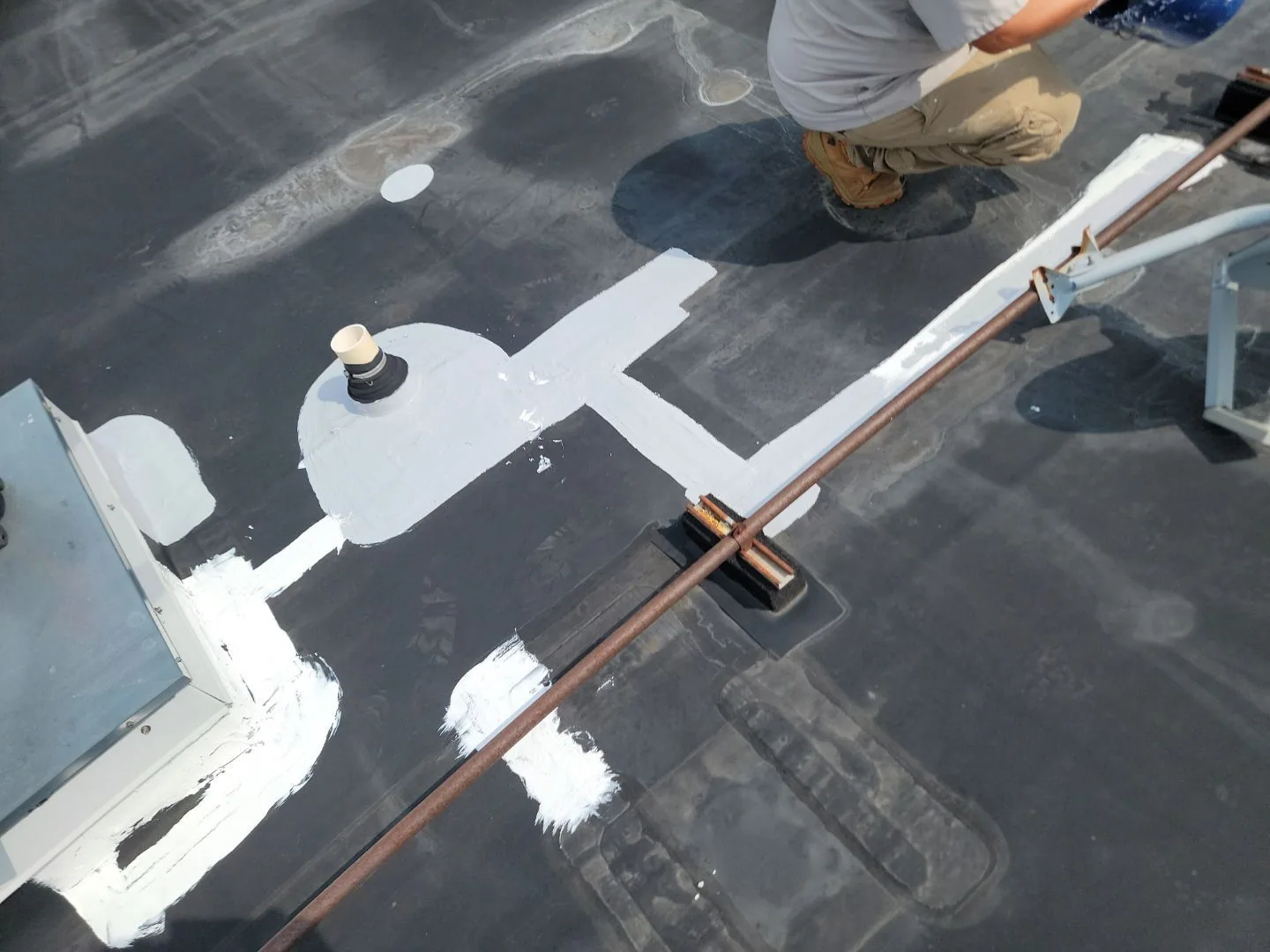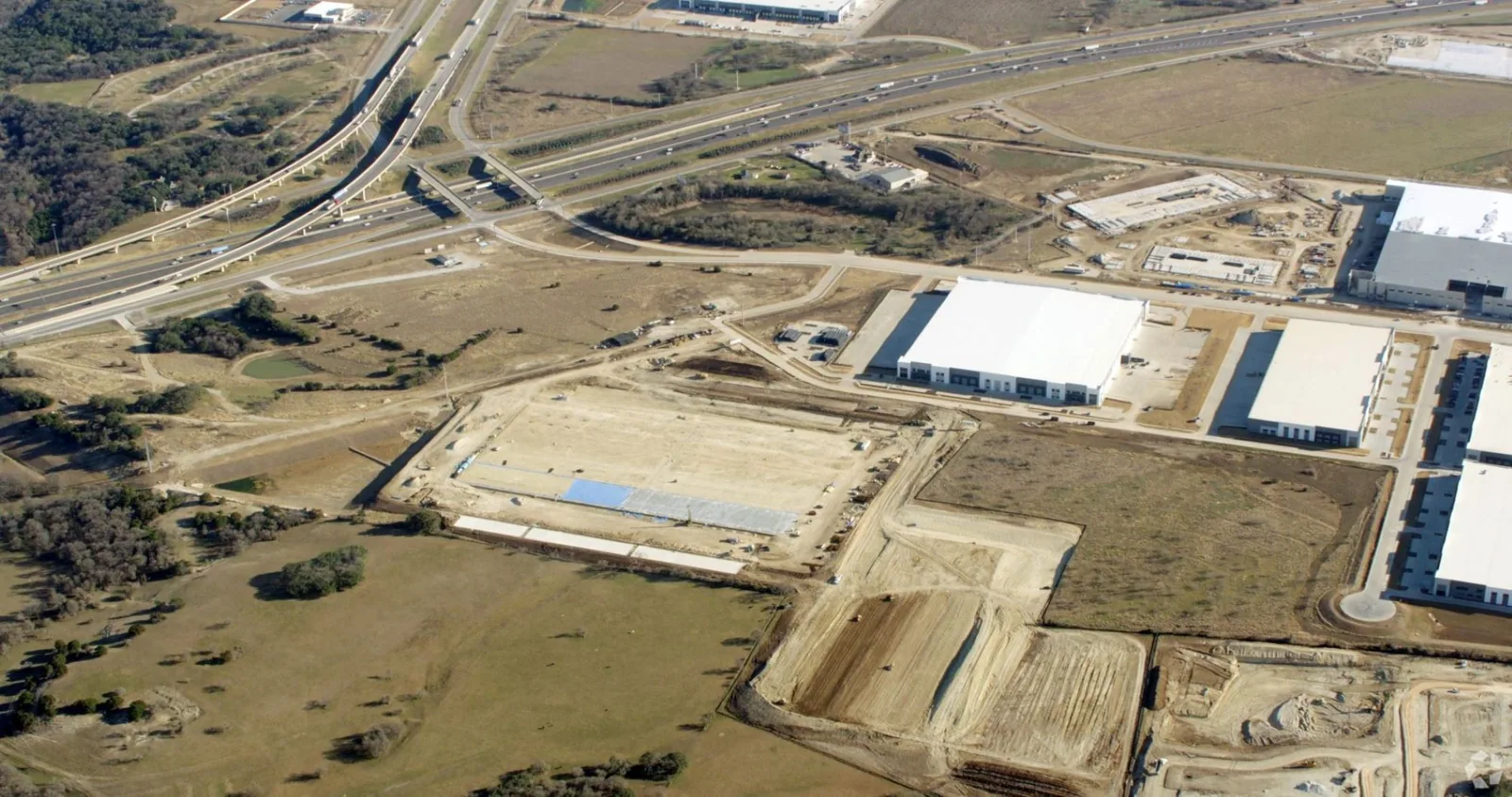
A seam lifting beside an exposed roof edge needs a check before it grows into a larger opening. We inspect the corner, trace the lap, and record the attachment on the roof map. NorthPark35 is a Georgetown industrial business park in the I-35 and Airport Road growth area. A planned gas extension would serve more businesses and speculative industrial buildings in NorthPark35. Each roof still requires its own assembly check and repair scope.
Planned development does not tell us which buildings are operating, what their roofs contain, or what work is scheduled. We start with the property contact and field walk. We identify the membrane or metal system where visible, mark drains and penetrations, and note access limits. A commercial roof inspection establishes the condition before repair or replacement is scoped.
We inspect roof conditions, control leaks, and plan repairs or replacement on low-slope and metal buildings. We plan occupied work around loading, equipment, and owner access windows. The first Georgetown service-area walk can be arranged for an active leak, a post-storm concern, or a planned capital project. Emergency response is available around the clock, every day of the year.
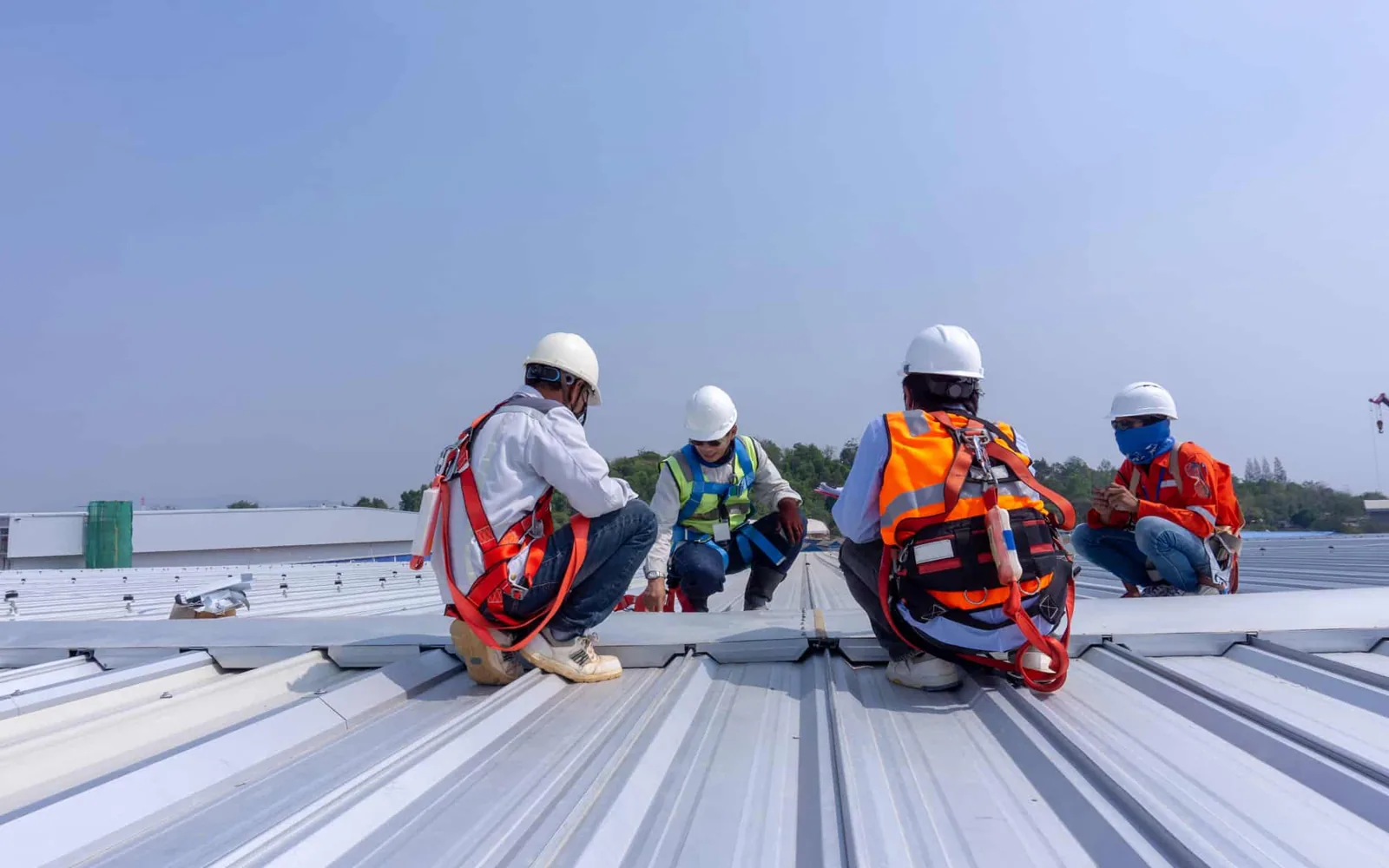
At a roof perimeter, we look for loose metal, exposed fasteners, membrane pullback, and a termination that no longer holds. We follow each condition toward the nearest seam, curb, and drain. A photo shows both the close detail and the roof-map location. That makes the repair limit visible to the owner and general contractor.
NorthPark35 lies in the I-35 and Airport Road growth area. The site contact confirms the delivery entrance, lift area, and safe roof route before materials move. We confirm the actual gate, roof hatch, loading route, and site restrictions with the building contact. Material staging can then be set to avoid active vehicle paths and protected areas.
For a reported interior leak, we compare the ceiling location with roof details above and nearby. Water may move along insulation or deck flutes before it appears indoors. We inspect uphill seams and transitions instead of patching only the stain's vertical line. A leak repair scope states what the field evidence supports and where additional access is needed.
Georgetown summers bring many 90-degree afternoons, with recent periods above 100 degrees Fahrenheit. Exposed sealant, membrane laps, and flashing can lose flexibility with heat and age. We look for openings, brittle edges, surface wear, or a detail that has pulled away. A calendar estimate cannot replace that inspection.
Spring storms make edge attachment, roof penetrations, and equipment supports important places to inspect. During the March 2022 outbreak, a tornado crossed Williamson County between the Round Rock area and Granger. That event puts roof edges and penetrations on the inspection list after severe weather. We inspect the NorthPark35 roof for movement or impact and record damage only when the field evidence shows it.
A drone can record broad roof surfaces or a difficult edge. Infrared moisture survey may help locate suspected wet material if conditions permit a useful reading. We explain the limits of each method and use a test cut only with an agreed location and purpose. The written findings distinguish what is confirmed from what remains to be checked.
Localized damage with sound membrane around it may support a patch. We prepare the surface, install the repair detail, and check its bond and tie-in. Multiple seam failures, recurring leaks, or wet insulation can point to broader work. A repair recommendation separates urgent water control from any additional testing or budget item.
A recover can be considered only after moisture, attachment, drainage, and substrate checks. If wet insulation or weak decking remains below the existing system, a new layer may hide rather than solve the condition. We map the test area and record the decision point before proceeding. A recover review includes the preparation and tie-in details that will be covered.
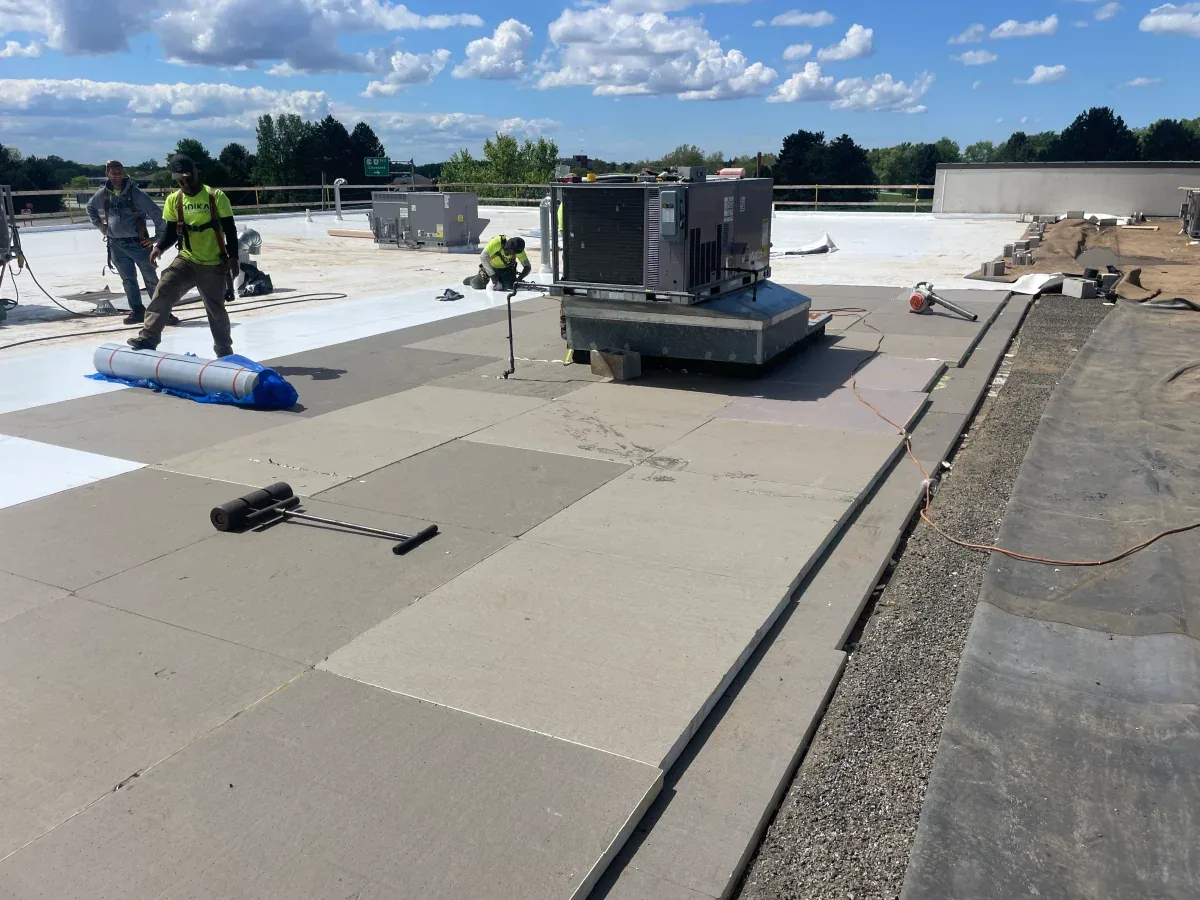
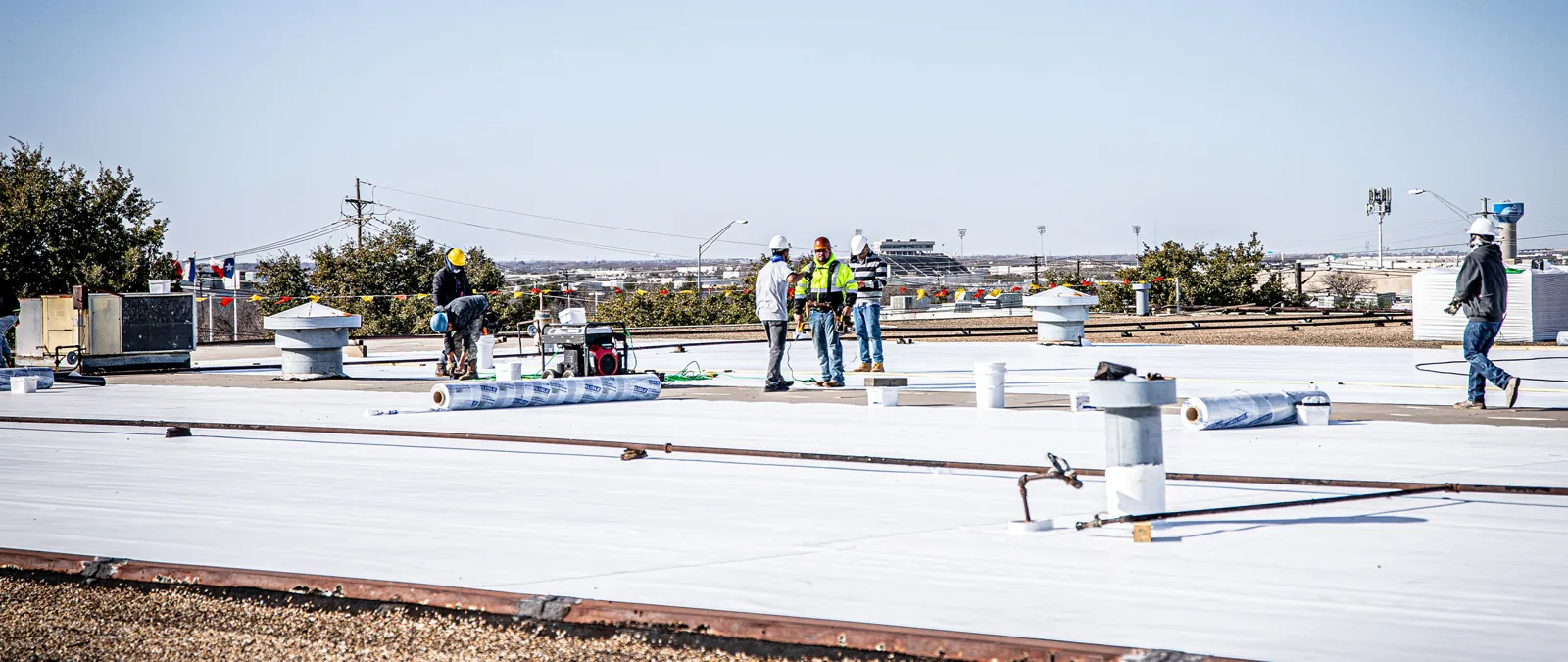
Replacement work may include tear-off, substrate repairs, new insulation and cover board, membrane or metal installation, drainage changes, and flashing. TPO, PVC, EPDM, modified bitumen, built-up, metal, and coating systems each have different limits. We select an assembly based on field conditions and project requirements. EPDM membrane and metal retrofit need distinct edge and penetration details.
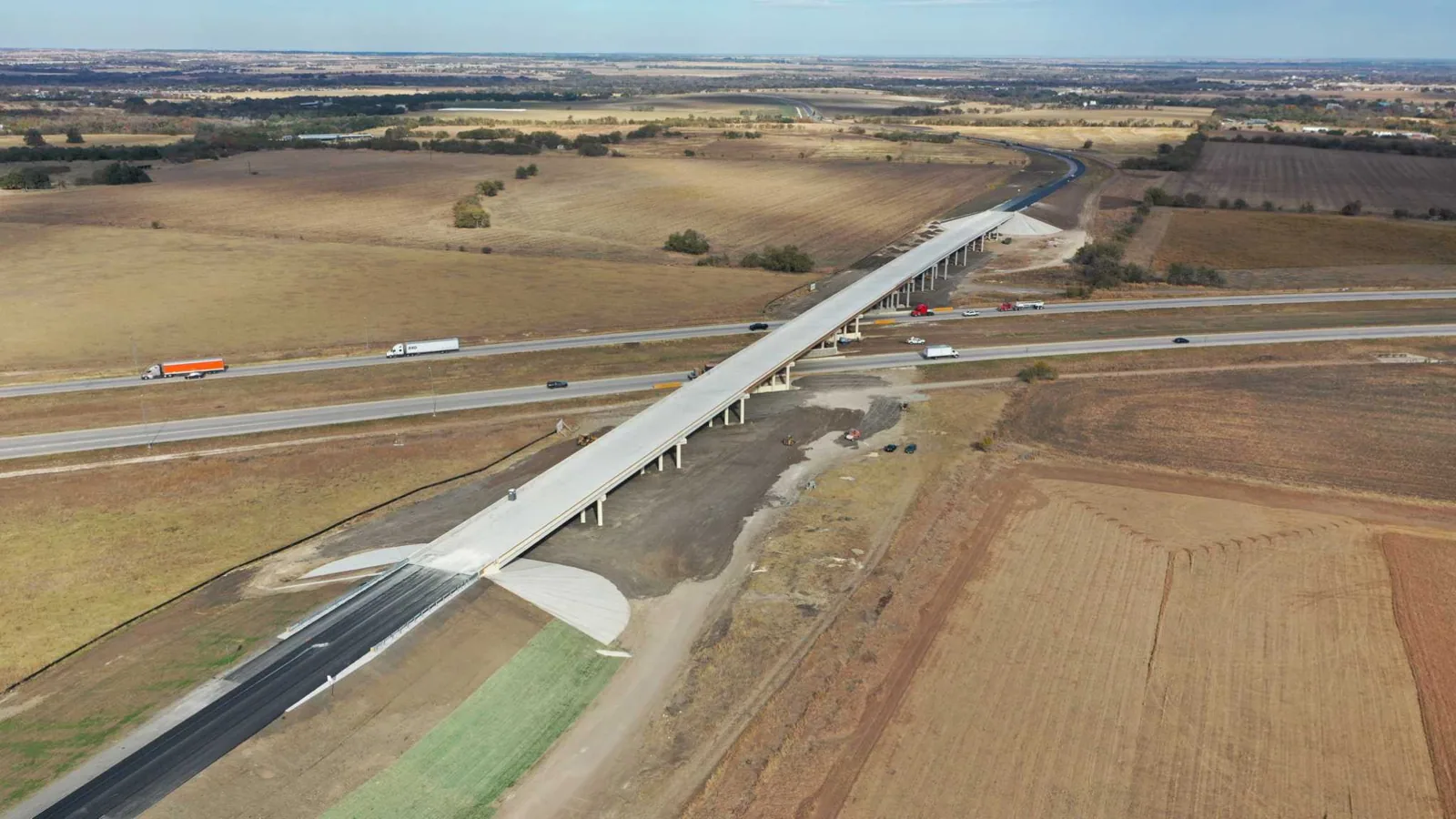
A new industrial project needs a roof scope tied to current drawings and field conditions. We review the proposed assembly, attachment, edge details, and drainage before staging. If utility or tenant work changes penetrations or rooftop equipment, we mark the resulting tie-ins and who owns each connection. The agreed sequence keeps the dry-in point clear.
Before mobilization, we confirm the access window, roof route, staging area, loading constraints, and site contact. NorthPark35 sits near I-35 and Airport Road; the building contact confirms where materials can be staged. The building's actual plan sets the approach. We keep the route clear of areas the owner needs for operations.
A planned gas-line extension is intended to serve additional businesses and speculative industrial buildings in NorthPark35. When a new or expanding operation schedules roof work, we coordinate the assembly, access, and work boundary with its project team.
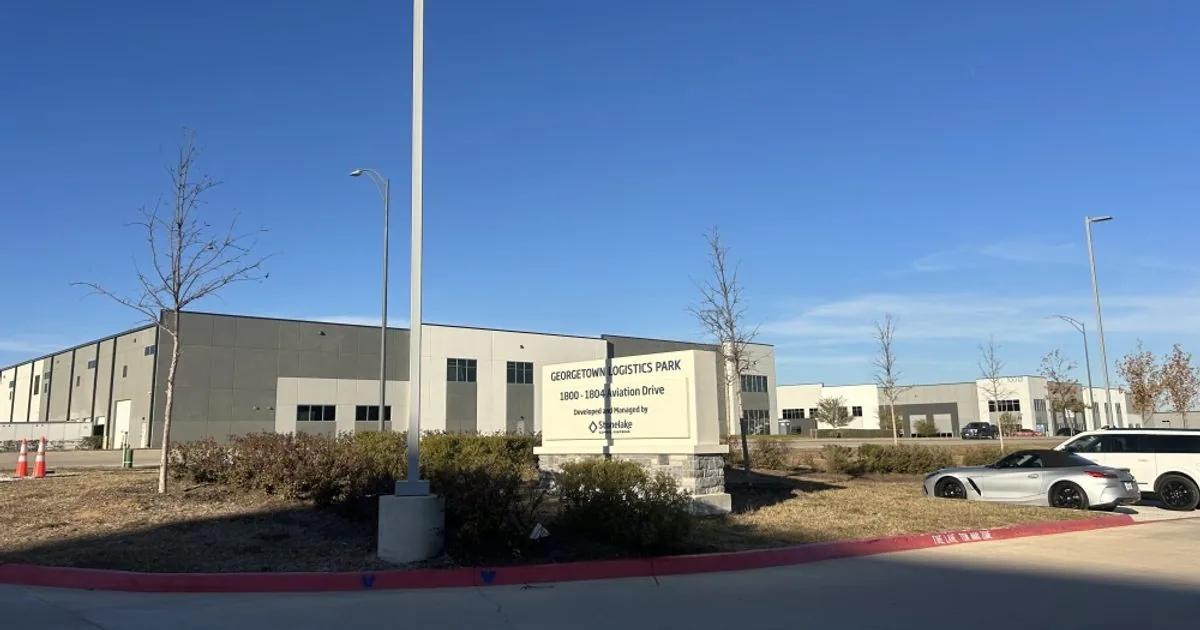
For related work in Georgetown's industrial growth area, Georgetown Logistics Park has its own access and field requirements. We keep its inspection findings separate from NorthPark35. A multi-site owner can use a shared reporting format while preserving building-specific photos, roof maps, and repair decisions.
At the end of each work area, we inspect seams, flashing, edges, and transitions included in the scope. We remove loose material and note any open hold point. The closeout lists completed repairs, remaining conditions, and the next inspection or trade step. If a condition changed after opening the roof, the record explains what was found and how the area was protected.
For a larger project, the record can follow substrate review, insulation, cover board, membrane attachment, and final tie-ins. We note any field change that affects the system or sequence. A roof condition report gives the owner a dated baseline and photographs tied to the map.
NorthPark35 and Berry Creek Business Park are distinct industrial areas in Georgetown. Each building needs its own access confirmation and condition record. Send the building or roof area, access window, and general-contractor contact to arrange a first walk. For an active leak, call day or night, including weekends and holidays.
We leave the roof protected at each stopping point. The owner receives the area completed, the repair material or assembly detail, photos, and the remaining action. Equipment work, insulation replacement, or drainage changes can involve other trades. The handoff marks where their work begins and which tie-in must be completed before the roof is closed.
For property records across Georgetown, roof asset management can keep inspection dates, repair notes, and open items organized by building. A building along Williams Drive Corridor has its own roof map, field conditions, and repair scope.
Send the roof location, reported condition, preferred access time, and site contact. We will confirm what area the first visit can inspect and how the report will mark limits. If storm damage is suspected, include when it was observed and any active water entry. The roof itself determines the repair method.
No. We inspect the actual roof or project documents and confirm its assembly, access, and work boundary.
Edge metal, fasteners, membrane terminations, seams, and nearby penetrations are mapped with photos.
Yes. Current plans and site access set the boundary and dry-in sequence.
Failure extent, moisture, attachment, drainage, and substrate condition guide the repair or replacement scope.
A regional report describes the event. We inspect this building for actual wind, impact, or water damage and record conditions found.