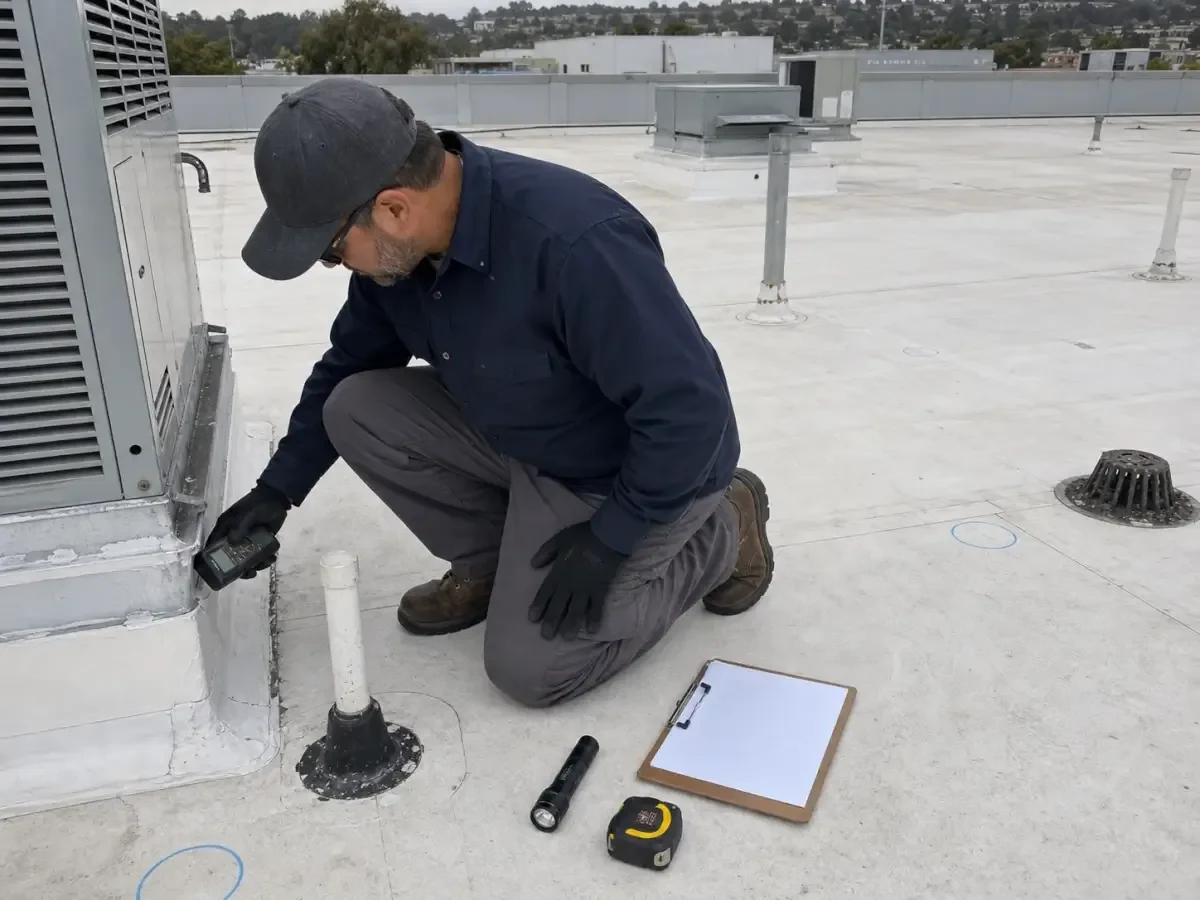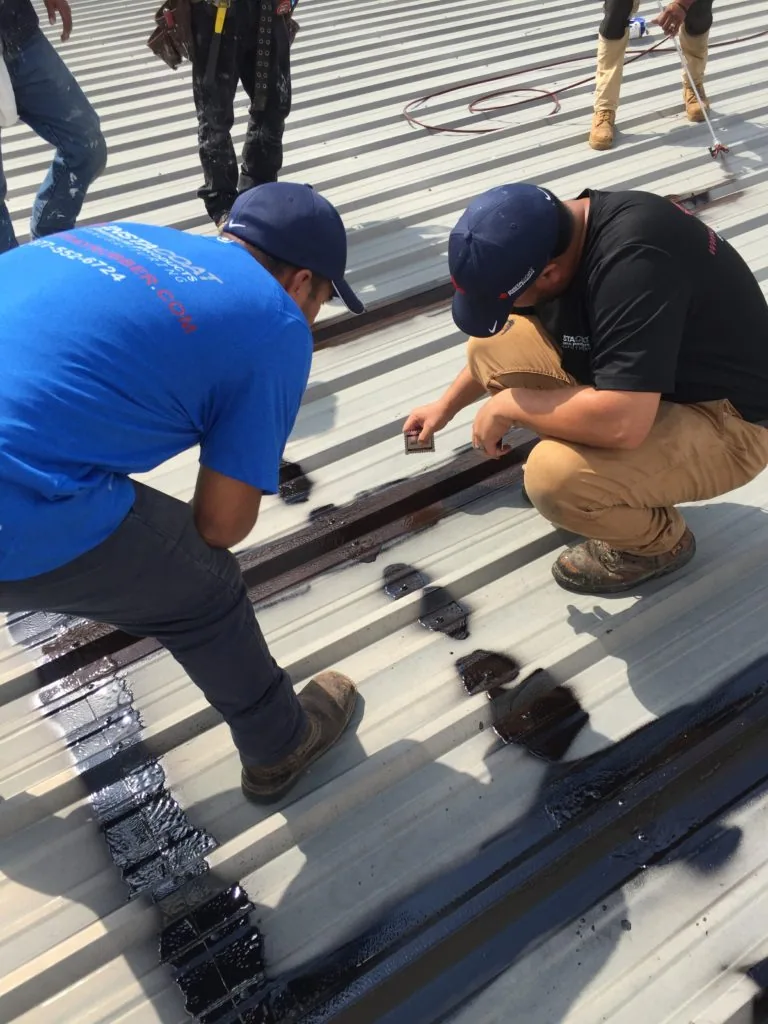
A seam split beside a rooftop unit can change the asset record. We inspect the seam and curb first. The roof map marks the affected zone and the next hold point. That gives the owner a field condition tied to one building, not a portfolio assumption.
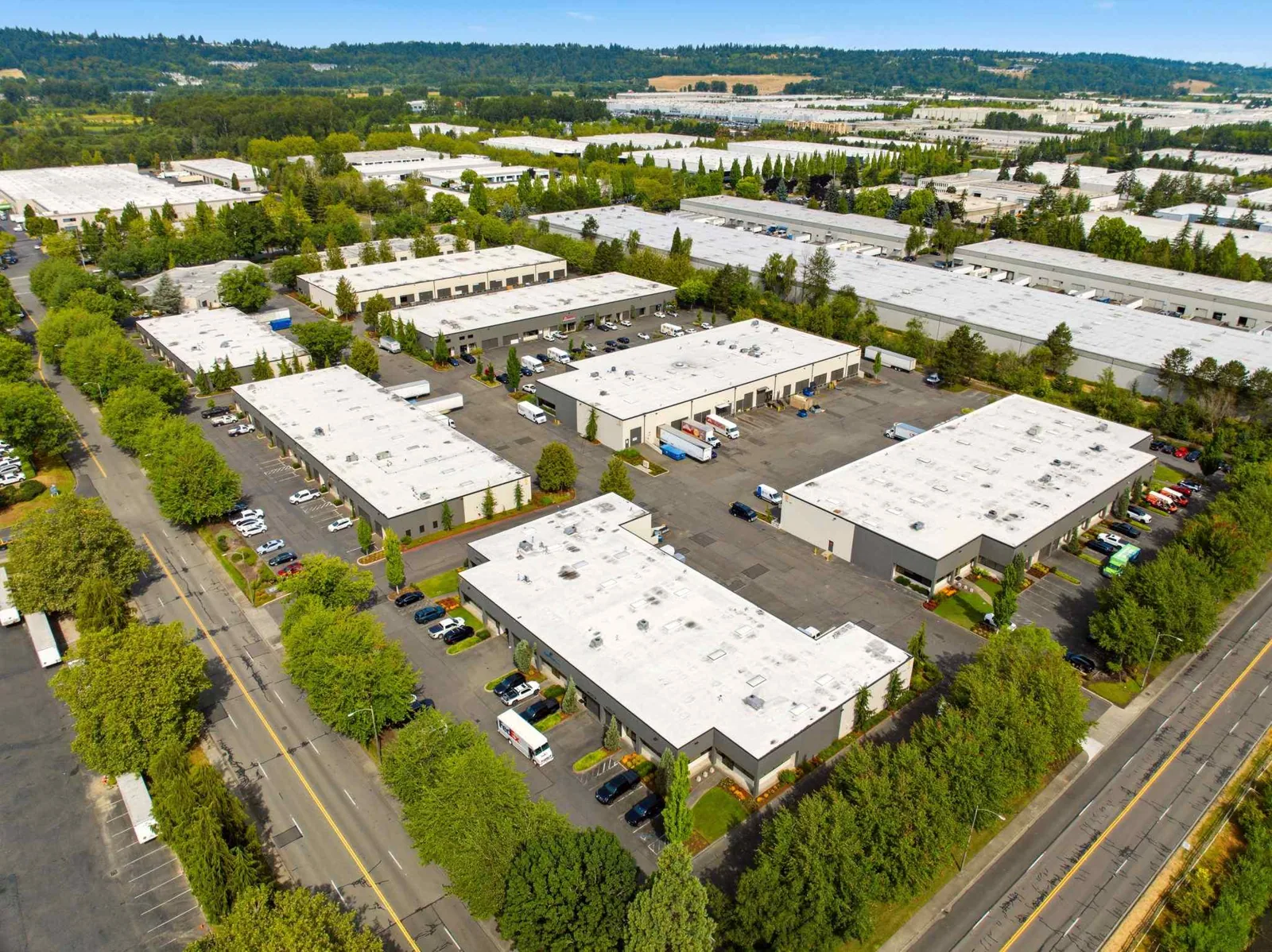
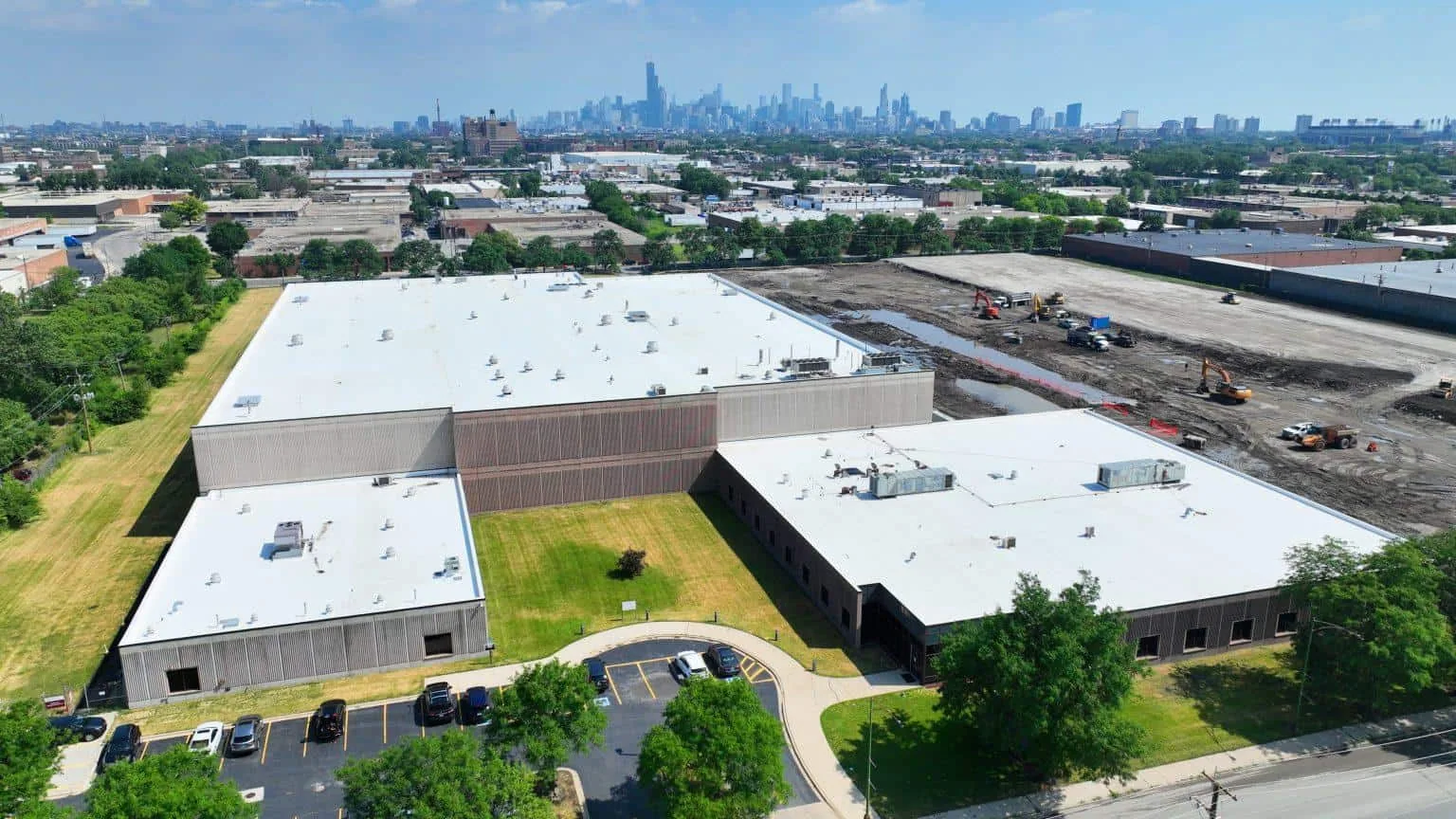
Georgetown's industrial pipeline includes NorthPark35 and Georgetown Logistics Park. Planned utility work supports additional industrial development in those areas. An asset program needs to account for that changing property mix. It still needs a separate map for each roof. A commercial roof inspection establishes the starting condition before portfolio tracking begins.
Berry Creek's business park groups several industrial buildings near the I-35 and SH 130 junction. That setting can help organize regional access and dispatch. It does not make the buildings one roof system. We retain the access route, assembly, drain layout, and repair history for each property.
A useful roof record identifies the building, roof zone, system where confirmed, inspection date, and access limits. It also notes drains, curbs, edge details, and prior repairs. The map should show which areas were reached and which stayed covered. That prevents an open question from appearing resolved simply because a work order closed.
For a portfolio, a shared naming convention can make records easier to compare. The conditions remain property-specific. One building may have an active seam repair while another needs drainage work or a test area. We do not transfer a finding from one roof to a neighboring address. An asset condition report can hold photos, dates, and unresolved items in one review file.
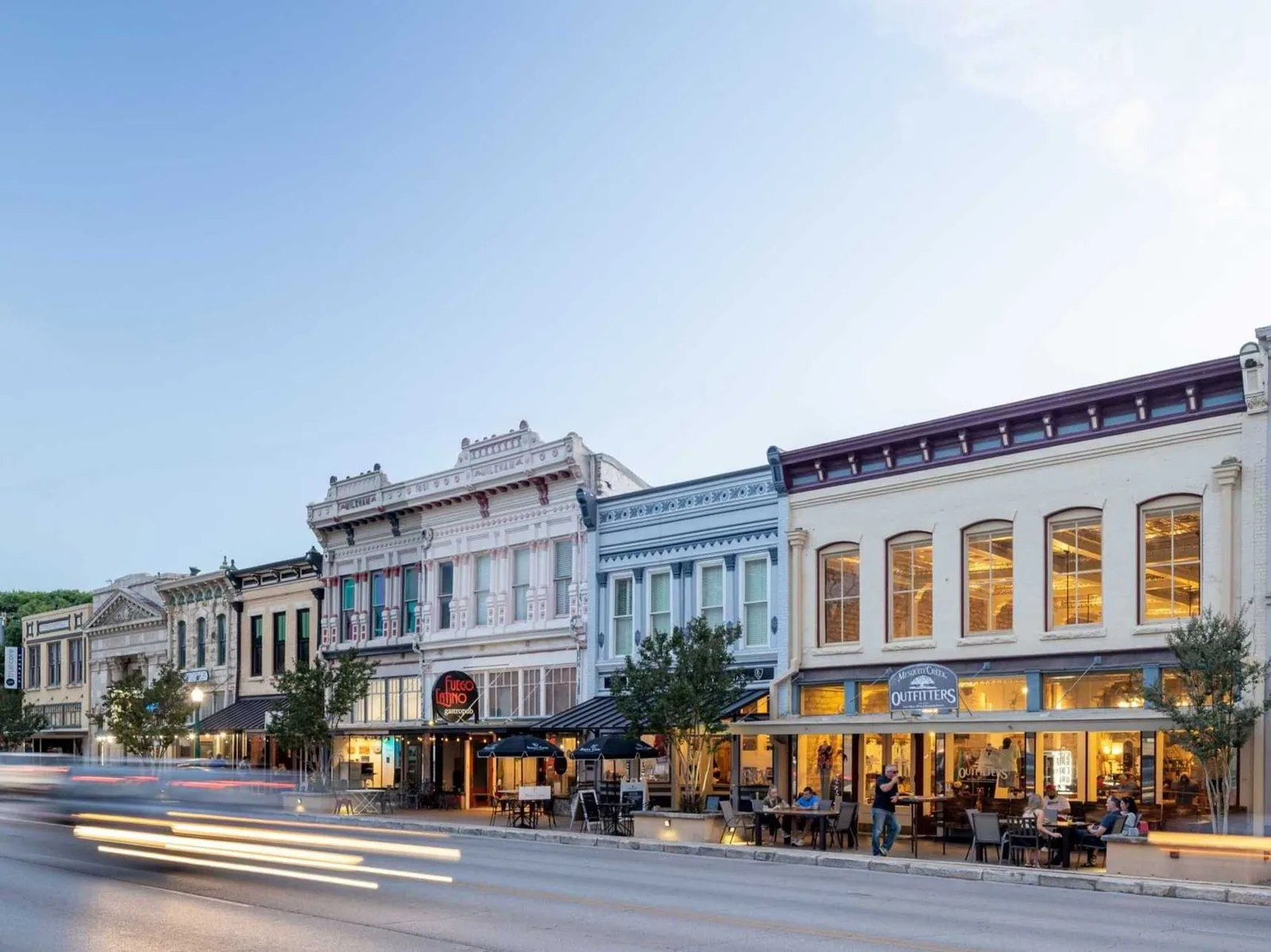
Downtown Georgetown includes civic, commercial, county, and residential uses in an about 40-block district around the courthouse square. A roof program serving nearby properties needs a plan for different access patterns and exterior constraints. The location helps set dispatch. The building walk sets the work boundary.
The record also needs a reliable way to compare each visit with the one before it. We keep dated photos from consistent viewpoints when access permits. A change in surface, drain condition, or repair edge is easier to evaluate when the earlier image shows the same roof zone. If that viewpoint is no longer safe or reachable, the report marks the change rather than implying a direct comparison.
Inspection frequency should reflect observed condition, system, use, drainage, and recent events. A roof with repeated leak calls may need a closer review than a stable area with clear outlets. We record the reason for each visit and the next trigger. A storm report, equipment change, tenant turnover, or a new leak can move the date forward.
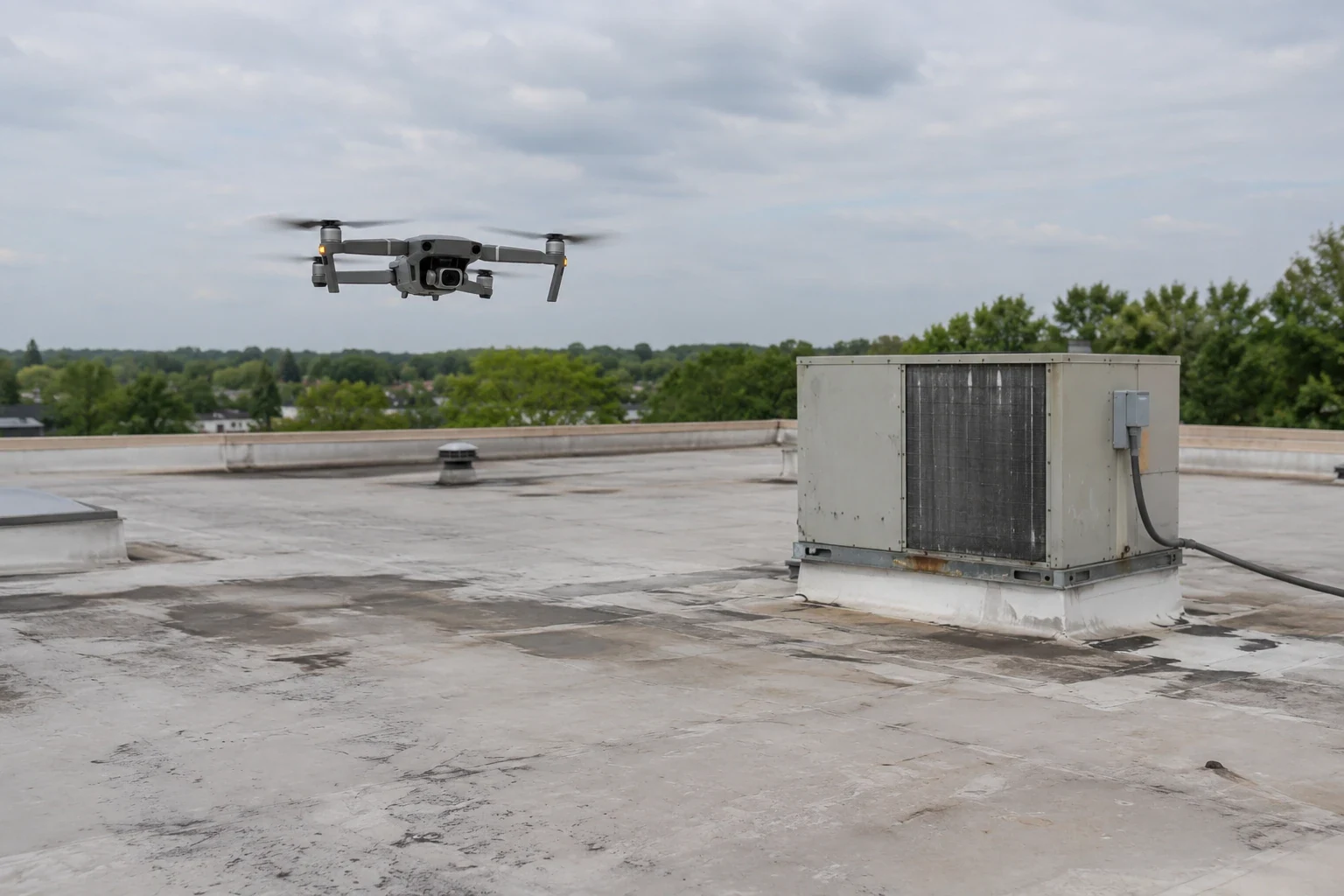
Georgetown faces heat, hail, and tornado exposure. A tornado formed near Round Rock in 2022, then crossed Williamson County toward Granger. That timing can guide post-event review. It cannot identify which roof was damaged. The inspection documents actual lifted edges, punctures, open laps, or water entry. A drone roof inspection can help review broad or hard-to-reach areas when site conditions allow.
Georgetown summer highs commonly reach the 90s, and recent days have topped 100°F. Heat can affect safe access and sealant handling. We log conditions that change the inspection window. The next visit can then account for the roof surface and the building's operating schedule.
A leak request should point to an interior location, date, and affected operation. We compare that report with the roof map. Drains, seams, penetrations, and earlier patches receive separate checks. The file states what we confirmed and what needs another visit. A temporary cover stays marked as temporary until permanent work is inspected.
When a repair begins, the work order links to its scope, photos, material, and closeout. Any concealed condition gets its own change record. The crew stops at the hold point and sends the new finding for review. The asset manager can then decide whether to expand the work or keep the original boundary.
A preventive maintenance visit can clear debris and document drain conditions before water reaches the interior. It can also identify a loose edge or curb before a leak report arrives. The maintenance record remains separate from a repair invoice, so the owner can track inspection, routine care, and corrective work.
A portfolio review can group roofs by assembly, age when verified, condition, operating use, or next action. Unknown dates stay unknown. A visible repair is not proof that a concealed layer is sound. We list the information gap and recommend the next inspection step instead of assigning an unsupported condition.
NorthPark35 and Georgetown Logistics Park represent industrial growth areas, while the courthouse district combines public and commercial uses. The portfolio can organize those places by service route or property group. It should not use location as a shortcut for roof type. A capital planning record can connect verified conditions with budget timing and project sequence.
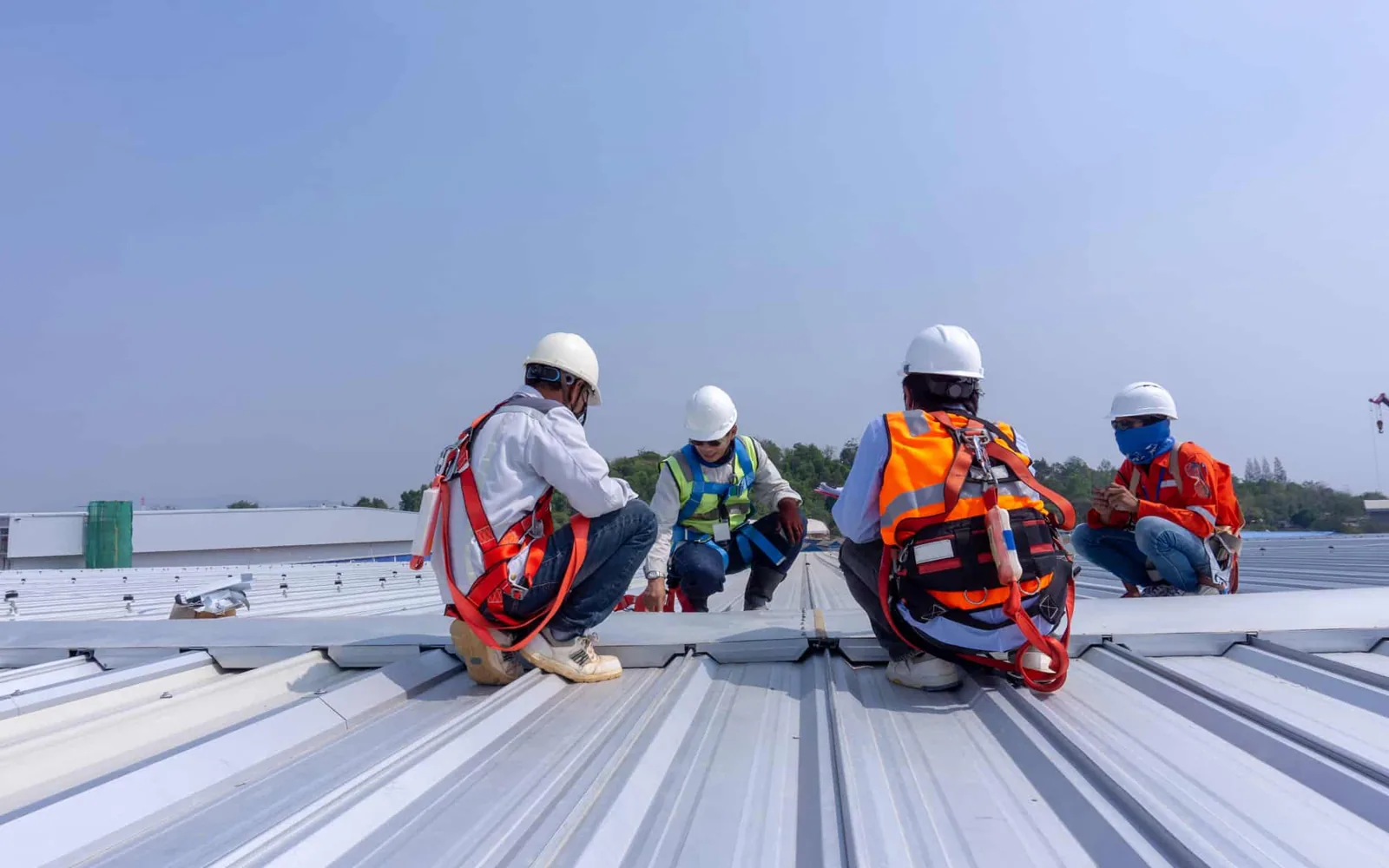
Property managers may oversee buildings with different tenant schedules. An operations handoff can carry roof access, escort rules, equipment limits, and open work orders. That helps the next inspection start with current site information without treating prior notes as proof of present condition.
Each asset should end with a practical next step. The record may call for a repair, a drain cleanout, a moisture test, or another inspection. It names who owns that action and when it should be reviewed. A due date does not replace field verification when conditions change.
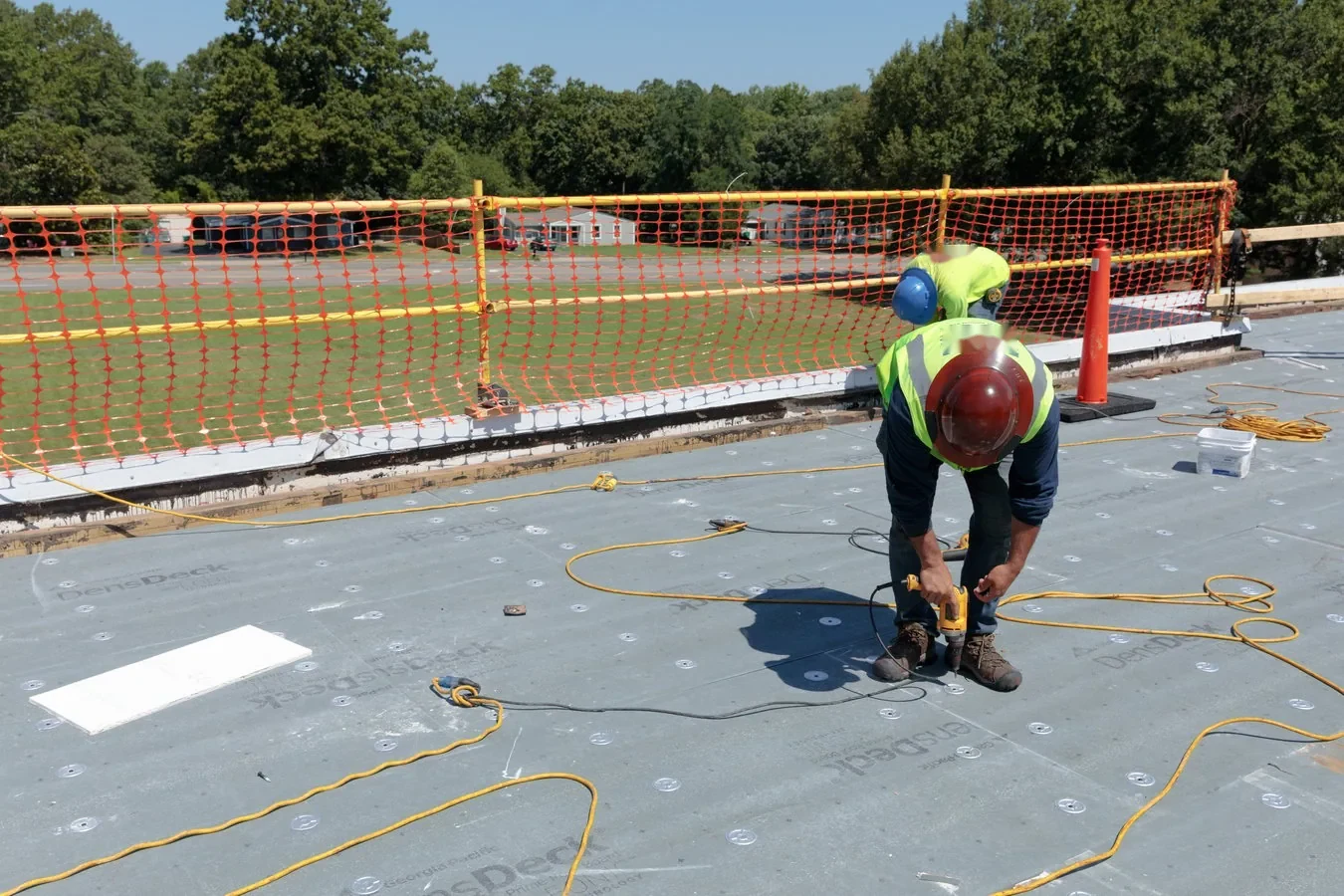
For a repair, the crew marks the material boundary and daily tie-in. For a larger project, the manager can compare phased repair with recover or replacement. We note tenant access, staging, interior protection, and any approval point before material comes off. The completed work returns to the same roof map used at intake.
A program review can also show where a budget decision is blocked by missing information. A roof may need a test area before repair pricing is reliable. Another may have a clear edge defect with no need for broader testing. We identify those different paths so the manager can fund the right next step rather than spread an identical allowance across every building.
Send the building list, available roof plans, access contacts, and open work orders. We confirm which roofs need a first inspection and how the records should identify each property. The next handoff will show what we reached, what changed, and what remains to be reviewed.
Include a building-specific roof map, inspection date, visible assembly, photos, drains, curbs, repairs, access limits, and unresolved areas. Keep unknown conditions labeled as unknown.
No. Each building needs its own map and findings. A portfolio summary can group records, but it should preserve each roof's distinct assembly and repair history.
A new leak, severe-weather report, equipment change, or repeated repair can justify an earlier visit. We document the trigger and inspect the affected zones directly.
The map ties the reported condition to a roof zone. The crew can show the initial boundary, any concealed finding, and the approval needed before adding work.
It can document visible areas that are difficult to reach, when conditions permit. A closer inspection may still be needed to confirm attachment, moisture, or a flashing detail.