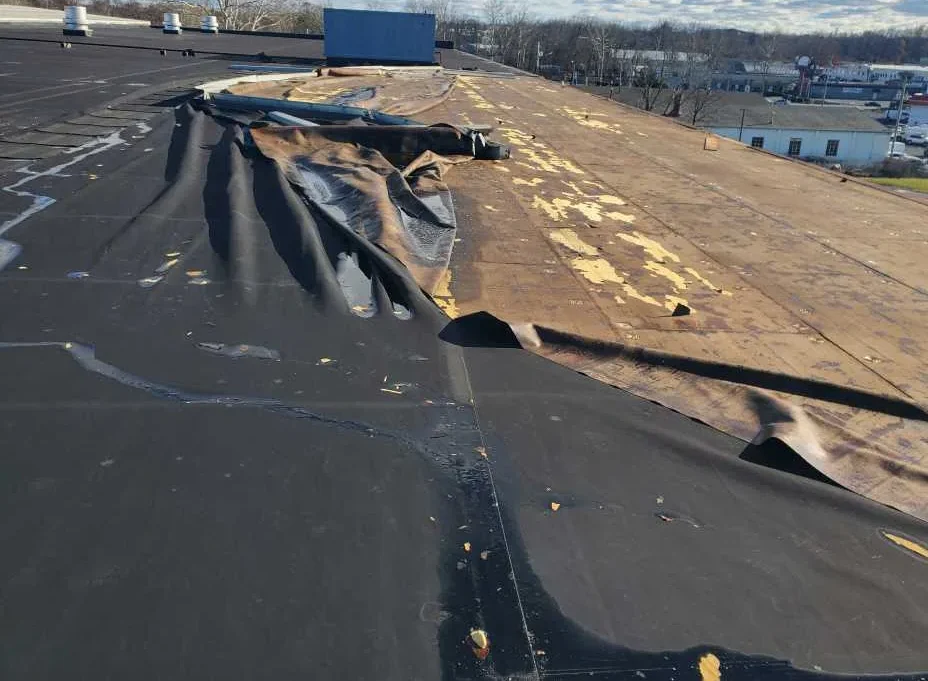
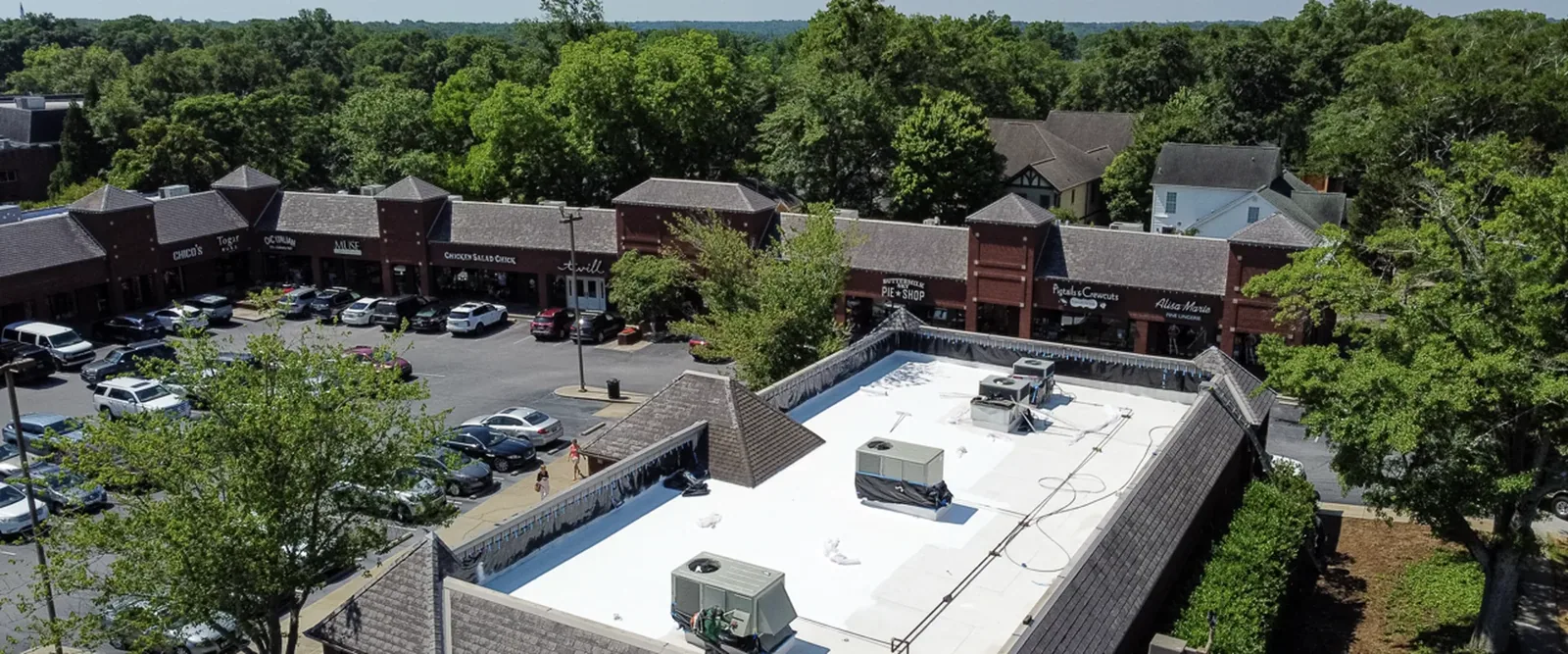
A peeled edge above an active loading area needs a safe limit before anyone brings a tarp onto the roof. We confirm access, check the exposed assembly, and protect the opening with a temporary dry-in when conditions allow. In Georgetown, hail, tornado exposure, and summer heat all affect what can be secured safely. Emergency work starts with stabilizing the building. The handoff records what permanent repair still needs review.
Our emergency response is available around the clock, including weekends and holidays. For a commercial property along FM 971, we coordinate entry and staging with the site contact before mobilizing. A temporary cover is a protective measure. It is not a substitute for inspecting the roof assembly and setting a lasting repair scope.
The first call establishes where water is entering, who controls the property, and whether roof access is safe. We confirm the roof area, identify hazards below the leak, and ask for a contact who can meet the crew. The facility team controls any interior electrical or ceiling hazard while roof work is arranged.
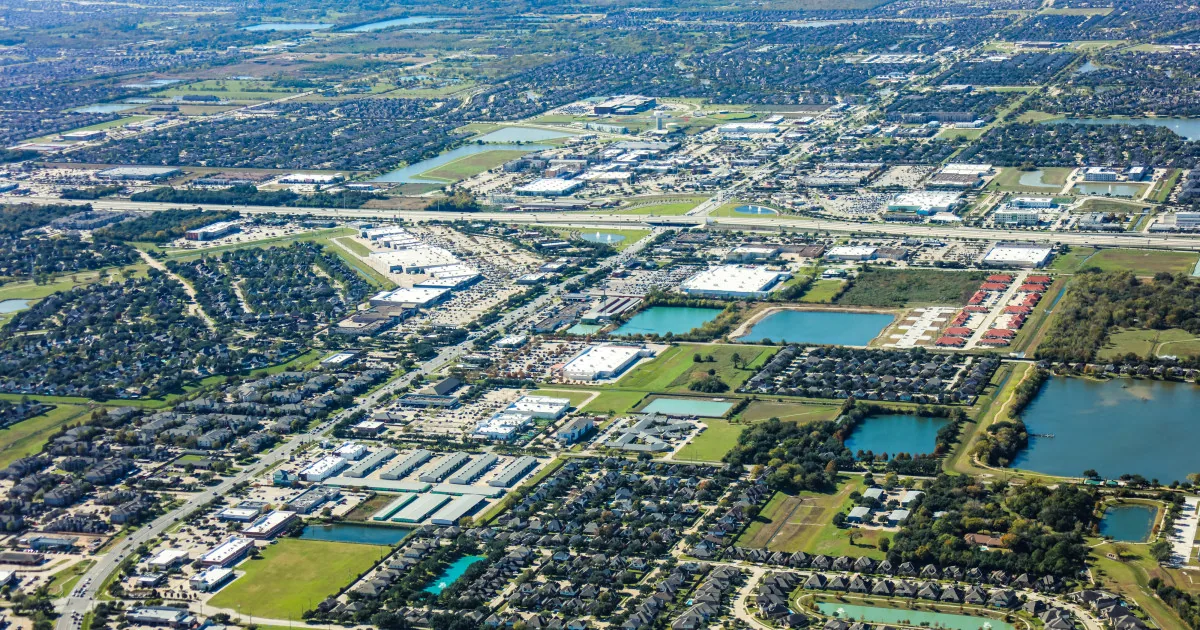
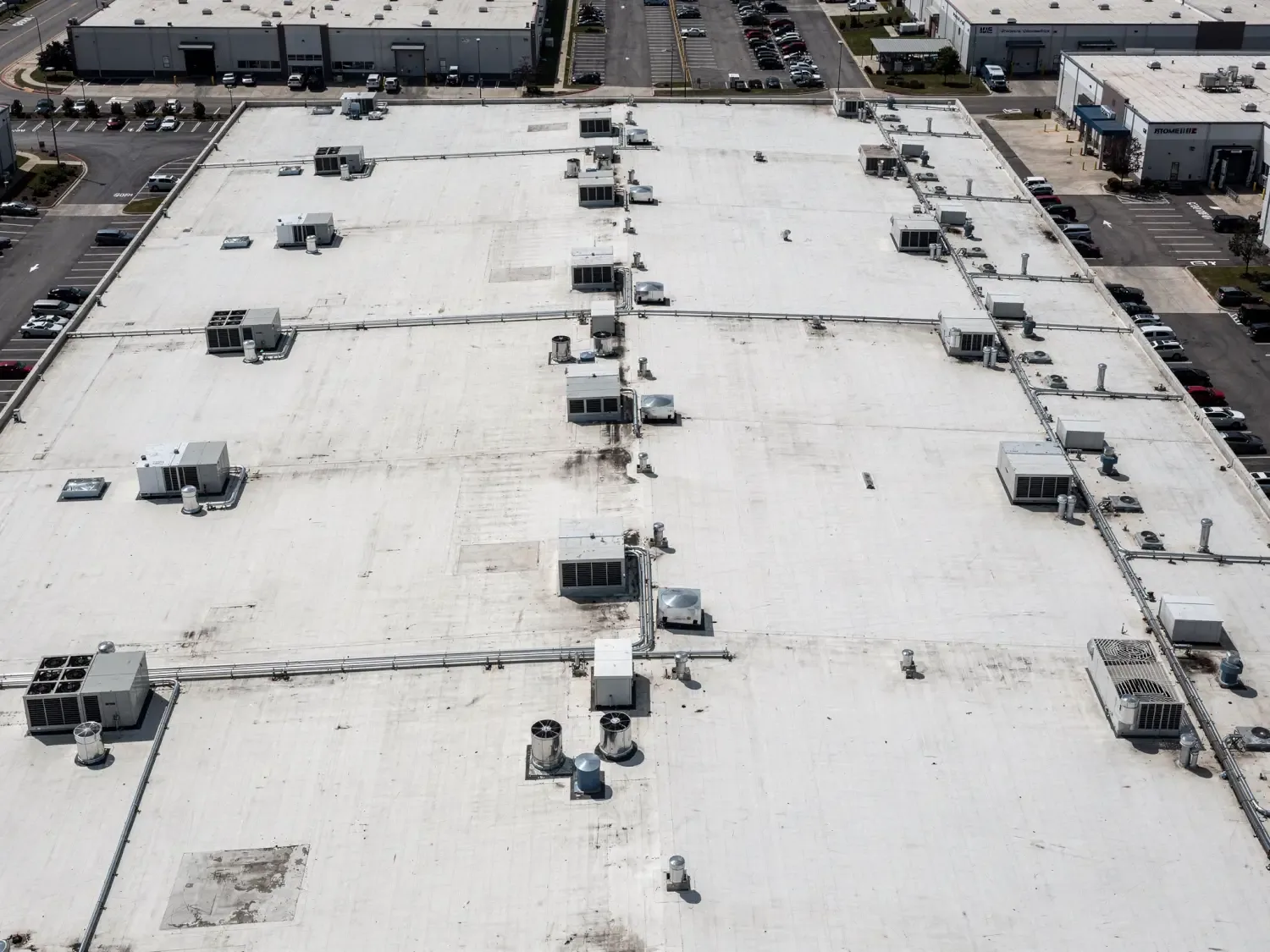
At an operating facility, the response route must keep people and vehicles clear. We coordinate ladder or lift location, staging, and delivery restrictions. Georgetown’s I-35 and SH 130 industrial areas support commercial and distribution activity. The building contact tells us which gate, loading lane, or equipment zone must remain open.
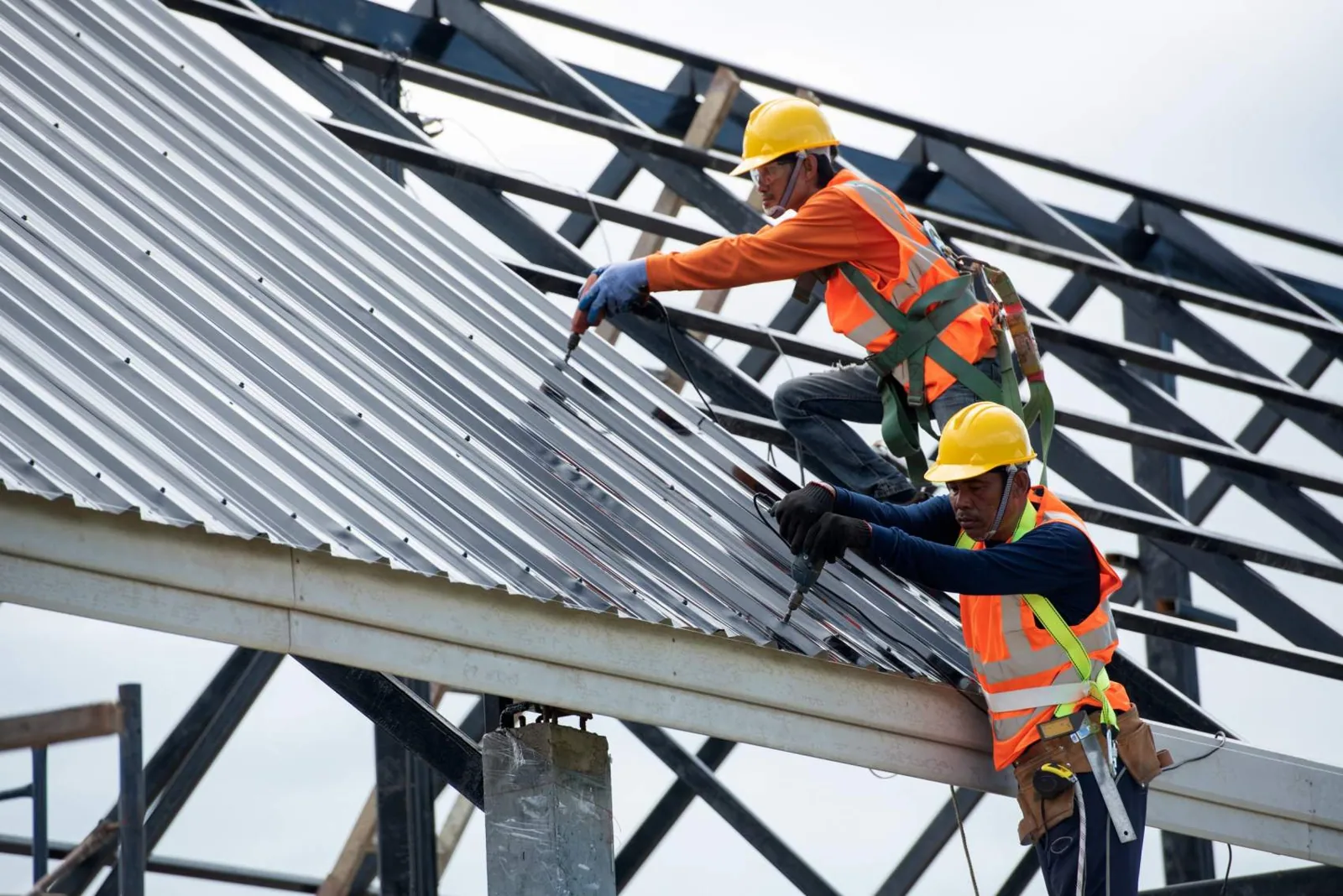
Once on site, the crew sets a work boundary before handling loose material or opening the roof. We check the tie-off points, wind conditions, roof surface, and route back to the access point. If the roof cannot be reached safely, we do not put a worker in that position. We identify the safest available protection step and keep the contact informed about the limit.
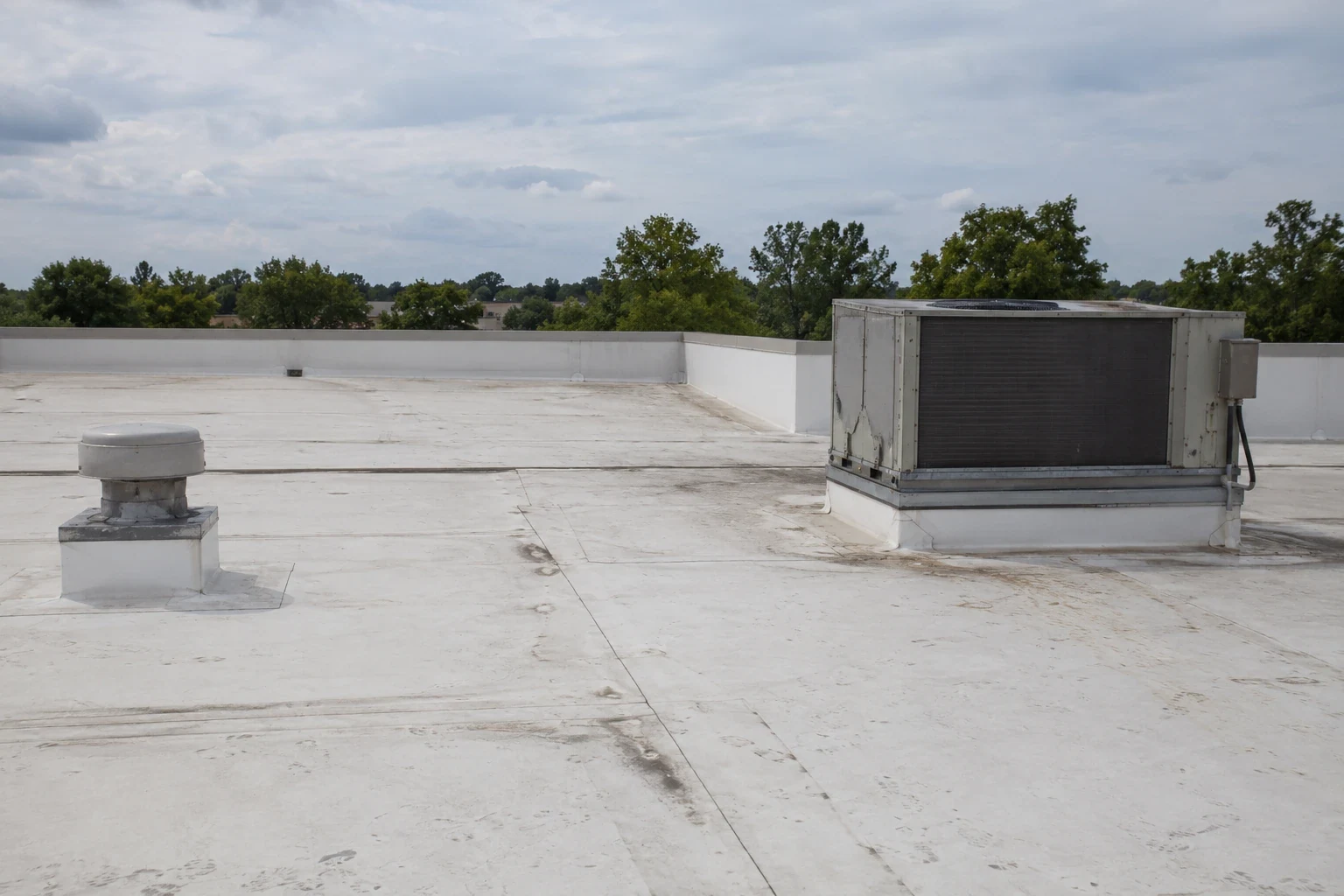
We inspect the reported area for a lifted edge, split seam, puncture, displaced flashing, damaged curb, or opened penetration. The water inside may be away from the entry point. So we trace the path across the membrane toward drains and walls. We photograph the condition before covering it. That record helps separate the immediate protection from the permanent repair.
Georgetown’s downtown mixes commercial, residential, county, and municipal uses around the courthouse square. In a dense area, protection below the roof can matter as much as patch location. At an industrial site, active loading areas may shape the response. We record actual conditions for each building.
If the roof has several openings, each gets its own mark. We identify what was protected, what needs closer inspection, and whether interior conditions require another trade. The facility manager and general contractor then have a shared record before permanent work is scheduled.
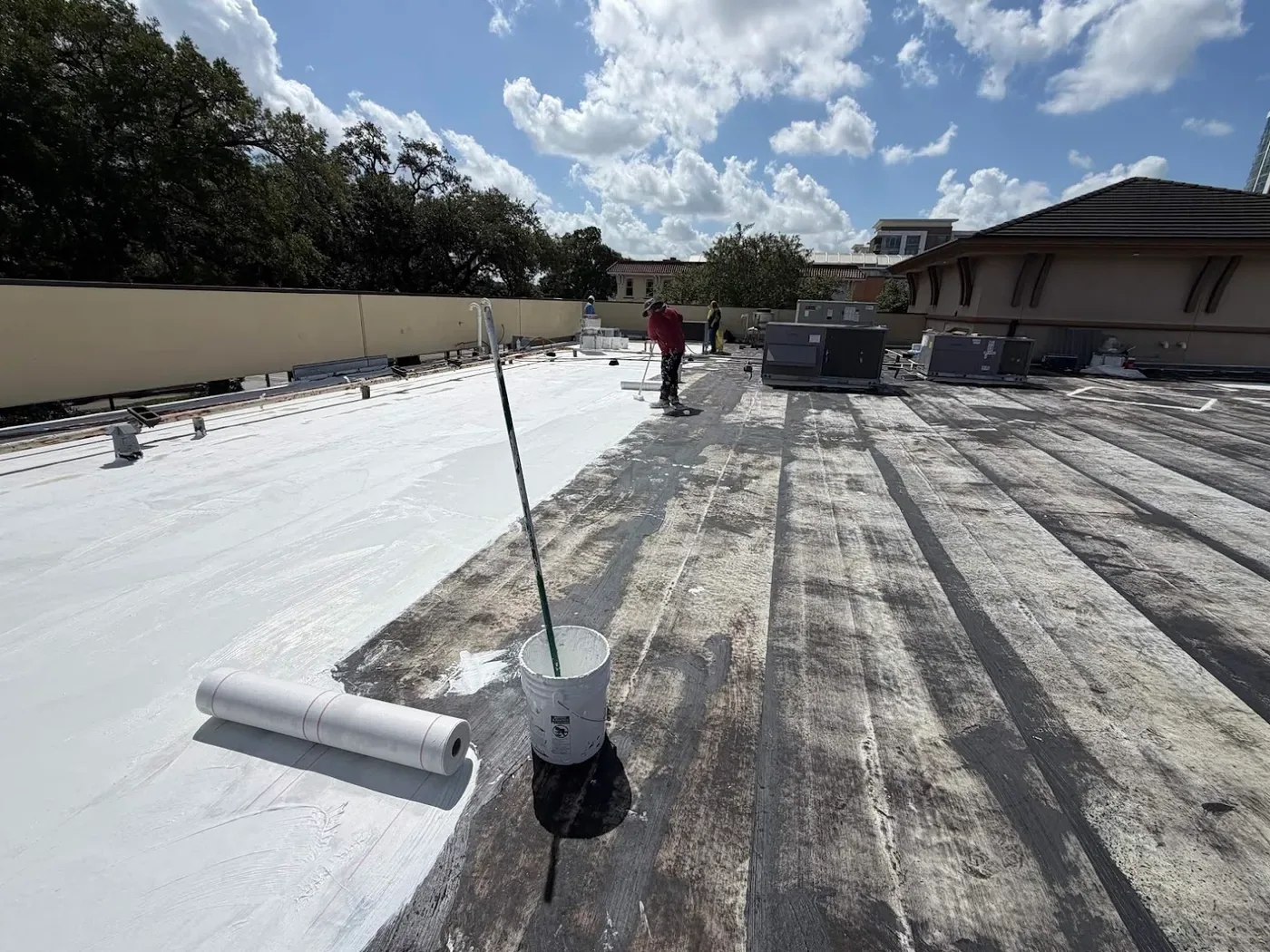
A tarp, temporary membrane, or secured cover can limit water entry when it can be fastened without creating another hazard. We select the method for the exposed roof, forecast, wind, and access. Loose sheeting or unsecured material can become a hazard. So the crew checks perimeter restraint and drainage before leaving. The temporary measure is marked in the work record and assigned for follow-up.
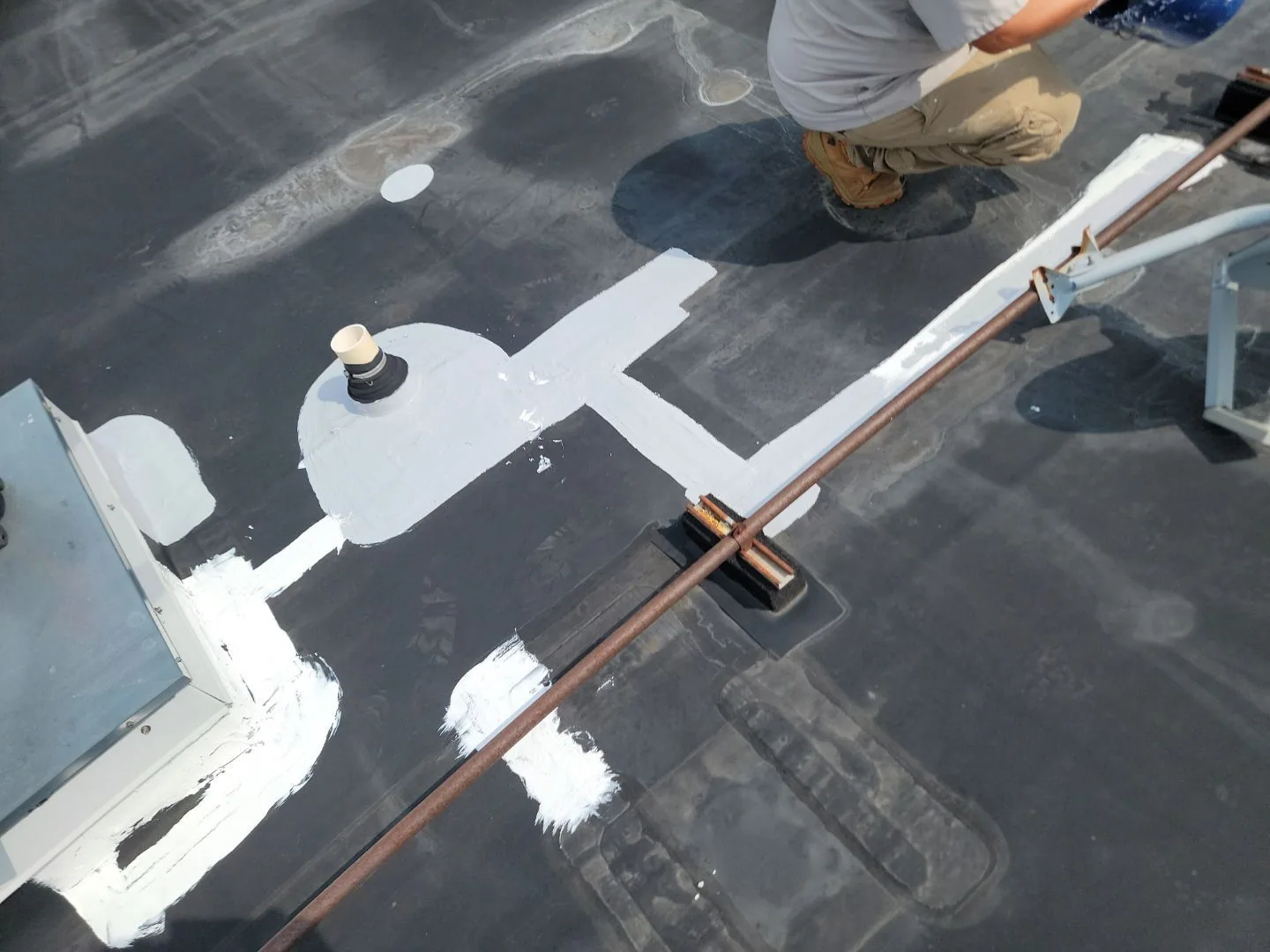
If the membrane can be repaired safely during the visit, we may complete a compatible patch or flashing correction. A split in a TPO roof needs appropriate surface preparation and seam work. Metal edges and curb details require their own attachment and flashing repair. We identify the existing system before choosing materials, and we do not cover a condition that needs a separate inspection.
Some conditions require a larger repair scope. Wet insulation, damaged deck, loose perimeter attachment, or repeated seam failure may extend beyond the exposed opening. We document those findings, keep the roof protected, and review the added area with the general contractor. Leak tracing and repair can continue after the emergency opening is stable.
Hail affects the wider Austin forecast area. An NWS tornado path in 2022 crossed Williamson County from near Round Rock toward Granger. Those records support inspecting edges, seams, penetrations, and rooftop equipment after a severe event. They do not establish damage at a particular Georgetown property. We document what the crew sees, including loose metal, punctures, splits, or displaced flashing.
Heat affects sealants and temporary materials. Wind can make a cover unsafe. At the same time, rain can prevent a permanent patch from bonding. We check conditions before climbing or securing a cover. If a step is unsafe, we change the method or wait.
After the immediate risk is controlled, we determine whether the opening needs a storm damage review. A tornado damage inspection or hail damage review can record the broader roof condition when the field walk supports it. The emergency visit and the damage assessment stay documented as separate steps.
The emergency ticket records the report time, access contact, affected area, temporary measure, and any permanent repair completed. Photos mark the opening and nearby details. We also list conditions that could not be verified during the initial response. That makes the next visit more direct and prevents the temporary dry-in from being mistaken for a completed roof repair.
Permanent work may need a dry surface, compatible materials, additional crew, lift access, or contract approval. A roof that can be protected on the first visit may need inspection before new membrane is installed. We identify the next decision and approver. If the roof condition points to replacement, we can prepare a separate replacement scope after inspection.
At sites near the Georgetown Logistics Park, the property contact can confirm when deliveries and roof access are available. We use each site’s own route and operating schedule to plan the crew.
Before leaving, we confirm three conditions. The cover is secure. Drainage remains open. The work area is clear. The contact receives the location of the protection, the condition found, and the follow-up required. Any area that needs a permanent repair or additional inspection remains clearly marked on the roof map.
The handoff records what was opened, covered, and left for review. A condition report can carry the photos and findings into the permanent repair plan. For a managed property, the record can also be shared with the property manager coordinating the building response.
Call with the leak location, roof access contact, and any immediate hazard below the opening. We will confirm the response route, set a safe work boundary, and explain which protection or repair can be completed under the current conditions.
Keep people away from active leaks, ceiling debris, or wet electrical areas and contact the person who controls roof access. Share the leak location, when it began, and any access limits. Do not climb onto a wet or wind-damaged roof to place a tarp.
A first-visit repair is possible when access is safe. The assembly and weather must also support the method. Other calls need temporary protection first, followed by inspection and a permanent scope. We record which work is temporary and what remains.
No temporary cover should be treated as safe in every wind condition. We choose protection based on the roof, forecast, and attachment points. We then verify the secured edge and drainage. If it cannot be restrained safely, we use another available method or wait.
We coordinate with the property contact to establish a controlled area below and a safe route to the roof. The site team manages interior hazards while we secure the roof opening. The handoff identifies any ceiling, electrical, or cleanup issue outside the roofing scope.
We set the next window after checking the temporary protection, roof condition, material requirements, access, and any needed approval. If the emergency visit finds wet insulation or damaged deck, those conditions need review before the final system covers them.