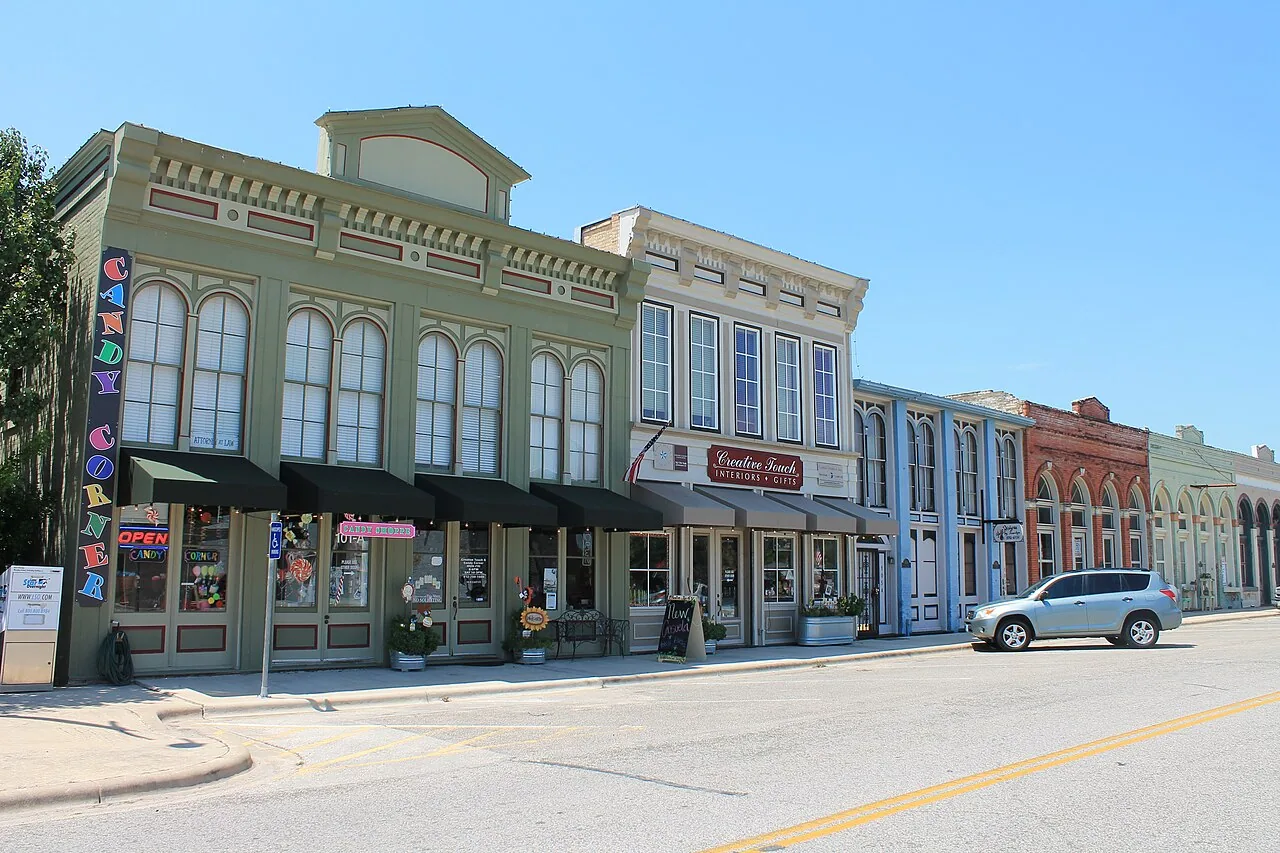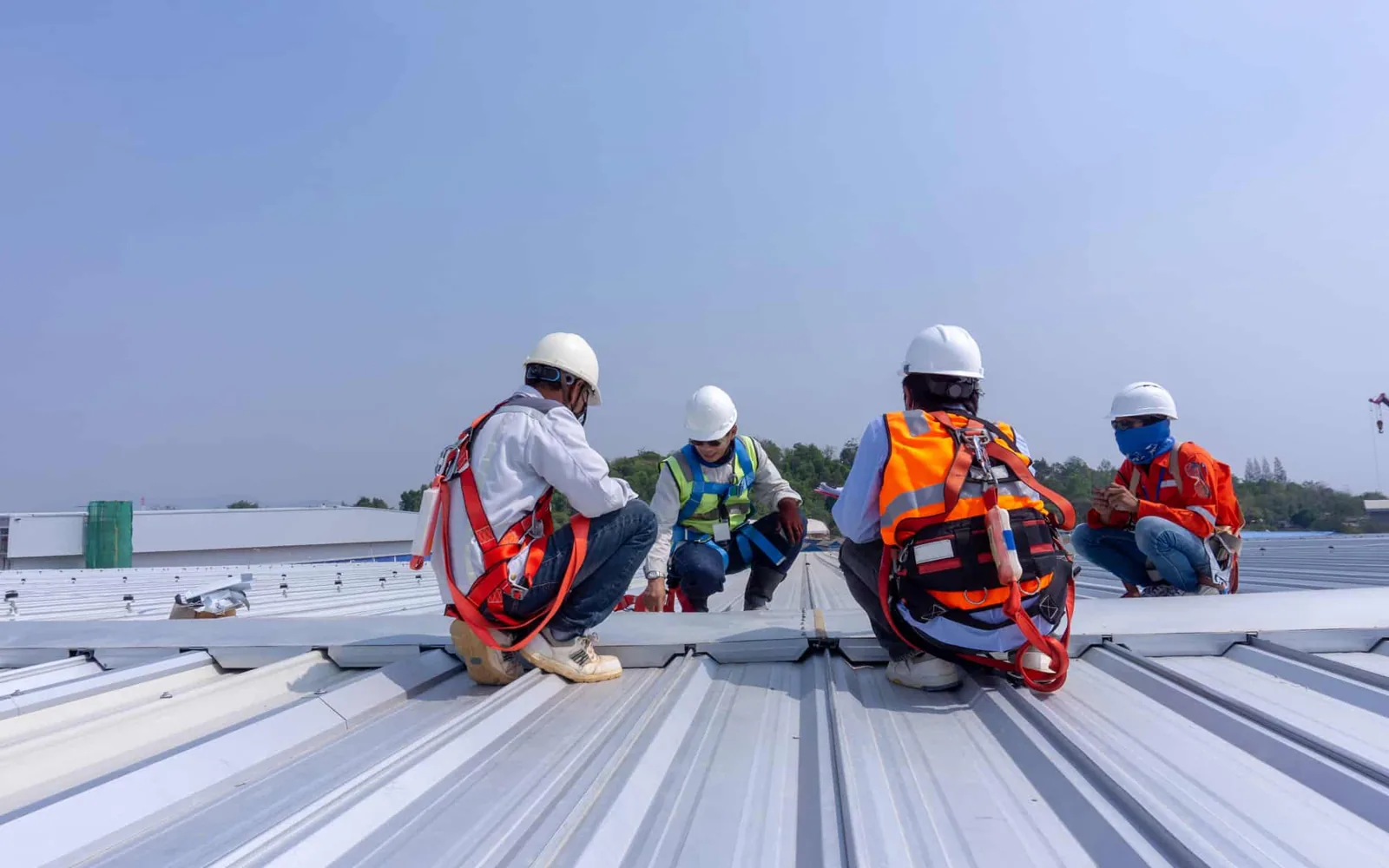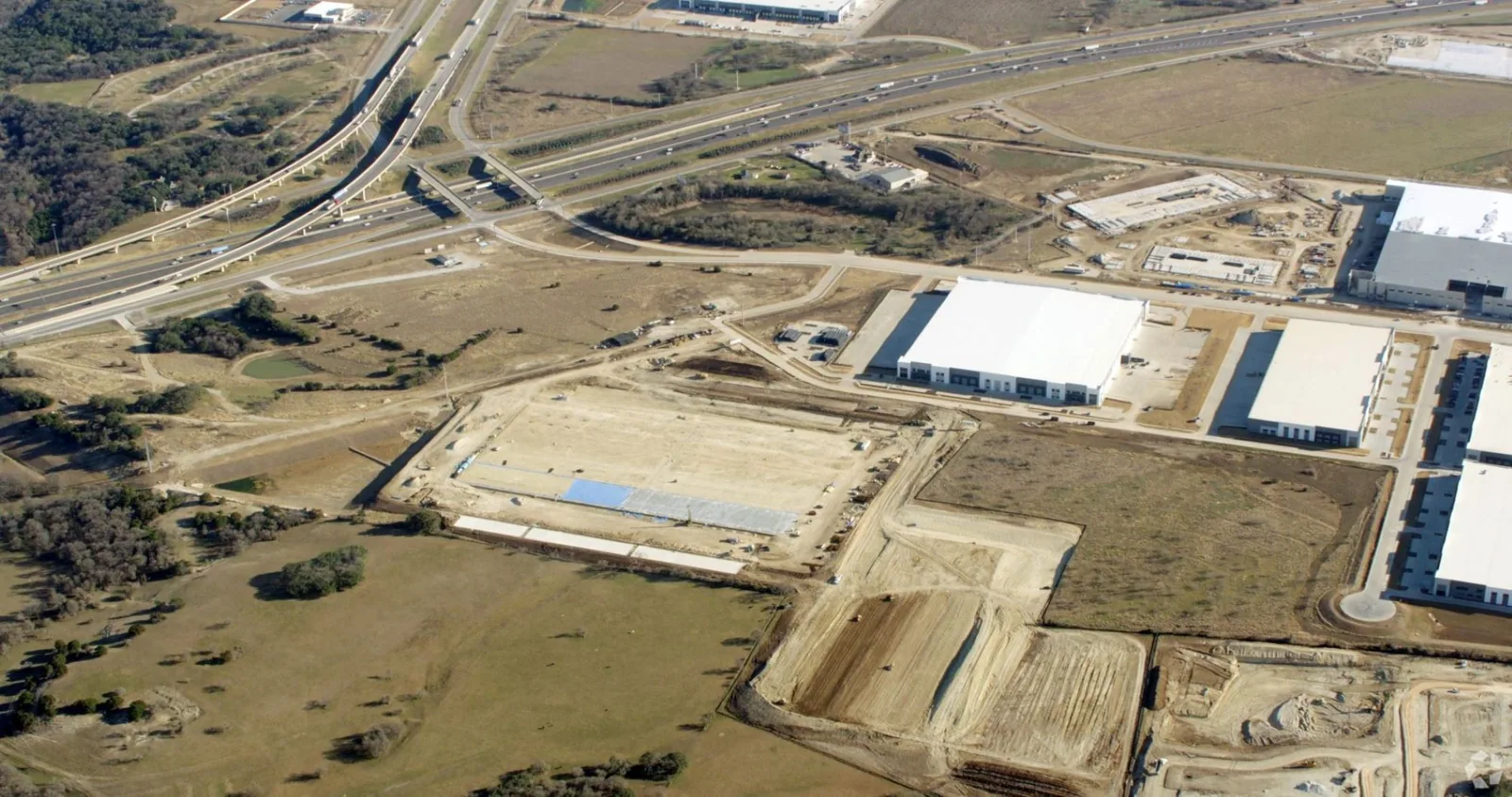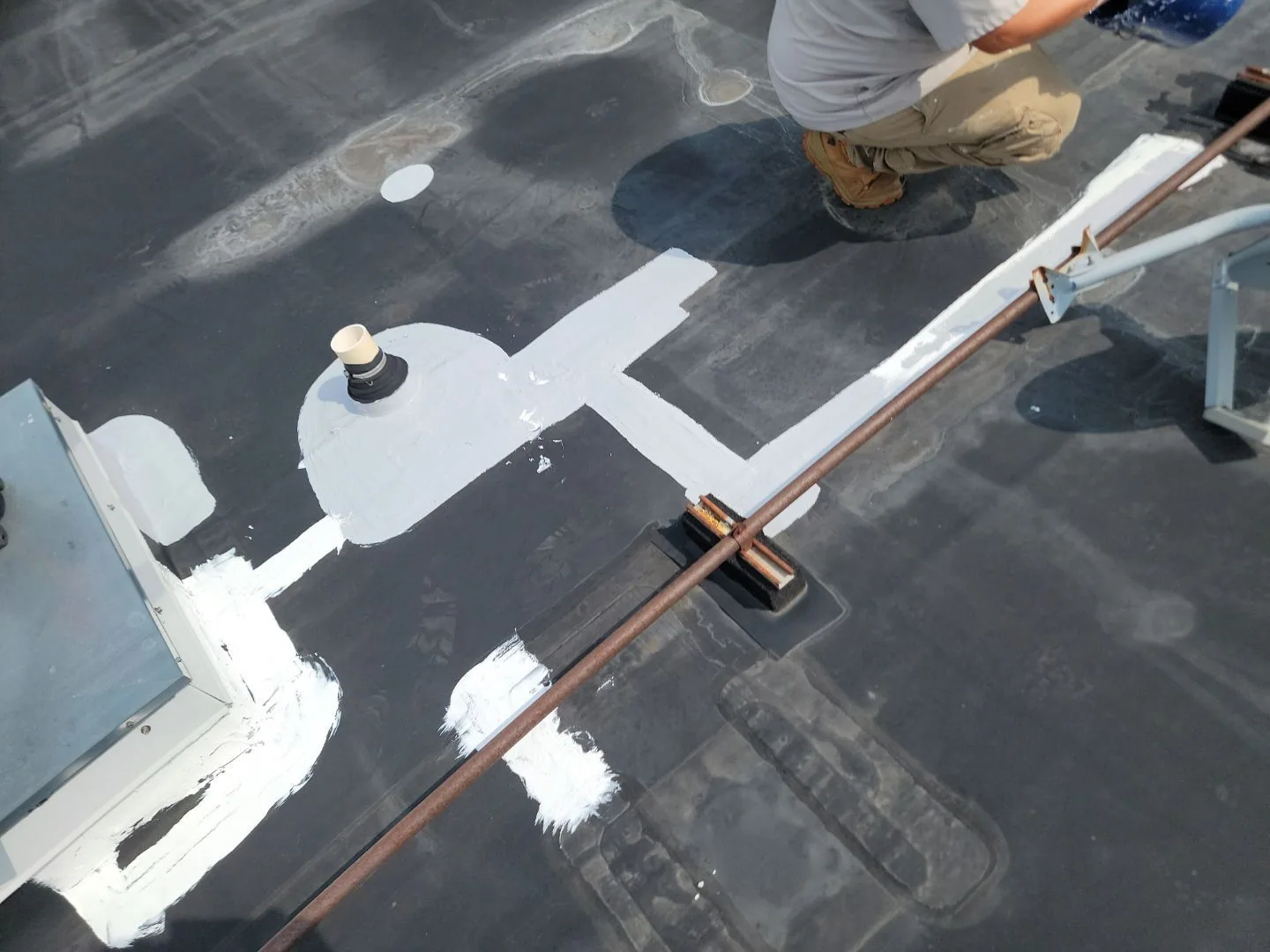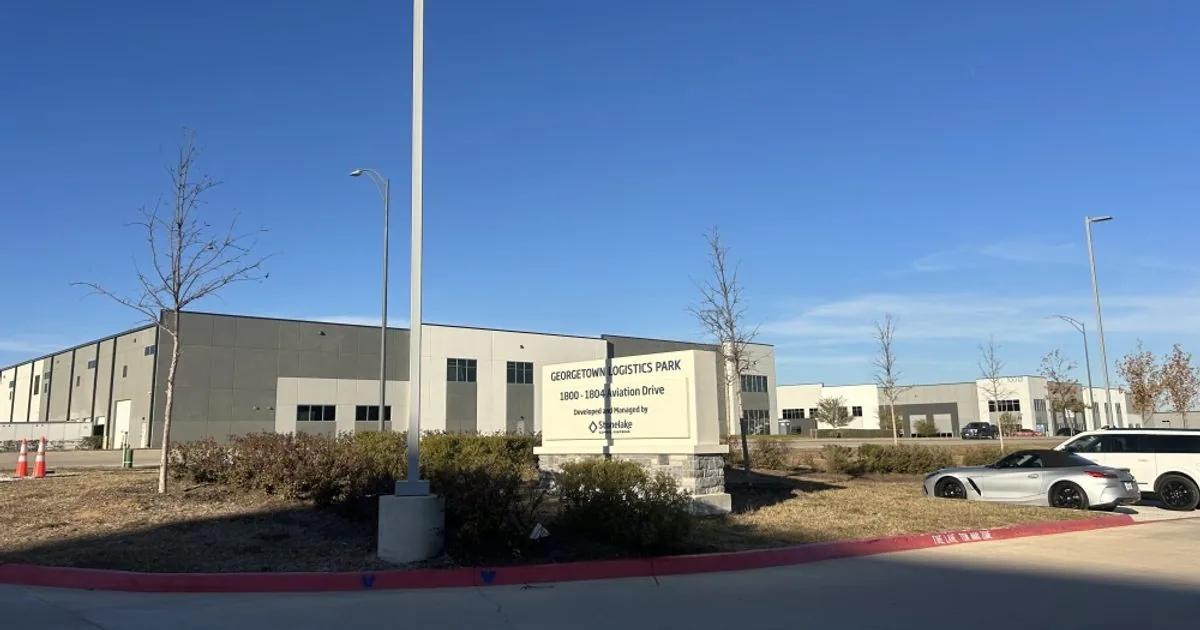
An open lap along a long roof run can turn a small water path into a larger repair. We inspect the seam, mark the direction of travel, and check the nearest drain and penetration. Georgetown Logistics Park sits within the city's industrial growth area. Each roof map records the building inspected, the access route, and the area reached.
We begin each roof project with the current site contact, access plan, and project records. A commercial roof inspection maps visible conditions and notes where the assembly or moisture needs further verification.
We work on low-slope and metal commercial roofs through inspection, repair, replacement, recover, restoration, and maintenance. The first walk identifies the field condition, drainage, edge details, and route to the roof. For broader Georgetown work, we also cover NorthPark35 and the city itself. Emergency response stays available around the clock, including nights, weekends, and holidays.
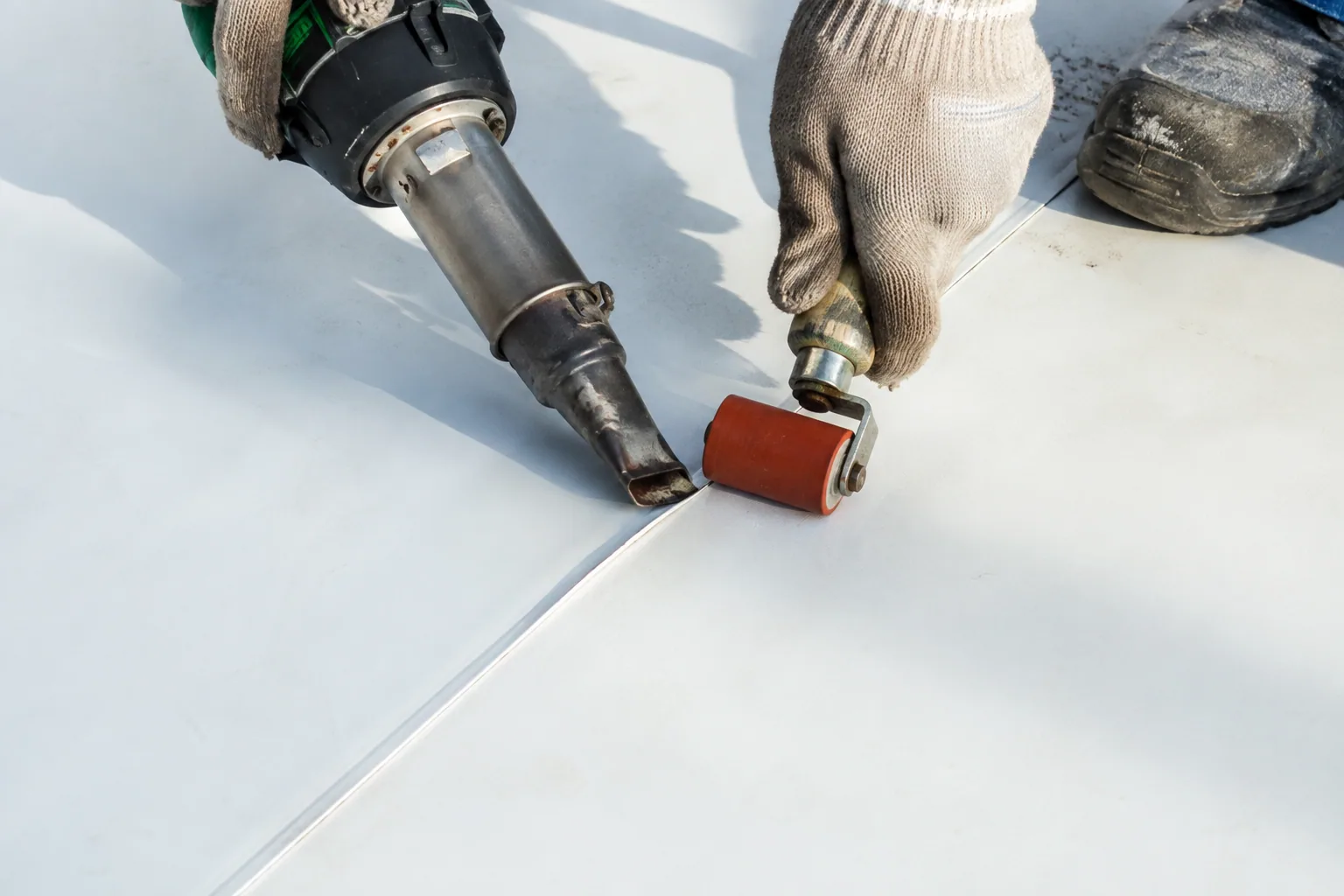
At a seam, we look for open laps, loose adhesive, a fishmouth, or a patch that has begun to pull free. The next check is the nearby drain and any curb or wall transition uphill. A roof map marks the starting point and the area reached. We photograph the defect and its relation to adjacent details before recommending a repair.
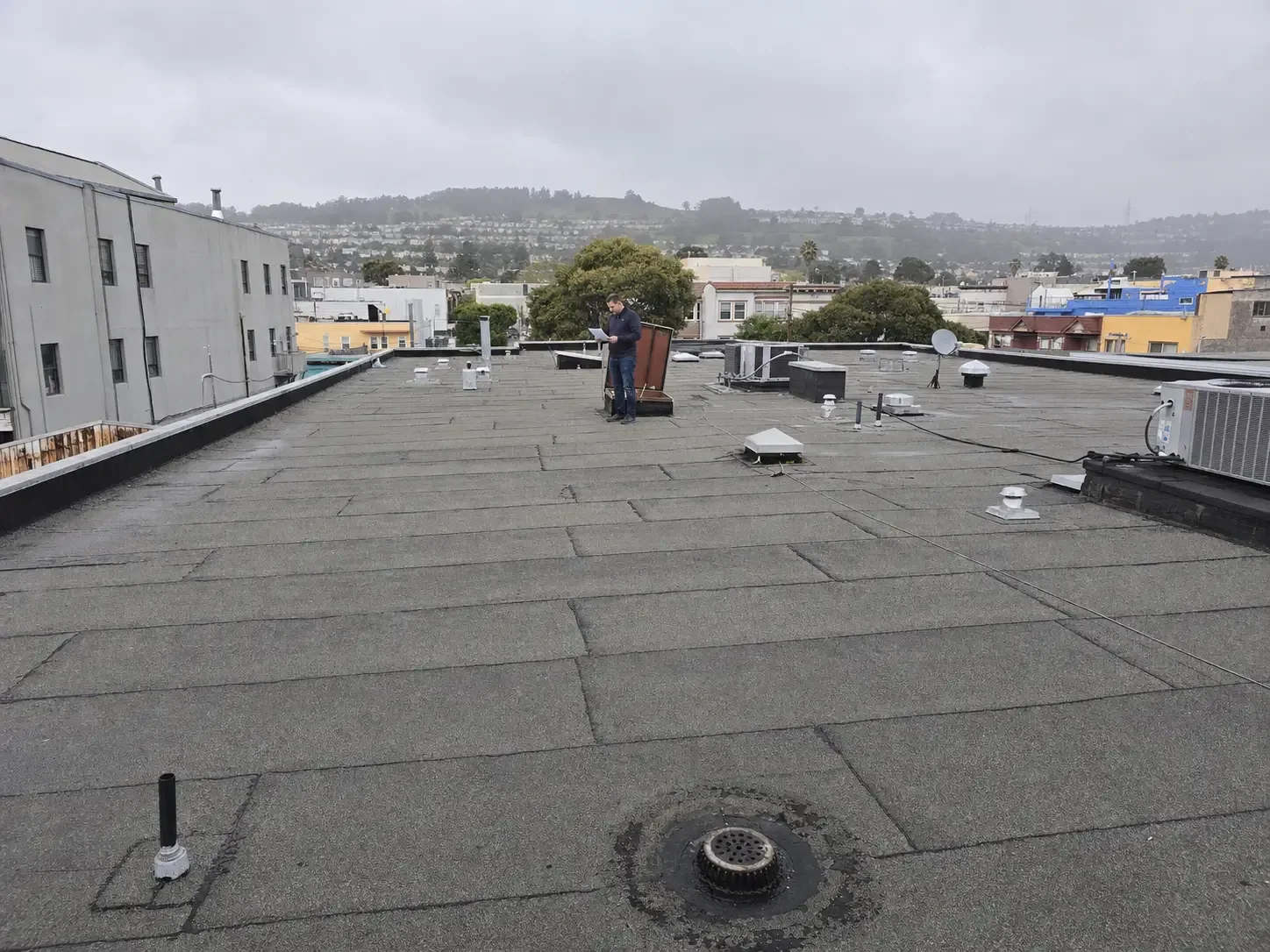
At a drain, we inspect the bowl, clamping ring, and membrane connection. We also look at the low area around it for debris, ponding evidence, or a seam crossing the flow path. A drain problem can be part of a larger detail failure, so the report distinguishes blockage from failed flashing or membrane. The repair boundary follows what we can verify.
When water appears indoors, the roof entry point may sit away from the ceiling mark. Water can travel along deck flutes or insulation before it becomes visible. We compare the interior report with roof penetrations, seams, walls, and drains that could carry water. A leak repair visit records the confirmed entry path and any area needing access or testing.
Georgetown's weather places real stress on exposed roof details. Summer daily highs at the NWS Georgetown station commonly reach the 90s, with recent records showing days above 100 degrees Fahrenheit. Heat can work on laps, sealants, and flashing as components expand and contract. We look for brittleness, separation, exposed fasteners, or a termination that no longer stays closed.
Round Rock appears in regional hail documentation. The record gives a reason to inspect after a severe storm, not a finding about Georgetown Logistics Park. We examine the surface, seams, and metal details on the property, then photograph any confirmed puncture or separation.
Hail can leave different marks on membranes and accessories. We record dents, punctures, splits, and surface abrasions separately, then inspect the related seams and flashings. A hail date by itself does not define a claim scope. Photos identify the roof area and what was visible at the time of inspection, so an owner can evaluate repair and documentation needs.
A single puncture or separated lap with sound surrounding material may be repaired locally. We prepare the surface, make the patch or seam repair, and inspect the finished tie-in. Repeated failures or moisture below the surface can change that plan. The repair scope states which conditions are included and what needs a separate decision.
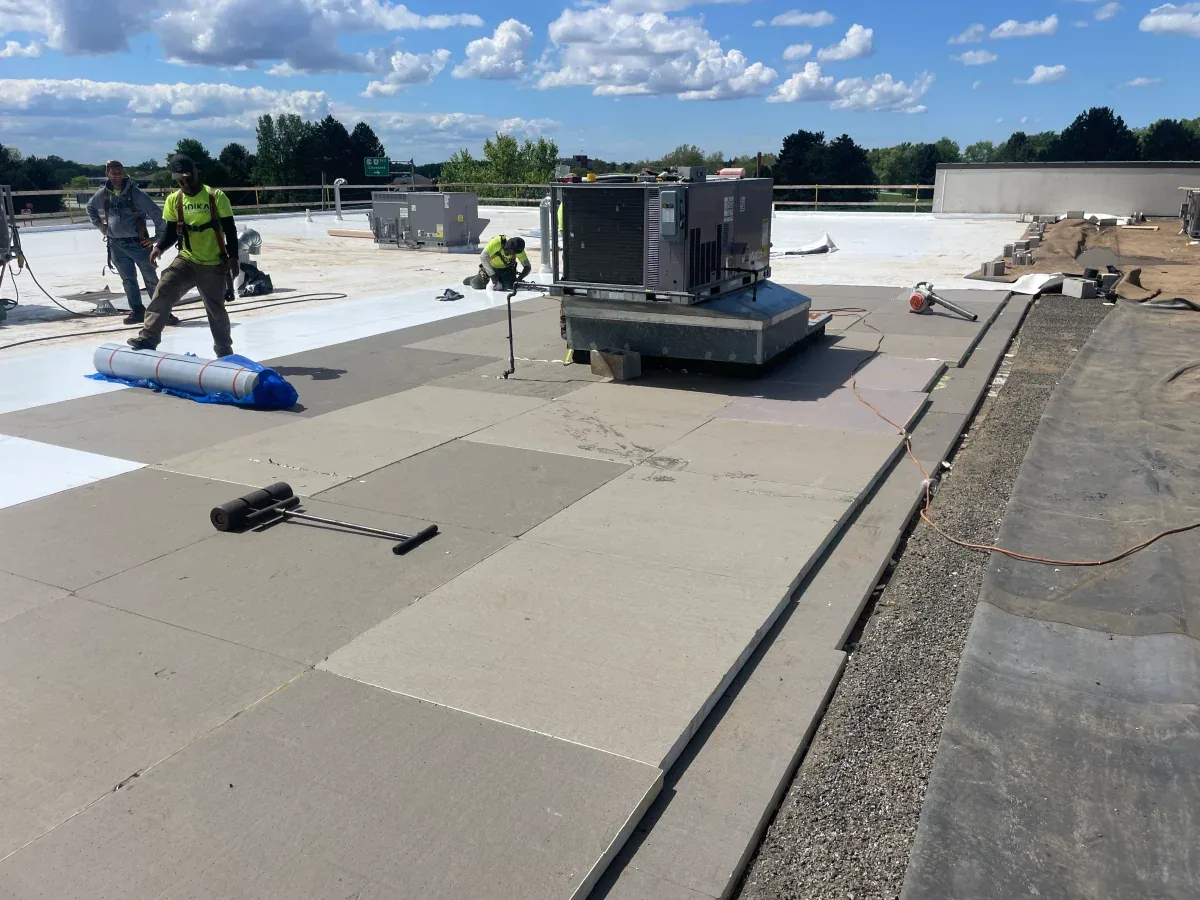
A recover is a possibility only when the existing roof and substrate support another layer. We check moisture, attachment, drainage, and flashing height first. If wet insulation or weak decking remains, covering it can conceal a failure. A recover evaluation marks required repairs and the locations that need testing before installation.
When replacement is appropriate, the scope covers tear-off or approved preparation, deck review, insulation, cover board, membrane attachment, flashing, and tie-ins. TPO, PVC, EPDM, modified bitumen, built-up roofing, and metal each use different details. We identify the intended assembly and explain how it meets the building's conditions. PVC roofing or modified bitumen still depends on correct perimeter and penetration work.
The project team should confirm the applicable existing-building and energy provisions during design review. Georgetown adopted the 2021 IEBC, and state guidance cites the 2015 IECC for commercial and industrial work, subject to local changes. We use the approved roof detail to coordinate attachment, flashing, and weather protection.
Before mobilization, we confirm the building contact, route to the roof, loading window, staging point, and any area that must remain open. I-35 and SH 130 are the principal regional highway spines serving Georgetown's industrial development areas. They help explain the market's connection, but site logistics depend on the property's approved entrance and work rules.
For a roofing project, current drawings, site access, and construction phase set the work sequence with the general contractor.
Related industrial work in Berry Creek Business Park receives its own roof map and inspection record. A portfolio owner can set a common reporting format, but findings, repair scopes, and photos stay with the building inspected. Each building gets its own inspection map, findings, photos, and access notes.
A written condition record identifies each observed issue, its map reference, a photo, and the next recommended action. We note if an area was inaccessible or if a material could not be confirmed visually. That gives the owner a clear distinction between a verified defect and a question for further testing.
For a repair, the handoff shows what was patched, which seam or flashing was tied in, and what remains open. For a replacement, it can track substrate review, insulation, cover board, attachment, and final details. A roof condition report preserves the baseline and helps the next trade understand the work boundary.
Recurring maintenance can revisit drains, seams, penetrations, and prior repairs. Inspection notes should distinguish routine wear from new damage and identify which item needs attention first. An owner can use roof asset records to track work across Georgetown properties while keeping each address and map linked to the correct building.
At each stopping point, we confirm temporary protection and identify the next hold point. The closing walk checks finished seams, flashing, drains, and the boundary included in the work. We remove debris and leave a written note for any follow-up or other trade.
For projects with phased construction, the roofing crew and general contractor need a clear tie-in between completed and upcoming areas. We mark where the membrane stops, what weather protection remains, and which surface must be ready before the next installation. A phased reroof plan can keep the sequence legible while the building remains active.
Send the park or building location, roof area, access window, and site contact to request a walk. Include the reported leak or project stage if known. We will confirm the route and set the first work boundary. For urgent water entry, our response is available any hour, all week, holidays included.
No. We confirm the roof assembly, access, and work boundary at the property.
We check the lap, nearby edge or penetration, and drainage path, then mark the inspected area on the roof map.
Yes. We use current plans and site access to set the boundary and dry-in sequence.
Photos map punctures, displaced details, open seams, and areas needing tests. A date alone does not establish damage.
Wet insulation, weak substrate, failed attachment, or unresolved drainage can make covering the existing system unsuitable. We check those conditions first.