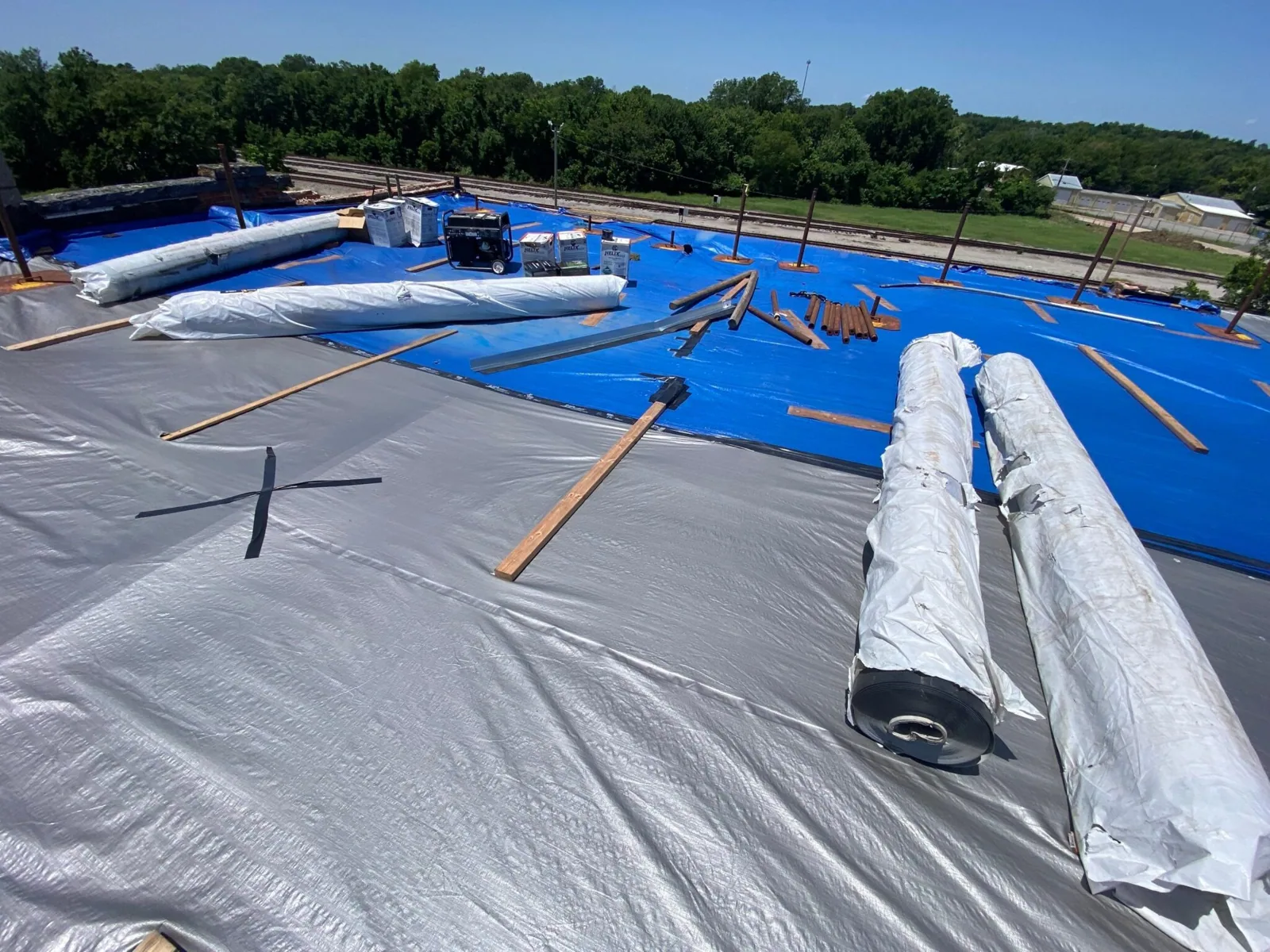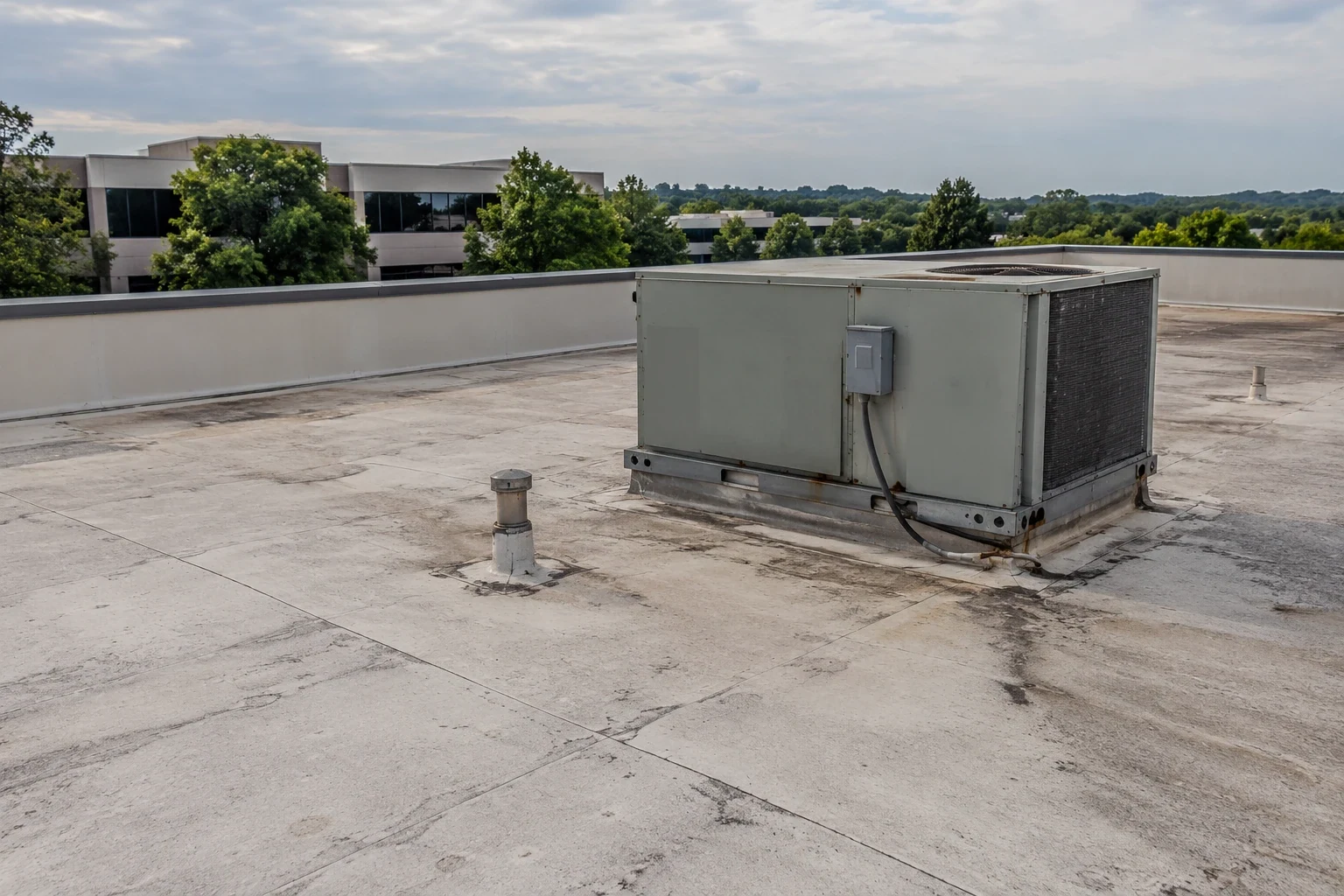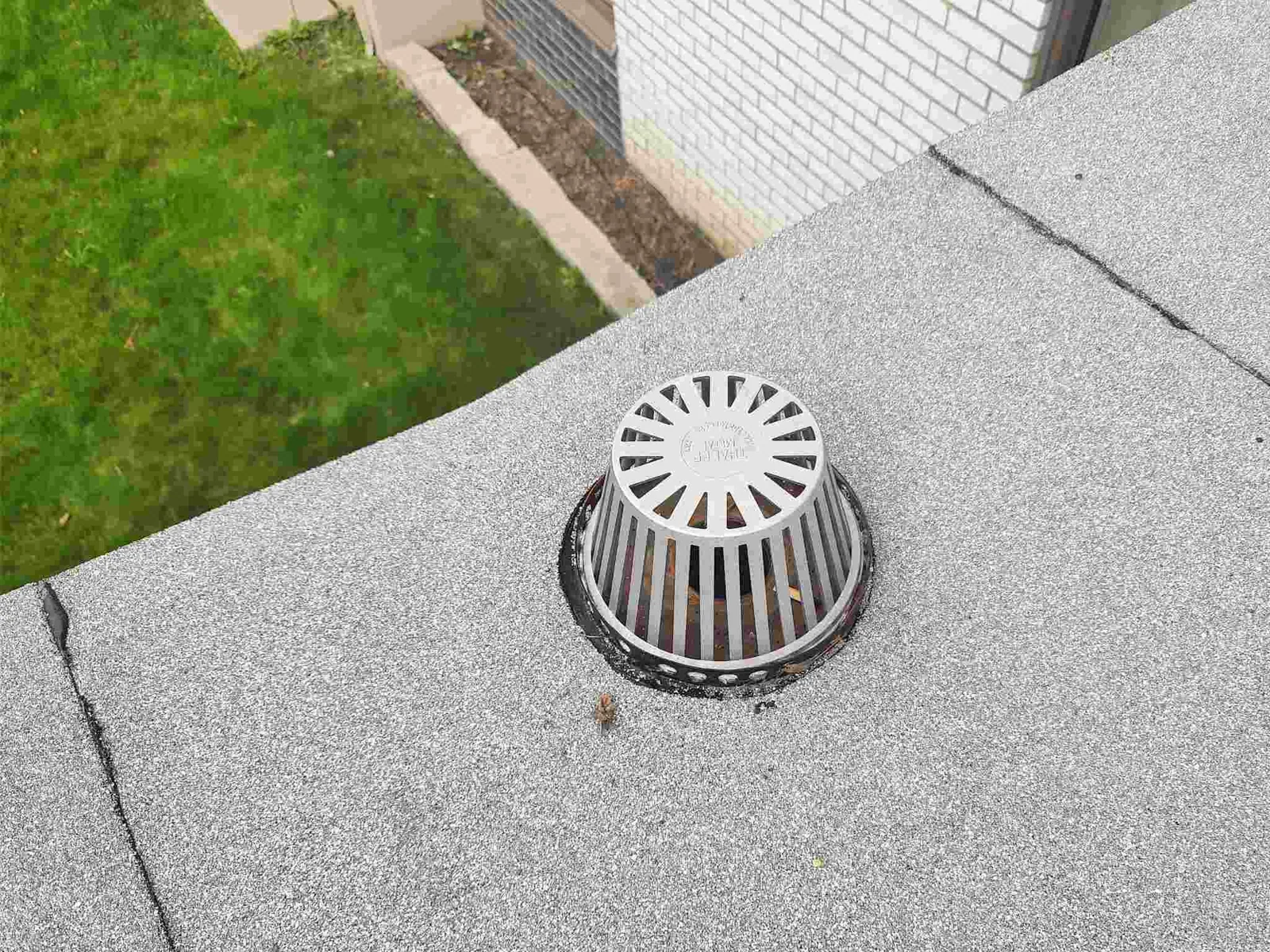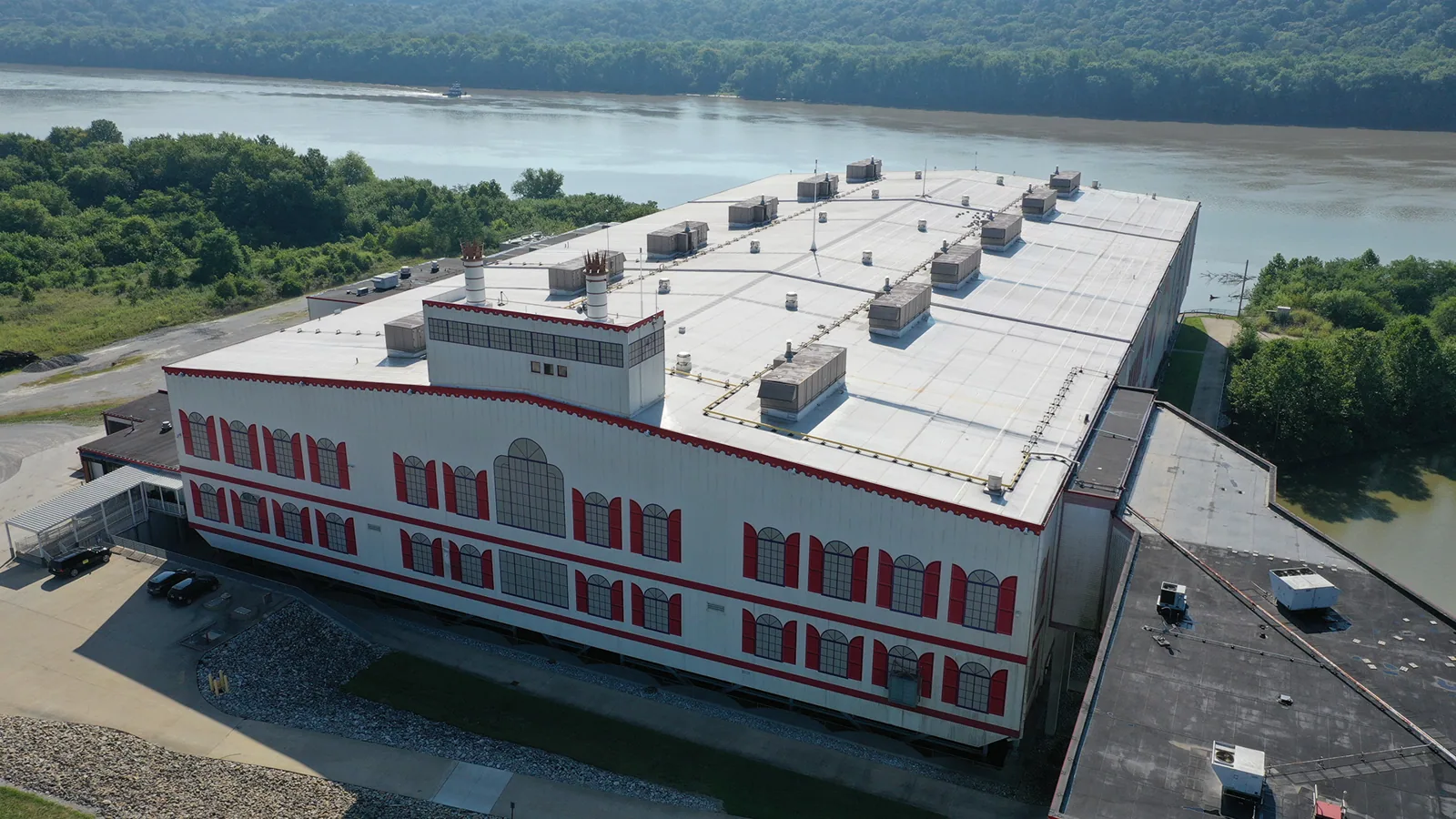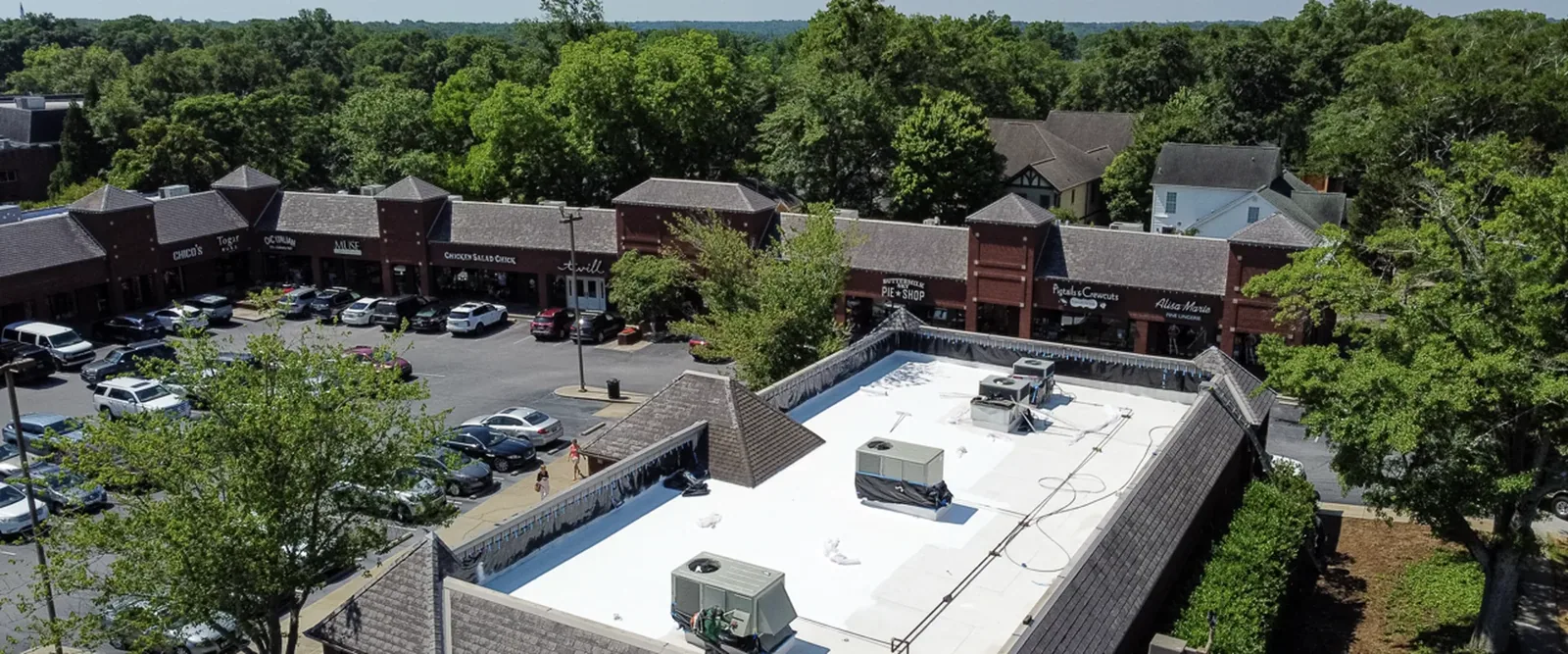
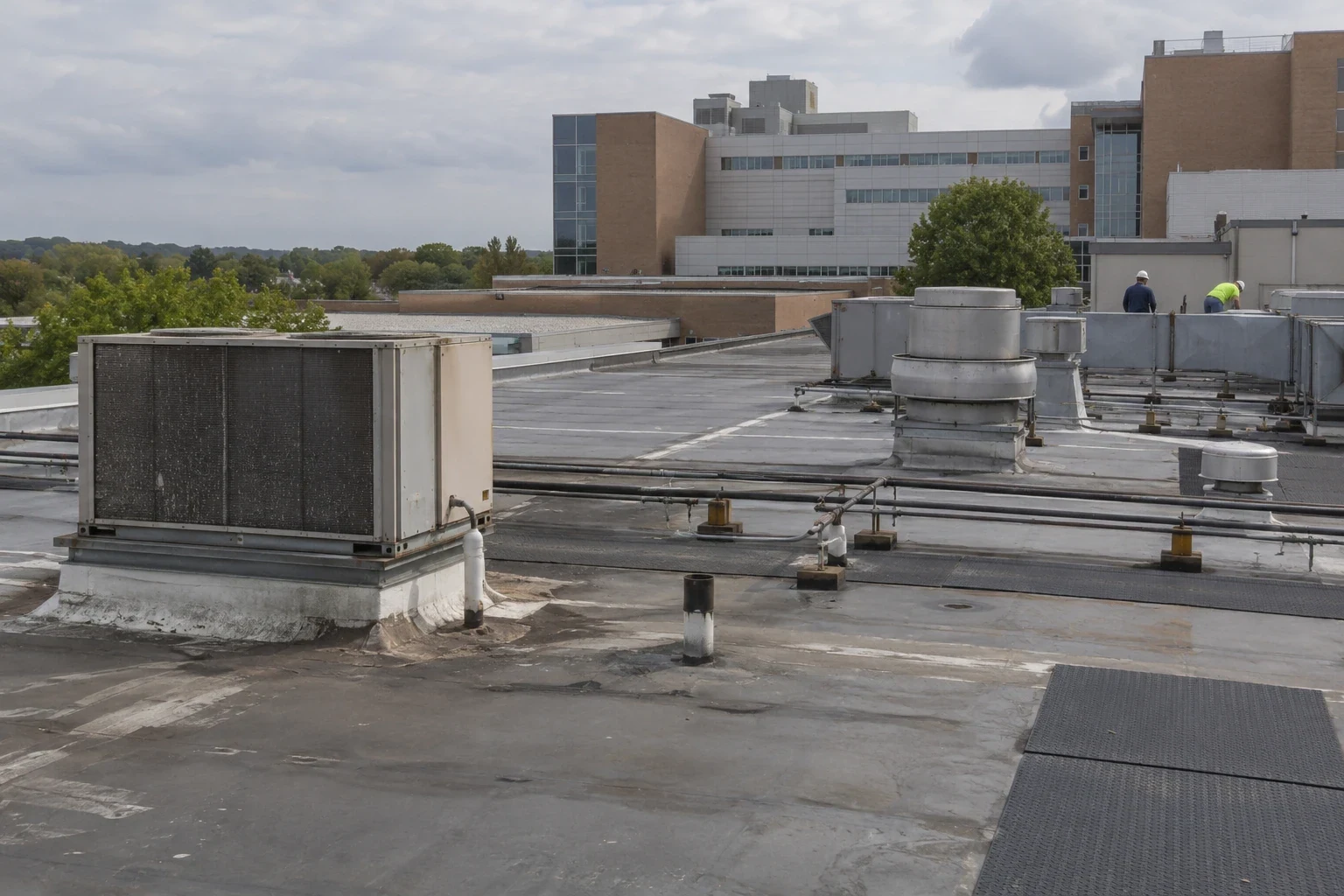
A lifted curb flashing above an active care area needs a controlled inspection. We start at the equipment curb and trace the nearby seam. The roof map marks the patient or service zone below. It also identifies the access route and hold point. That gives facilities and the general contractor a shared work boundary.
Health systems may operate hospitals, clinics, labs, and administrative buildings. Each building has different access rules and service dependencies. We record each roof separately. Patient care and equipment operations remain part of the sequence. A condition at one clinic does not describe another campus.
Round Rock employers include health care among several major sectors. Temple’s employment base includes medical services alongside distribution and manufacturing, extending the region’s health-care and logistics mix. Georgetown heat, hail, and tornado exposure make the on-site roof check the basis for any repair scope. Our commercial roof inspection sets the initial route and condition record.
We identify rooms, entrances, and service areas beneath each roof zone. The facility contact sets access rules and required notifications. The crew confirms where materials can stage and how people move below. We keep the daily work line visible. An area outside that boundary stays closed to roofing activity.
A leak can affect ceiling systems, equipment rooms, or occupied care areas. We map the reported location before opening the roof. Interior protection and temporary dry-in are documented separately. When exposure cannot wait for a scheduled inspection, call for an emergency response. We record the stabilization and still arrange follow-up to identify the permanent repair.
Keep water-control notes with the affected floor and room. Facilities can then notify environmental services, nursing leadership, or equipment staff using the same location reference. We document whether the roof opening was exposed, temporarily covered, or permanently repaired. That status helps avoid a gap between the roofing visit and the next clinical shift.
Clinic and hospital schedules can restrict noise and equipment shutdowns. We confirm those windows with facilities staff before mobilization. If the work affects air intakes or exhausts, the interface goes on the roof map. The project team can then coordinate infection-control procedures and mechanical review. The roofing scope stays clear about what each trade owns.
A health system may have several buildings under one facilities group. We list the roof area, hatch, escort, restricted equipment, and contact for each location. The access route should avoid patient transport paths and emergency lanes. We mark areas that cannot be reached safely. The report does not extend findings into uninspected zones.
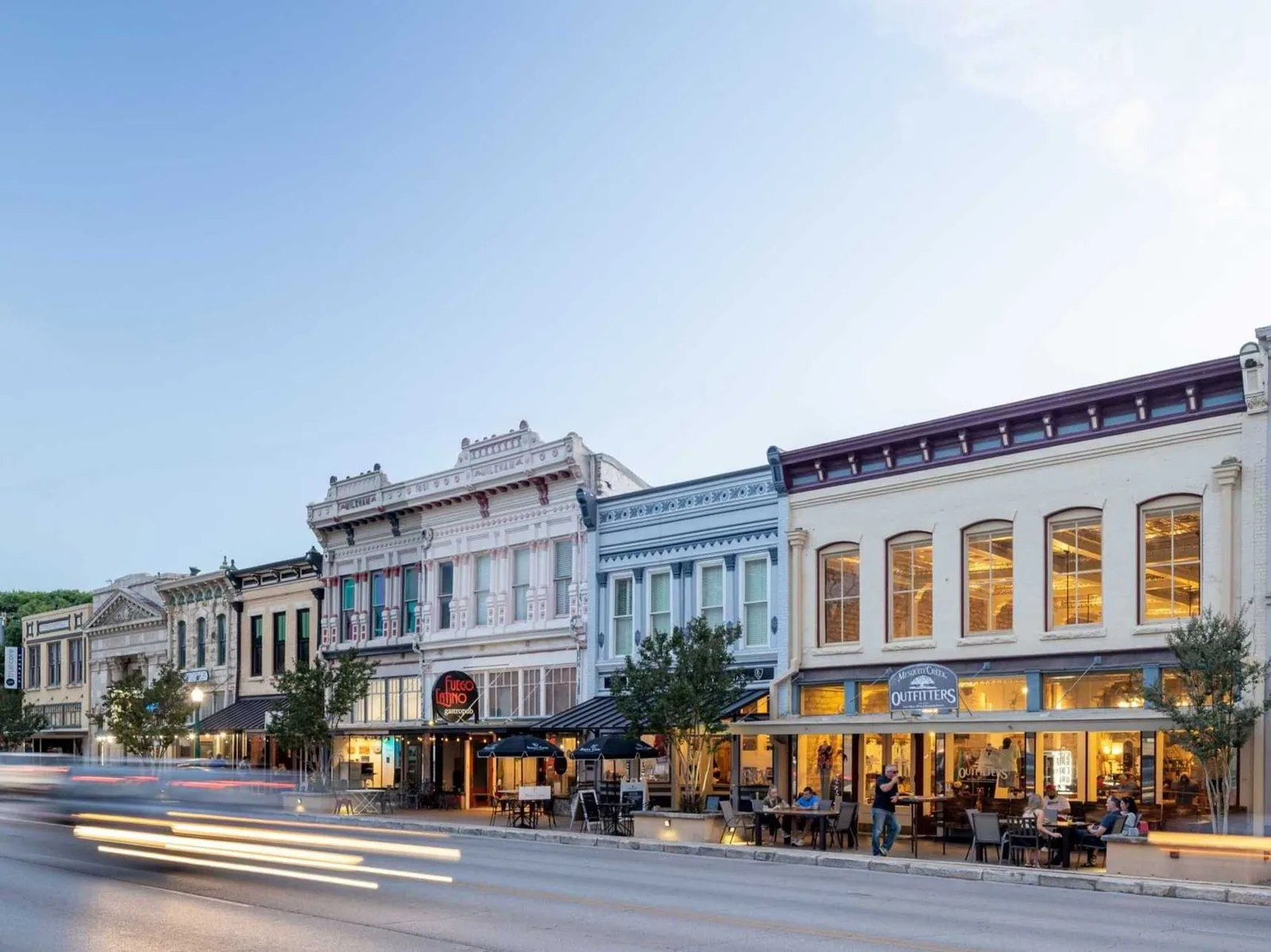
At Berry Creek, the commercial park's industrial tenants occupy several buildings close to I-35 and SH 130. Downtown Georgetown combines civic, commercial, county, and residential use around its courthouse square. In the courthouse district, occupied civic and commercial uses can require a controlled access route and a short work window. The actual hospital or clinic route must be confirmed on site. A downtown-area roof walk still follows the building's own entry rules.
For multiple sites, the system can group work by care function and access window. A hospital wing may need a different sequence from an outpatient clinic. We identify tie-ins, fire lanes, lifts, and staging before setting each phase. The owner sees which roof zones can proceed and which remain on hold. A property management team can use the same map if sites share an operating manager.
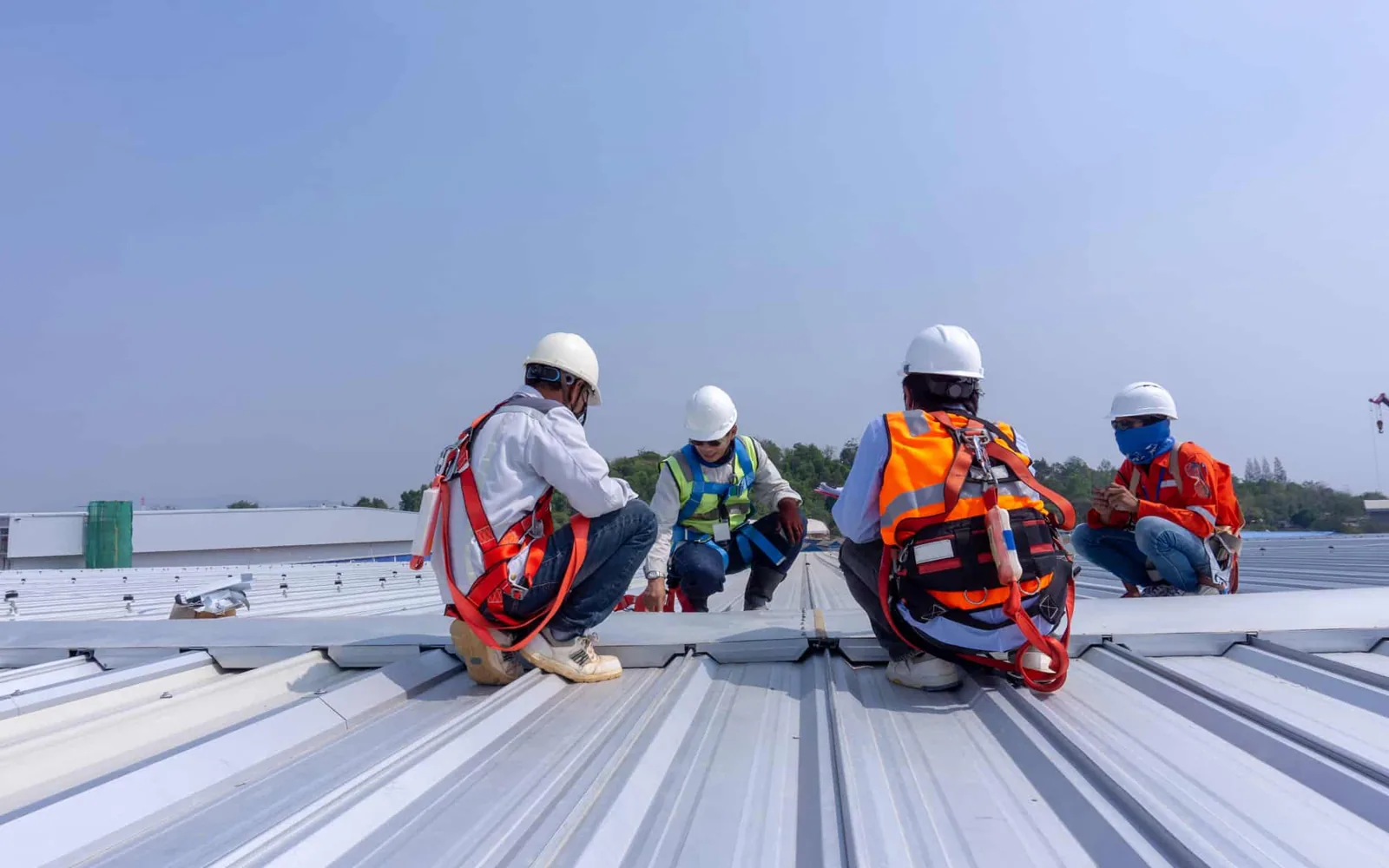
Roof access during Georgetown's hottest months requires attention to surface conditions and safe shift length. Recent Georgetown summers have included multiple days above 100°F. Heat affects sealant handling and how long a crew can remain on an exposed roof. We inspect actual seams, flashings, and curb transitions. The roof surface, material limits, and crew safety set the work window.
Hail affects the Austin and San Antonio forecast area, with reports that include Round Rock. Severe weather in spring 2022 crossed Williamson County between Round Rock and Granger. After severe weather, we document visible punctures, displaced metal, and water entry by roof zone.
Drain bowls, scuppers, and overflows need direct inspection. Water movement can affect occupied areas even when a roof field looks sound. We mark debris, standing water, and the route to each outlet. If a drain change intersects a mechanical zone, we coordinate the tie-in before work. A drain review can define that scope separately.
A localized repair may address a seam, curb, or flashing when nearby material remains serviceable. Moisture across several zones may call for testing before replacement. For a care campus, the recommendation also has to protect clinical access and equipment. We define how the proposed repair ties into existing material, then document which concealed finding would change the treatment.
We record who releases the hold point and when the next trade can enter. The handoff includes the roof zone and any temporary protection. That keeps an open condition from being treated as a closed work area.
Clinical access, equipment protection, noise limits, staging, and temporary dry-in can affect schedule and cost. Georgetown applies its 2021 International Existing Building Code to existing-building work. Texas SECO's commercial energy reference is the 2015 IECC, subject to local changes and project review. The design team confirms applicability. We identify the roof transitions that need its decision.
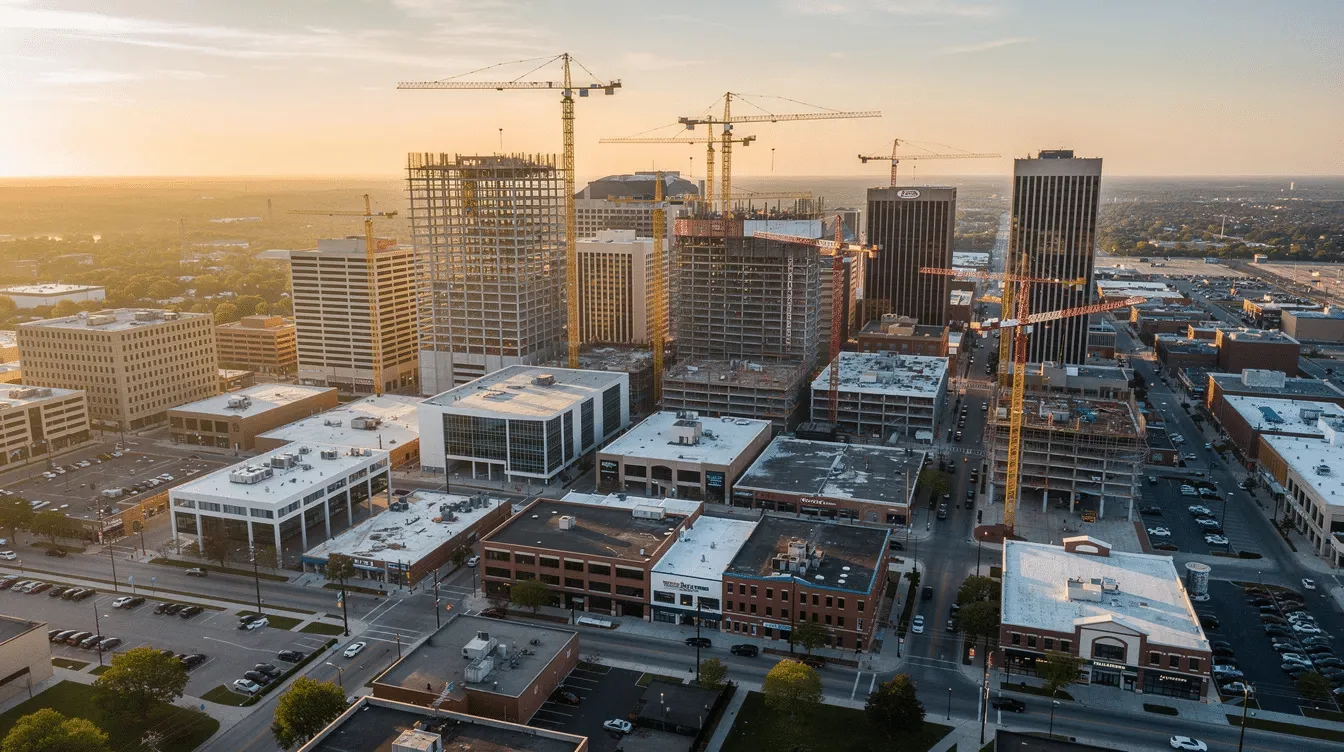
NorthPark35 and Georgetown Logistics Park are industrial areas slated for added business and building capacity. They provide local context for expanding commercial construction, not a healthcare site claim. For active care campuses, we still base the work window on the facility contact. A phased reroof sequence can mark work zones, clinical interfaces, and tie-ins. A temporary dry-in response remains separate from permanent scope.
At closeout, we return the roof map with photos, repair limits, materials, and the zones that remain uninspected. The facility receives a status for each open hold point. That record helps a day shift pick up the work. It also gives the next crew a safe access route. No one has to infer which curb was repaired.
A general contractor may need to coordinate mechanical, ceiling, and infection-control work. We identify the roofing tie-in and who confirms each adjacent trade. The GC handoff can use the same marked boundary. A roof condition report keeps findings available for the next capital review.
Send the roof area, access window, and facilities contact before the walk. Include any restricted zones and equipment shutdown rules. We will confirm the inspection route and first hold point. The handoff will show what is ready and what needs review before mobilization.
We confirm the access route, patient areas below, equipment restrictions, and work window. Then we inspect the defined roof zones and mark any hold point before opening the assembly.
Often, if the site approves a separated work zone and safe route. We coordinate noise, staging, dry-in, and equipment interfaces with facilities before setting the sequence.
Protect the area under facility procedures and report the room and timing. We map the roof above, document temporary work, and define the permanent inspection or repair step.
No. It supplies regional context. We document actual roof impacts, openings, and water entry at the facility before assigning a storm-related work boundary.
Keep the roof map, access restrictions, photos, repair limits, hold points, and trade interfaces. Facilities can use the same record across shifts and future inspections.