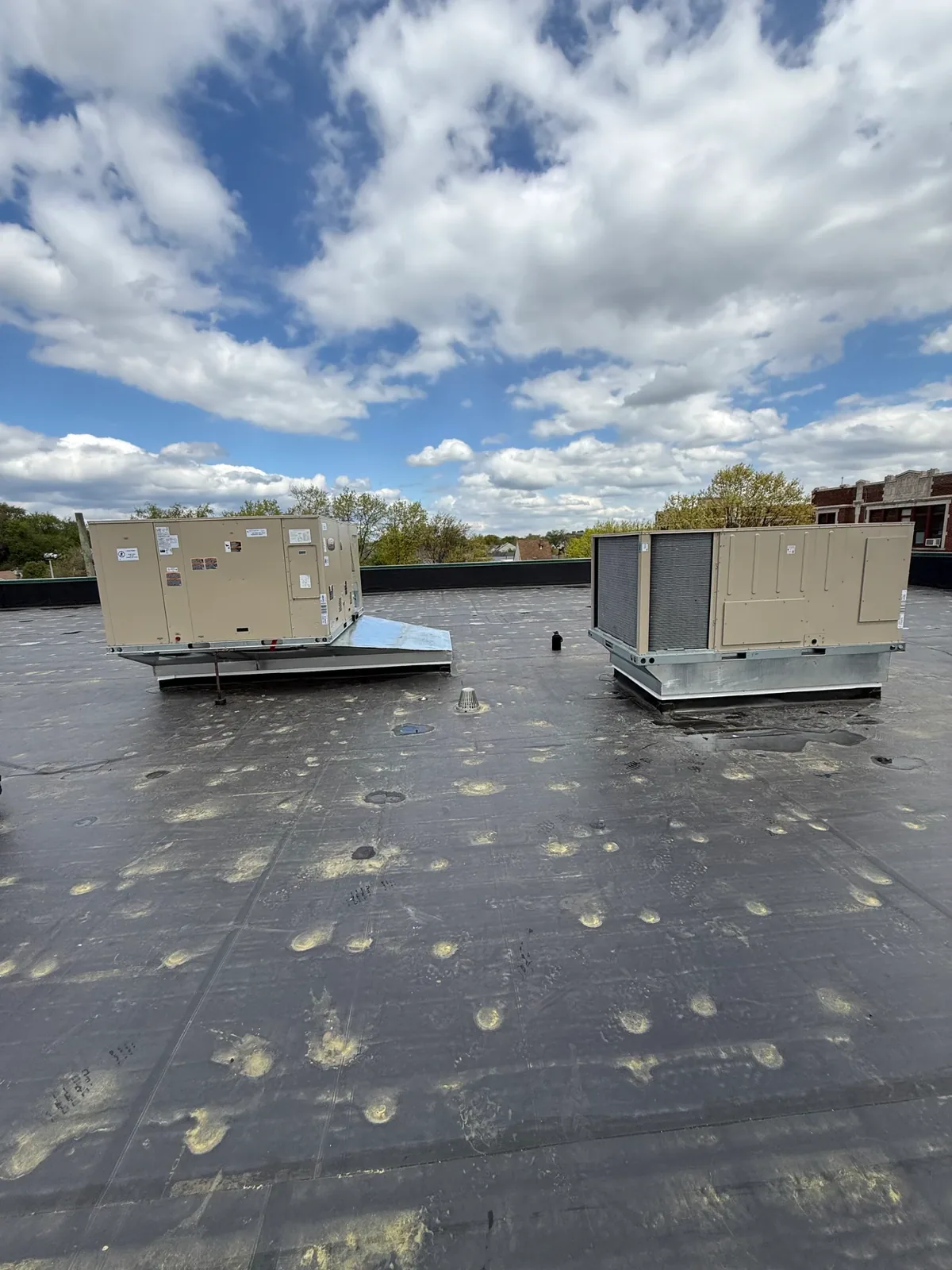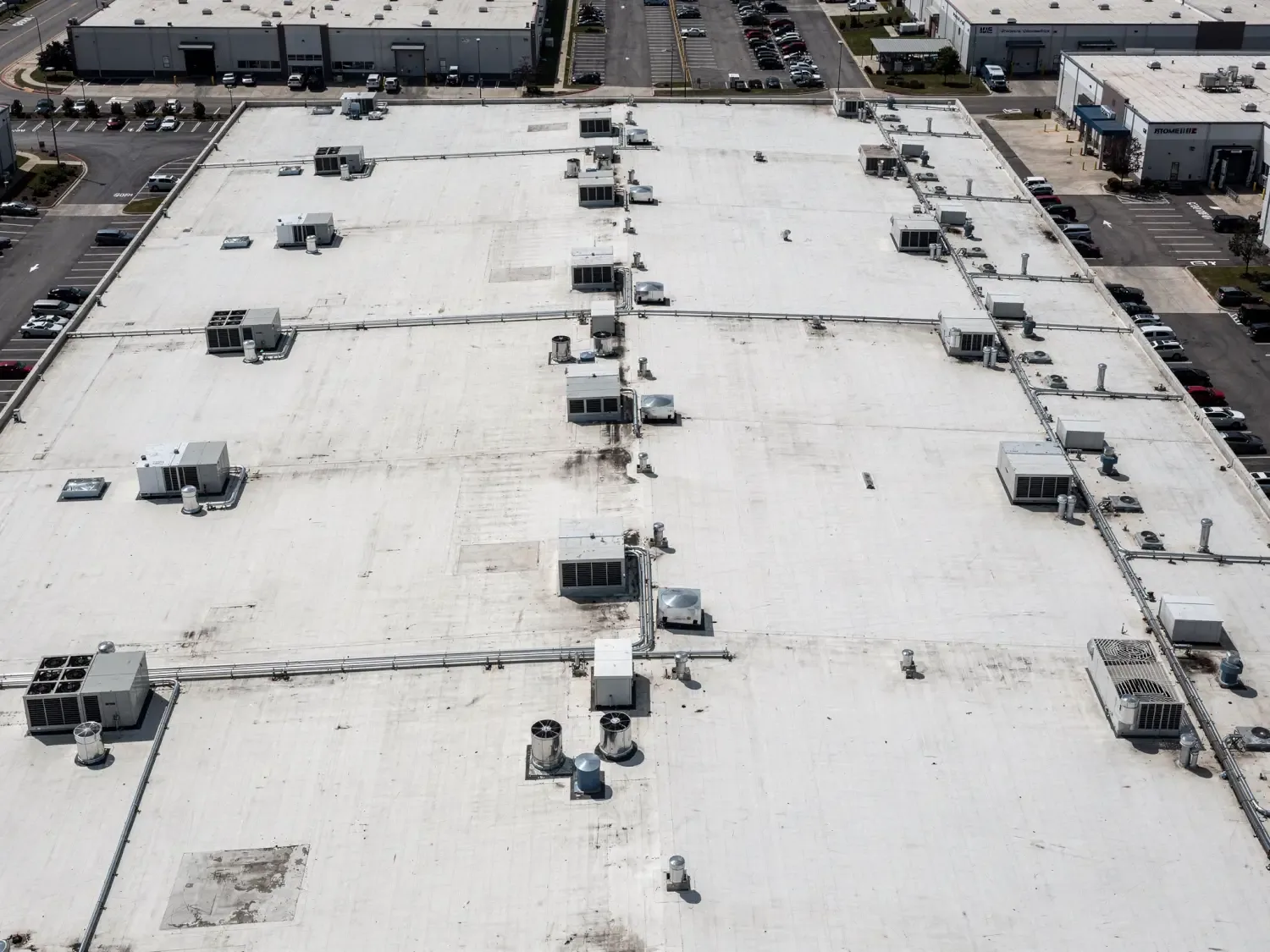
A loose flashing termination near a rooftop unit needs a controlled inspection. We start at the curb, check the membrane transition, and trace the seam without disturbing adjacent equipment. The roof map records the affected zone and approved access route. A data center has operating areas with different access rules. We confirm those limits with the facility contact before setting a work boundary.
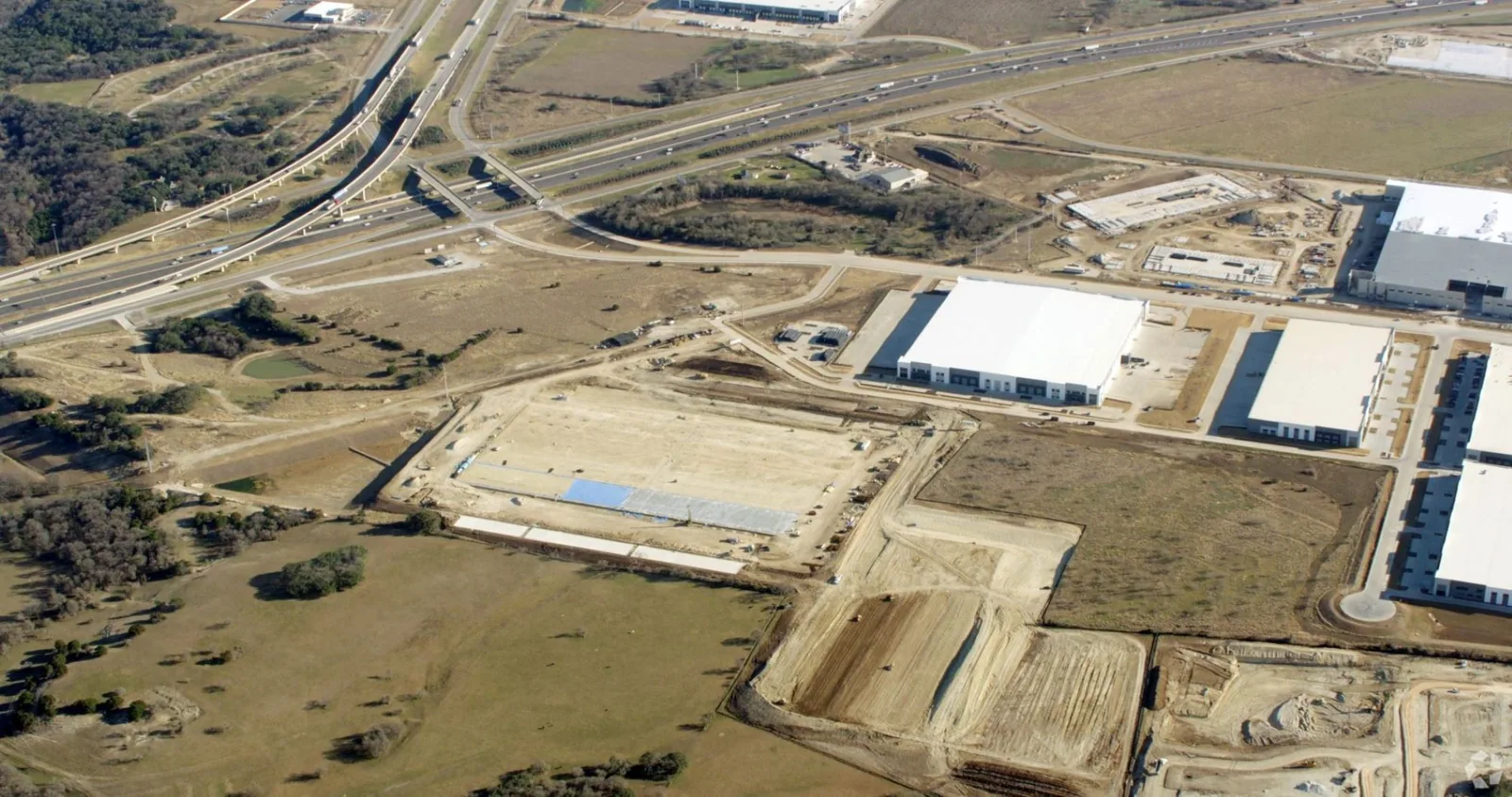
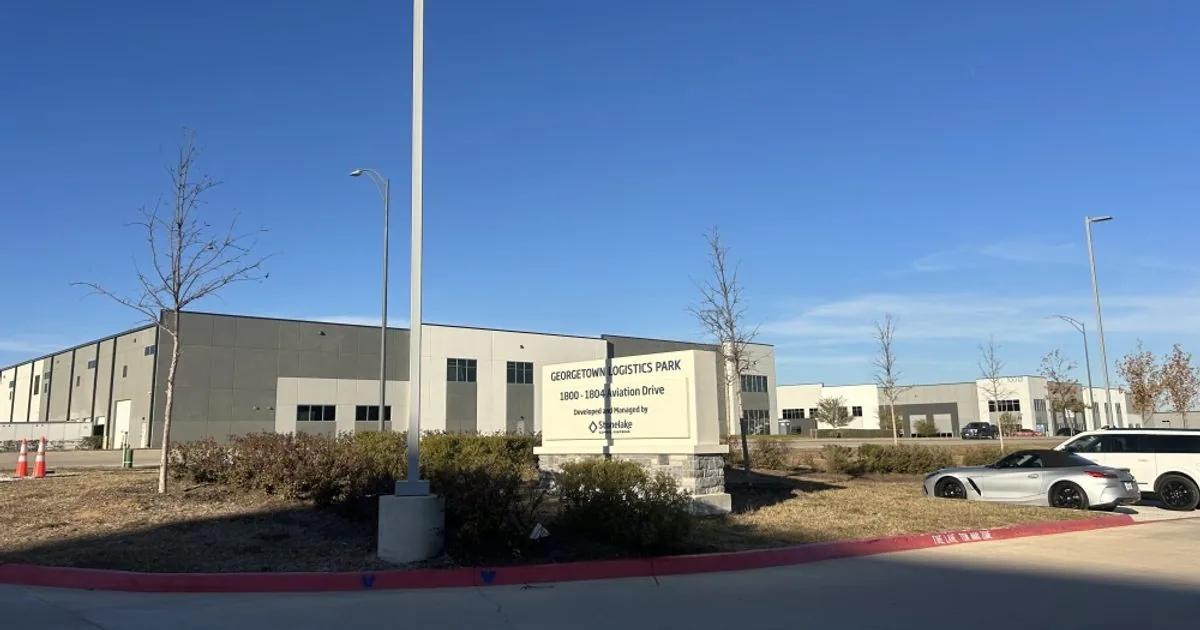
NorthPark35 and Georgetown Logistics Park are Georgetown industrial growth areas with utility extensions planned for additional businesses and speculative industrial buildings. The roof assembly, uptime requirements, and access controls at the facility set the work sequence.
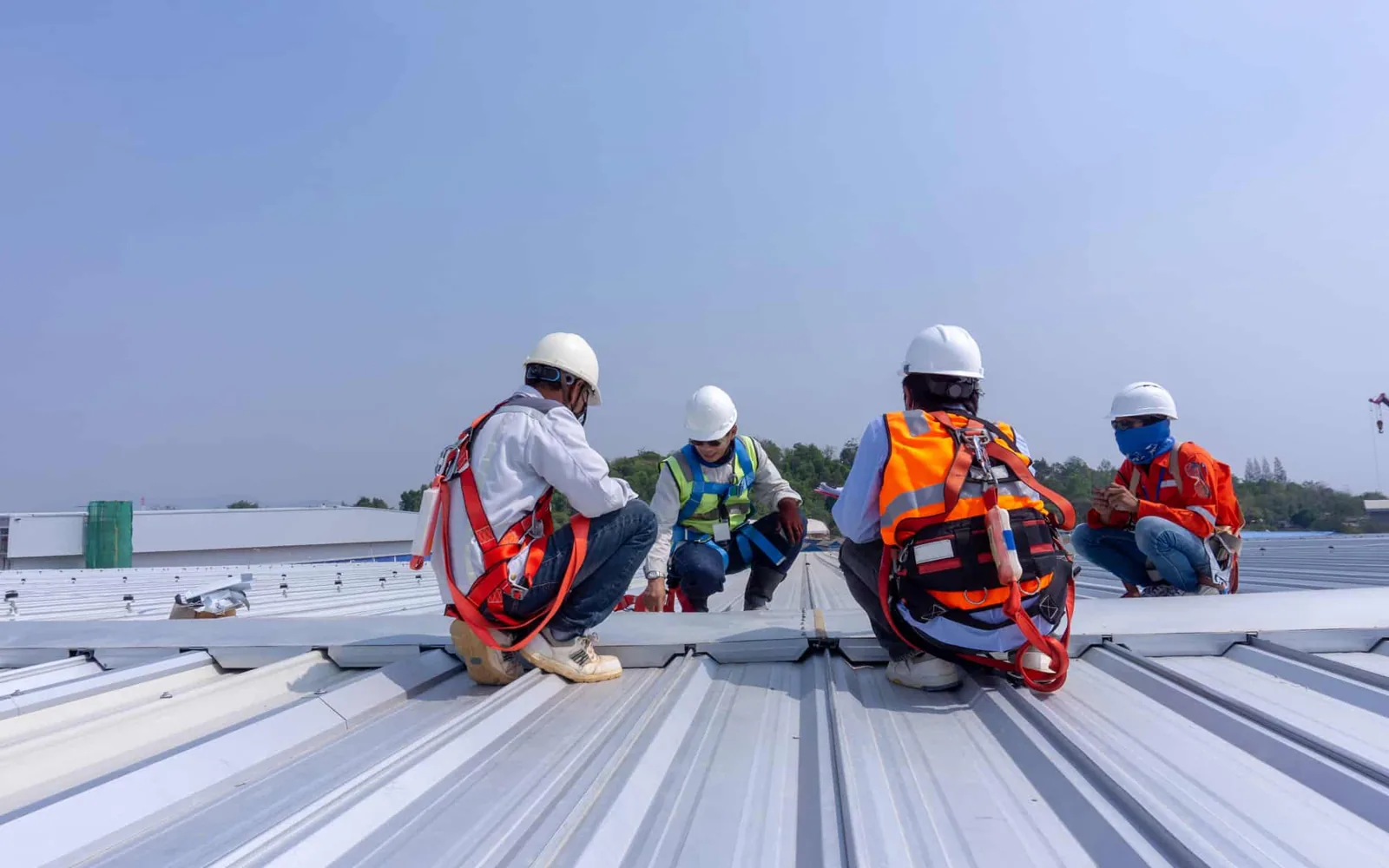
Before the roof walk, we confirm sign-in, escort requirements, approved ladders or hatches, equipment clearances, and any restricted zones. The facility identifies areas that cannot be photographed or entered. We record only the roof information authorized for the project. If a section is inaccessible, the report says so rather than treating it as inspected.
At each curb, conduit support, intake, and exhaust, we look for split flashing, movement, open sealant, and membrane stress. Rooftop equipment service can disturb nearby details. We note the connection and any trade interface that needs coordination. A drain or scupper near a critical equipment area receives its own check for debris, standing water, and access obstruction.
Interior reports can help narrow an inspection, but roof water does not always appear directly below its entry. We compare the reported area with field seams, penetrations, drains, and wall transitions. The map ties each observation to a roof zone. A hands-on inspection can separate a confirmed opening from a suspected path before repairs are priced.
A data-center roof often carries multiple penetrations and service routes. We identify the membrane, visible insulation, cover board, deck where known, and attachment before recommending a repair. Existing records may not reflect later equipment changes. We mark current curb locations and compare them with available plans so the next trade can find each tie-in.
Moisture screening can support that review, but an infrared image alone does not prove wet insulation. We compare temperature patterns with operating conditions and nearby roof zones. If the project authorizes a test opening, we document the assembly and close the opening under the approved detail. The opening becomes a hold point until the condition is confirmed and the next step is approved.
A seam split beside one curb may be repairable when surrounding materials accept a sound tie-in. Repeated leaks, broad moisture, failed attachment, or damaged deck can change the scope. We distinguish urgent protection from permanent correction. A targeted curb and equipment-support review can coordinate the roofer's work with mechanical service while leaving equipment controls to the responsible contractor.
Summer station observations for Georgetown place usual highs in the 90s, with recent readings above 100°F. For a data center, the crew checks roof-surface conditions and equipment restrictions before setting a work window. Heat affects safe access and product handling. We check the installation instructions before setting an opening and preserve the temporary tie-in until permanent work is complete.
One documented 2022 tornado began near the Round Rock I-35/TX 45 junction, crossed Williamson County, and tracked toward Granger. That regional event makes post-storm checks of edges and equipment useful. We inspect seams, curbs, rooftop units, and drainage, separating impact marks from maintenance wear.
Rain protection has a tighter coordination need when sensitive operations are below. We define opening size, dry-in method, drain path, and stop point before removal. The facility contact approves the work window. If forecast or field conditions change, the crew stops at a protected boundary and records the handoff.
Roofing may overlap with HVAC, electrical, controls, security, or generator work. We identify which equipment can remain in service and which trade must release a curb or support before flashing proceeds. The roof scope does not include disconnecting or moving critical equipment unless expressly authorized. The facility's change-control process governs access and outage decisions.
We coordinate lift position, material staging, debris removal, and roof traffic with the site lead. No delivery route is assumed from the highway map. Georgetown is served by I-35 and SH 130, and the city identifies an industrial growth area around NorthPark35 and Georgetown Logistics Park. Those facts help frame regional movement; the facility supplies gate instructions, escort needs, and delivery windows.
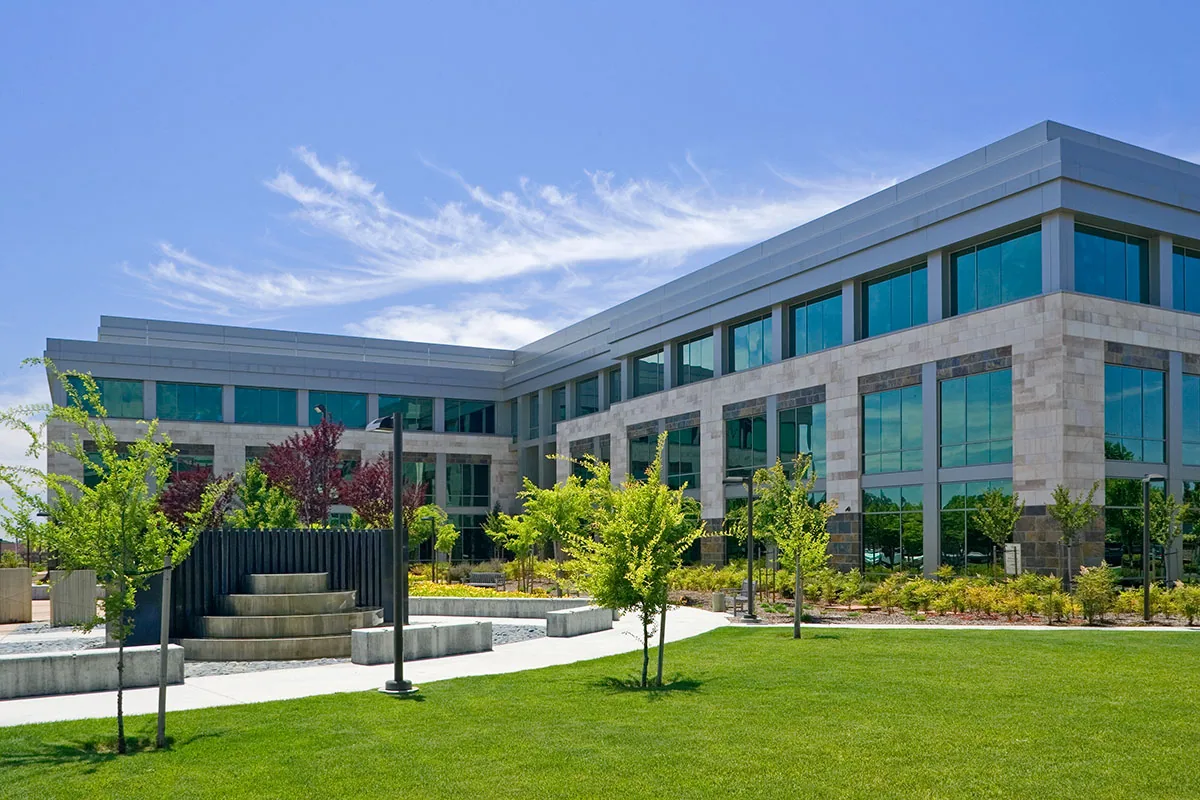
For phased work, we divide the roof into sections with inspection, protection, and closeout points. A shift ends at a defined dry-in boundary. Any area waiting for an equipment trade remains identified and protected. For a different facility profile, an office roof project also needs a clear trade sequence.
Localized repair can fit when the defect is clear and surrounding membrane, insulation, and deck remain suitable. We prepare the surface, restore the flashing or seam, and inspect the tie-in. If an opening reveals wet insulation or compromised deck, we photograph it and stop at the agreed hold point. The owner or general contractor reviews added work before the boundary moves.
Replacement planning accounts for roof layers, attachment, insulation, drainage, perimeter details, equipment curbs, and project requirements. A replacement evaluation should show removal limits, temporary protection, system build-up, and inspection points. Recovery is considered only if the current assembly passes moisture and attachment checks, and the design can manage load and transition height.
A data-center plan may specify PVC or TPO over cover board; the deck, drainage, penetrations, and facility criteria determine the build-up. Georgetown's adopted code for existing-building work is IEBC 2021. Texas commercial energy guidance points to IECC 2015, subject to local amendments. Approved project documents set the permit details.
The closeout package can include a roof map, photos of completed transitions, tested seams, drains, and the final dry-in handoff. It lists access restrictions, areas not reached, and any condition reserved for another trade. We identify which penetrations were included and which stayed outside the scope. That prevents later service work from treating an uninspected detail as completed.
For an industrial building near Georgetown's I-35 and SH 130 corridors, regional road access may help with deliveries, but building-specific controls still determine the route. We follow the facility's approved handling and escort rules. The facility contact supplies the equipment inventory, security procedures, and approved delivery windows. A manufacturing plant roof has its own production constraints and trade handoffs.
Send the roof plan, access protocol, equipment contact, reported leak zones, and general-contractor lead. We can confirm the walk, define photography and staging limits, and set the first hold point. Emergency response is available around the clock, including holidays. Permanent repairs follow the verified roof condition and facility-approved sequence.
That depends on the facility's approved access and equipment rules. We coordinate with the facility lead and mechanical contractor, then define a roof-only work boundary. The facility controls outage and change approvals.
The report identifies the area, reason for the limit, and any related observation visible from a safe location. It does not count an inaccessible zone as inspected. The facility can approve another access window if needed.
No. It can flag areas for verification. We compare the image with operating conditions and confirm suspect layers through authorized testing before changing the repair scope.
We map each curb, identify the responsible trade, and sequence flashing after the equipment interface is ready. The scope shows which details are included and which require mechanical coordination.
Include completed zones, photos, tested seams, curb transitions, access limits, open items, and the final dry-in boundary. The record should distinguish inspected work from areas outside the approved scope.