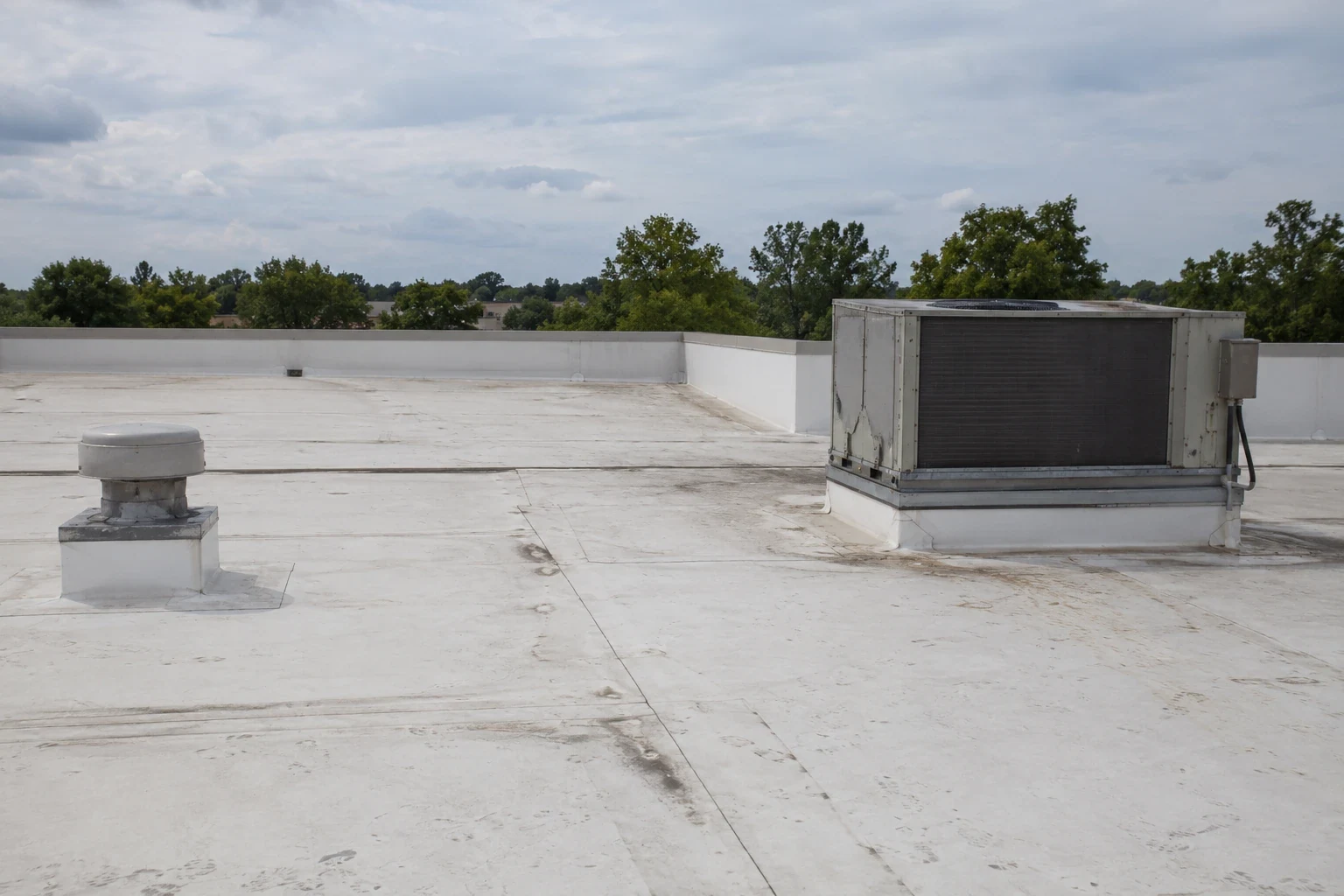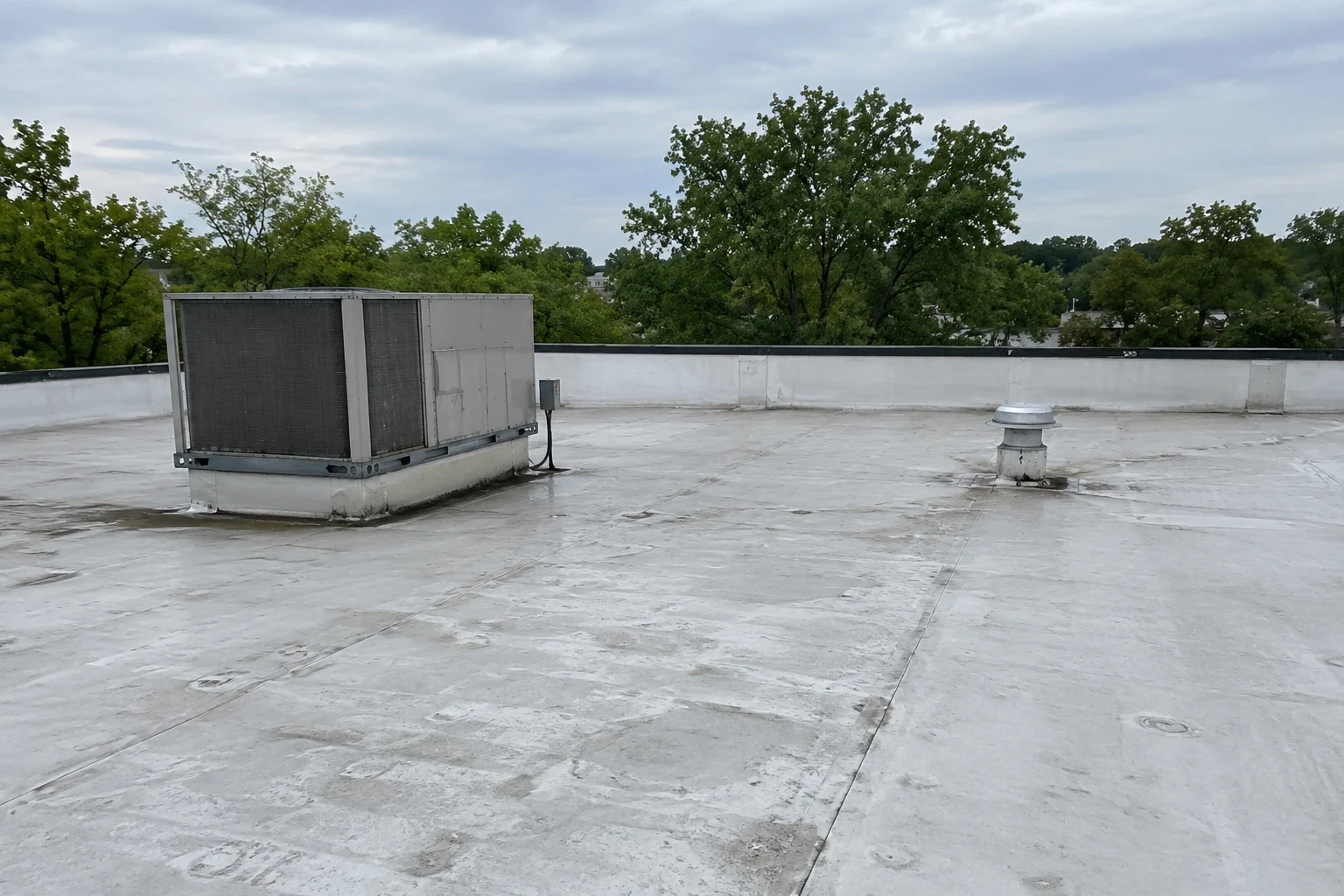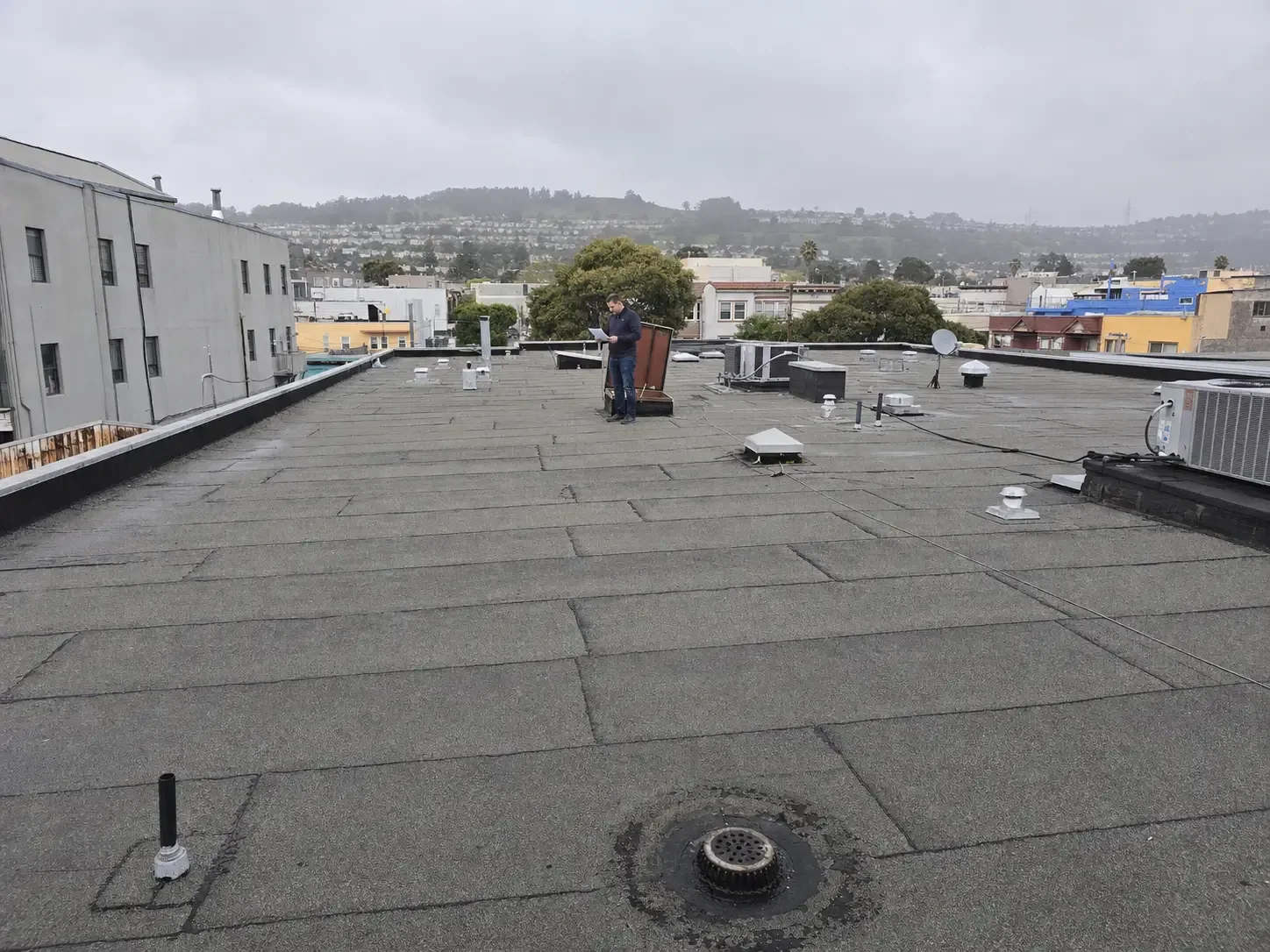
A split seam, loose metal lap, or wet test area tells us more than a product label. We identify the assembly, check its transitions, and mark where a repair can tie into sound material. Commercial roofs in this market can have low-slope membranes, built-up layers, coatings, or metal systems. The roof map records what is present before a material recommendation is made.
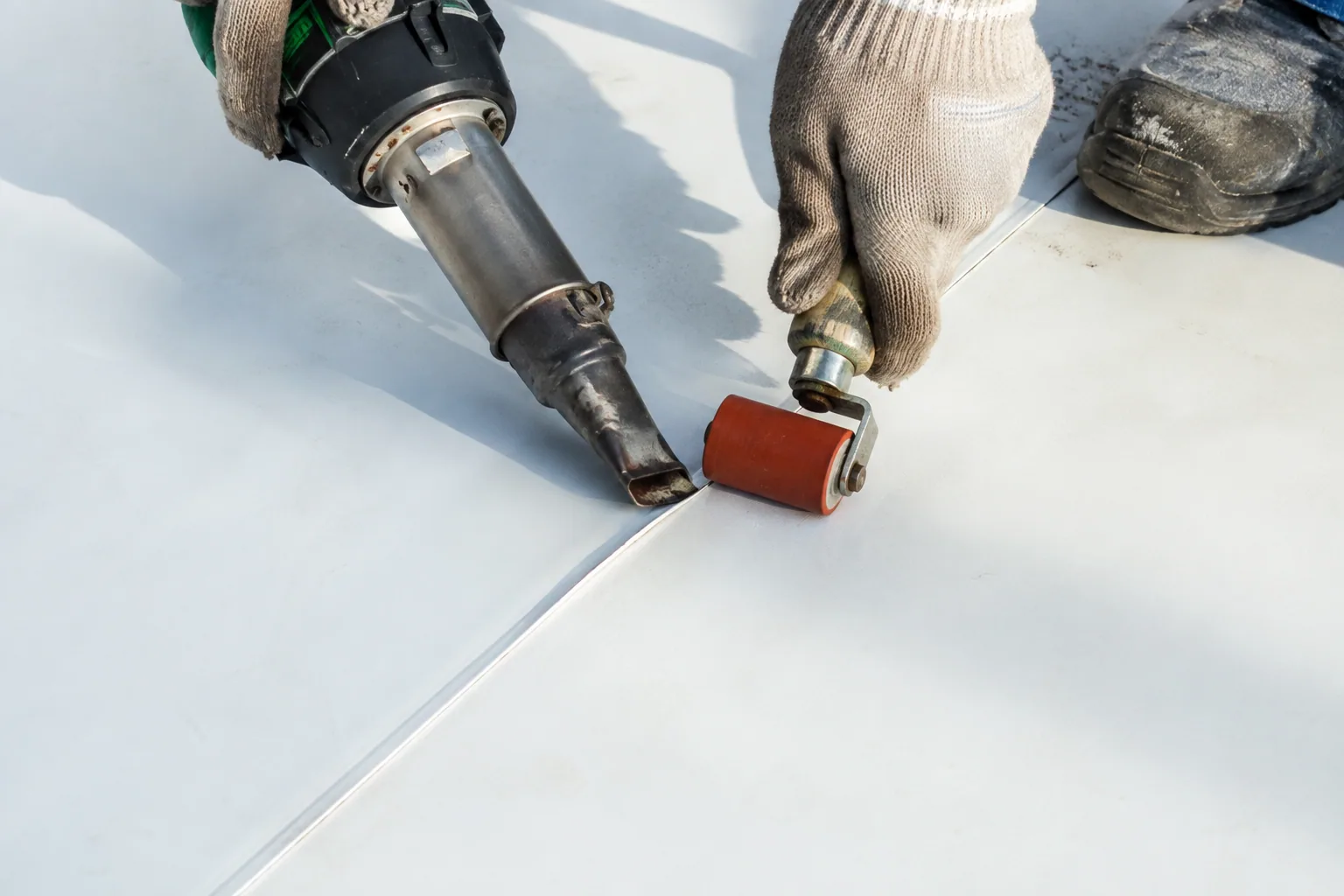
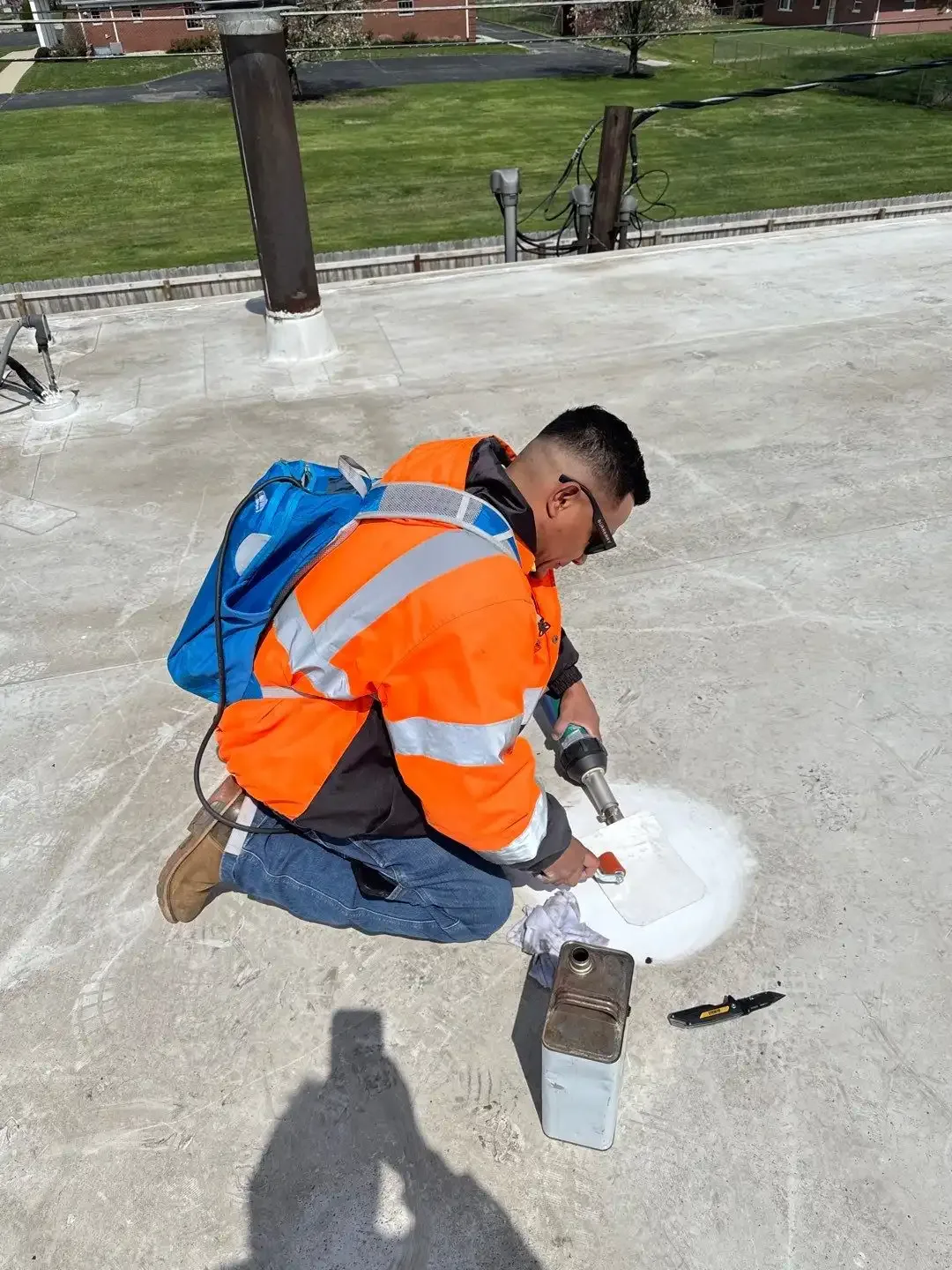
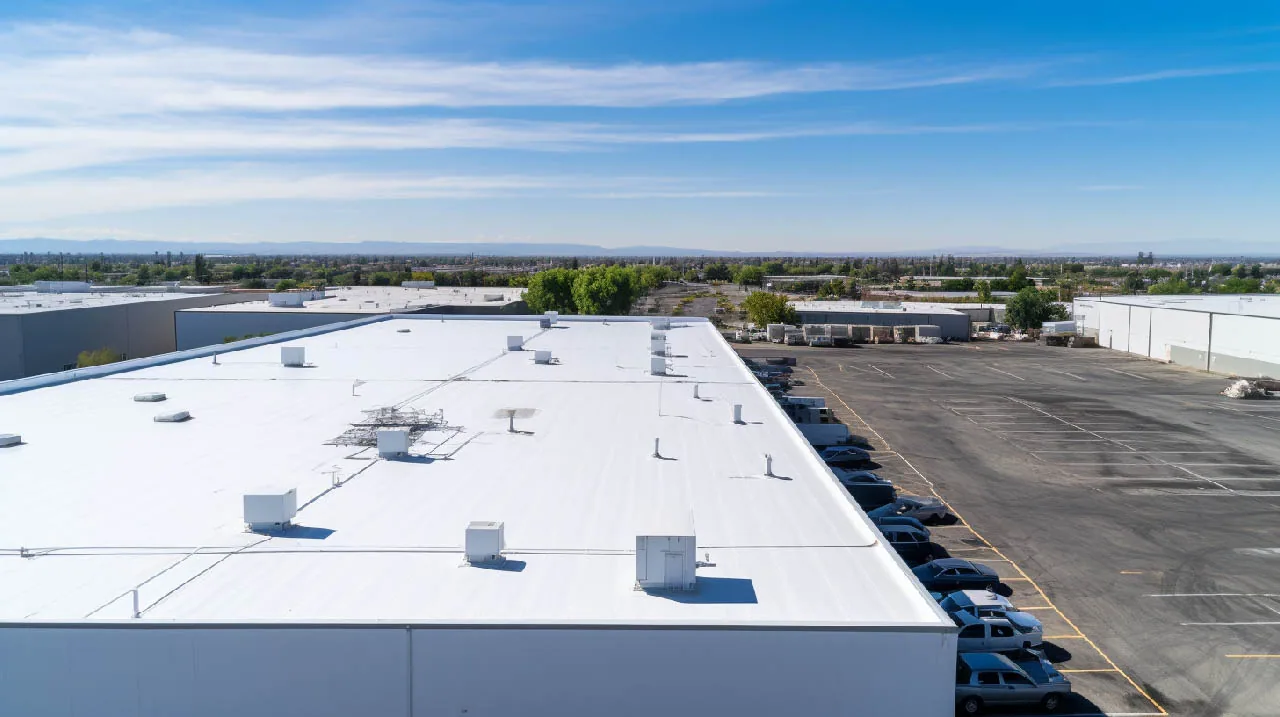
For flexible membranes, the starting points differ across TPO, PVC, EPDM, and KEE. Welded seams, adhesive bonds, and reinforced flashing require system-specific checks.
Call 555-555-5555 or send the property details. We walk the roof, photograph what we find and explain the options before any work is approved.
Request a Roof Assessment
A field seam can look intact while a curb corner or drain bowl has opened. We check the membrane, flashing height, attachment, and neighboring materials as one assembly. A repair has to reach sound material and make a compatible tie-in.
Older roofs may include modified bitumen or built-up roofing. Granule loss, exposed reinforcement, blistering, and wet layers point to different next checks. We document each condition and avoid treating the roof surface as proof of what lies below.
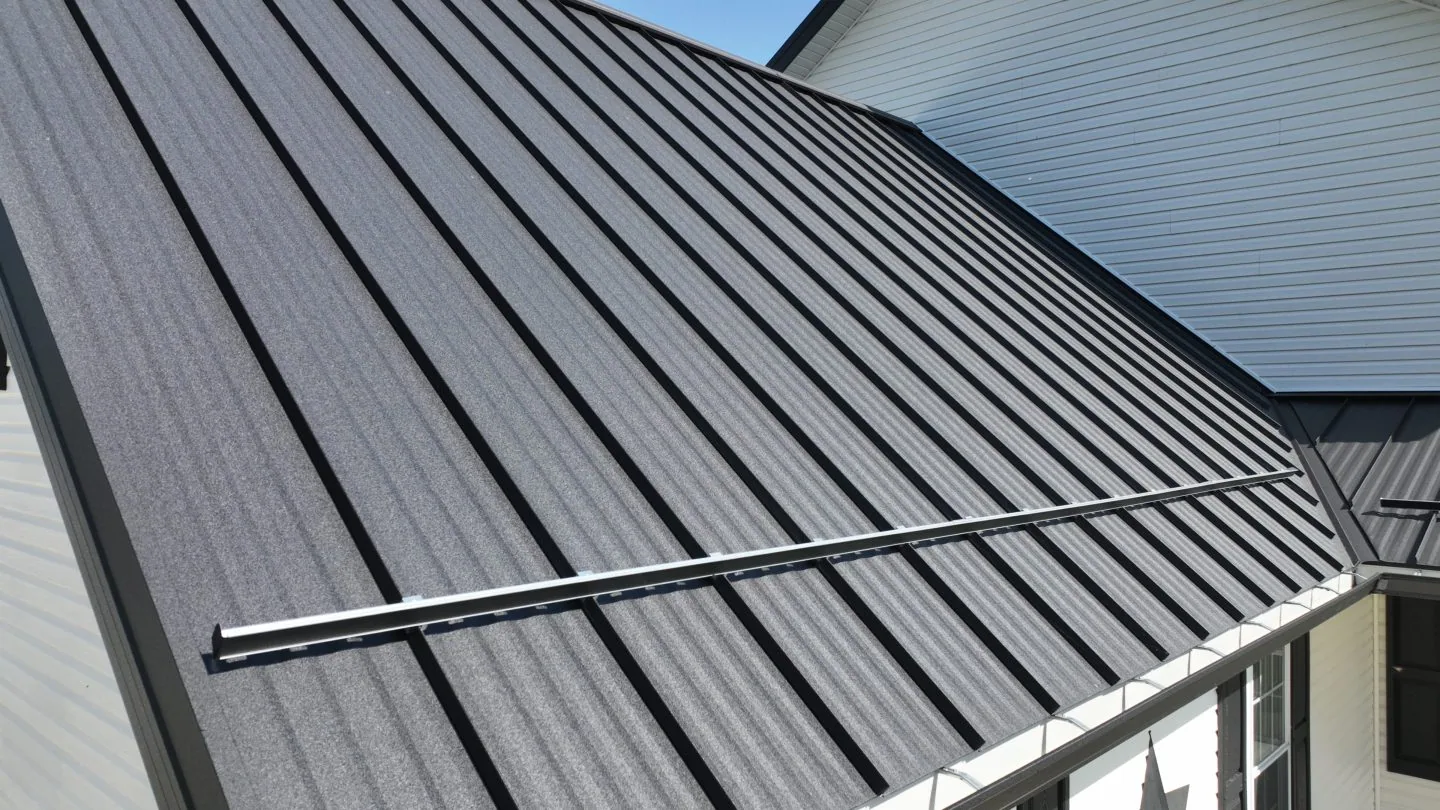
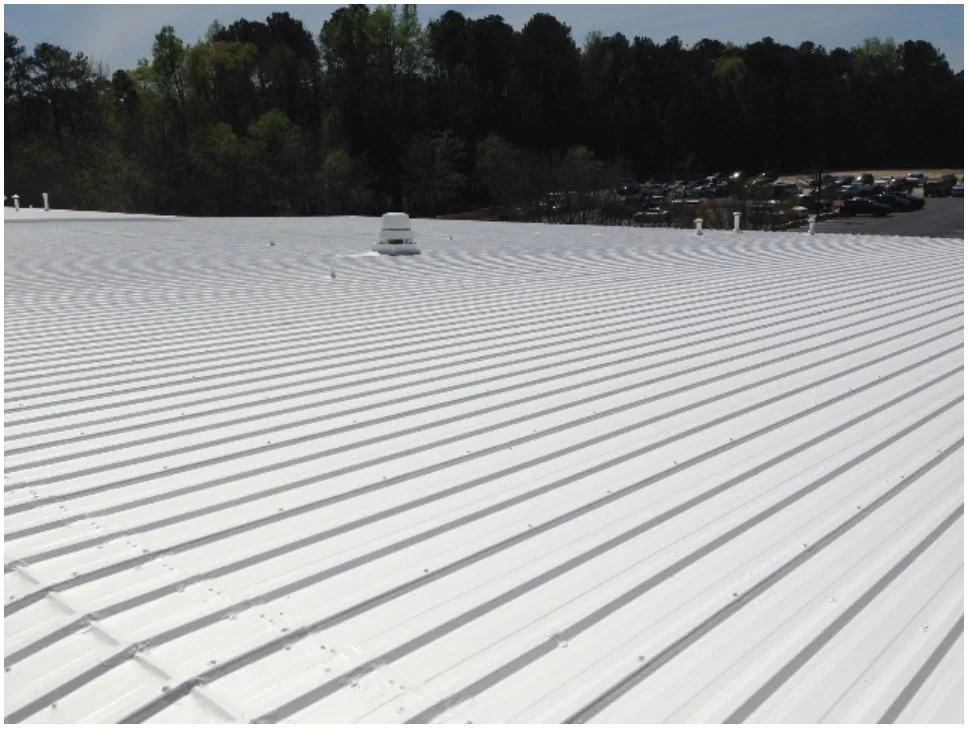
At a standing-seam roof, we inspect panel laps, clips, fasteners, and penetrations. A standing-seam system moves differently from a membrane, and a panel repair must preserve drainage and attachment. Retrofit assemblies need review of the existing deck and support before new metal is set.
For a metal roof retrofit, the scope maps new framing or supports, perimeter terminations, drainage changes, and equipment transitions. That matters at industrial properties near NorthPark35 and Georgetown Logistics Park, where utility and operating constraints vary by building.
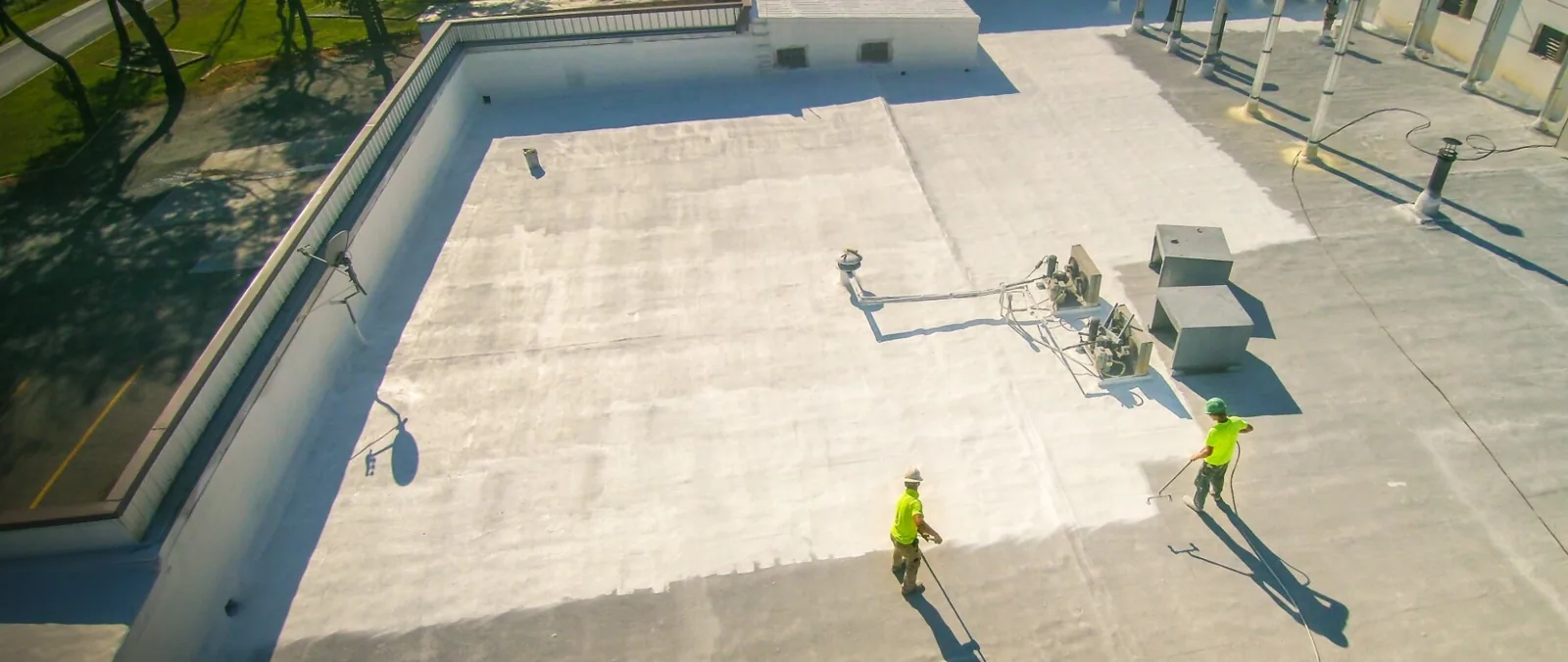
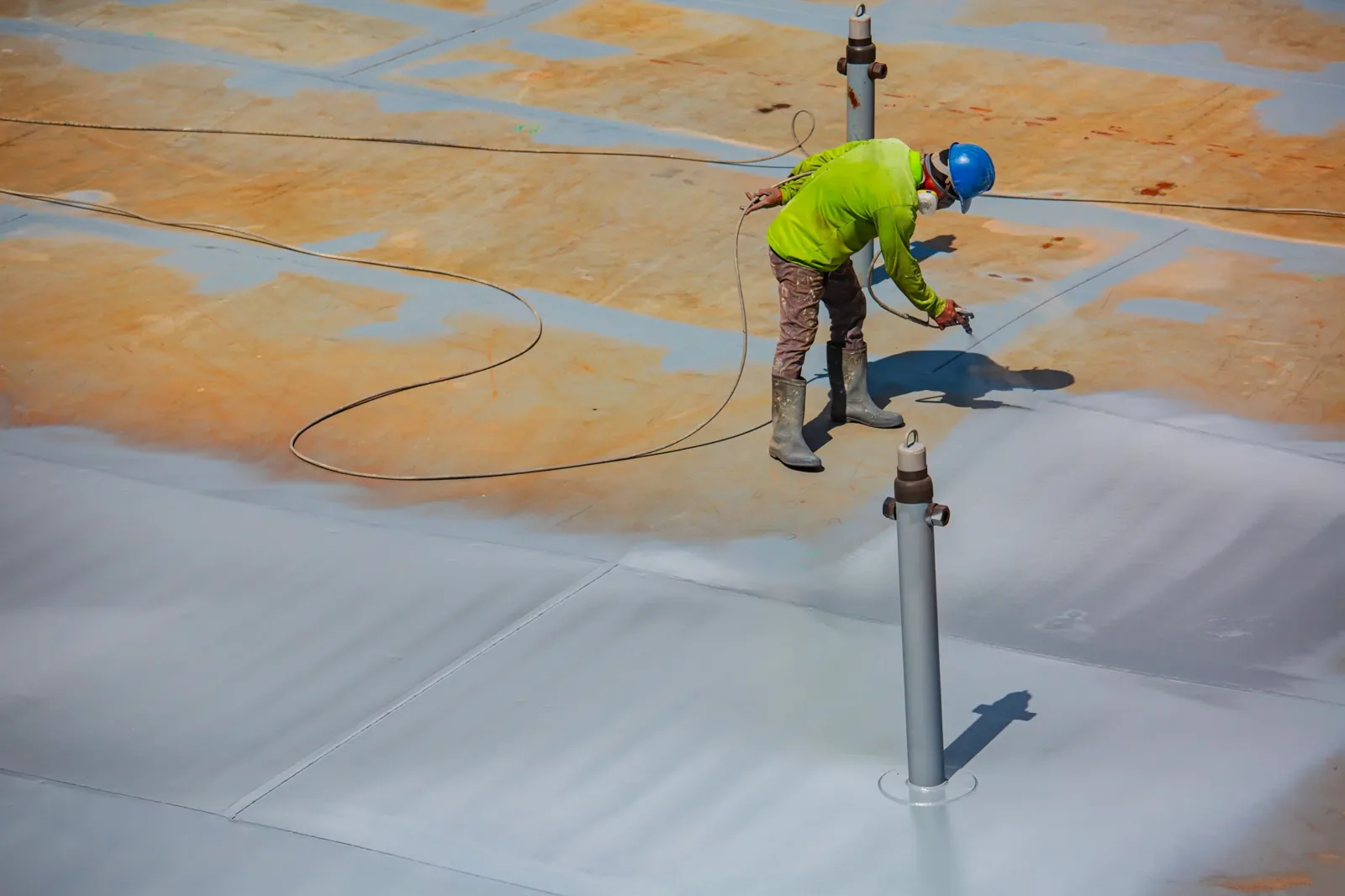
Silicone and acrylic coatings are liquid-applied options with distinct substrate and exposure requirements. We inspect adhesion, moisture, seam condition, drainage, and edge termination. A test area checks whether the existing surface can accept the planned application.
Spray foam creates a separate assembly with its own drainage and protective coating needs. Georgetown heat puts stress on exposed surfaces and sealants, but heat alone does not identify a failed system. The observed condition and product requirements govern the repair detail.
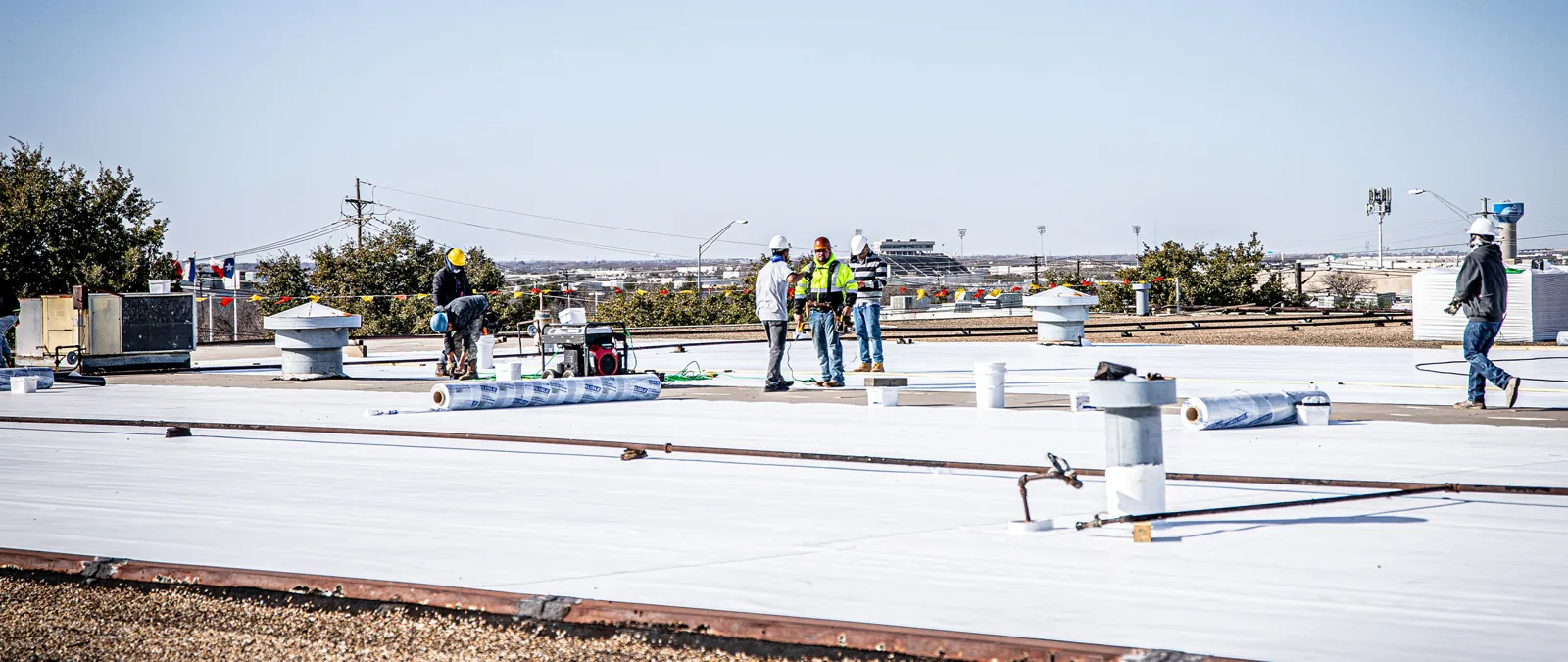
Selection accounts for deck, slope, drainage, rooftop equipment, access, future penetrations, and the owner’s maintenance plan. A roof inspection establishes the present condition; an authorized test opening can verify hidden layers before a recover or replacement decision. Code review for Georgetown alterations follows the locally adopted 2021 existing-building code and applicable project documents.
We leave a roof map, photos, material description, and hold points for the general contractor. A maintenance plan can then return to drains, seams, and curbs without treating a different roof area as the same condition.
A photo can narrow the possibilities, but it may not show attachment, hidden layers, or a coating beneath dirt. We confirm the assembly from records and field details.
No. The surface must be suitable, and trapped moisture or a drainage defect needs its own correction. We test the substrate before recommending an application.
The membrane chemistry, reinforcement, seams, and compatible flashing materials differ. We identify the installed product and follow its repair requirements.
The adopted code and approved project documents establish requirements for the alteration. We provide the roof assembly details for the project team’s review.