A clogged drain beside a split seam needs more than a photo. We trace the water path and inspect the nearby curb. The roof map marks each finding and the area we could reach. A commercial roof inspection report gives the owner a field record tied to the building.
The Mays Street extension links Round Rock and Georgetown near Westinghouse Road. For a roof walk, the site contact still confirms the property entrance, safe access route, and staging point before the crew sets a work boundary.
Georgetown's industrial areas include NorthPark35 and Georgetown Logistics Park, while its courthouse district combines civic, commercial, and residential uses. A useful report can serve these different building settings without assuming they share a system. Each finding stays attached to its roof zone, date, photo, and next action.
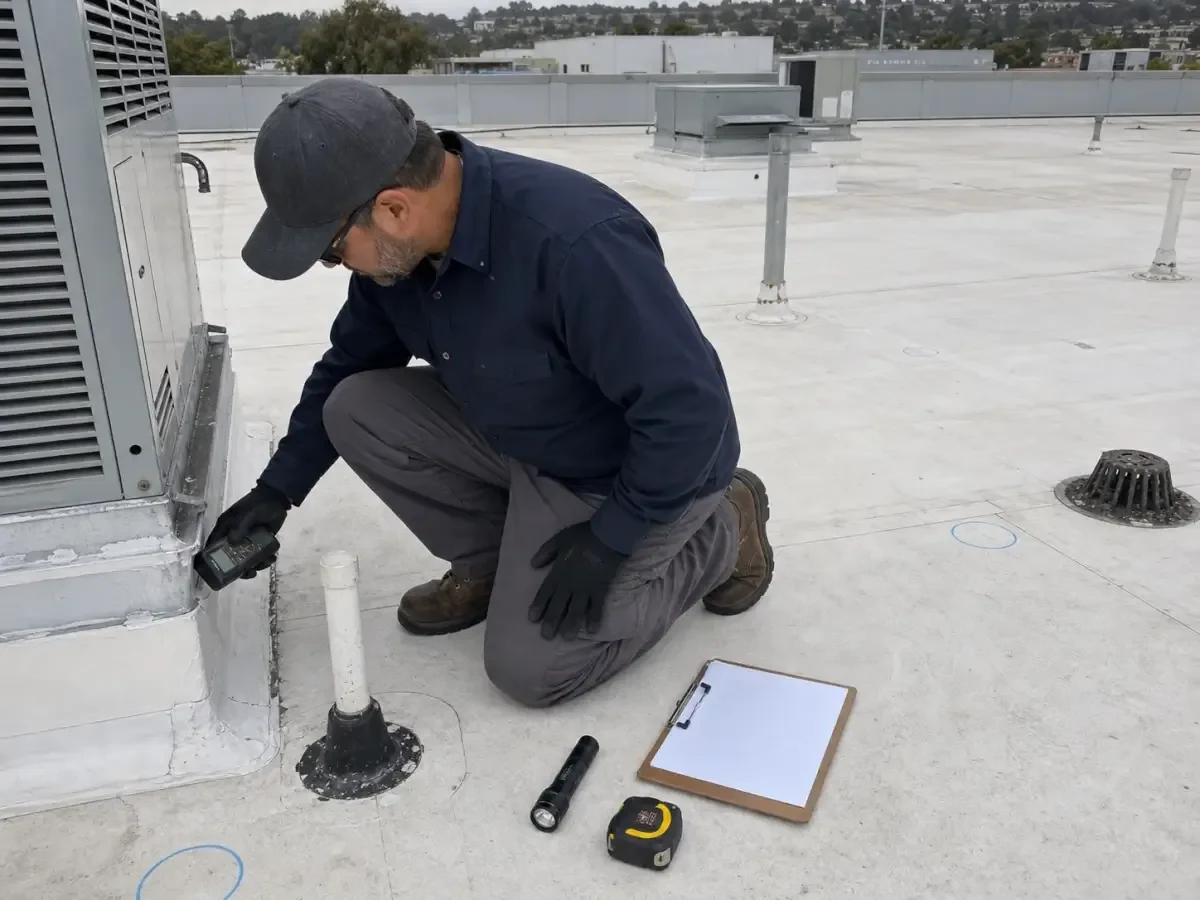
We record the roof areas inspected, weather conditions, access route, visible system, drains, curbs, seams, edges, and prior repairs. The report separates direct observations from information supplied by the owner. A ceiling mark or service ticket can guide the walk, but it does not prove where water entered.
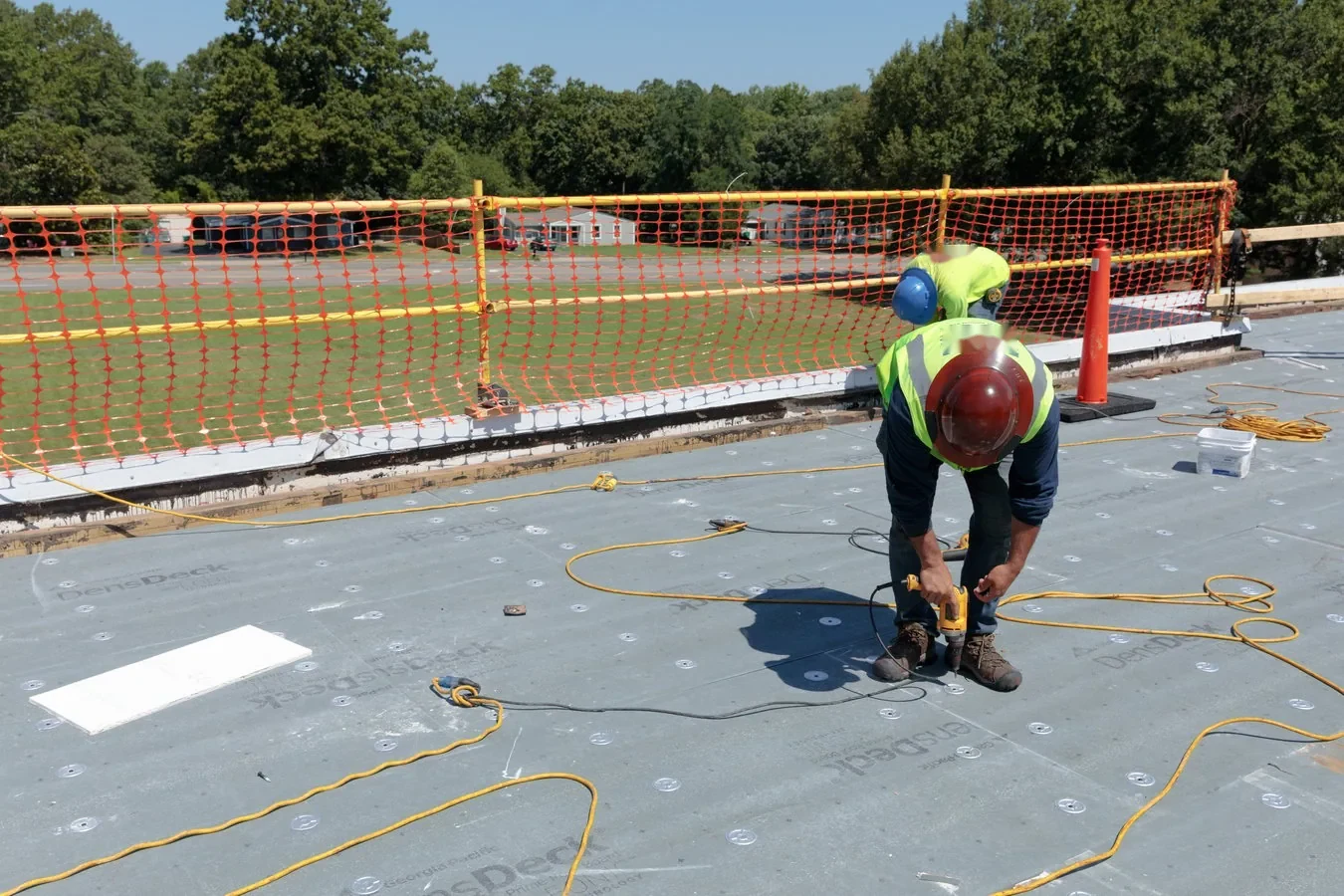
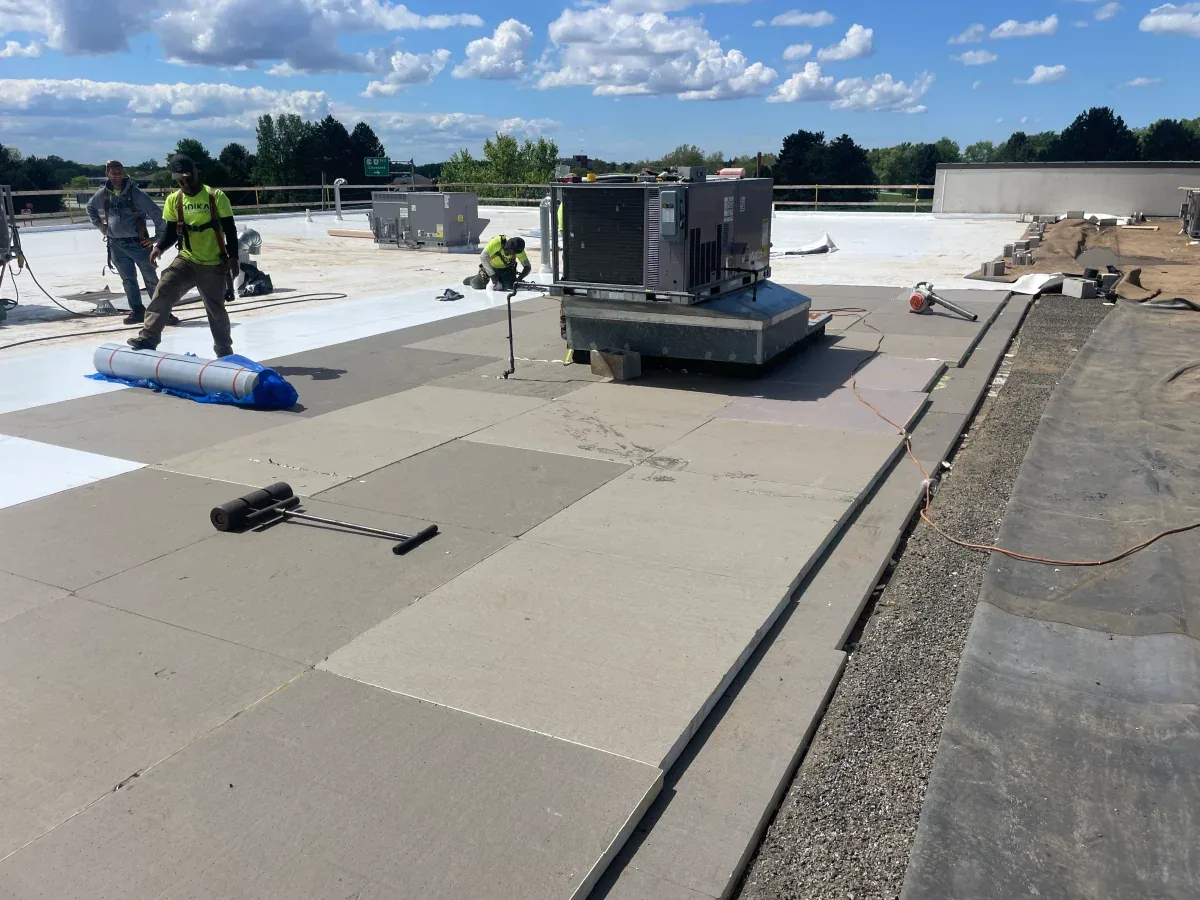
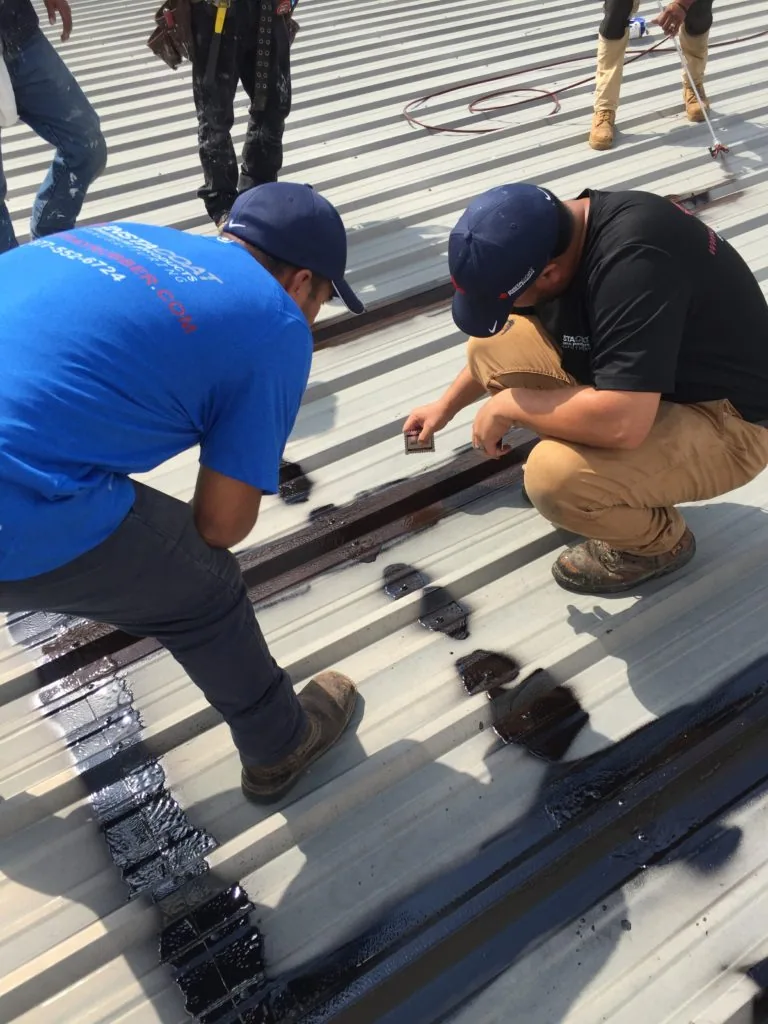
Wide photographs show the roof zone. Close views show the seam, fastener, curb, or drain detail. Each image receives a location reference and inspection date. If a view is blocked by equipment or access limits, we say so. The file does not treat an uninspected area as sound.
We also compare adjacent details before describing a defect. An open lap, loose edge, or cracked sealant may have different repair implications. The report notes nearby conditions that support or limit the recommendation. This keeps a small visible issue from being mistaken for evidence about the full assembly.
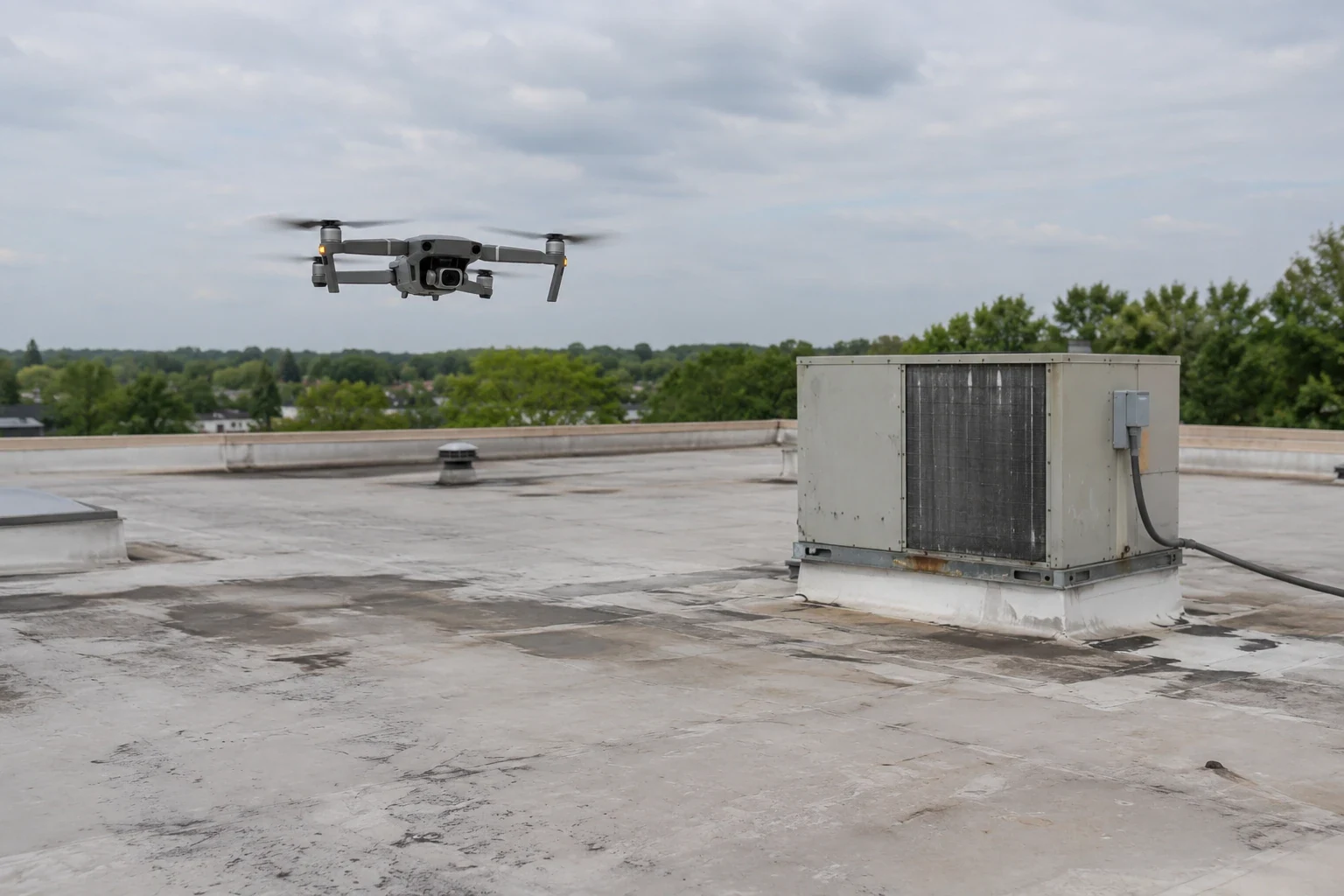
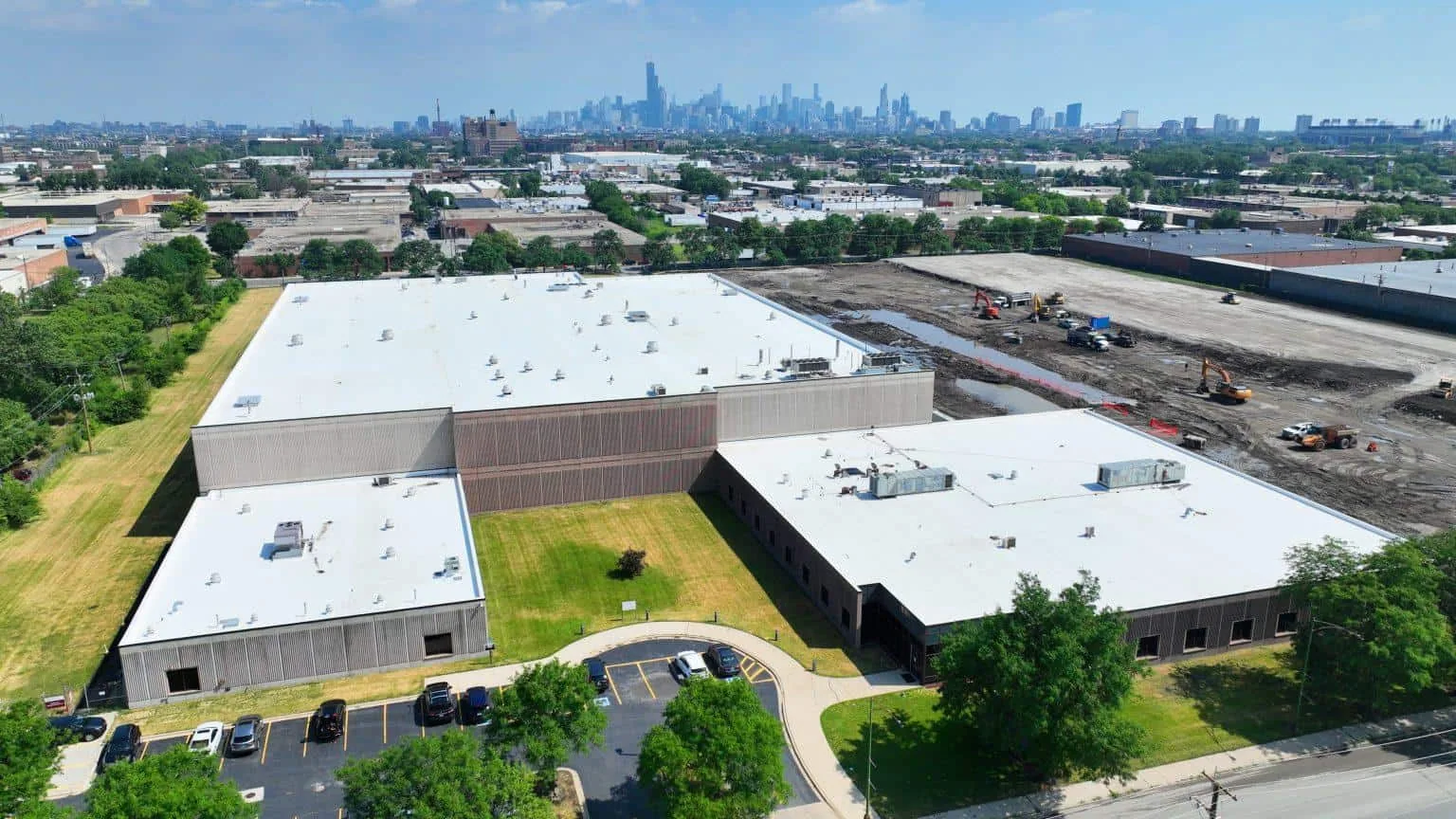
A drone inspection can help document broad fields and hard-to-reach transitions when weather and site rules permit. Aerial imagery may not confirm attachment, moisture below the membrane, or concealed flashing. The report identifies what the image can show and where a closer test is needed.
A photograph without a location can be difficult to use during repair. We mark roof zones, drains, curbs, edges, and the route to each finding. The map shows where the inspection stopped. It also identifies temporary protection and any test area so another crew can return to the same point.
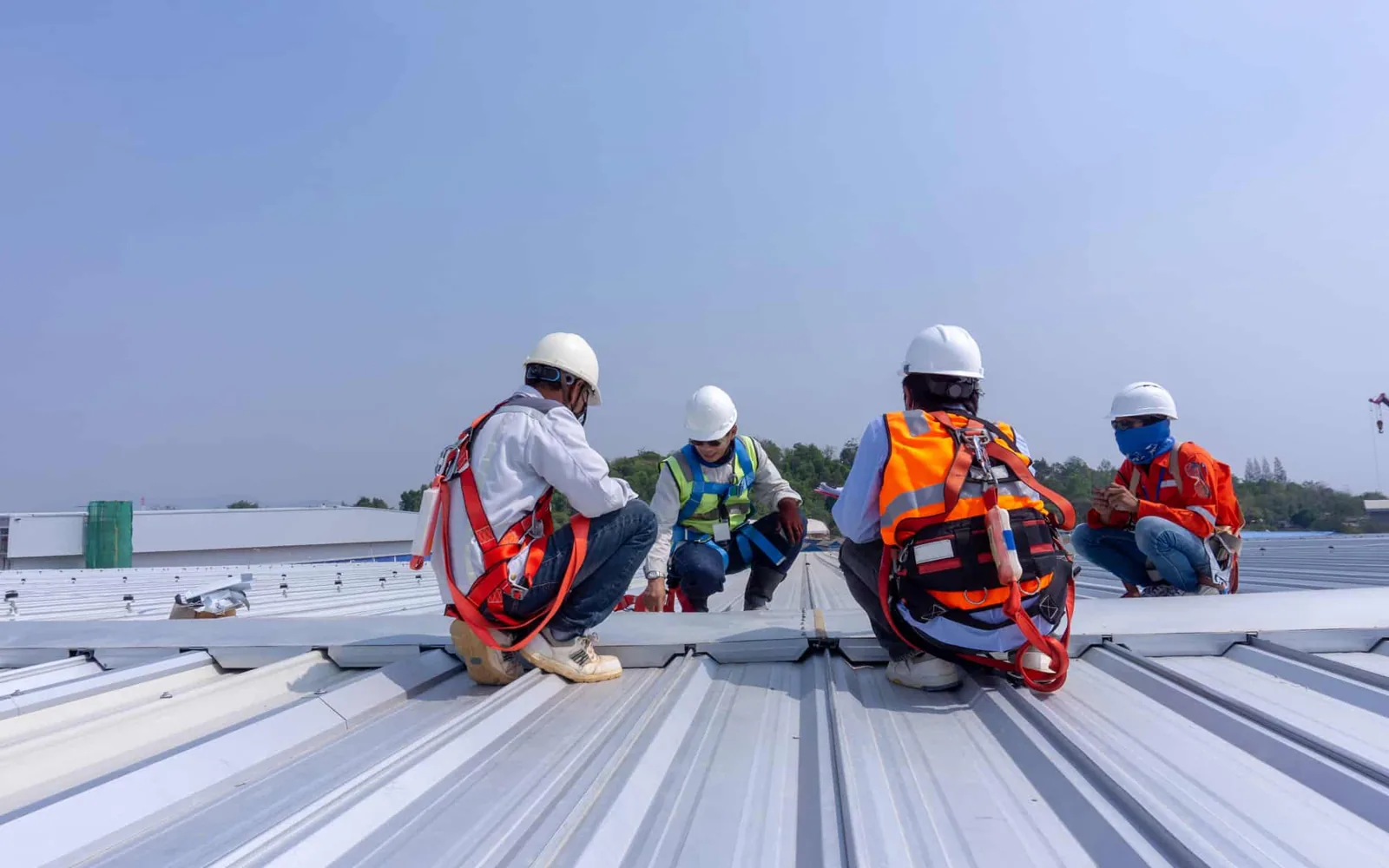
The report distinguishes a roof field from perimeter details, penetrations, and transitions. We mark the route from the hatch or ladder to each zone and note restrictions that affect follow-up. If a later crew needs to reach an area, the map gives it a useful starting point without implying that the route remains open.
For a multi-building owner, each structure needs its own map. A roof asset record can organize those maps and inspection dates. Similar roofs may still have different repairs, access rules, or drainage patterns. A portfolio summary does not replace each building's field record.
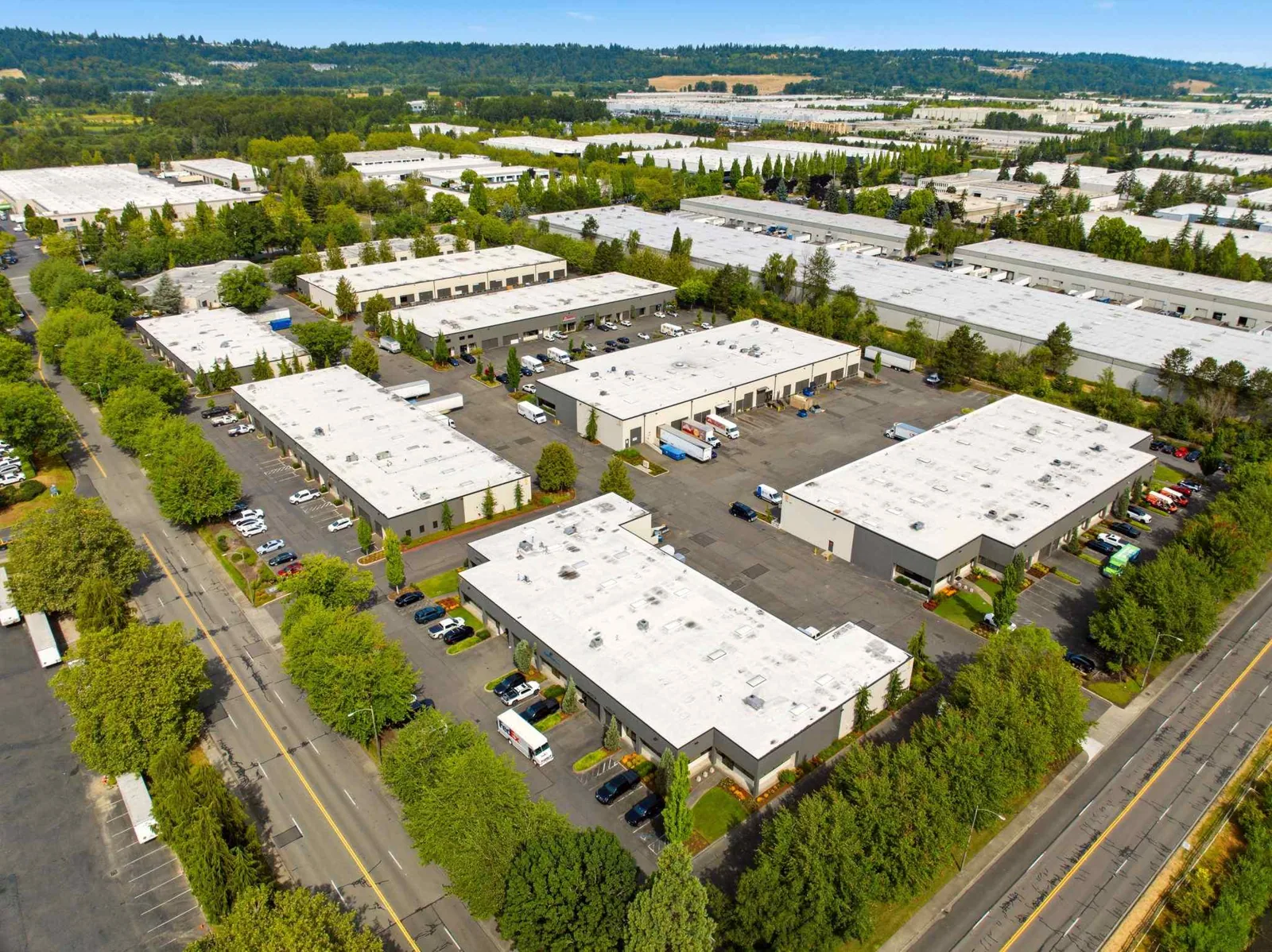
Berry Creek Business Park sits near the I-35 and SH 130 junction, with industrial development spread across several buildings. The setting can help group site visits. It does not permit the report to carry a finding from one building to another. We identify the specific roof reached and label any location that needs a separate appointment.
We describe lifted edges, punctures, open seams, wet materials, corrosion, ponding, or other visible conditions where found. We do not assign a cause from appearance alone when the evidence is unclear. Regional hail or tornado activity can set the timing for a closer roof walk. The report records only the damage visible at the property.
In March 2022, a tornado moved east across Williamson County after passing near Round Rock. Hail exposure puts membrane seams, rooftop equipment, and metal accessories on the post-storm inspection list. After a storm, the report can compare event timing with observed displacement, impact marks, or water entry. Any area not reached remains an open item, not a negative finding.
If moisture below the membrane is possible, a moisture survey may help locate areas for verification. Infrared patterns require field interpretation and may need a test cut. The report states the survey method, limits, and any follow-up opening needed before a repair boundary is set.
Each recommendation states the observed condition, proposed work area, and what stays in place. If layers remain concealed, the report identifies the hold point before removal. A test opening can verify the assembly at one spot. Additional work waits for review when exposed conditions differ from the agreed scope.
Drainage findings may call for outlet cleaning or a detail repair. A seam or curb issue may need localized correction. A broader wet area may warrant more testing or a replacement study. The report keeps these options distinct so the owner can compare what each one resolves.
The report also separates repair quantity from access and protection needs. A scope may require a lift, interior covering, temporary dry-in, or a second visit. Those items affect schedule even when the material correction is small. We show the boundary and the condition that could change it. A repair scope can carry the mapped limit into field work.
Georgetown summers commonly reach the 90s, with recent days above 100°F. Safe access and material work may need to shift with the roof surface. We note weather limits and any change to the inspection sequence. The report states whether a delay left a planned zone uninspected.
A useful report ends with a decision the owner can act on. The next step may be repair, maintenance, a test opening, a design review, or another inspection. We name the question that step should answer and the roof zone involved. That lets facilities or asset staff route the work without translating a broad narrative.
A capital plan can use report findings to compare near-term repairs with larger projects. A multi-site program can group site visits while preserving building-level maps. The report shows its limits and date, so later reviewers can tell what has changed since the visit.
Send the property, reported issue, access contact, and any available roof plan or repair history. We confirm the route and record the areas inspected. The closeout includes dated photos, findings, open questions, and a defined work boundary for the next step. When equipment moves or a new opening is cut, update the roof map before relying on the earlier boundary.
It should include a roof map, dated photos, inspected areas, visible conditions, access limits, repairs, and open questions. Each recommendation needs a defined boundary and next step.
Only when the inspection supports that conclusion. We document the likely path, confirmed details, and any uncertainty that requires testing or another visit.
Aerial views can show surface conditions and broad roof areas. Hidden moisture may require a survey method and test opening to verify the assembly.
Those zones are marked as uninspected with the reason and any access needed for follow-up. The report does not treat them as confirmed sound.
A portfolio file can organize several reports. Each building retains its own map, photos, system details, condition, and unresolved items.