A split drain bowl at one building can start a portfolio-wide service call. We check that outlet and the adjacent membrane first. The roof map marks only the building reached. A site inspection gives the program a verified starting point before other properties are scheduled.
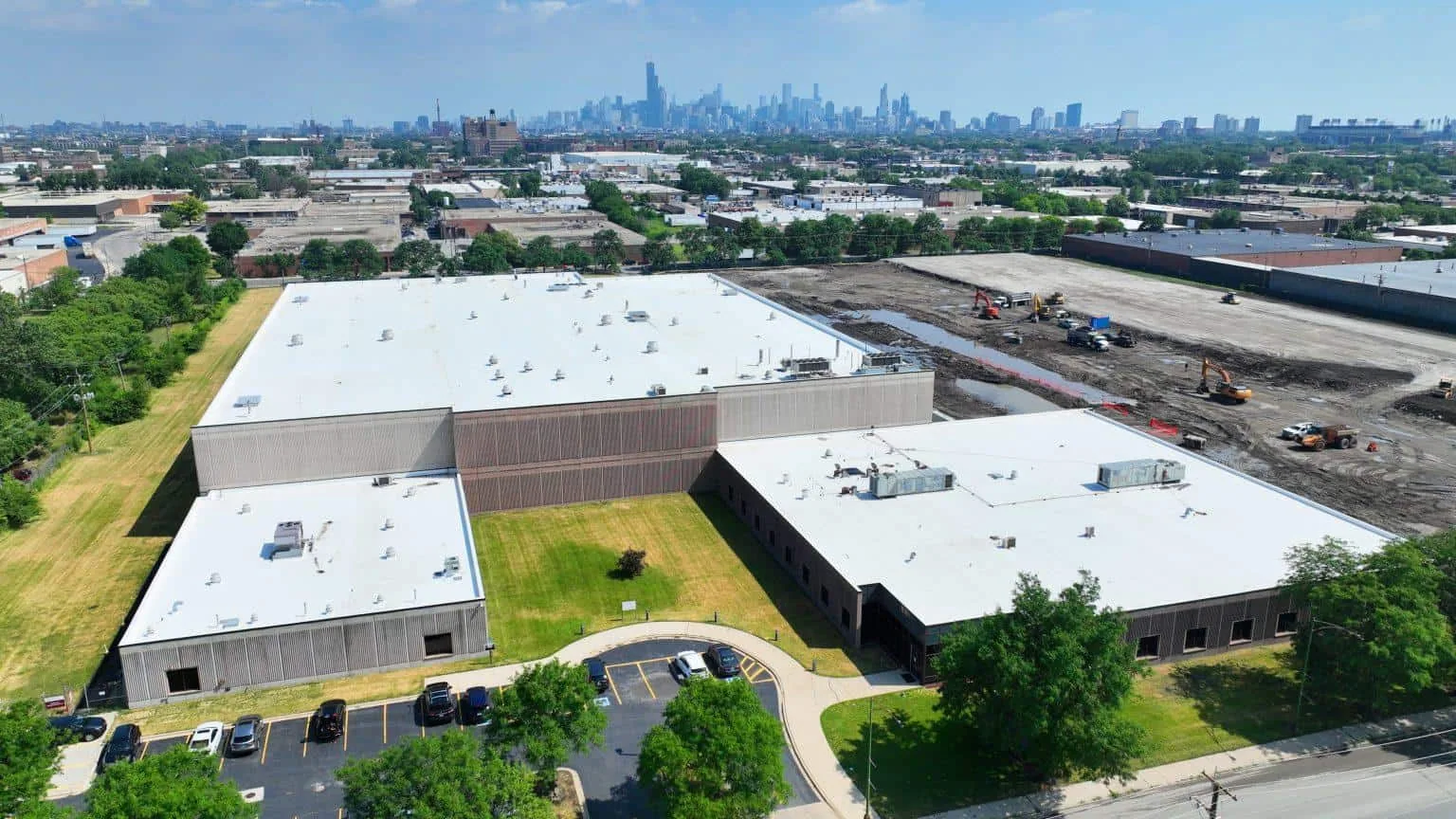
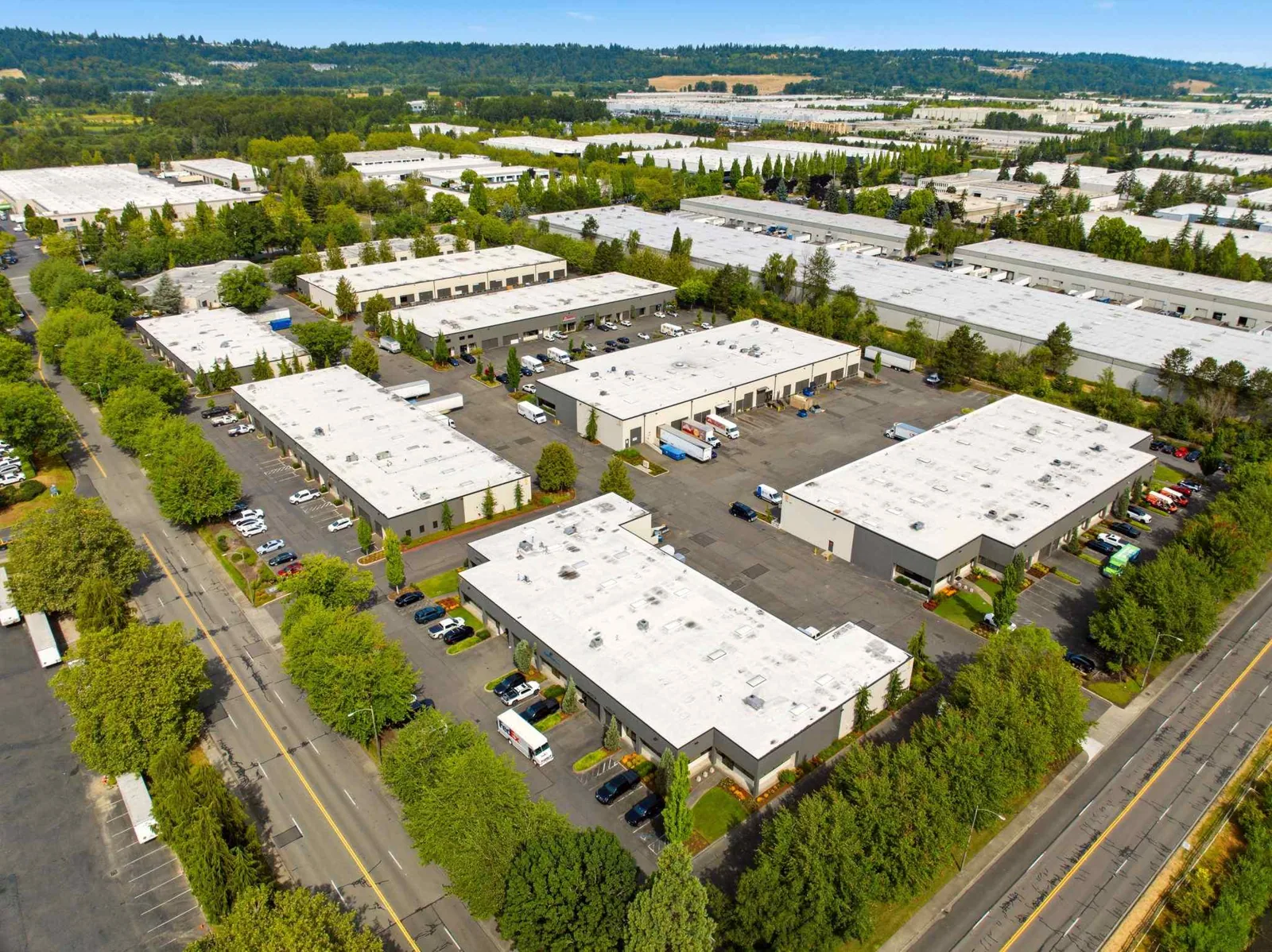
Georgetown's portfolio may span different settings. At Berry Creek, the industrial park contains several buildings close to the I-35 and SH 130 junction. The courthouse district includes civic, county, commercial, and residential uses. The same review process can serve both areas, but access, assembly, and roof condition remain specific to each property.
NorthPark35 and Georgetown Logistics Park appear in the city's industrial plans for utility extensions that support additional business development. A multi-site plan can account for changing access and construction activity in those areas. It cannot assume that a neighboring building shares the same roof system or repair need.
Start with a property list, an authorized contact, and the roofs included in the agreement. We confirm building identity, entry route, available plans, operating windows, and known restrictions. A site not included in the current work list stays outside the inspection boundary. This keeps a broad portfolio request from becoming an unapproved property visit.
Each address receives its own roof map, inspection date, observed system, drains, curbs, and repair history when known. A shared identifier helps staff retrieve the file. It does not merge nearby assets into a single condition record. If a site has multiple structures, the map marks which one the crew reached.
Keep the record owner clear when management changes. The outgoing contact can hand over unresolved access questions, pending estimates, and open approvals. The incoming team can confirm current conditions before relying on an older map. This prevents a transferred file from being mistaken for a recent inspection.
A roof asset record can retain building-level findings. A condition report can add photos, accessible zones, and follow-up items. Both should identify what remains unverified, so the next phase starts with a clear work limit.
Cluster visits by drive route only after access is confirmed. A locked hatch, required escort, active loading lane, or tenant schedule can change the order. We record a primary contact and alternate for each property. The crew knows where to enter and which areas need coordination before materials arrive.
The Mays Street connection links Round Rock with southeast Georgetown near Westinghouse Road, giving portfolio teams another regional dispatch route. Before each visit, the building contact confirms the gate, staging zone, and roof access point.
For an occupied building, the work plan identifies tenant notice, interior protection, noise limits, and safe stopping points. Emergency work may need a separate dispatch from planned inspections. We keep the emergency log and the maintenance visit distinct, then link both to the same building record.
A common checklist can cover drains, seams, curbs, edges, penetrations, rooftop equipment, prior repairs, and visible moisture. The Diligence Notes still describe what was found at that specific roof. One building may need a drain correction. Another may need a test area at a seam. We do not copy an outcome from one property to another.
Recent Georgetown station readings have passed 100°F, which can change when crews safely access the surface and handle sealants. The program records weather limits and any visit moved for safe conditions. Williamson County also has documented severe-weather history, including the 2022 tornado track. That event can prompt an inspection, but only roof findings support a repair scope.
A maintenance visit can document routine clearing and visible conditions. If moisture beneath a membrane is suspected, an infrared survey may identify areas for verification. Each method and its limit remain clear in the building file.
Every work order should identify the property, roof zone, reported condition, urgency, access contact, and approval limit. A photo or roof-map mark helps dispatch the right crew. The scope distinguishes inspection, temporary protection, maintenance, and permanent repair. These actions may happen on different dates and require separate closeout records.
If a repair exposes wet insulation or an unexpected deck condition, the crew pauses at the agreed hold point. The owner receives photos, a map update, and a proposed change. Another property's budget cannot approve that change by implication. The named asset contact confirms the next step.
For existing-building repair, Georgetown's ordinance invokes the 2021 IEBC. Texas commercial energy guidance references the 2015 IECC, with local changes and project type affecting applicability. The project reviewer makes that determination. We flag roof details needing that decision before work proceeds. Approval and completion dates stay with the individual building's file. This avoids mixing vendor records across sites.
A quarterly or annual review can group open work by urgency, system, or route. The underlying records remain separate. A roof in the downtown courthouse district may have different access needs from an industrial property near SH 130. Program summaries help staff set priorities without flattening those differences.
A capital plan can compare verified repair needs and larger projects by site. A property management team can carry tenant access and approval details into the next visit. If an asset transfers to a new manager, its map and work history provide a usable handoff.
Service areas such as Berry Creek Business Park and Downtown Georgetown can help organize dispatch. They do not replace an exact job address, property contact, or roof map in the work order. The field record ties the work to the building actually inspected.
Closeout lists the work completed, materials, photos, roof zone, unresolved conditions, and who accepted the area. The next action receives an owner and target review date. If access prevented inspection, the file says what must change before the crew returns.
At review close, provide a site list showing visits completed, access limits, verified repairs, pending tests, and the next approval. Name the budget owner and facilities contact for each property so follow-up reaches the right decision-maker.
We keep a current visit list and mark postponed or declined work. A completed inspection does not automatically close an open repair. The program lead can see which properties need a proposal, testing, routine maintenance, or no further action at that time.
Send the property list, preferred review cadence, roof records, operating contacts, and any priority leaks. We confirm which locations and structures are included. The first program report can then show verified findings, open decisions, and the access route for the next work phase.
Yes. We can coordinate scheduling and records across sites while retaining separate maps, findings, access plans, and approvals for each building.
We consider access windows, reported conditions, operating limits, and travel route. A property is scheduled after its contact confirms entry and roof access.
No. The work order and approval identify the property and roof zone. A concealed condition at one building needs that asset contact's review.
We record why the method differs and what it can confirm. A test or infrared survey applies to the named roof area, not automatically to the portfolio.
It includes dated maps and photos, work completed, unresolved issues, access details, approvals, and the person responsible for each next action.