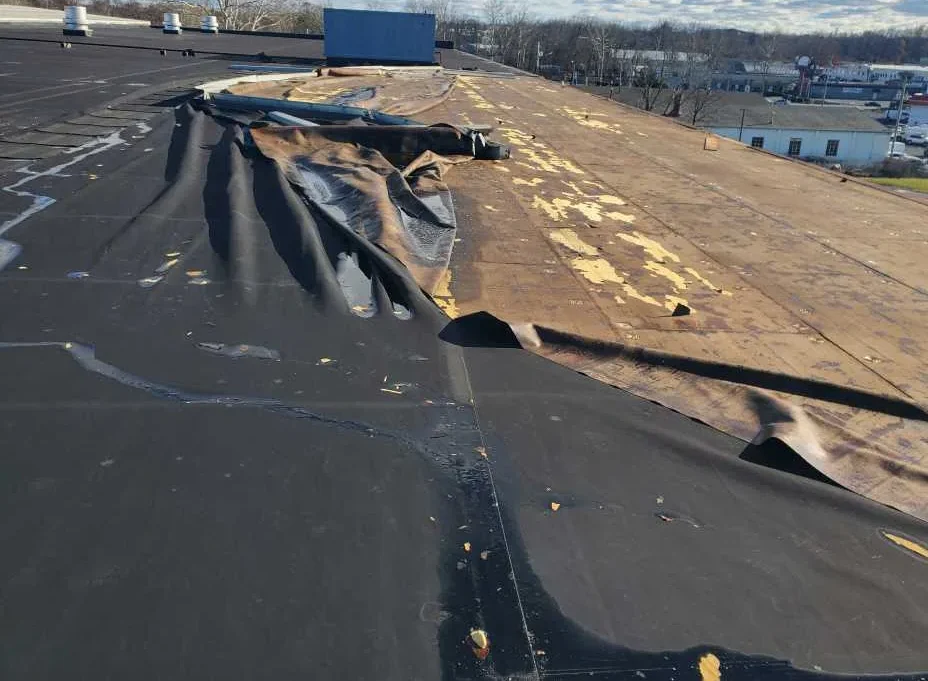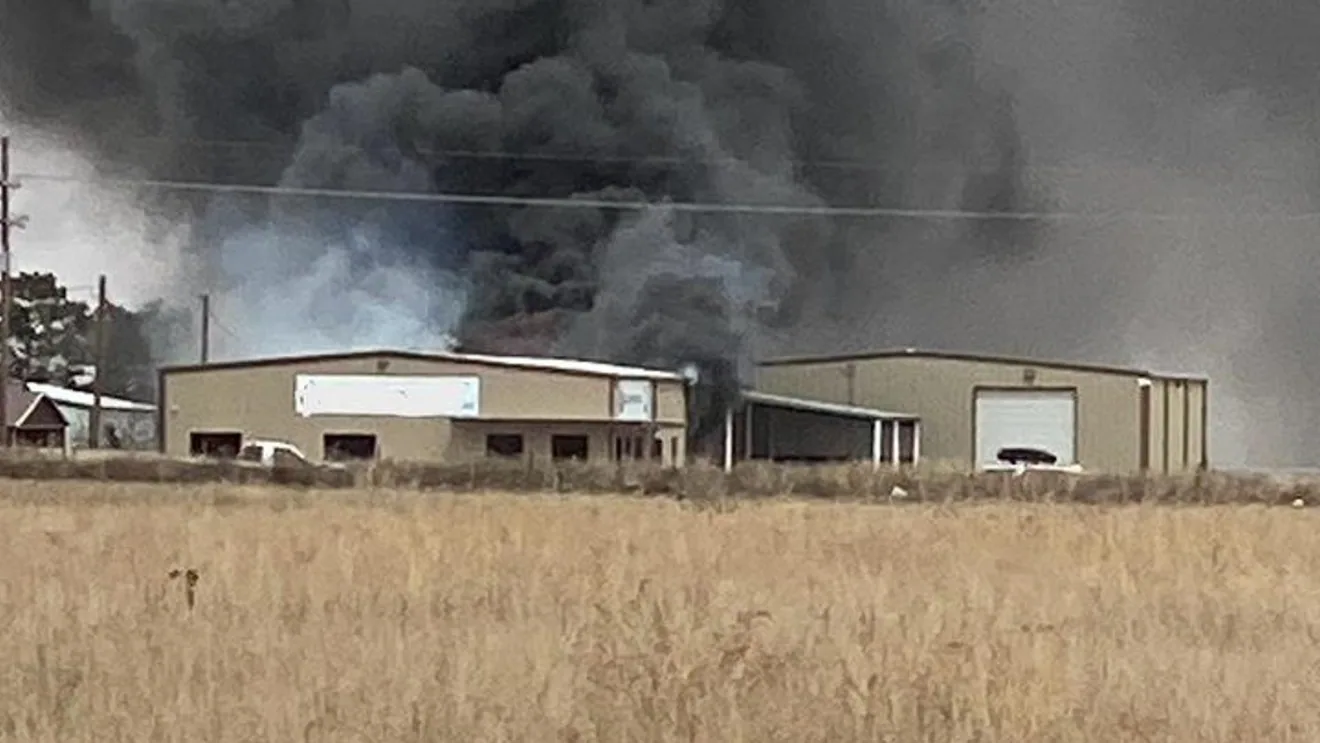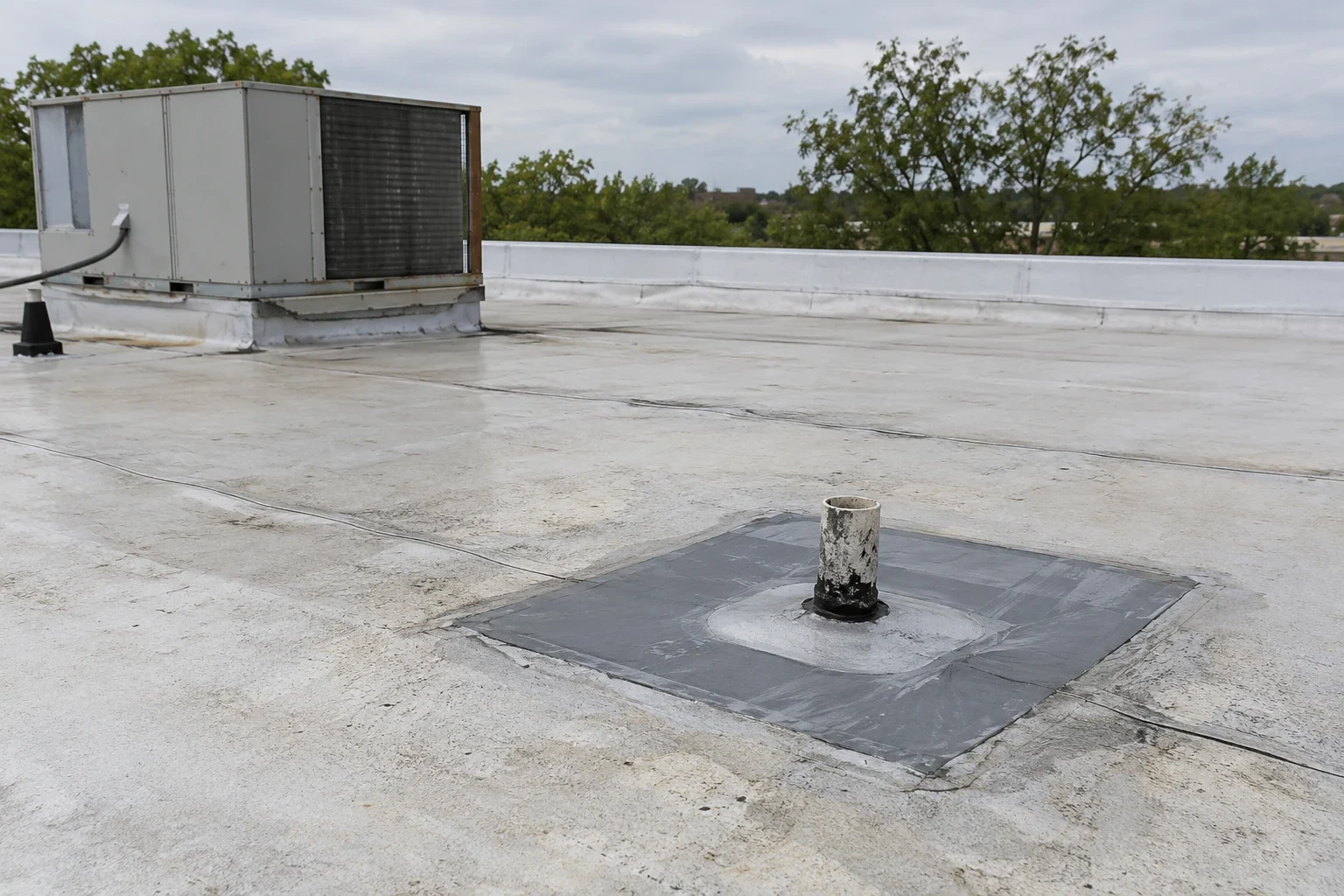
A curled membrane edge beside a burned rooftop curb is the first roof-side check. We do not enter until the authority having jurisdiction and the building representative release the area. Once access is safe, we map visible heat effects, open seams, damaged flashing, and wet areas from suppression. Fire can affect the roof surface, insulation, deck, and supports differently. The initial record separates what is visible from what needs testing.
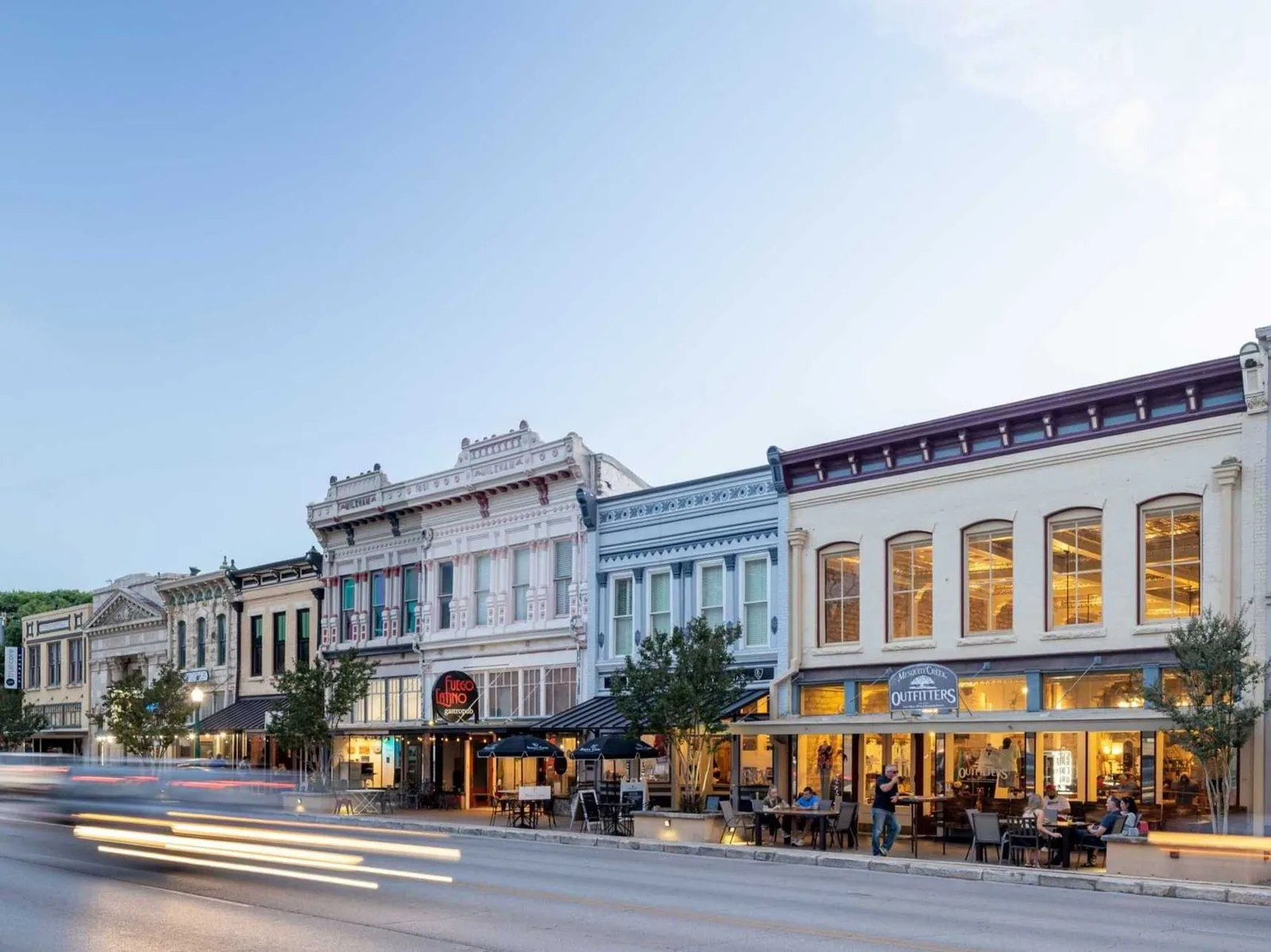
Georgetown's courthouse-square district mixes civic, county, commercial, and residential uses across about 40 blocks. Industrial development also extends around Berry Creek Business Park and NorthPark35. Georgetown's downtown and industrial areas bring different staging conditions. The building contact sets the access route and repair plan for the property in scope.
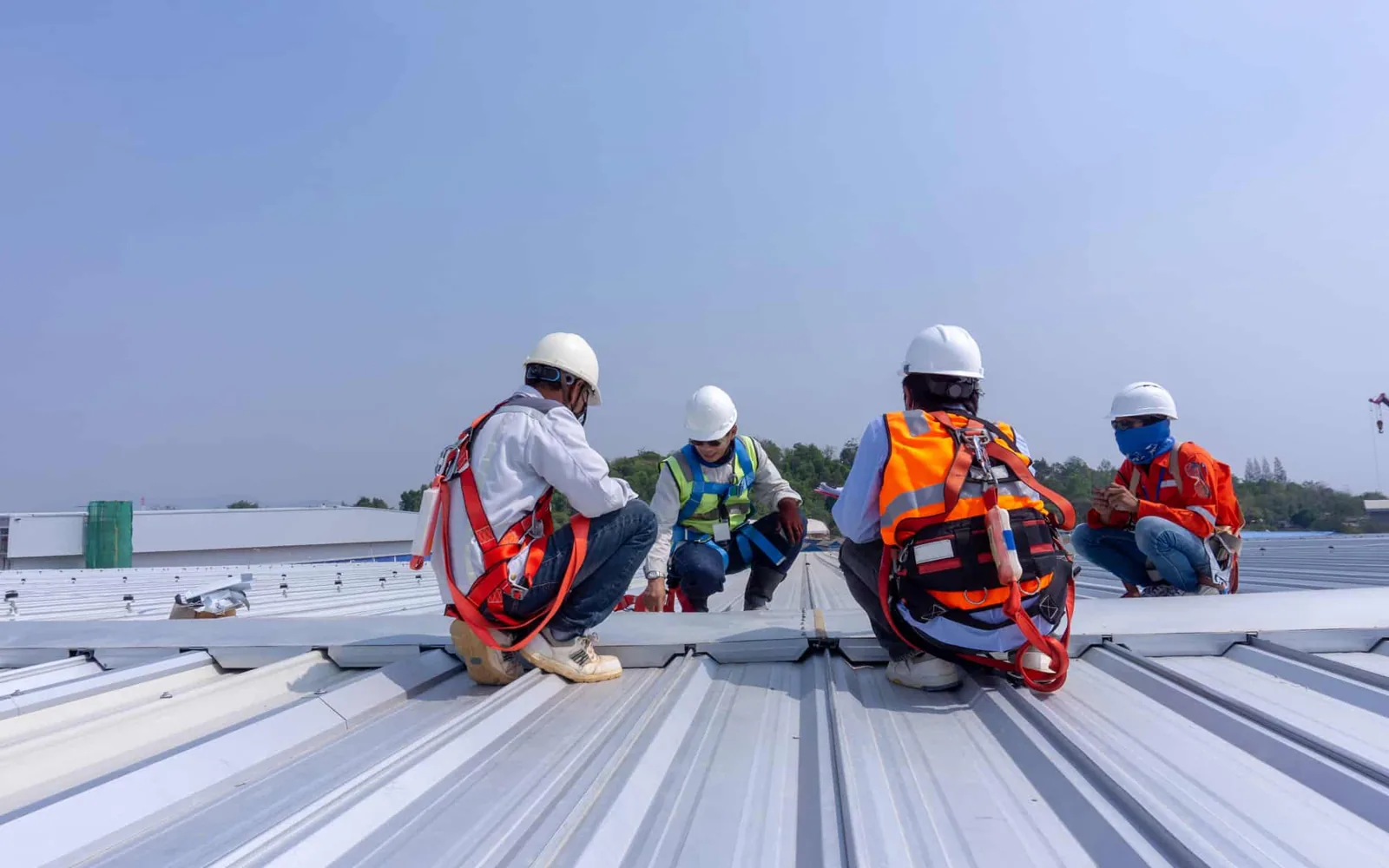
Fire department control, structural evaluation, utilities, and site safety determine whether a roof walk is permitted. We follow the owner's and authority's release instructions and respect any restricted area. If the deck, parapet, or support condition is uncertain, roofing work remains on hold until a qualified professional clears the route. A safe ladder does not make a compromised roof safe to enter.
Before staging, we confirm the exclusion zone below, fire-damaged equipment, electrical isolation, debris handling, and access for restoration trades. Smoke residue or water can remain in occupied rooms. The facility contact identifies affected zones and any environmental or industrial hygiene controls. We do not disturb materials pending another trade's assessment.
After release, the roof map records the inspected areas and remaining limits. We photograph heat-affected membrane, blistered coatings, lifted metal, damaged curbs, and visible water saturation. The photos are dated and tied to roof-zone labels. A roof inspection can document accessible conditions; it does not replace structural, electrical, or fire-cause determinations.
Roof access may also depend on the sequence of debris removal and temporary shoring. We confirm whether another contractor is working overhead, below the deck, or at the same curb. Shared work needs one active route and a clear stop signal. The facility representative coordinates trades so a roofing crew does not enter beneath an active lift or disturb a controlled restoration area.
Fire can soften, shrink, embrittle, or burn roof materials. The visible line may not match the full heat-affected area, particularly around a rooftop unit or penetration. We inspect seams, laps, insulation edges, flashing, and metal attachment around the apparent source. Smoke residue can obscure the membrane condition. We note where cleaning or additional testing is needed before recommending a repair material.
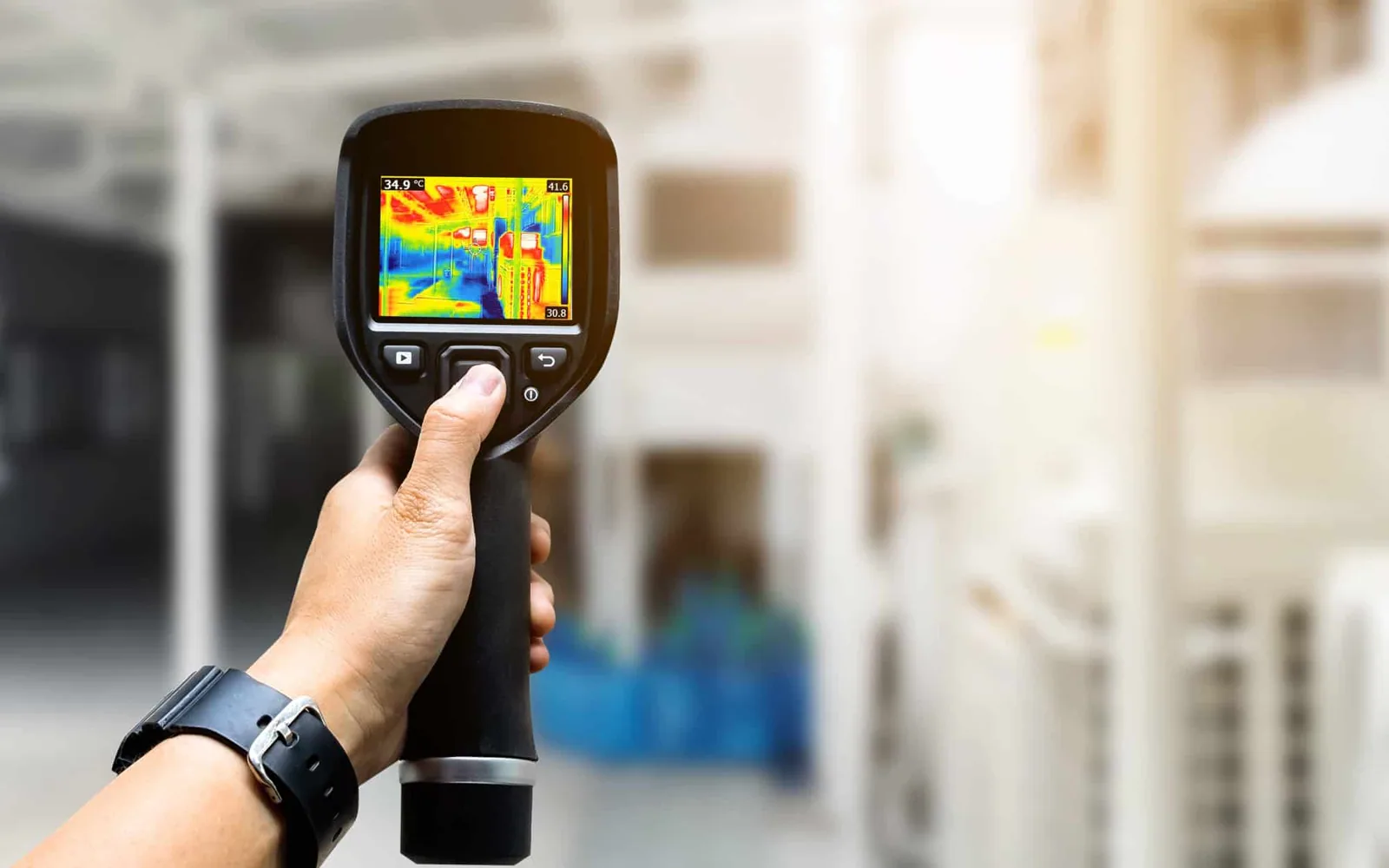
Suppression water creates a different question. It can enter through an opening, remain in a low area, or travel beneath the roof surface. We map standing water and compare it with drain routes and interior reports. A dry ceiling does not prove the assembly is dry. A moisture survey can help locate candidate areas, followed by an approved test where appropriate.
If fire exposure affects deck, joists, or supports, a structural professional determines whether the roof can carry crews or replacement materials. We mark that as a hold point and do not infer capacity from the surface appearance. If damage is confined to a curb or short membrane area, the repair may be local after the substrate and adjacent system are confirmed sound.
Once safe access is confirmed, the roof needs a dry-in strategy that matches the building's condition. A temporary cover may protect an opening, but its attachment must not create another hazard or interfere with the structural plan. We identify the area protected, the material used, and what remains exposed. The owner receives a direct status after each shift.
Georgetown summer conditions can bring afternoon temperatures above 100 degrees Fahrenheit. Heat may affect exposed materials and the work window after the site is released. We check surface and product requirements before installation. The NWS documented a 2022 tornado track across Williamson County. We check current wind and rain conditions before choosing how to secure a temporary roof cover.
FM 971 connects I-35 to SH 130 through commercial development, housing, schools, and a regional park. For a restoration project along that corridor, truck arrival, staging, and emergency access should be coordinated with the property contact. A site near Downtown Georgetown may need a different public route. The roof boundary remains based on safe access and observed damage.
A repair quantity follows the confirmed heat-damaged area and the material needed to reach sound substrate. We list membrane, insulation, cover board, metal, and flashing separately where the findings support it. If heat has affected a larger assembly or concealed layers remain uncertain, testing comes before final quantity. No permanent patch should bridge burned or unstable material.
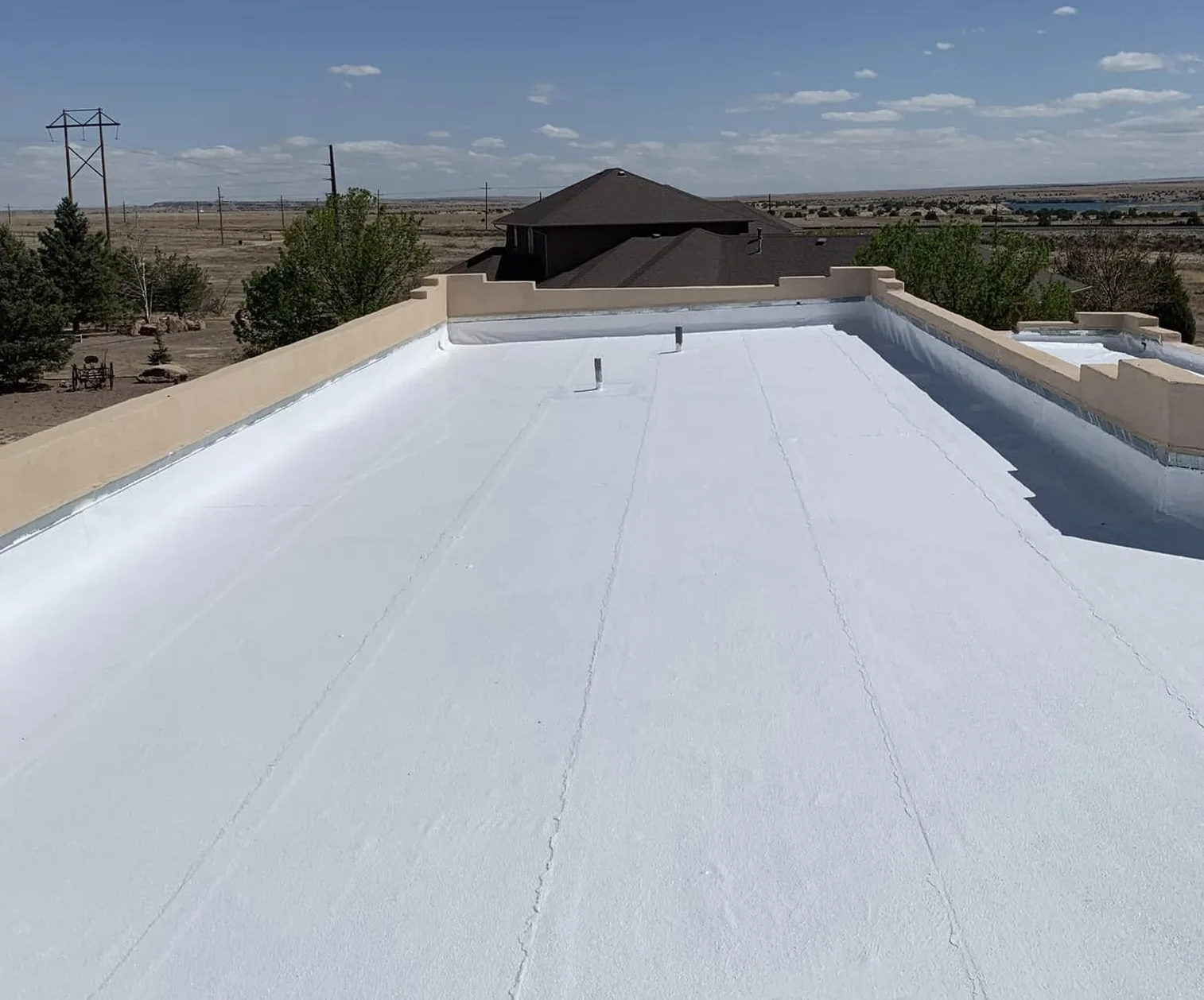
Replacement may be appropriate when heat, suppression water, or removal requirements extend across multiple roof zones. A replacement assessment can compare the assembly, drainage, edge details, and dry-in sequence after the owner has a safe access plan. A membrane-puncture repair may be listed separately if suppression debris or another object created a distinct opening.
Cost and schedule depend on the release date, structural clearance, debris removal, test results, roof layers, utility coordination, and work access. We state what has been inspected and which areas remain restricted. If a test opening reveals more damage, the crew stops at a hold point. The authorized representative reviews the finding before added material is removed.
Where smoke or fire suppression has affected rooftop equipment, the mechanical contractor confirms when a unit can be tested or returned to operation. We protect disconnected lines and coordinate the flashing tie-in around approved equipment work. That boundary prevents a roof patch from hiding a service access requirement.
Roofing work closes with secure transitions, a clear work area, and a handoff to the building representative. The closeout includes dated photos, materials, test results, areas repaired, and any remaining restriction. We identify which interior or structural questions still belong to other trades. If temporary protection remains, the owner receives its location and inspection requirement.
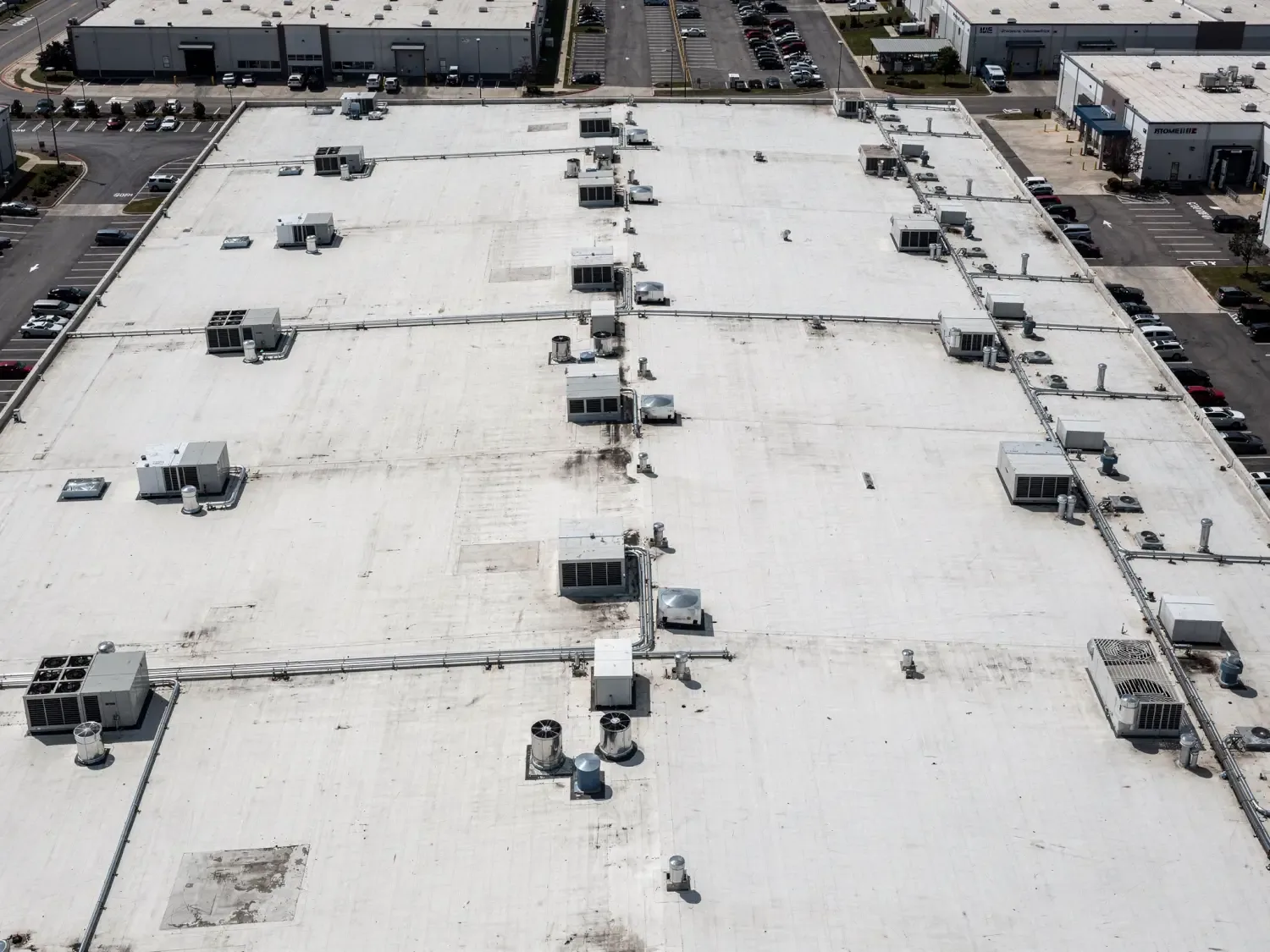
For commercial buildings in Downtown Georgetown or near Berry Creek Business Park, access control and delivery routes vary by property. The site contact supplies current rules and tells us when the building can be entered. A flashing-failure scope can address a separate transition once fire exposure and substrate condition are understood.
Provide the fire department release, structural notes, roof plan, suppression-water observations, and restoration contact before scheduling the roof review. We will set the safe route and document the conditions that can be inspected.
Only after the authority and building representative release the route and any structural or environmental limits are clear. We follow those instructions and hold work if the roof's capacity or safety is uncertain.
Not by itself. We inspect heat effects, residue, seams, insulation, deck, and supports. Testing and structural review determine whether repair, removal, or a wider assembly scope is appropriate.
It can, but the visible ceiling or roof surface does not establish the full wet area. We map the water path and use approved testing where needed before fixing removal quantities.
Sometimes, once access is safe and the attachment method is approved for the structure and current weather. We document what the temporary cover protects and what remains exposed.
A qualified structural professional or the authority responsible for the building makes that determination. We do not use a surface inspection to certify structural capacity.