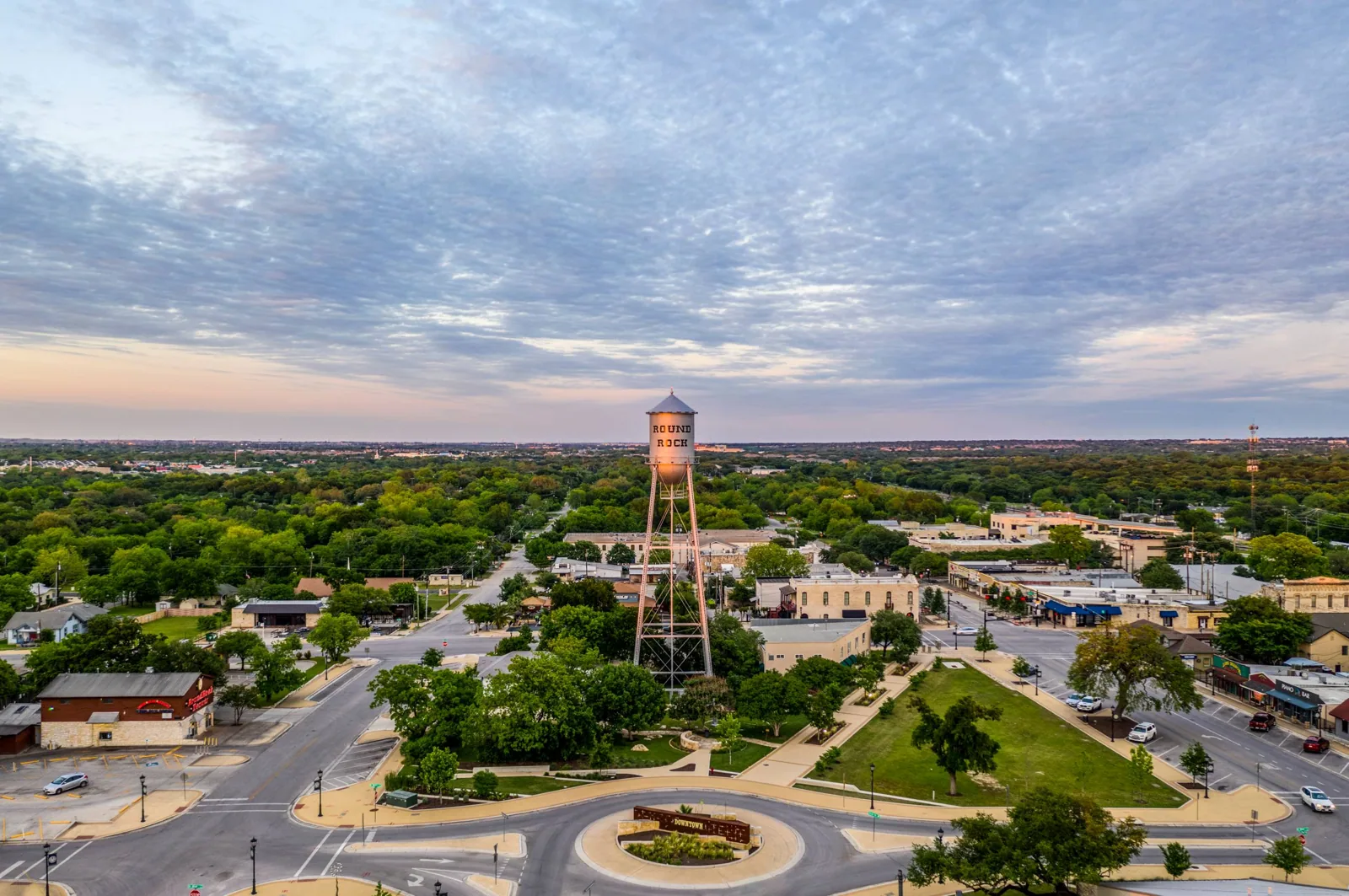
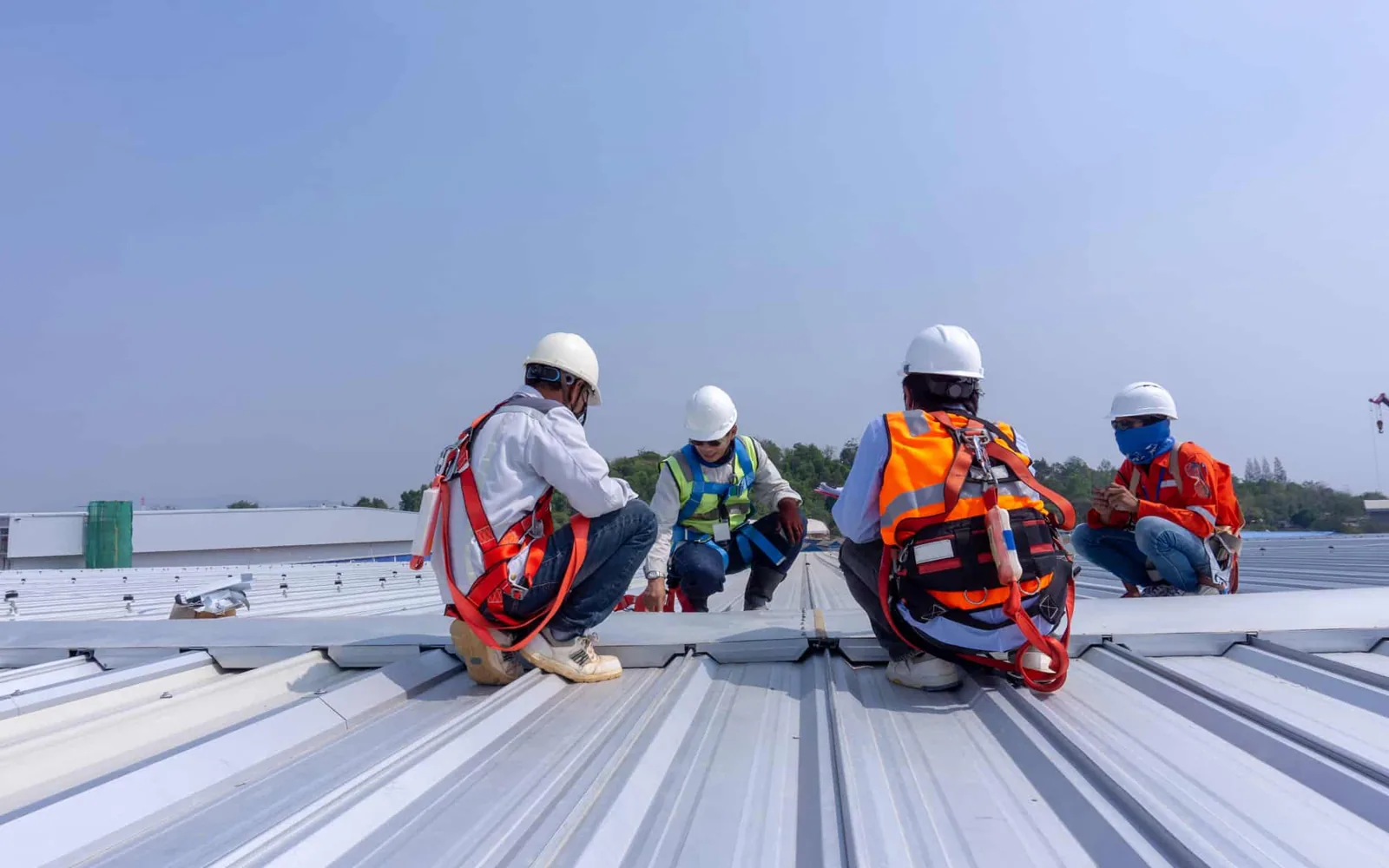
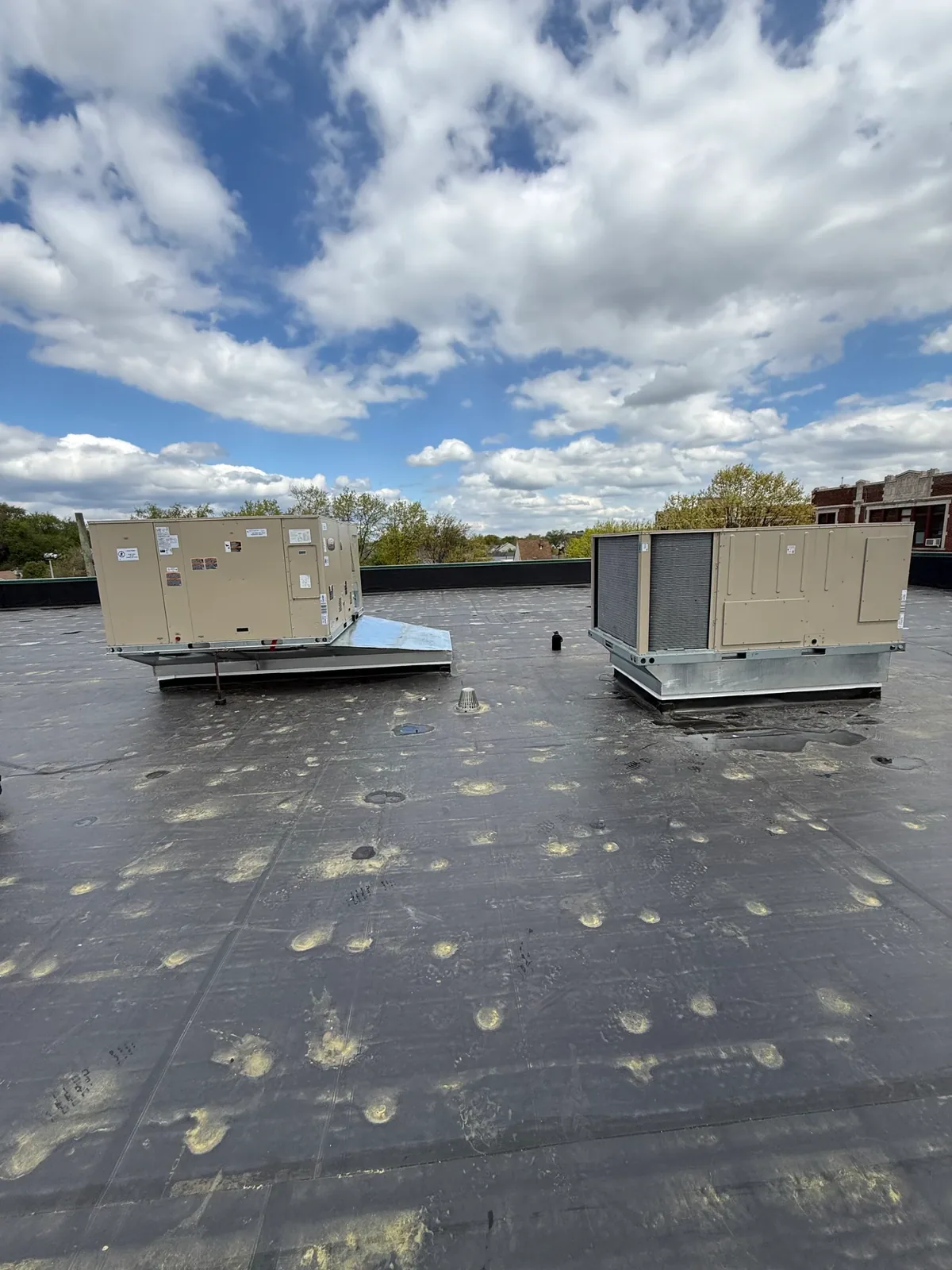
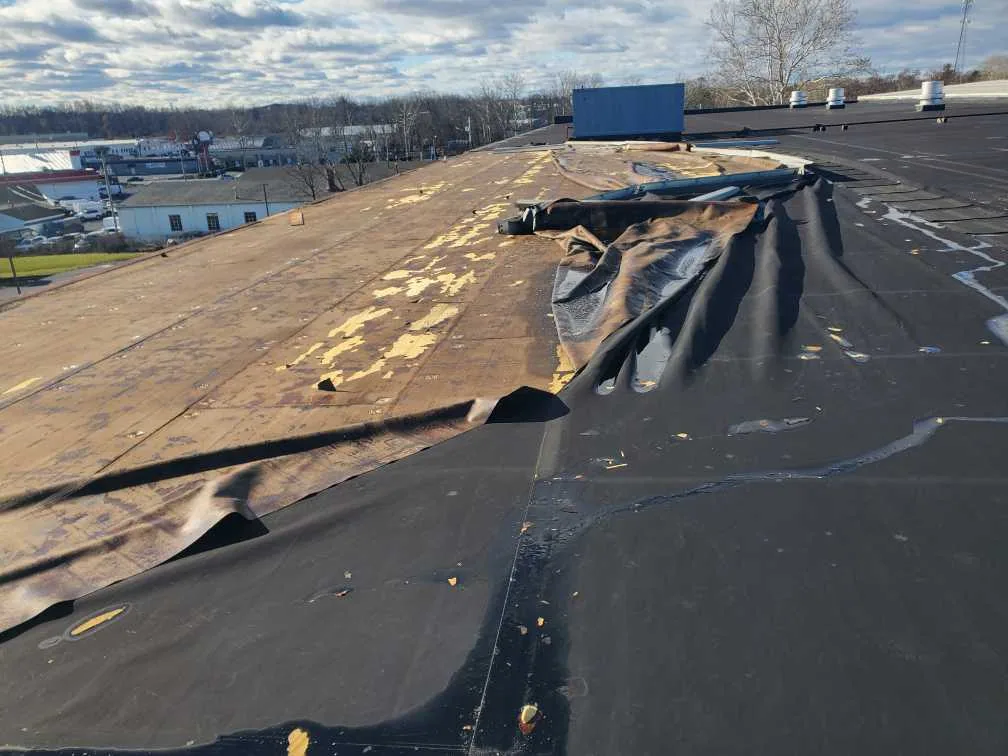
A loose seam beside an HVAC curb sets the first walk point on a Round Rock, TX, commercial roof. We inspect the flashing, follow the membrane lap, and mark the boundary before choosing a repair. Round Rock’s economy includes technology, advanced manufacturing, retail, healthcare, education, and hospitality.
Dell Technologies is a major corporate presence in the city, while the local retail and visitor economy includes several large destinations. Those facts describe a varied operating environment, not a shared roof design. We plan around the building in front of us. A roof inspection records the assembly, active water path, and areas reached.
Technology, healthcare, manufacturing, education, and hospitality sites can have different security, delivery, and occupancy requirements. We confirm the roof hatch or ladder, escort needs, operating hours, loading rules, and contact responsible for the visit. A broad city service area does not create access permission to a specific property.
Before a walk, mark the reported leak, interior access needed, rooftop equipment, drains, and any areas the owner wants checked. The roof map records the route and limits. If staff cannot open a room or roof section, note that boundary rather than treating it as inspected. A University Boulevard corridor visit may involve retail operations and its own access plan.
For active facilities, agree on material staging and ground protection before moving tools. Keep customer entries, emergency paths, and loading zones clear. If the roof work needs a lift, confirm where it can sit and when it can operate. The general contractor can set a daily work boundary that protects business operations and lets the crew finish a dry-in.
A ceiling stain is a starting clue. Water can travel from an open lap, curb, wall, drain, or penetration before it reaches the interior. We inspect the roof area above and uphill, then compare visible conditions with the reported timing. The report separates a confirmed defect from a path that still needs testing.
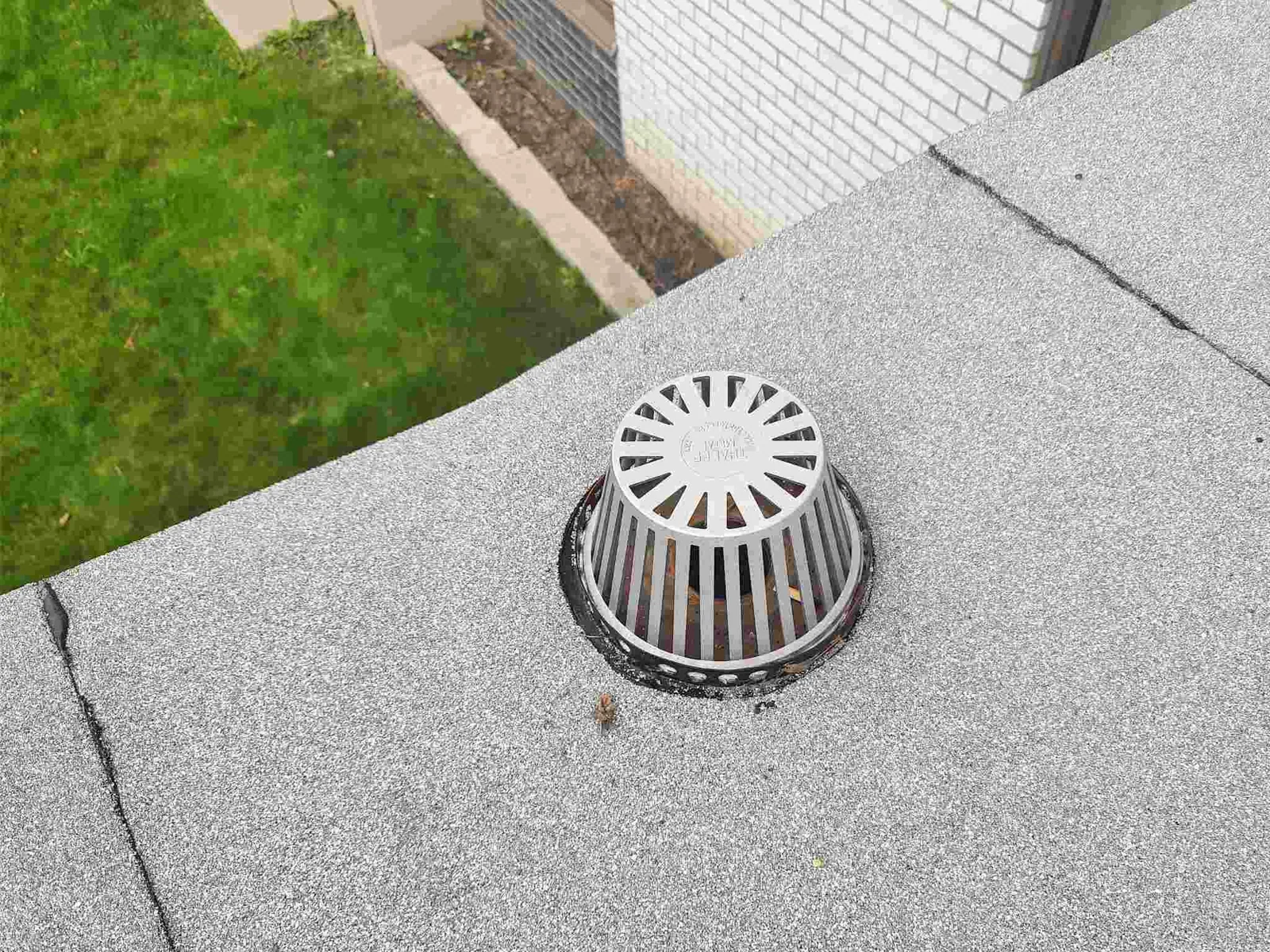
Check low-slope membrane seams, edge metal, wall transitions, equipment curbs, and roof drains. On metal systems, examine fasteners, panel laps, closures, and penetrations. A drain bowl may be clear while its membrane connection is loose. A drain and scupper check includes the outlet and nearby field so maintenance and repair stay distinct.
Round Rock’s employment mix includes manufacturing and healthcare alongside offices, retail, hospitality, and education. These uses may carry different hours and equipment needs, but they do not establish the roof assembly. We verify membrane and attachment through records and field details. If the layers remain unknown, mark a test area and stop before selecting a repair product.
A general contractor can then return to the same detail and coordinate a repair without interpreting a vague note.
Dell Technologies is a major corporate presence in Round Rock, alongside the city’s technology and advanced-manufacturing employers. We inspect the actual roof assembly and use owner records to confirm its history.
Round Rock combines retail destinations with healthcare, manufacturing, and technology employers. We coordinate each visit with the property contact, access route, and operating schedule.
Round Rock connects to Georgetown through routes that serve employment and retail areas on both sides of the city boundary. Owners with buildings in both cities can coordinate visits, but the findings stay separate. A Georgetown service-area inspection follows a distinct roof map and contact chain.
For an occupied site, map the staging area, material path, public-facing entries, and any operation that cannot pause. If equipment will be moved by another trade, agree on who disconnects it and who completes the curb tie-in. A curb coordination review can define that interface before the roof is opened.
The Georgetown station reports summer highs commonly in the 90s, with recent days above 100°F. Heat affects safe access, membrane handling, adhesive time, and the shift length available for a tie-in. We check the surface conditions at the property before setting the daily work area.
Central Texas has documented hail events and tornado activity. A regional report can guide inspection timing but does not prove impact at a Round Rock building. We photograph punctures, displaced metal, open laps, and damaged flashing only where observed. A storm damage inspection keeps physical findings distinct from the weather record.
Before opening an assembly, confirm forecast, material staging, and dry-in. A small patch can expose insulation or deck if the scope is not controlled. We set the boundary at a location the crew can protect, then check the tie-in before leaving. If conditions interrupt the work, the closeout states what is temporary and what remains to finish.
A localized split or flashing failure may be repaired when adjacent membrane and substrate are sound. Repeated leaks, wet insulation, poor attachment, or widespread surface deterioration can change the recommendation. We show which condition supports each option and identify any test still needed before widening the work zone.
A repair scope separates membrane work from access, protection, interior covering, and trade coordination. Recover or coating work needs checks for layer count, moisture, adhesion, drainage, and edge height. A recover review can determine whether the existing roof is suitable. A surface coating cannot stabilize a weak substrate or remove water below the membrane.
If the system needs broader work, a replacement evaluation considers tear-off, insulation, drainage, curbs, penetrations, and phasing around the facility schedule. We map the assembly and define hold points where concealed conditions could change the scope. The project team can coordinate the selected roof work with equipment, electrical, and interior trades.
Timing and cost depend on roof type, access, repair quantity, weather, materials, and the amount of area that can be safely opened. We identify these drivers before mobilization. If a test opening finds wet insulation or deck damage, stop and review the condition with the owner before adding work.
At the end of the visit, the record should identify roof zone, material, observed condition, photos, repair boundary, and next action. List areas not reached. Separate temporary dry-in from completed correction. If a second trade owns an equipment change, name the interface and contact so the tie-in does not fall between scopes.
For multiple Round Rock properties, keep inspection notes attached to each building. A shared schedule can coordinate access, but a portfolio summary cannot replace roof-level details. If a building has an active leak, note interior protection and any follow-up visit needed after a dry period.
Send the property location, roof plan, reported condition, available system records, and access window. We confirm the route with the site contact and mark the first inspection zone. For emergency water entry, response is available through nights, weekends, and holidays.
Send the property contact, roof plan if available, issue location, access window, and any system records. We confirm the travel path and work boundary before the walk.
Yes. We coordinate access, staging, escorts, equipment routes, and occupied areas with the property contact or general contractor before roof work begins.
No. It can help set inspection timing. We document physical conditions found at the property and do not infer damage from a regional event alone.
The report identifies the area not inspected and what access or follow-up is needed. It does not mark an inaccessible zone as sound.
We compare the defect with surrounding membrane, insulation, attachment, drainage, and deck condition. The report states what evidence supports each option.