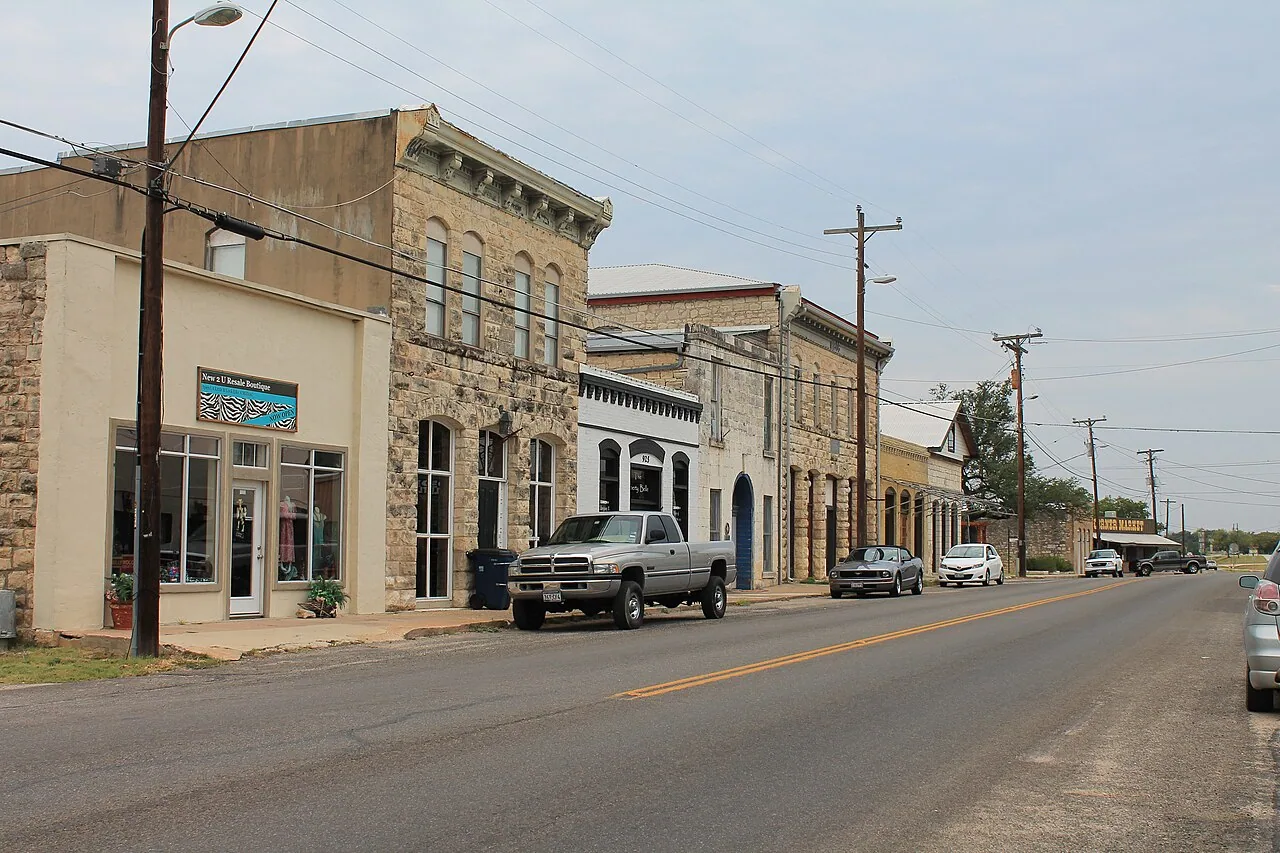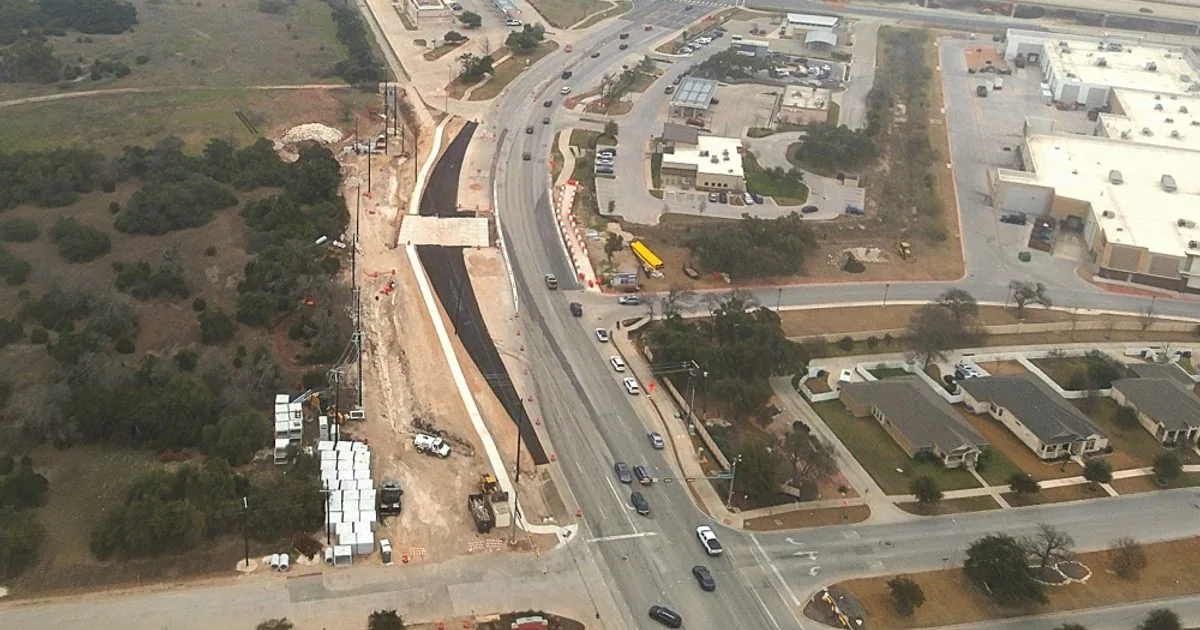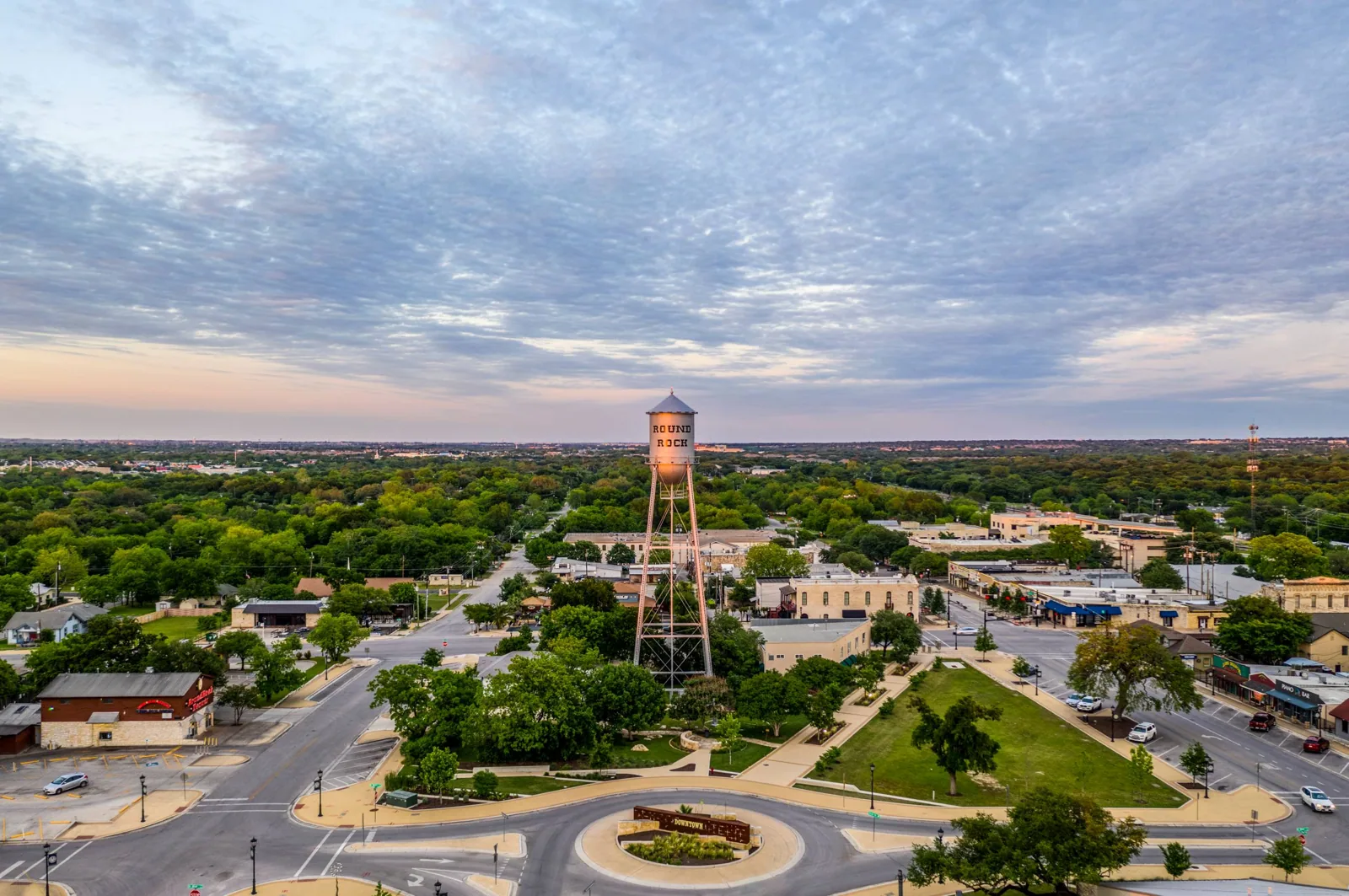

A leak beside a curb or drain along University Boulevard calls for a roof-level check before anyone sets the repair boundary. We start at the reported room, inspect the area above it, trace connected seams and drains, and photograph the opening or displaced detail. University Boulevard is a major Round Rock commercial route with regional retail destinations and access to city employment areas.
Round Rock has retail, technology, healthcare, manufacturing, and hospitality businesses. Their operating hours shape when crews can stage, make noise, or protect an entrance. We confirm those hours with the building contact and review roof records before choosing the inspection route. A commercial roof inspection documents what is present on the property.
Along a regional retail route, the customer entrance and the roofing access point may sit on different sides of a property. We confirm where the crew can park, stage tools, protect pedestrians, and move materials. The property team sets those conditions.
Ask the site contact about delivery windows, waste pickup, rooftop equipment service, and any hours when noise or lift operation must stop. The general contractor can mark the work boundary and assign each trade a handoff. If a roof hatch opens into a secure area, arrange escort and interior travel before the visit.
Round Rock's street network connects the city with nearby employment and retail areas. For each property, we confirm the gate, loading route, and safe staging area with the site contact. The roof map records access restrictions and the approved crew path for follow-up work.
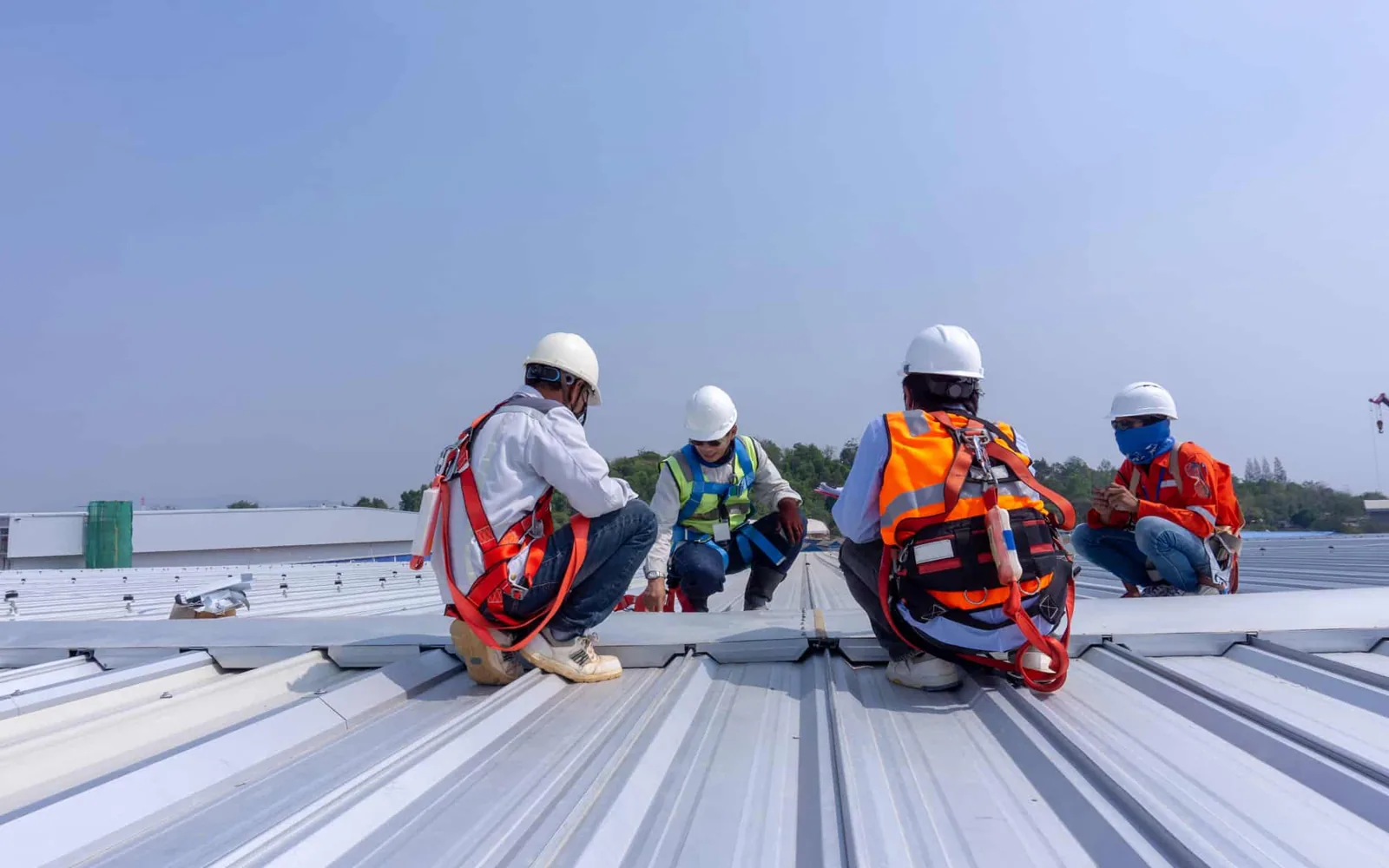
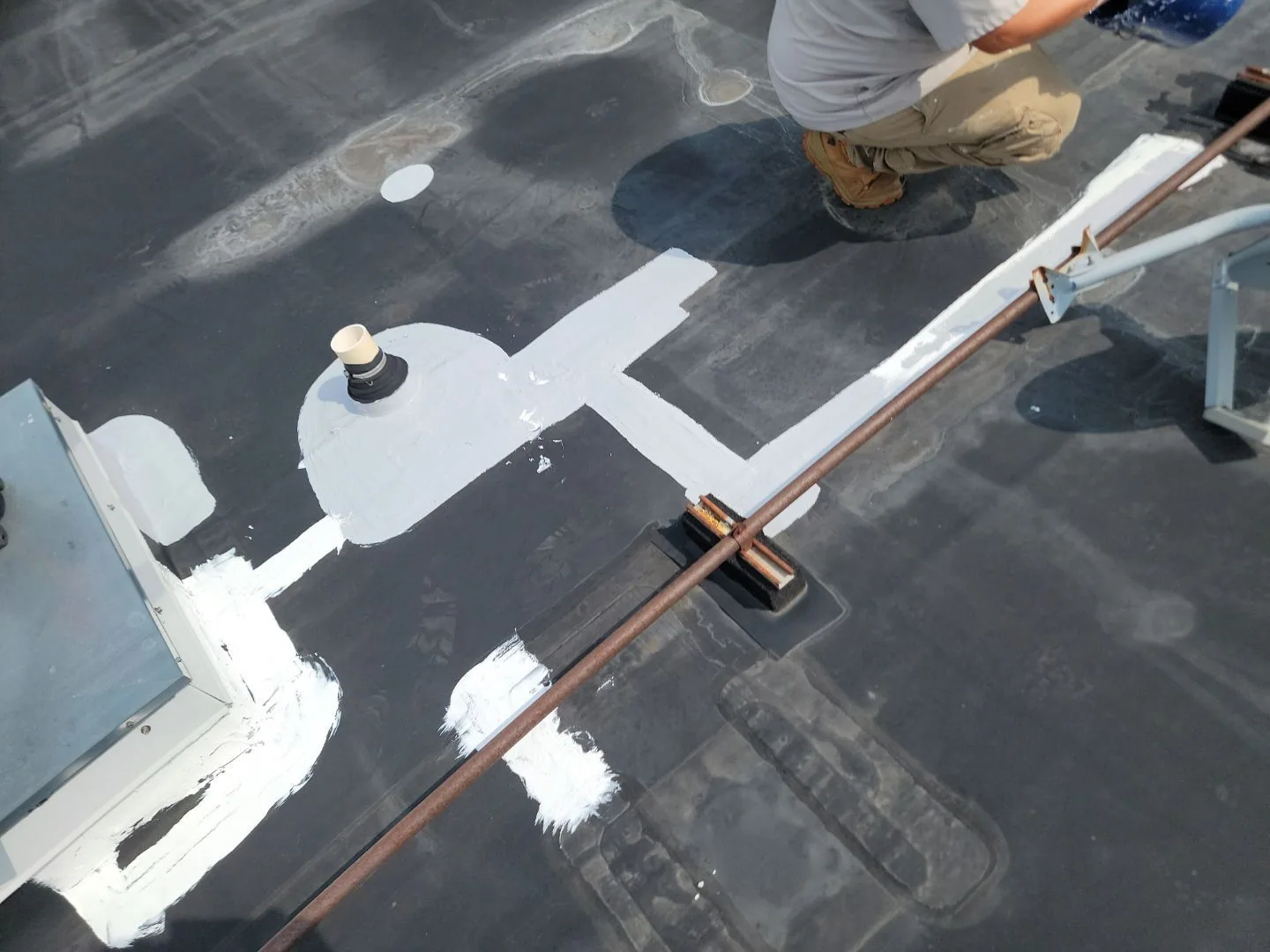
At a low-slope system, inspect the field membrane, laps, curbs, penetrations, drains, and edge metal as separate parts. Water may travel below the surface before it reaches an interior mark. We begin near the reported room, inspect the roof above and uphill, and photograph any opening or displaced detail. The map distinguishes observed defect from a suspected path.
A metal roof needs a different walk. Check panel seams, fasteners, closures, flashings, and changes in plane. Do not apply a membrane repair method to a metal assembly. If the system cannot be identified from roof records or visible edges, note the unknown and define a test or document review before pricing a permanent repair.
At an occupied property, rooftop equipment, service paths, and public entrances can change the work sequence. The first walk records those features and marks any area the crew could not safely reach, so the repair plan accounts for actual conditions.
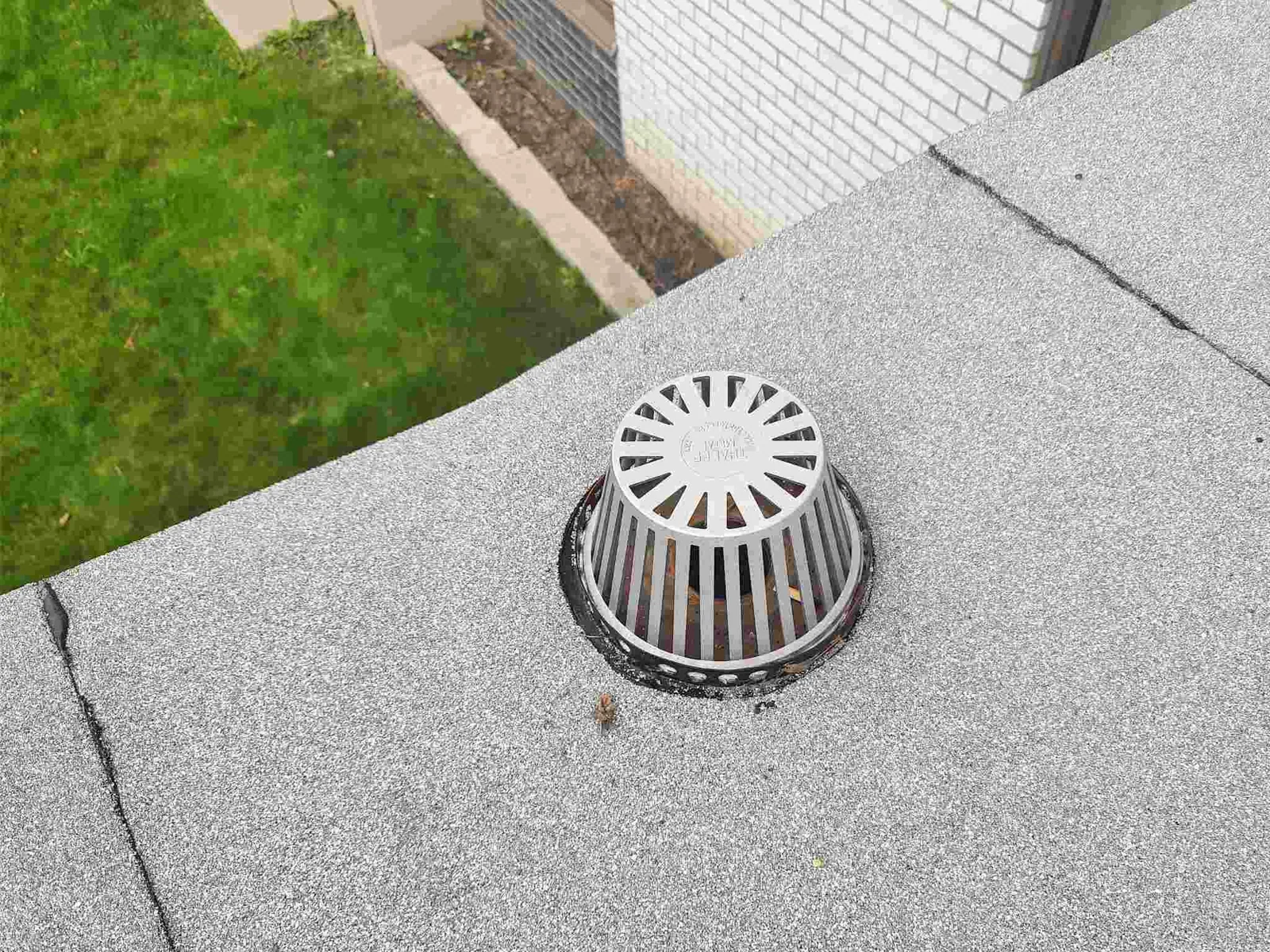
At a drain, note debris, strainer, clamping ring, surrounding membrane, and how the slope reaches the bowl. A blocked outlet and an open membrane connection are different issues. A drain inspection keeps the maintenance step and repair step separate.
Round Rock’s commercial sectors include technology, healthcare, manufacturing, retail, and hospitality. A retail property may need customer protection; a healthcare or technology facility may limit access to mechanical areas. We ask for the building’s operating requirements before setting staging or scheduling a test opening. We do not infer roof conditions from the business category.
The Mays Street extension connects Georgetown with Round Rock near Westinghouse Road and supports access between employment and retail areas. The city-to-city link can help an owner coordinate inspections at multiple properties. Each building needs a separate roof map, system record, and property contact. A Round Rock service-area visit follows the inspection limits for its specific site.
For an active leak, protect the interior area and locate the roof access point before opening the assembly. Confirm whether a ceiling tile, equipment zone, or stock area below needs covering. The crew should know who can approve a test cut and who can receive the finding. A leak repair begins with the path and stops at a defined hold point if layers differ from the records.
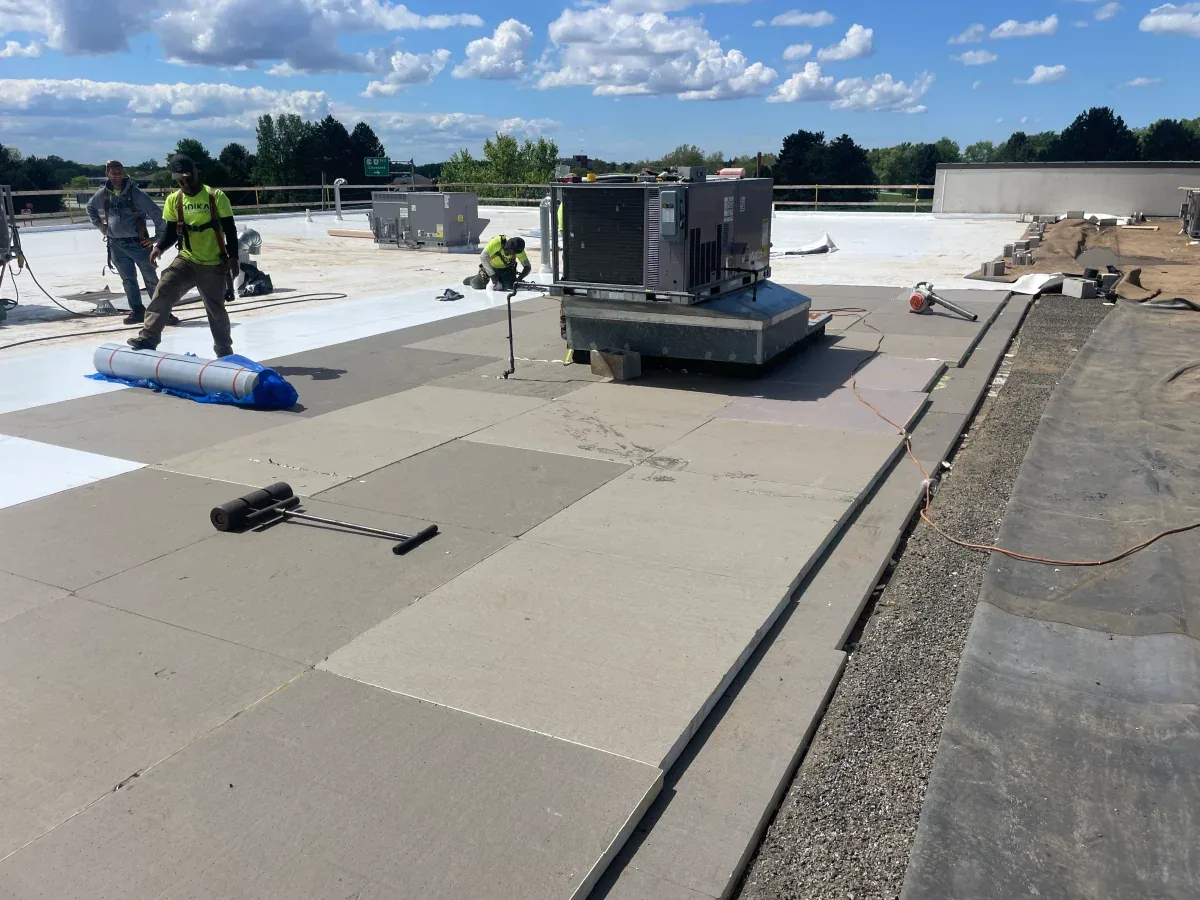
Keep the ground route clear while staging. If a lift or crane is needed, confirm its position and travel path with the property operator. Materials should not block drains or service clearances once they reach the roof. The daily plan names the work zone and where the crew will stop if operations change.
The Georgetown market has recently seen summer days above 100°F, while usual highs fall in the 90s. Before a Round Rock tie-in, the roof's actual heat, wind, and substrate moisture set the work window.
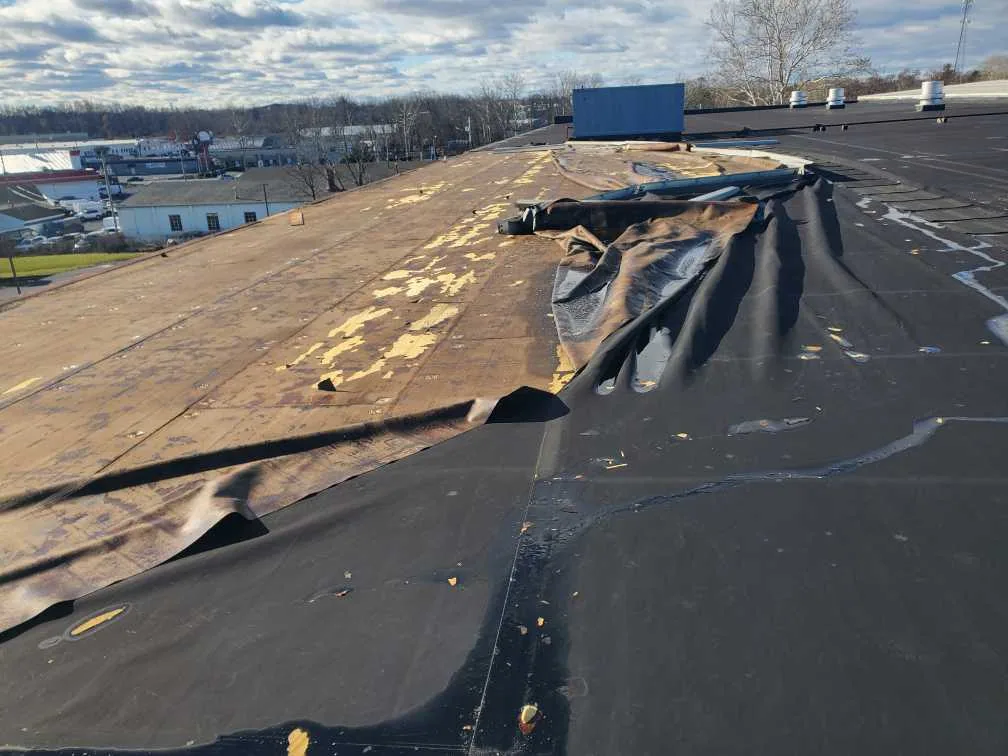
After severe weather, we document punctures, broken surfacing, open seams, moved edge metal, and damaged flashing where present. A storm damage inspection records the roof condition, not a presumed cause.
Before opening the roof, confirm forecast, materials, access, and dry-in. If a storm moves into the area, secure the opening and stop at a boundary that can be protected. The closeout distinguishes temporary protection from a completed repair. It also identifies any roof zone not inspected because of weather or access.
A single failed seam or curb flashing can support a local repair if the membrane and substrate around it are sound. Repeated leaks, wet insulation, brittle material, loose attachment, or deck movement can require a broader response. The report names each condition and the test needed to resolve uncertainty. That lets the owner compare options against evidence.
A repair scope lists the area, compatible material, access needs, interior protection, and any remaining hold point. Recover or coating work needs checks for attachment, moisture, drainage, layer count, and edge height. A surface treatment cannot fix wet materials under the membrane. We keep those conditions visible before the project advances.
When removal is being considered, a replacement evaluation accounts for tear-off, insulation, curbs, drains, penetrations, and occupied-building sequencing. The general contractor can coordinate roofing with mechanical and electrical work using a clear tie-in detail.
The project team resolves applicable permit and design requirements. We provide the roof condition and proposed work boundary so those decisions fit the actual building.
Record the inspected area, material, repair, test result, photos, access limits, and remaining work. Keep temporary dry-in separate from permanent repair. If a later trade will cross the roof, identify the route and the point where roofing hands back the area. That protects the boundary already completed.
Owners coordinating sites across Round Rock and Georgetown can group visits when schedules allow. The records remain building-specific. A Georgetown roof visit has its own contacts, system, access route, and inspection scope. The handoff names the contact and access route for each building.
Call with the building name, accepted access hours, and general-contractor contact. We will identify the roof-entry route and first hold point before scheduling. Emergency response remains available overnight, on weekends, and holidays for active water entry.
It refers to the broader Round Rock commercial route, not one tenant or building. We confirm the property location and access requirements before scheduling a roof walk.
We coordinate staging, lift use, noisy tasks, and pedestrian protection with the property contact. The work sequence depends on the access window and roof condition.
No. We identify the actual membrane or metal assembly through records and field details. Business type and corridor location do not establish roof construction.
Summer days in the Georgetown market can run above 100°F. Before starting in Round Rock, we check the roof surface, wind, and substrate moisture to set a safe work window.
It should name the roof zone, repair boundary, material, photos, test result, and remaining hold points. Access limits should be included too.