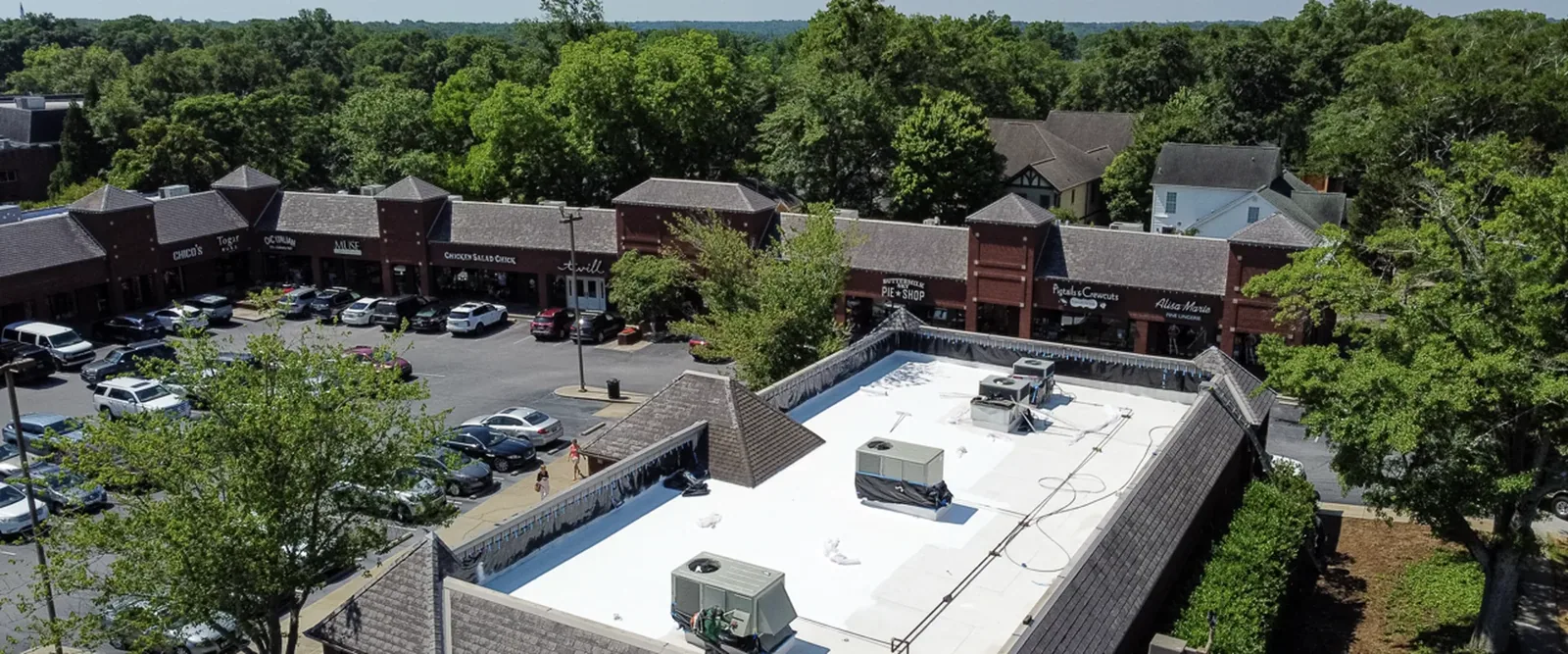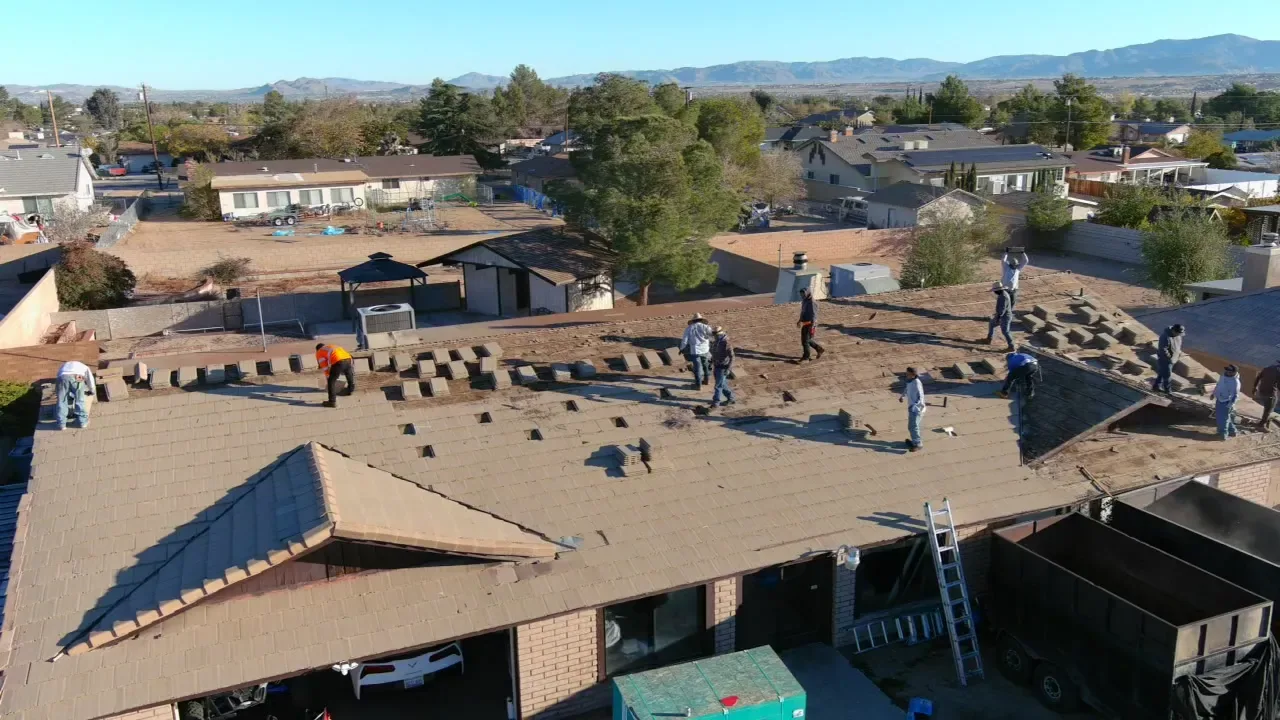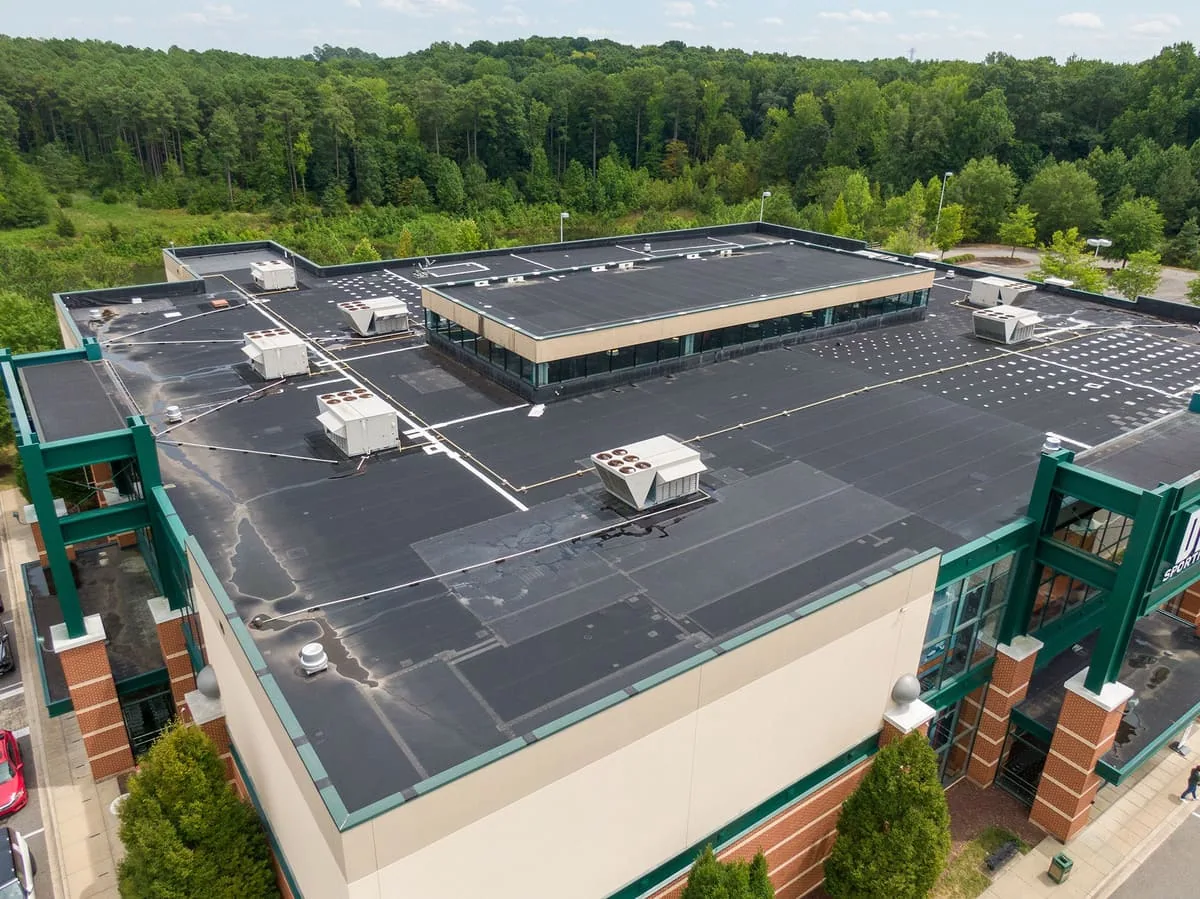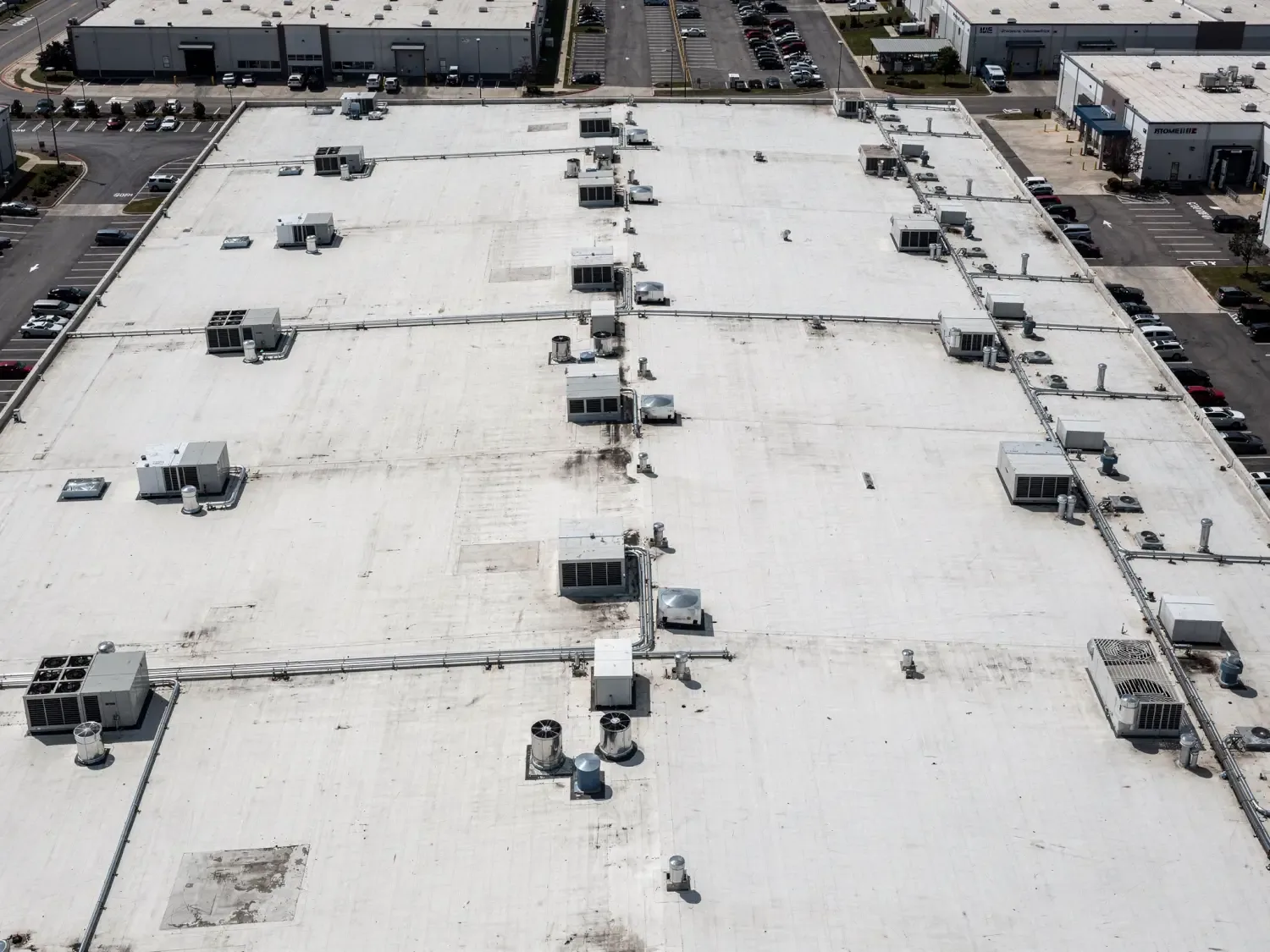
A lifted coping cap leaves a path for wind-driven rain. We start at the exposed edge and trace the attachment toward the next seam. The roof map separates damage from older wear. Then we protect any opening that cannot wait for a permanent repair.
The 2022 storm path ran from the Round Rock interchange across Williamson County toward Granger. Hail also affects the Austin forecast area. After a storm, we document the conditions visible on the specific roof.
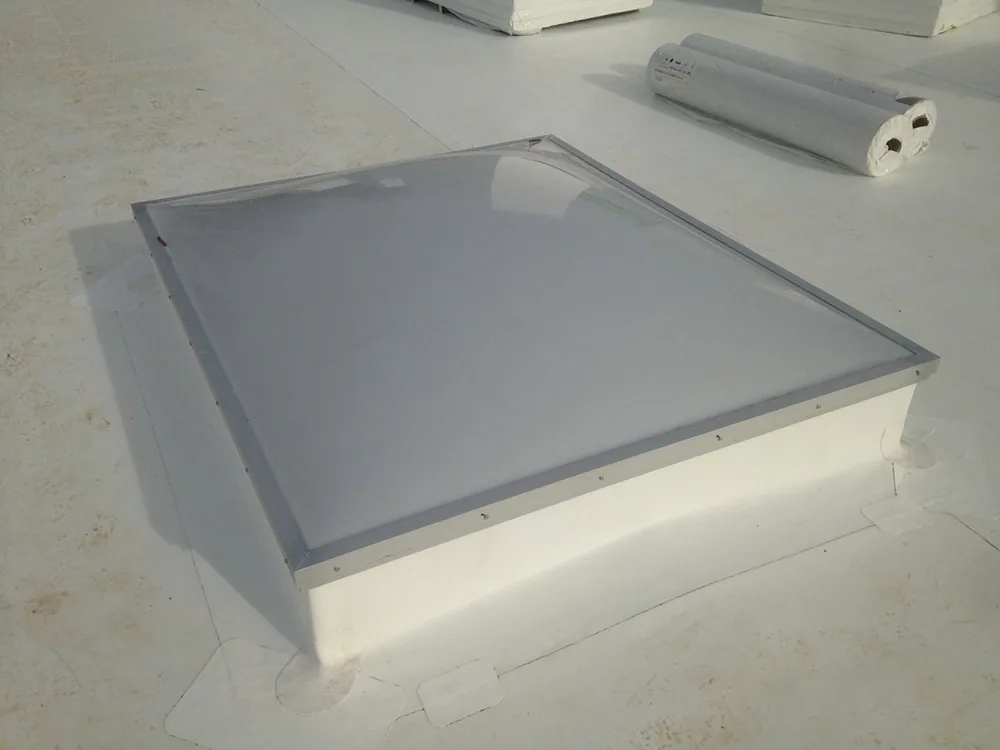
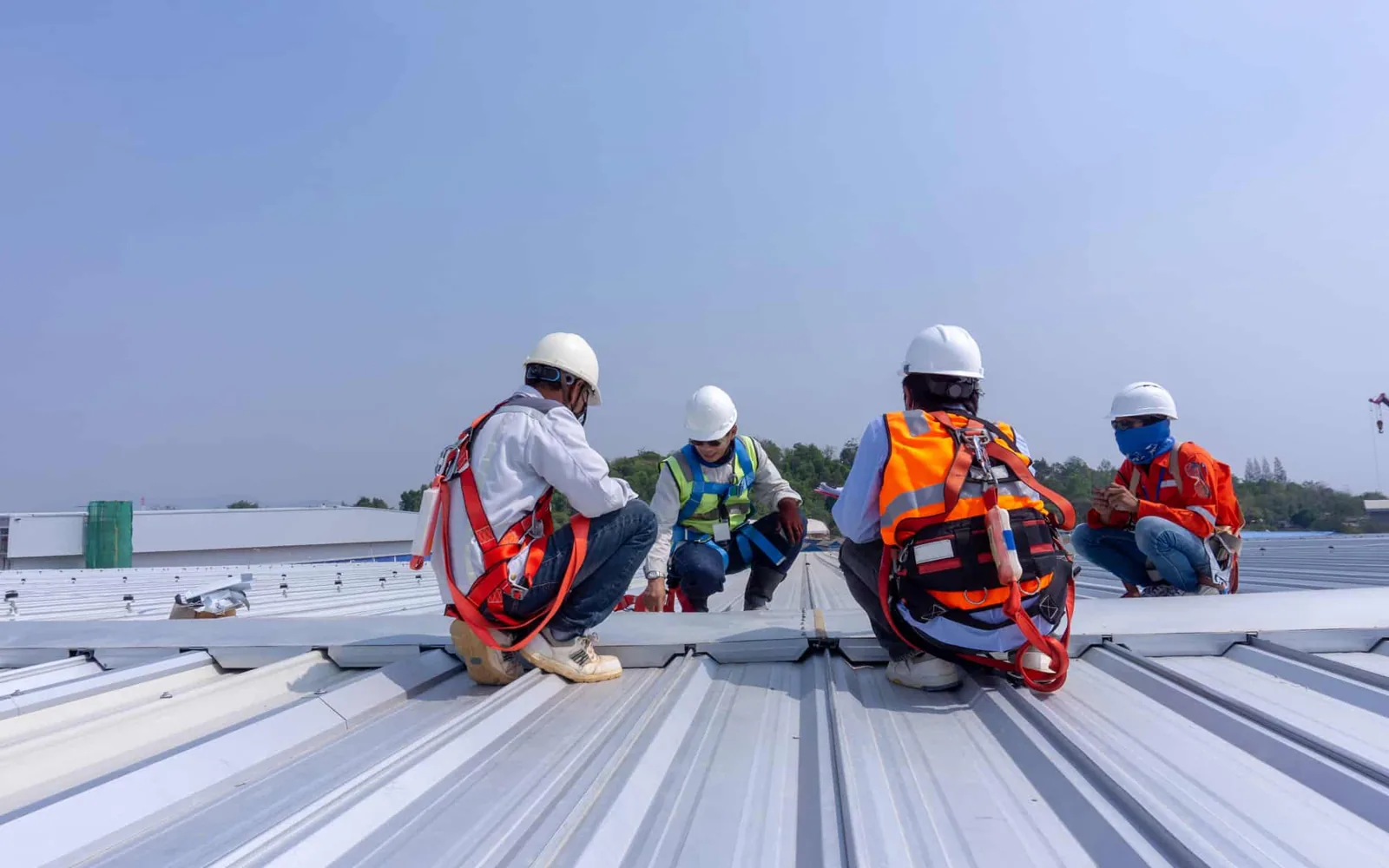
We confirm the access route, weather, fall protection, and site contact before taking tools to the roof. The first pass looks for open seams, punctures, displaced metal, loose membrane, damaged skylights, and blocked drains. We keep people clear of areas with loose material below. If an opening is active, we set a temporary dry-in boundary and mark the return point.
Storm reports can cover a broad area. The roof walk narrows the work to the property and sections that can be reached safely. We photograph each mark with a roof-zone reference. The note separates direct evidence from a suspected path or a condition that needs testing. An inspection report can establish that baseline, while a temporary protection visit can secure active entry while weather limits permanent work.
At a site near Georgetown Logistics Park or Berry Creek Business Park, the delivery route may cross loading activity. We coordinate truck, lift, and crew access with the site representative. The route and work zone go on the plan before materials arrive.
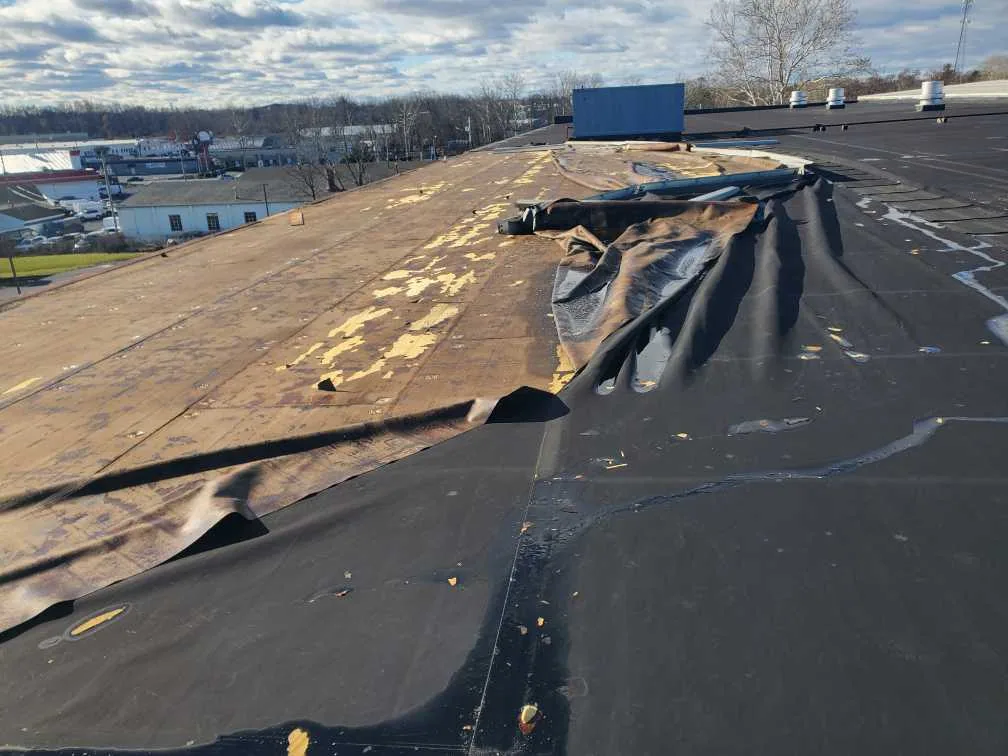
Hail can dent metal, damage rooftop equipment, split brittle surfaces, or leave marks that are difficult to classify from a ground view. Wind can lift edges, loosen coping, open laps, or pull flashing away from a curb. Water entry may appear inside after the storm has passed. We record each condition by location and photograph the context around it, not just a close-up.
The record notes the inspection date, roof area, visible impact, and any test completed. It also states what could not be inspected. A mark that needs an engineer, adjuster, or destructive test stays identified as unresolved. The crew does not assign a cause where the evidence does not support it. We can mark the location for a closer review and note whether the surface was wet, dry, accessible, or obstructed. That detail helps an adjuster or engineer understand what was observed without turning a photograph into a coverage or structural opinion. That distinction helps a general contractor coordinate the repair without mixing confirmed work with an open question.
Georgetown summers commonly bring daytime heat in the 90s, with recent periods above 100 degrees Fahrenheit. Hail and tornado exposure make a post-storm walk useful; the roof inspection identifies the actual repair scope. A separate claim documentation scope can organize photos and repair records without substituting for an insurer's coverage decision.
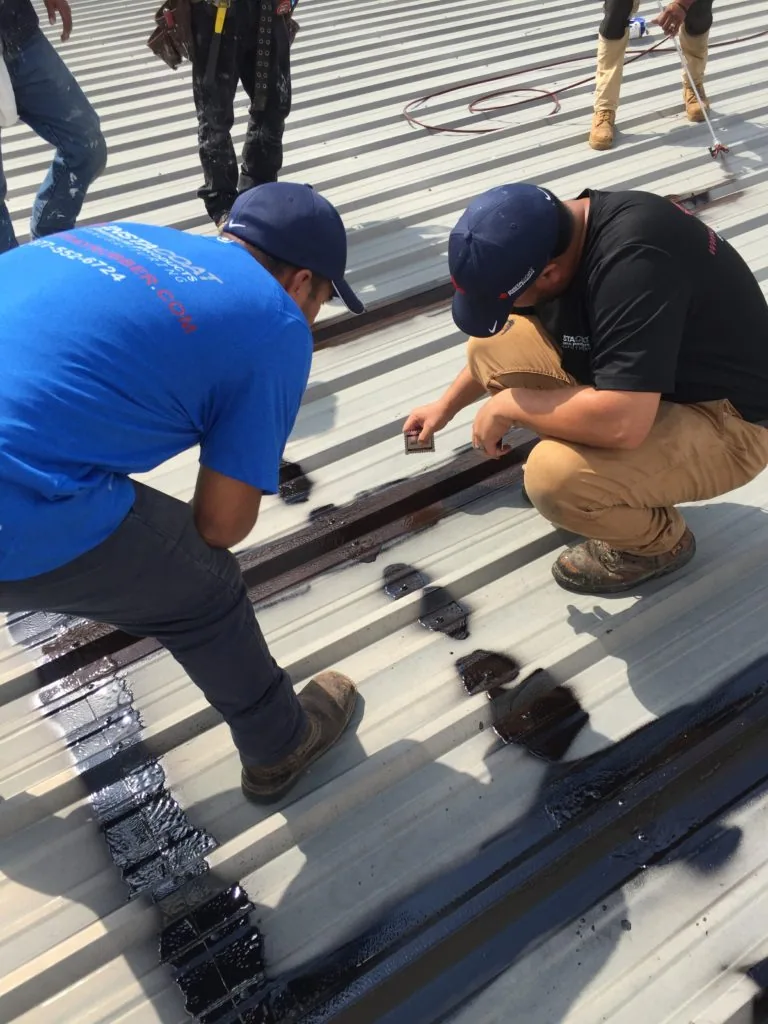
A repair boundary includes the damaged surface and enough sound material for a compatible tie-in. We check the membrane, substrate, attachment, seams, and nearby flashing before selecting a patch. Metal panels may need fastener, panel, or edge work. Single-ply systems need compatible membrane and seam preparation. Modified-bitumen surfaces use a different repair method. We identify the roof type first.
Heat can affect sealants and the handling of repair materials in Georgetown. We check surface conditions and product requirements before preparing a bond area. The hail repair review can focus on documented impact, while wind damage repair can address lifted edges and attachment. If water remains active, we separate temporary protection from the final scope.
NorthPark35 is in Georgetown’s I-35 and Airport Road growth area, where industrial buildings and business activity continue to expand. A larger building can have multiple roof sections and access points. We map each one separately. The repair order names the section, material, tie-in, and hold point before the crew opens more roof.
Permanent repair needs a surface and weather window that match the material instructions. Rain, wind, wet insulation, or unsafe temperatures can stop the work. We protect the opening, note the temporary condition, and set a return sequence. The daily plan identifies where the crew starts, what must be dry-in complete, and which details need a hold point before another trade covers them.
FM 971 links commercial activity, homes, schools, and a regional park between Georgetown’s I-35 and SH 130 routes. Traffic and property operations may affect material delivery along that corridor. Downtown Georgetown has a different circulation pattern around its courthouse-centered mixed-use district. We confirm the individual site’s loading, tenant access, and lift route before scheduling the repair.
Cost depends on access, material, repair area, substrate condition, and whether hidden damage changes the work. We list those assumptions and identify who can approve added scope. If the roof has widespread deterioration, a replacement evaluation can compare repair with recover or tear-off. The decision follows the documented condition, not the storm report alone. We also note when weather stops work, how the temporary cover is secured, and which contact can authorize a return. Material availability and access restrictions can shift the schedule after the roof is inspected. The handoff states those open items so the general contractor can keep follow-up visible.
After repair, we photograph the completed tie-in and update the roof map. The closeout names materials used, sections reached, and conditions left outside the approved scope. Any temporary protection is marked with an inspection date and return need. That prevents a temporary patch from being mistaken for the permanent repair.
We review the findings with the general-contractor contact and identify any other trade or test needed. A photo condition report can keep the storm record with later maintenance. For properties in Georgetown Logistics Park or along the FM 971 corridor, the access notes help the next crew return to the right section.
Send the roof area, reported damage, access window, and site contact. We can set the first walk and define the work boundary before mobilization. Response remains available around the clock, including weekends and holidays, for urgent water entry. Permanent repairs proceed when the roof and weather allow. If additional testing is needed, the report names the test area and the question it is meant to answer. The owner can then approve a measured next step instead of expanding the repair across an unverified zone.
We confirm safe access, check for active water entry, and document visible conditions by roof zone. If an opening needs immediate protection, we set a temporary dry-in and record the return point.
No. Regional records provide context, but the roof inspection establishes what is visible at the property. We separate confirmed damage from wear and conditions that need testing.
A dry-in protects an opening while conditions or materials prevent final work. We record it as temporary and identify the follow-up repair and inspection need.
The record should show the date, roof sections inspected, photos, confirmed findings, access limits, repairs completed, and any unresolved test or trade coordination.
The roof surface, wind, rain, temperature, and product instructions set the workable window. We protect active openings and return when conditions allow the specified repair.