A dark roof that holds heat can make rooftop work harder before the first seam opens. We check the membrane, insulation, and ventilation or equipment conditions before discussing a reflective system. A cool-roof surface is one part of the assembly. The roof map sets the boundary and the test area.
Georgetown's summer climate regularly brings high temperatures in the 90s, with recent days above 100 degrees. That makes surface temperature a practical design and work-window question. Berry Creek Business Park serves Georgetown near I-35 and SH 130. We verify each building's roof condition before comparing a reflective membrane or coating with the current assembly.
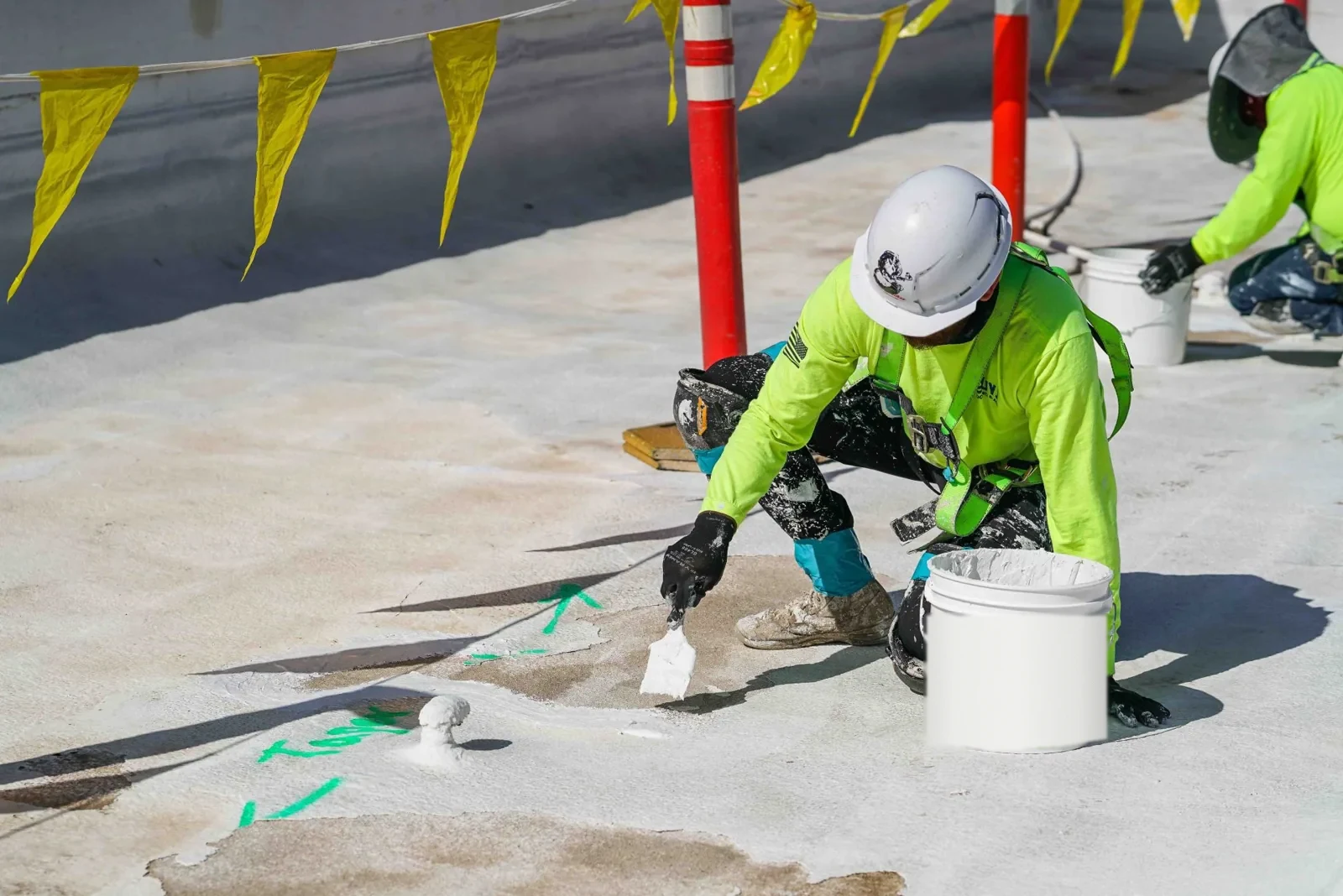
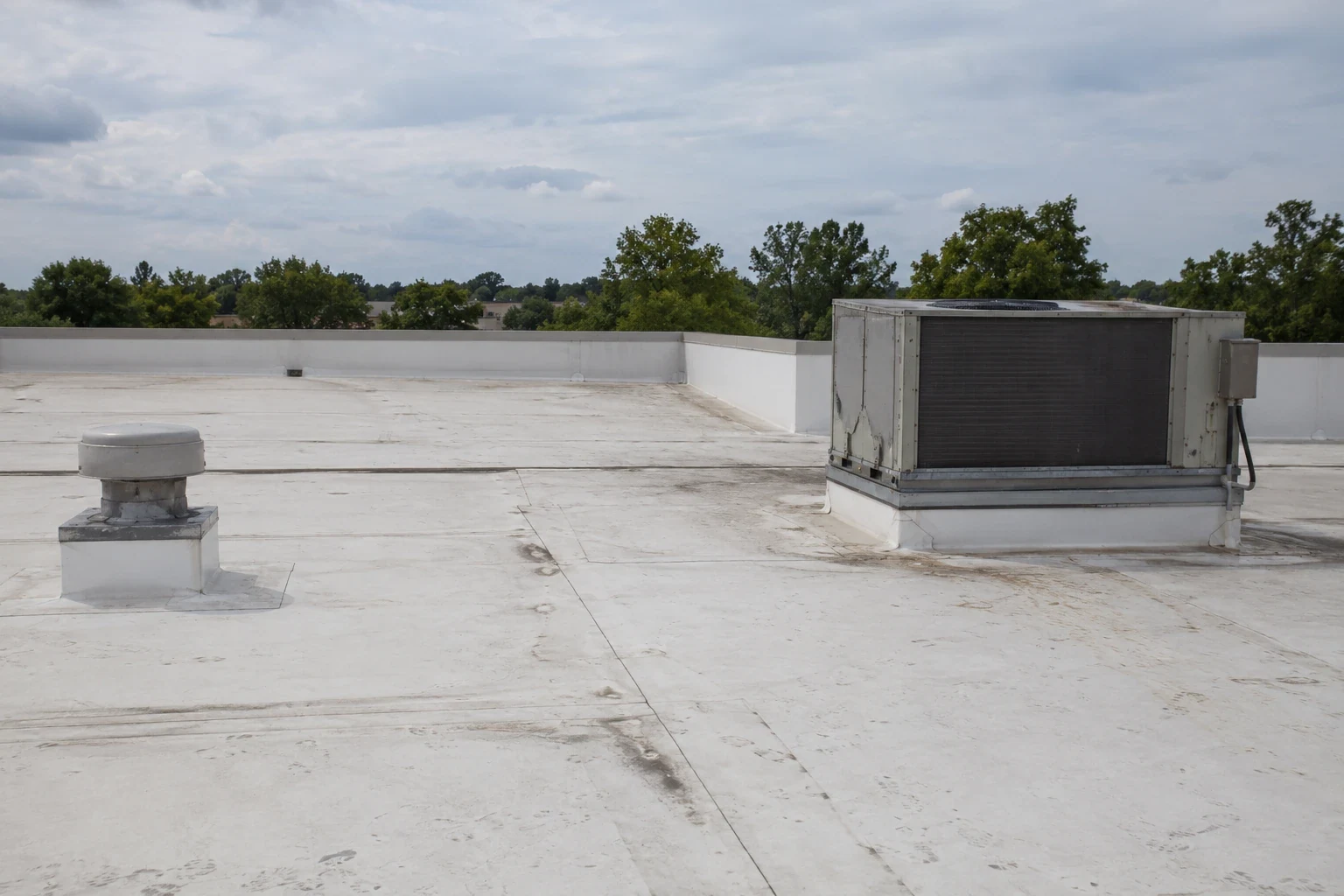
We identify the existing roof system and check whether the surface is stable, clean, dry, and compatible with the proposed finish. Loose seams, wet insulation, failed flashing, or ponding need attention first. A reflective coating cannot repair a moving deck or a saturated assembly. We mark visible defects and set a test area when adhesion is uncertain.
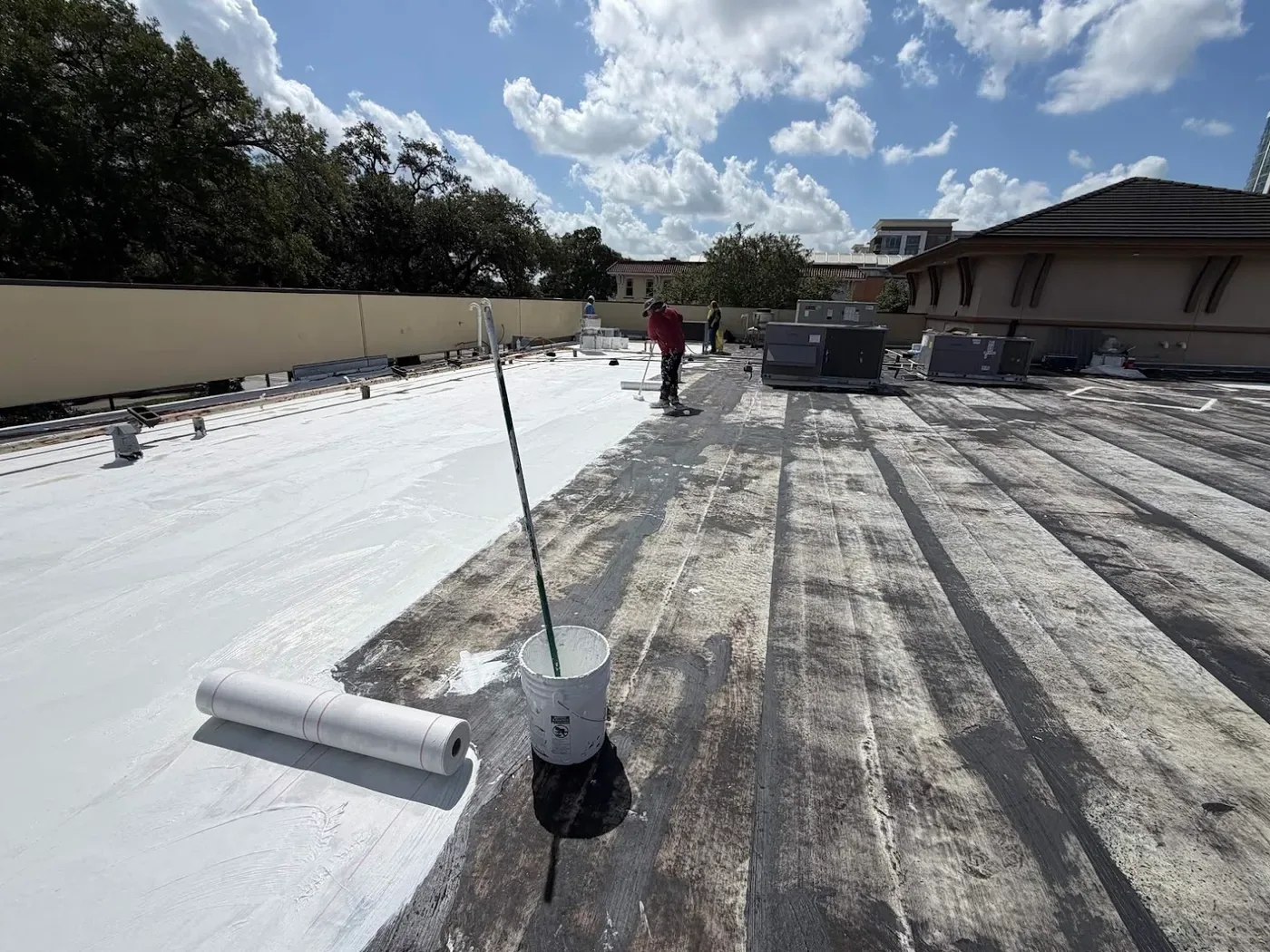
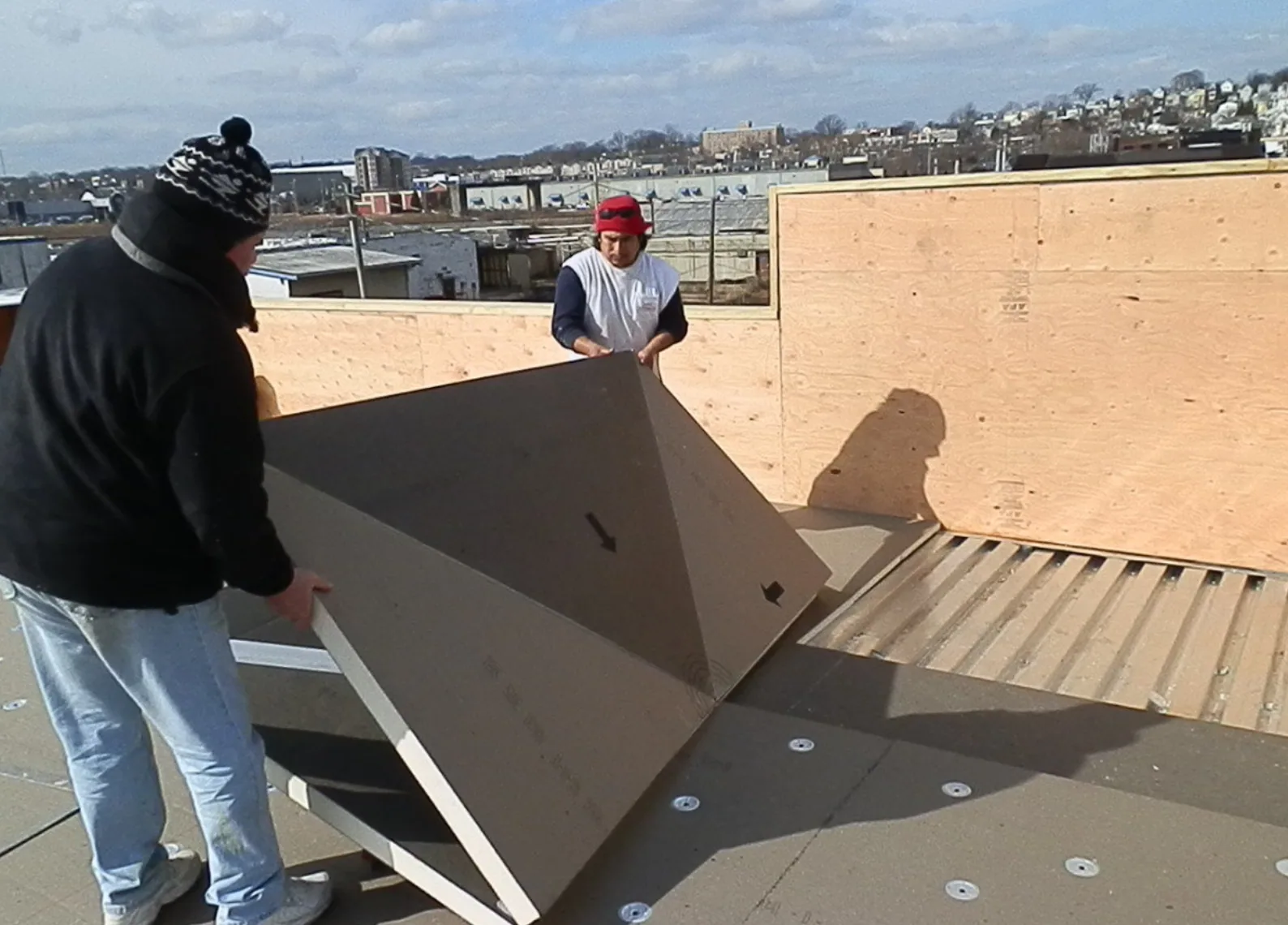
A new reflective membrane may require different preparation from a coating restoration. We compare removal, recover, and restoration as separate scopes. The decision includes layer count, attachment, insulation, edge details, drains, and curb heights. A coating restoration can proceed only where the existing roof supports it. A replacement plan can define the build-up when the substrate or membrane has failed.
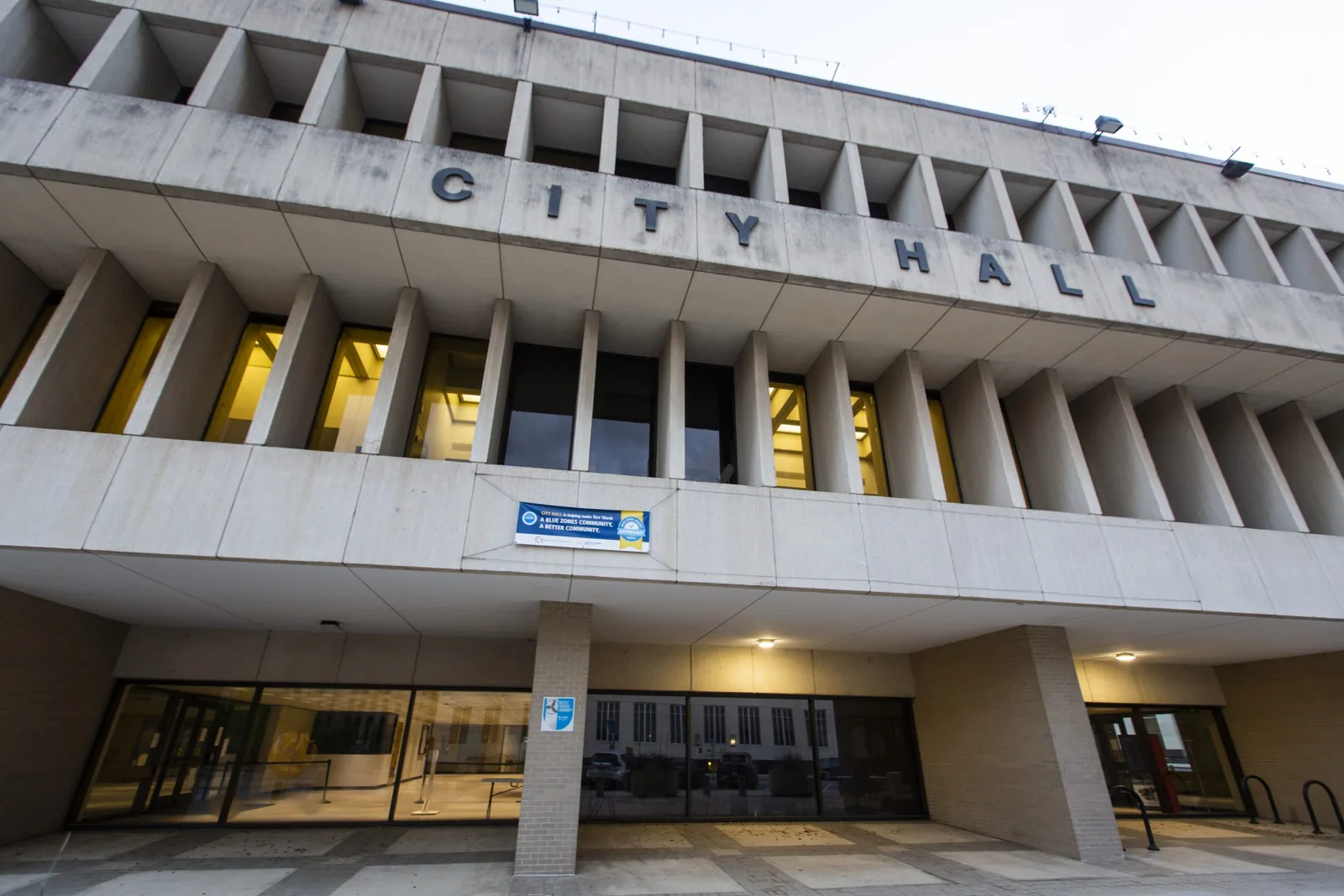
Downtown Georgetown's 40-block mixed-use district has commercial, civic, county, and residential uses around the courthouse square. Older or varied roof areas require field confirmation; district character does not establish a building's roof type. We check the surface and property access directly. We also document surface repairs that may affect adhesion, including dirt, chalking, loose granules, or old patch edges. The preparation plan sets what must be removed and what requires a separate repair before the reflective system goes down.
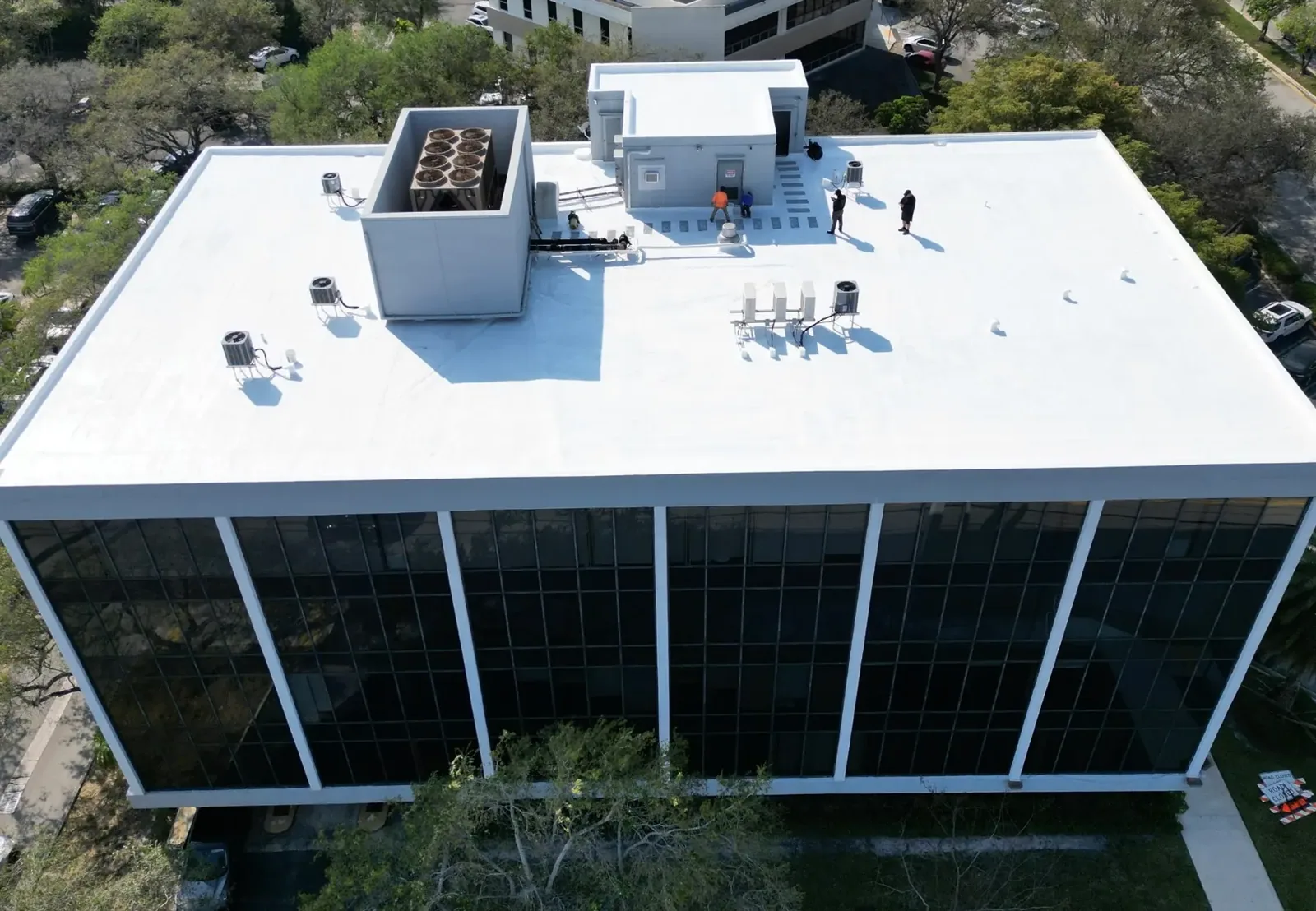
A reflective surface can return more sunlight than a darker one, but it does not replace insulation or correct air leakage. We review insulation condition, thickness where known, vapor control, deck type, and drainage as part of the assembly. Equipment discharge and shaded roof areas can also create different surface conditions. The proposed system must fit the building and its actual use.
We avoid treating an energy result as certain before reviewing operating hours, interior loads, insulation, and mechanical controls. Utility data can help the owner compare a future change with the existing baseline. The roofing scope describes materials and installation; it does not establish a fixed utility reduction. The insulation and cover-board review can identify assembly changes that sit below the reflective layer.
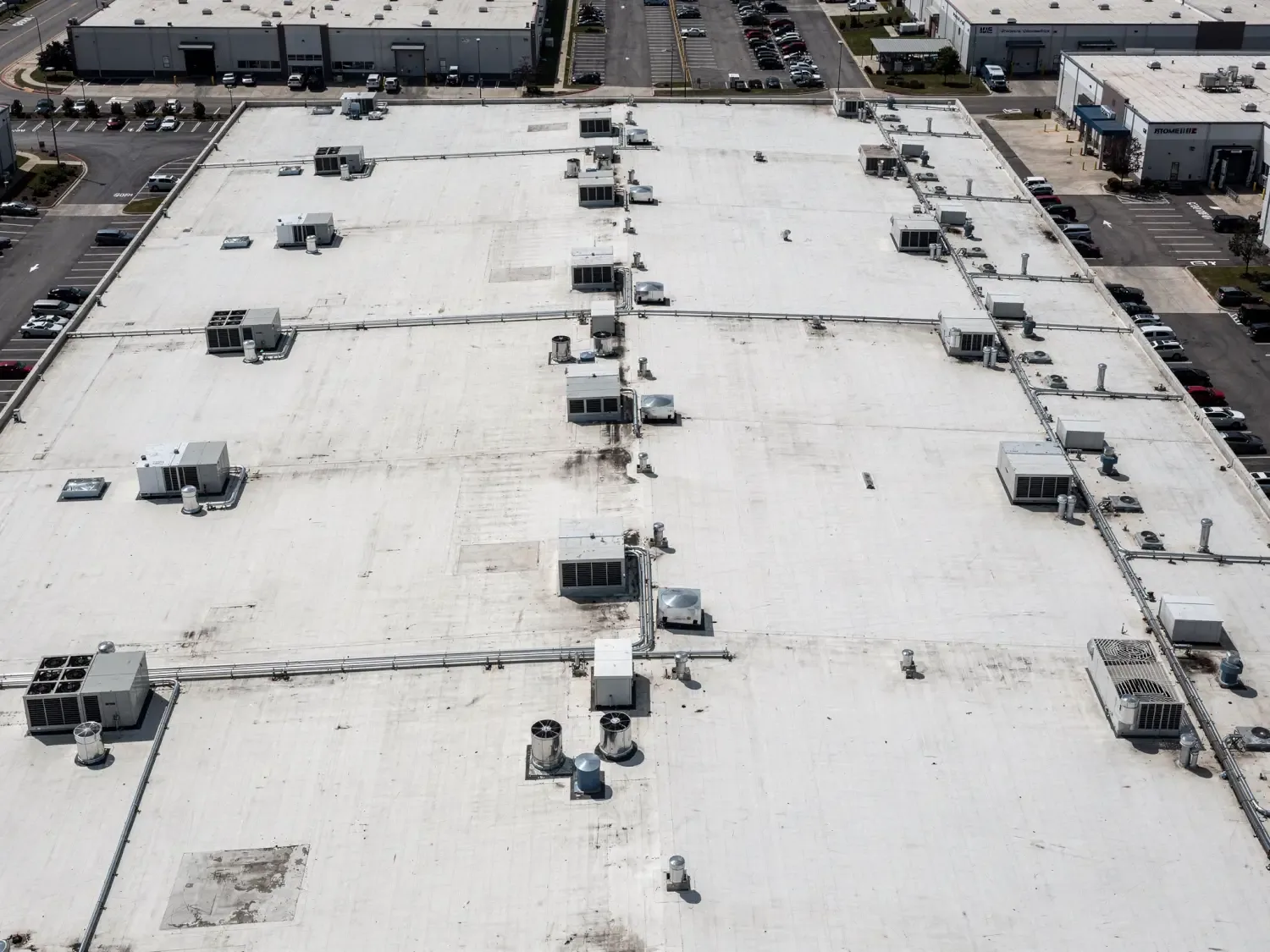
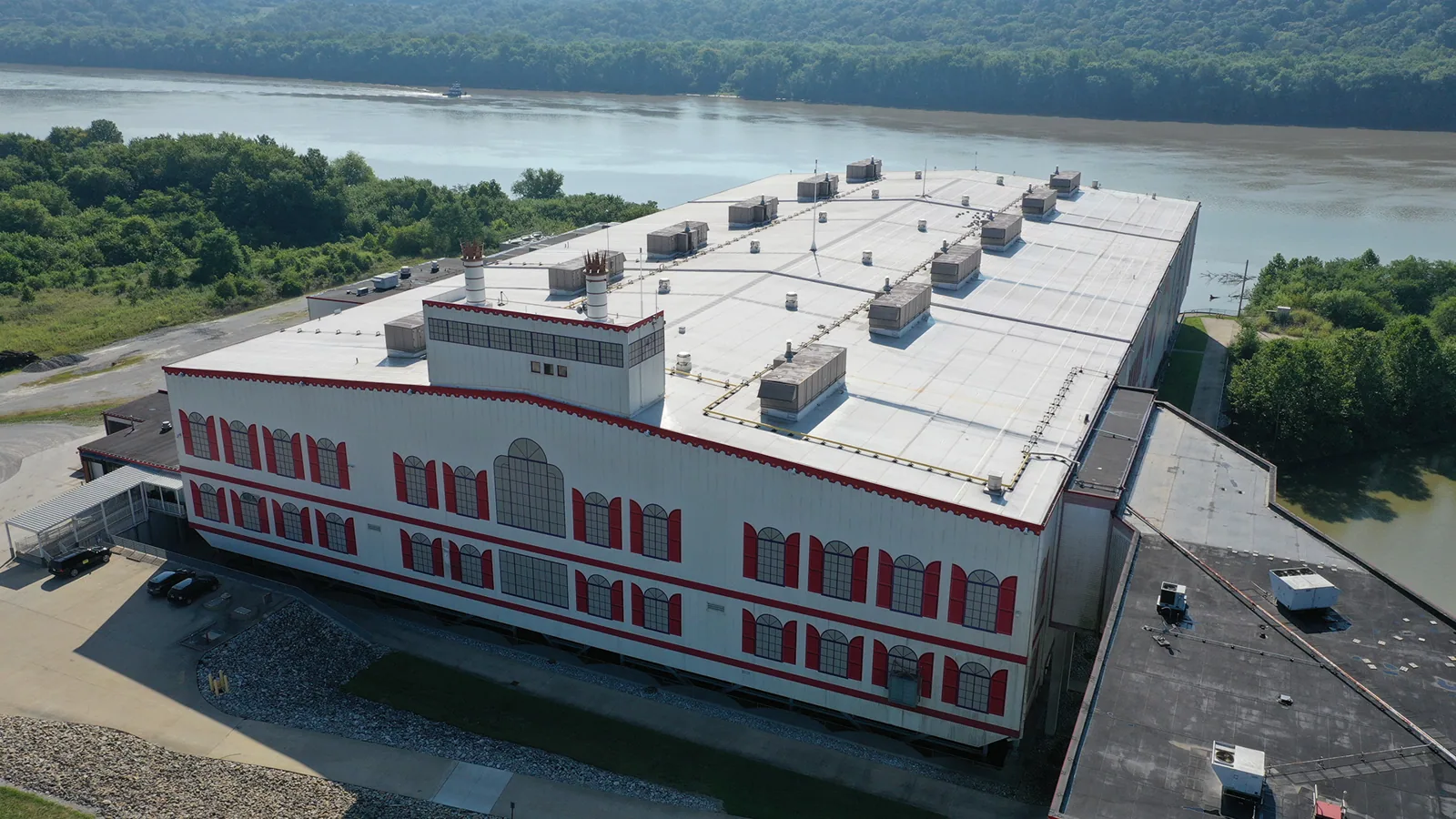
NorthPark35 and Georgetown Logistics Park are among Georgetown's industrial areas slated for a utility extension to serve additional businesses and buildings. That industrial development context can make roof area and equipment coordination important, but it does not tell us the energy profile of a particular facility. We use the owner's operating data and the roof walk to set the design questions. The review can compare the existing surface with proposed reflectance, roof insulation, and mechanical operation. We identify which inputs are known and which need measurement. That gives the facilities team a practical basis for monitoring the change after installation without attributing every utility shift to the roof.
Reflective TPO and PVC membranes use seams, flashings, and attachment details specific to their system. Acrylic and silicone coatings need compatible substrates, surface preparation, and specified application conditions. A reflective finish can lose performance when dirt, ponding, or surface wear accumulates. Maintenance access and cleaning requirements belong in the operating plan.
We compare product requirements with roof slope, drains, penetrations, and nearby exhaust. A white TPO assembly or PVC membrane may be appropriate when its full assembly matches the roof. A coating option needs its own adhesion check and repair plan. We document the product and installation limits instead of treating color as the full specification.
Hail occurs across the Austin forecast area, and tornadoes have crossed Williamson County, including the 2022 path from near Round Rock toward Granger. Those hazards reinforce the need to inspect seams, perimeter attachment, and rooftop details. They do not show that a specific roof needs a reflective system or has storm damage. A storm inspection should remain separate from an energy-upgrade decision. We record open seams, detached edge details, and punctures first. The owner can then decide whether to repair, renew, or evaluate a cooler surface as part of the planned work.
Surface temperature, humidity, dew, wind, and rain can affect coating cure and membrane installation. We check product instructions and roof conditions before opening the work area. The daily plan identifies staging, shade where practical, water access, and protection of equipment and vehicles. If conditions exceed the product range, we hold the application.
FM 971 is a Georgetown regional link between I-35 and SH 130. The corridor serves commercial development alongside housing, schools, and a regional park. Site access still depends on each property. We confirm truck routes, lift placement, loading hours, and pedestrian protection with the general contractor before scheduling delivery.
We phase the work so the crew can protect each open section before weather changes. The scope identifies temporary tie-ins, drain protection, and the hold point for checking surface preparation. A phased roof sequence can preserve access when operations remain active. A maintenance plan can track surface condition and drainage after installation.
Closeout identifies the roof areas treated, system installed, surface preparation, and approved field changes. Photos show seams, edges, curbs, drains, and transition points. We record any surface or section excluded from the reflective scope. The roof map helps a future crew find the same boundaries without confusing treated and untreated areas.
For service near Berry Creek Business Park or NorthPark35, building-specific labels keep records separate. A later visit checks adhesion or seam condition, drainage, dirt accumulation, and damage from equipment traffic. We note limits and recommend any repair before applying another layer. The maintenance record should identify who can authorize future access, which areas remain under a different system, and what conditions call for a new adhesion test.
Send the existing roof plan, access period, and general-contractor contact. We can inspect the assembly, set a test area, and compare the reflective option with repair or replacement. Urgent water entry can be reported at any hour, including holidays. Temporary protection remains separate from the permanent installation.
No. A reflective surface and insulation perform different roles. We inspect the existing assembly and identify whether insulation, drainage, or other components also need work.
Only when the substrate is stable, dry, compatible, and properly prepared. We inspect the surface and use a test area when adhesion or prior coating history is uncertain.
A fixed result cannot be set from roof color alone. Building hours, insulation, equipment, and controls all matter. We define the roofing work without assigning an energy result before those conditions are reviewed.
We plan for rooftop equipment, vehicles, drains, access routes, and occupied areas. The staging plan identifies material storage, lift placement, and daily tie-in checks.
Inspection should check surface condition, drainage, seams, edges, and equipment traffic. Product instructions govern any cleaning or repair method. We record the treated areas for later review.