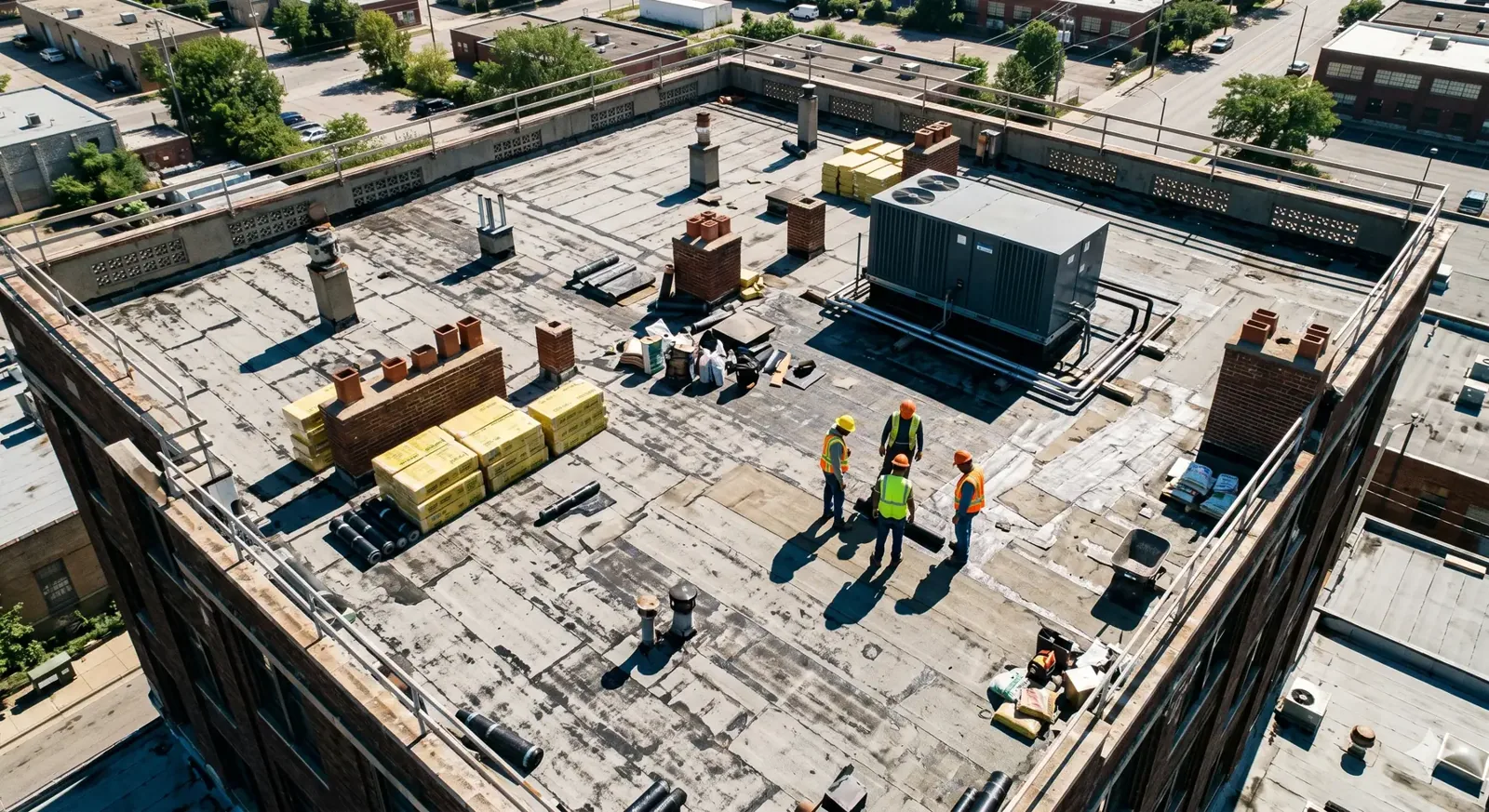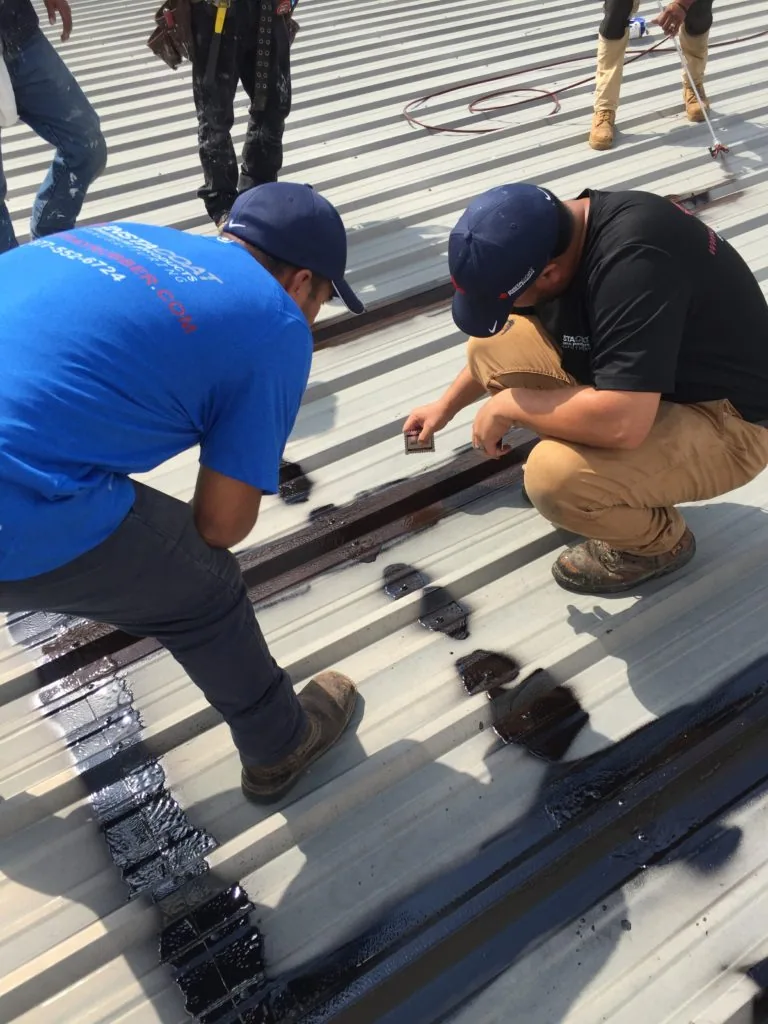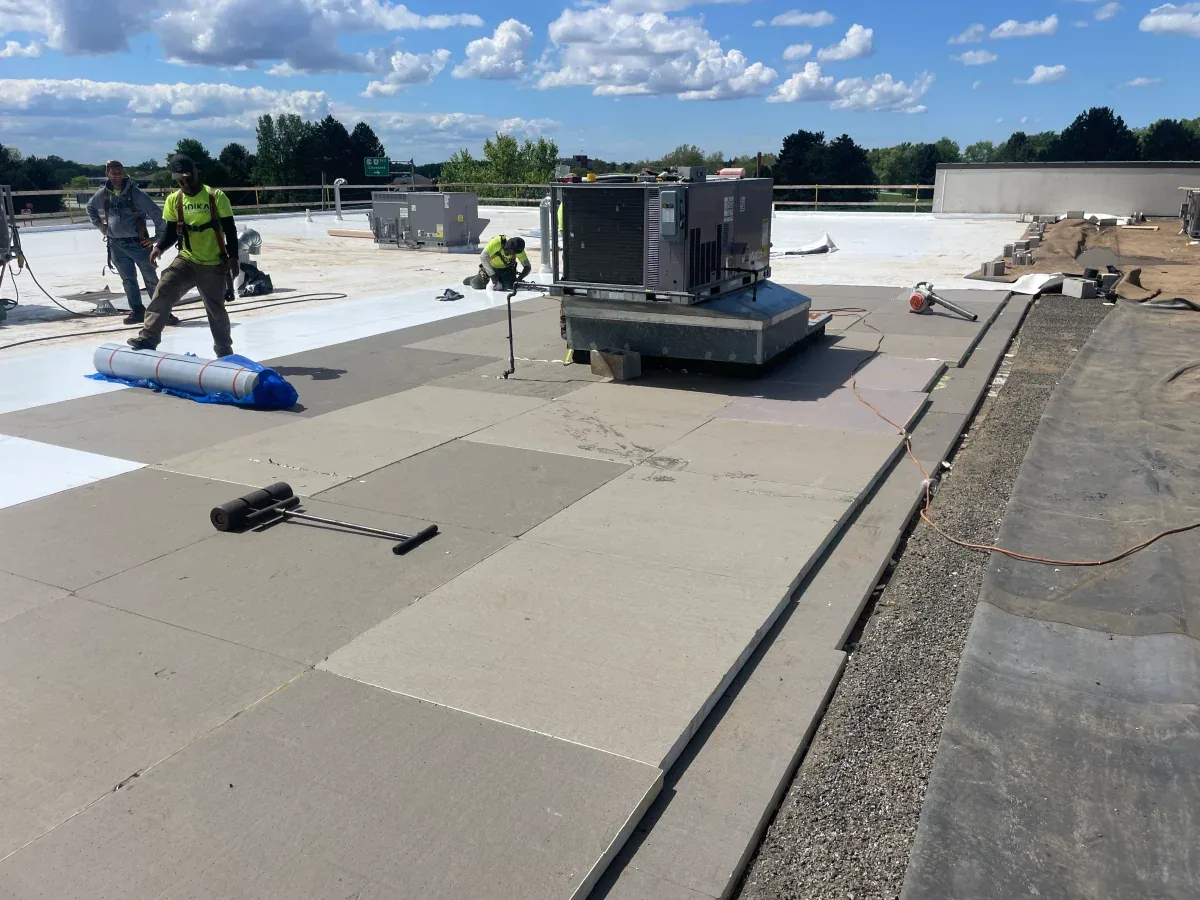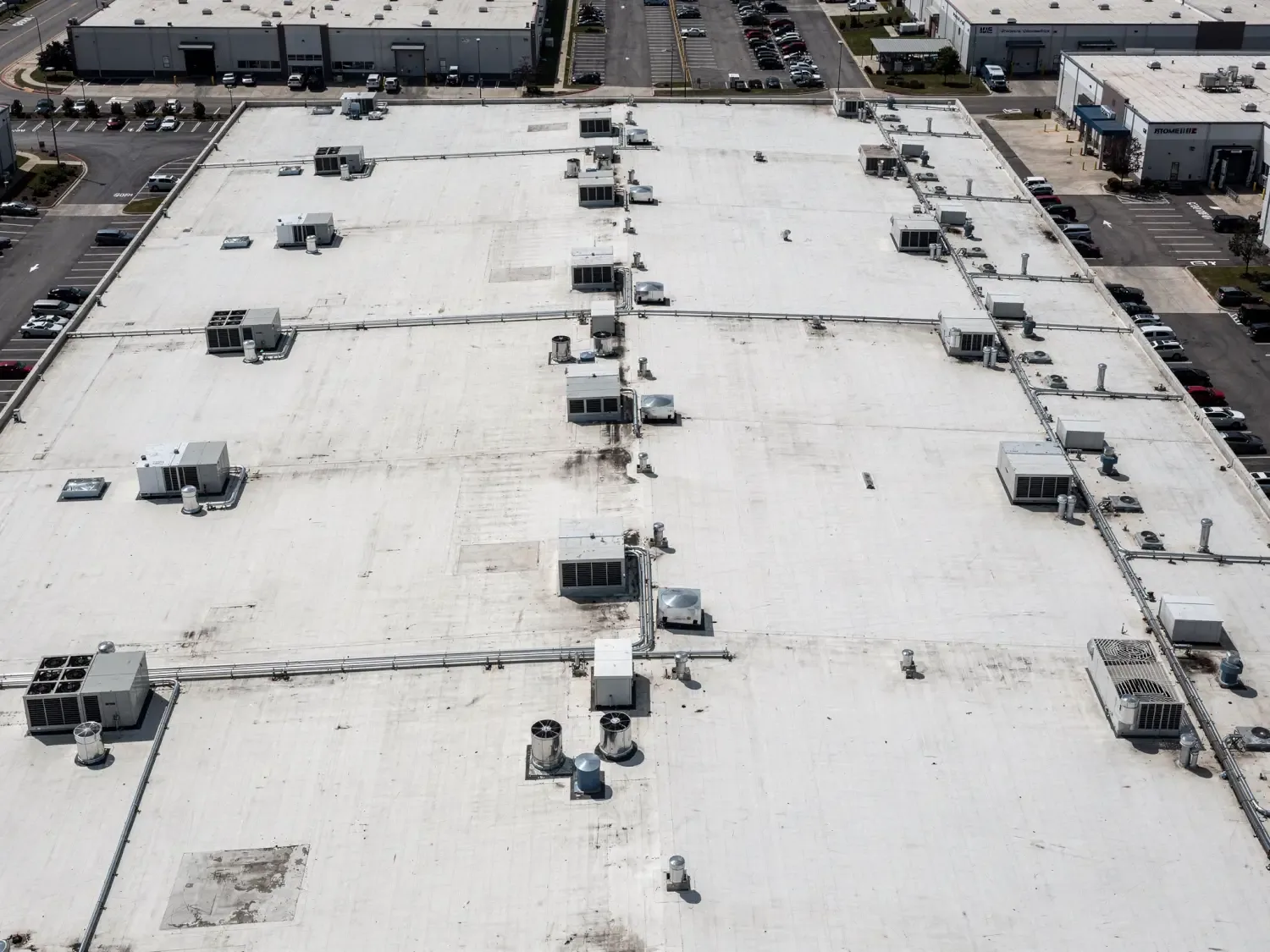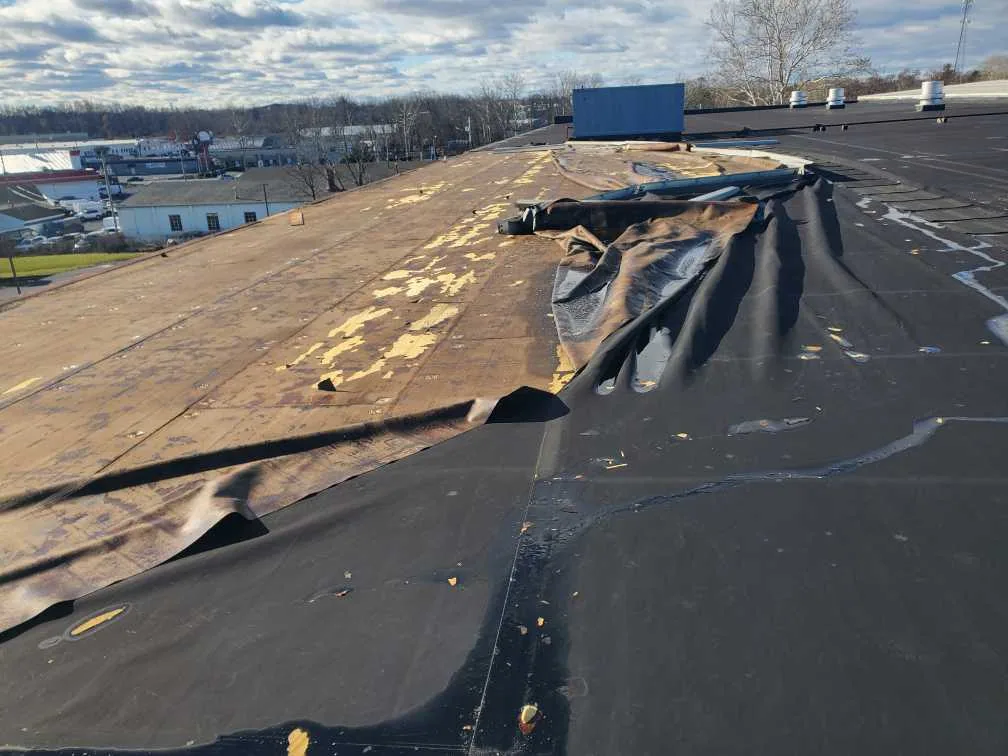
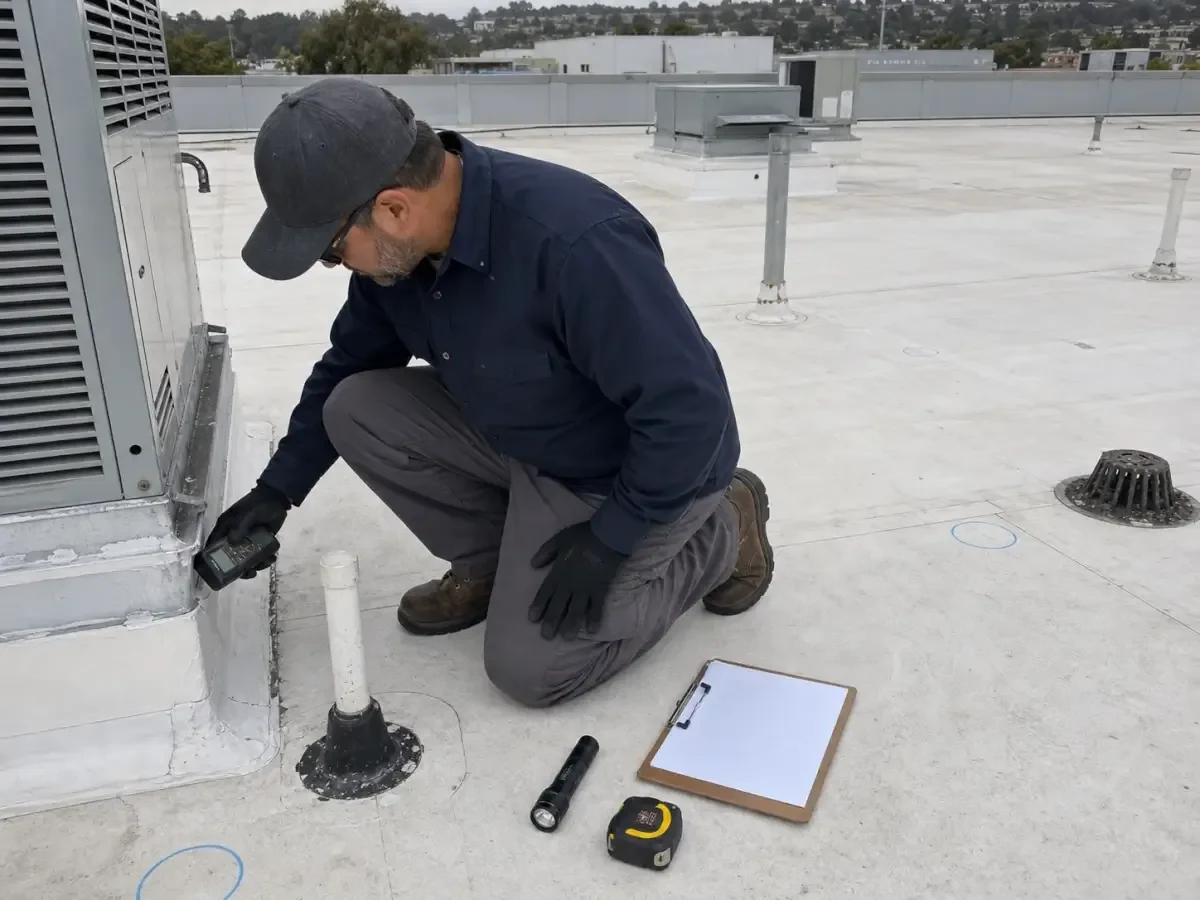
A lifted termination beside a rooftop curb can complicate a warranty review. We inspect the edge, flashing, and nearby seam first. The roof map marks the condition and any hold point before repair. The file should show what happened on this roof, and when.
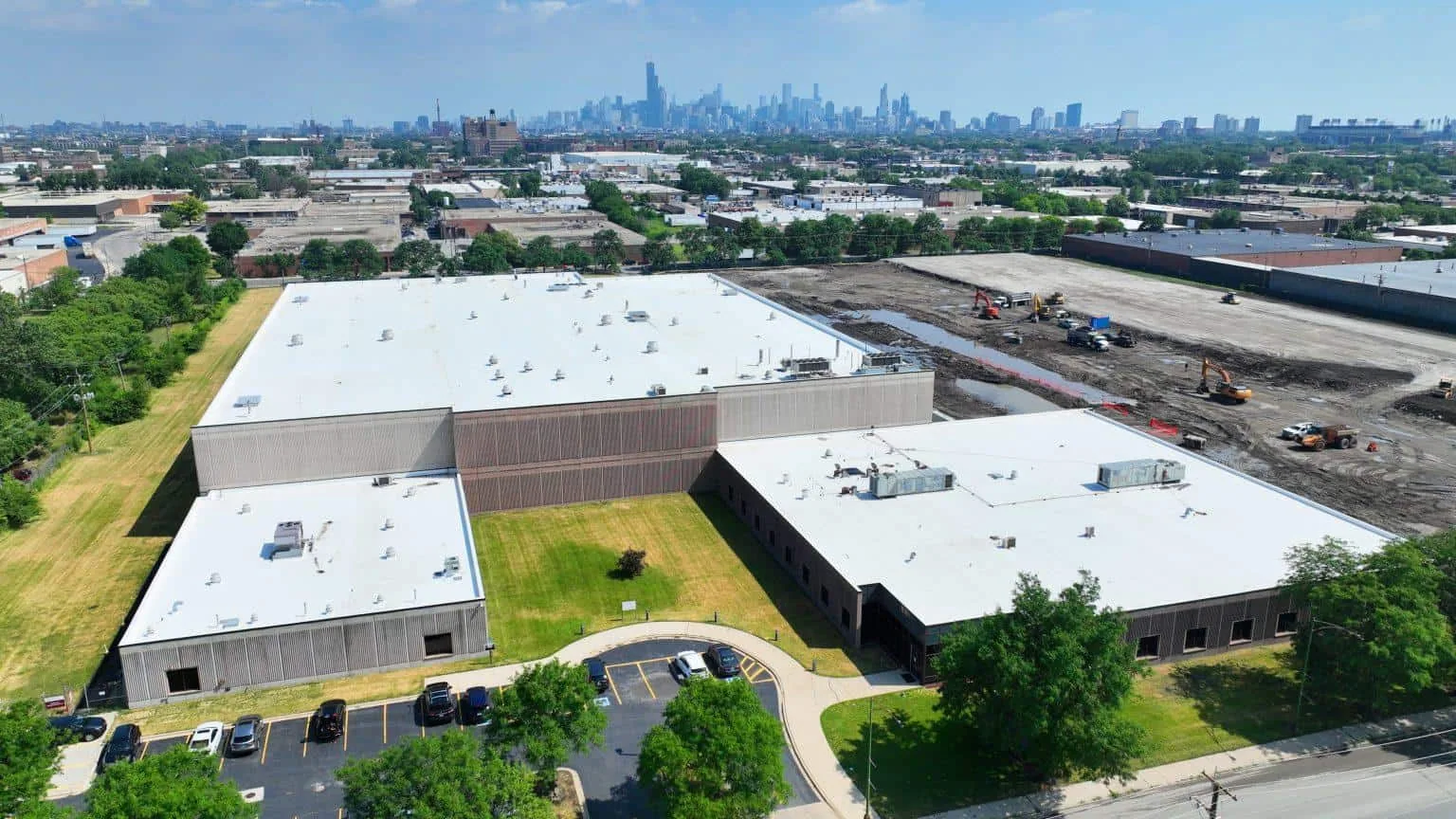
Georgetown's industrial pipeline includes NorthPark35 and Georgetown Logistics Park, where city-supported utility work is intended to serve additional industrial buildings. A portfolio may add or change properties as the market develops. Warranty records still belong to the specific building and installed assembly. A roof inspection can document the current condition before maintenance or repair begins.
Berry Creek Business Park spans several industrial buildings near I-35 and SH 130. Those properties may have different systems, owners, and coverage documents. We keep the record tied to its roof map, not to a nearby building or a business park name.
A warranty file should identify the roof area, system documents, installation records when available, and any listed conditions for service. We record what the owner provides and what the inspection confirms. The file should not assume that two buildings have matching terms because they share a location or owner.
When documents are incomplete, start with the closeout package, original project file, prior inspection reports, and owner records. We list what we can match to the installed roof and what remains unconfirmed. A product label or visible membrane color alone may not establish the full assembly or its coverage terms.
System details matter at transitions. A membrane repair, curb change, coating, or rooftop equipment project may involve a different detail than the original installation. We document the affected boundary and the materials used. If the governing documents require review or notice, the owner can route the information to the appropriate manufacturer or administrator.
A condition report can hold dated photos, access limits, observed defects, and repair boundaries. It does not change warranty terms. It gives the property team a clear record to use when reviewing those terms and deciding the next step.
Routine inspections can identify debris, open drains, loose edge details, sealant movement, and damage from later work. We record the zone, finding, date, and action. A cleanout is not a membrane repair. A temporary cover is not a completed correction. The closeout should use language that separates each task.
Georgetown station data show hot summer conditions, with daily highs commonly in the 90s and recent readings above 100°F. Heat can affect sealants and access timing. The maintenance record notes weather limits and any visit deferred for safe conditions. After hail or wind, we inspect the roof before assuming a claim or warranty path applies.
For each visit, keep the report date, names of authorized contacts, access notes, work performed, and photos together. If another contractor makes an equipment change, add its roof interface and approval documents. That leaves a clear sequence for later review without mixing separate service events.
A maintenance visit can document drains, seams, curbs, and transitions. The owner keeps the findings with prior service records. If an issue repeats, the sequence shows when it first appeared and which repair addressed it. That history can help a manufacturer or building consultant assess the condition.
Before opening a roof, confirm who approves the work and whether system documents call for specific materials or review. We mark the proposed area, note existing layers, and photograph the starting condition. If an unexpected assembly appears, the crew stops at the hold point and secures the opening while the owner reviews the change.
Use the same roof map for the approved repair and its closeout. The record identifies what came off, what was installed, nearby details, and the completed tie-in. A repair scope should state the work area and any condition that remains unresolved. It should not imply that the repair extends coverage beyond the actual documents.
For major work, a replacement project may affect the warranty basis and require new closeout records. We list the installed materials, inspection stages, and documents delivered. The manufacturer or administrator determines coverage under its terms.
The NWS archive follows a 2022 tornado through Williamson County, starting near Round Rock and moving toward Granger. Georgetown also has documented regional hail exposure. These records can help a property team choose an inspection window. They do not establish that an individual building sustained damage or that a warranty applies.
After severe weather, we photograph displaced edge metal, punctures, open seams, or water entry where observed. The report separates storm-related observations from older wear and prior repairs. Any uncertain condition stays open for review. A storm damage inspection can create a separate event record without replacing the maintenance history.
Downtown Georgetown includes a courthouse-centered 40-block area with civic, commercial, county, and residential uses. Properties there can have distinct access and exterior coordination limits. A Downtown Georgetown inspection follows the specific building's route and approval process.
For multiple roofs, label each record with property, system, map date, and responsible contact. Keep service events, approvals, and closeout documents in the same file. If ownership changes, the new manager can see which records are complete and which details still need confirmation.
A roof asset record can organize inspections and maintenance by building. A multi-site roof program can set consistent review steps while preserving separate system documents. Standard process does not mean identical terms or identical roof condition.
NorthPark35 and Georgetown Logistics Park are broad industrial growth areas. The courthouse district serves a different mix of uses. These local contexts can guide site planning, but the warranty file follows the exact building and roof area under review. We identify the access route and property contact before the crew begins.
At closeout, return dated photos, marked limits, material information, inspection records, and any approvals received. List deferred work and areas not inspected. Keep temporary protection visibly separate from permanent correction. The owner should be able to match each document to a roof zone.
Send the roof plans, coverage documents, repair history, access contact, and the condition under review. We confirm the first inspection boundary and note what information is missing. We can help organize field observations and repair records. Coverage decisions remain with the manufacturer or administrator under the governing documents.
A complete file supports maintenance, ownership transfer, and future repair review. It cannot prevent every roof failure. It can show what was inspected, what was changed, and which action remains open.
Keep the governing documents, system information, dated inspections, maintenance records, approved repair details, photos, and closeout materials by building and roof zone.
The warranty documents set any maintenance conditions. We record the work performed so the owner can review those requirements with the manufacturer or administrator.
Review the system documents first. If they require notice or approval, route the condition and proposed boundary to the listed contact before the crew opens the assembly.
A regional report supplies timing, not a property finding. The inspection records observed conditions, while coverage responsibility follows the governing warranty and review process.
Label each property and system separately. A shared portfolio index can organize them, but inspections, terms, repairs, and open questions remain building-specific.