A loose corner at a rooftop curb can pull a larger Sarnafil detail out of plane. We start at the corner, check the weld and vertical flashing, then mark where the membrane remains sound. Sika Sarnafil is a PVC roofing line. The installed product, attachment, and field condition set the repair method.
Georgetown’s summer temperatures commonly reach the 90s, with recent days above 100°F. That heat matters when scheduling surface preparation and weld work. Near Berry Creek Business Park and NorthPark35, industrial roofs also need a deliberate access route and staging plan. A PVC roof inspection begins by confirming what is installed, not by assuming the product from color alone.
Sarnafil’s G and S membrane lines use different reinforcement and attachment approaches. The G line is fiberglass reinforced and commonly adhered; the S line uses polyester reinforcement and can be mechanically attached. The project documents and visible field details decide which assembly is present. We check roll labels where available, fastener patterns, plates, adhesive evidence, and perimeter conditions.
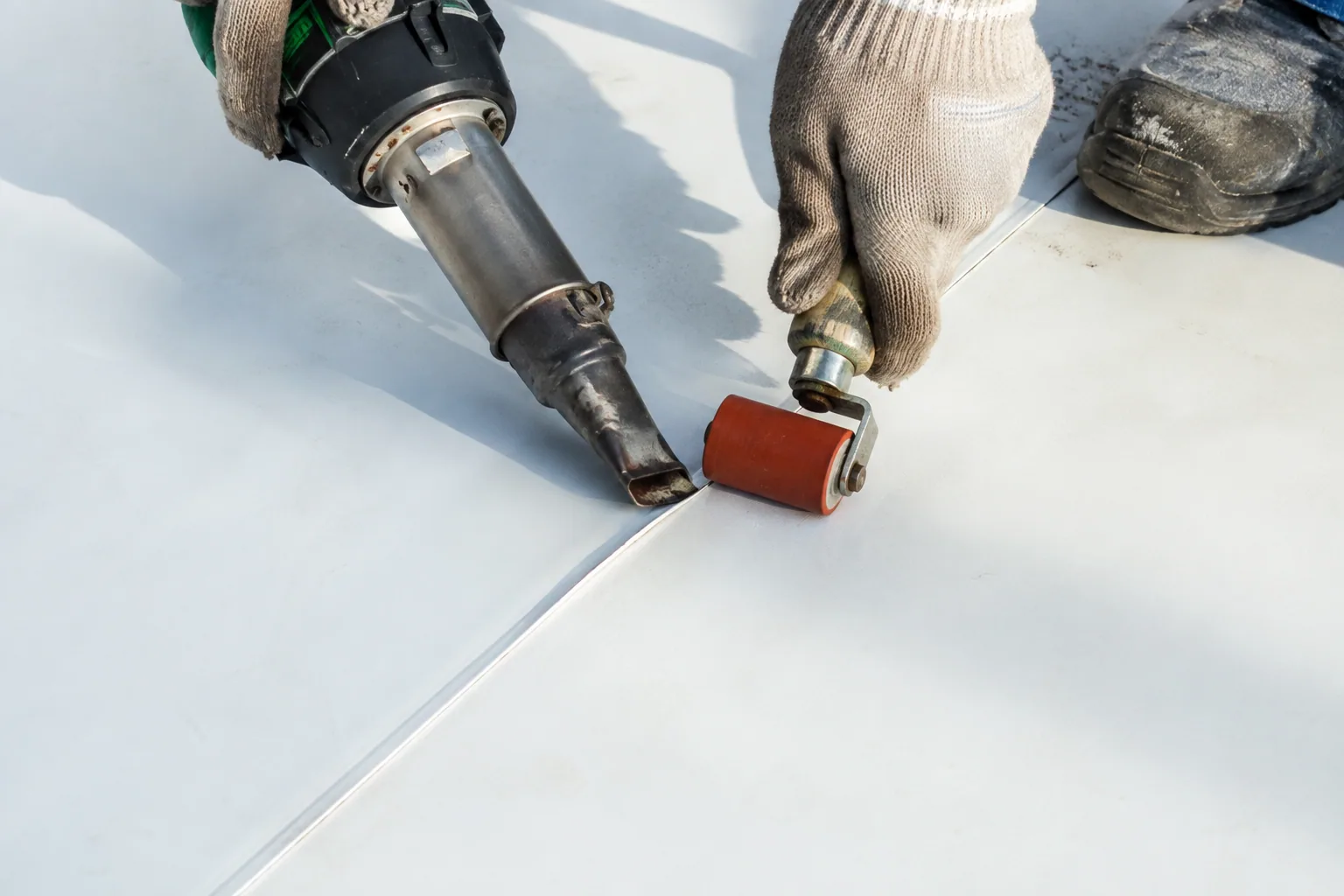
A repair crew should not treat every PVC sheet as interchangeable. Thickness, reinforcement, surface condition, and existing attachment affect the patch detail. We clean a test area, confirm weldability, and check the finished weld with the appropriate probe after cooling. If contamination or aging prevents a reliable weld, the condition becomes a hold point instead of a forced patch.
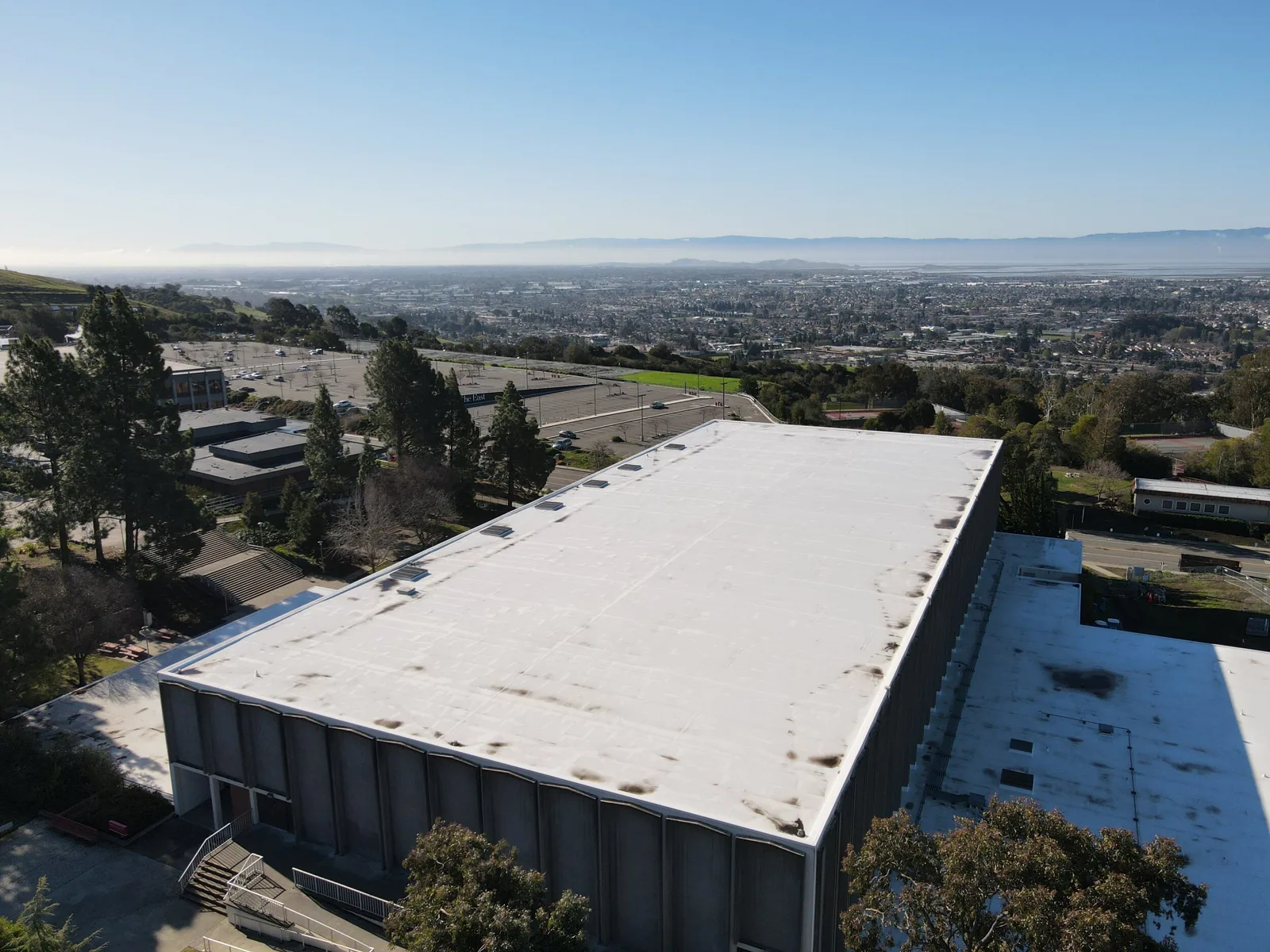
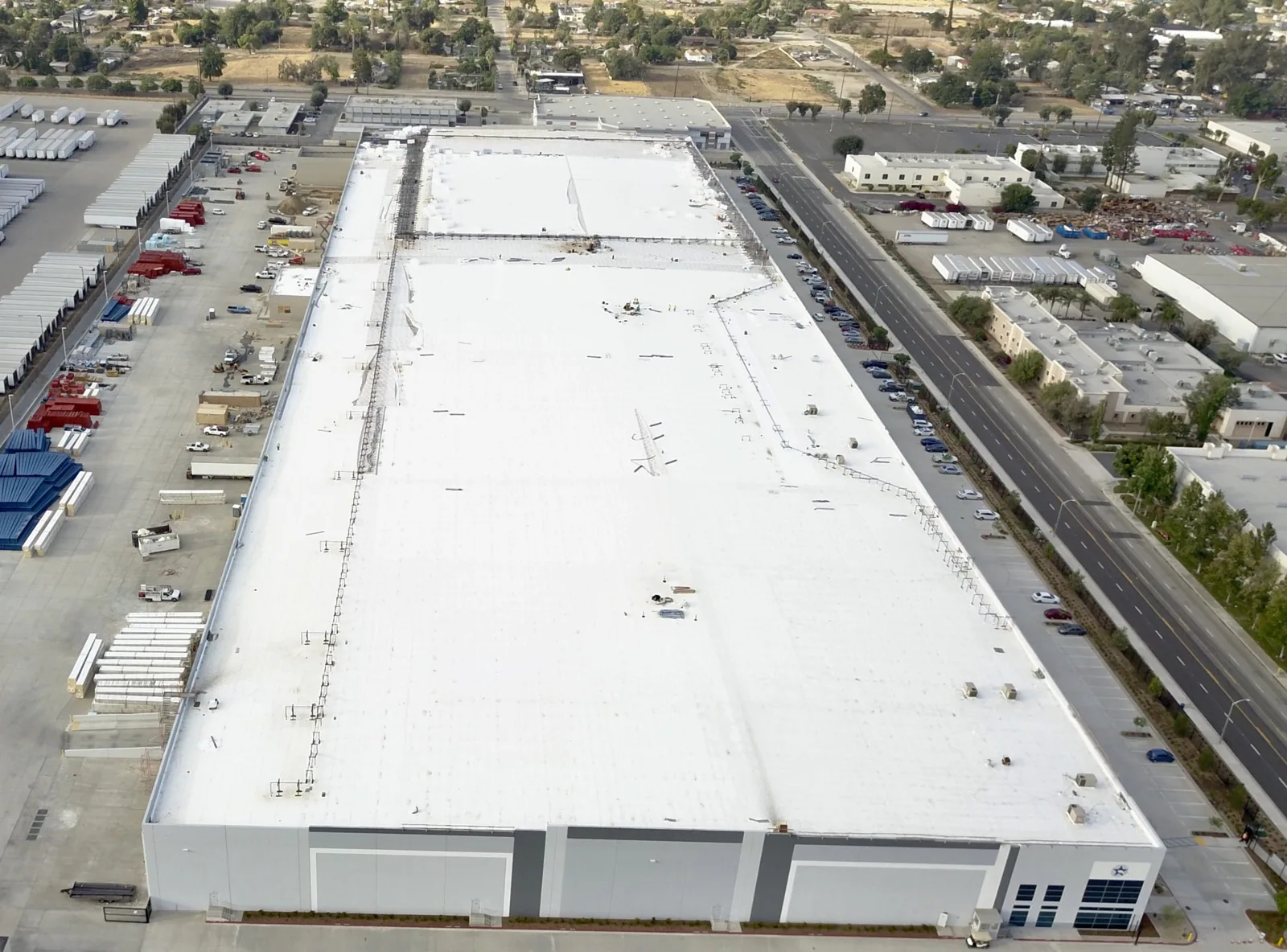
On a multi-building account, label each roof separately. Berry Creek Business Park contains multiple industrial buildings near I-35 and SH 130. Similar exterior finishes do not establish the same roof system. A roof map should identify the building, membrane zone, drains, curbs, edge metal, and previous repair areas before the crew stages materials.
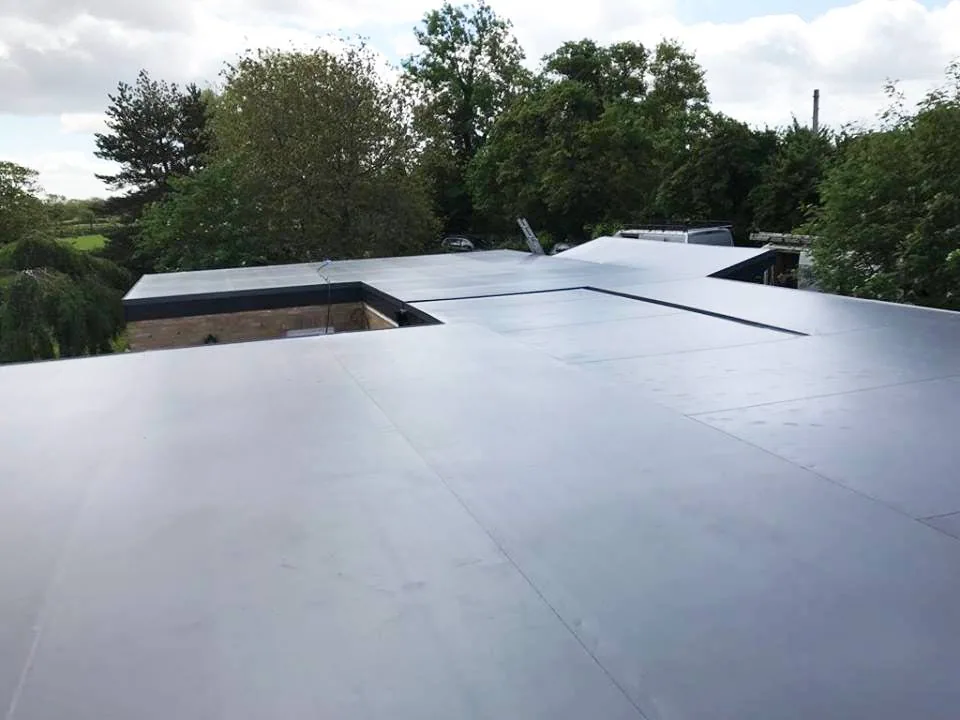
Compare a PVC assembly with a Versico system review or the Carlisle SynTec system options only after confirming the existing roof. The comparison helps keep material selection factual. It does not replace a field check or project specification.
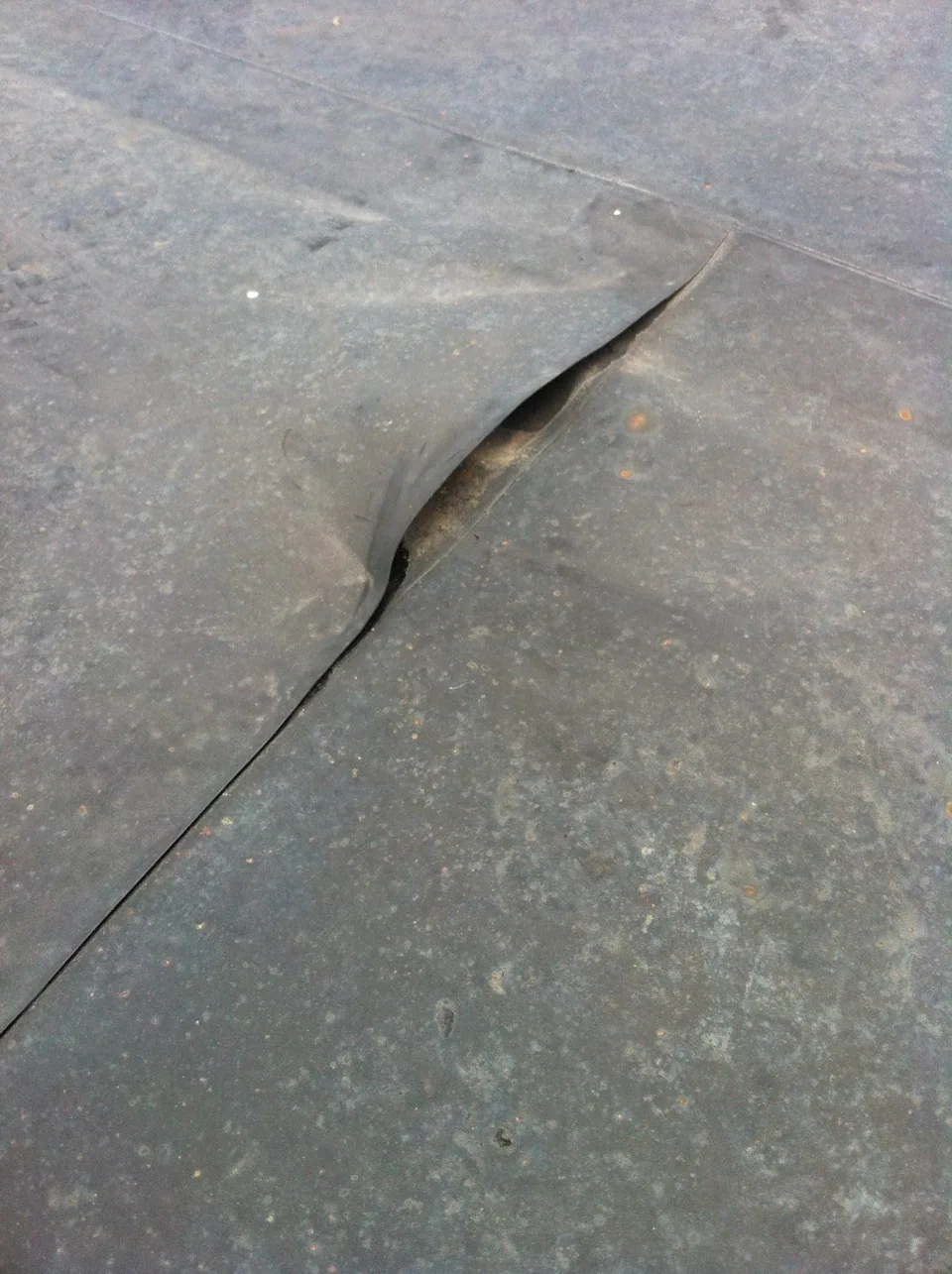
At a failed lap, inspect beyond the visible opening. A patch needs clean, dry membrane with enough width for a consistent weld. We check the seam edge, nearby fasteners, field tension, and any previous repair. If the sheet has shrunk, split, or pulled against a curb, a small patch may only move the stress line a few inches.
Probe the weld after the seam cools. Record the test location and result on the roof map. A repair note that says only “seam fixed” gives the next crew little to work from. We identify the panel or zone, the detail repaired, and the limit inspected. A seam-failure repair scope keeps the repair area clear.
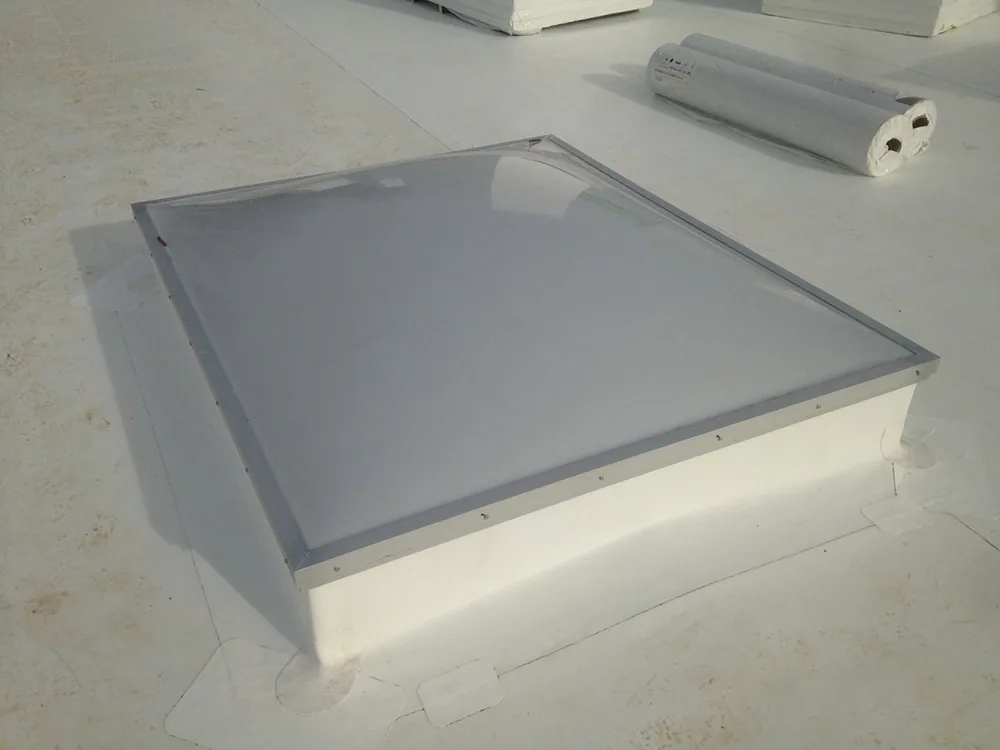
Penetrations are separate details. A pipe boot, equipment curb, conduit support, and drain bowl each call for a matching flashing approach. Later mechanical work can cut or overheat a membrane. We trace any damage to its edge, photograph adjacent seams, and coordinate the trade boundary with the general contractor. The penetration flashing review can capture those interfaces.
Georgetown’s adopted 2021 International Existing Building Code applies to repair and alteration work on existing buildings. The code review depends on the actual scope and local requirements. We document roof conditions and tie-ins so the project team can coordinate details without treating a field repair as a code determination.
Hot membrane, wet surfaces, dust, and gusty weather can change weld quality or access safety. The crew checks surface conditions, equipment settings, and the weather window before starting. If conditions move outside the product instructions, stop, protect the opening, and return when the tie-in can be completed correctly.
Central Texas has documented hail and tornado exposure. A regional storm report gives timing, not proof of building damage. After an event, we record visible impact, displaced metal, open seams, and interior reports as separate observations. The report identifies areas reached and anything inaccessible. A storm inspection can provide that field record.
NorthPark35 and Georgetown Logistics Park sit within an active industrial growth area. Material delivery and lift placement should be coordinated with property access, truck routes, and ongoing tenant operations. That context affects staging. It does not establish roof condition or justify moving equipment across another tenant’s work zone.
If water is suspected beneath the PVC, a moisture survey may help target verification. The scan is not itself a repair boundary. We mark suspected areas, select test locations with the owner, and check the membrane and insulation where opened. The report keeps confirmed wet material distinct from a surface pattern.
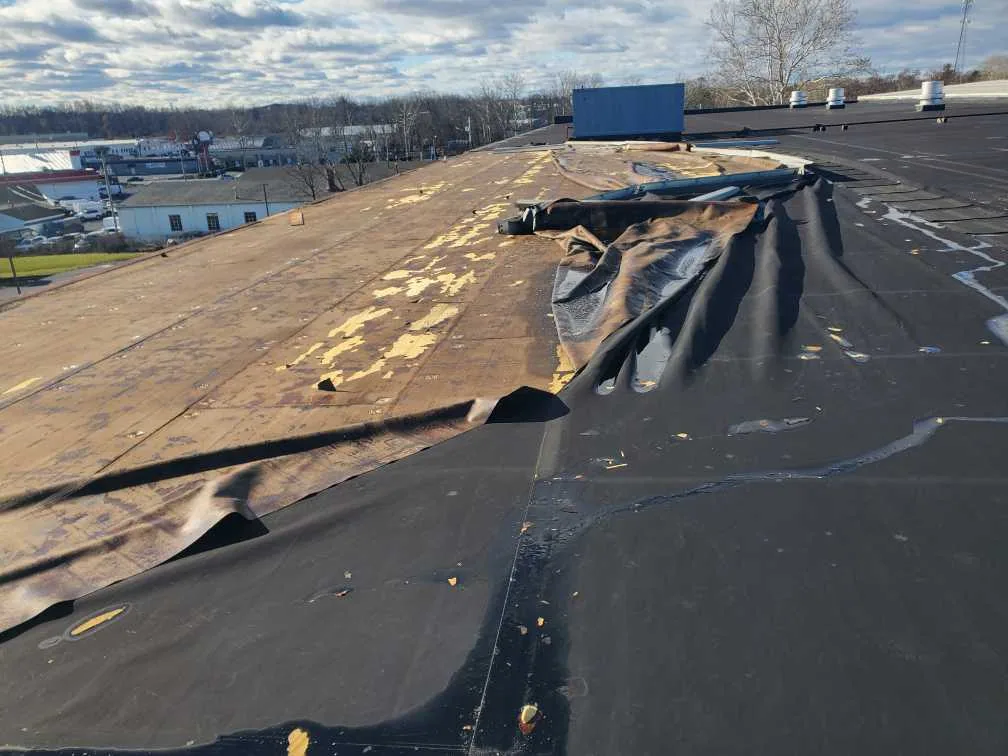
A localized weld or flashing repair fits only where surrounding material can support it. Multiple open laps, recurring curb failures, saturated insulation, or a compromised deck can change the recommendation. We show the observed area and the limit of the repair. Concealed conditions remain a hold point until the assembly is opened.
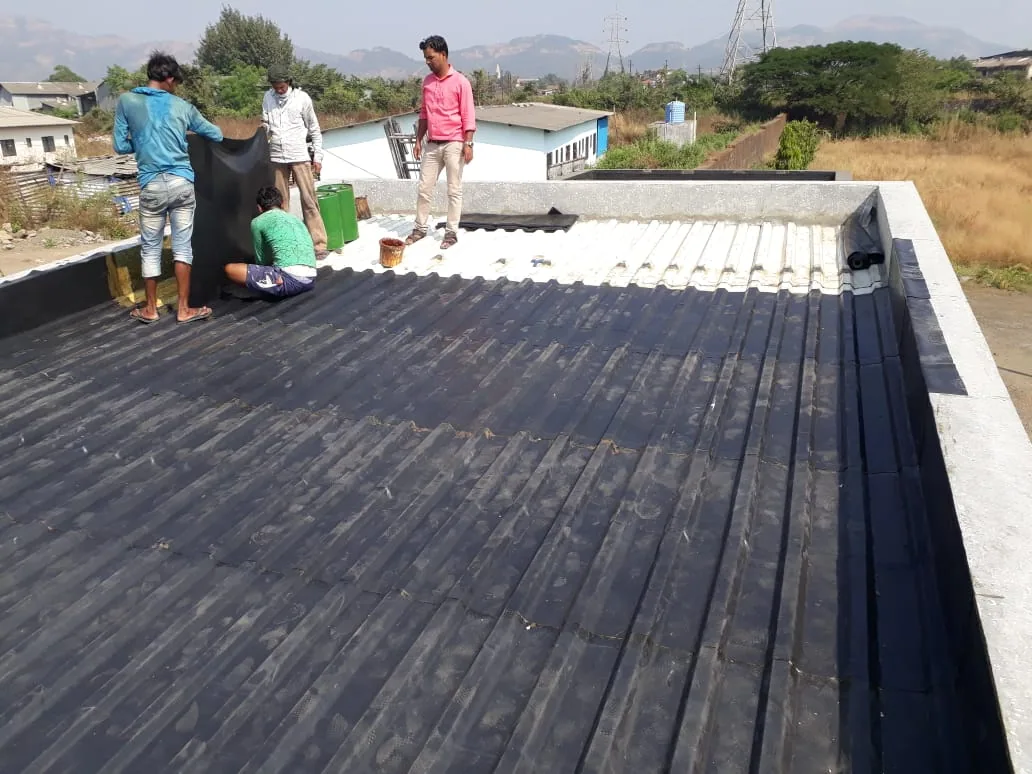
A repair estimate separates membrane work, protection, access, and interior coordination. For broader deterioration, a replacement review weighs removal, recover limits, insulation, drainage, edge transitions, and the building schedule. Roof areas around rooftop units or occupied spaces may require phased work and temporary dry-in.
Any recover or coating proposal needs a check of adhesion, trapped moisture, drainage, and existing layers. A new surface does not correct wet insulation or loose attachment below it. We document test areas and findings first. The owner can then compare a targeted repair with broader replacement using the same mapped zones.
For long-range planning, a capital roof plan can keep present defects separate from later projects. A NorthPark35 service visit still centers on the individual property and its roof access. District-wide logistics do not combine separate owners’ roof records.
Before mobilization, confirm the roof hatch or ladder, access window, lift location, staging area, and general-contractor contact. Mark drains, penetrations, seams, edge zones, and restricted areas on the roof map. The crew needs a defined travel path and a dry-in plan before removing membrane.
At the first opening, compare exposed layers with the expected assembly. Photograph the membrane and substrate. If the deck, insulation, or attachment differs from the plan, stop at the hold point and notify the project contact. The closeout should say what was installed, what area was tested, and what remains open.
A condition report can preserve dated images and inspection limits. Keep product submittals, repair records, and later trade changes with the building file. For a general contractor, that gives the next shift a reliable handoff instead of an assumed work boundary.
Send the roof plan, issue location, access hours, and any closeout paperwork. We confirm the inspection route and identify the first test area. Then we can set the repair or replacement scope around actual field conditions.
We compare project records with reinforcement clues, attachment evidence, and visible details. If those do not settle it, we identify a test area before specifying a repair.
No. Membrane condition, thickness, temperature, and equipment affect the weld. We establish a test weld, verify it after cooling, and record the result.
We inspect the vertical flashing, corner, and adjacent field before setting the limit. A stretched sheet or weak substrate may require a larger detail repair.
No. Regional weather records help choose an inspection date. The roof walk documents only visible conditions found on the property.
Yes. We set access, staging, noisy work, and dry-in windows with the general contractor. The roof map also records areas that remain outside the work boundary.