Water near a grocery walk-in cooler may trace to a roof curb, condensate line, or pipe transition. We trace the report to the roof, inspect the equipment detail, and mark the first test area. Grocery work has a second boundary: the sales floor and product zones below. We confirm store access, receiving hours, refrigeration contacts, and food-protection procedures before opening material.
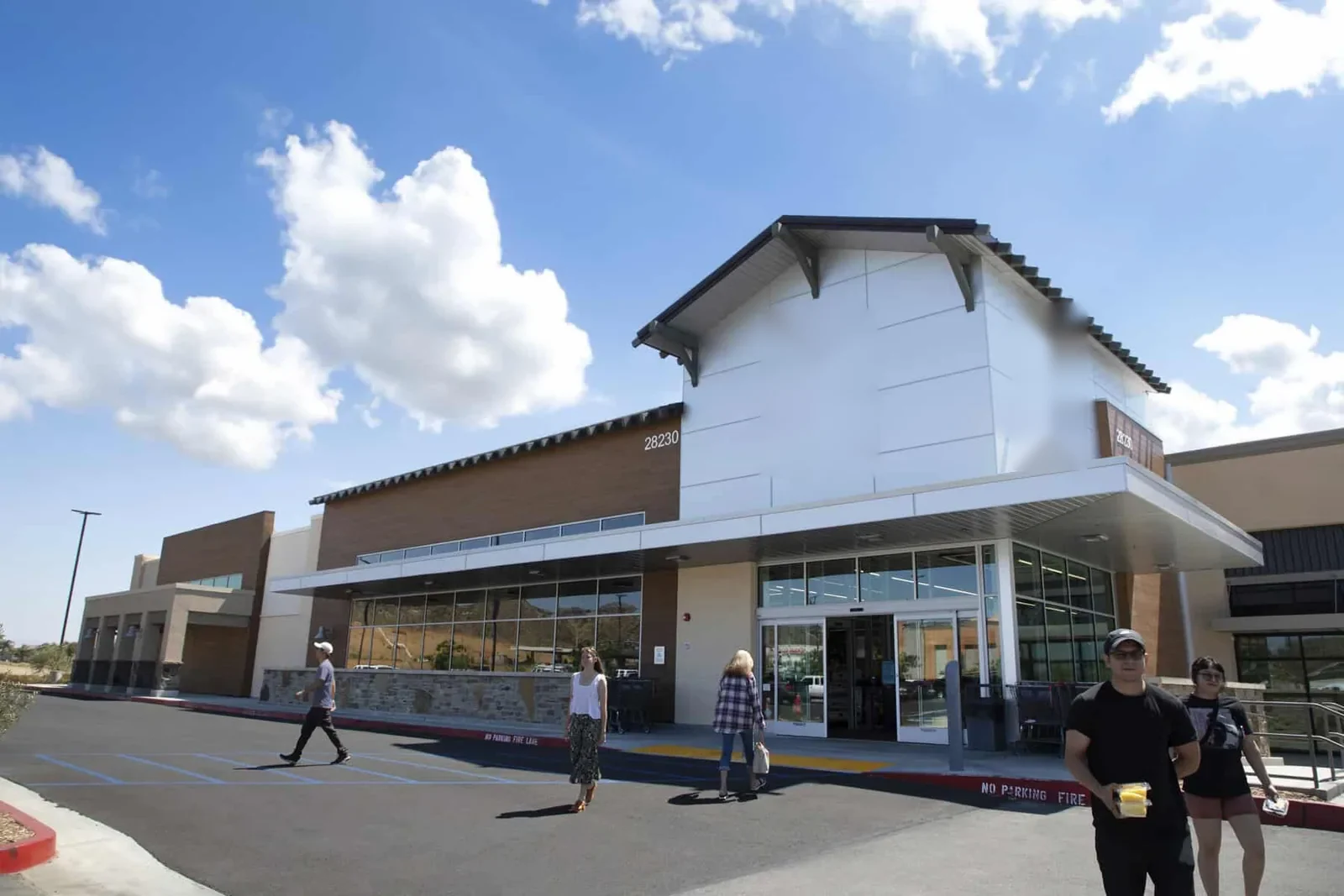
Cedar Park's New Hope Drive Corridor includes a 1.2-million-square-foot retail and logistics project, with a hotel and convention center in the plan. Construction is underway, with opening planned for 2027. At a grocery property, we confirm the roof assembly, refrigeration routes, receiving schedule, and access path before staging work.
A ceiling drip near a cold case does not prove the water entered at that point. We check the interior report, condensate routing, refrigeration curb, pipe supports, and nearby roof seams. The inspection follows the likely water path through the membrane, flashing, and drain line. If the roof evidence is not enough, we identify a test opening or mechanical review before assigning cause.
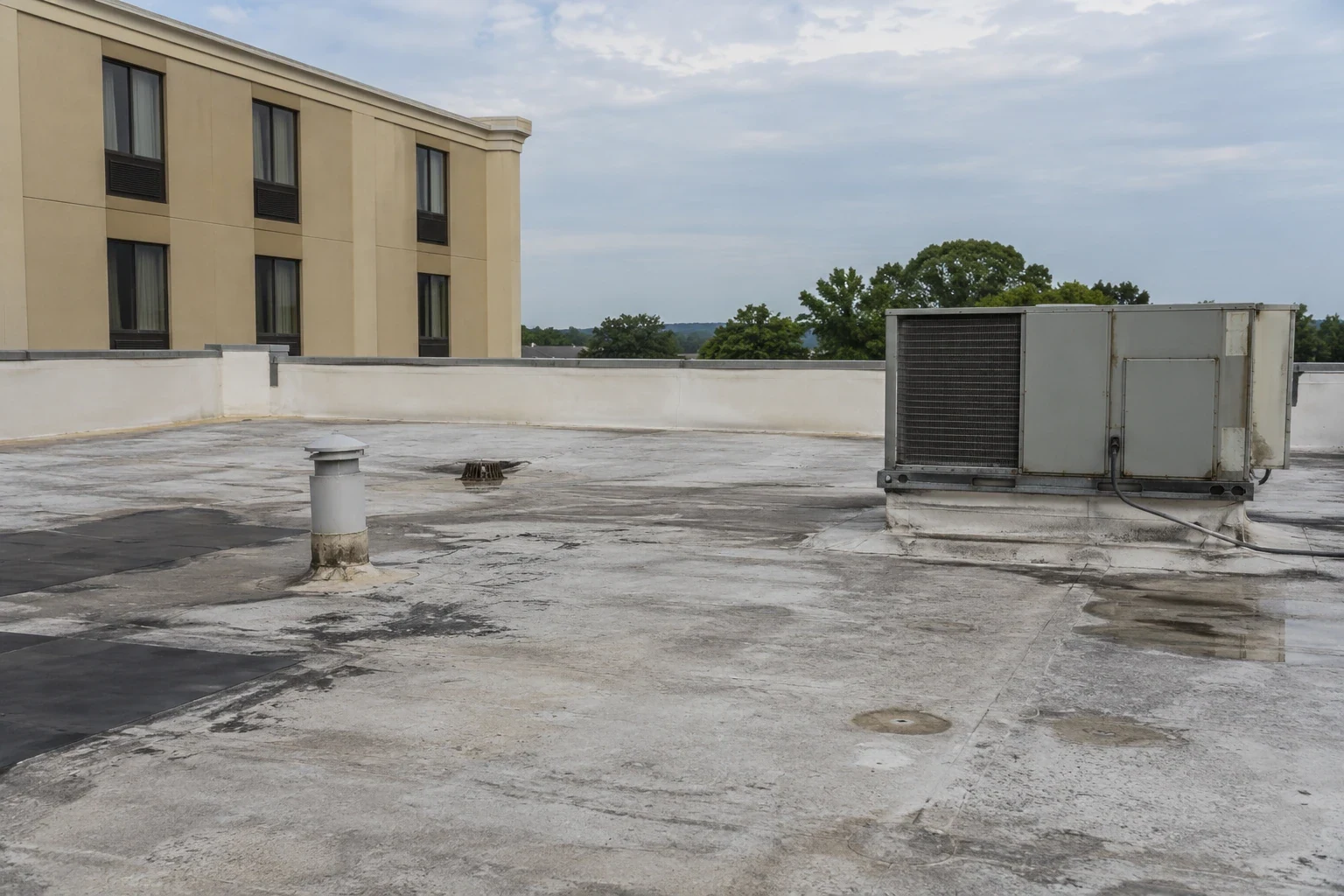
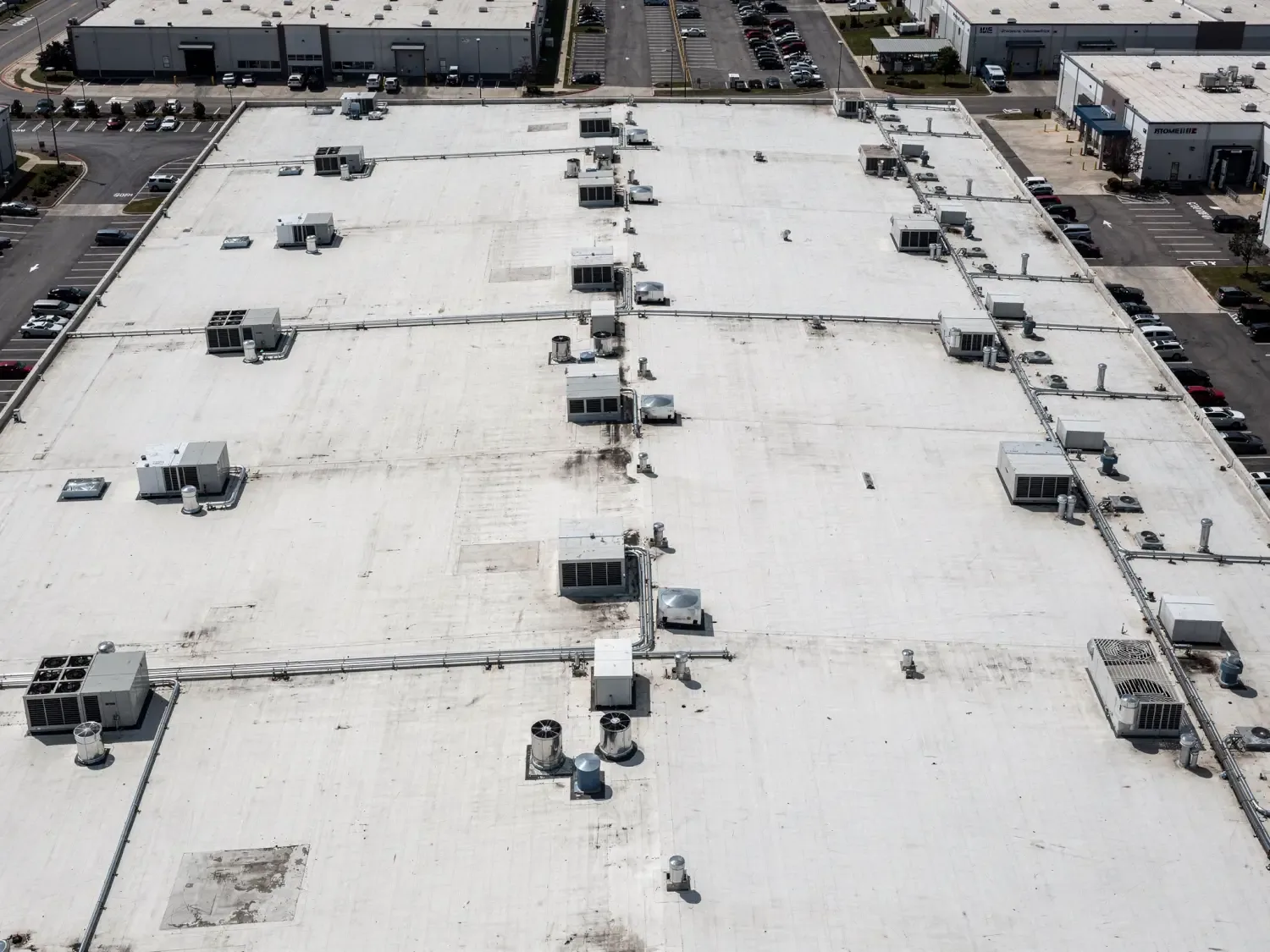
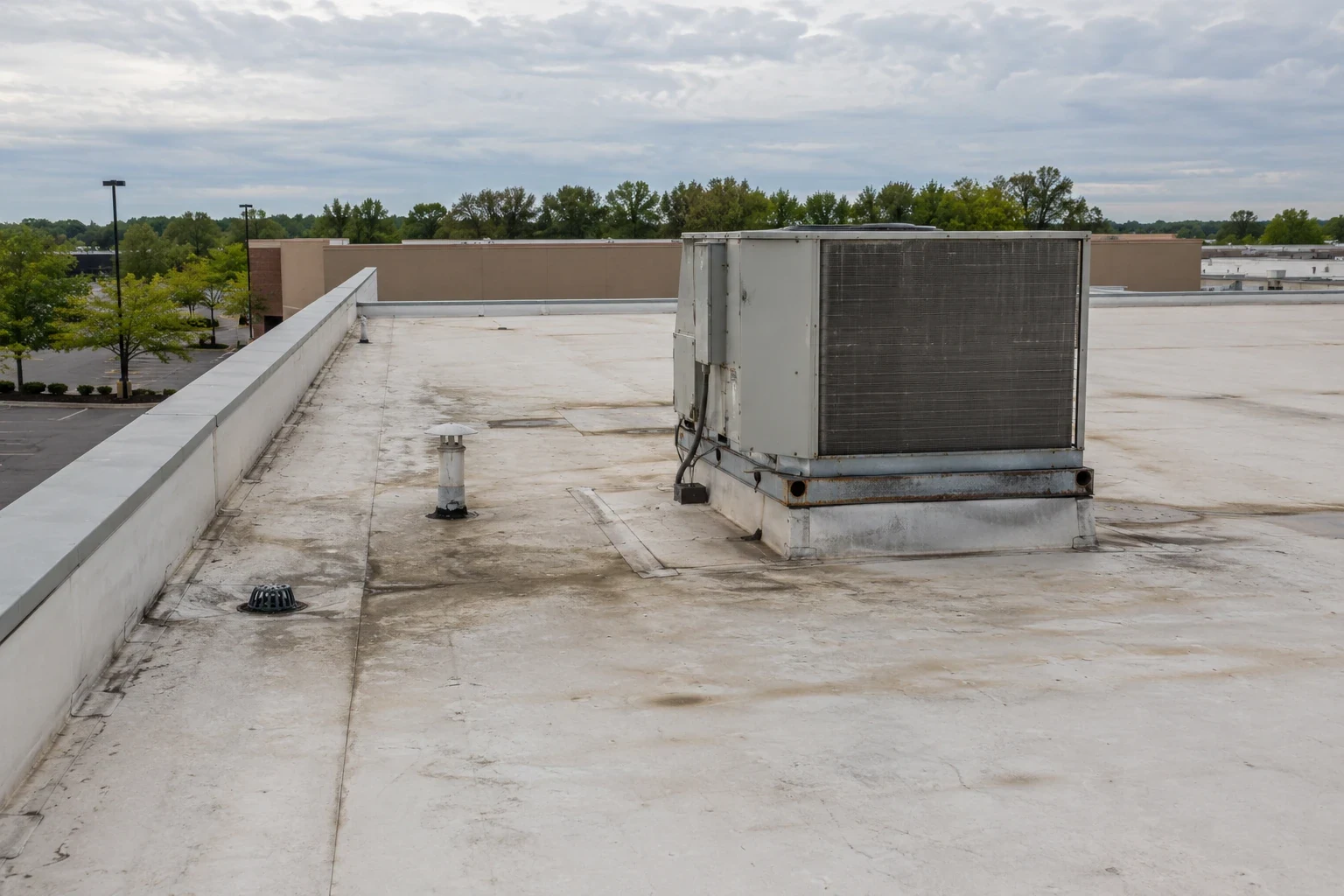
Walk-in boxes and rooftop units create penetrations and service paths. We look for cracked curb corners, loose flashing, open seams, unsupported conduit, and damage where technicians cross the roof. Condensate should discharge into the intended system, not onto a seam or low spot. We photograph each detail and list any mechanical work that must happen before the roofing tie-in can be completed.
A moisture survey can narrow the inspection area when surface conditions make the reading useful. It cannot confirm the condition of concealed insulation by itself. We compare suspect zones with a dry reference, then request an authorized test opening if the result would change removal quantities. A targeted moisture survey can guide that check. The roof map labels tested, untested, and inaccessible areas separately.
Grocery deliveries move on a tight schedule. We confirm truck arrival times, receiving doors, lift placement, material drops, and the route for debris before mobilization. A roof opening above a receiving lane needs a protected work boundary and a dry-in plan. The store contact identifies the alternate path and any period when a door or dock must remain available.
Interior protection depends on the area below. A dry-goods aisle, produce case, pharmacy, food-preparation room, and loading bay carry different concerns. We identify the roof zone and affected interior area, then agree on covers, barriers, and any temporary exclusion. If a leak threatens inventory, store staff handle product movement while we stabilize the roof opening and set the permanent repair line.
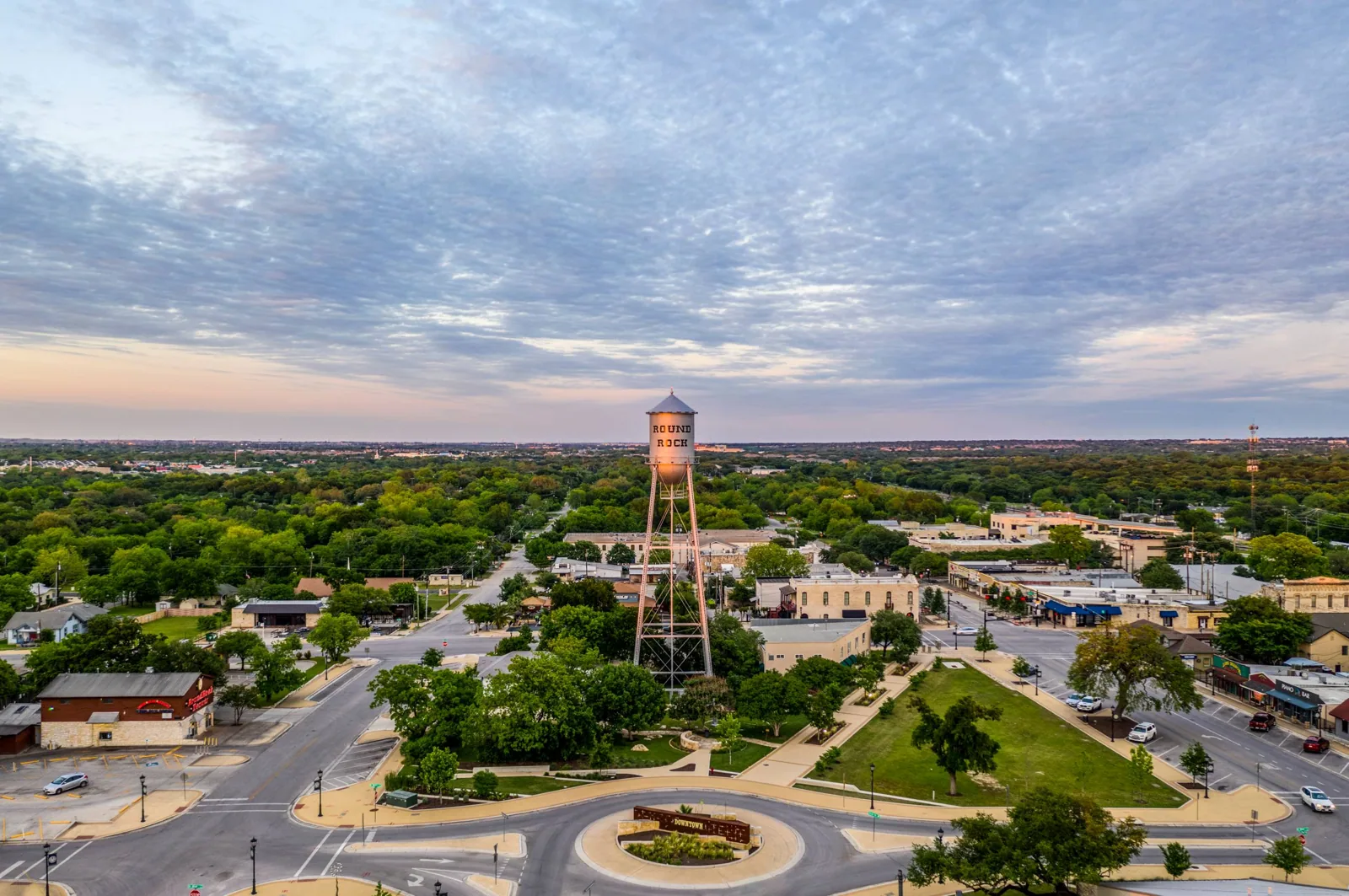
Round Rock's retail base includes regional destinations such as Premium Outlets, IKEA, Bass Pro Shops, and Kalahari Resorts. That broad retail market brings its own circulation and delivery patterns. A Round Rock area plan can help coordinate regional material movement, while the store manager confirms the actual receiving route and work window. We keep the roofing boundary tied to the grocery building.
Georgetown's summer heat routinely pushes afternoon planning into the 90-degree range, with recent days above 100 degrees Fahrenheit. For a grocery roof, the opening plan also has to protect refrigeration equipment and the product areas below. We check the surface, select compatible installation timing, and limit exposed material to what the crew can close before its shift ends. The manager receives the roof-zone handoff and any access restriction affecting refrigeration staff.
Hail can reach the Austin region, while Williamson County has recorded tornado activity. A weather event is a prompt to inspect, not a diagnosis of the store. We check curbs, membrane laps, metal edges, skylights, exhaust supports, and drain outlets, then tie each finding to the area above the reported condition. Photos distinguish new movement from old repairs, keeping the repair quantity tied to the actual roof assembly.
If rain approaches during work, the foreman stops at the planned tie-in and protects the open area before crews leave. The drain route remains clear, and the store contact knows whether any temporary cover needs a follow-up check. Active leakage can be stabilized at any hour, including overnight and weekends; permanent repair follows the confirmed source and an approved work boundary.
A failed curb corner or split seam may support a localized repair when the surrounding membrane and insulation remain sound. We prepare the surface, rebuild the flashing or seam, and check the tie-in before restoring access below. If testing finds wet material across several zones, or repeated leaks return at unrelated details, the owner can compare a wider renewal. We show the findings before adding tear-off beyond the measured area.
Grocery roofs may include refrigeration lines, exhaust, skylights, signs, and multiple rooftop units. We count and label each curb, penetration, and service route in the scope. Equipment shutdowns and refrigerant work remain with the mechanical contractor. If equipment must move, the roofing detail is inspected and closed after the responsible trade completes its work. That handoff protects both the roof and the operating system.
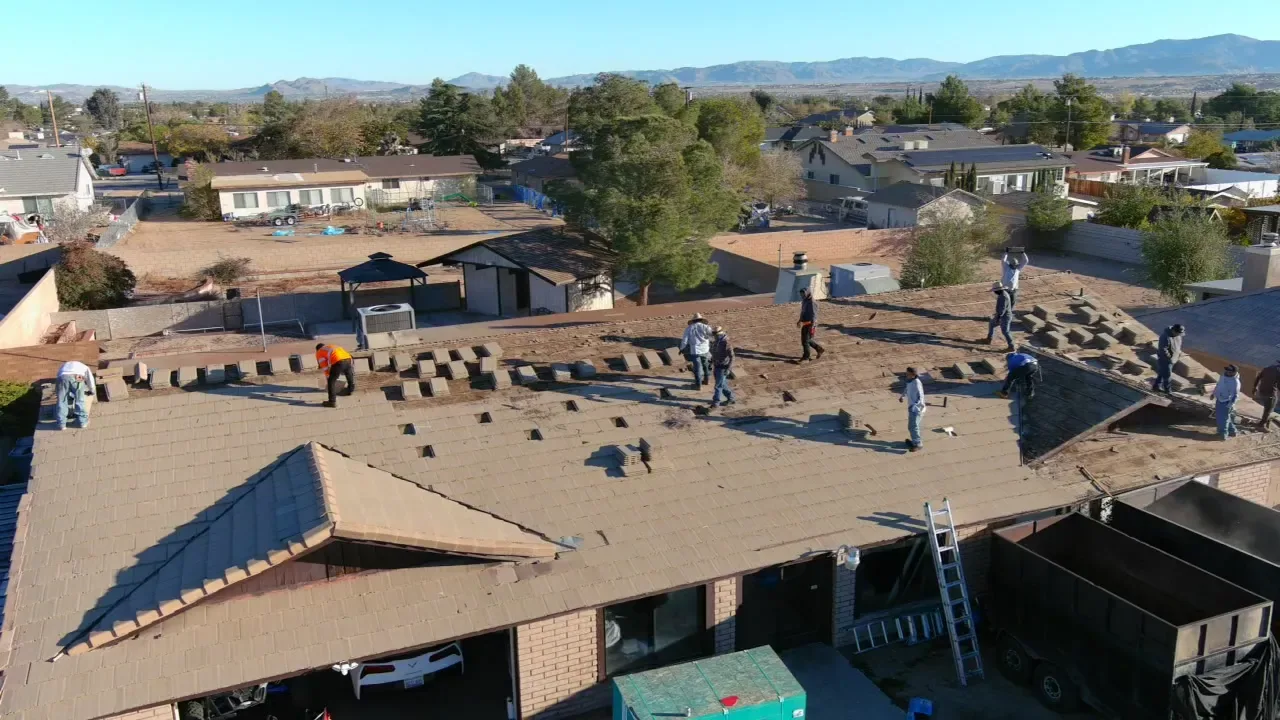
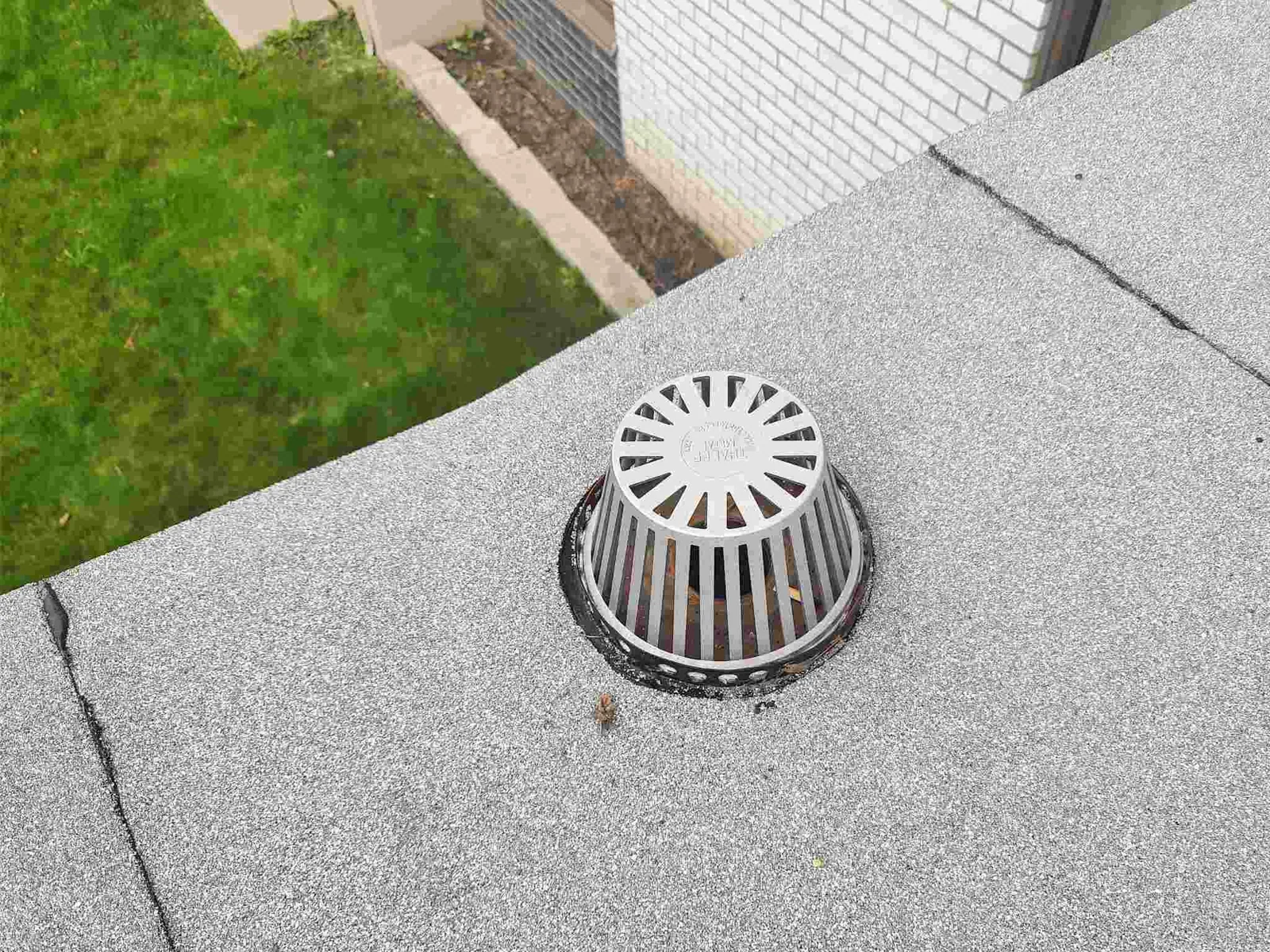
A recovery option requires dry, stable, attached layers and sufficient height at drains and edges. If those conditions do not fit, a replacement scope can list removal, new insulation, cover board, flashing, metal, and daily dry-in. A drain and scupper repair can stay separate from the field membrane. For a neighboring large-format store, compare a big-box retail scope; a grocery has refrigeration and food-handling constraints of its own.
Before the first cut, the superintendent confirms who can approve a changed work boundary, how the interior area is protected, and who receives the end-of-day status. We set the exposed area to fit the forecast and the crew. If a concealed condition changes the work, we pause, photograph it, protect the opening, and request direction before proceeding.
A store can stay active when the work plan preserves its receiving path, product protection, and customer access. We phase by roof zone and check each tie-in before covering. If a temporary barrier or lift changes an entrance, the manager receives the time window and alternate route. The emergency roof response can stabilize active water entry while a permanent scope is reviewed.
Closeout records repaired details, roof-zone photos, test results, installed materials, exclusions, and any follow-up. The facility team can compare a later drip with the correct roof area and refrigeration system. For other food-service space, a restaurant roof inspection focuses on exhaust and dining operations, while a shopping-center roof plan may need several tenant schedules. Each asset gets its own map and measured scope.
We compare the interior location with roof seams, curb flashing, drains, and condensate routes. If those checks do not settle the source, we identify a test or mechanical review before assigning repair quantities.
We set the lift and material route around the receiving schedule. If a dock or door needs a temporary restriction, the store contact approves the window and alternate route before mobilization.
Store staff protect or move affected product. We stabilize the roof opening, identify the interior boundary, and document the permanent repair once the roof detail is inspected.
Only when the roof scope or equipment condition requires it. The mechanical contractor handles shutdown and relocation; we inspect the curb, flashing, and membrane before and after that work.
Keep the marked roof map, receiving limits, photos, repaired details, test results, and any mechanical follow-up together. We identify which zones remain open for inspection or later work.