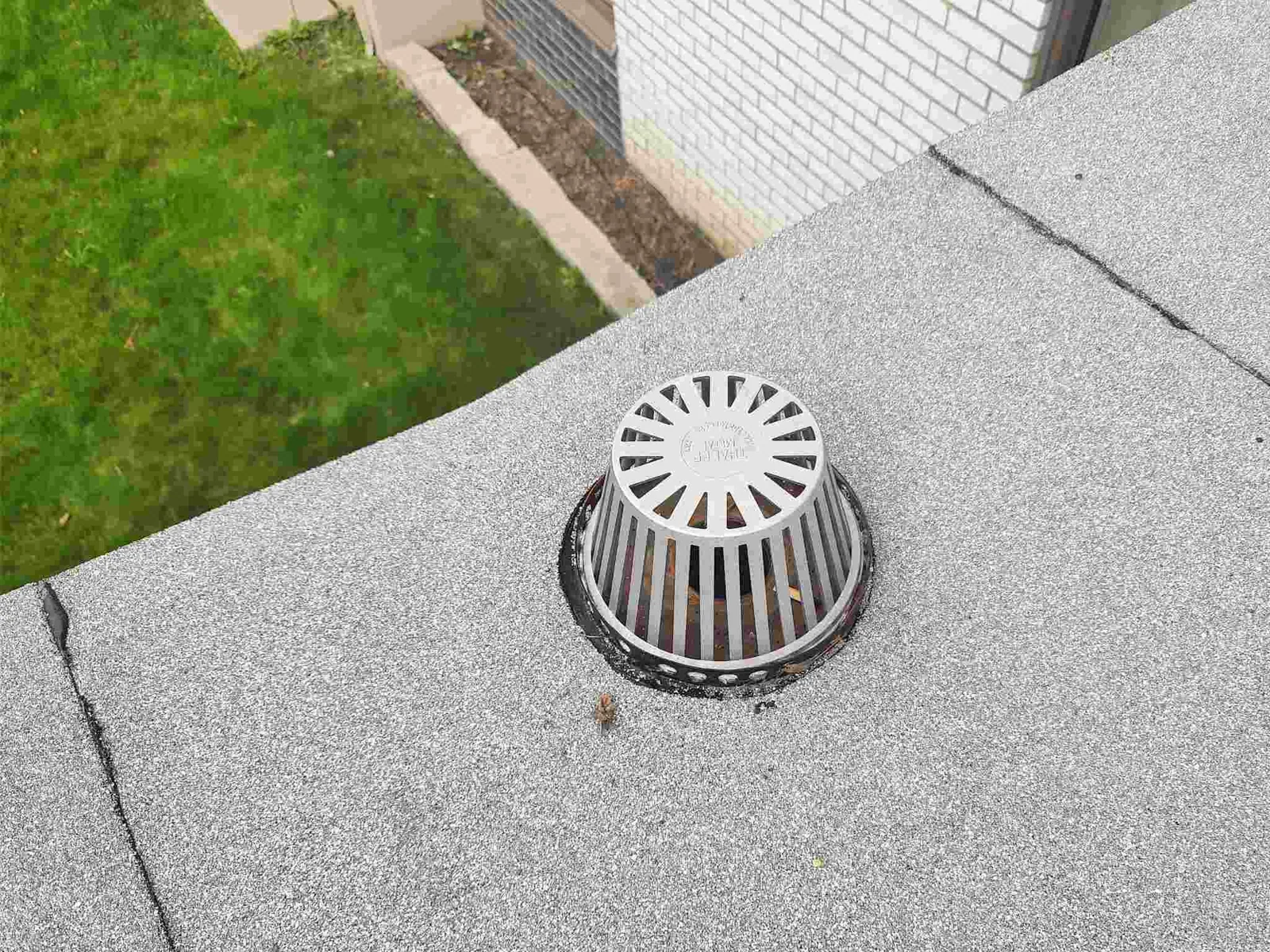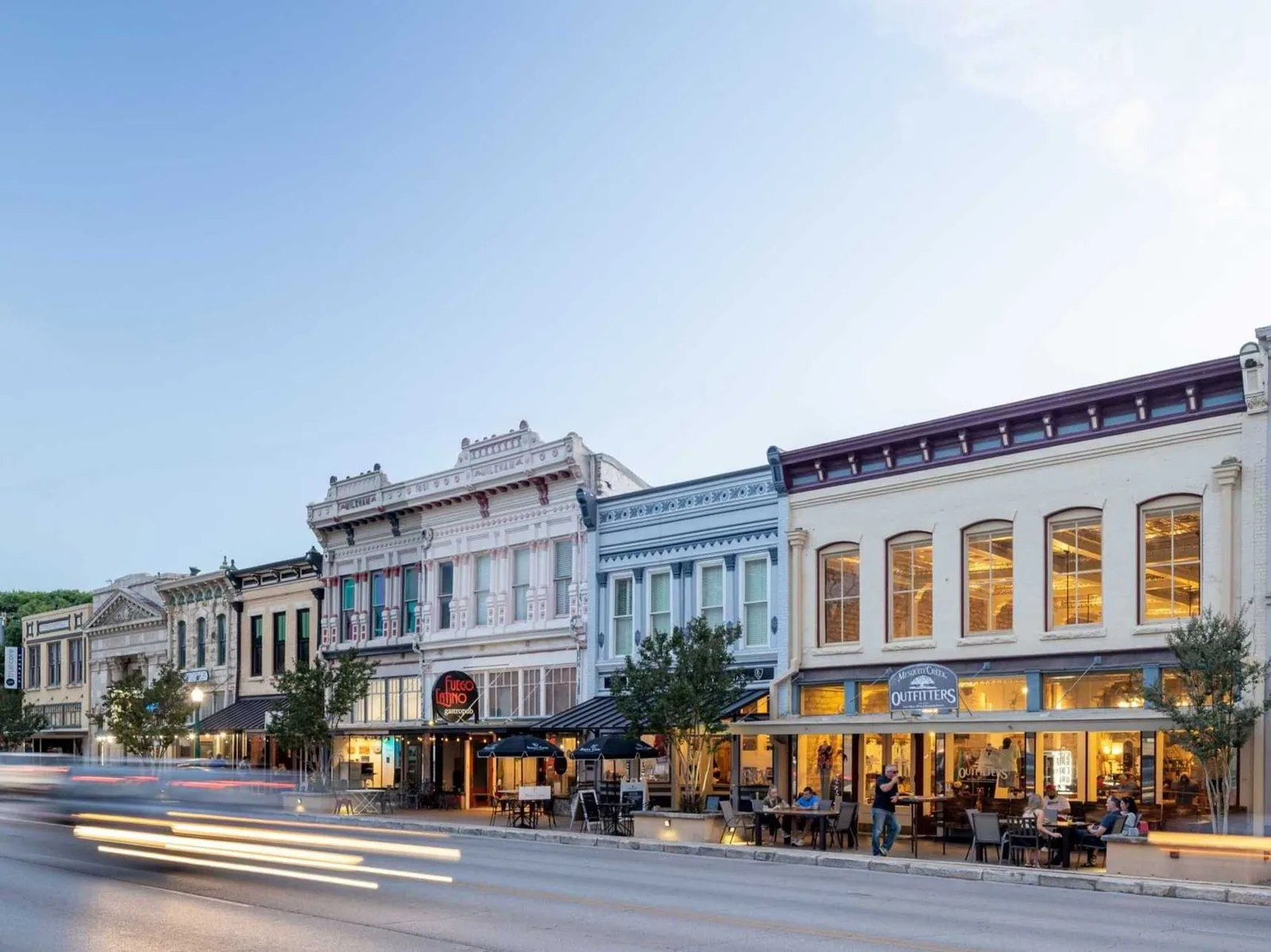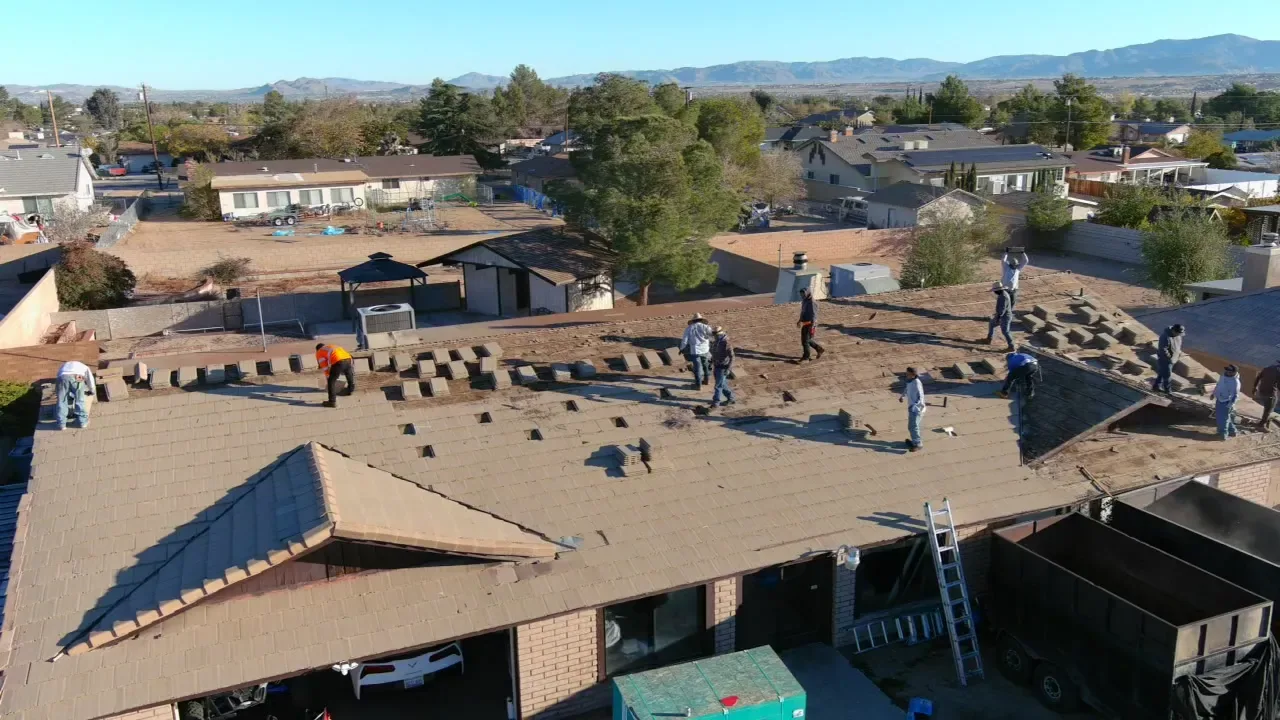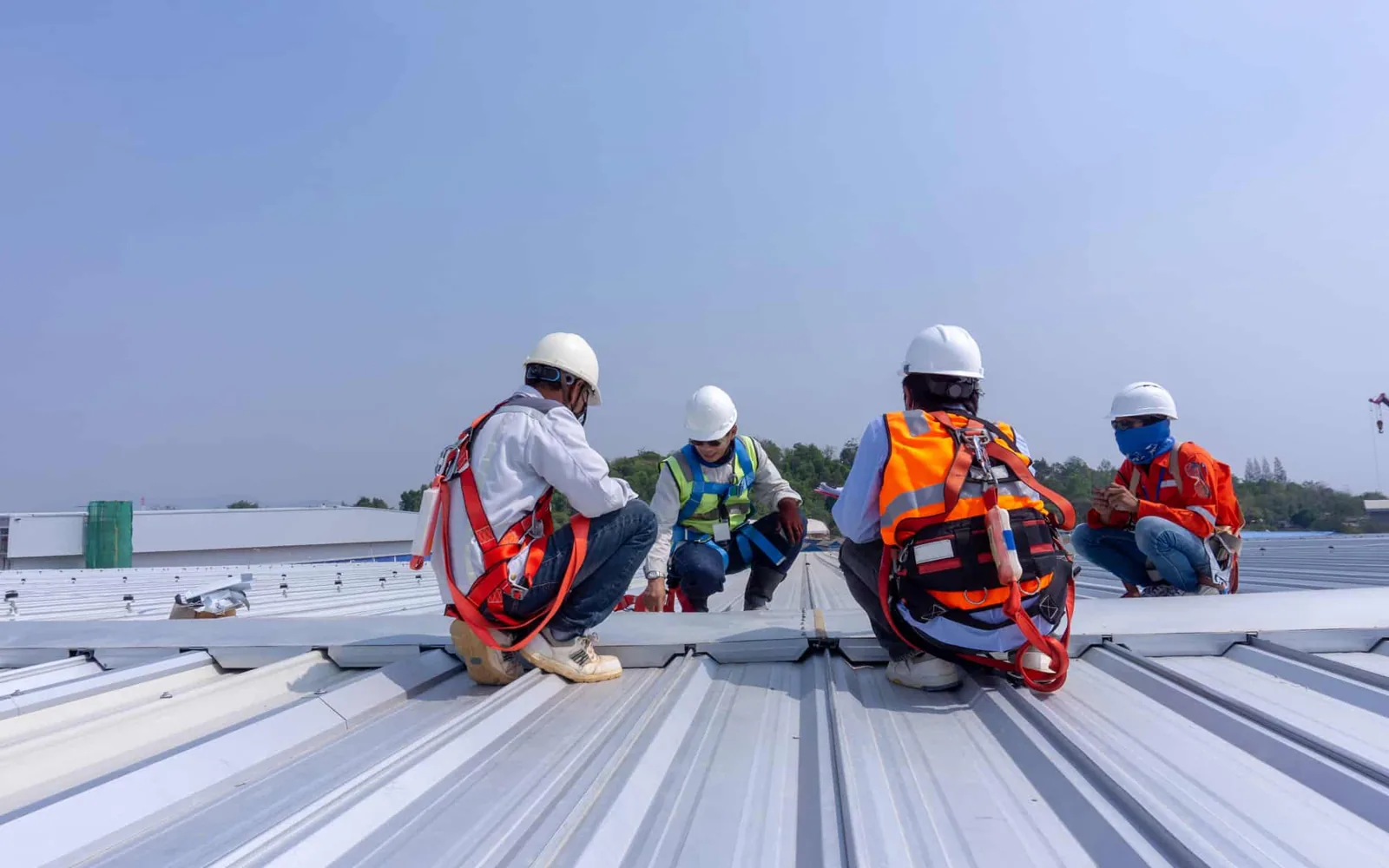
A backed-up drain above a storefront can put several tenants in the same work zone. We inspect the bowl, overflow, adjacent seams, and roof slope, then mark the area that can be opened safely. Georgetown's historic downtown is a 40-block mix of commercial, civic, county, and residential activity around the courthouse square. That compact business setting makes access coordination part of the roof walk. The condition still comes from the building itself.
We confirm open hours, delivery windows, and doors that must stay available. Then we trace the interior report to a roof section and identify what protects each tenant below. One patch should not become a center-wide scope without field evidence. The roof map keeps findings, quantities, and hold points tied to the right building and tenant row.
A ceiling mark may sit below a different roof bay than the opening. We compare the tenant report with seams, curbs, wall transitions, skylights, exhaust, and drainage. Photos show the route we inspected and any point where the search stopped. If water could have moved along deck flutes or insulation, we keep that path separate from a confirmed split or puncture.
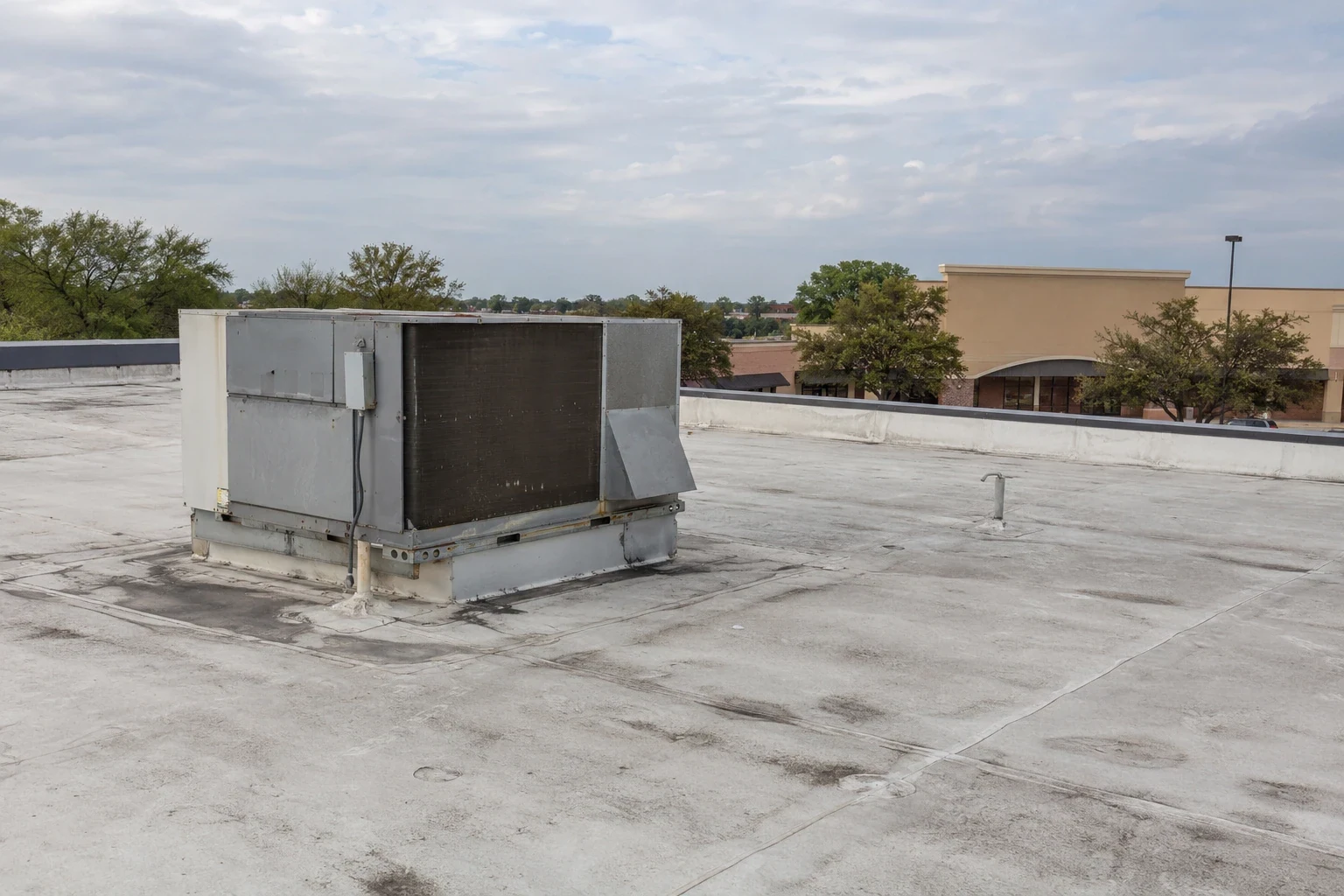
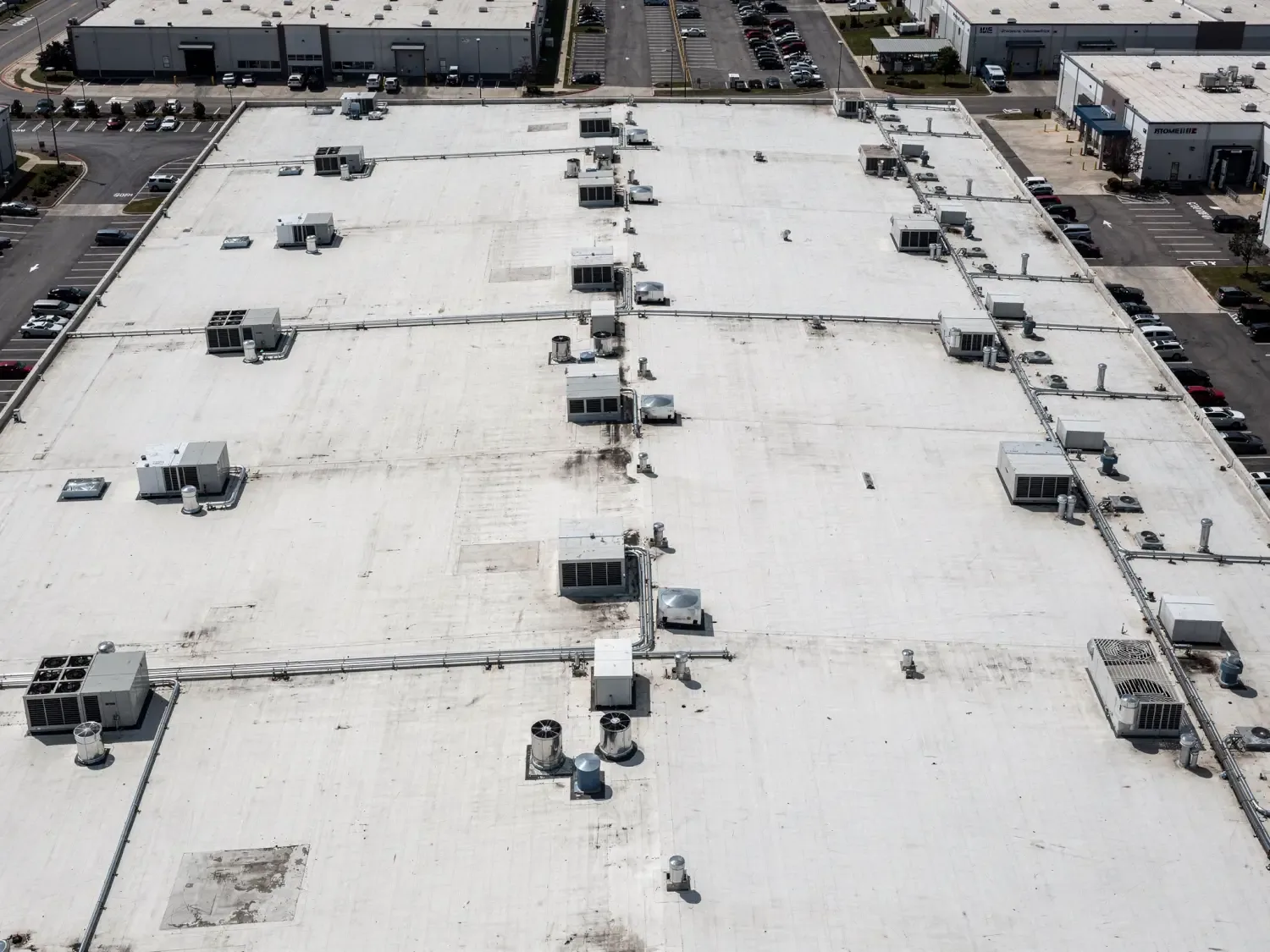
Shopping centers often add signs, exhaust, conduit, rooftop units, and refrigeration equipment as tenants change. Each new curb or pipe needs a compatible flashing detail. We look for loose corners, sealant gaps, movement around supports, and service paths that cross the membrane. A later equipment change may need mechanical work before the roofing tie-in can close. We record the responsible trade and the hold point.
Shared roof areas can make one outlet serve several tenant bays. We identify which roof zones drain toward the bowl or scupper and whether an overflow is clear. Debris at a strainer is a different scope from a failed flange or a recurring low area. A drain and scupper check can separate cleaning from construction and show where the water path leaves the roof.
Before setting staging, we walk the ground route with the property contact. Lifts, dumpsters, and material drops can compete with customer parking, fire lanes, delivery docks, or accessible entrances. We mark which path stays open and when a temporary restriction can be used. The approved route goes in the daily plan, along with the roof entry and the area that needs protection below.
Tenant schedules vary. A restaurant may receive deliveries early, while a shop may need its entrance clear through closing. We coordinate those windows with the manager and identify noise, dust, or interior protection before the crew opens the roof. A phased job should end each shift at a sealed boundary. If the schedule changes, the property lead needs a clear account of what remains open and who checks the dry-in.
Round Rock's University Boulevard Corridor serves regional retail destinations and employment areas. That route can inform delivery planning, but it does not replace the center's gate instructions or loading rules. For Georgetown projects, Downtown Georgetown provides a useful local reference for the active commercial and civic setting around the courthouse square. The site contact still establishes the actual work hours and access route.
Georgetown’s hot season brings afternoon readings in the 90s and, in recent years, several days above 100 degrees Fahrenheit. Roof work over multiple storefronts needs a daily opening limit that accounts for surface temperature, material requirements, and the time to finish a safe tie-in. We identify which tenant row sits below each section and complete the planned protection before the crew moves to another bay.
Hail affects the Austin area, and Round Rock sits near the starting point of a 2022 tornado path across Williamson County. A center-wide work order still needs roof-by-roof evidence. After a reported storm, we examine perimeter metal, membrane seams, skylights, equipment curbs, and drain outlets across the affected buildings. New movement or impact is photographed by roof zone; prior wear and unrelated repairs stay separate. This helps the owner compare conditions without assigning one storm finding to every tenant.
Rain can interrupt an opening above an active business. We agree on a stop line, protect insulation and deck, keep the overflow path usable, and leave a temporary tie-in that can be checked from the roof. The property contact receives the affected tenant row, status, and next inspection step. Emergency protection is available around the clock when water is entering before permanent scope is approved.
A local seam or curb failure can remain a repair if the adjacent membrane and substrate support a sound tie-in. We define preparation, compatible material, flashing, and the tenant area protected below. If similar failures repeat across several sections, or testing finds moisture below the field, a larger comparison may be warranted. The measured line follows the roof evidence, not the size of the property.
Recovery depends on moisture, attachment, deck condition, edge height, drainage, and project requirements. If those checks support another layer, the scope identifies what stays and what changes. If not, a replacement plan can list removal, insulation, cover board, metal, flashing, disposal, and phased dry-in. The center's renovation scope must satisfy Georgetown's 2021 IEBC requirements for existing buildings. The approved design and applicable permits control the final assembly.
Every proposal should separate known quantities from test areas and concealed conditions. We identify which tenant rows are in the work zone and which remain open. A roof inspection records the current condition, while a repair scope defines the task that follows. Grocery and dining tenants add equipment-specific needs; compare a grocery roof scope or a restaurant roof review where those uses are present.
Roofing may overlap with refrigeration, HVAC, signage, electrical, and tenant-improvement work. We identify each curb, pipe, and support before staging and record which contractor owns each opening. The roofing crew checks the tie-in after the other trade completes its work. If the curb needs replacement or the equipment must move, that decision stays visible as a hold point instead of being buried in a broad allowance.
Some centers use shared parking and several access points. The schedule lists lift position, delivery route, debris removal, interior protection, and daily inspection. We keep the work area small enough to close safely and state what happens if weather interrupts the shift. A phased occupied-building plan can define tenant notices and handoffs by roof section while stores remain open.
Closeout includes marked roof zones, repaired details, materials, photos, exclusions, and any area that needs later testing. The property team can compare a new tenant call with the right section rather than reopening the entire inspection. Send roof plans, leak reports, tenant hours, delivery rules, and the general-contractor contact. We set the first boundary, confirm staging, and identify who accepts the handoff.
Usually, if customer routes, tenant entrances, staging, and daily dry-in can be coordinated. We mark the active roof zone, identify any temporary closure, and agree on the ground route with the property contact.
We map each report to its room and roof zone, then check shared drains, seams, and transitions. Similar timing can point to a common condition, but every entry path needs inspection before the scope expands.
We inspect curb flashing, support, condensate routing, service paths, and the membrane tie-in. If equipment work is needed, the mechanical contractor completes it before we close and verify the roofing detail.
Repeated failures across zones, confirmed moisture, or poor attachment can support a broader scope. We compare those findings with local repairs and set quantities by roof section, including areas not tested.
Include the affected zone, photos, repaired detail, protection below, access changes, and any open test or trade item. We leave the next manager with a roof map and clear hold points.