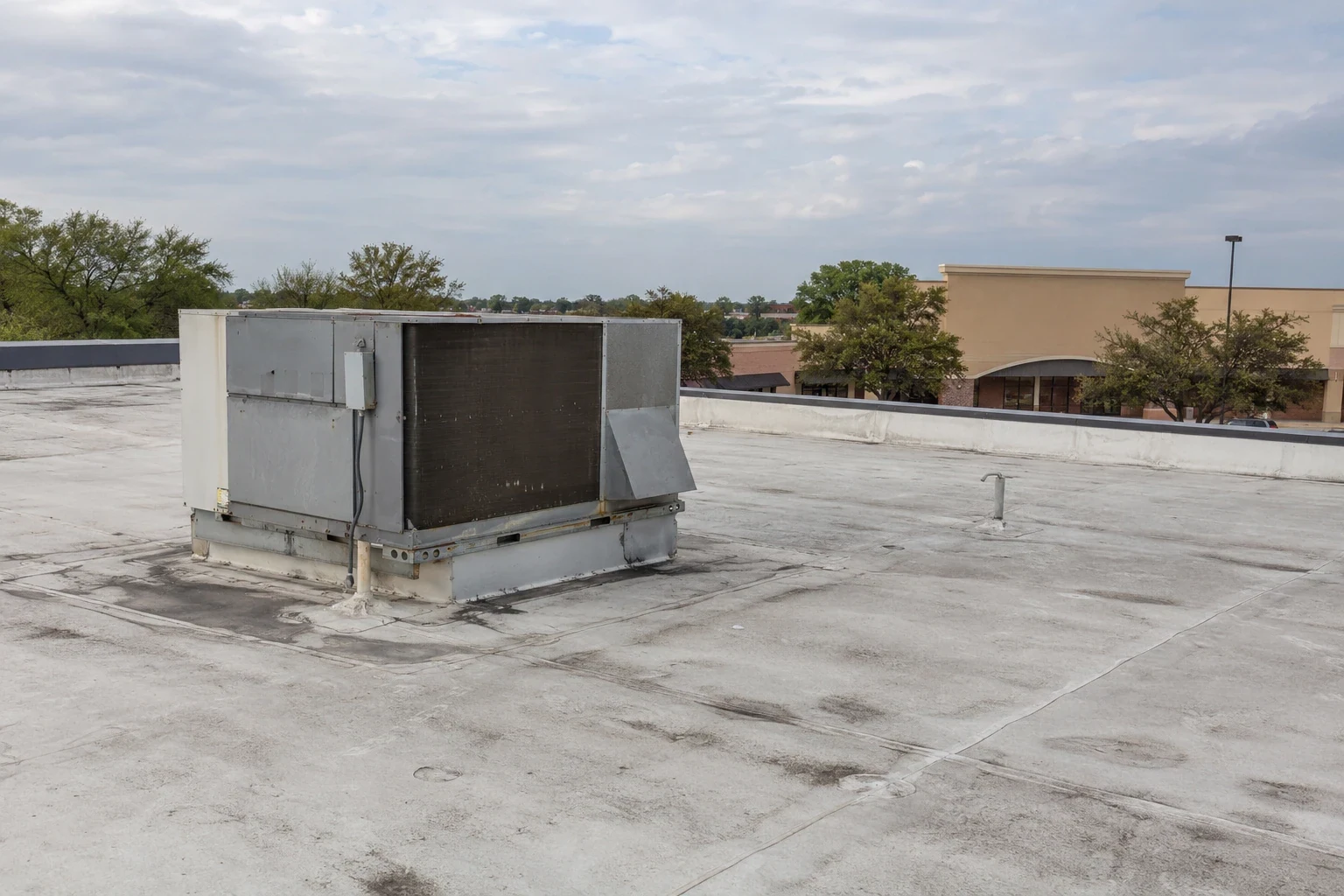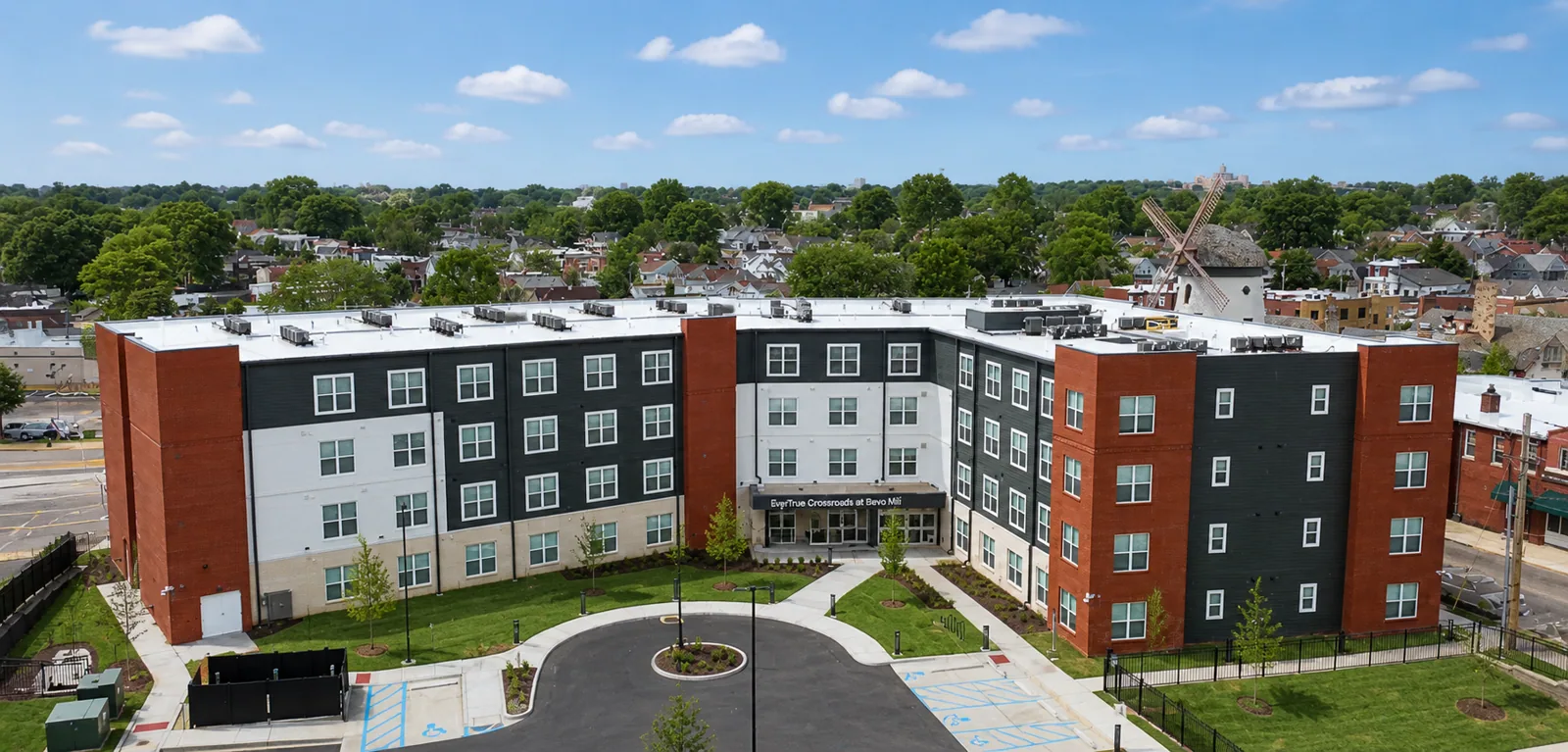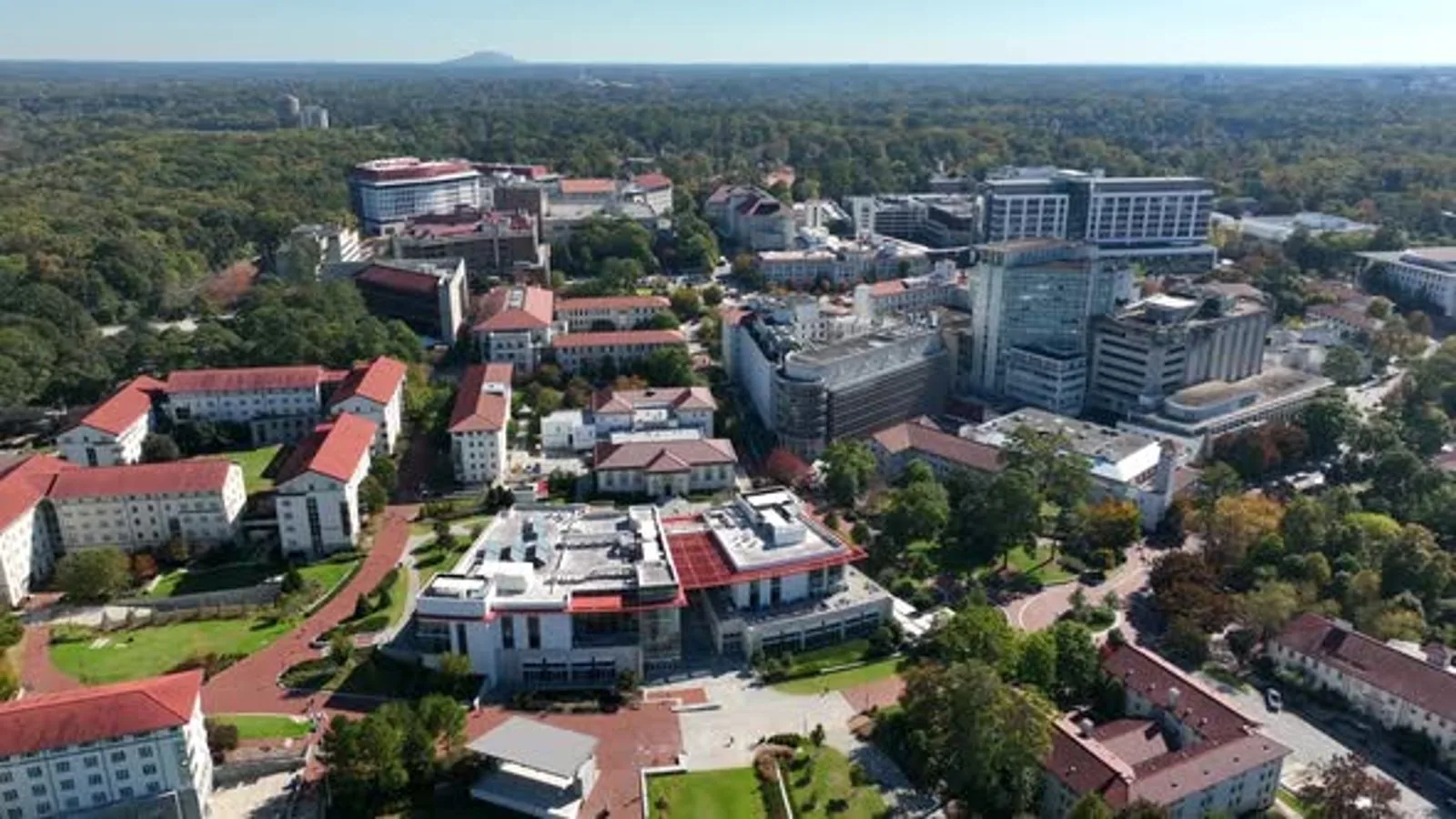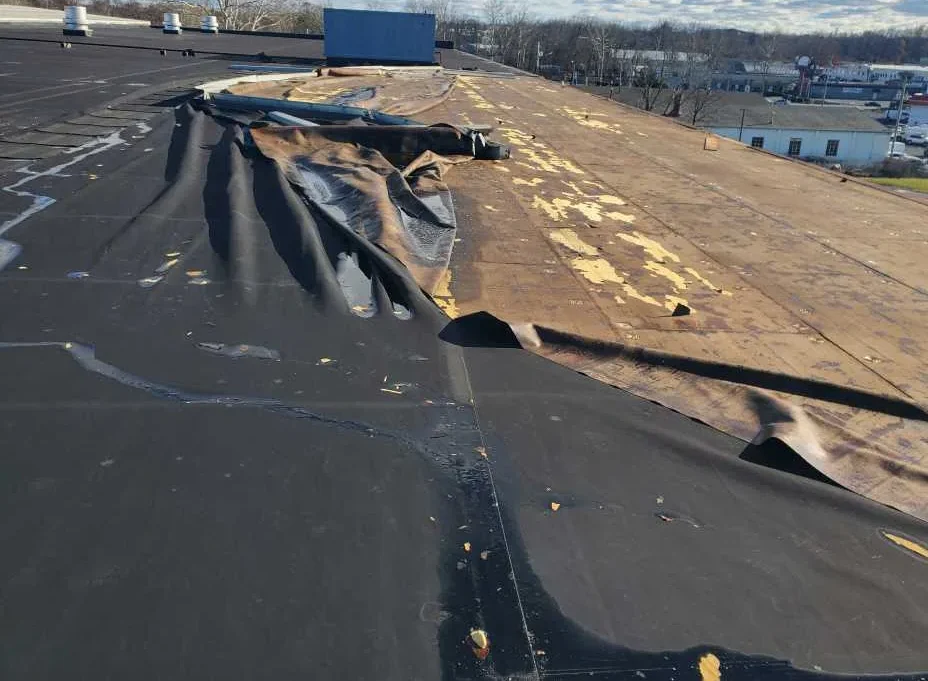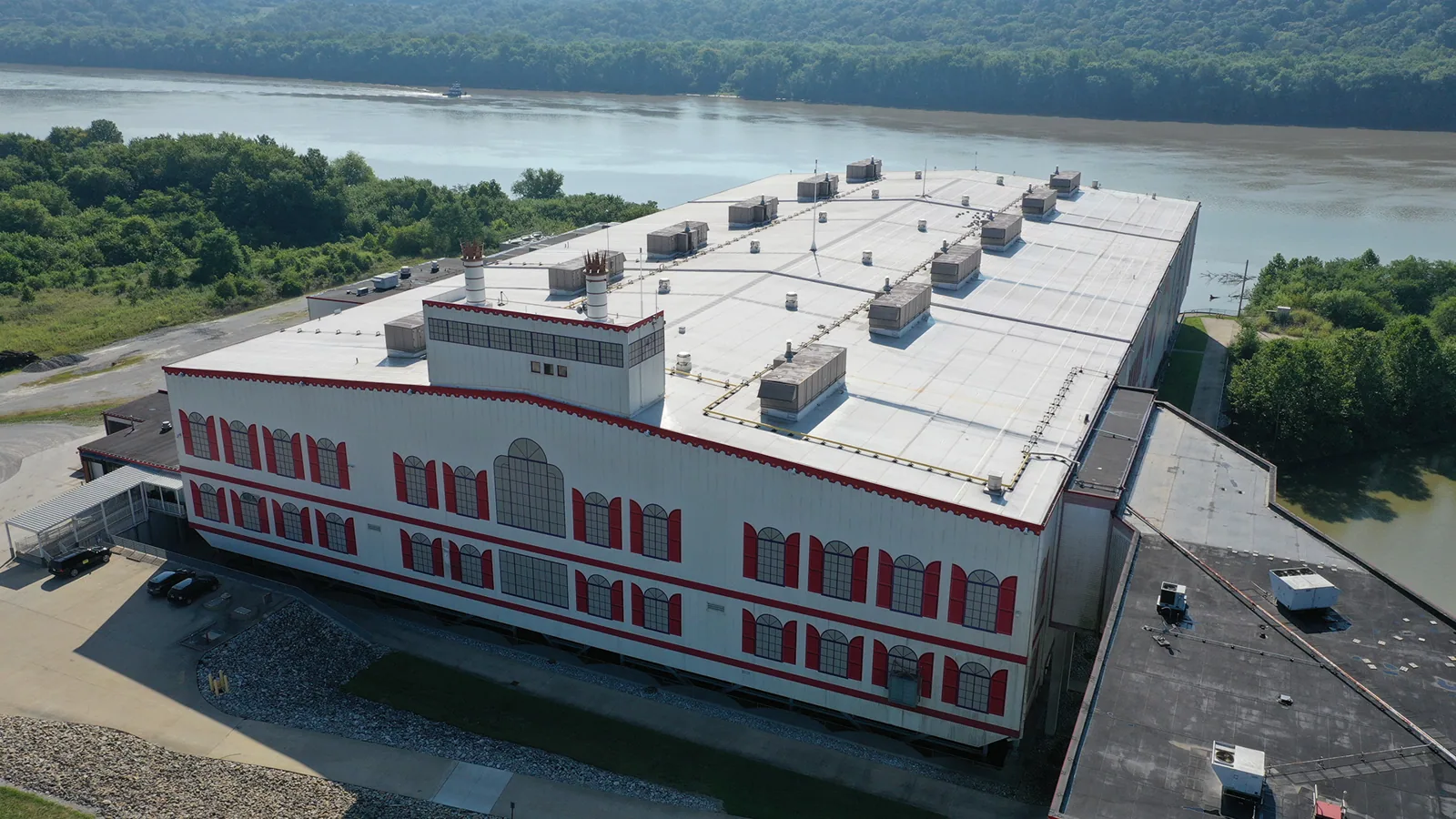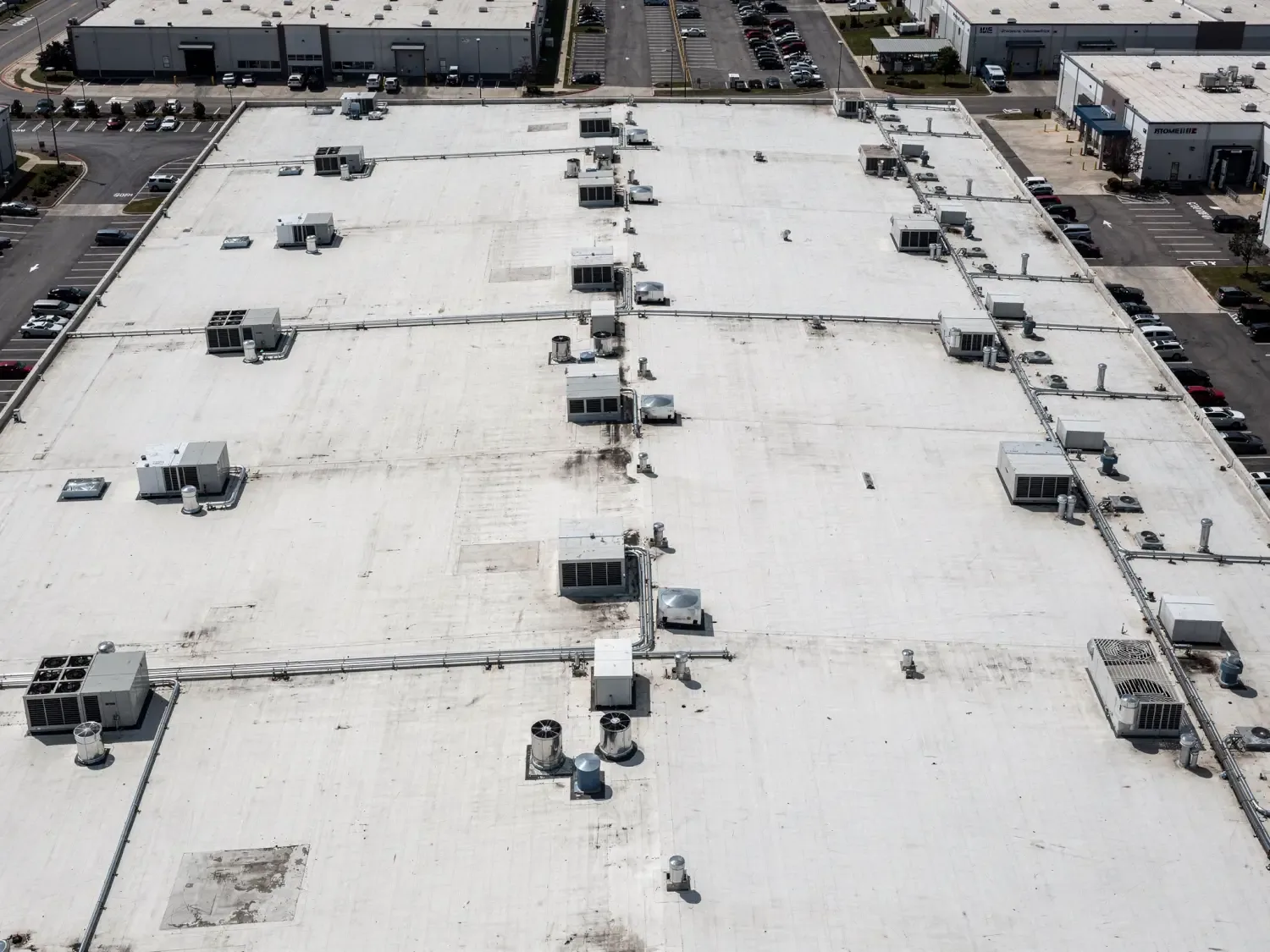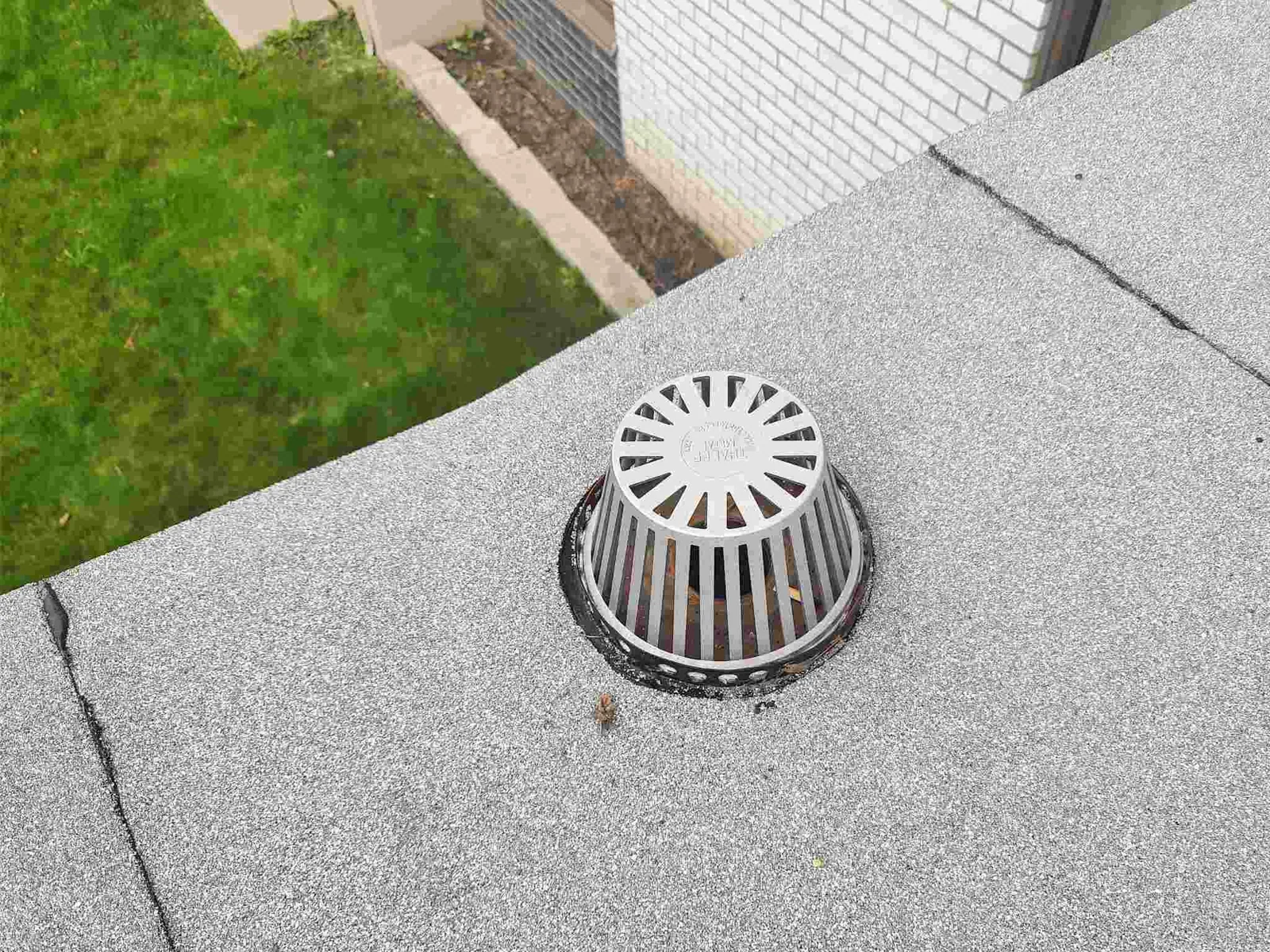
A weld separation at a rooftop exhaust curb sets the first campus work boundary. We check the weld, curb flashing, and nearby drain, then compare the roof zone with the report from below. Georgetown-area campuses may combine classrooms, labs, offices, dining, and assembly rooms under connected roof areas. We do not assume one access plan fits them all. The facility contact confirms class hours, lab restrictions, delivery routes, and any room that cannot be interrupted.
Round Rock's employment base includes education alongside technology, health care, manufacturing, retail, logistics, and hospitality. That regional mix makes campus work one part of a wider active-property schedule. We inspect the actual assembly, map open items, and set a hold point before removal or another trade changes the roof detail.
A ceiling stain below a laboratory or lecture hall does not identify the roof opening. We log the room, date, operating conditions, and any equipment change, then inspect above and around the reported area. Seams, wall transitions, skylights, curbs, conduit, and drains get separate marks on the roof map. If the likely path crosses a second zone, we note the route and keep the confirmed defect distinct from the search area.
College buildings often accumulate additions and service changes over time. A new exhaust duct, cable support, or mechanical curb may cut through an older roof assembly. We compare available drawings with the field condition and look for disturbed flashing, open fasteners, unsupported conduit, or patches at the transition.
Where a soft area or repeated leak could widen removal, we identify a test area and explain what it will answer. Infrared screening can help select a location, but a temperature pattern alone does not confirm wet insulation. An authorized test opening verifies the layers. A targeted moisture survey can guide that sequence, while the map records which areas remain untested.
Contractor access may cross pedestrian paths, loading areas, parking, or a controlled building entrance. We confirm check-in, approved vehicles, lift locations, material storage, and the route from staging to the roof. The site contact identifies the hours and boundaries that apply to the project, then we put them in the daily plan.
Labs, libraries, dining areas, and occupied offices have different constraints. We mark rooms below the active roof zone, identify any sensitive equipment, and set barriers before opening the assembly. If another contractor needs a curb or conduit opened, the roofing crew sets a hold point for inspection and flashing before the next trade proceeds.
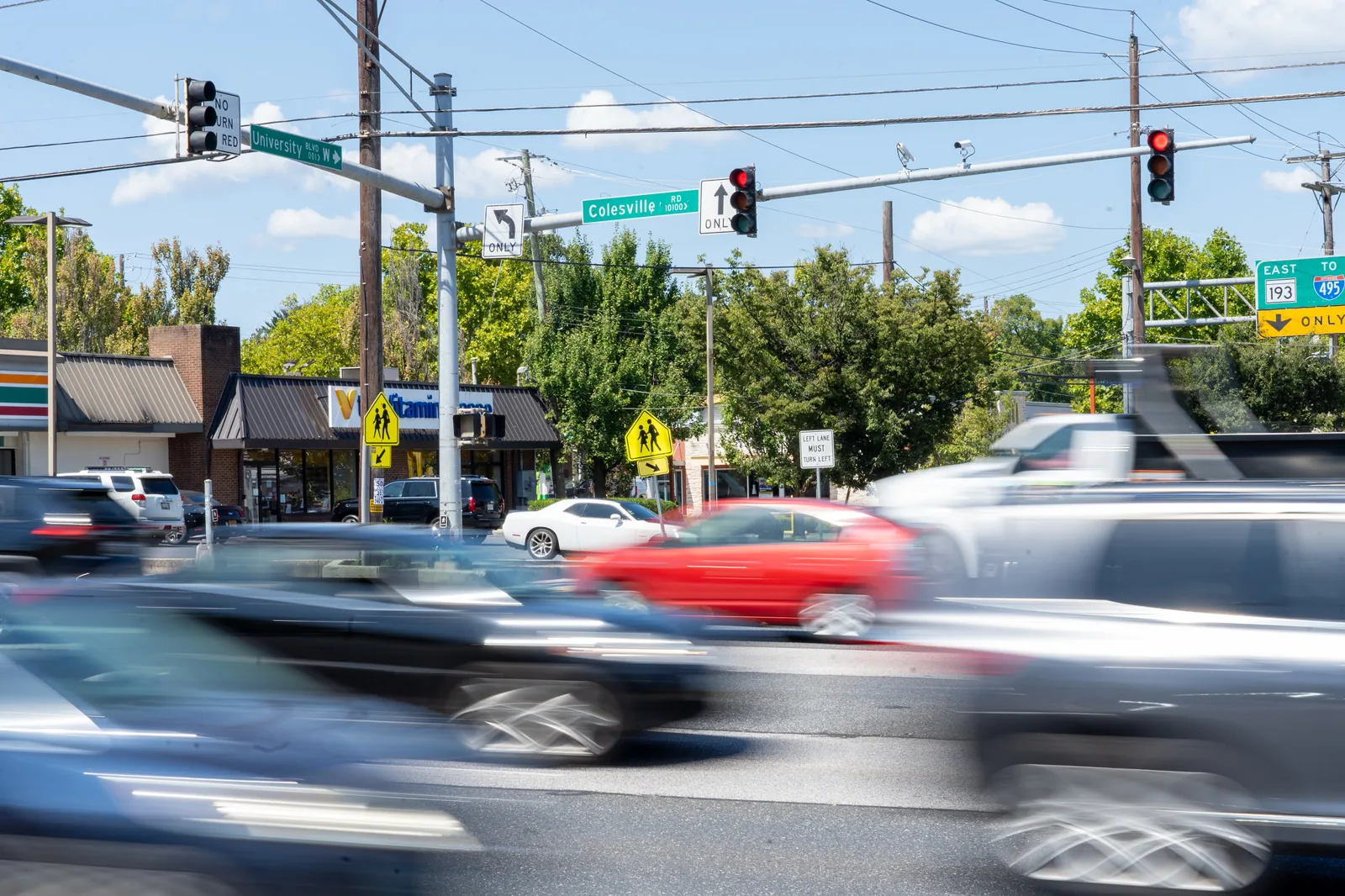
The University Boulevard Corridor in Round Rock connects regional retail destinations with city employment areas. The campus contact confirms the gate, arrival time, and roof access before delivery. A University Boulevard delivery route can be reviewed alongside the property's own access plan before mobilization.
Georgetown's hot season brings many 90-degree days, with recent highs above 100 degrees Fahrenheit. On a campus, that means scheduling roof openings around the actual surface condition and the product's application range. We set a manageable zone, confirm how long the assembly can remain exposed, and sequence labs, classrooms, and adjacent buildings so each area reaches a documented dry-in point.
The campus plan accounts for Austin-area hail and Williamson County severe-weather exposure, including the 2022 Round Rock-area tornado. A storm alert prompts inspection; the building’s observed condition sets the repair quantity. We check the campus's metal edges, seams, skylights, curbs, supports, and drains, then assign photos to the roof zone and elevation. The facilities team can compare findings across buildings without combining unaffected areas into the repair scope.
Before tear-off, the superintendent confirms the temporary tie-in, drain protection, and person responsible for checking the exposed zone. Work can pause while students remain in nearby buildings; the handoff identifies the covered area and the next safe step. Emergency response can protect active leaks outside the planned campus work window.
A single split seam or curb leak can be addressed locally if inspection confirms the field membrane remains serviceable. We record the repaired detail and verify its tie-in before the area returns to use. Repeated leaks across several wings, wet insulation, or loose attachment can support a broader option. We identify the evidence and set an approval point before expanding removal.
Recovery is possible only when existing layers are dry, stable, attached, and suitable for the added assembly. A recover review checks load, drainage, edge height, and transitions. If tear-off is the better path, a replacement scope lists removal, deck review, insulation, cover board, flashing, perimeter metal, and daily dry-in by building zone. Existing-building campus work in Georgetown follows the locally adopted 2021 IEBC. The permit documents and institutional approvals define the assembly that may be installed.
Drainage remains a separate line in the scope. We inspect the drain bowl, strainer, overflow, scupper, and discharge route, then check for low areas near walls and equipment. Clearing debris does not rebuild a failed flange or correct a depressed section. A drain detail scope can keep outlet work visible beside membrane repair and interior protection.
Campus reroofing can overlap with mechanical, electrical, kitchen, fire-protection, and ceiling work. We identify the curb or penetration each trade will touch, then set an inspection hold point before the roof detail is covered. Equipment controls and shutdowns remain with the responsible contractor. The roof crew records flashing, membrane, and protection at the handoff, so the next team knows what was completed and where the work boundary stops.
Campus managers may be planning several projects at once; each building still needs its own roof map, measured quantity, and access sequence. A photo-based condition record can carry findings through budgeting and construction. For a related occupied property type, K-12 school roofing has its own bell schedule and campus controls. A campus administration wing can also need the access and sequencing used for office building roofs.
Use a consistent zone key across buildings, but do not merge their conditions. Closeout should list repaired seams, curbs, drains, tests, exclusions, and areas not reached. A future service crew can compare its finding with that record before opening the assembly again. At turnover, the facilities lead receives the marked roof plan, unresolved leak locations, academic access calendar, and contractor handoff list. We identify the first protected area before equipment is staged.
Photos should show the roof feature and its map reference, not just a close view of new material. We record the repair limit, products used, test results, weather interruption, and any area that remains open for follow-up. The file also names who receives the next decision.
The closeout map records inspected zones, trades involved, and areas not reached.
Send the roof plan, class and event calendar, open leak reports, access route, and general-contractor contact. We can walk the available zones, identify testing, and agree on dry-in and inspection holds. If water is entering now, emergency protection is available around the clock, including weekends and holidays. Permanent repair follows the confirmed field condition and approved scope.
We build the sequence around the rooms below, access rules, noise limits, material delivery, and weather. The facility lead identifies the available windows. Each shift ends at a documented dry-in point.
We inspect the curb attachment, flashing corners, membrane tie-in, nearby seams, and service path. If equipment needs to move, its contractor handles that work and we set a roofing hold point before close-in.
No. We inspect the campus roof for dents, loose edges, open seams, punctures, and water entry. Photos distinguish visible conditions from older wear and note any area we could not reach.
A test is useful when concealed moisture or deck condition could change the removal boundary. We identify the test area, explain the decision it informs, and protect the opening until it is closed.
Provide the marked roof map, completed details, material record, photographs, test results, and remaining items. We identify access limits and any trade hold point that is still open.