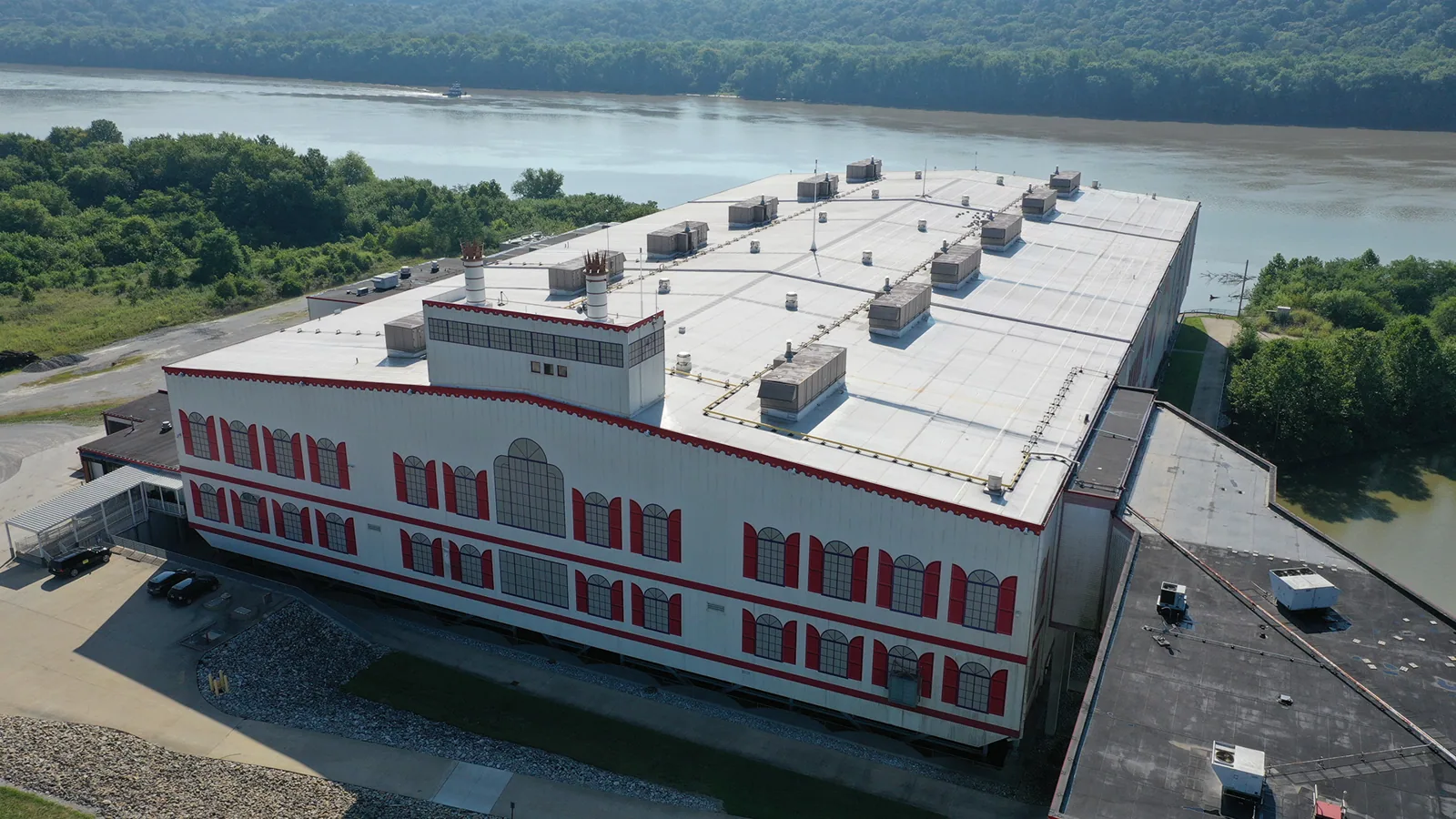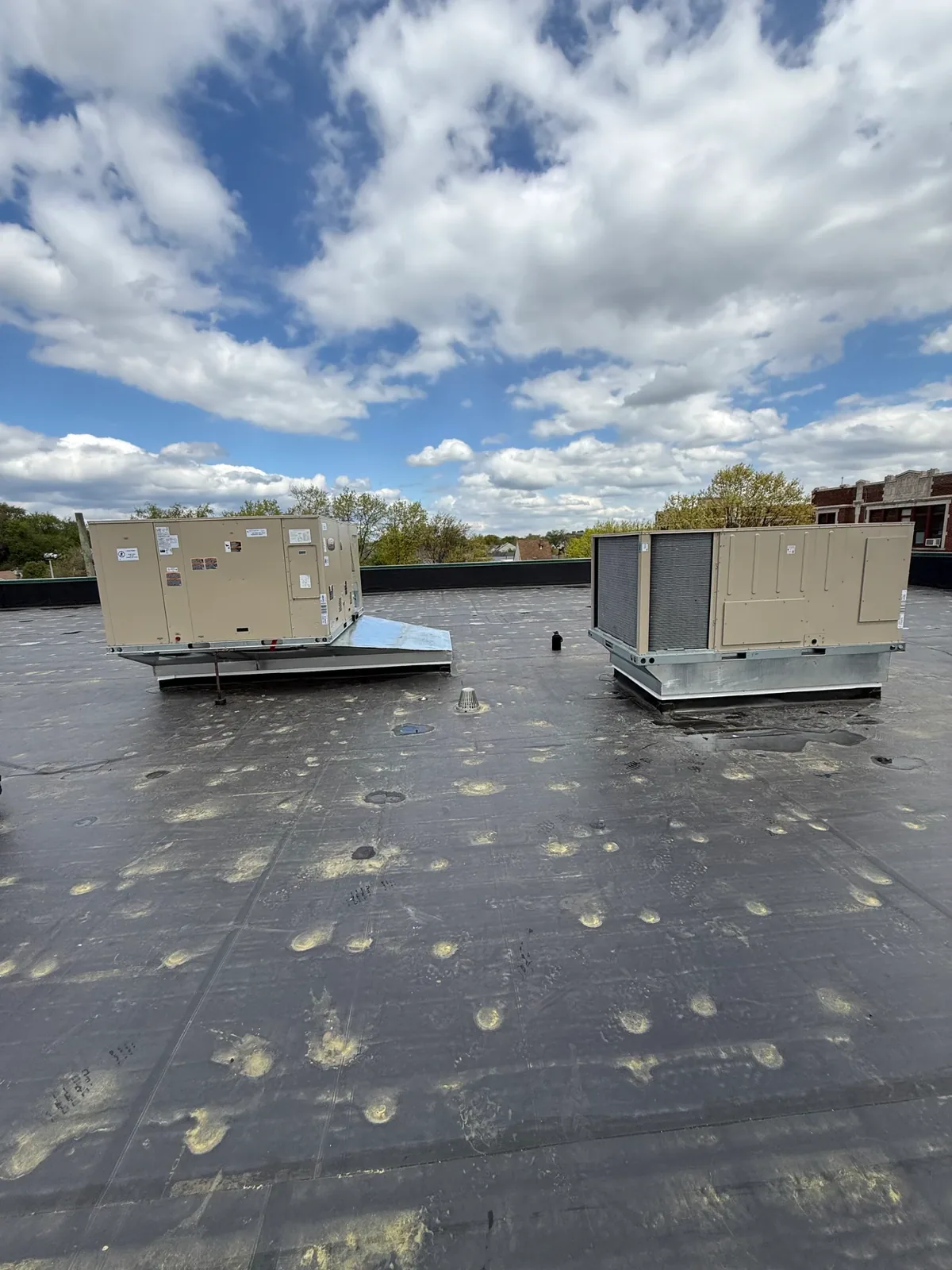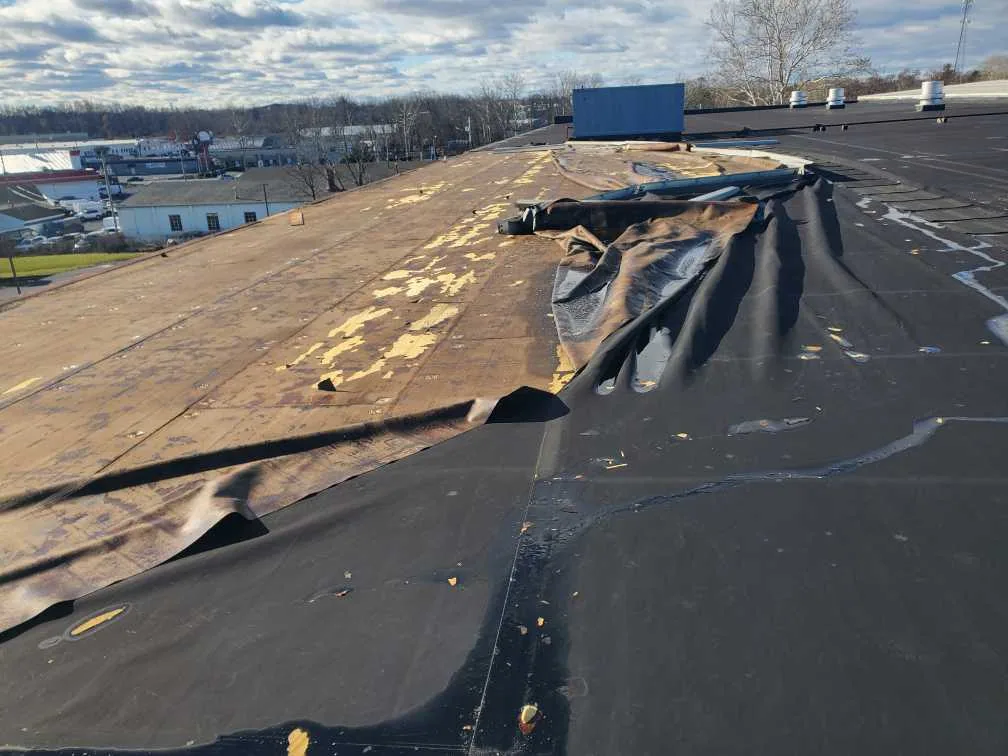
A reported leak in Downtown Hutto starts with the roof detail above the affected room. We trace the membrane or metal path, inspect connected seams and flashing, and mark the area reached. Hutto’s historic downtown is a focus of revitalization and infrastructure projects. Roofing work should fit the property’s access route and the commercial activity around it.
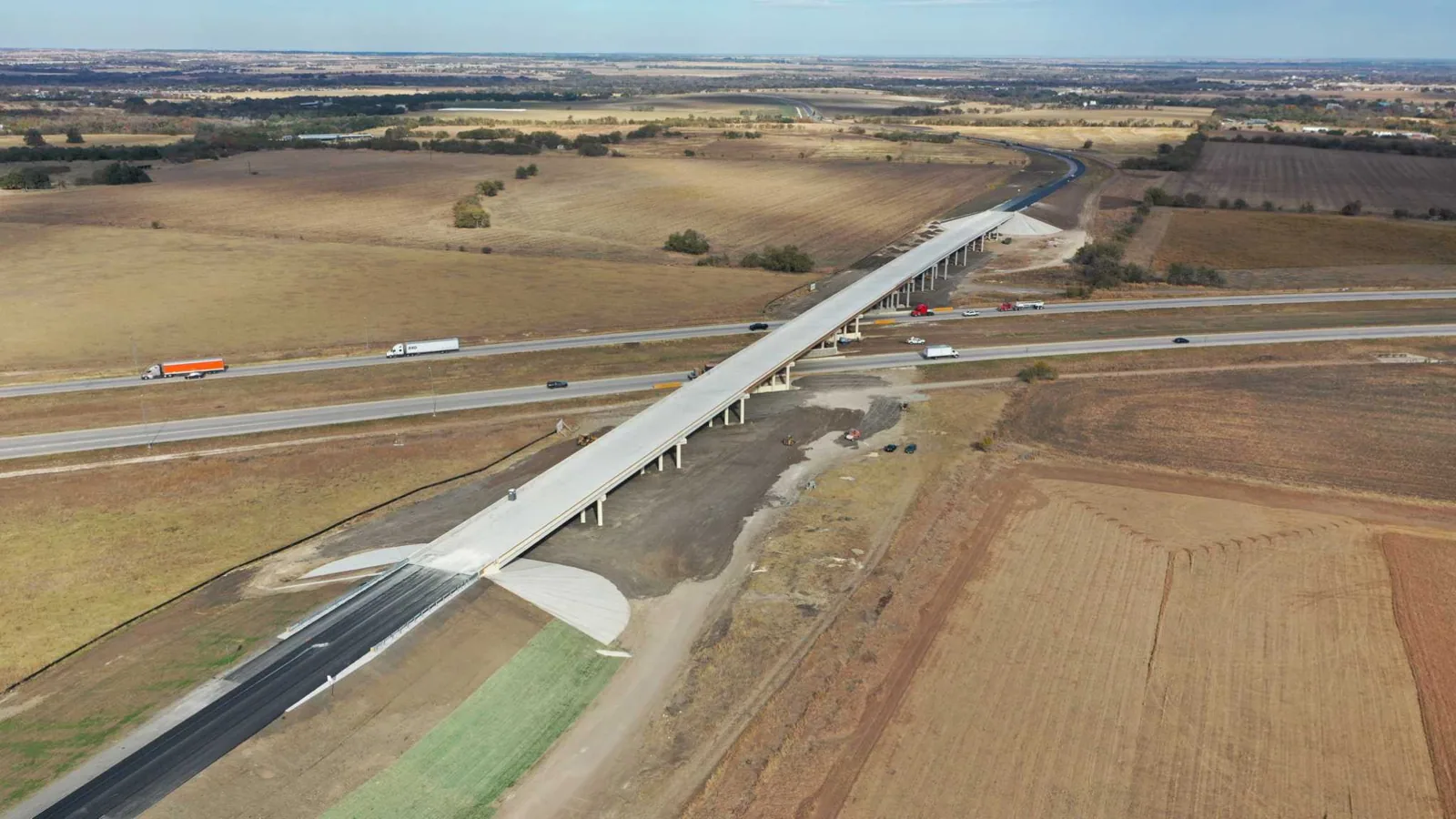
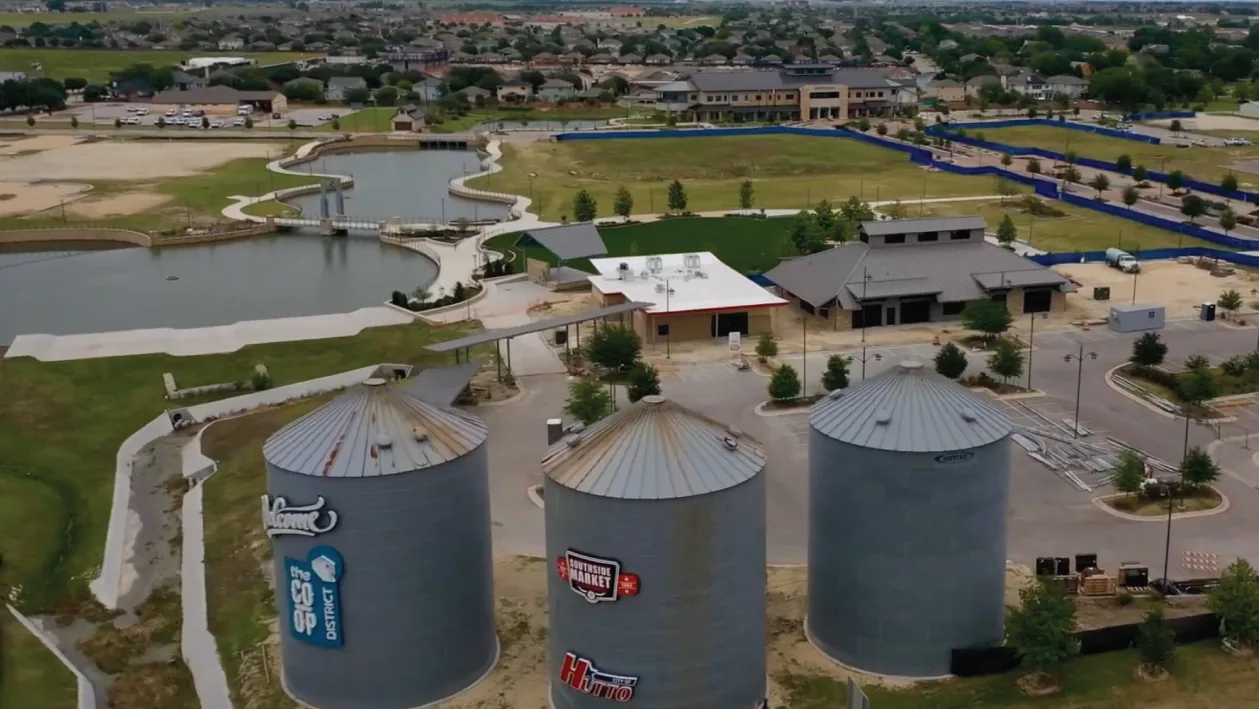
The city has coordinated East Street improvements and local-business activity as part of downtown growth. The nearby Co-Op District inventory includes build-to-suit and existing-space options connected to downtown commercial activity. We use that district context to plan the visit, then inspect the building’s actual assembly and condition. A commercial roof inspection establishes the field condition.
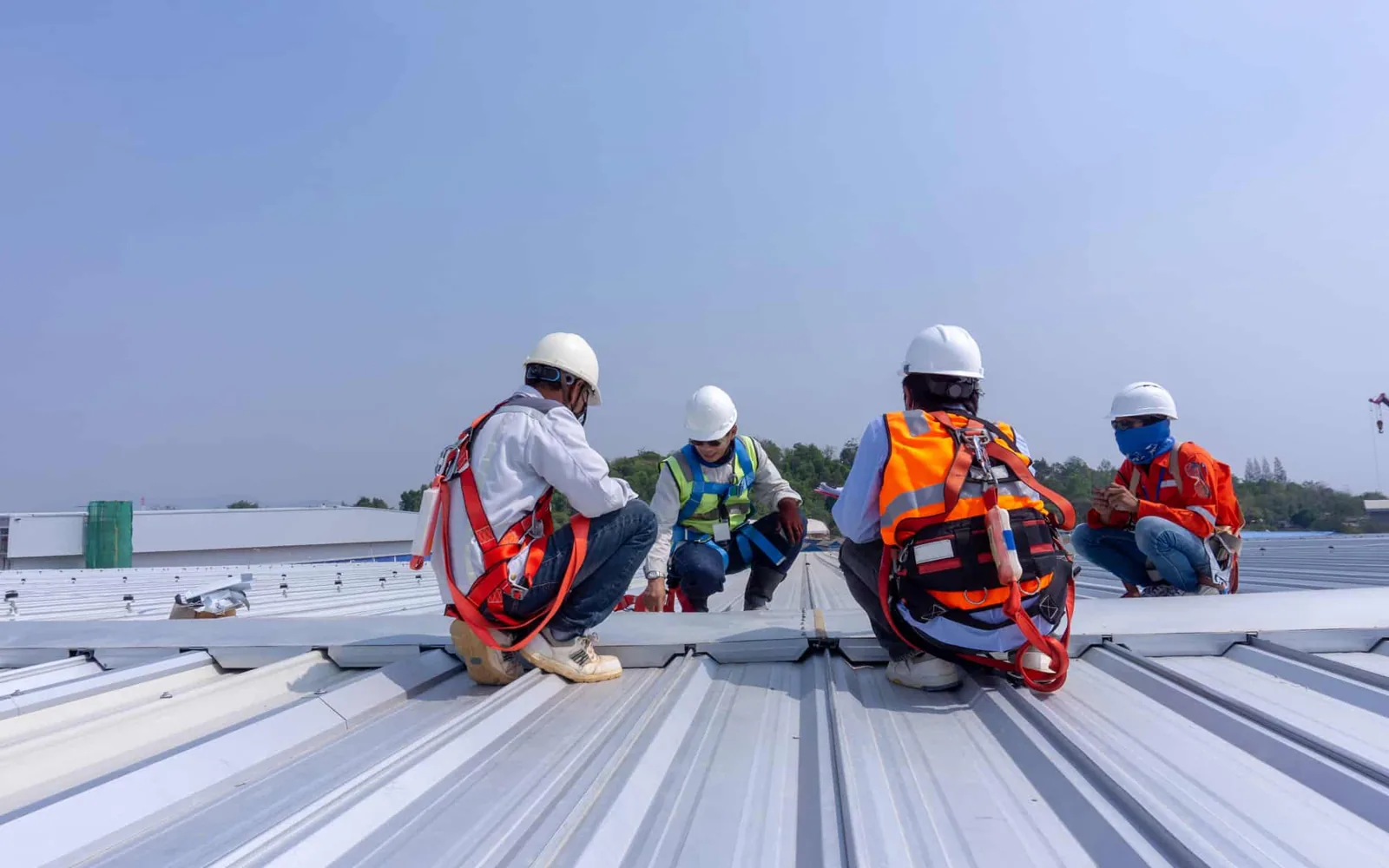
Before a crew arrives, confirm the property contact, roof access point, permitted work hours, and where tools or materials can be staged. Downtown improvement work can affect the approach to a site, so the property representative confirms current entry and loading rules.
Mark sidewalks, customer entries, delivery paths, and any ground area needing protection. If a lift is planned, agree on its location and schedule with the general contractor. Keep public access and emergency routes clear. If an interior check is required to trace a leak, arrange that access before cutting the roof.
Hutto’s downtown work includes infrastructure and local-business coordination. For roofing, verify what is active at the property on the scheduled day. The roof map notes ladder or hatch location, travel path, work zone, and areas the crew could not inspect. Before opening a roof, the foreman checks that the access route is clear, confirms who controls the lift area, and verifies how drains and temporary tie-ins will stay protected if the work pauses.
Start at the reported interior area and inspect the roof above and uphill. Water may travel along insulation, a seam, curb, wall, or deck before it appears indoors. We photograph visible openings and distinguish a confirmed entry point from a suspected route that needs more testing.
Low-slope membranes need checks at laps, penetrations, drains, edge metal, and transitions. Metal systems need checks at panel seams, fasteners, closures, and flashing. We identify the installed assembly from project records and exposed details, then note the attachment we can verify.
The Co-Op District provides build-to-suit and existing-space options tied to downtown commercial activity. When a tenant or trade change affects access, the site contact confirms the work history. We document the roof condition found during the visit and note recent trade work only when confirmed.
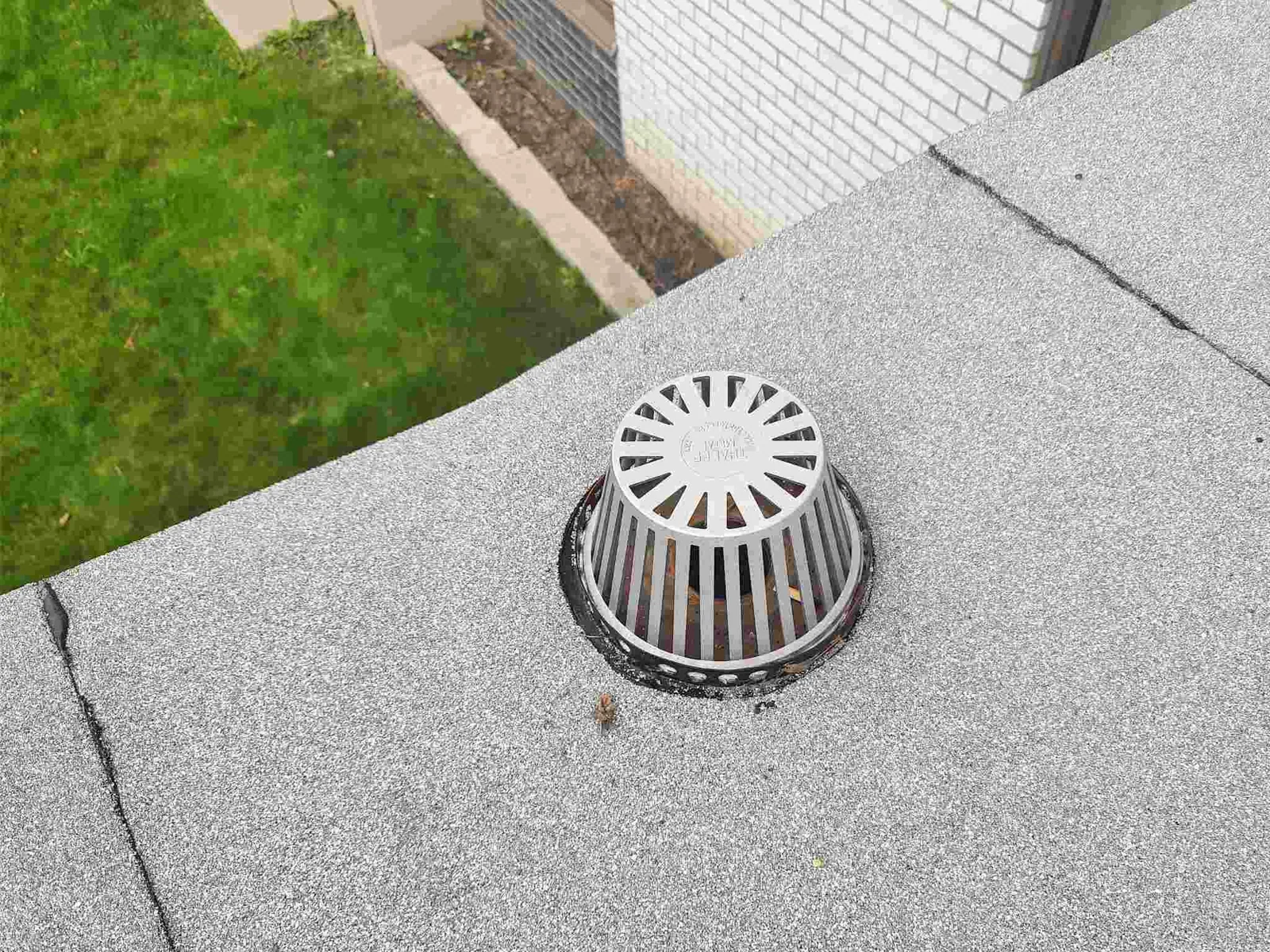
A drain complaint calls for an outlet-to-field trace. We check whether debris restricts flow or whether the membrane termination has released. The drain and scupper check records the failure point and what the crew could reach.
If revitalization or infrastructure work is active near the site, identify the current approach to the building with the property contact. The property contact confirms the current access route before mobilization. Confirm where materials can arrive, which routes must remain open, and who can approve a change when site conditions shift.
For an occupied commercial property, confirm interior protection, hours, and the location of sensitive equipment before opening the roof. Mark a hold point if layers are concealed. The general contractor receives a clear description of the exposed assembly, test area, and temporary dry-in. A phased roofing plan can organize work zones around business operations.
Hutto’s available-site inventory includes The Co-Op District as a build-to-suit and existing-space area tied to downtown activity. An owner comparing work in those broader areas still needs separate building records. A roof visit in Hutto starts with that building’s access route and condition record.
When another trade changes a curb or rooftop support, photograph the interface and identify who owns the final flashing. A curb and support review can define that boundary before the membrane is opened.
Heat planning starts with Georgetown station records: summer readings regularly enter the 90s, and recent days have topped 100°F. At a Hutto property, we check the roof surface and set the tie-in sequence for that shift.
After hail or high wind, the walk distinguishes broken surfacing, shifted edge metal, and split flashing on this property. A storm date helps select a visit window but cannot stand in for these roof checks. A storm inspection records conditions found on the roof.
Before opening an assembly, confirm weather, access, material staging, and the dry-in sequence. If the window closes, secure the exposed area at a defined edge and mark whether the protection is temporary. The closeout gives the next crew a return point and shows what remains to finish.
A localized seam or flashing failure can support a targeted repair when the surrounding material is sound. Repeated leaks, wet insulation, loose attachment, or deck movement can require more work. We identify the observation behind each recommendation and show what remains uncertain.
A repair proposal separates membrane correction from access, protection, interior coordination, and test cuts. A recover or coating is only considered after a test area confirms the base can support the new layer. Verify the existing stack, drainage path, and perimeter detail before extending the treatment.
For broad deterioration, a replacement review considers tear-off, insulation, drains, curbs, penetrations, and work sequencing around business access. The building team confirms applicable permit review. We document the roof opening, repair limit, and transition details so that review follows the planned field work.
Timing and cost depend on roof system, access, work area, materials, weather, and concealed conditions. If opening the assembly reveals an unexpected layer, stop at the hold point and review the scope before continuing.
Closeout pairs each marked zone with images and the work completed there. Tag any temporary cover distinctly. If an area remains unreachable, list the access needed before calling that section inspected.
The Co-Op District and historic downtown are linked through Hutto’s commercial activity, but individual roof maps stay separate. A Co-Op District roof visit has its own building contact and access route. A nearby city visit follows its own records and work limits.
Send the property location, roof plan, reported issue, operating hours, and general-contractor contact. We confirm the access route and first inspection zone before staging. When water is entering now, the response team can mobilize after hours, on weekends, or during a holiday. The final record states what has been repaired and what remains open.
It covers the broader historic downtown commercial district. We confirm the property location, contact, and roof access before assigning a visit.
No. Infrastructure work provides local context. The roof inspection documents the actual membrane, metal, flashing, and drainage conditions at the property.
We coordinate staging, lift placement, pedestrian protection, delivery routes, and work hours with the property contact and general contractor.
It can affect access or trade coordination. We verify recent work and roof conditions with the property contact and record only confirmed details.
We stop at a hold point, photograph the exposed layers, and review the changed condition before extending the approved work.