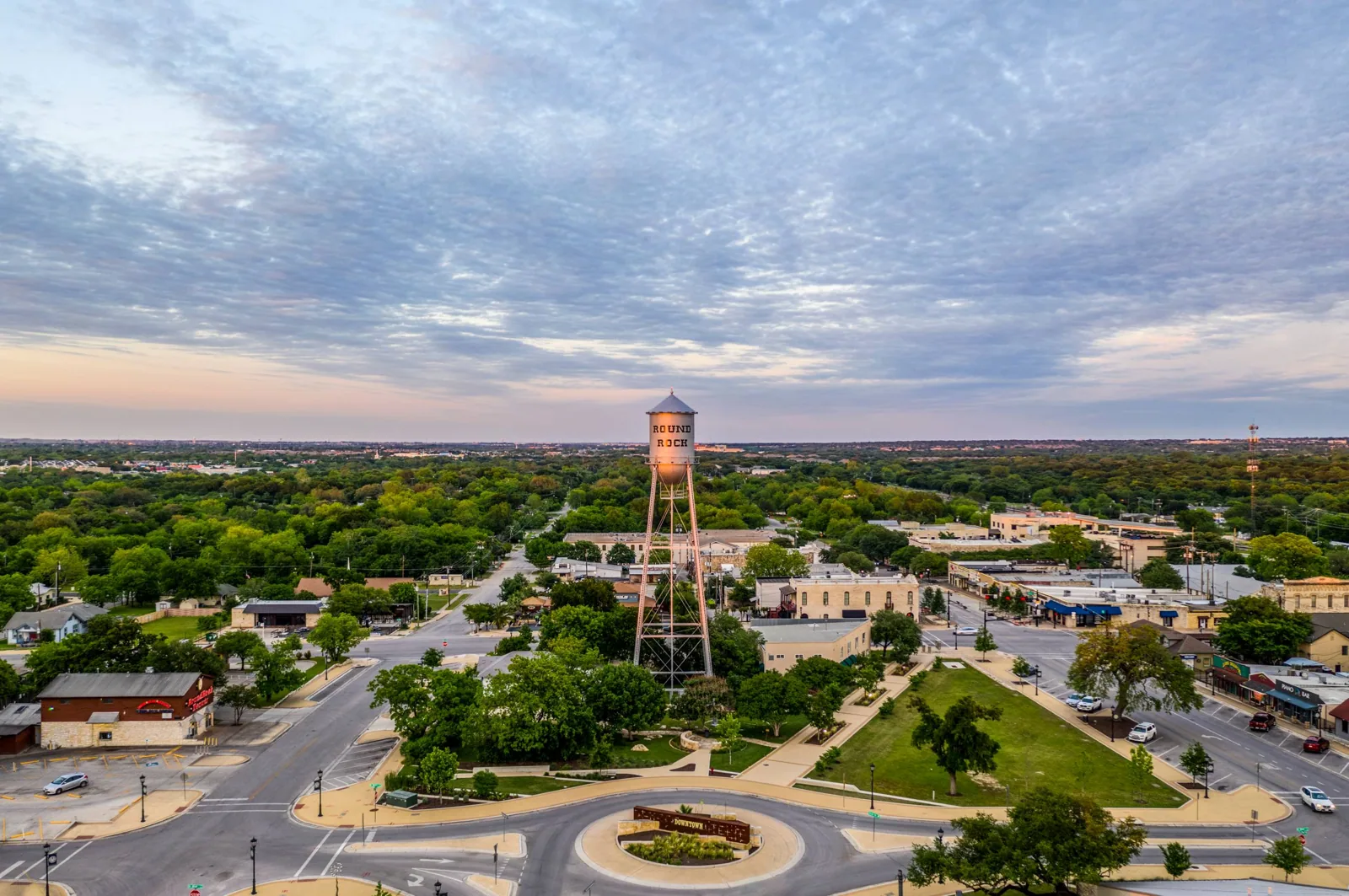
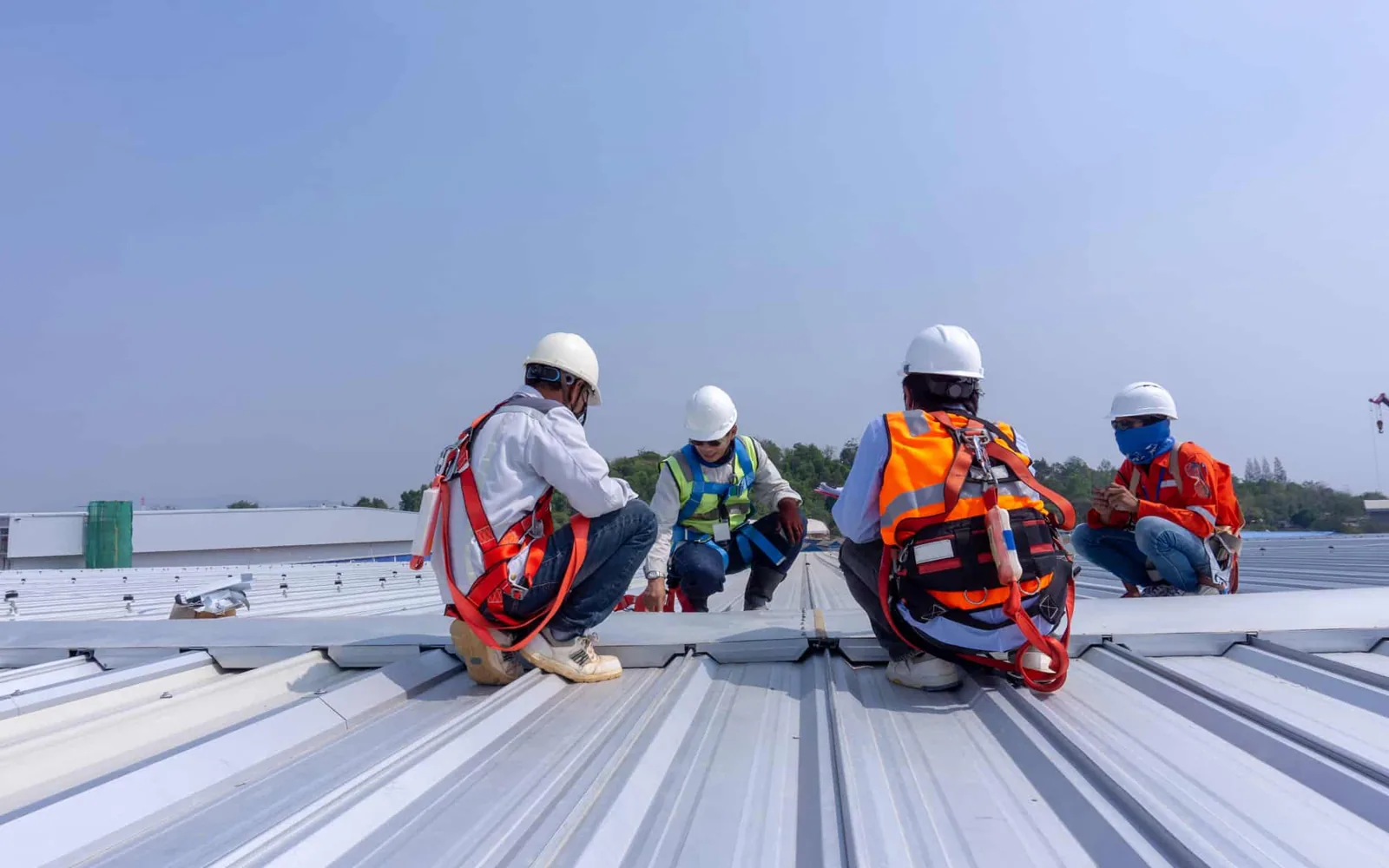
A damaged curb flashing above an occupied workspace sets the first inspection point on a Temple commercial roof. We trace the detail, check adjoining seams, and mark the area reached. Temple’s largest employment sectors include health and medical services, distribution, and manufacturing. Those operations can require planned access and a clear work boundary.
Before recommending a repair, we review roof records, equipment routes, and operating windows with the site contact. A commercial roof inspection starts with the assembly on site.
At a health-care, distribution, or manufacturing property, access rules can affect the roof walk and daily sequence. Confirm the site contact, roof hatch or ladder, delivery periods, escort needs, and restricted zones. The property team determines which hours work. The property contact confirms permission, roof entry, and occupied-area access before the crew arrives.
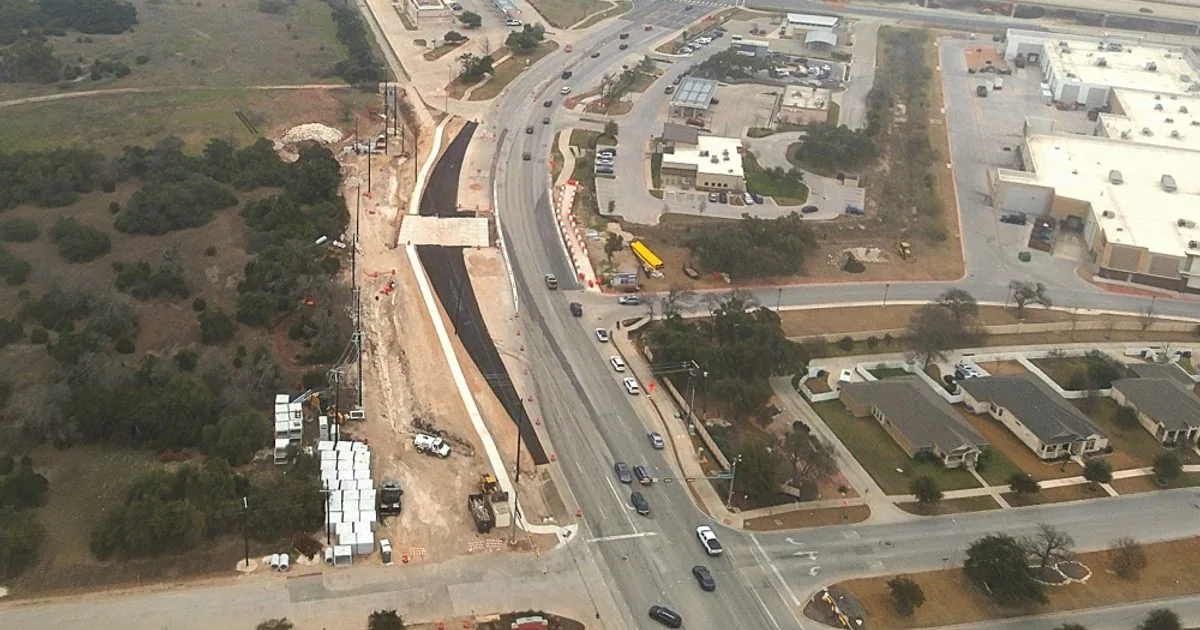
Before mobilization, mark the staging point, material path, equipment clearances, and ground protection. If a lift or crane is required, confirm its location and time with the general contractor. Keep loading routes and emergency access open. If interior protection or access is needed, arrange it with the building operator before opening roof layers.
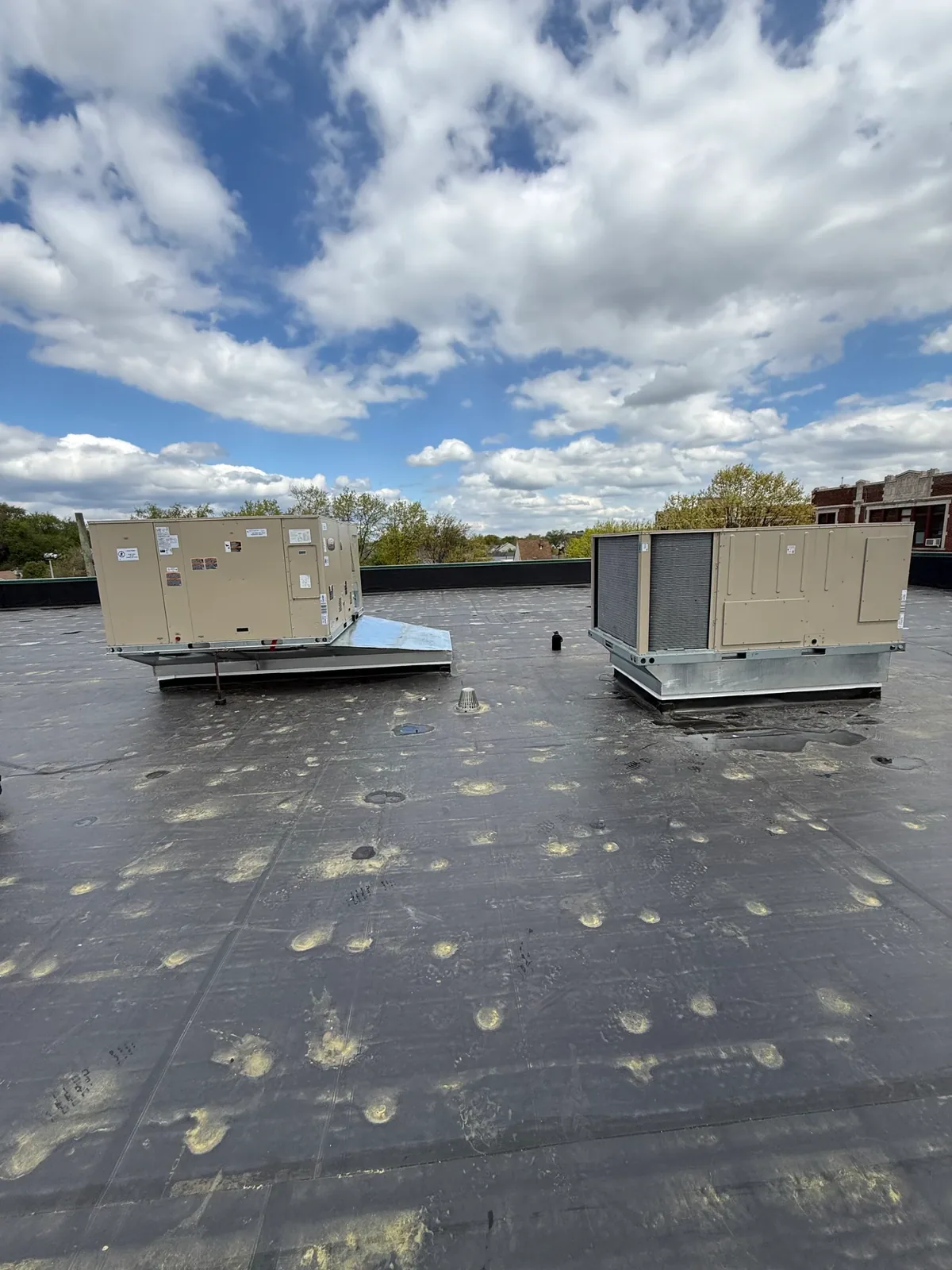
The roof map should show the travel route and work zones. It records drains, curbs, seams, penetrations, edges, and areas the crew could not inspect. If another trade is working on rooftop equipment, identify its interface before roofing begins. A phased work plan can sequence work around occupied operations.
Start at the reported issue, then check the roof above and uphill. Water can travel beneath a membrane, follow a curb, or move along a deck before it reaches a room. We compare the interior report with visible seams, flashing, drains, and penetrations. The record separates an observed opening from a likely path that still needs testing.
Medical campuses, distribution properties, and manufacturing sites can have different equipment and access needs. We identify the roof system from submittals and visible details, checking membrane, metal, attachment, and insulation where accessible. If records conflict with the field, hold the repair until the assembly is confirmed.
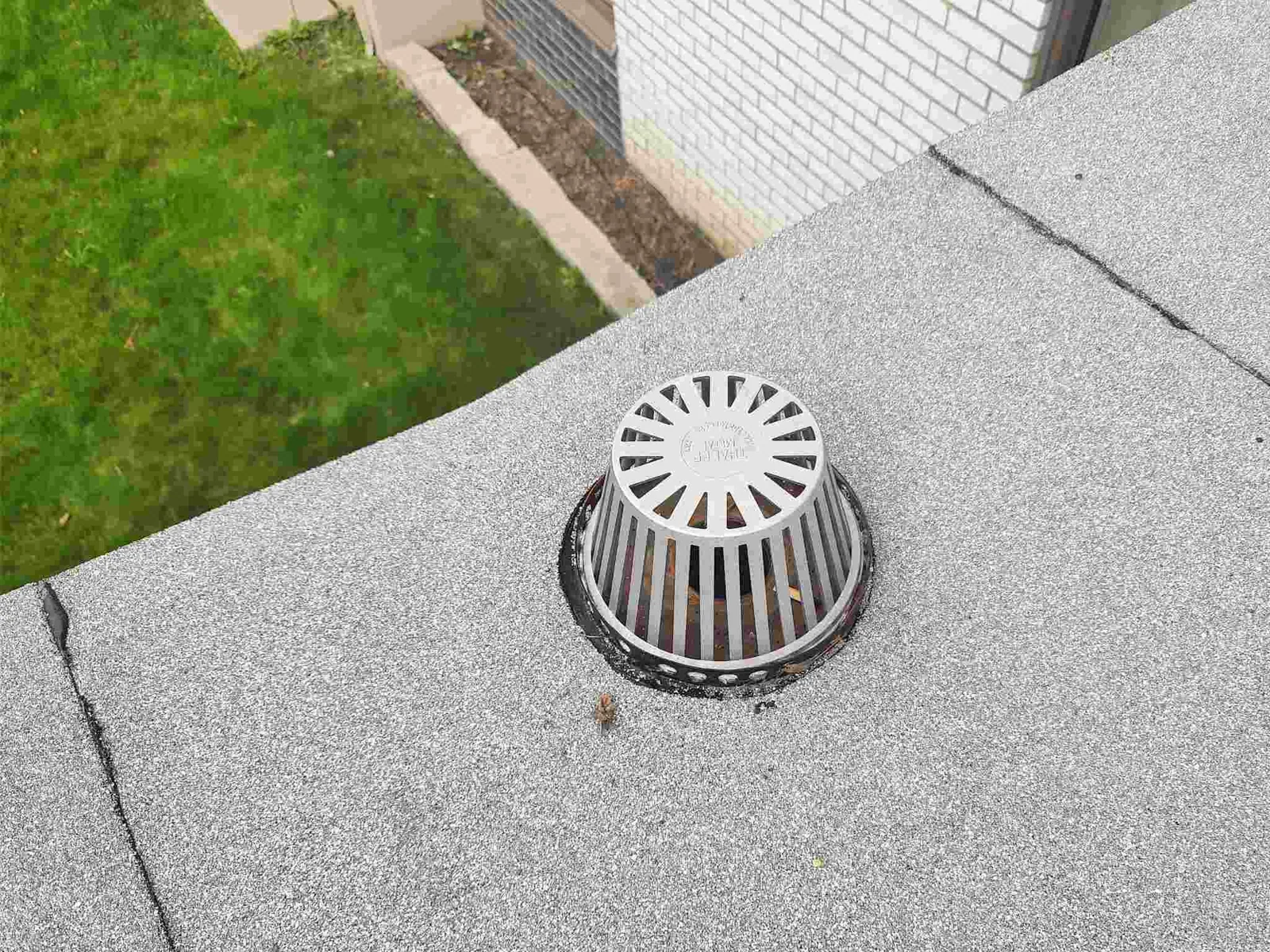
At a drain, check the strainer, bowl, clamping ring, surrounding membrane, and slope. Debris removal is not the same as a flange or seam repair. A drain review identifies the exact condition and any follow-up test.
If moisture below the membrane may affect the repair quantity, set an approved test area. State what the opening should confirm and how it will be dried in. The owner reviews any change in layers before the crew extends the work. Each exposed condition receives its own roof-zone mark.
Active equipment, deliveries, and operating hours can narrow the inspection route. The site contact identifies what must stay live, which paths cannot close, and when roof access is available. We mark staging and occupied-area protection before work begins.
For nearby properties in Salado and Belton, owners can coordinate visit timing while each site keeps its own access contact and roof record. A curb and support review identifies trade interfaces before a membrane is opened.
Georgetown’s summer pattern includes long hot spells, with many afternoons in the 90s and recent days over 100°F. For Temple work, we check surface heat, wind, and substrate at the property before starting a weld or tie-in.
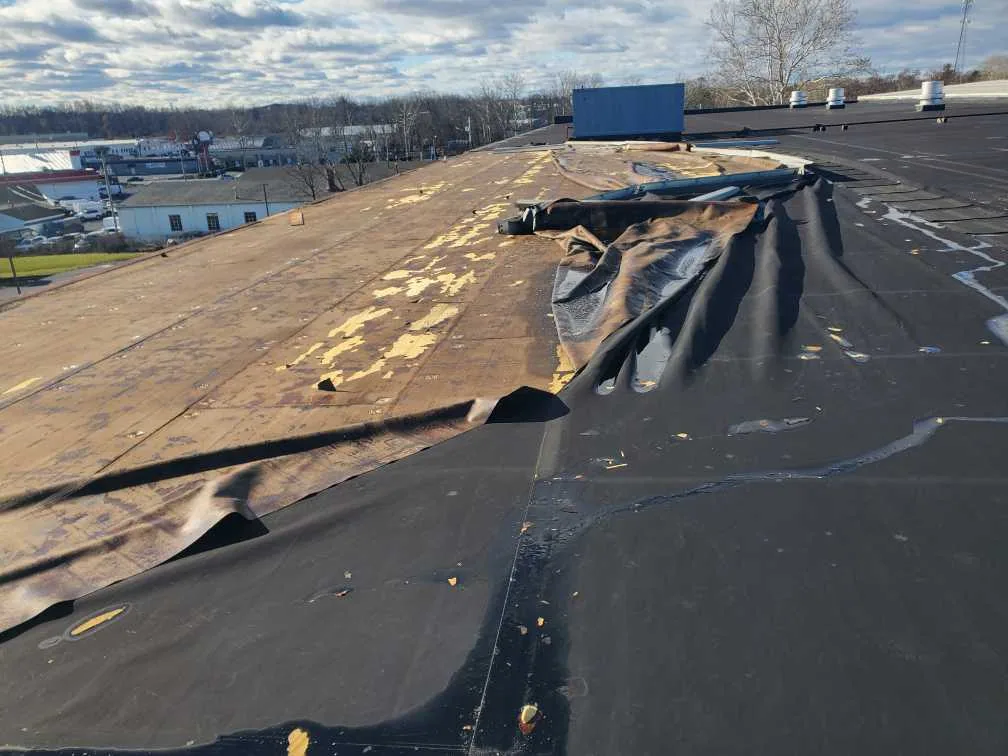
Central Texas has documented hail and tornado exposure. After severe weather, we inspect the Temple property’s edges, seams, penetrations, and interior reports before assigning a repair scope. We document punctures, open laps, displaced edges, and damaged flashing where seen. A storm inspection records the building condition and any area not reached.
Before opening the roof, confirm forecast, staging, access, and the dry-in plan. If weather changes, protect the opening at a defined seam or edge. Note whether the work is temporary or complete, and identify the tie-in for the return crew. The general contractor receives a practical handoff rather than an open-ended instruction.
For membrane work, the crew checks the substrate and product instructions before preparing a weld or adhesive tie-in. Wind, shade, and roof temperature can vary across one building. We keep the prepared area within the conditions the repair detail allows. If the surface moves outside that range, protect the exposed edge and shift to work that can be completed safely.
A local leak may need a flashing repair, a seam patch, or a drain correction. Repeated openings, broad wet insulation, loose attachment, or deck damage can require wider work. We show the field evidence and name any test that still controls the quantity. Each option follows the condition found on the roof.
A repair estimate lists membrane correction, protection, access, interior coordination, and testing separately. Recover or coating work needs checks for trapped moisture, attachment, layer count, drainage, and edge height. A new surface cannot fix an unstable substrate. We identify the test result before moving to that option.
A replacement evaluation considers tear-off, insulation, drains, equipment curbs, and occupied-building sequence. The design team determines project review requirements; we provide the verified assembly and roofing limits for its coordination.
Schedule and cost depend on roof system, access, materials, test results, weather, occupied areas, and the size of each daily work zone. Concealed conditions stay at a hold point until reviewed. If a test shows a different assembly, revise the scope before cutting farther.
On a large roof, divide the inspection into areas the site team can identify later. Use grid lines, equipment numbers, roof elevations, or stable landmarks. The map should make a test location findable without relying on a ceiling stain or a verbal direction. Record access limits as well. A clear location reference helps the owner compare the recommendation with the field evidence and approve a defined work area.
The handoff package pairs the location mark with the installed material, test result, and dated images. List unresolved issues separately from finished work. Identify any unvisited zone and the trade responsible for a rooftop interface.
For an owner with multiple Temple buildings, retain separate maps and repair histories. A dated inspection report preserves the baseline, open tests, and access limits for each property. Owners scheduling work in Georgetown use that city's site contacts and roof records.
Call with the facility contact, the affected roof zone, and operating-hour constraints. We will map access and interior protection before the inspection. For active water entry, emergency crews can respond overnight and through weekends or holidays. The closeout names the unfinished item.
We follow reported leaks and check connected seams, drains, curbs, penetrations, and edges. The roof map identifies the area reached and any test still needed.
No. We confirm the membrane, attachment, and roof details from that building’s records and field inspection.
Yes. We coordinate access, staging, interior protection, deliveries, and equipment routes with the site contact and general contractor.
Georgetown station data provides regional context. At the Temple property, we check roof-surface heat, wind, and material limits before setting the tie-in.
Include the roof zone, material, photos, test result, work boundary, access limits, and any open item for the next visit.