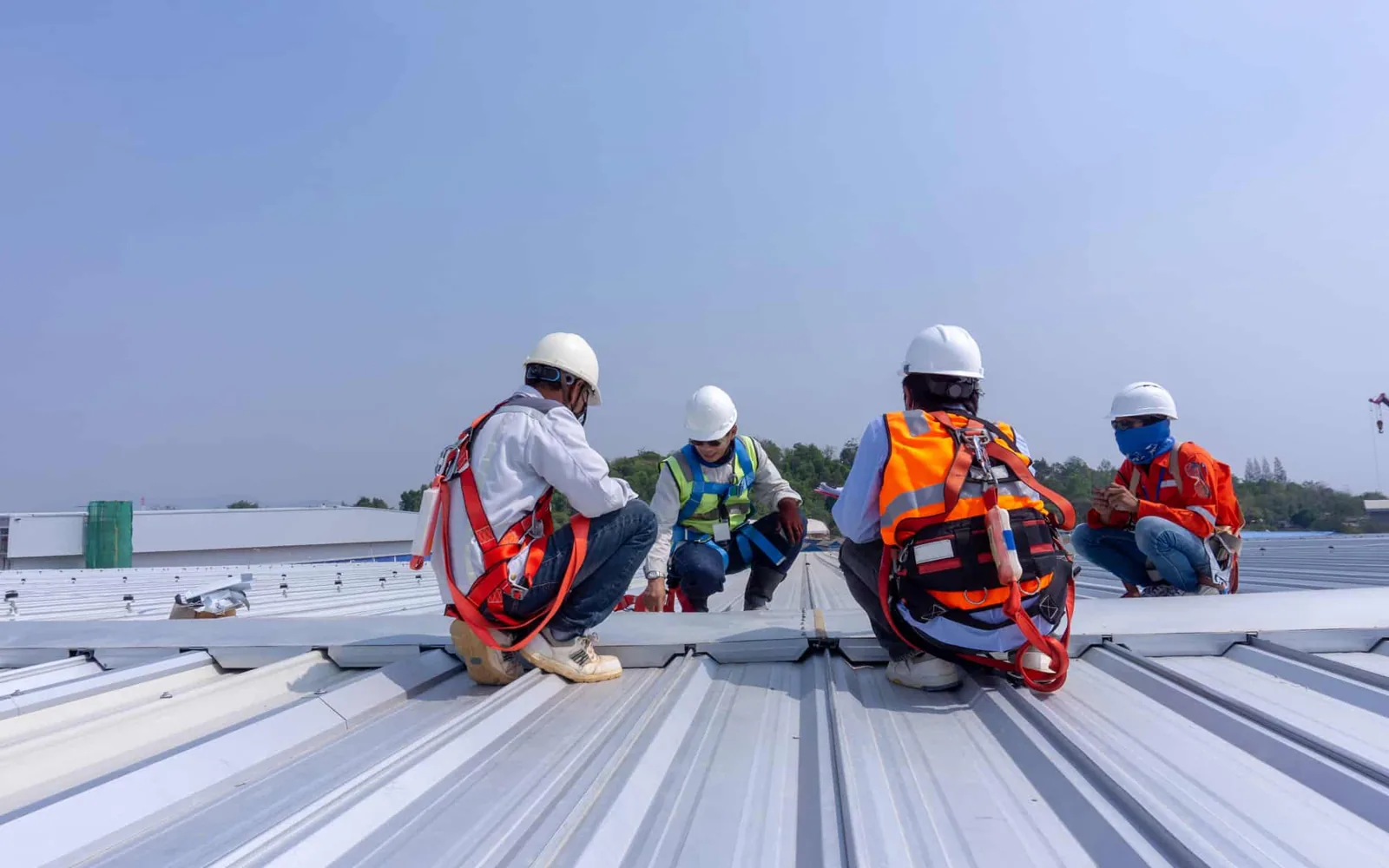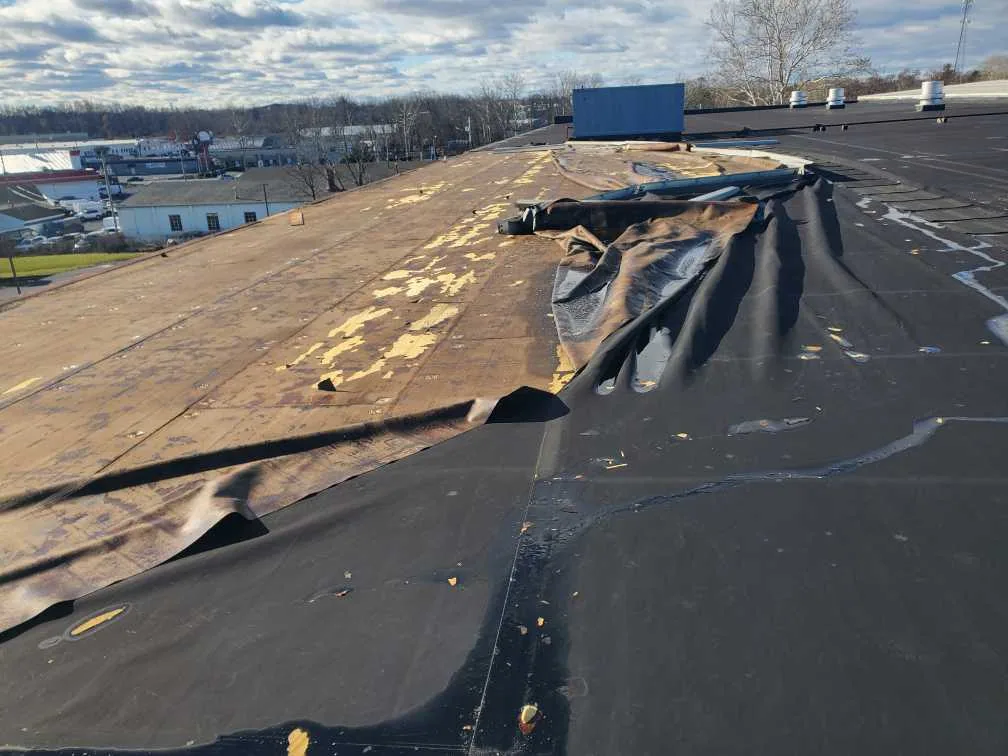
A loose edge or open membrane lap sets the first inspection point on a commercial roof in Belton. We inspect the seam, follow the likely water path, and mark the limit on a roof map. Belton’s business parks include manufacturing, warehousing, distribution, health-care, construction-supply, and technology tenants. The building’s actual system and operations decide the work boundary.
The city’s employment base also includes distribution, health-care, education, and manufacturing employers. Those sectors bring varied access and schedule needs. Before mobilizing, we confirm the property contact, roof records, loading rules, and areas to inspect. A commercial roof inspection creates the starting record.
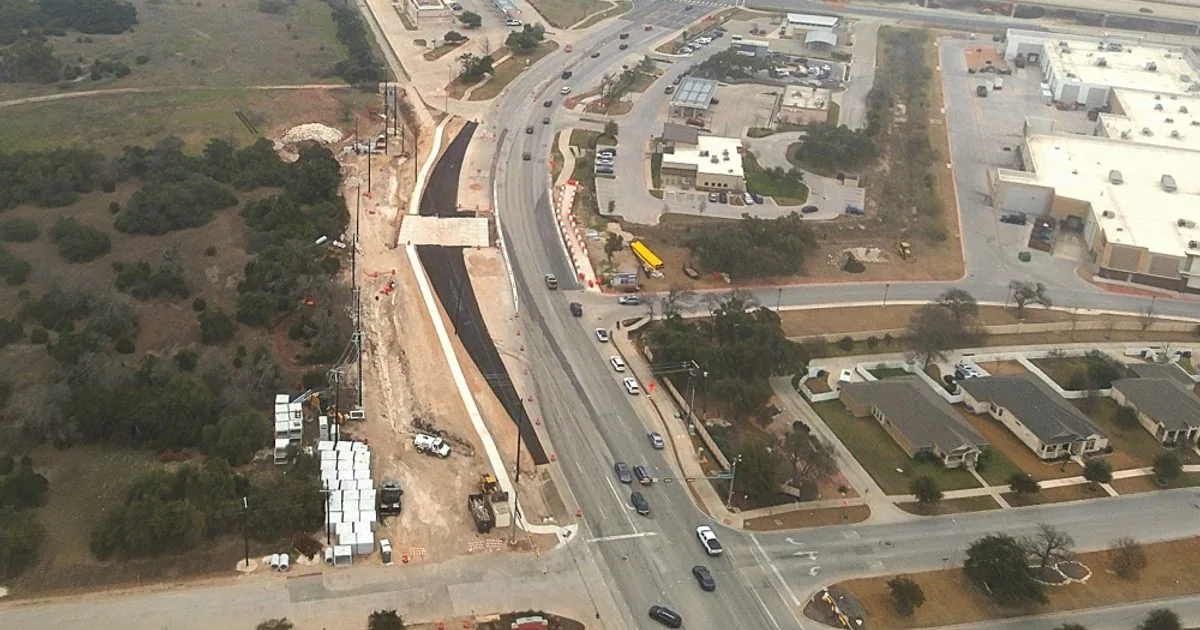
Belton’s industrial areas connect with IH-14, Loop 121, and I-35. The routes support regional deliveries, while the property contact confirms the gate, loading area, staging point, and roof access. We map the crew route before materials move onto the site.
Distribution and manufacturing operations may need an agreed delivery window. Health-care or education properties can have controlled entrances and occupied spaces below the work area. We ask which operating limits apply at the actual building. Mark equipment service routes, areas that cannot close, and any interior access needed to investigate a leak.
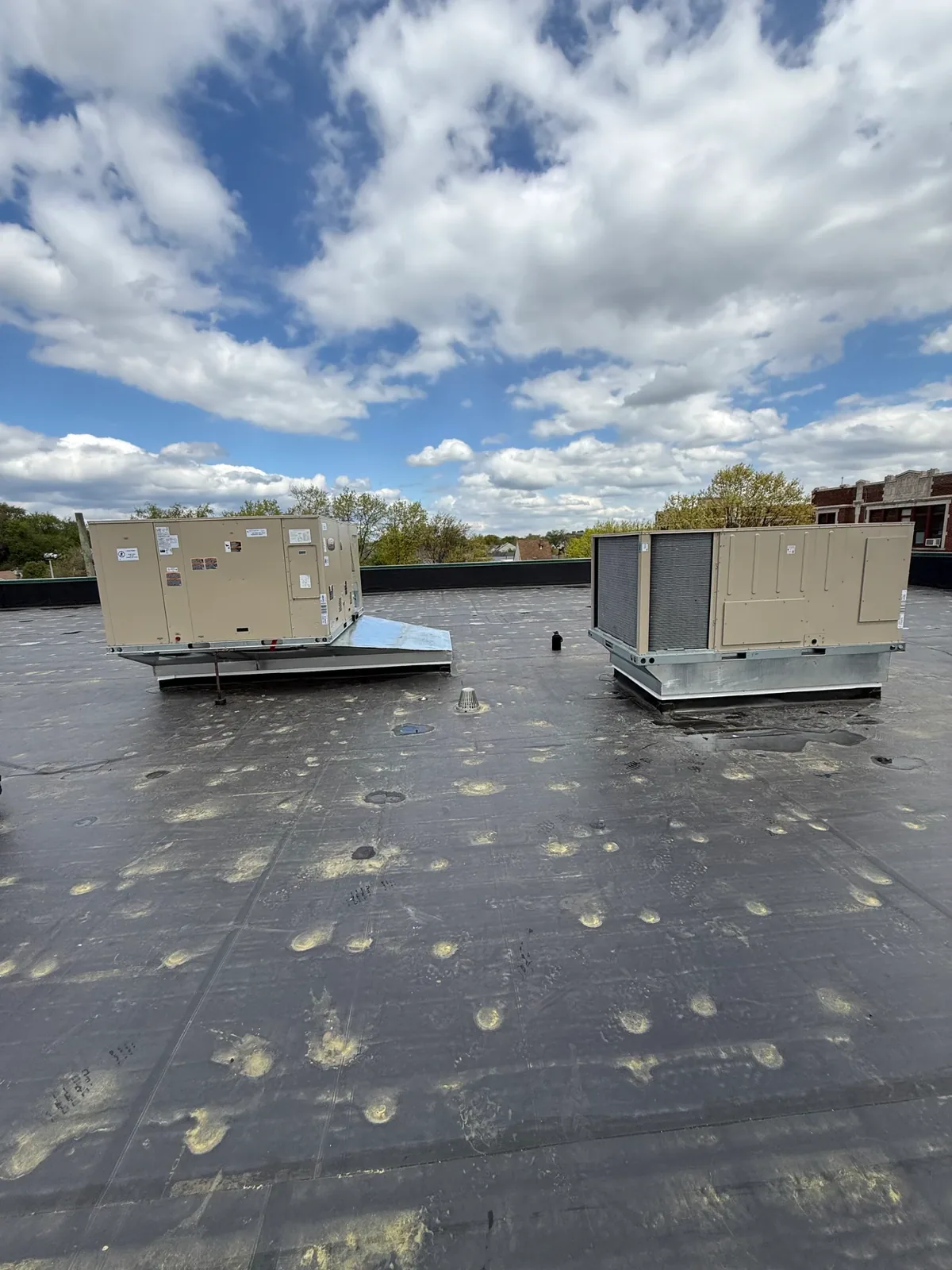
The first roof map shows hatch or ladder, travel path, drains, curbs, seams, edge metal, and restricted zones. If the roof is inaccessible in one area, note the limit and the access needed to return. A curb coordination check can define where roofing meets mechanical equipment or another trade’s work.
Start near the reported interior leak and work uphill across the roof. Water can move under a membrane, along a deck flute, or behind a curb before it appears inside. We inspect nearby seams, penetrations, drains, walls, and metal transitions. The report distinguishes a visible opening from a suspected route that still needs a test.
We identify the roof assembly from available submittals, exposed edges, and repair records. Low-slope membrane, metal panels, insulation, and attachment each require a different review. If the assembly remains uncertain, we define a test before pricing permanent work.
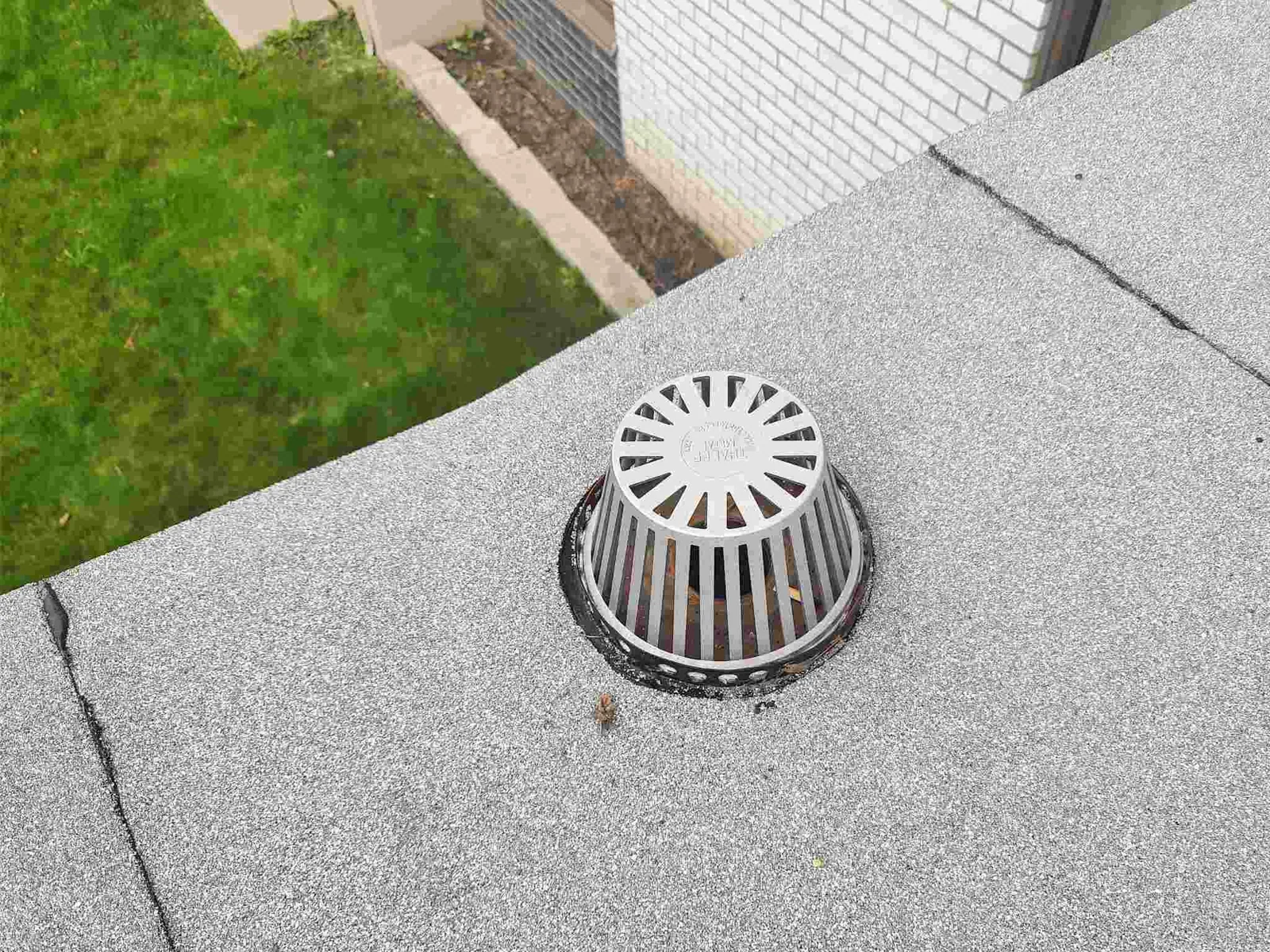
At a drain, inspect the bowl, clamping ring, strainer, slope, and adjoining membrane. A blocked strainer is a maintenance item; a separated membrane connection is a repair. A drain inspection documents both the outlet and the surrounding field.
Where moisture below the surface could alter the quantity, use a test opening or another approved check. Mark the location and what the test needs to answer. The owner approves the opening and protection below. Confirmed wet insulation, a surface pattern, and an untested area are recorded as different findings.
Before work begins, the site contact confirms operating hours, security procedures, and areas that can be reached. We mark who can approve an opening, who protects the space below, and what temporary dry-in is needed.
Mark the roof work limit and the point where another trade takes over. A phased occupied-building plan can set work areas around building operations without blurring responsibility.
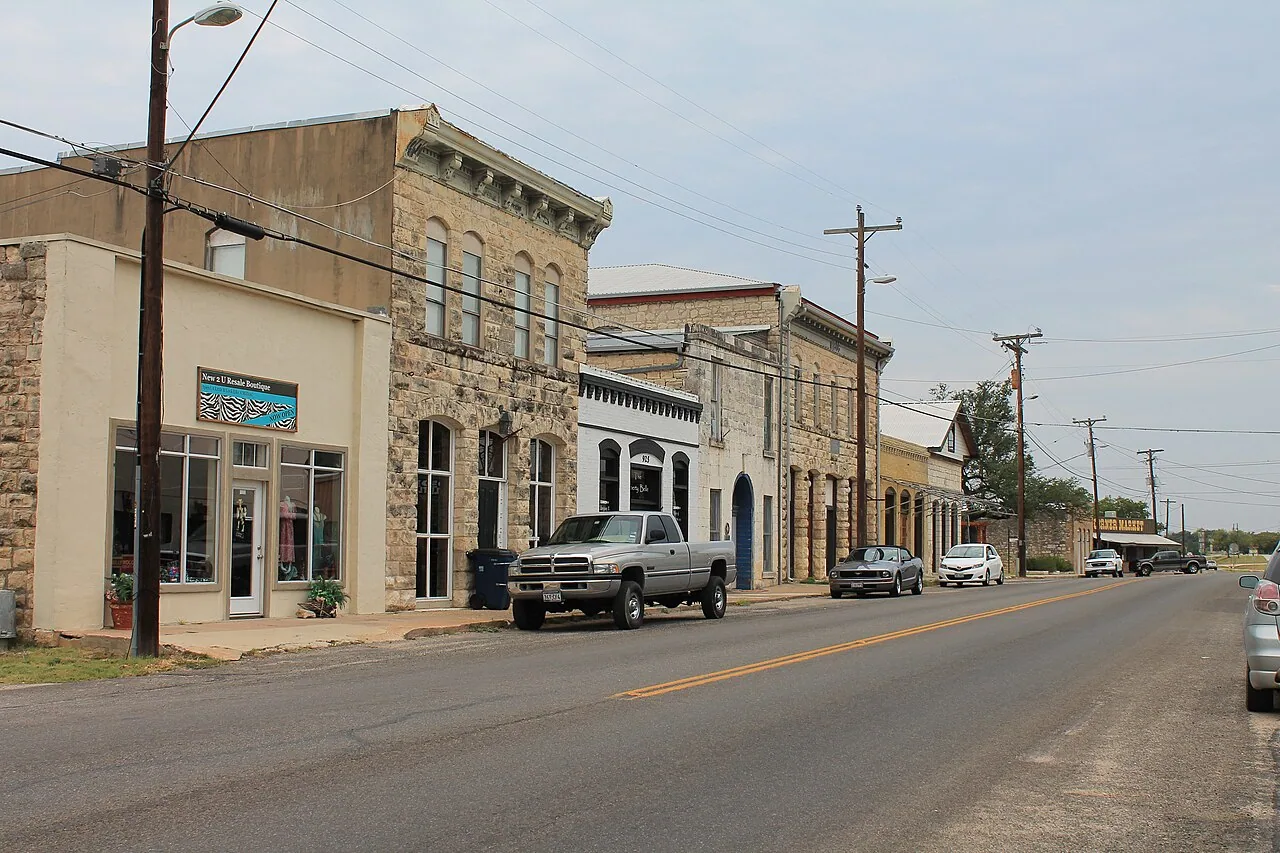
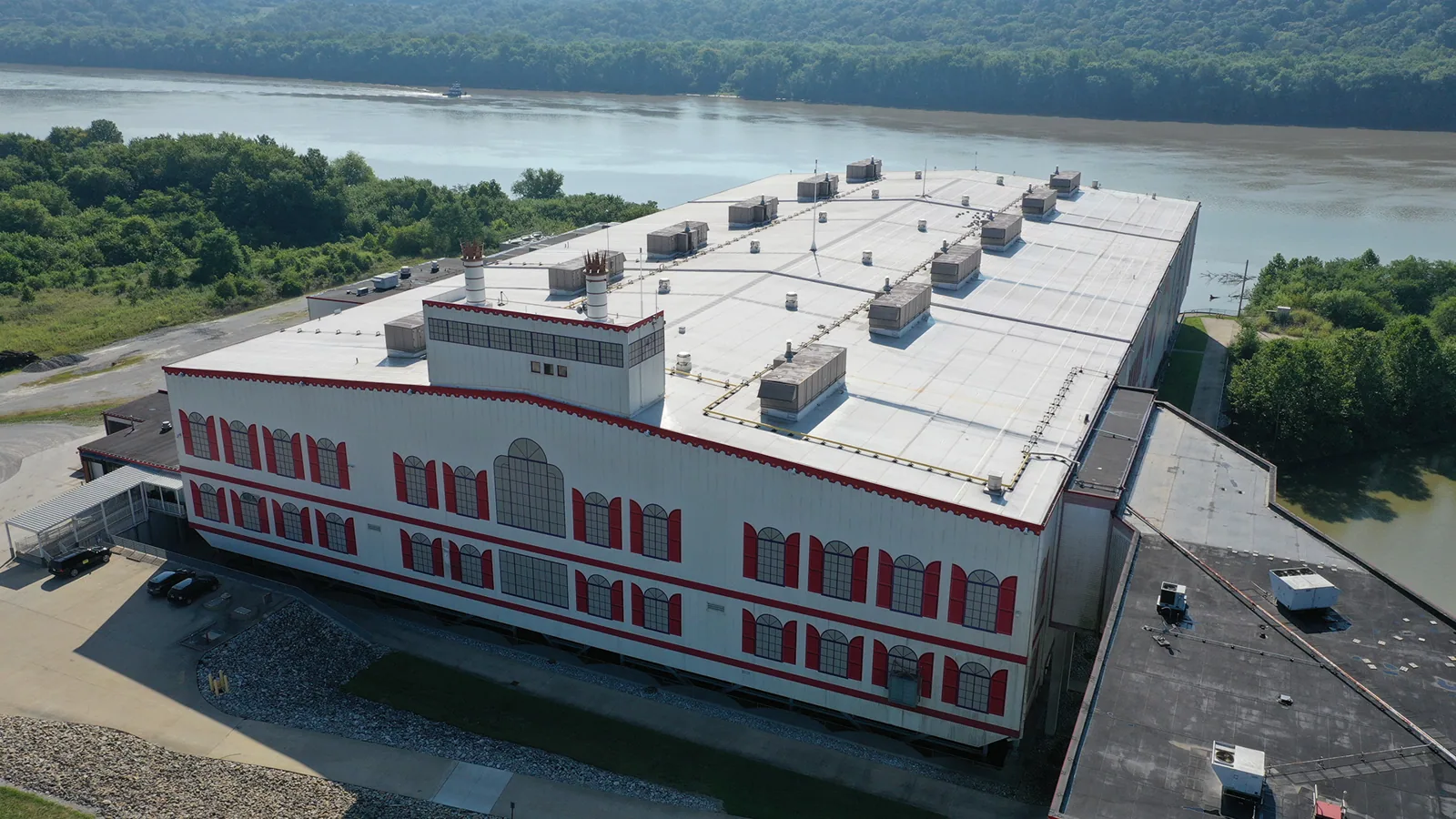
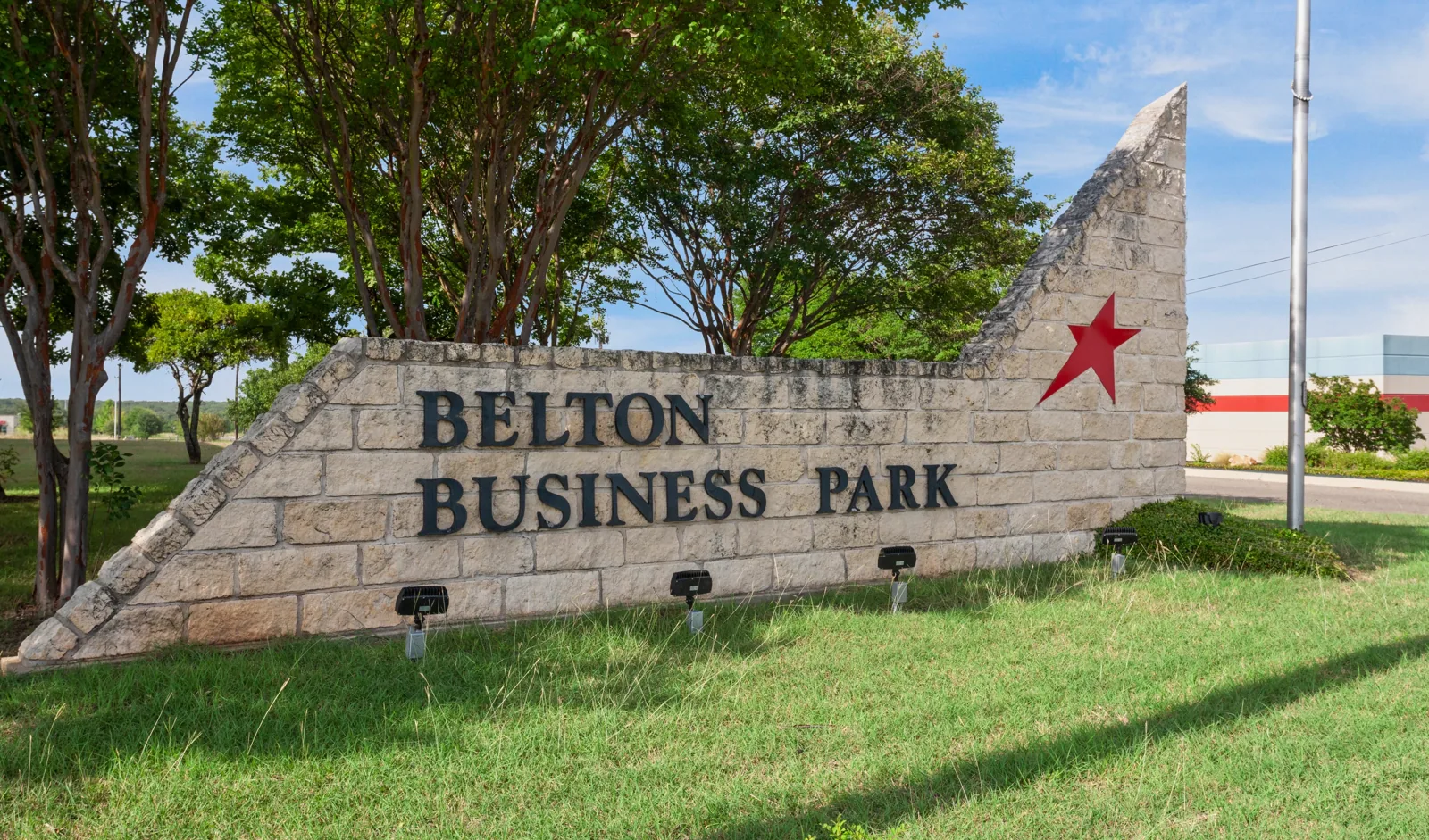
Belton’s industrial sites connect to IH-14, Loop 121, and I-35, while Georgetown’s own business parks sit along different local routes. Owners with properties in both cities can schedule visits together, but each roof retains its own map and repair history. A Belton Business Park inspection focuses on that multi-acre planned development and its property-specific access.
If the roof plan conflicts with field conditions, document the difference before proceeding. A general contractor needs the exposed layer, measured area, and proposed hold point to review. The crew should not cover an unknown wet layer just to keep the next trade moving.
At Georgetown, summer station highs regularly reach the 90s, and recent observations have exceeded 100°F. For a Belton roof, we check the surface and material limits before setting a tie-in window.
Austin-area hail reports and Williamson County tornado records support regional post-storm inspections. At a Belton property, we document the roof conditions actually found. We photograph punctures, open laps, displaced edge metal, and damaged flashing where observed. A post-storm roof inspection keeps the field evidence separate from the event record.
Before opening the assembly, confirm forecast, material staging, access, and dry-in. If conditions change, protect the exposed section at a secure boundary and record what is temporary. A return crew needs the tie-in point and test status. The closeout states what was completed and what remains open.
A local seam, flashing, or drain repair can fit when surrounding materials remain sound. Repeated leaks, wet insulation, loose attachment, or deck problems can shift the decision toward a larger repair or replacement. We identify which finding supports the recommendation and what remains unconfirmed.
A repair scope lists the area, compatible material, access needs, and protection. Recover or coating work needs checks for moisture, attachment, drainage, layer count, and edge conditions. A surface treatment cannot resolve trapped water or an unstable base. We document a test area before proposing restoration.
For broader work, a replacement review considers tear-off, insulation, drains, equipment curbs, penetration details, and phased access. We mark the proposed roof assembly and tie-in details so the project team can coordinate its review.
Cost and duration depend on system, access, repair quantity, materials, testing, weather, and how much area can be opened in a shift. If concealed layers differ from the record, stop at the hold point and review before adding work.
Before mobilization, confirm whether the building stays active during the repair. Identify production areas below, sensitive equipment, delivery hours, and any interior protection needed. We can sequence roof zones around those limits, but the daily boundary must still leave a secure tie-in. If the available window cannot support dry-in, we reduce the opening or reschedule that section.
Finish with the roof-zone mark, the repair material, before-and-after images, and the test result. Label interim protection as temporary. If another trade returns, map its route and the handback point.
Belton’s business parks and major employers serve different operations. Keep each property’s inspection map and repair history with the building it describes. A nearby site may have a different membrane, access contact, or drainage problem. A Georgetown roof visit uses its own map and operating plan. The condition report can preserve the baseline for later maintenance.
Call with the affected roof zone, access rules, and general-contractor lead. We will set a walkthrough around the site’s delivery schedule before material is staged. For active water entry, emergency response is available overnight, on weekends, and holidays.
We inspect, repair, replace, recover, restore, and maintain commercial low-slope and metal roofs. The first walk establishes the system and work boundary.
Not necessarily. We verify each building’s records and field details. A neighboring tenant’s system or repair history does not establish the assembly at your property.
Those routes help frame delivery planning. The site contact confirms the gate, loading window, staging point, and safe path to the roof.
No. It supports inspection timing. We record visible conditions at the property and separate them from the event history.
Widespread wet insulation, repeated failures, poor attachment, or damaged decking can expand the scope. We show the finding and hold for approval before opening more area.