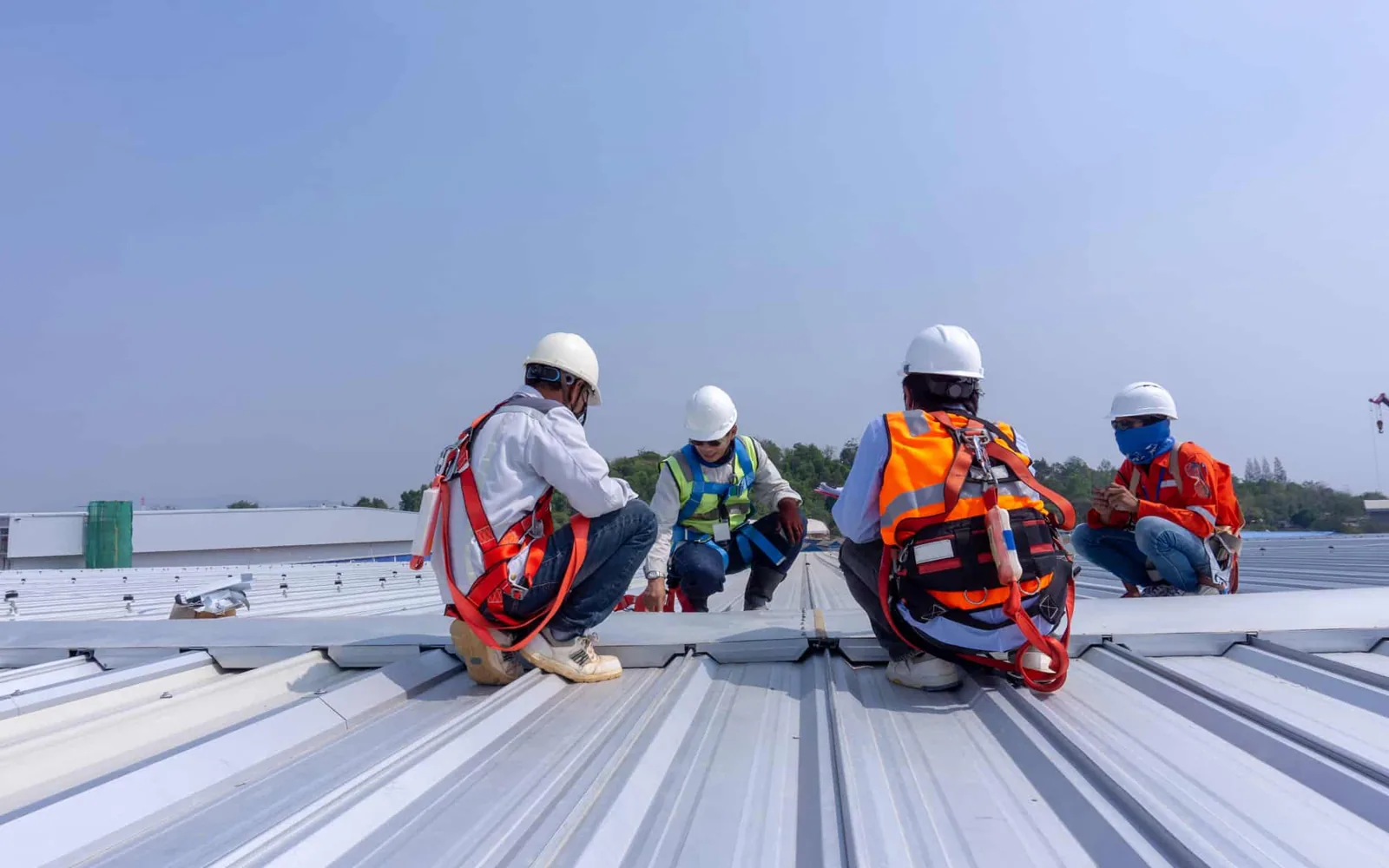
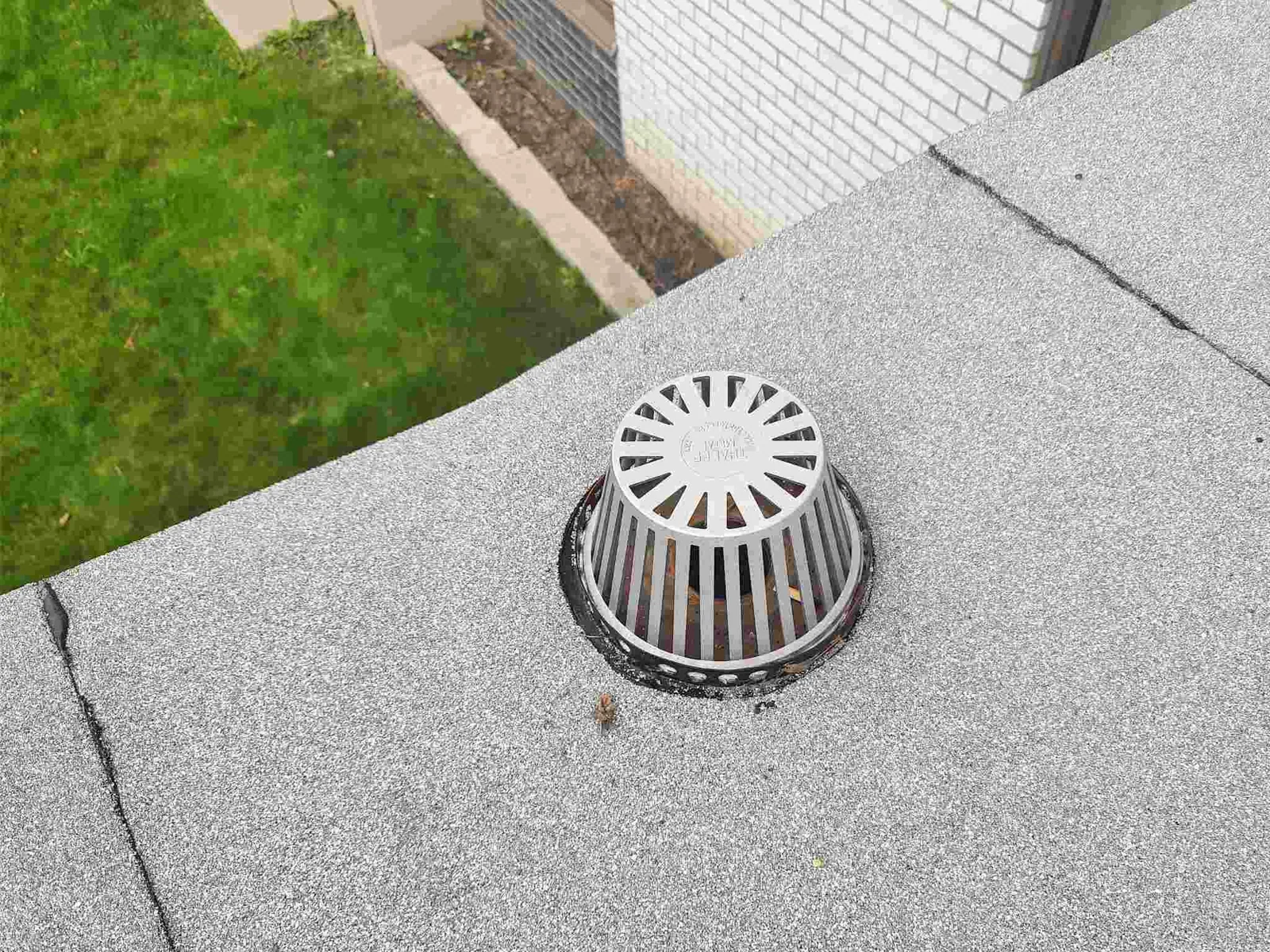
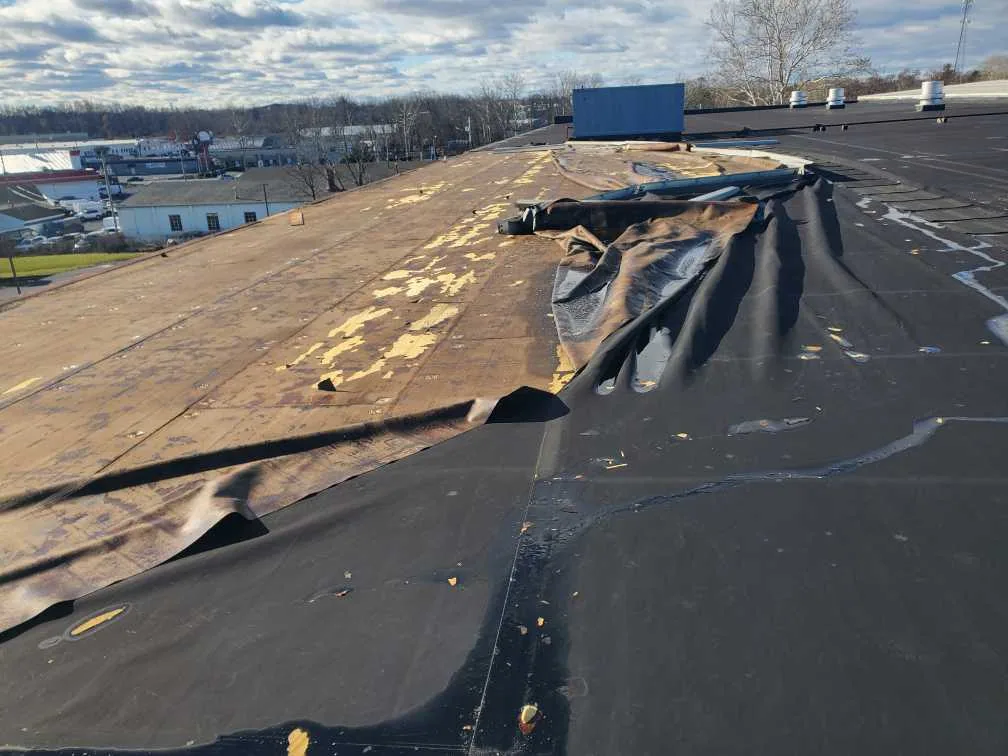
A lifted curb flashing on a Salado commercial roof gives the crew a concrete place to begin tracing the reported leak. We check the adjoining membrane, trace the reported water path, and mark the roof zone before recommending work. Salado’s Village maintains zoning and comprehensive-plan materials, as well as maps for the city limits and extraterritorial jurisdiction. The actual property location helps confirm the right service route.
Development services handle agreements and applications for zoning, building permits, and certificates of occupancy. For roof alterations, the project team coordinates approvals while a commercial roof inspection records the installed assembly and field conditions.
Before the walk, confirm the property contact, roof access, reported condition, and areas available for inspection. The Village’s city-limit and ETJ maps distinguish municipal boundaries from surrounding jurisdiction. We use the property location and project contact to coordinate the visit; a map boundary does not grant entry to a private roof.
Mark the access point, ladder or hatch, travel path, staging area, and any restricted zones. If a test opening may be required, identify who can approve it and how the opening will be protected. A locked room or inaccessible roof section stays outside the inspection boundary until access is arranged.
Salado’s zoning and subdivision resources support review of local development. For roofing work, the site plan and approved work scope still need to match the building in front of us. We record the exact roof area reached and the limits encountered. The condition report can preserve those map references for a later crew.
Start near the reported interior mark, then inspect the roof above and uphill. Water may travel from a drain, curb, wall transition, penetration, or open membrane lap. We photograph the visible condition and distinguish it from a suspected path that needs testing. A ceiling stain points to an area to investigate, not a confirmed roof opening.
On low-slope roofs, check seams, field membrane, edge metal, and flashing as separate components. At a drain, inspect the strainer, bowl, ring, slope, and membrane tie-in. On metal roofs, inspect panel laps, fasteners, closures, and changes of plane. We identify the system from records and field details before selecting repair materials.
Use the property map to set the arrival route, then mark observed roof materials, details, access limits, and any next test on the roof map. A drain and scupper review can separate routine cleanout from a failed membrane connection.
If the roof layers are unclear, check submittals and past repair records before cutting. A controlled opening can verify the assembly. Agree on a test area, temporary dry-in, and owner approval first. If the exposed deck or insulation differs from the expected condition, stop at the hold point and review the scope.
Salado’s development services list applications for zoning, building permits, and certificates of occupancy. When a roof project changes an assembly or alters an existing building, coordinate the roofing scope with the general contractor and project team. The roofer documents field conditions and proposed details; the project team confirms what approvals apply.
Before mobilization, identify active trades, rooftop equipment, staging limits, and any occupied areas below. Keep the crew route separate from public or tenant movement where needed. Agree on who handles equipment shutdowns and who owns final curb flashing. The daily plan names the work boundary, a hold point, and the person who approves a change.
Georgetown’s industrial and commercial areas connect along I-35 and SH 130. Owners coordinating work in both markets can schedule a Georgetown service-area visit and a separate Temple roof inspection, each with its own building record and access plan.
If the project includes a test opening, define who protects the interior and how the area will be dried in. If another trade must cross the roof, mark its access path and tie-in point. The occupied-building work plan can help set phases around an operating facility.
Georgetown station records show summer highs commonly in the 90s and recent readings above 100°F. On a Salado roof, current surface conditions and product limits set the safe work window.
After a severe-weather report, inspect for punctures, creased metal, open lap edges, or loose flashing. Photos tie each finding to its roof-map location. A storm inspection keeps roof findings separate from the regional event record.
Before opening a roof, confirm forecast, materials, access, staging, and dry-in. If conditions change, secure the opening at a defined boundary and record what remains temporary. The closeout names the tie-in point and any area not reached. The next shift should be able to see where work stopped and what must happen before the roof is reopened.
A short seam opening may be repairable if the adjacent membrane remains bonded and the deck is firm. If moisture extends beyond that defect or the edge has lost its fastening, we map the wider affected zone before pricing work. We mark concealed layers as unverified until a test opening resolves them.
A repair scope records the failed detail, the sound membrane available for a tie-in, and any test needed before an overlay is considered. The perimeter and drainage path must support the proposed finish.
When failures extend across multiple roof zones, a replacement plan maps the removal sequence, insulation transitions, drain bowls, penetrations, and how each phase stays weather-tight. The project team confirms which local review applies to the planned work. We supply roof conditions, repair limits, and tie-in details for its coordination.
Cost and schedule depend on the system, access, material lead time, test results, roof area released each shift, and weather. If removal exposes wet materials or an unexpected deck condition, stop and review before extending the approved work.
Close the work file with the roof-zone reference, patch or flashing materials, inspection images, and any incomplete test. Label interim protection separately and list the access required to check the unvisited area.
Salado’s planning resources include street and parks maps alongside zoning and subdivision materials. Keep the roof map, inspection photos, and open items together in the property file. Owners with sites in Belton can schedule a separate inspection with that property’s contact, roof map, and access route.
Tell us which roof zone is reporting trouble, what site hours are available, and who approves an opening. We will set the first walk point and dry-in plan. For a leak that cannot wait for the next business day, crews can respond outside regular hours, including weekends and holidays. The final note states what remains to close.
The Village’s city-limit and ETJ maps identify jurisdiction boundaries. We confirm the property location and service route with the site contact before scheduling.
No. They provide project and jurisdiction context. We identify the roof system from available building records and field details.
If a test opening uncovers a different assembly, work pauses while we record the layers and review the proposed scope with the owner or general contractor. We resume only after the change is approved.
No. It can guide inspection timing. The roof walk records physical conditions found at the property and any areas that remain uninspected.
Provide the property location, roof plan if available, reported condition, access window, and site contact. We will confirm the route and first work boundary.