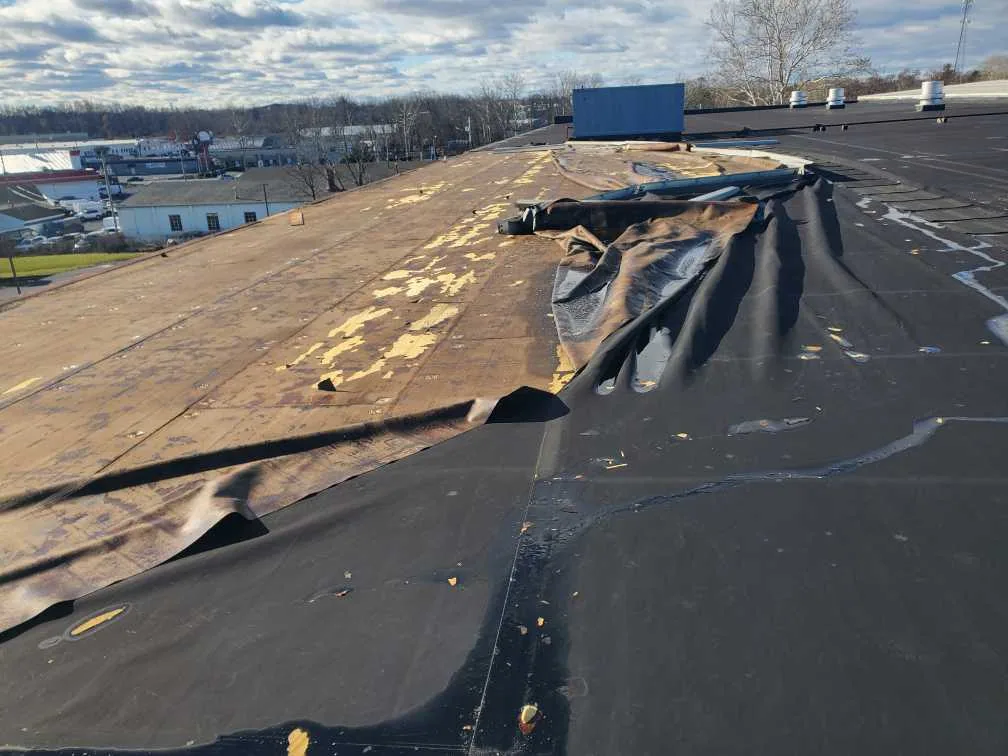
A lifted roof edge or open curb joint sets the first inspection point at a Cedar Park commercial property. We follow the seam, check attachment and flashing, then mark the work limit on a roof map. Cedar Park’s private-employer base includes healthcare, aerospace, technology, trucking, manufacturing, and retail. We confirm the building’s use and access rules before staging a crew.
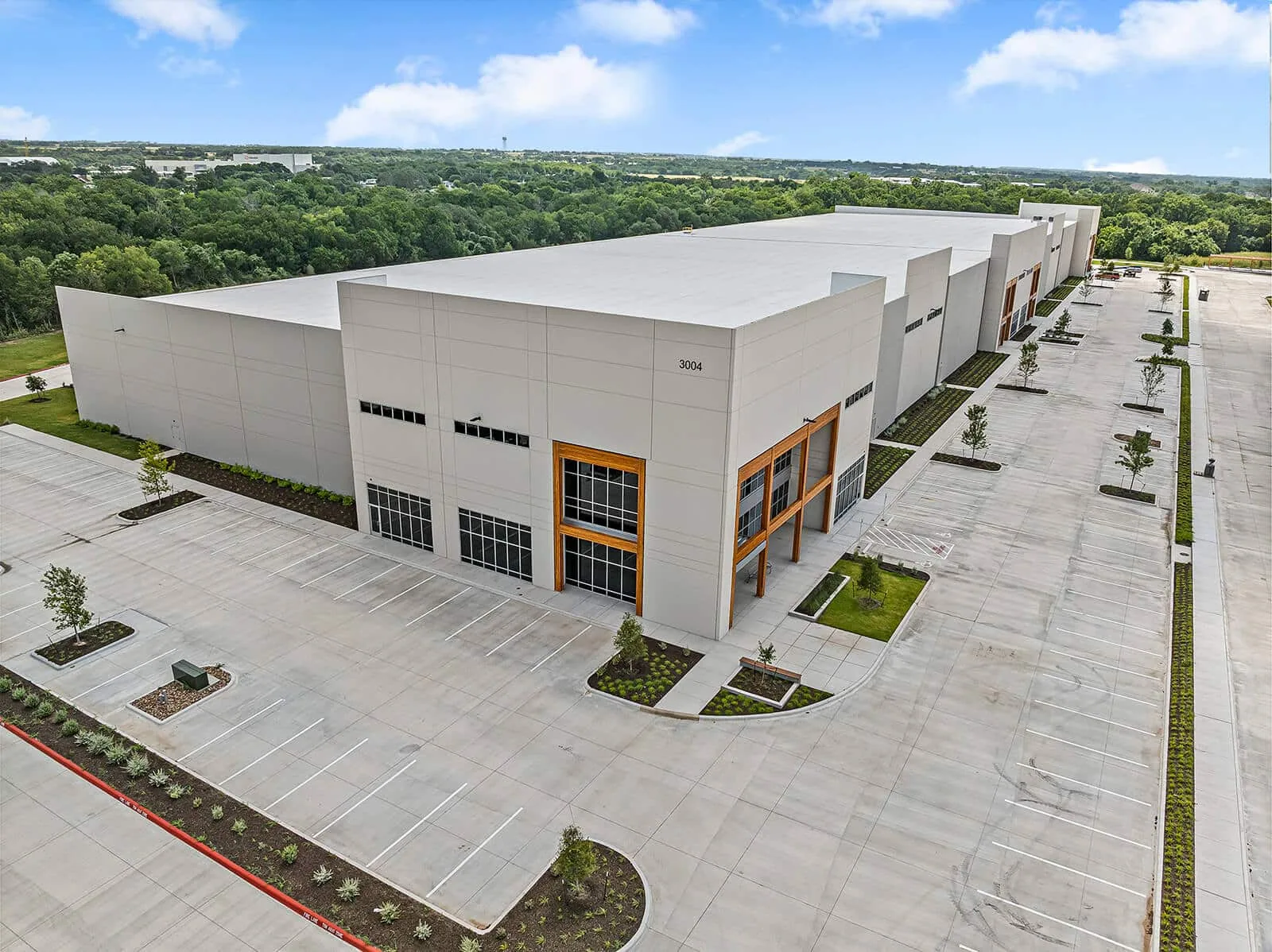
The city’s 117-acre New Hope project combines retail and logistics with hotel and convention uses. Construction is underway, with the lead development planned to open in 2027. A roof inspection starts with the assembly and reported condition at the property.
Retail, logistics, hotels, and convention operations can have different delivery and occupancy windows. We confirm the property contact, roof hatch or ladder, material route, loading rules, and ground-protection limits before mobilization. The site contact sets the work boundary and safe travel path.
At a property with public entrances, coordinate overhead work, debris control, lift use, and pedestrian routing. At a logistics operation, protect delivery circulation and loading access. Hotel or convention activity may require quiet hours or a staged roof zone. Those requirements come from the actual facility, not from the general category of use.
Before the walk, identify equipment that must remain operating and any roof zone that another trade needs. Mark clearances around curbs, drains, exhausts, and service paths. If interior access is needed to trace a leak, schedule it with the building contact. Areas that cannot be reached remain open inspection limits rather than presumed sound conditions.
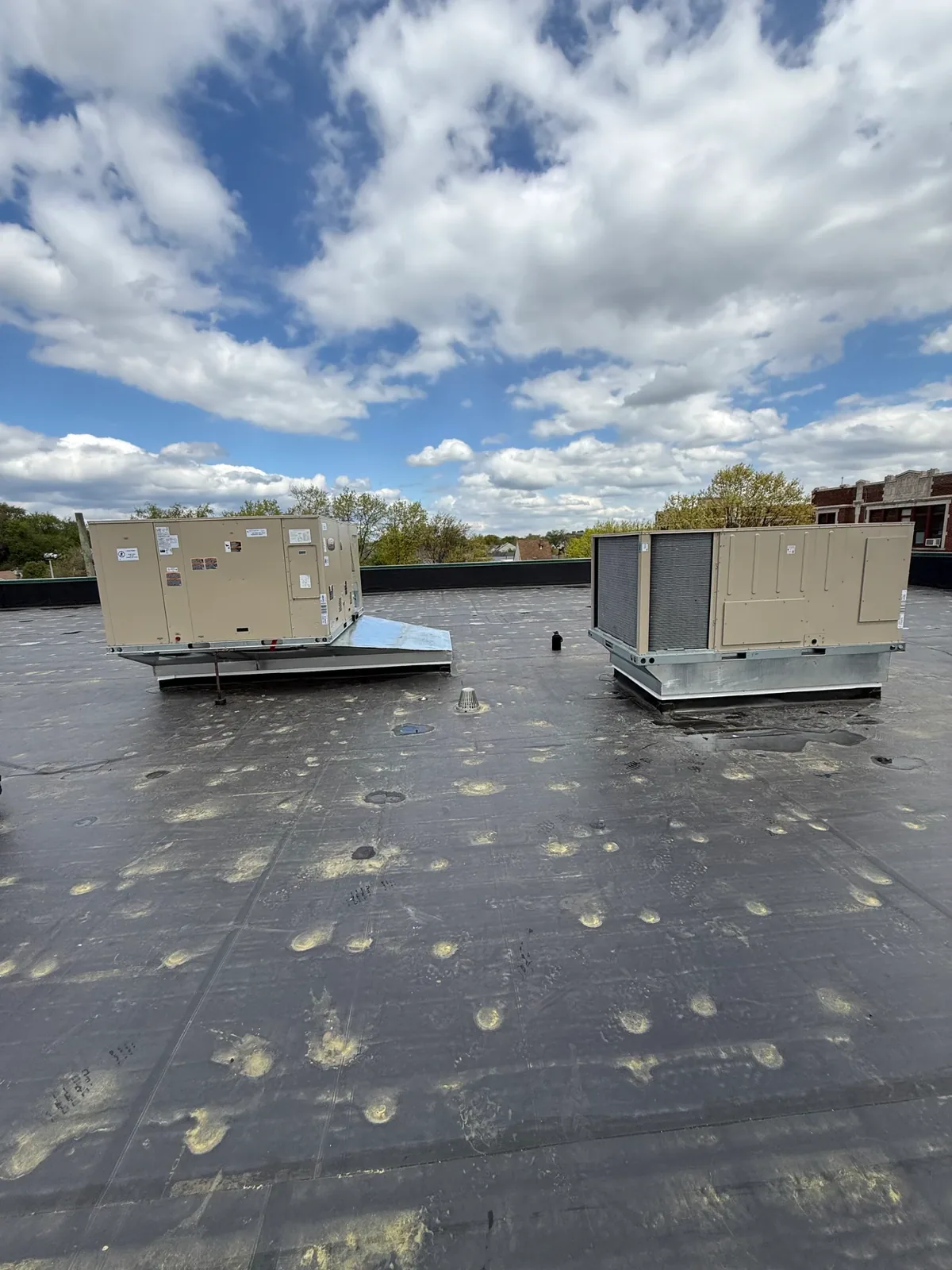
On a low-slope roof, inspect the field membrane, seams, penetrations, drains, wall transitions, and edge metal. Water can travel from an open lap or curb before it appears on a ceiling. We start near the report, trace the likely route, photograph the visible condition, and mark the area reached on the map.
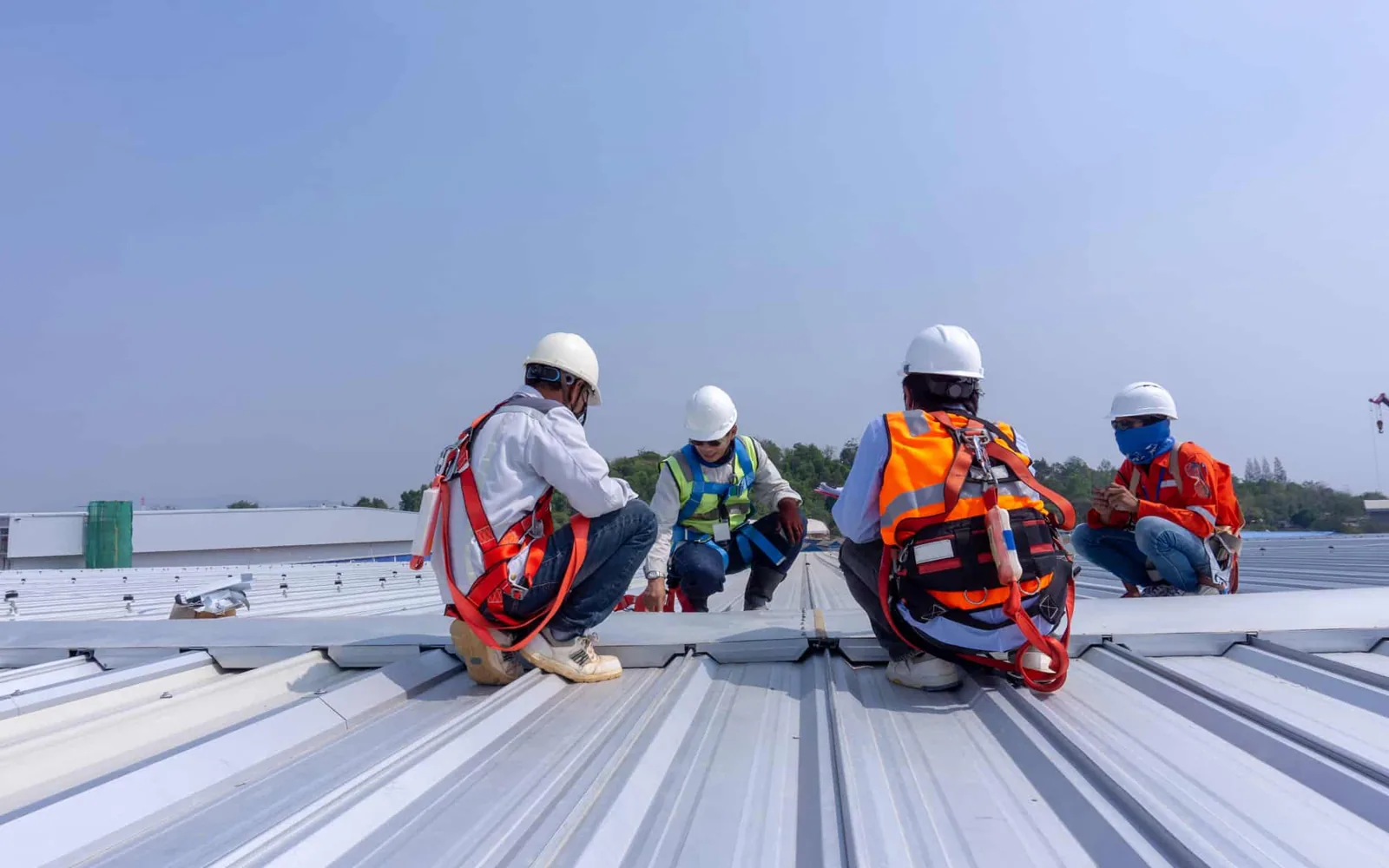
A metal roof needs a different check. Inspect panel laps, fasteners, closures, flashing, and movement at transitions. If the membrane or metal system is not identified in the records, review exposed details or plan a test. Do not apply a repair method based on a nearby building or a similar-looking roof.
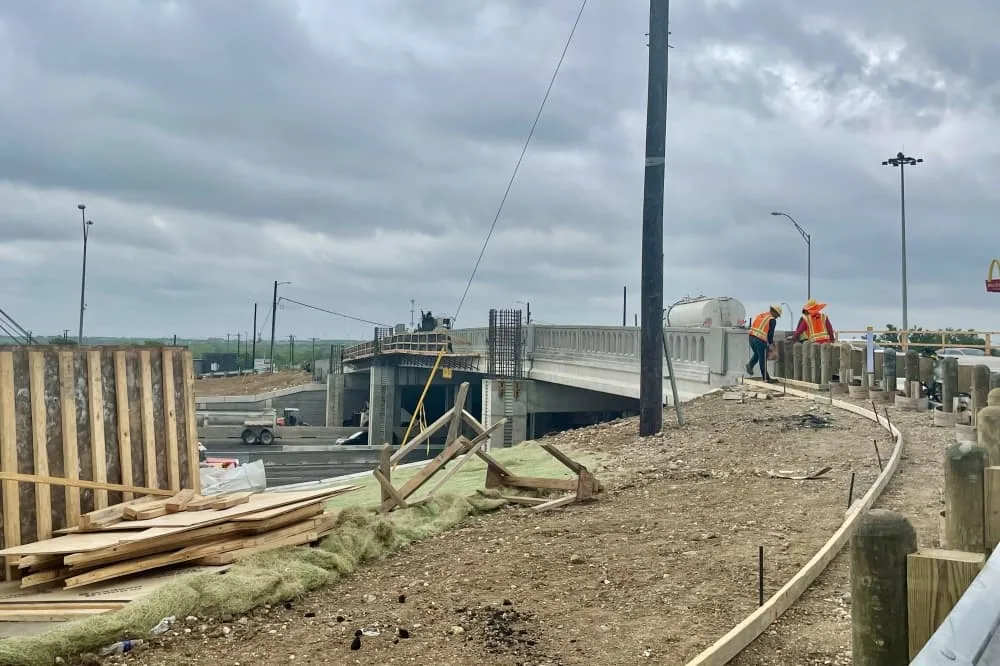
Where a site is under construction, the general contractor confirms current delivery routes and staging before material reaches the roof.
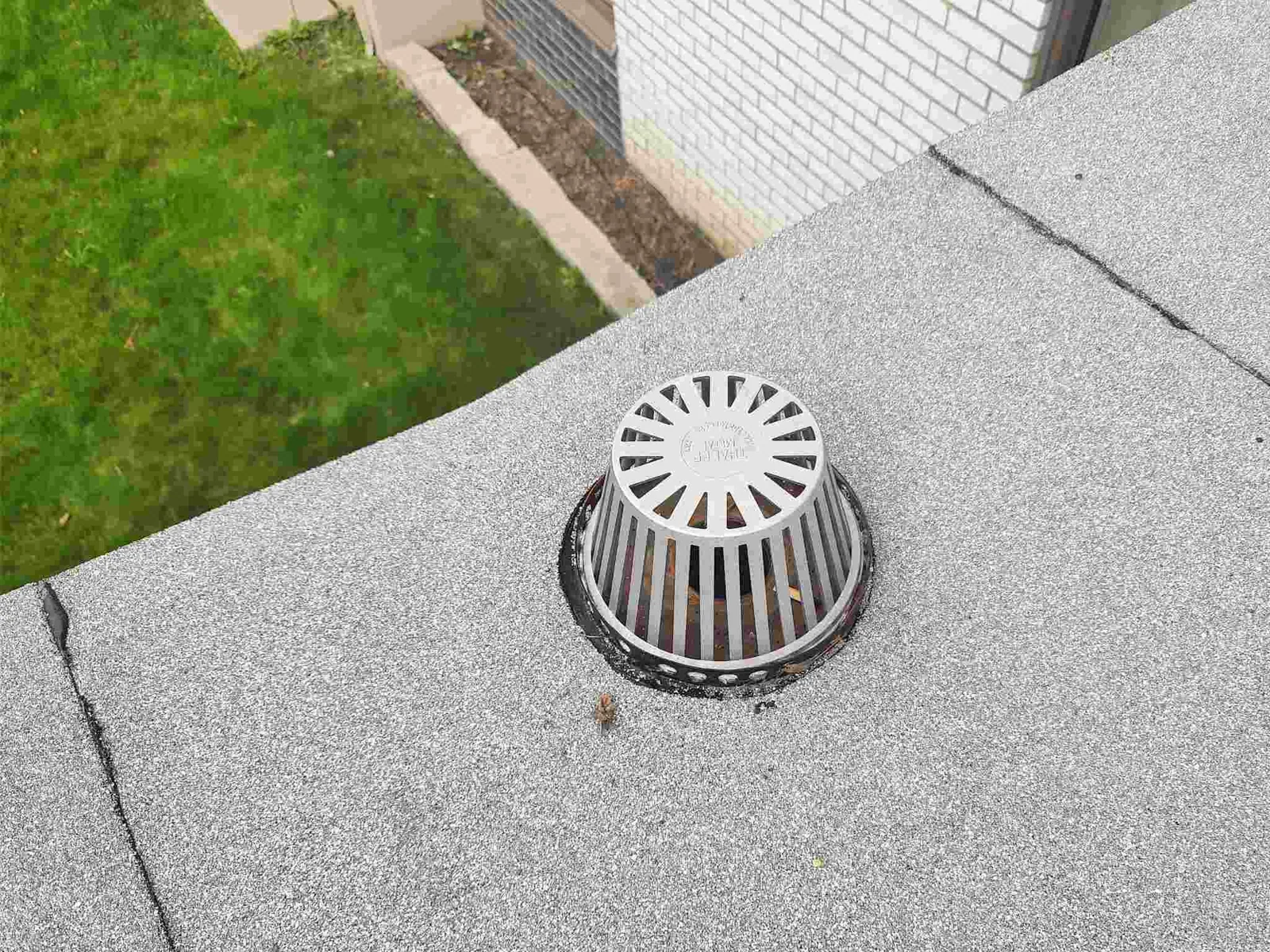
At a drain, check the strainer, bowl, clamping ring, slope, debris, and membrane connection. Clearing debris is maintenance; repairing a loose flange is a separate task. A drain inspection shows which condition is present. A curb detail review can document the boundary between roofing and mechanical work.
Cedar Park’s private-employer base includes healthcare, aerospace, technology, trucking, manufacturing, and retail. We confirm which equipment routes, delivery windows, and access limits apply at each property.
The New Hope project is a separate mixed-use development. For commercial roofs in Cedar Park, the building plan, receiving route, and active work areas determine staging and daily dry-in.
Georgetown is the central market for this service area, with its own industrial and commercial growth near NorthPark35 and Georgetown Logistics Park. Cedar Park properties keep separate service records and building contacts. A Leander service-area visit follows another municipality’s access route; a Georgetown inspection has its own roof map and work limit.
For occupied construction, identify the general contractor, staging zone, overhead protection, delivery windows, and any work that must remain uninterrupted. If the roof is being altered by another trade, record that interface before the roofing crew begins. A repair scope can keep each trade’s responsibility visible.
The Georgetown NWS station records summer daily highs in the 90s and several recent readings above 100°F. On a Cedar Park roof, surface conditions and product limits guide safe access, membrane preparation, adhesive timing, and the shift length available for dry-in.
Central Texas has documented hail and tornado exposure. A regional event record helps choose when to inspect, but it does not prove that a Cedar Park property was struck. We photograph punctures, fractured surfacing, open laps, displaced metal, and damaged flashing only when observed. A storm inspection records the actual roof condition and any area not reached.
Before opening an assembly, confirm the weather window, material staging, and protection plan. If conditions change, secure the opening at a controlled boundary and record what remains temporary. The next shift should know whether a seam is complete, whether a test is pending, and which contact must approve additional work.
A local membrane defect can support a targeted repair when surrounding material is sound and dry. Repeated failures, wet insulation, loose attachment, or a weak deck may require broader work. We mark what is confirmed and keep concealed conditions as a hold point until opened and reviewed.
A repair proposal separates membrane work from access, interior covering, staging, and test openings. Before pricing an overlay or coating, we determine whether existing layers are dry, bonded, and draining, then verify that wall and curb heights can accept the added system. A surface layer cannot correct trapped moisture below the membrane, so we test first.
A replacement evaluation considers tear-off, insulation, drains, penetrations, curbs, and phasing around active operations. For existing-building work, Georgetown’s local code adoption includes the 2021 IEBC provisions covering repair and alteration. The project team should confirm how that review applies to the proposed scope. We document roof findings for design coordination.
Timing and cost depend on roof system, access, repair quantity, materials, weather, testing, and the amount of roof that can be opened per shift. State those drivers before work. If a test opening exposes wet insulation or deck damage, pause at the hold point and review the finding before extending the scope.
Closeout should show roof zone, observed condition, material installed, photos, test results, repair boundary, and areas not inspected. Separate temporary dry-in from permanent work. If a later trade will cross the roof, mark the travel path and tie-in point. That creates a handoff the next crew can use.
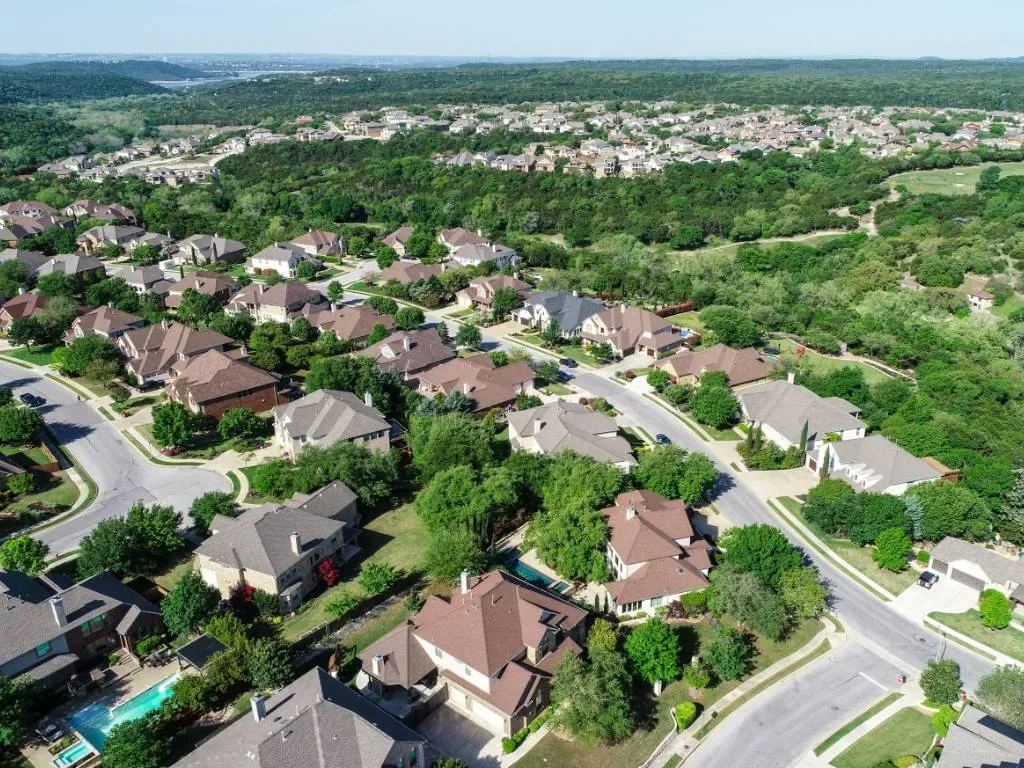
Owners managing Cedar Park and Georgetown properties can coordinate visits when calendars align. Findings stay attached to the building inspected. A dated inspection report can preserve the baseline. A University Boulevard corridor visit has its own site contact and access plan.
Send the property location, roof plan, reported issue, operating window, and general-contractor contact. We confirm the first walk route and any interior access or test area required. For active water entry, emergency response is available nights, weekends, and holidays.
We coordinate with retail, logistics, healthcare, aerospace, technology, trucking, manufacturing, hotel, and convention contacts as applicable to the property. The site team confirms actual access rules.
No. It is a separate 117-acre development with retail, logistics, hotel, and convention uses. We inspect the building and assembly that are part of your project.
It can support inspection timing, but only the field walk establishes visible conditions at the property. We record damage where observed and identify areas that still need access.
We photograph that interface, identify the affected zone, and coordinate a hold point with the general contractor before adding roofing work.
Access, operating hours, weather, materials, system type, test openings, and any concealed damage. We confirm those items before setting the daily work area.