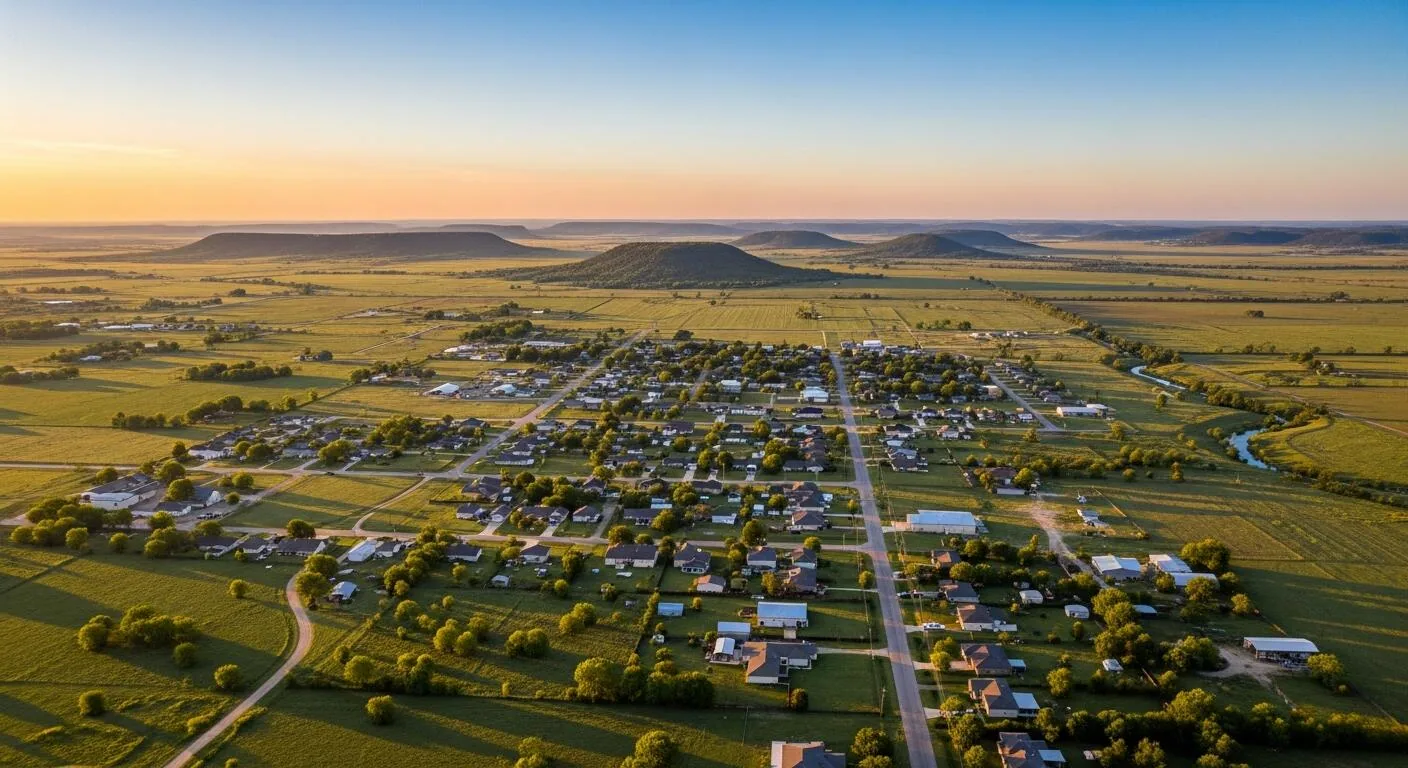
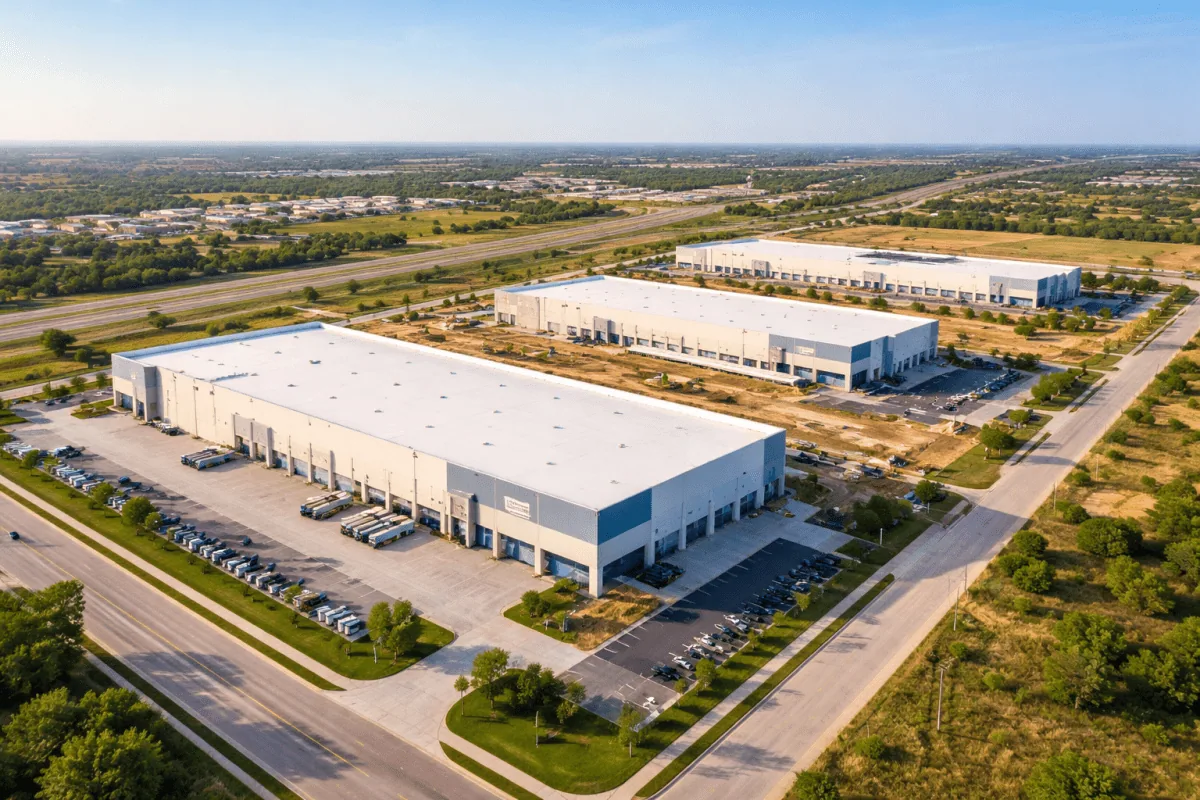
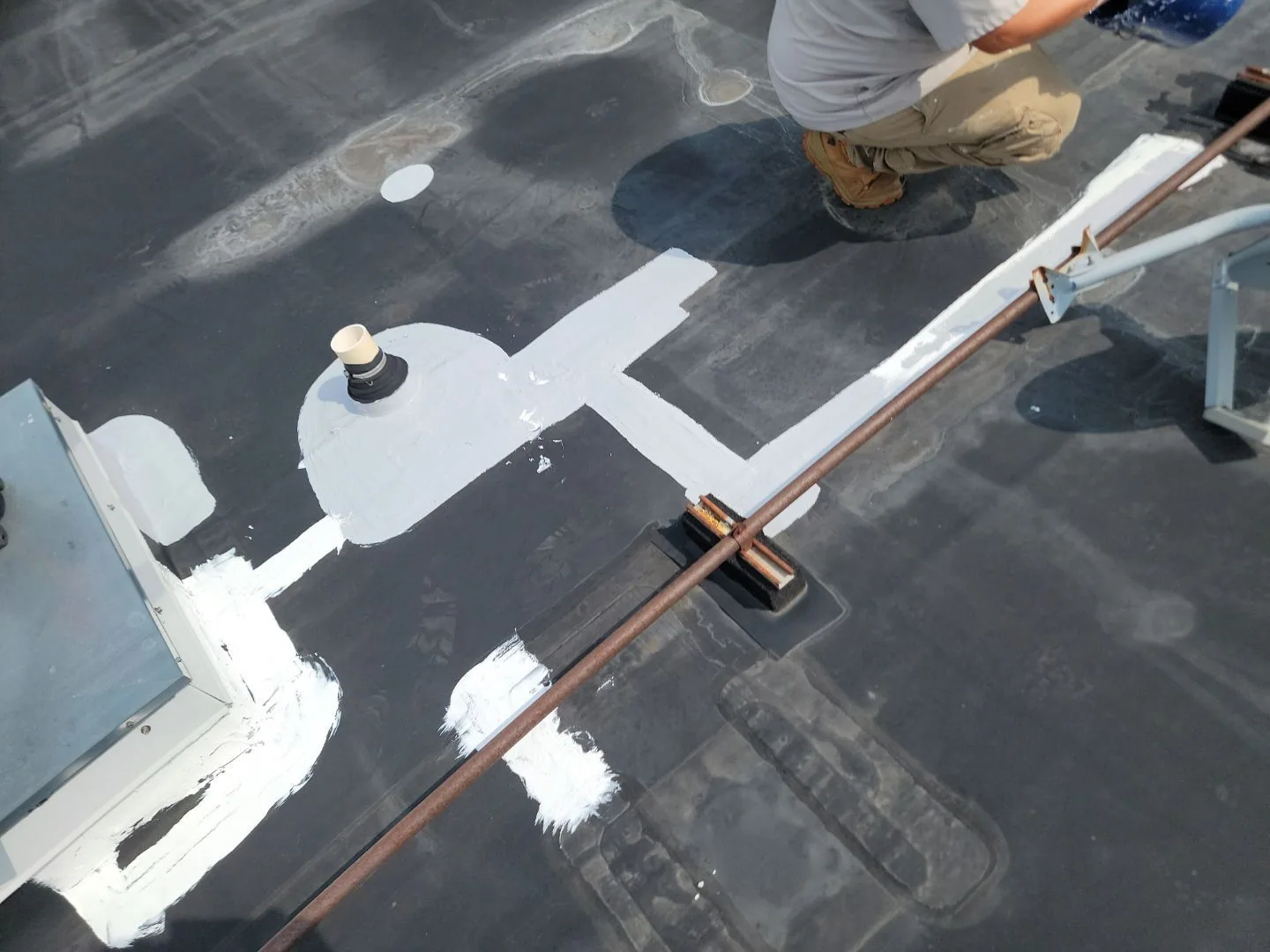
A lifted curb flashing can let water past the membrane. We check the corners, trace the seam, and mark the area reached before sizing the repair. Leander's growth strategy includes Northline, a planned mixed-use development, and Leander183 Commerce Center, an industrial park planned for logistics, manufacturing, and distribution. That range of planned uses makes building-specific roof information essential.
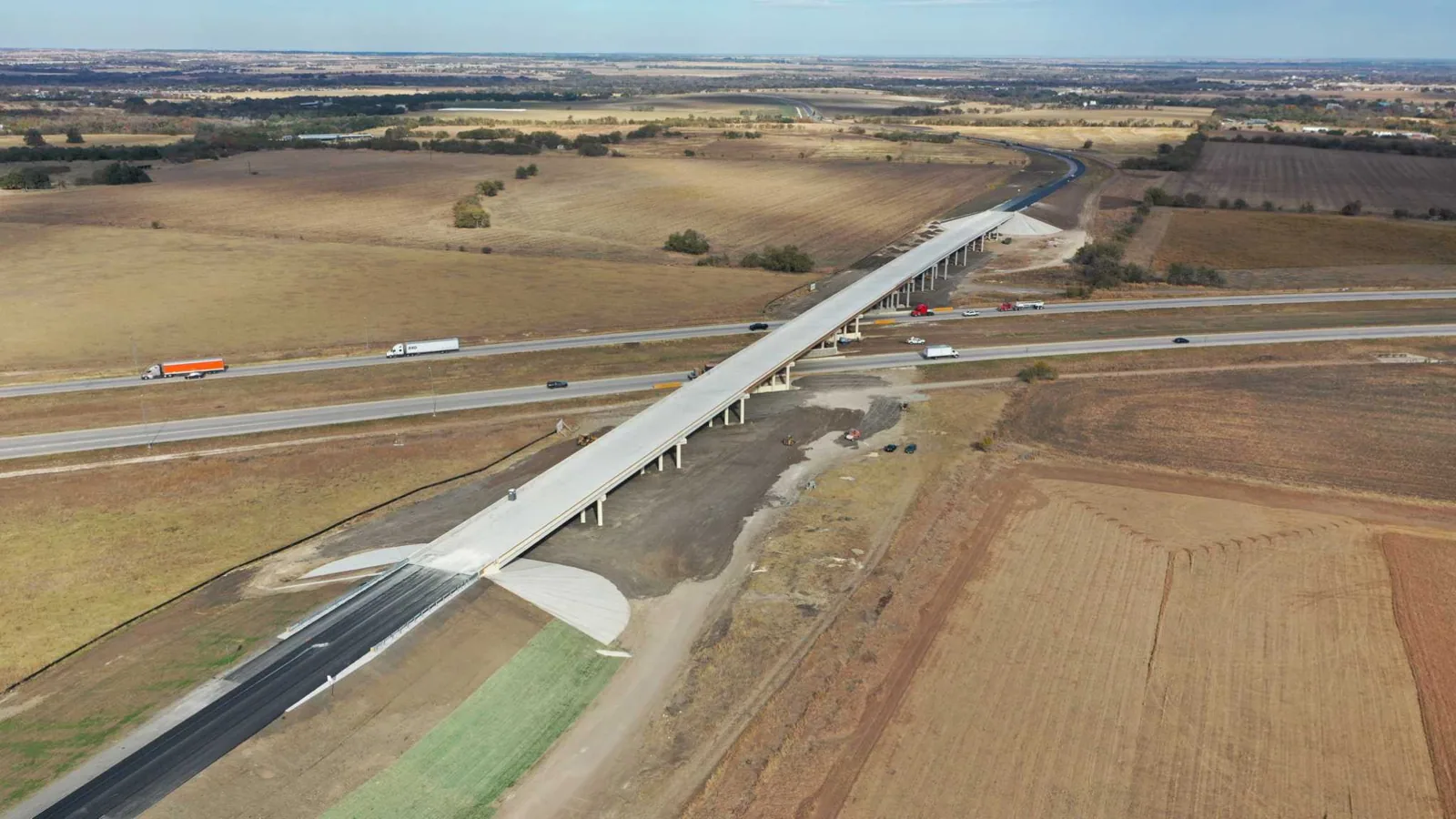
The city ties commercial growth to SH 183 and regional connections toward Georgetown and the Austin metro. At the property, we verify the roof assembly, drainage, edges, penetrations, and access route before sizing the repair. A commercial roof inspection gives the owner a dated roof map and a defined next step.
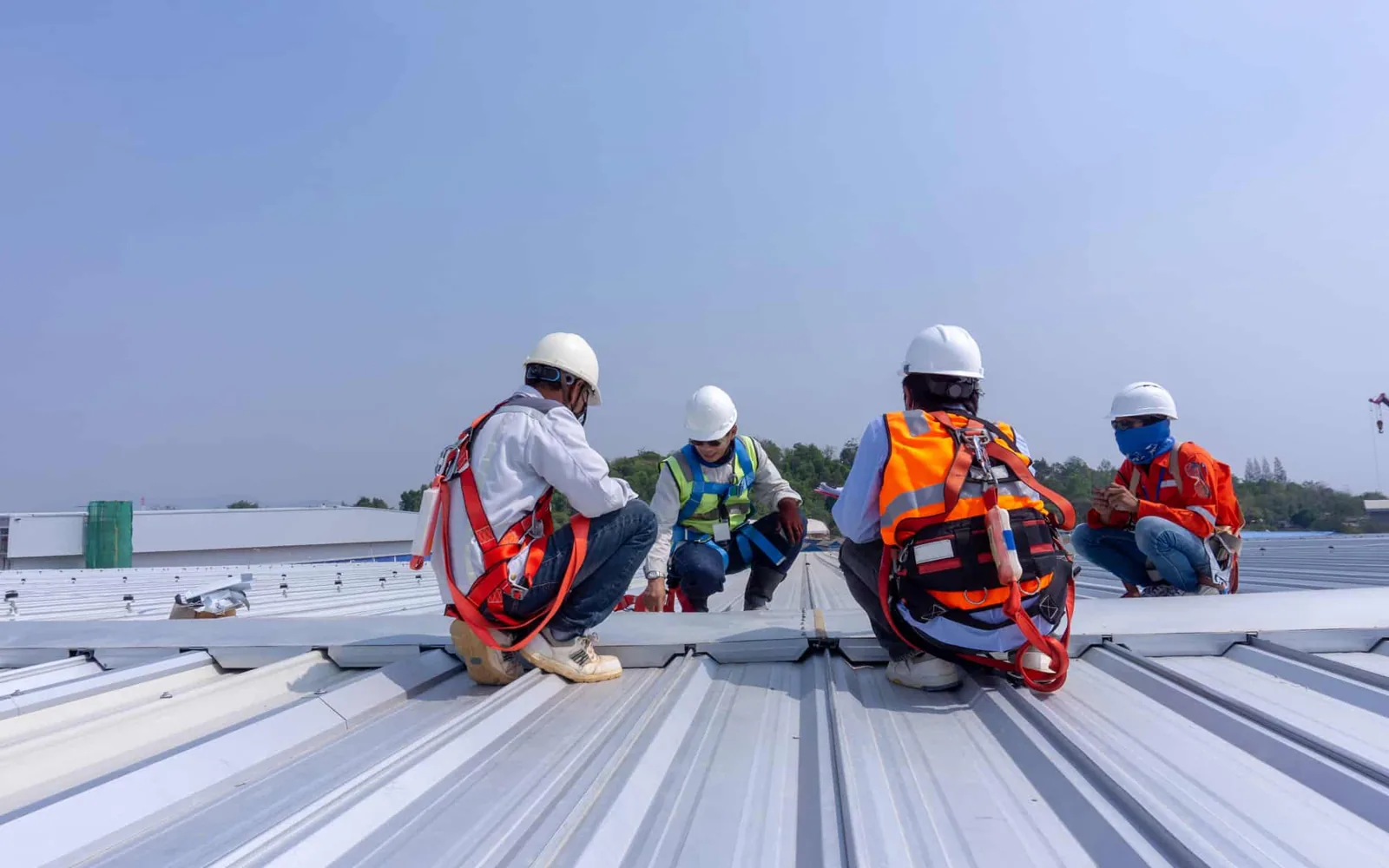
Our work in Leander includes roof surveys, leak control, targeted restoration, and full replacement planning for commercial buildings. The first walk can cover active water entry, a planned capital project, or a roof condition question. Northline and Leander183 Commerce Center remain distinct areas with separate site and roof records. For an active leak, call any time, including overnight, weekends, and holidays.
We inspect flashing corners, the membrane turn-up, sealant, and movement around the equipment base. A failed corner can send water into insulation or along the deck before it appears indoors. The roof map links the detail to the reported room without assuming a straight path. Photos document the seam, curb, and nearby drain.
At perimeter details, we examine coping joints, fastener rows, and membrane terminations for displacement. At a drain, we check the bowl, clamping ring, and flow path. If several details sit near one leak, we mark them separately and test the likely entry point. The work boundary stops where the field evidence stops.
Leander includes planned mixed-use growth at Northline and planned industrial capacity at Leander183. Northline and Leander183 remain growth areas with mixed-use and industrial plans. Before mobilization, we confirm construction limits, the building contact, access hours, and equipment clearances. For a new tie-in, current project drawings and the field condition both matter.
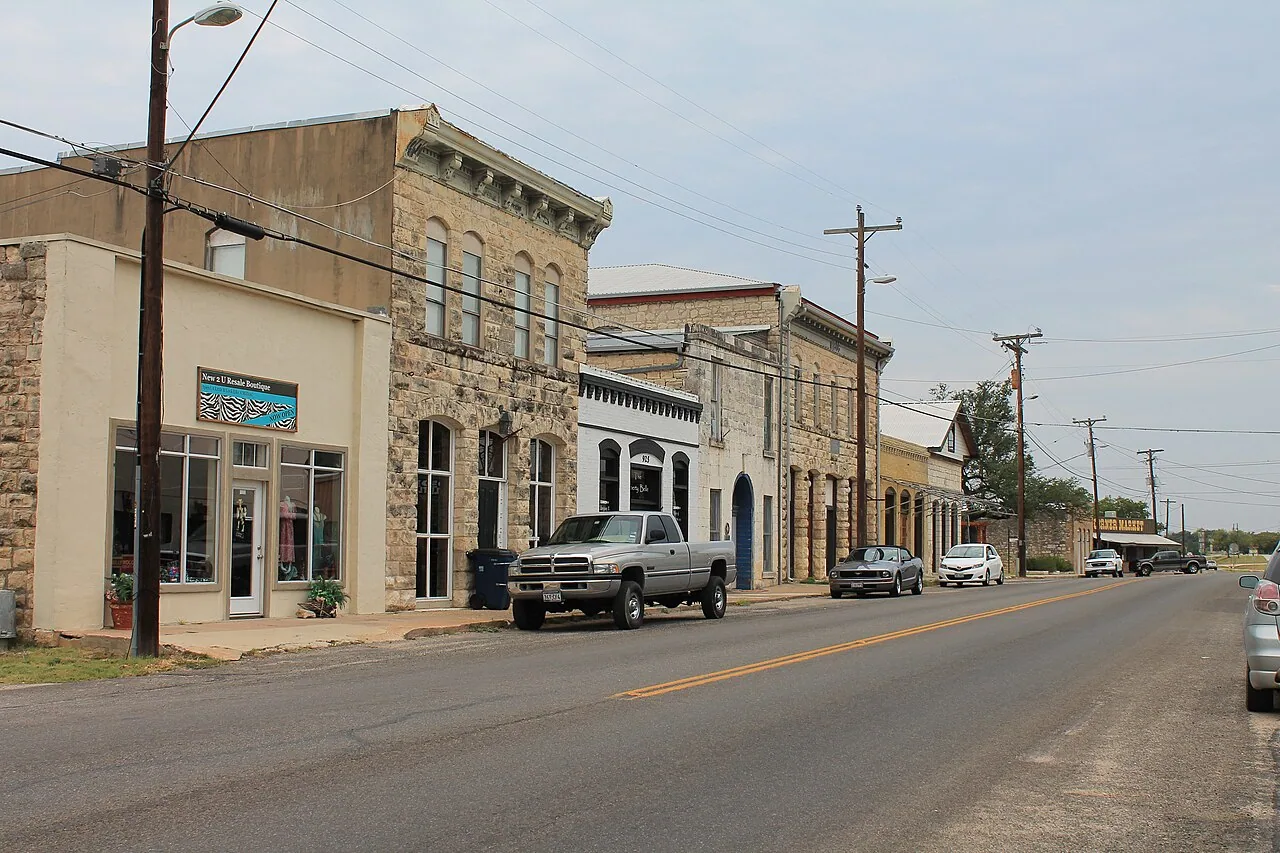
SH 183 links Leander’s commercial growth areas. Confirm the property entrance and loading point before staging materials. We confirm the actual gate, staging area, roof access, and travel path with the property contact. A lift position or material drop must fit the site's approved work zone.
For an occupied property, we coordinate roof work around entrances, deliveries, equipment service, and tenant hours. A general contractor can set access controls and identify work that another trade must finish first. We mark the sequence, dry-in point, and hold point before opening the roof. If field conditions change, the owner sees the issue before added work proceeds.
Northline combines residential, commercial, civic, and public-space uses, while Leander183 is planned for industrial and distribution activity. These settings can call for different access and protection plans. The site walk identifies which areas are active and where roofing work can proceed.
A property in Georgetown and a project at Leander183 Commerce Center each need a site-specific roof-access and operating plan.
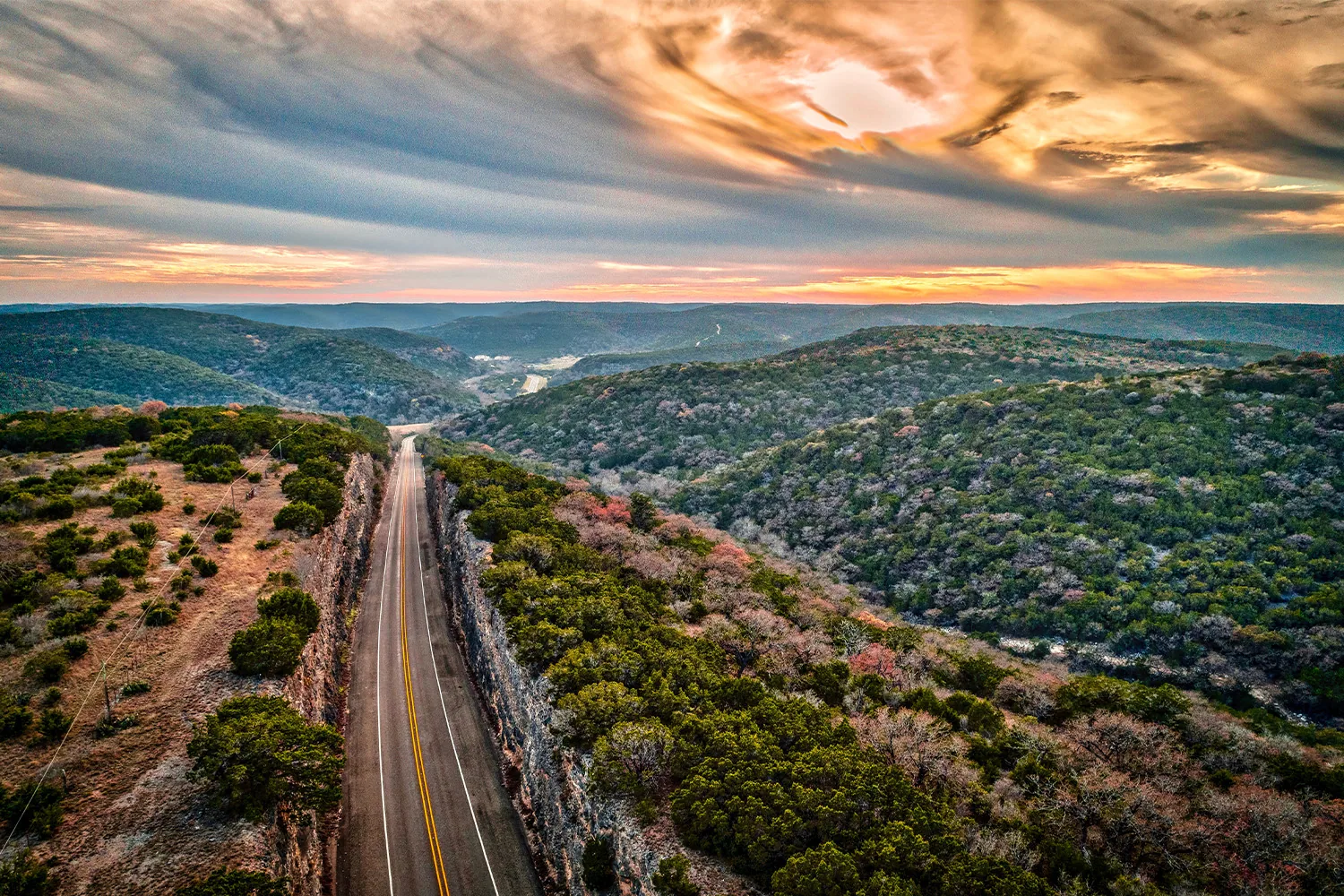
Georgetown’s summer climate brings many 90-degree afternoons and occasional recent days above 100 degrees. That regional heat can stress sealants, flashing, and membrane seams. We inspect for a brittle edge, released lap, or joint that no longer flexes, then check whether the opening extends beyond the visible point.
Hail marks can be cosmetic or functional. We check metal trim, membrane surfaces, seams, and penetrations for actual damage. The Austin forecast area, including Round Rock, has had large hail. That report supports a careful inspection, not a conclusion about a Leander roof.
Severe wind also makes attachment and perimeter details worth examining. A March 2022 tornado crossed the county after passing the I-35 and TX 45 interchange. We check each Leander roof for its own wind and water findings. We photograph any displaced metal, open seam, or damaged flashing that the site inspection confirms.
A repair plan should distinguish immediate water control from broader roof work. One isolated puncture may need a local patch. Wet insulation, weak attachment, or repeated failures may call for additional tests or a larger scope. We state what was inspected, what remains uncertain, and which finding would change the recommendation.
For a seam opening, we match the patch to the installed material, seal the lap, and verify the connection. Repeated leaks call for a review of nearby curbs and drainage. The leak repair scope names the affected area and any test needed before further work.
A recover remains an option only when the roof below is sound. We look for moisture, secure attachment, working drainage, and enough flashing height for another layer. A wet test area or weak deck changes the plan before material is ordered.
A replacement scope begins with the deck and the specified assembly. We inspect substrate, insulation, curbs, and drainage before setting the sequence. For a single-ply design, seam layout and perimeter fastening control the work. For a panel roof, fasteners and closures need a different review. We follow the project drawings and the roof conditions confirmed in the field.
Before roof work begins, we compare the project detail with the installed condition. We mark the attachment method, insulation layer, edge termination, and drain connection. A mismatch between the drawing and roof becomes a hold point for the general contractor. That keeps the selected assembly tied to the structure in front of us.Each finding receives a map reference, dated photo, and next action. We label the inspected area and any place that could not be reached. That record helps an owner assign repair work without treating an uninspected section as clear.
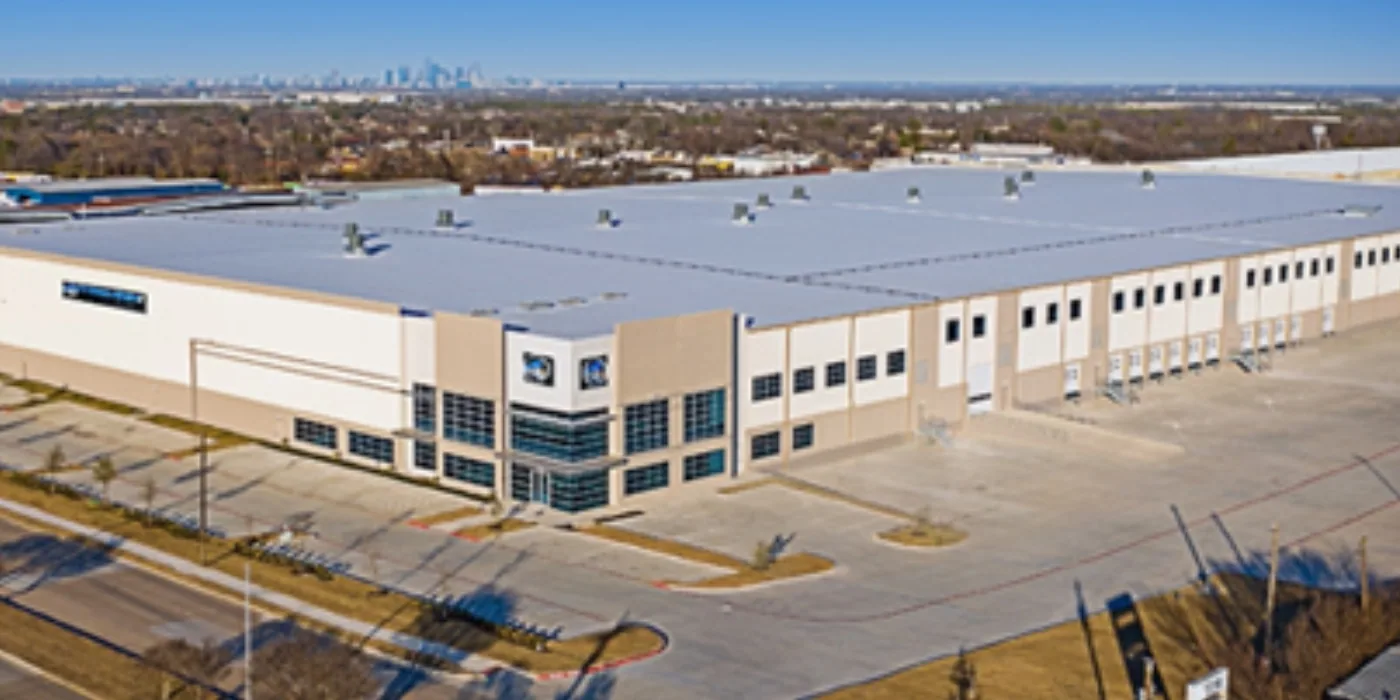
For a planned industrial project, the handoff may include substrate review, insulation changes, roof attachment, curbs, and drainage. For mixed-use construction, crews also need a defined dry-in boundary where separate phases meet. We identify the roofing work limit and the connection another trade must complete before closeout.
After turnover, preventive maintenance can revisit drains, seams, penetrations, and earlier repair points. The visit record shows what changed and what remains open. A maintenance schedule gives facility staff a baseline, while new water entry or storm damage calls for a timely inspection.
A condition report can keep photos and findings attached to each Leander property. The owner can compare priorities across Northline, Leander183, and other holdings without blending separate roof conditions. Each recommendation stays connected to its actual map and inspection date.
At closeout, we inspect the repaired seam, curb, edge, or drain, remove debris, and list anything still open. If the work stops at a hold point, temporary protection and the next action are recorded. The general contractor can see where roofing ends and which connection still needs coordination.
For replacement work, the handoff can track the assembly from substrate review through insulation, membrane, and final flashing. A roof asset record keeps inspection dates and follow-up items with the right property. That is useful when a portfolio includes both mixed-use and industrial projects.
To schedule a Leander walk, identify the roof section and who will provide access. We will confirm which details can be inspected and what information the report will return. Active leaks can be reported overnight, on weekends, and on holidays.
No. It identifies planned land uses and corridors. We inspect the roof and confirm its assembly.
We inspect the flashing corners, membrane turn-up, sealant, and nearby seams, then trace the likely water path.
Yes. Current drawings and site access help map the roof, open details, and dry-in handoff.
Photos show damaged membrane, metal, seams, or flashing.
Weather, access, delivery, hidden damage, or trade coordination shifts timing.